In lane Electric Vehicles
Bruno Sacco’s Mercedes-Benz Designs: From the W126 to the 190
Description
Bruno Sacco shaped Mercedes-Benz design around lasting identity, guiding the W126, 190, W124 and R129 before the oversized W140 tested his influence.
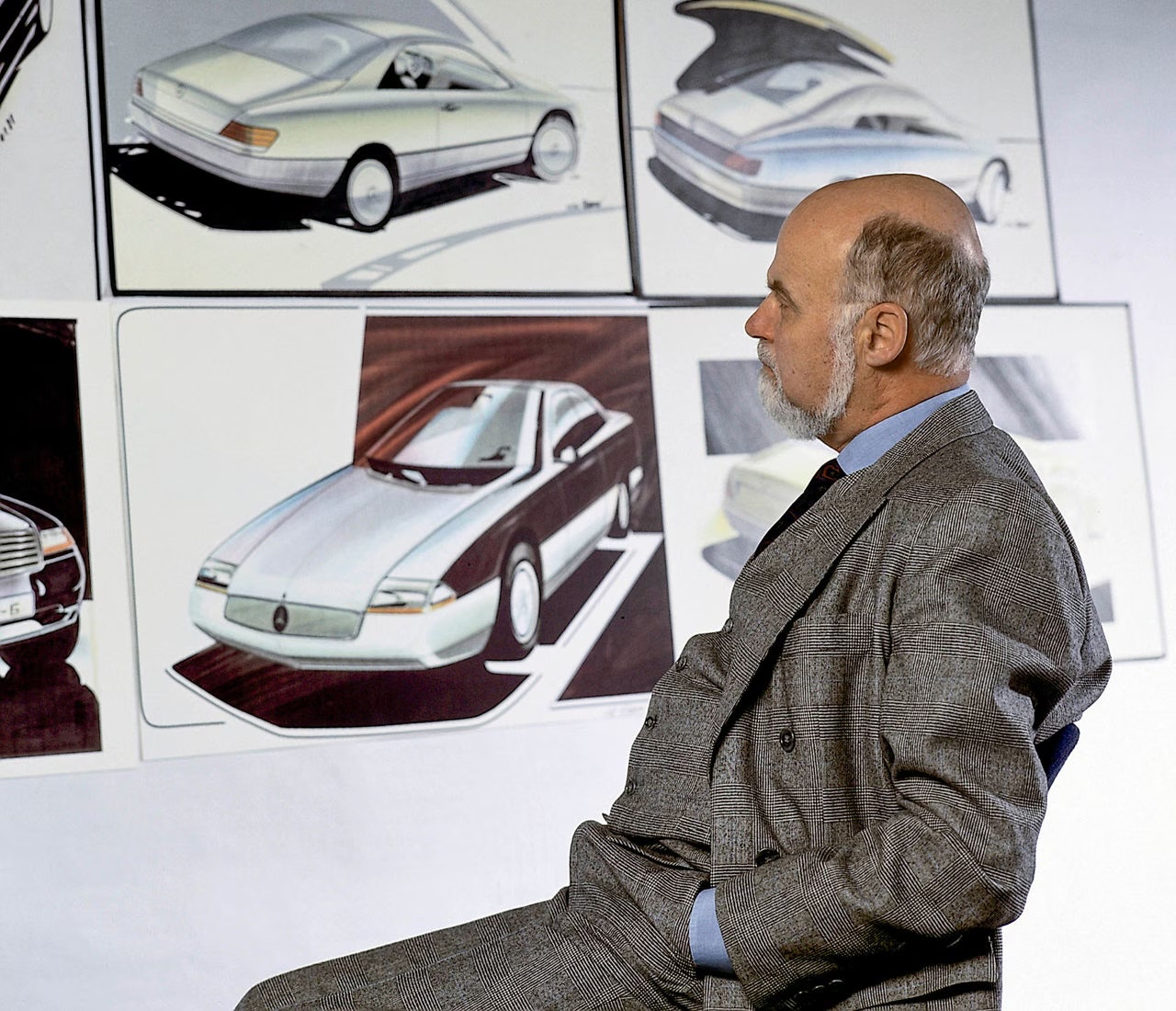
Bruno Sacco’s lasting contribution to Mercedes-Benz was a design system that made cars as different as the S-Class and the compact 190 feel like members of the same family. The W126, W201 and other models created under his direction paired engineering-led restraint with a recognizable presence that still draws enthusiasts to the marque’s older cars.
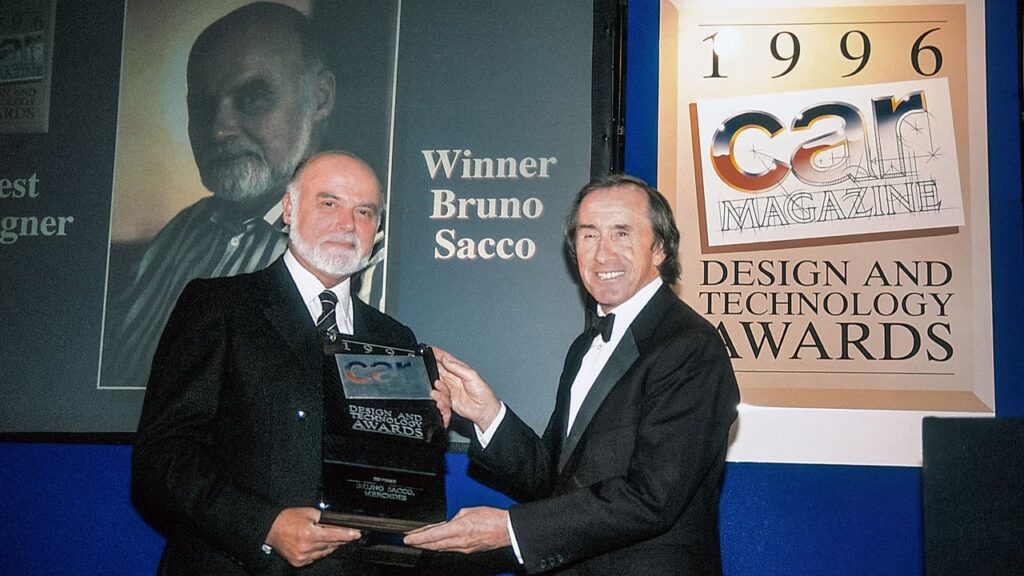
Sacco died on September 19 at age 90. His career at Mercedes-Benz began in 1958, after a short period at Turin design house Ghia. He later recalled being drawn to Stuttgart by the 300SL “Gullwing” and the racing record of the W196 “Silver Arrows” Formula 1 cars. Working under Friedrich Geiger and Karl Wilfert, he learned the company’s engineering-led approach and became deeply familiar with German culture. He reportedly mastered the language to an exceptional level.

The W126 sets the standard
When Sacco became design director in 1975, Mercedes-Benz was financially strong but facing pressure from the oil crisis and fuel economy rules in the important U.S. market. Its next S-Class, the W126, had to preserve the room, presence and refinement expected of a flagship while becoming lighter and more aerodynamically efficient.
Presented in 1979, the W126 was the first Mercedes-Benz design for which Sacco held full responsibility. It looked sleeker and more athletic than the W116 it replaced, yet kept the visual authority associated with the S-Class. The result became the best-selling generation of the model, according to the source, and remains a benchmark for how Mercedes could evolve a familiar shape without losing its character. Buyers can compare its history and ownership considerations in Hagerty’s W126 S-Class buyer’s guide, while the W116 provides a useful view of what came before.
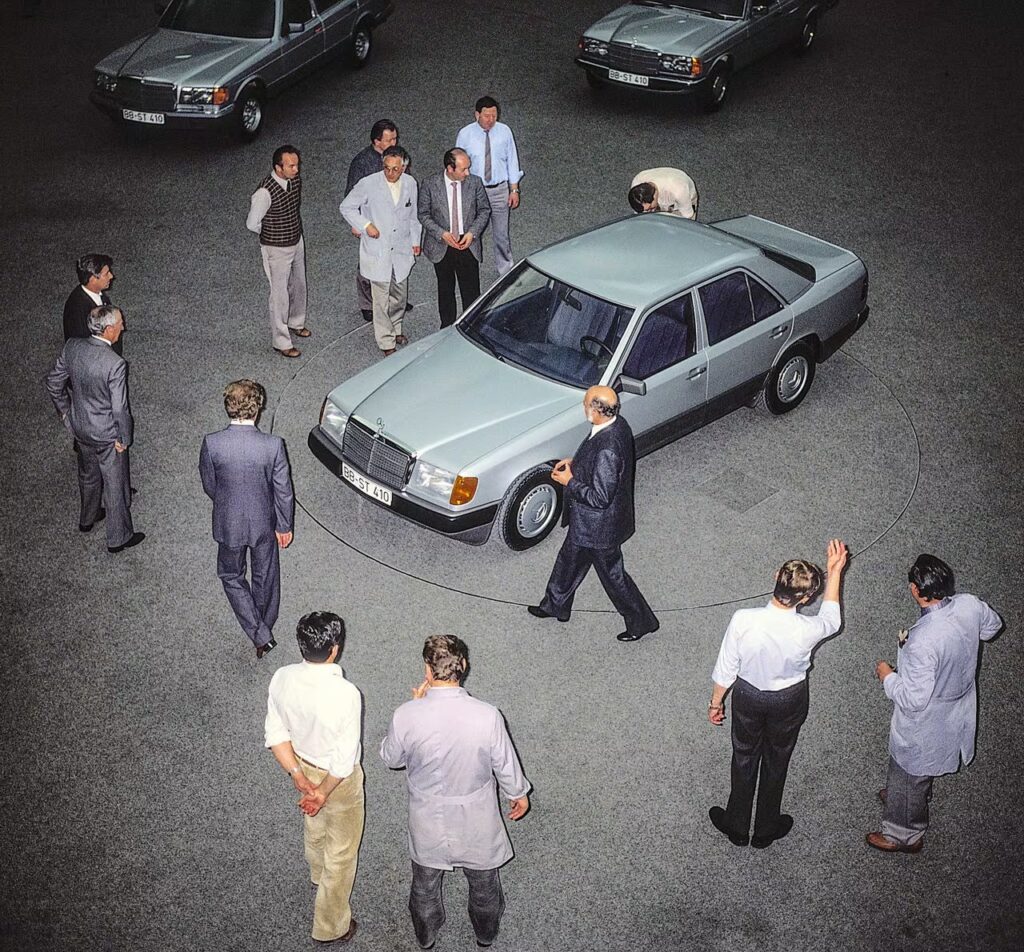
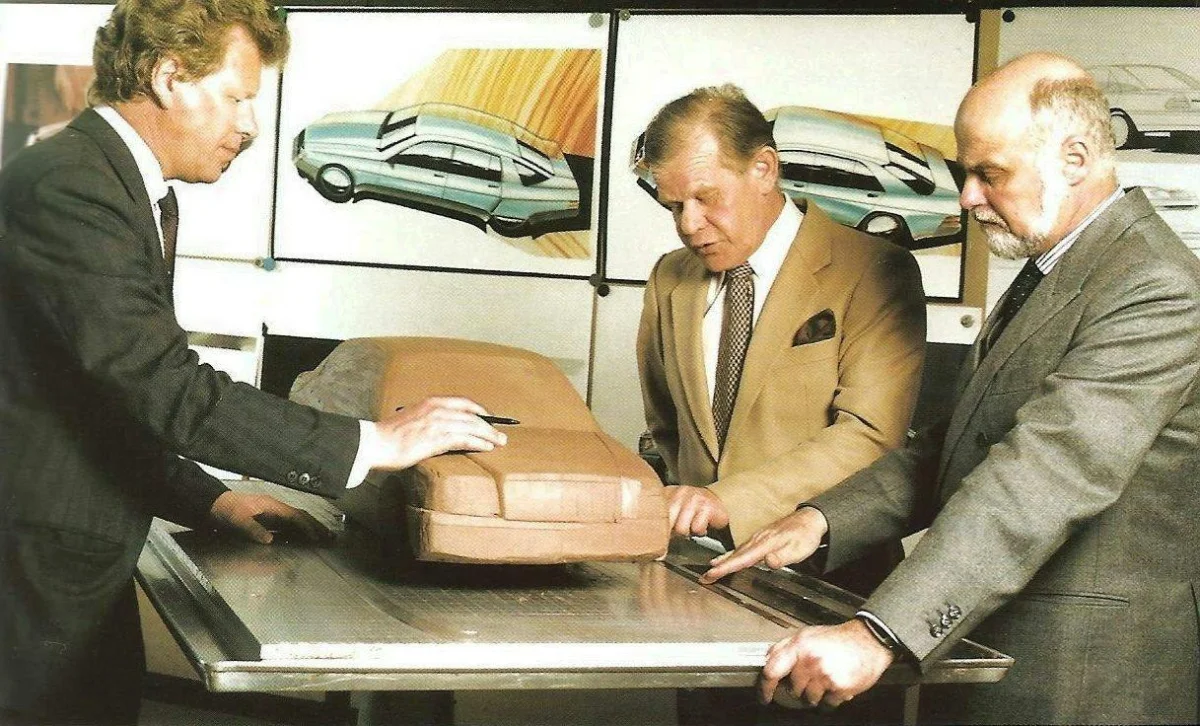
Sacco’s name became closely attached to these cars, but the work was collective. He acted more like a conductor than a lone stylist, guiding a large team through a lengthy process at the Sindelfingen studio. Mercedes-Benz had the resources and model development timelines to explore many directions, then refine the strongest ideas through repeated clay models. That slow process softened individual contributions and made the finished cars feel coherent.
The surface treatment mattered as much as the overall outline. During an era when many cars adopted sharp, folded-paper forms, Mercedes-Benz used broader radiuses and carefully crowned panels. Those shapes suggested substantial, solid construction rather than thin stamped metal. It was a visual impression, but one closely tied to the marque’s reputation for engineering quality.
A family resemblance across the range
Sacco described one guiding principle as “Vertical Affinity”: each generation should remain recognizably related to the model before it, even decades later. The W126 advanced the S-Class while retaining enough familiar cues to make the lineage clear. Mercedes’ S-Class history traces that continuity through generations.
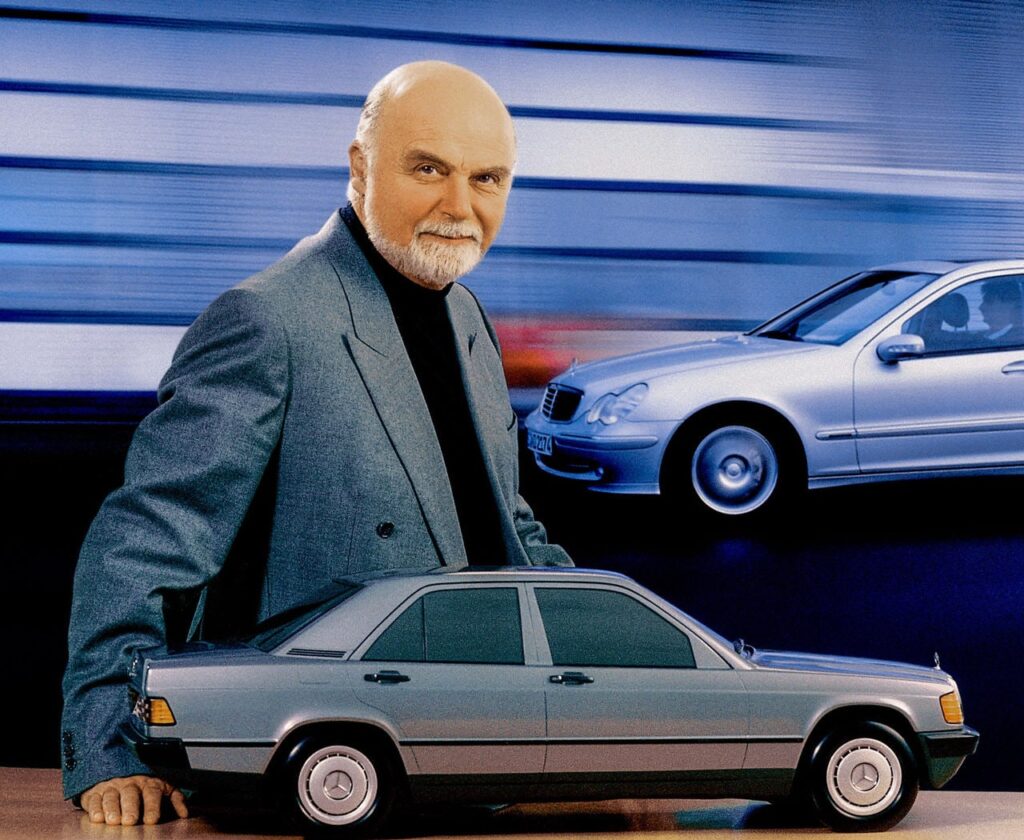
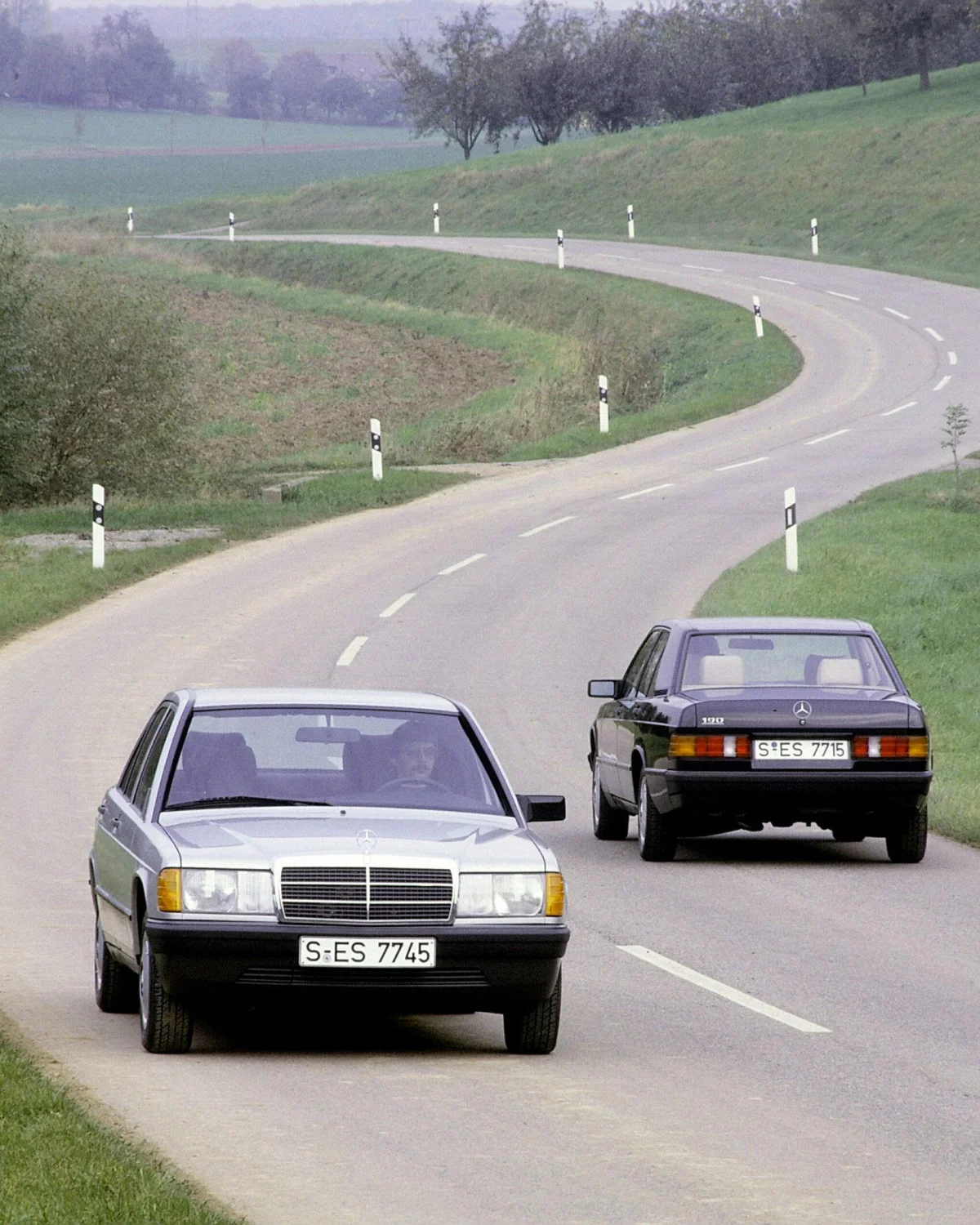
The other principle, “Horizontal Homogeneity,” addressed the opposite challenge: making every model in the range identifiable as a Mercedes-Benz without simply shrinking the large sedans. The W201 190, launched in 1982 as the company’s first compact sedan, put that idea to a demanding test. Known in the press as the “Baby Benz,” it had no direct predecessor in the lineup.
The 190 was more contemporary and less formal than the W126. Bright trim largely disappeared, apart from the traditional grille, which was raked back to help the car move through the air. Wind tunnel work also shaped its pronounced wedge profile. The high rear deck could have looked heavy, but angled surfaces at its sides helped balance the form. The design surprised buyers at launch and split opinion; its familiar appearance today owes much to the many cars that later adopted similar ideas. The model’s later 190 Evolution II also shows how far the compact platform could be developed.
Sacco’s run continued with the mid-size W124 and reached another high point with the R129-generation SL. But the W140 S-Class, arriving as BMW’s E32 7 Series challenged Mercedes’ place in the luxury sedan market, brought conflict inside the company. Mercedes pursued a no-compromise flagship, and the W140 grew substantially during development. Its bulk disrupted the proportions Sacco favored, and management ultimately overruled him, weakening his standing.
The W140 reached showrooms during an economic recession. Its size and engineering excess struck many German observers as out of step, and sales fell short of expectations. The program became Mercedes-Benz’s last described as “cost-no-object.” The company then moved toward cost reductions and acquisitions, while its design approach shifted from Sacco’s paired principles to “Design Freedom.” The source links that turn, alongside widely reported reliability problems, to a loss of some of the brand’s former polish.
Sacco retired in 1999. His work remains a practical reminder that a strong design identity can connect models across sizes and generations without making them look alike. The W126 and 190 show that balance most clearly; their enduring appeal rests on considered proportions and a family resemblance built through patient development.


