In lane Electric Vehicles
ArtCenter’s Mullin Transportation Design Center Gives Car Design a New Home
Description
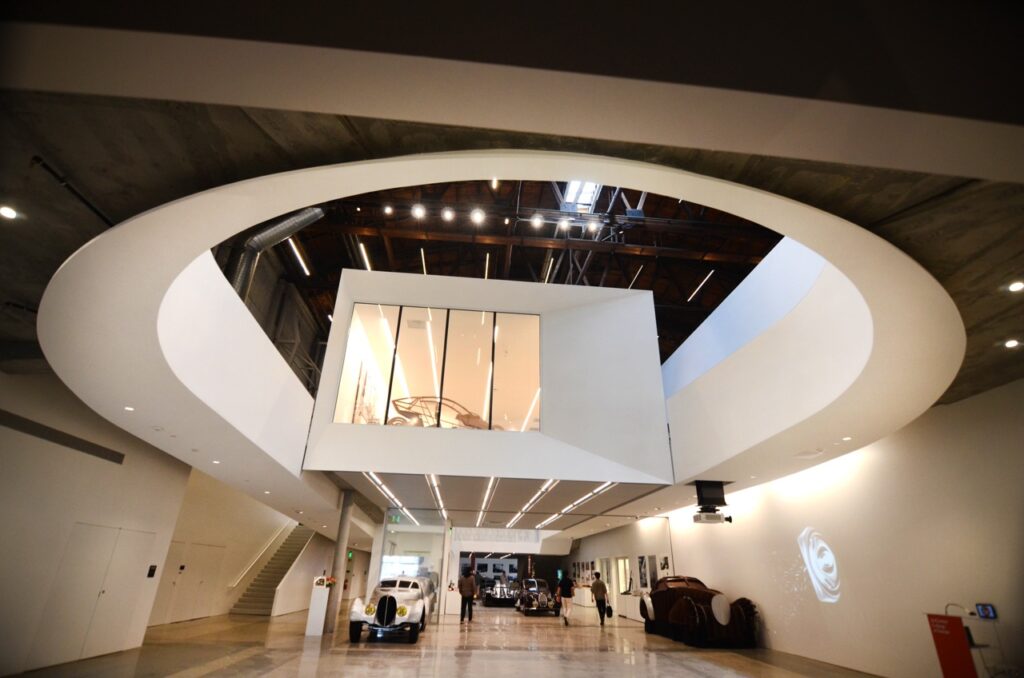
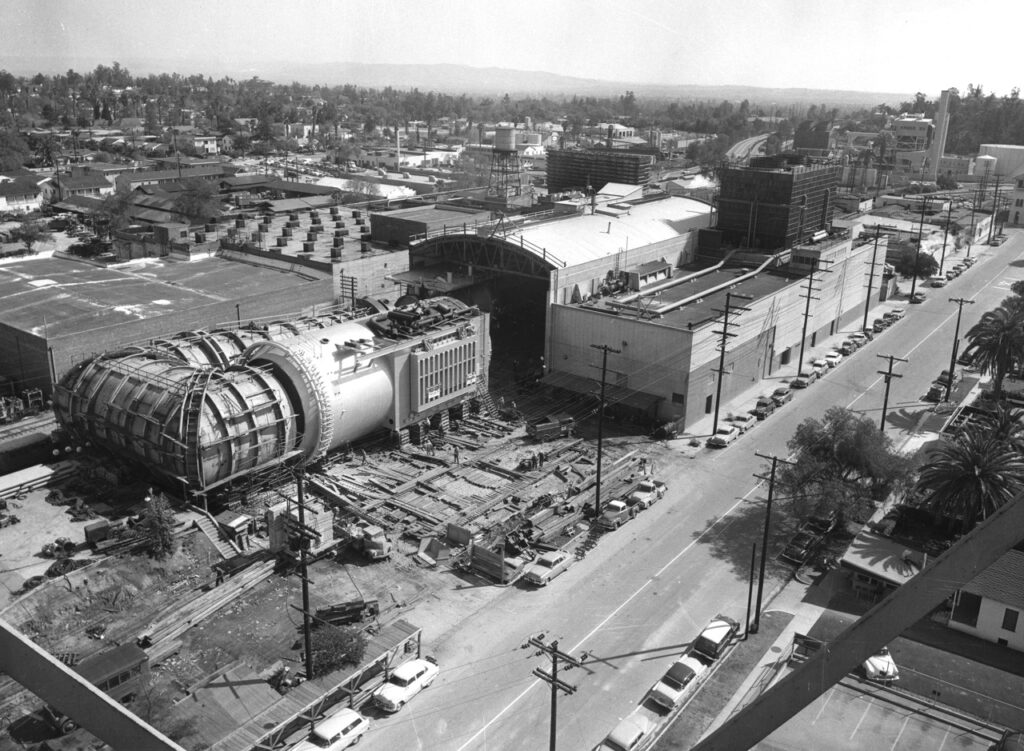
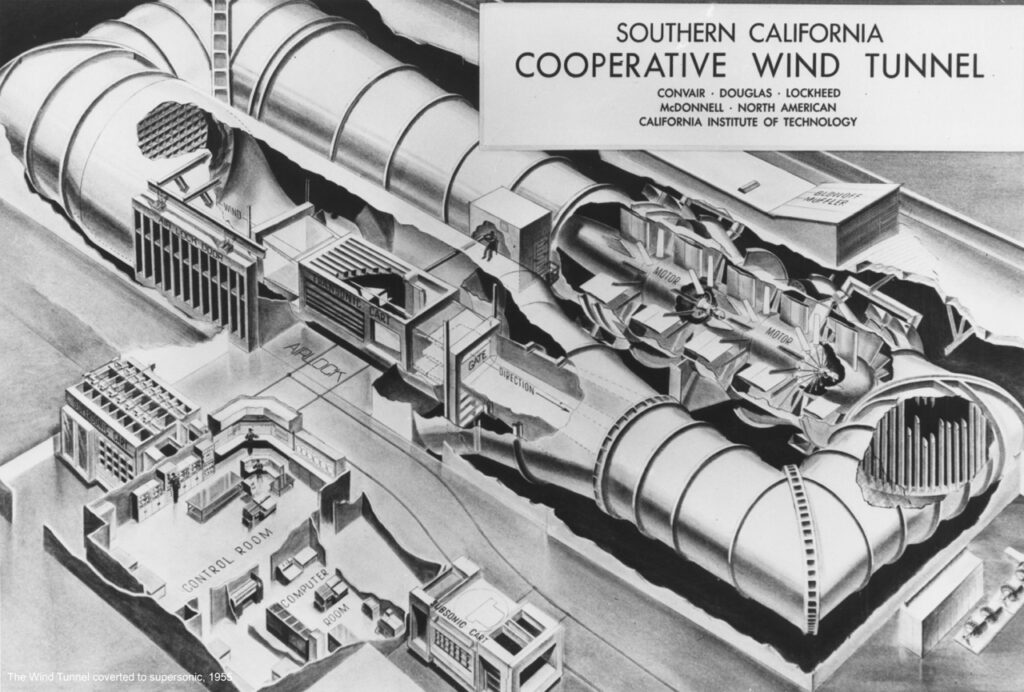
A former supersonic wind tunnel now houses ArtCenter’s 31,000-square-foot transportation design center, unveiled alongside a car show and Bugatti Type 64.
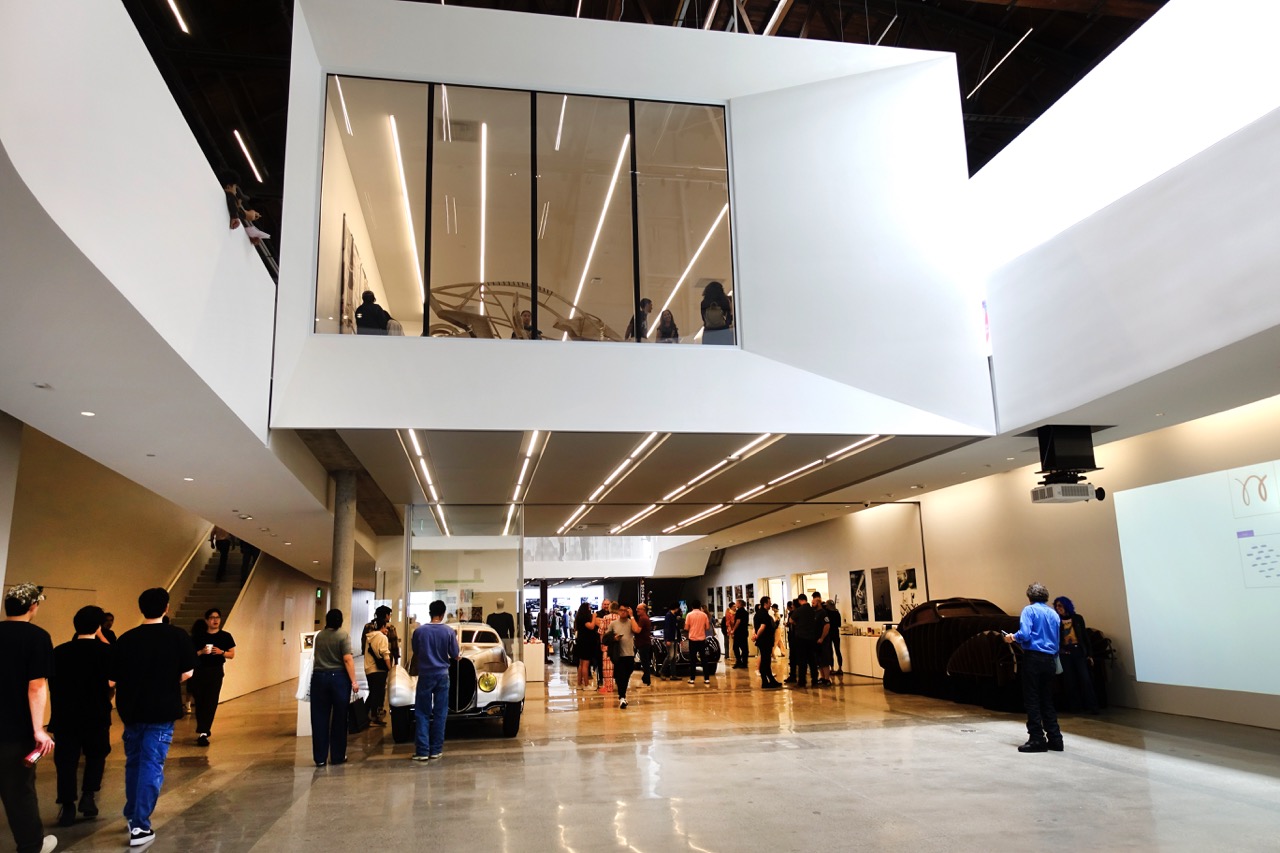
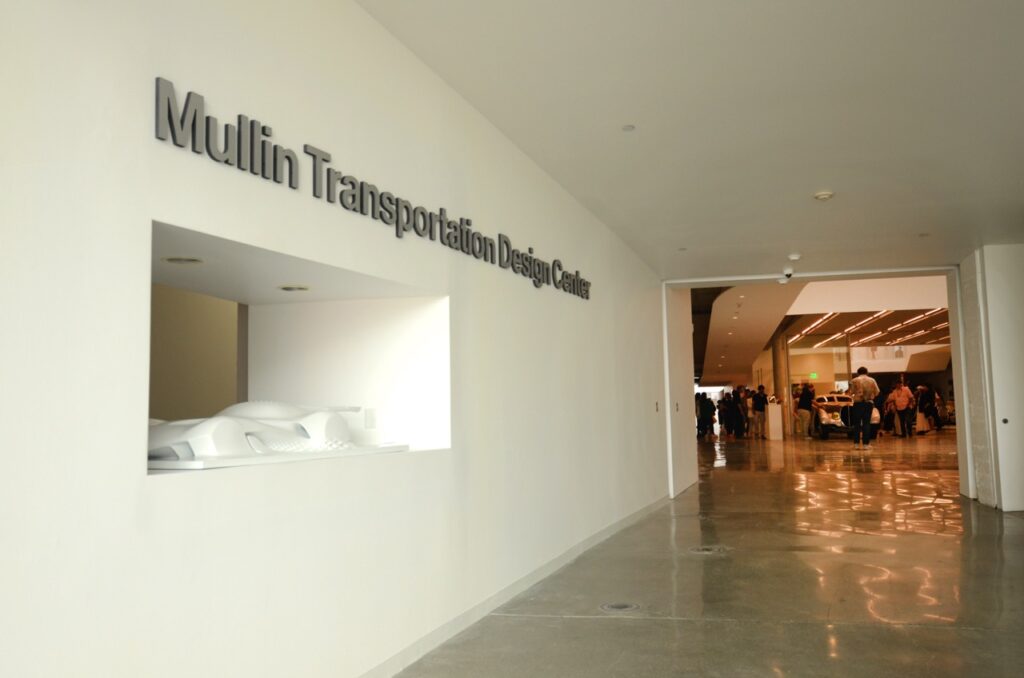
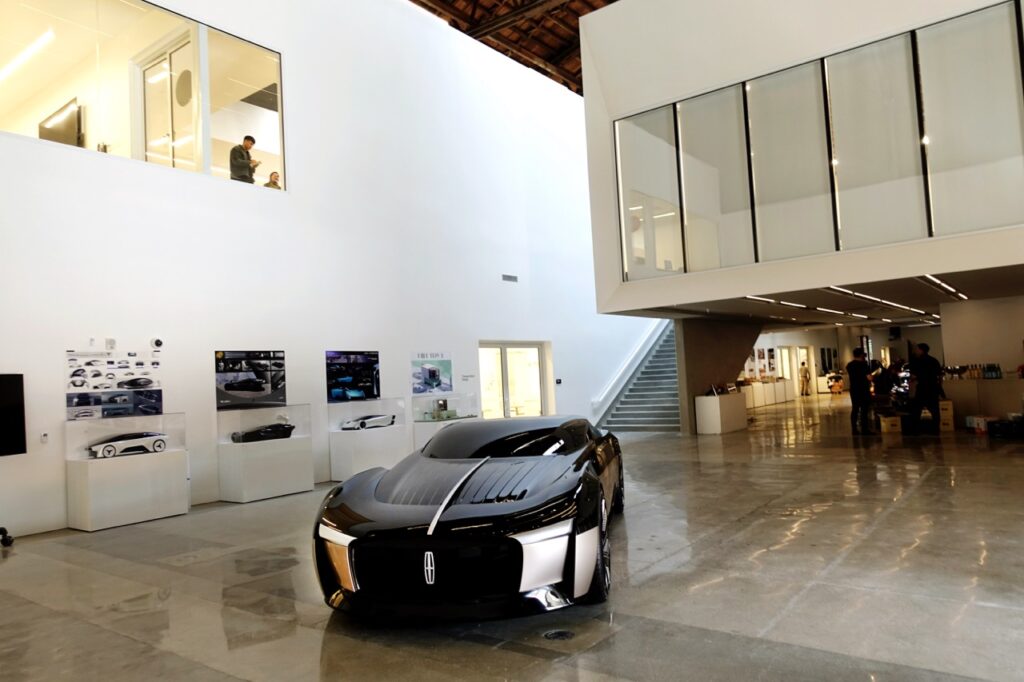
ArtCenter College of Design’s new Mullin Transportation Design Center makes a strong case for reusing automotive history to shape the next generation of vehicle designers. The 31,000-square-foot facility occupies a former supersonic wind tunnel in Pasadena, bringing studios, workshops and exhibition space together under one roof. Its opening also put the school’s design legacy on display, from a reconstructed Bugatti to cars created by its graduates.
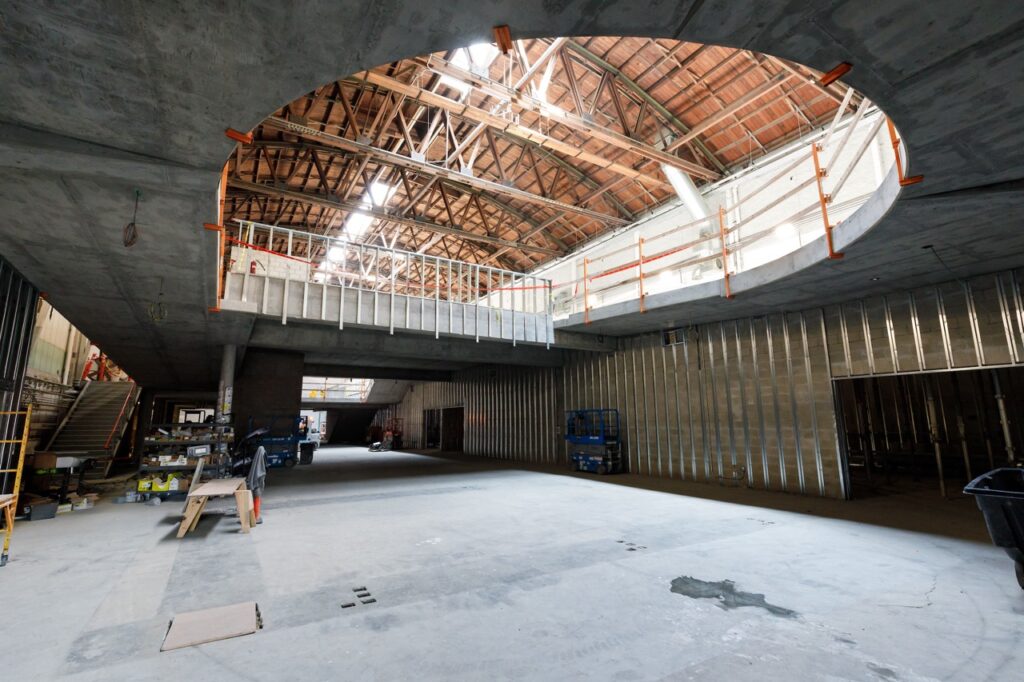
The center was unveiled on June 8 during Beyond Supersonic, an event marking 20 years of ArtCenter’s south campus. The building now serves as the home of the college’s Transportation Design program. That change gives students and faculty room for specialized labs, classrooms, studios, offices and exhibitions, while preserving a connection to the site’s earlier work in aerospace testing.
The building operated as a wind tunnel from 1945 to 1960, when the California Institute of Technology used it for aerospace manufacturers. Its scale made it a natural fit for transportation design: the department needed workshop space for large sculptures, as well as street-level access wide enough for a double-decker bus. The conversion turns those practical requirements into an advantage, giving students space to work on full-size design projects.
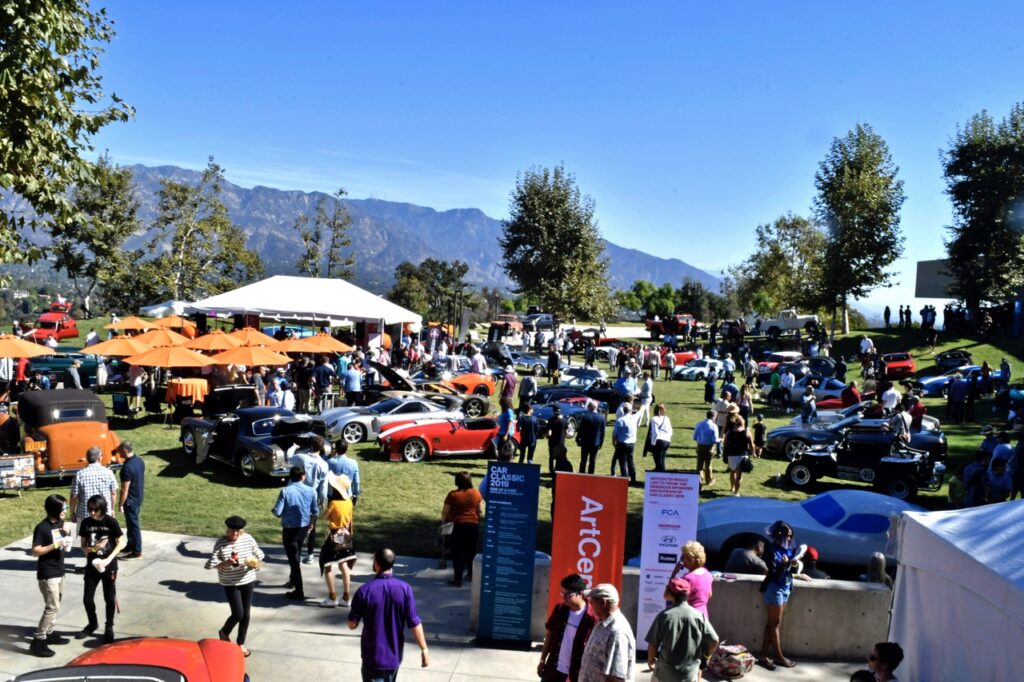
ArtCenter’s connection between design education and the cars people drive has a longer history. The Art Center Car Classic began in 2003 to show how vehicles move from early concepts into production, competition and public display. Stewart Reed, a former chair of the Transportation Design programs, described its appeal as a link between the vehicles on view and the people who made them.
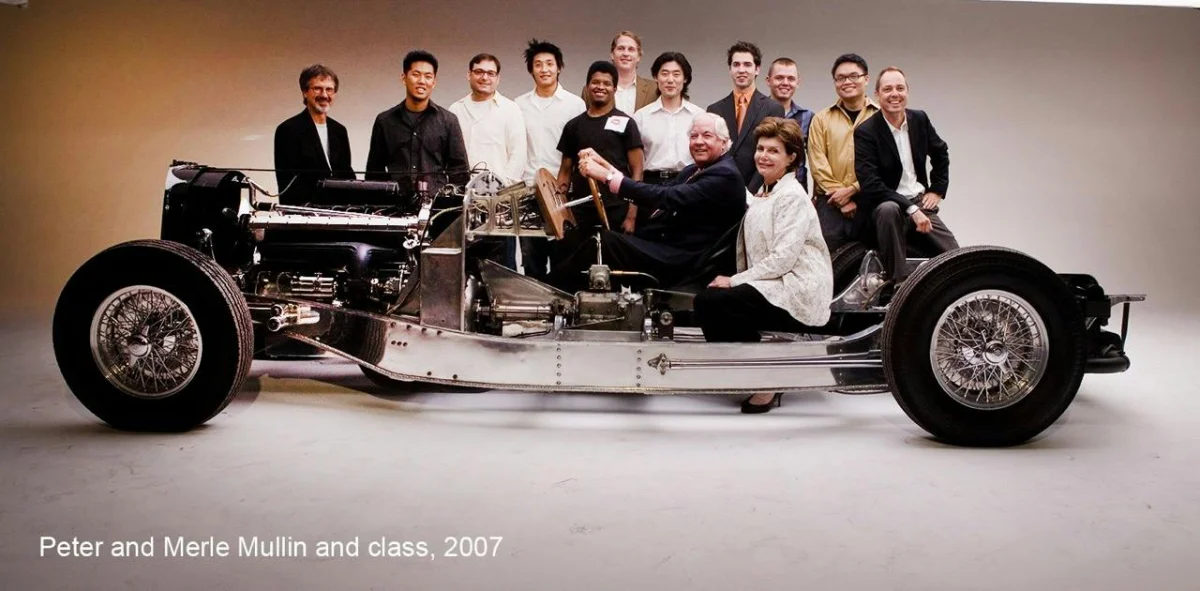
Reed graduated from ArtCenter in 1969 and went on to work in transportation design for Jeep, Toyota California and Chrysler. One project brought him into close contact with automotive history: he designed a body for the 1939 Bugatti Type 64 chassis owned by collector Peter Mullin. The car became a focal point at Beyond Supersonic, displayed with the mahogany buck used in its construction.
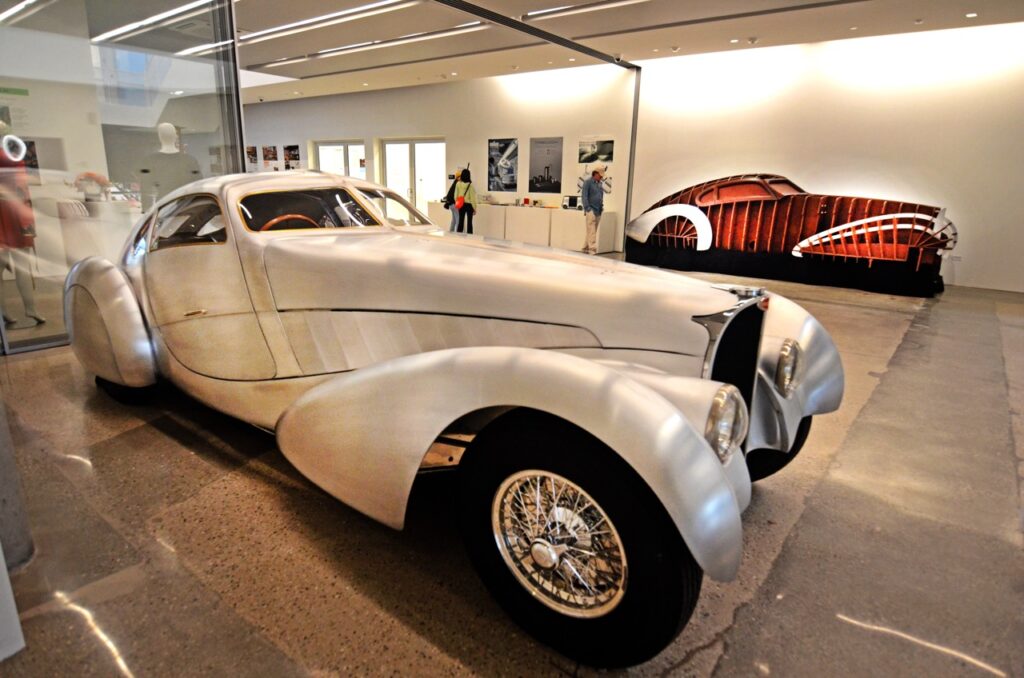
The Type 64, chassis number 64002, was left unfinished by the factory after Jean Bugatti died. Mullin Museum and Reed Design later worked together to complete the car, which was unveiled in 2012 at the Quail, A Motorsports Gathering. Mullin said the project honored the Bugatti family and its marque; he called helping finish Jean Bugatti’s final masterpiece a source of great pride. The finished car and its wooden buck show how design work can extend beyond imagining a vehicle to interpreting and completing an unfinished historical object.
Mullin died in September 2023. His and Merle Mullin’s long relationship with ArtCenter included service as trustees and as ambassadors for the college. Their gift helped make the building’s transformation possible, and the center carries Peter Mullin’s name. At the unveiling, ArtCenter president and CEO Karen Hoffman credited the couple’s support and Mullin’s interest in art, design and cars.
The event paired the building opening with a discussion about artificial intelligence and the future of car design. Outside, the third annual Design Invitational Car Show displayed more than 50 vehicles on Raymond Avenue; 37 were designed by ArtCenter alumni. That mix of a design conversation and finished vehicles gave the gathering a useful range: the center is intended for future work, while the show traced what graduates have already contributed.
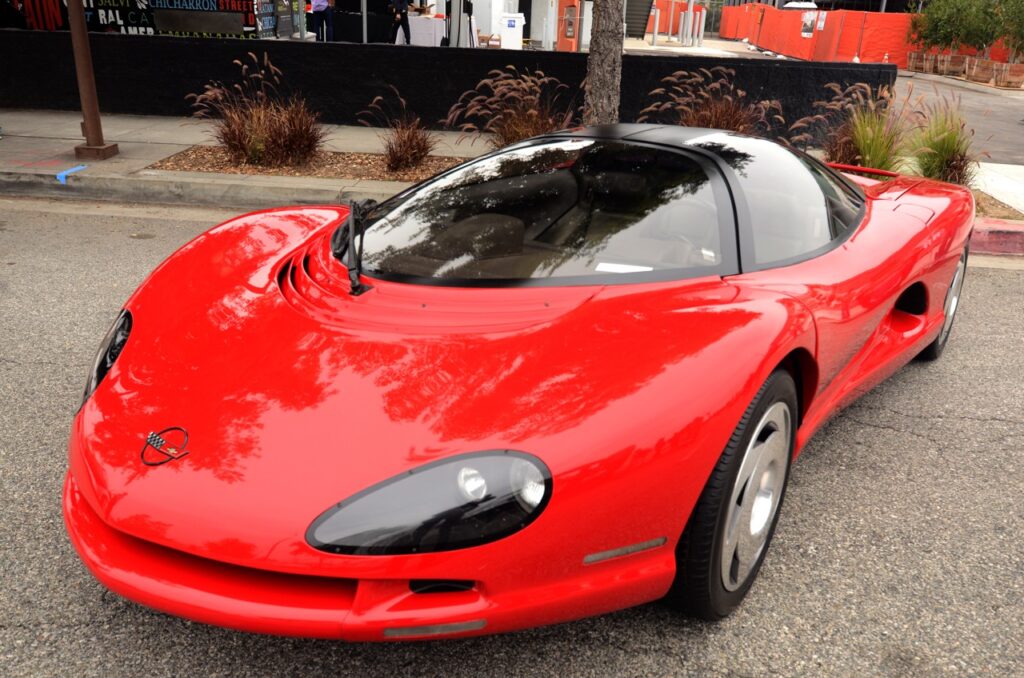
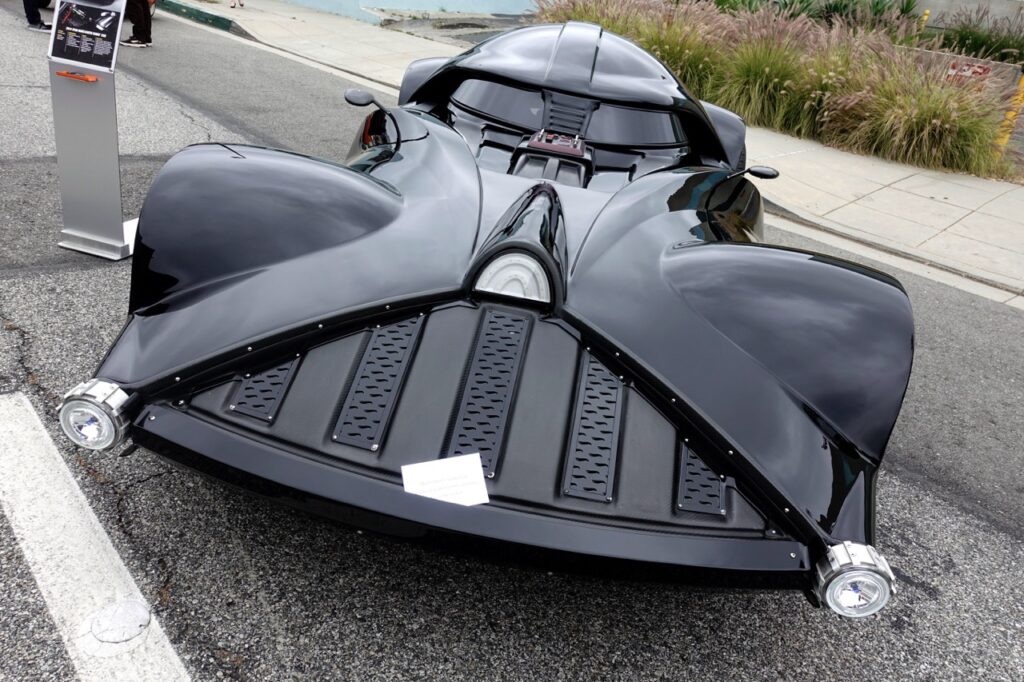
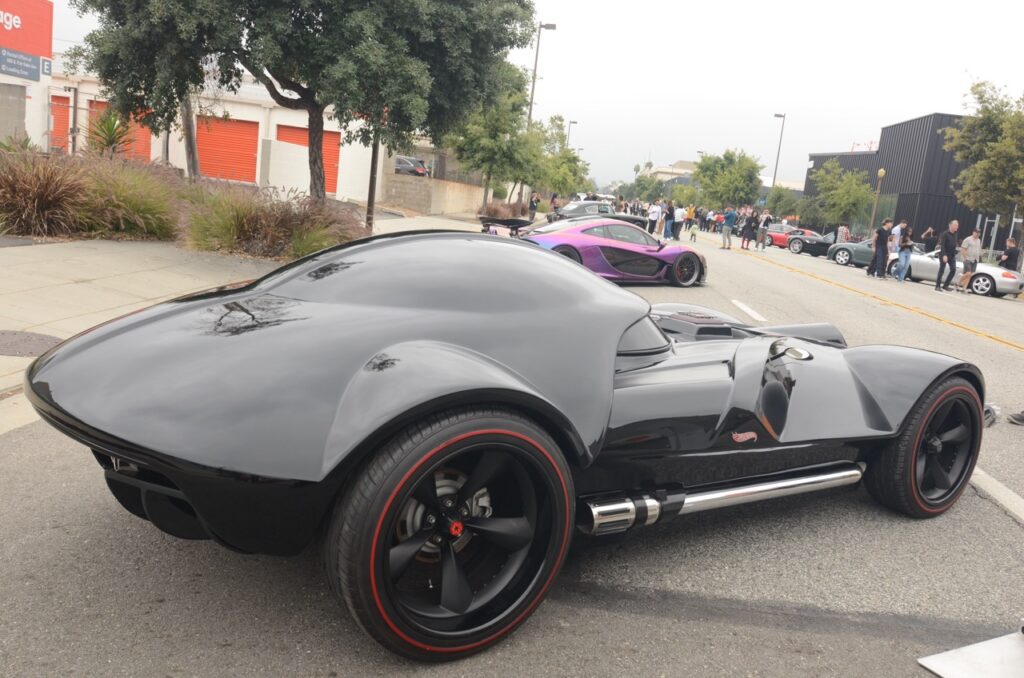
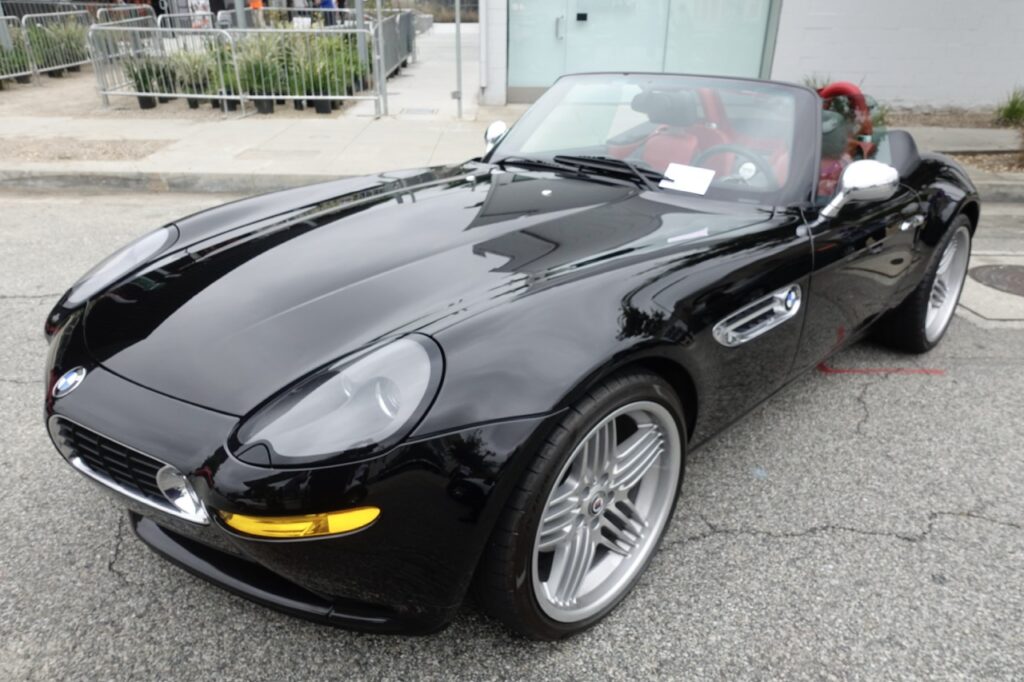
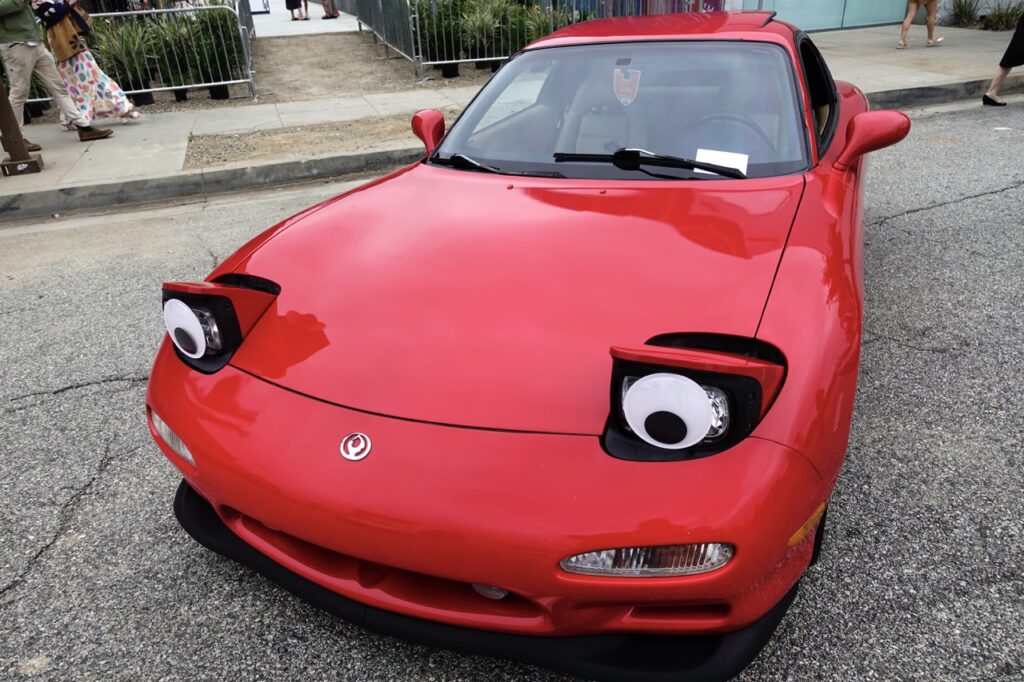
The alumni cars on view spanned very different briefs and eras. They included a Corvette concept by Tom Peters, cars by Chip Foose, Henrik Fisker’s BMW Z8, and a Mazda RX-7 designed by Wu Huang Chin. A Disney Mk VII Autopia car by Bob Gurr offered a reminder that transportation design reaches well beyond road cars. Brian Benedict’s Darth Vader-themed car was built on a Corvette C5 chassis and houses an LS1 V-8, tying a playful design exercise to familiar mechanical hardware.
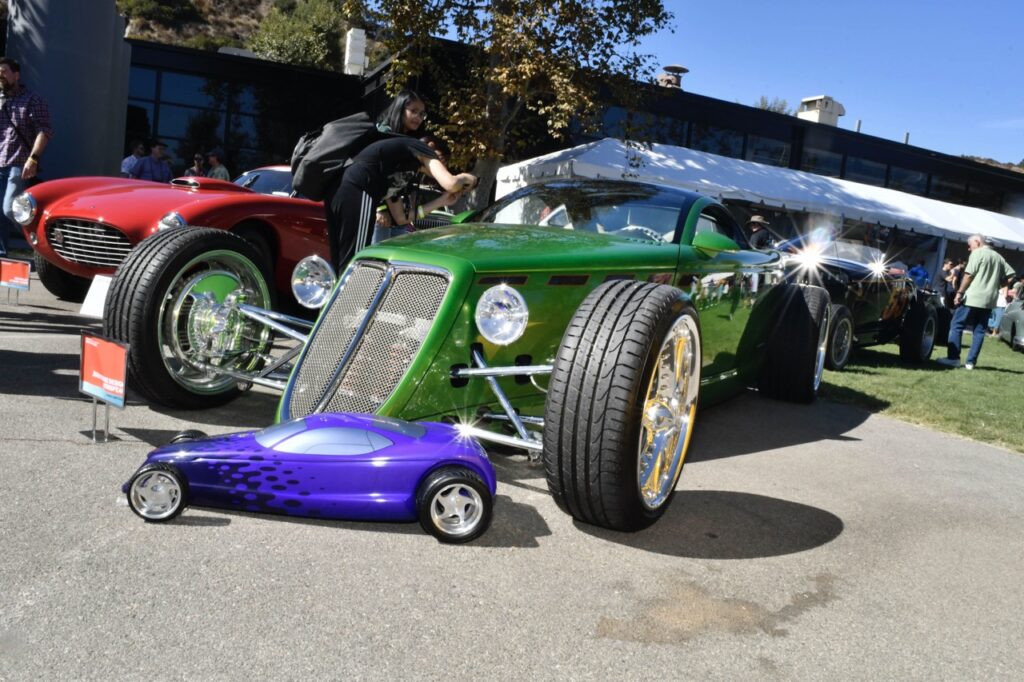
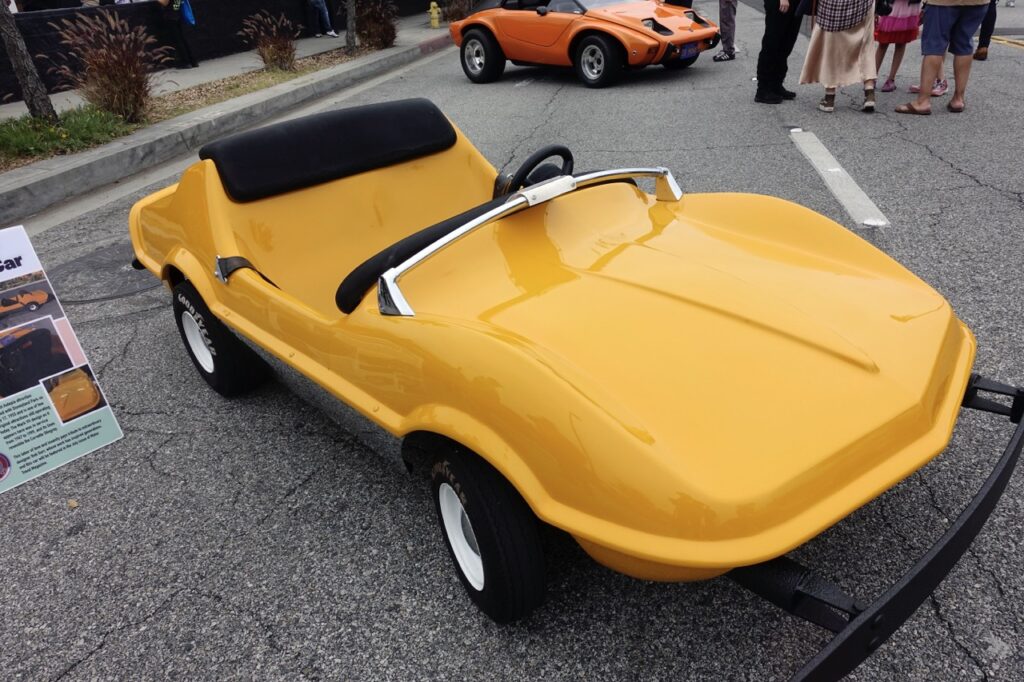
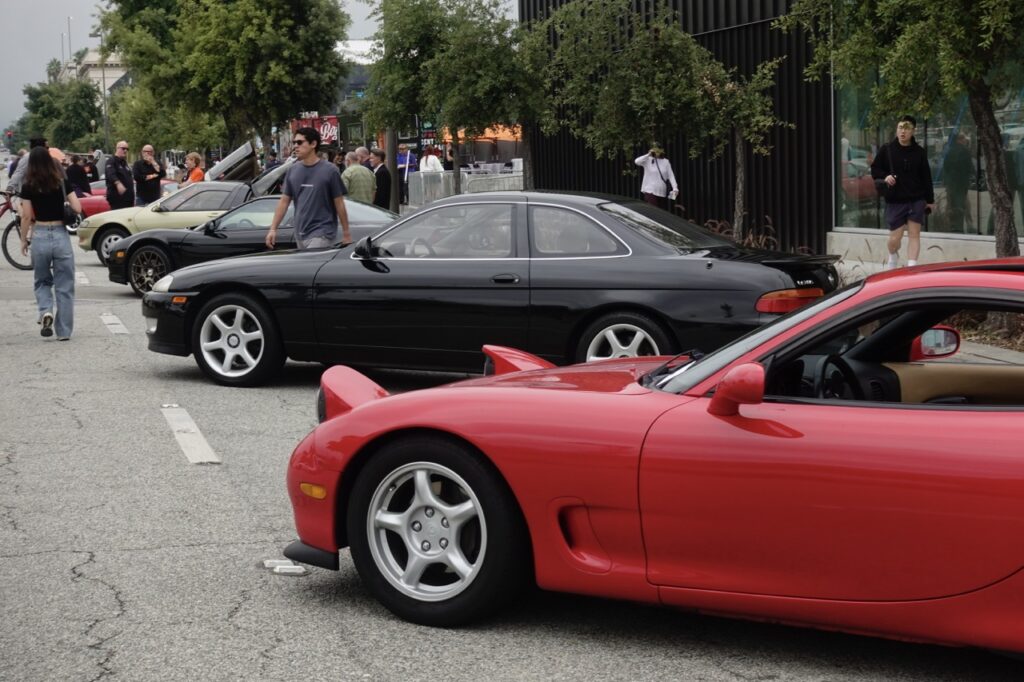
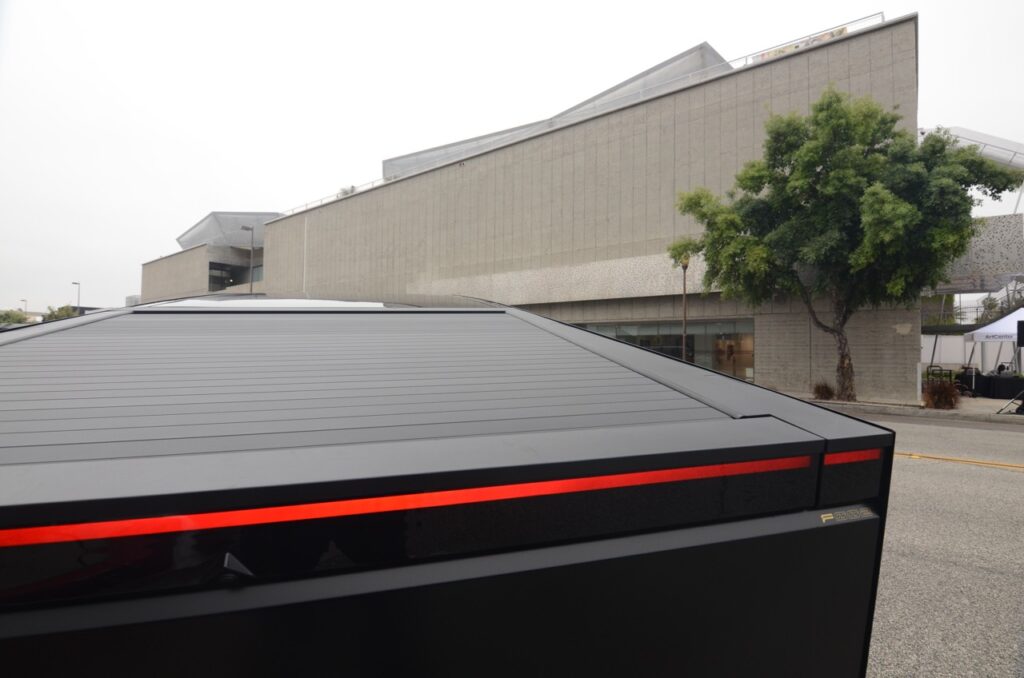
One display also showed a Tesla Cybertruck designed by alumni Franz Von Holzhausen and Sahm Jafari. Alongside the Z8, RX-7 and more unusual projects, it underscored the breadth of work associated with the school: production cars, concepts and purpose-built attractions all demand choices about form, function and audience.
Peter Mullin once urged designers to embrace change as a way to distinguish their work. The new center gives that idea a physical setting, with room to move between sketching, modeling, making and showing. Its past as a wind tunnel adds an apt layer: a building once used to study how objects move through air now supports students shaping what vehicles might become.
The post Beyond Supersonic at Art Center College of Design appeared first on Hagerty Media.


