In lane Electric Vehicles
Tesla Cybercab and Robovan: Style, Substance and Unanswered Questions
Description
Tesla’s concepts have visual appeal, but the Cybercab and Robovan leave questions about design, timing and the company’s aging lineup.
Tesla’s “We Robot” event put two striking concepts on display, but offered little to show how soon either might become a usable vehicle. The Cybercab and Robovan invite scrutiny as designs, while the wider context makes the presentation feel like a distraction: Tesla’s core models are aging and competition from Chinese automakers is intensifying.
Tesla still has substantial scale. It sold more than 1.8 million cars last year, and Model 3s and Model Ys are common even in Italy, where electric car adoption remains slow. In Western markets, the company retains a strong position, helped in part by established automakers’ slow progress with electric vehicles.
That lead is less secure when viewed against China’s rapid expansion in the EV sector. Elon Musk has said Chinese competitors could “pretty much demolish” rivals without trade barriers. Against that backdrop, Tesla’s product cadence matters. The Model S dates to 2012, while the Model 3 arrived in 2017. Both have received ongoing updates and remain competitive, but their age makes the absence of a clearly presented next generation hard to ignore.
Cybercab’s familiar shape, unresolved details
The event’s main unveilings were the Cybercab and Robovan, alongside broad promises about future technology. The presentation supplied few concrete details about development or delivery timelines, leaving the concepts’ eventual prospects uncertain. The Cybercab also raises a practical question: as shown, it has no pedals, steering wheel or mirrors, and the source points out that this configuration does not meet current Federal Motor Vehicle Safety Standards.
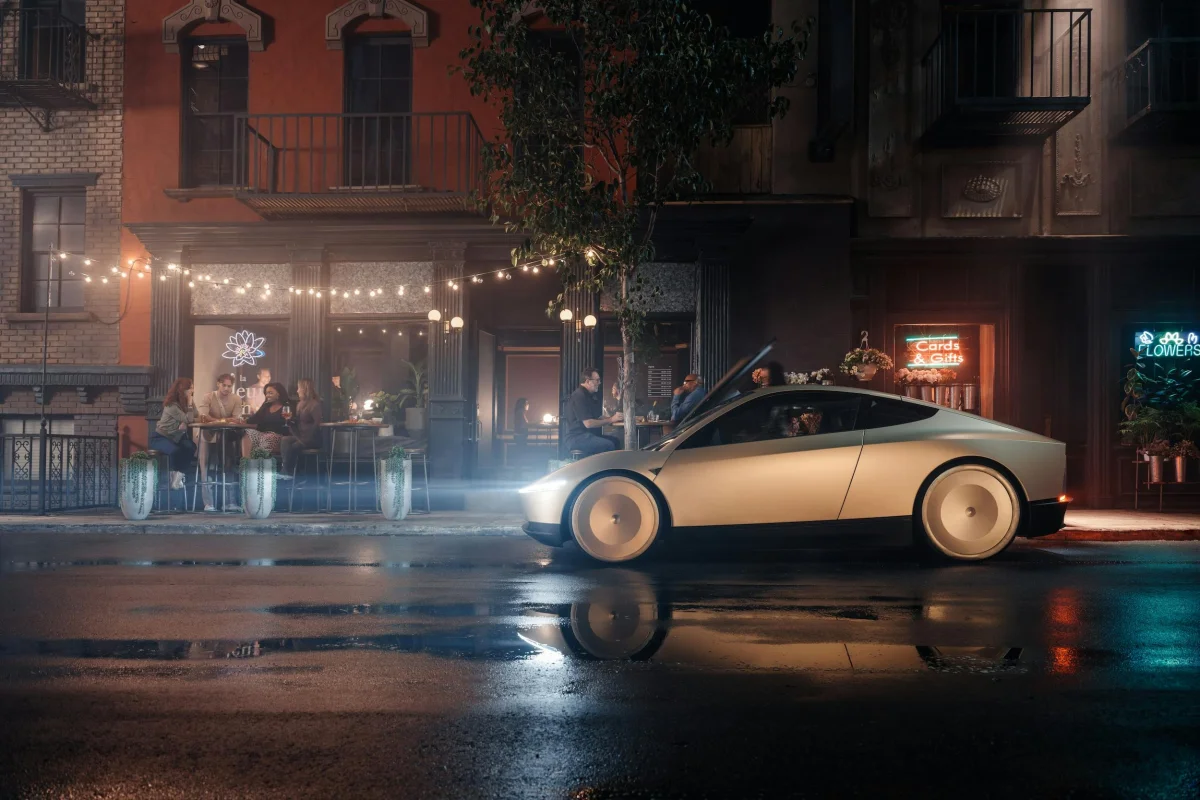
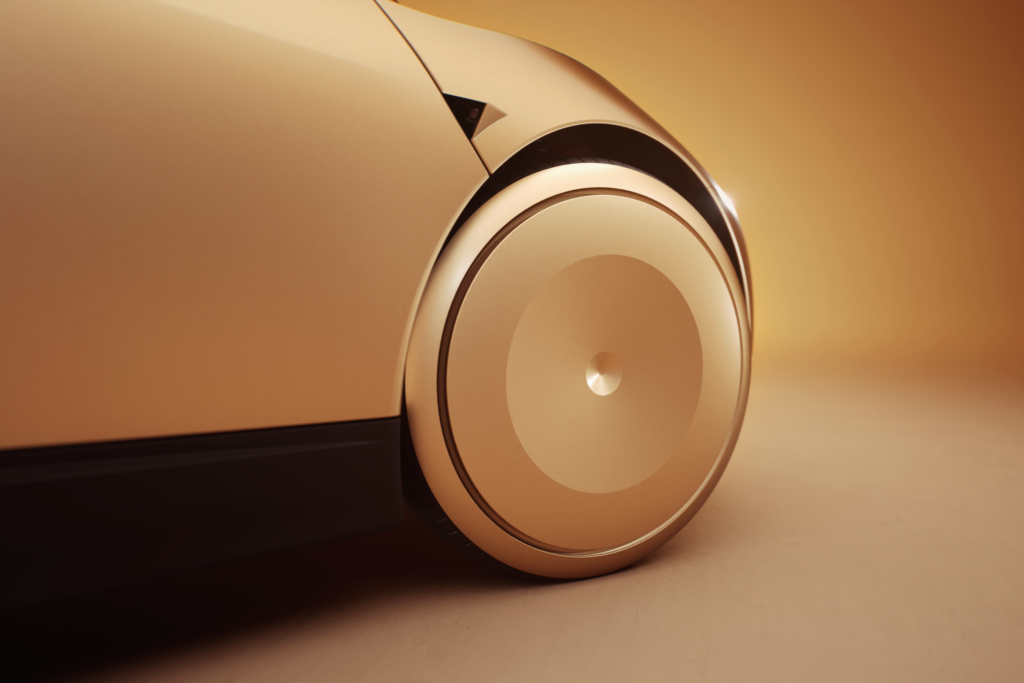
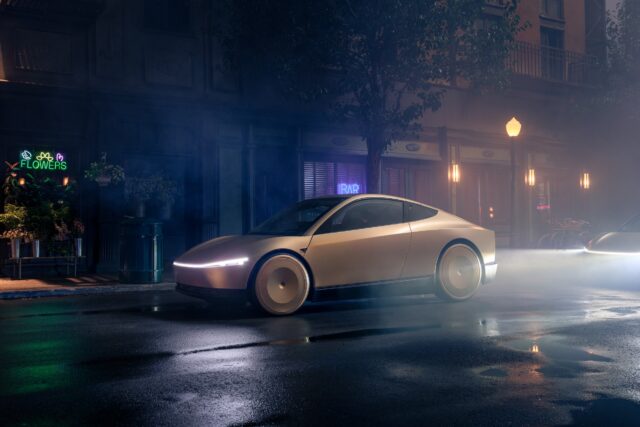
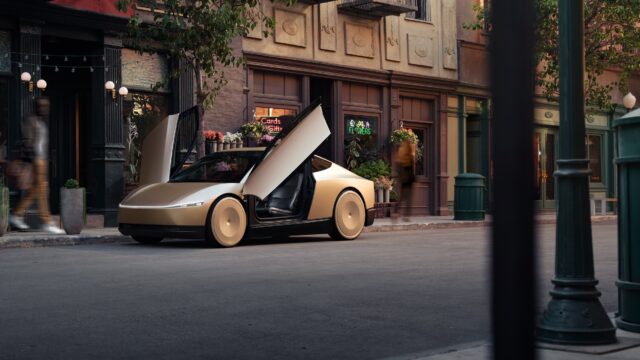
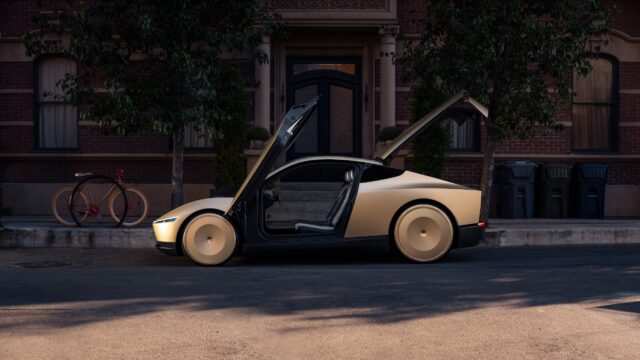
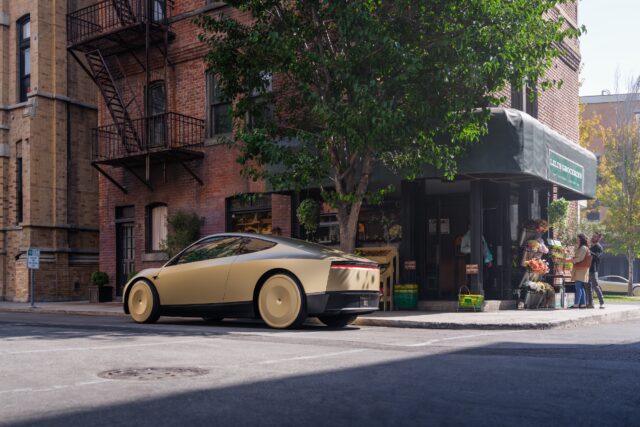
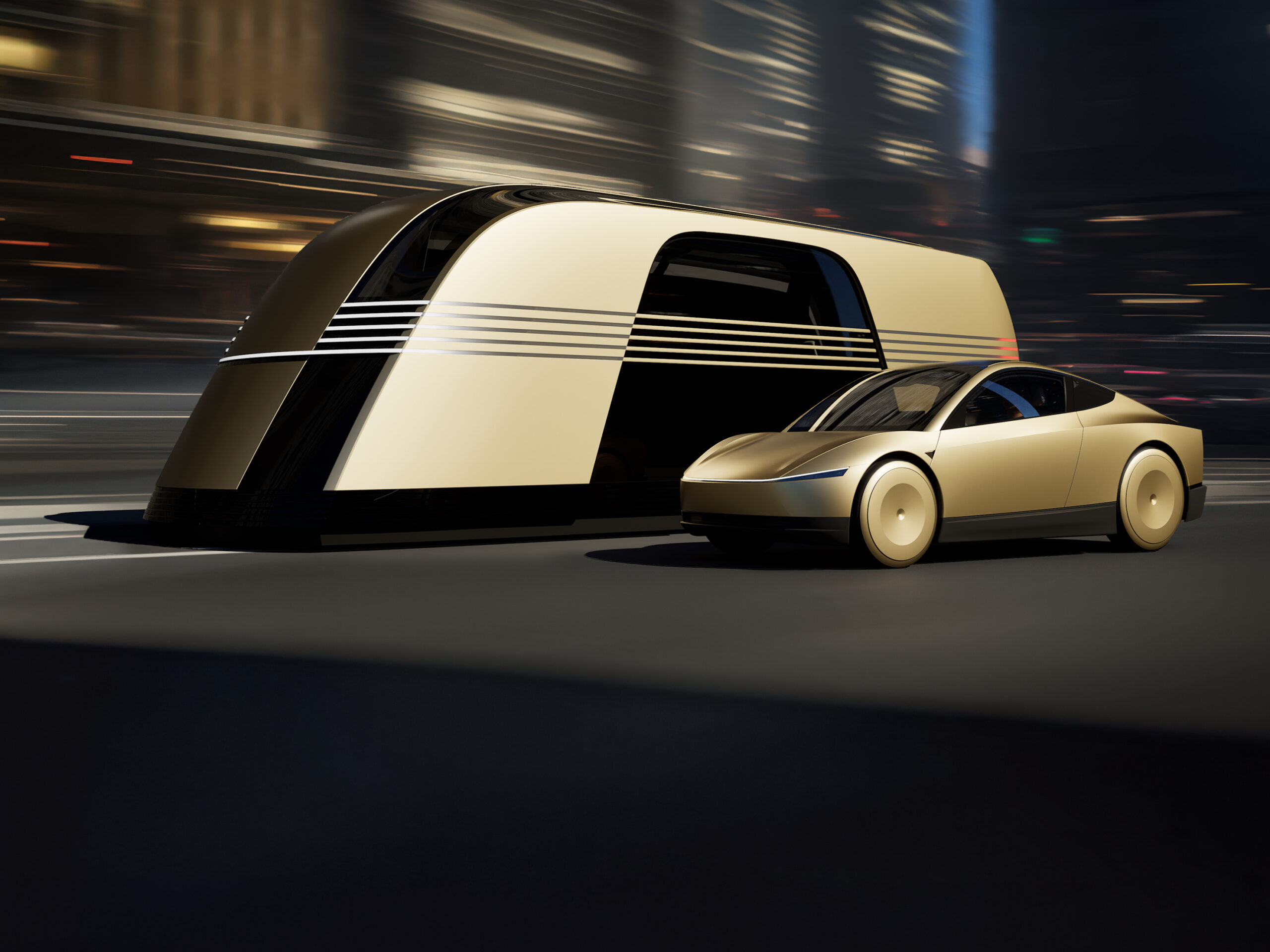
Judged on appearance alone, the Cybercab is a small two-seat coupe with a toy-like quality. Its covered, color-matched wheels and largely blank nose amplify that impression. Its proportions have drawn comparisons with Volkswagen’s 2014 XL1: both put the cabin forward, use a short nose and taper into a long fastback, while sharing a similar side-window outline and broad, clean surfaces.
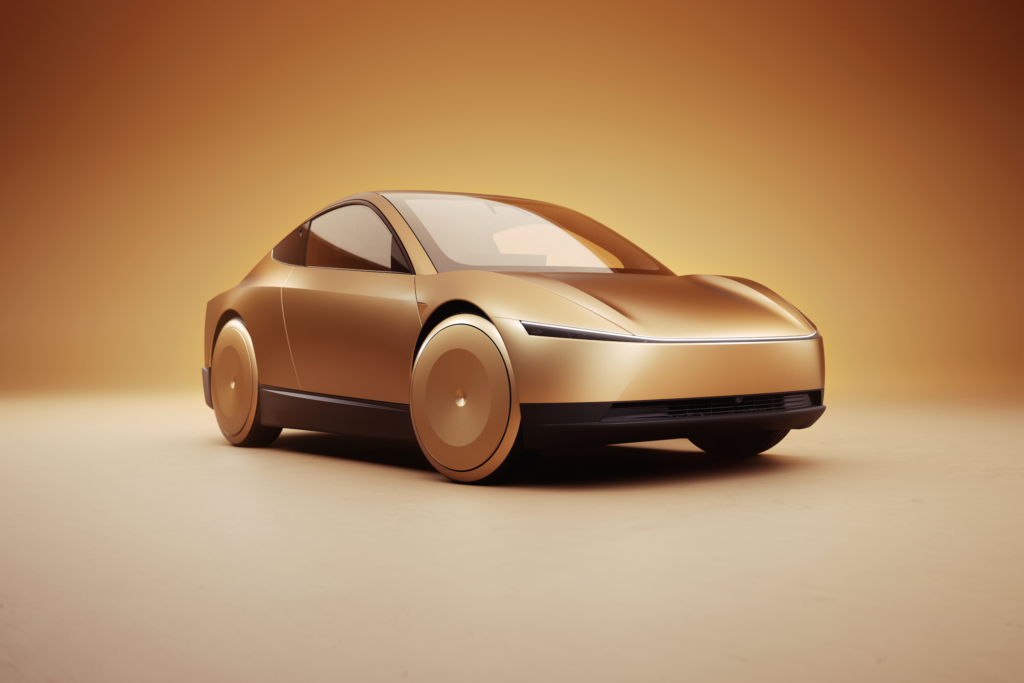
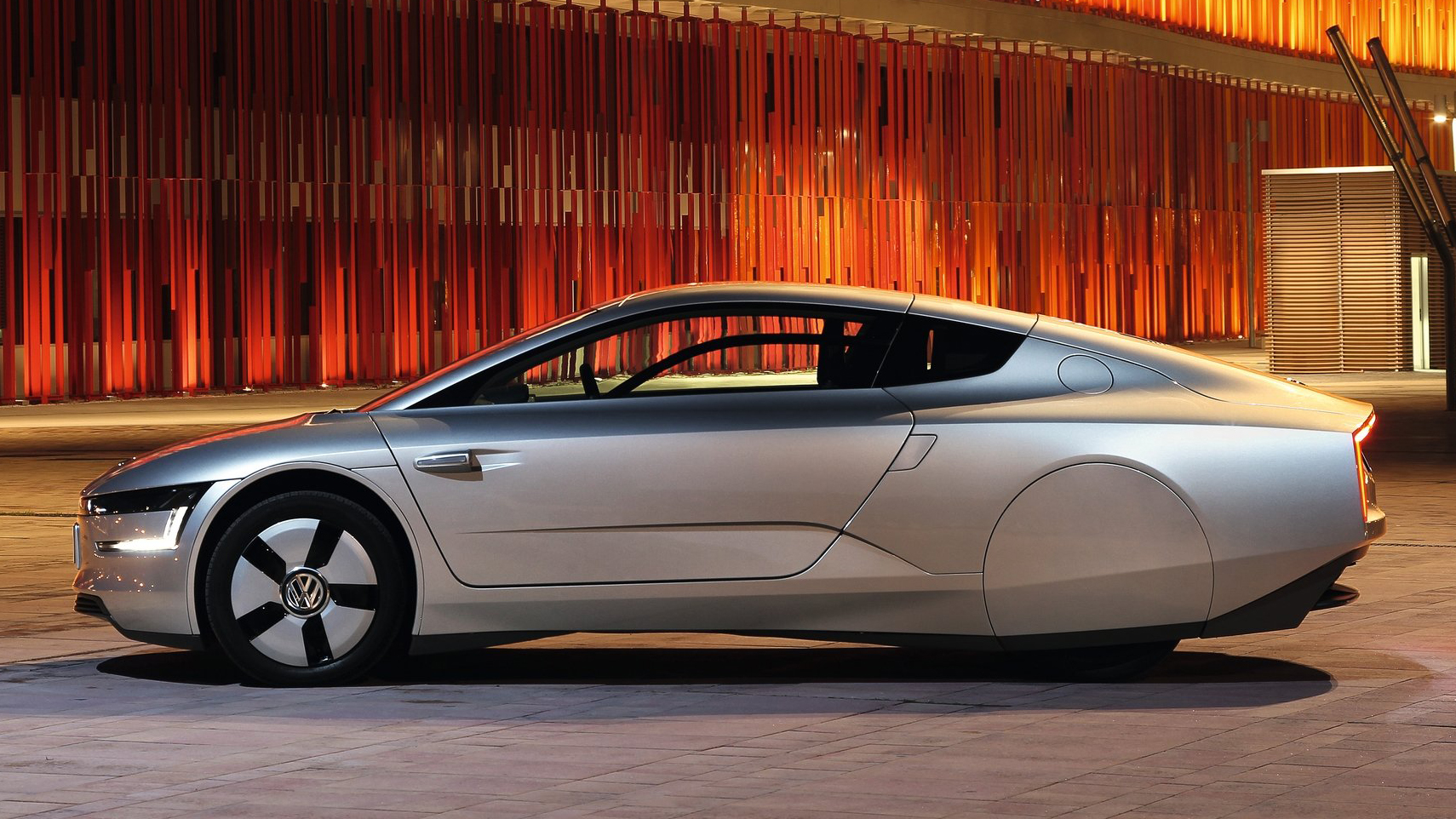
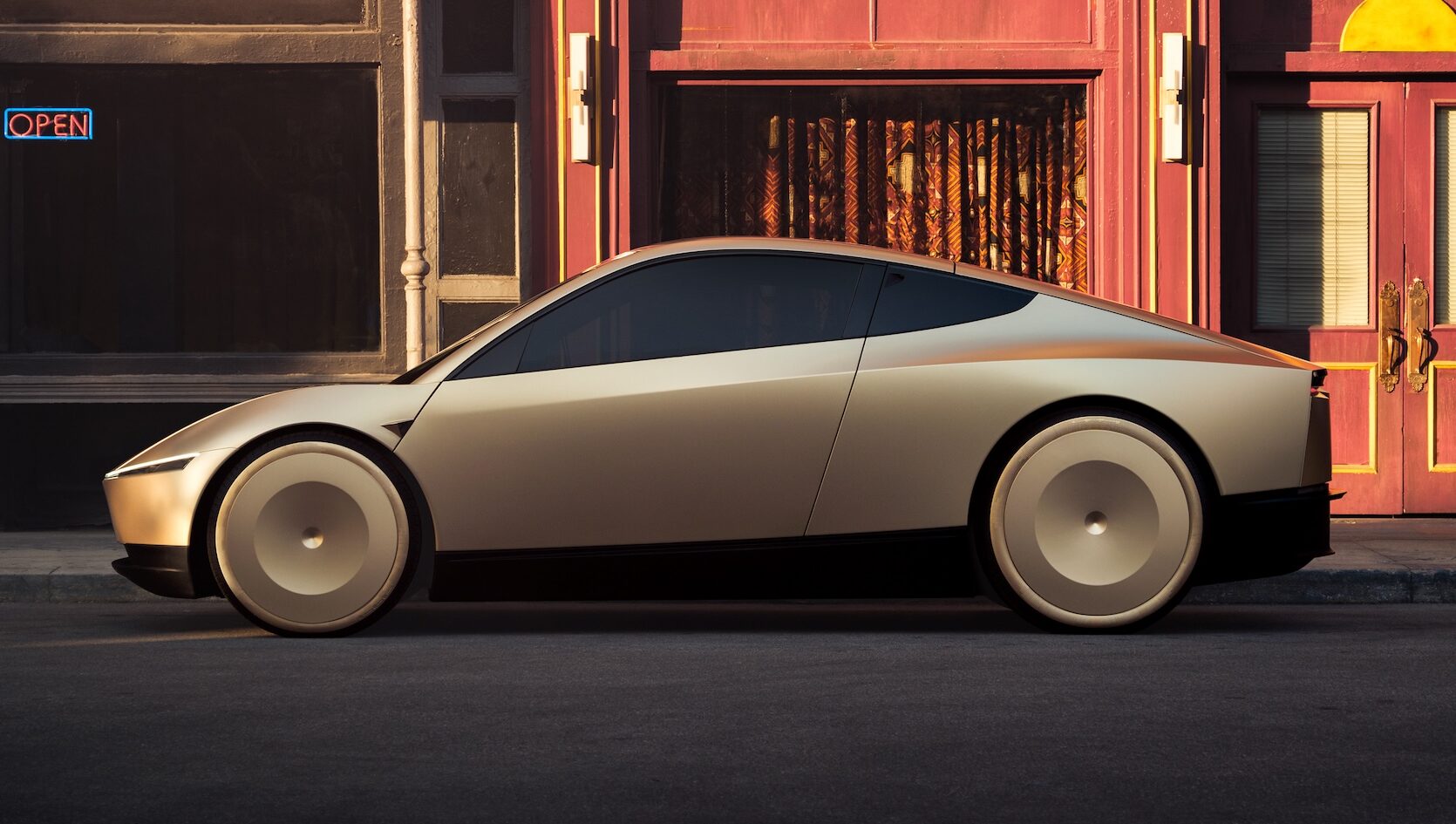
The resemblance ends at the overall layout. The XL1’s teardrop profile reads as a deliberate aerodynamic form; the Cybercab has a squarer stance and a more pronounced rise toward the rear. The Tesla also looks less complete. Its smooth surfaces and crisp edges could support a restrained design, but the front and rear lower sections feel underdeveloped, as though the styling stopped before the final detailing pass.
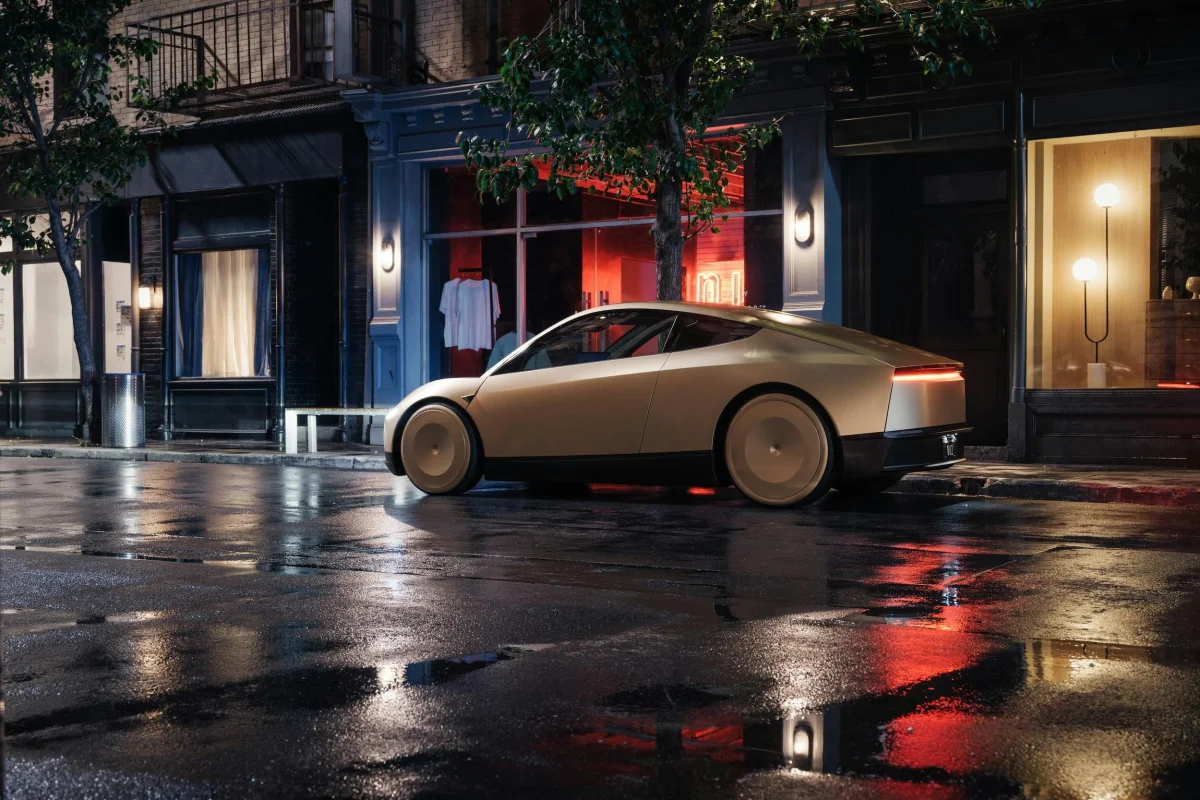
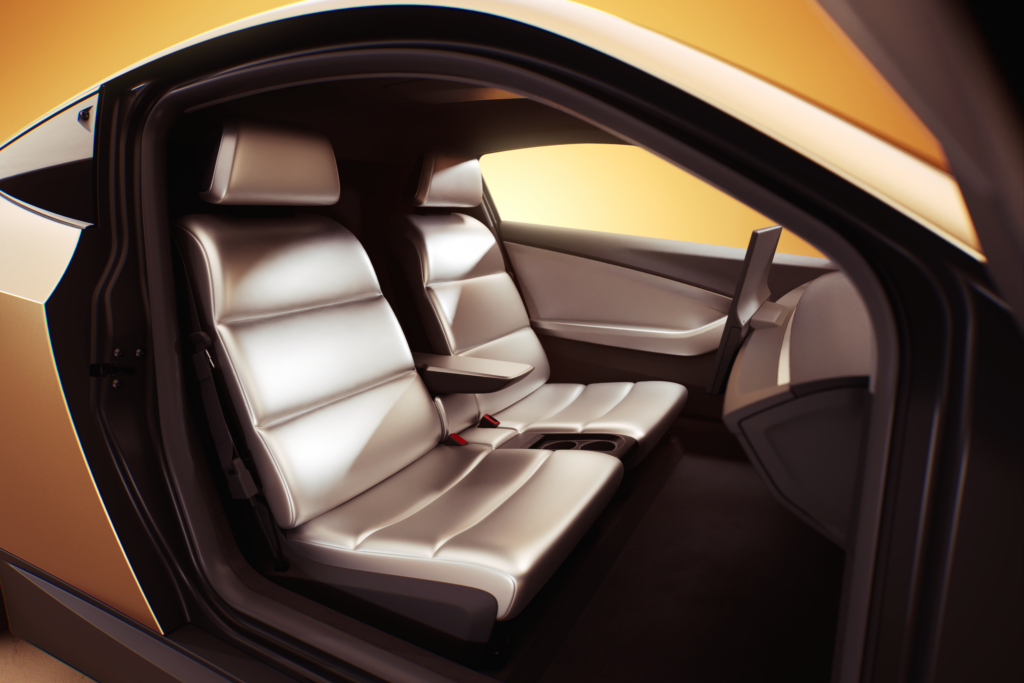
There’s also a mismatch between the vehicle’s stated purpose and its format. A two-seat coupe borrows the familiar layout of a conventional car, even though the Cybercab is presented as autonomous. If the aim is to suggest what driverless transport could become, removing the controls from a traditional cabin feels like a modest step. The concept doesn’t make a convincing case for why an autonomous vehicle needs to retain this shape and arrangement.
Robovan looks more resolved
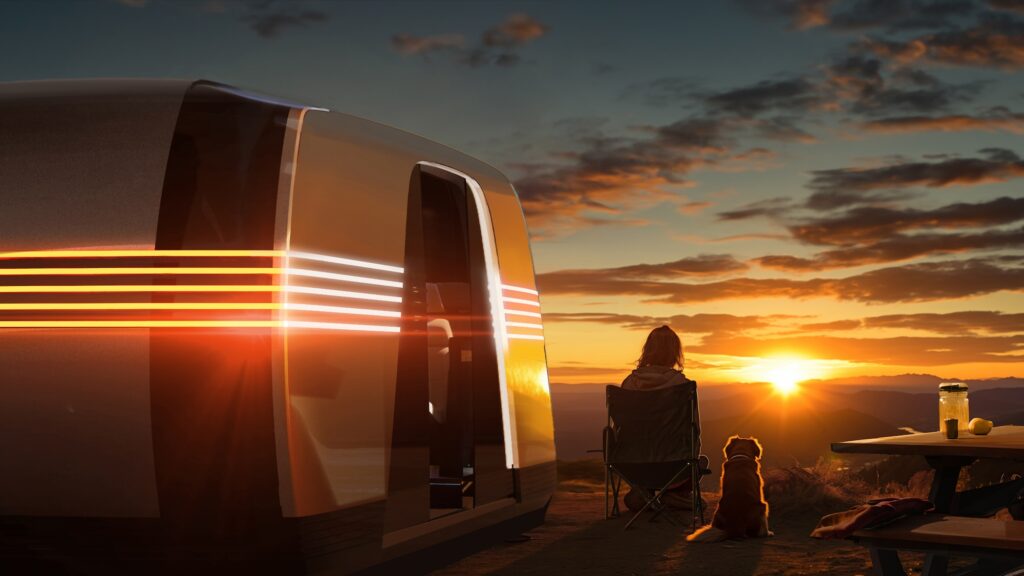
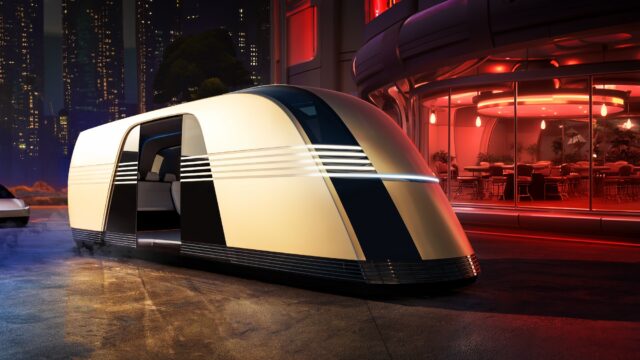
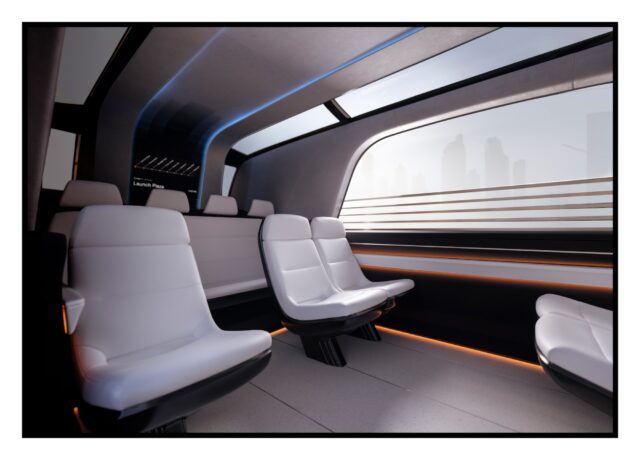
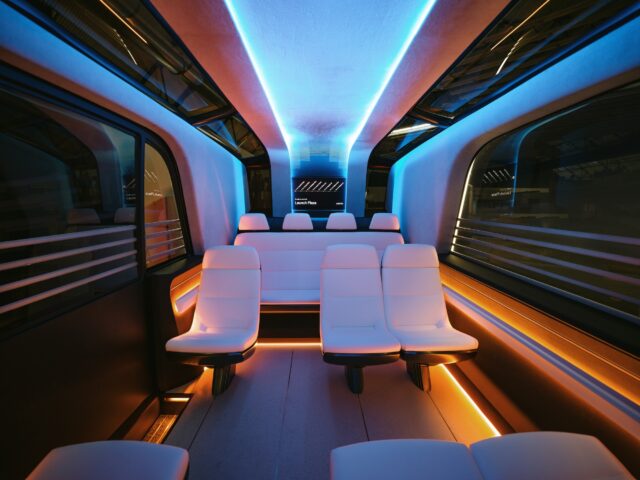
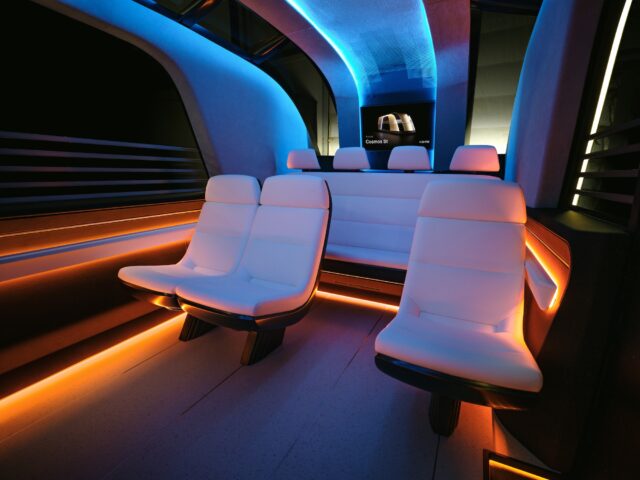
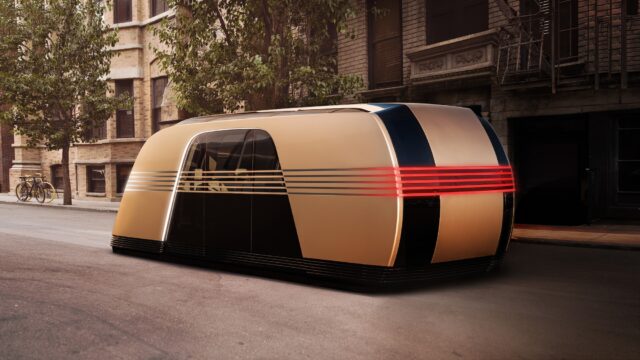
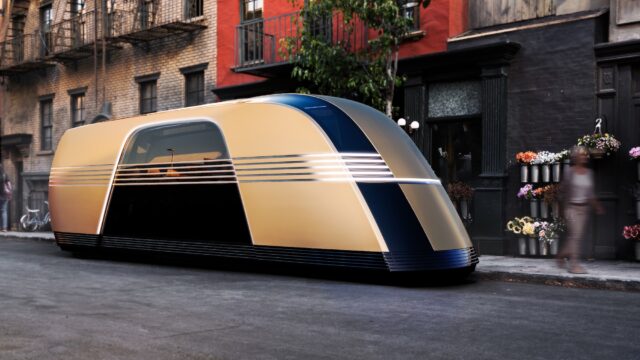
The Robovan takes the form of an autonomous minibus, a type of concept other automakers have explored in recent years. Its enclosed wheels create a hovering visual effect, while four parallel bands around the body double as lighting and lend the design a Streamline Moderne flavor associated with the 1930s. On styling, it makes a stronger impression than the Cybercab and appears more finished, despite feeling even further from production.
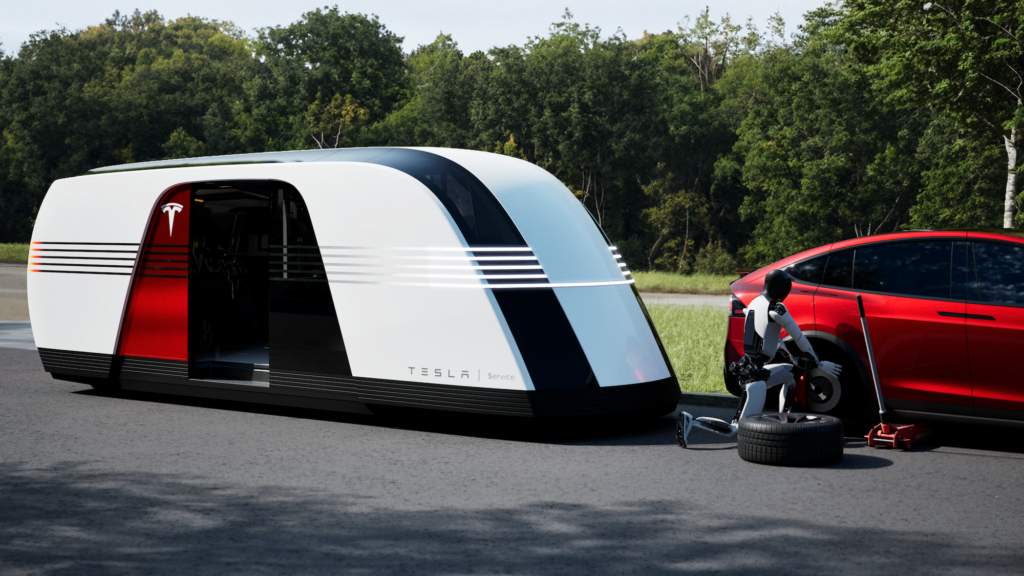
Neither concept resolves the central question raised by the event: what will Tesla put into customers’ hands, and when? The presentation leaned on ambitious technology claims without supplying enough detail to judge their timing or feasibility. That leaves the company’s current products, rather than the stage concepts, as the clearest measure of its position in a market moving quickly.
Still, the Cybercab has an appealing small-coupe character. The idea of a Tesla in this form for less than $30,000 is tempting, though the source gives no firm pricing or production commitment. For buyers who want an actual car, the concept’s most persuasive version would bring back the pedals and steering wheel. Tesla’s next step will need to show how its futuristic transport designs connect to real vehicles and the company’s aging lineup.