In lane Electric Vehicles
Infiniti J30: The Yacht-Inspired Sedan That Took a Risk on Design
Description
The J30 brought yacht-like curves and rear-drive character to Infiniti, but buyers favored the more practical Lexus ES and later Infiniti I30.

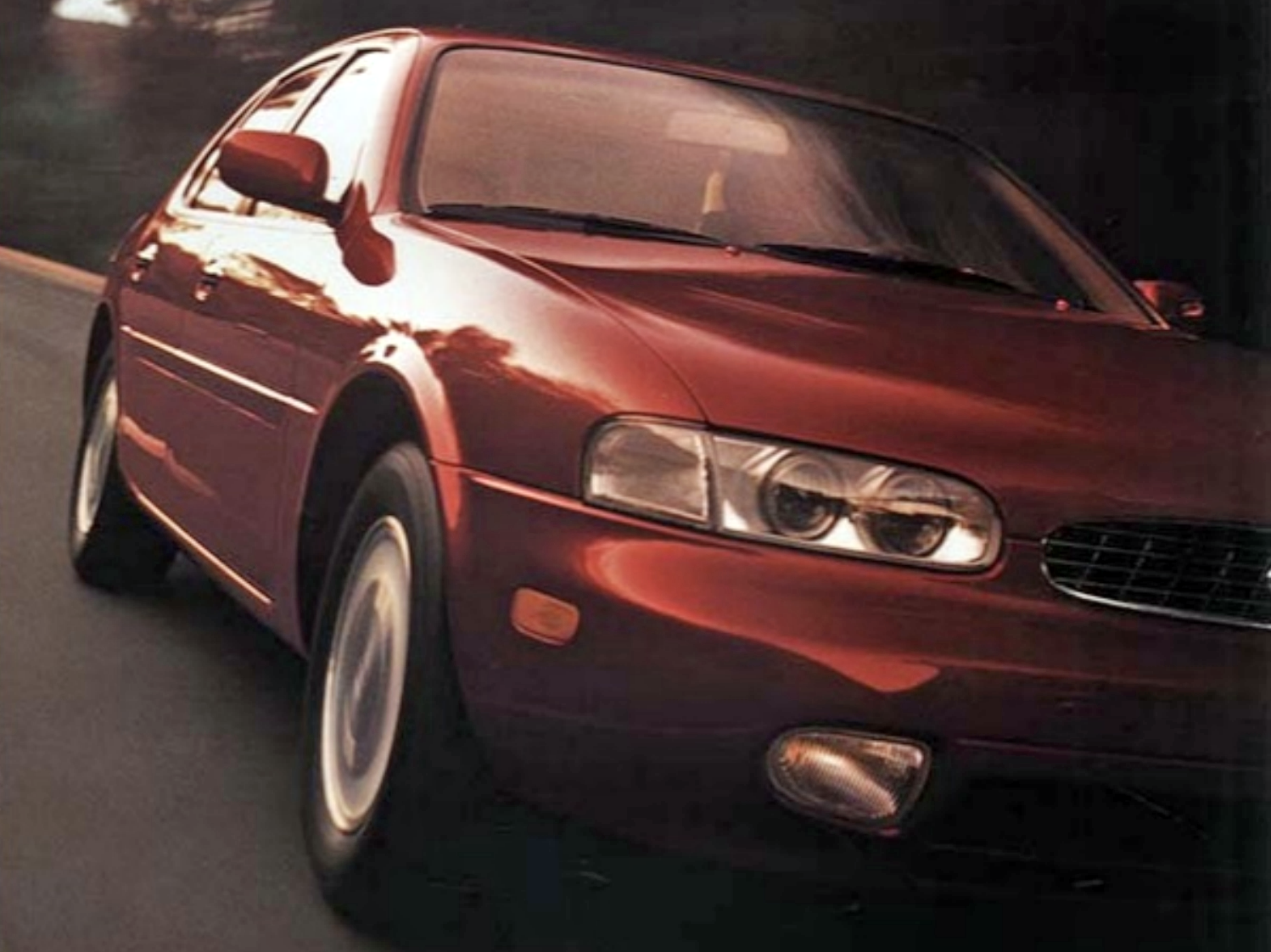
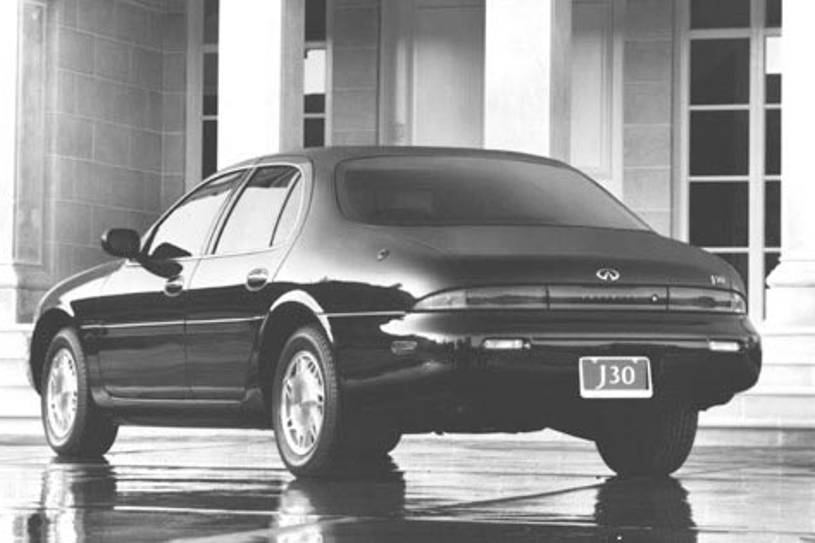
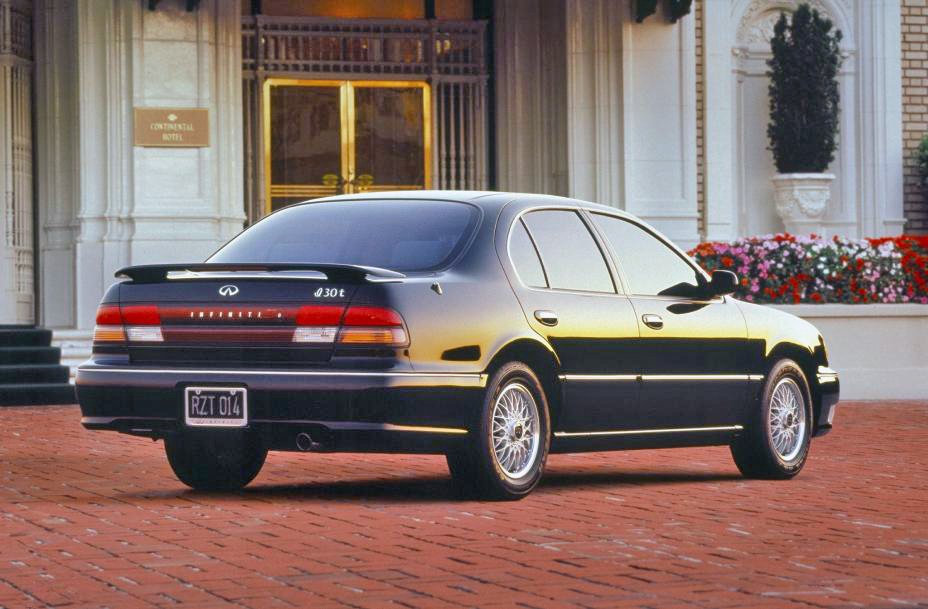
The Infiniti J30 turned an unusual design idea into a production luxury sedan: its rear styling drew from a 108-foot-plus yacht, the Motali. Nissan designer Alfonso Albaisa shaped both projects in the early 1990s, carrying the yacht’s rounded body and sharply outlined rear glass into a car that stood apart from the era’s more angular rivals. The J30’s short run, from 1993 to 1997, suggests that distinction alone couldn’t overcome buyers’ preference for a more familiar luxury formula.
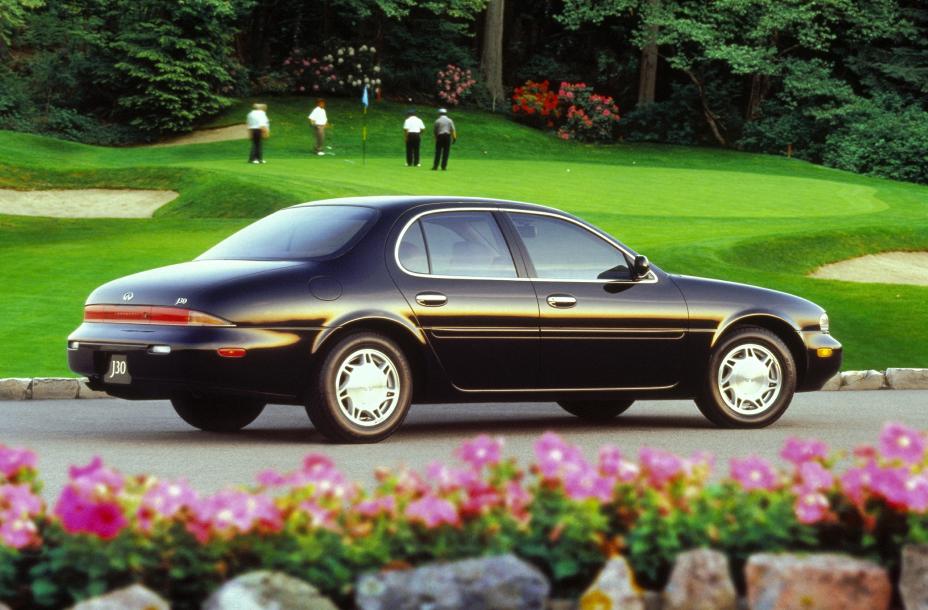

The Motali’s stern provided the key visual cue: a band of hard-edged glass above a curved rear body and integrated swim platform. On the J30, that arrangement became the trunk shape and a broad rear light treatment. Albaisa used the yacht’s form as a starting point, then worked the car’s surfaces into a coherent shape rather than simply copying a boat detail. The yacht design also earned an award from the Industrial Design Society of America.
That approach broke with the J30’s predecessor, the Nissan Leopard-based M30, and with the wedge-shaped profiles common among luxury cars. Infiniti executives described the aim as breaking away from “the tyranny of the wedge.” The result was an ovoid sedan with rear lights and headlights set at similar heights, an unconventional choice in a segment where a taller rear deck could help cargo capacity and aerodynamic efficiency.

For a young luxury marque, that styling carried a real commercial risk. Toyota’s Lexus had arrived with the second-generation ES, a more readily understood design built on Camry foundations. Its projector headlights added visual flair, while the underlying package gave buyers a familiar point of reference. Infiniti instead asked customers to consider an unfamiliar brand and a sedan whose shape offered few obvious comparisons with the established luxury field.


There was substance behind the J30’s sculptural skin. Its rear-wheel-drive architecture and relationship to the Nissan Z32 meant the engine and some rear suspension and drivetrain parts could interchange with the sports car. That gave the Infiniti a stronger performance connection than a straightforward front-drive family sedan. Design chief Jerry Hirshberg described the shape as a “bold, calligraphic sketch of a line and an egg,” with the ambition of giving the new brand an immediate identity.

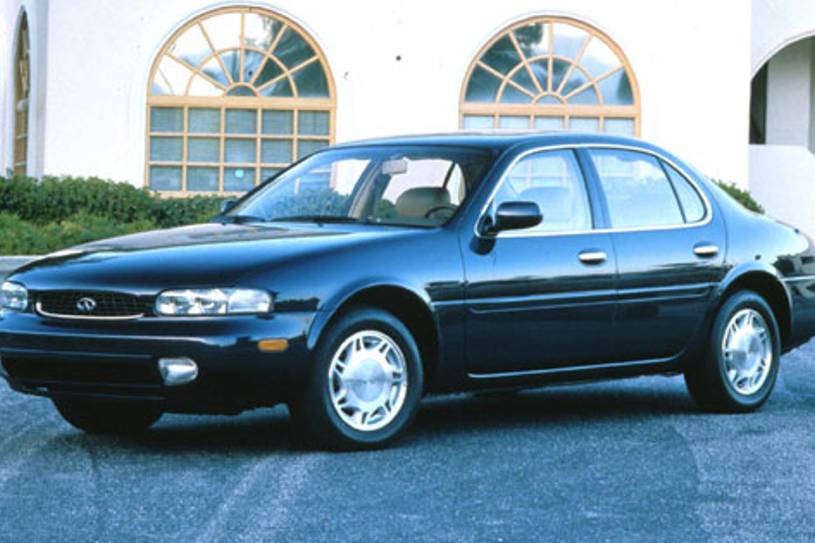
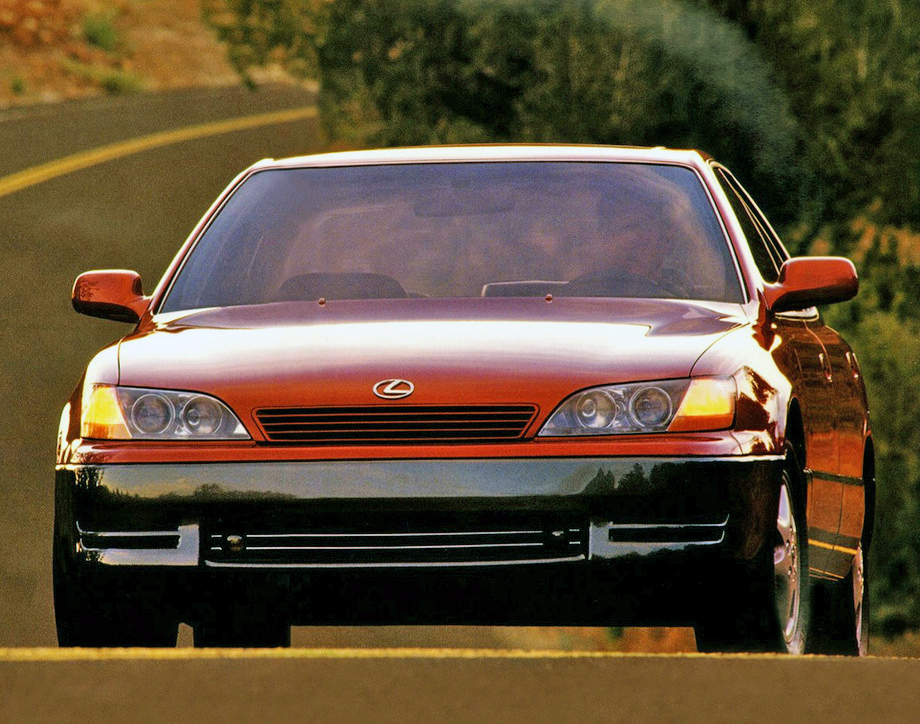
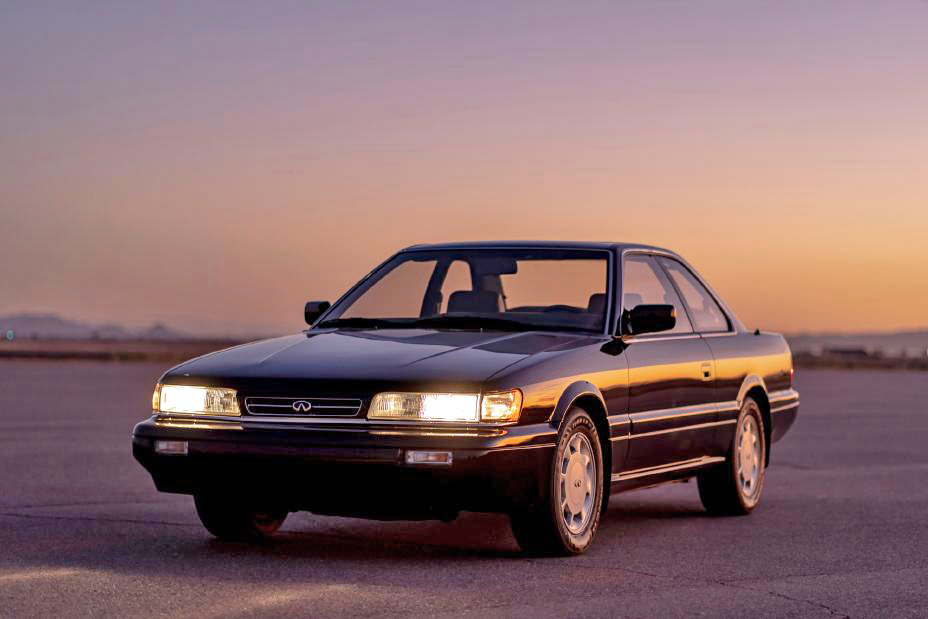
Pricing sharpened the challenge. The J30 started at $33,000, rising to $34,700 for the Touring model, which added four-wheel steering and other dynamic and cosmetic changes. The Lexus ES began at $26,550. Lexus raised the ES price to $31,200 in 1994, but its initial lower entry point helped it reach shoppers considering their first near-luxury car. Lexus sold 39,652 ES sedans in its first year; Infiniti sold about 70,000 J30s across the model’s entire lifespan.
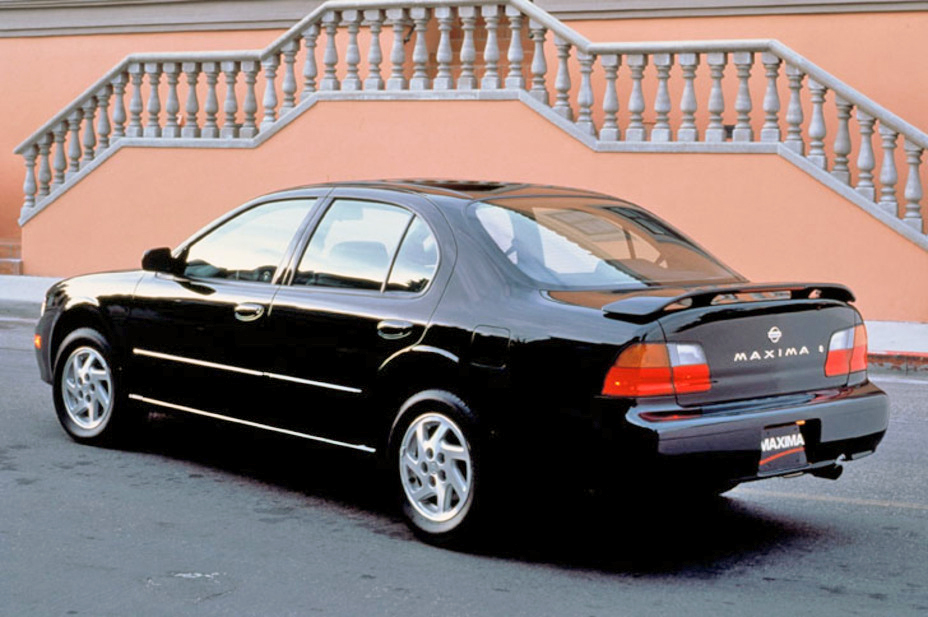
Nissan’s financial troubles after the bubble economy burst added pressure to find a broader audience. Infiniti’s next move was the I30, based on the popular front-wheel-drive Maxima. Its upright rear and boxier nose abandoned the J30’s yacht-inspired silhouette. The change also improved practical space: cargo capacity increased from 10.1 to 14.9 cubic feet, while the front-drive layout likely made room for a more accommodating cabin.
The I30’s more conventional recipe coincided with growth in Infiniti’s total sales, from 28,910 in 1996 to 41,595 in 1999. That points to the appeal of a familiar family-sedan foundation for buyers stepping up from mainstream cars. Still, the shift left behind the J30’s rear-drive character and its connection to Nissan’s sports-car engineering.
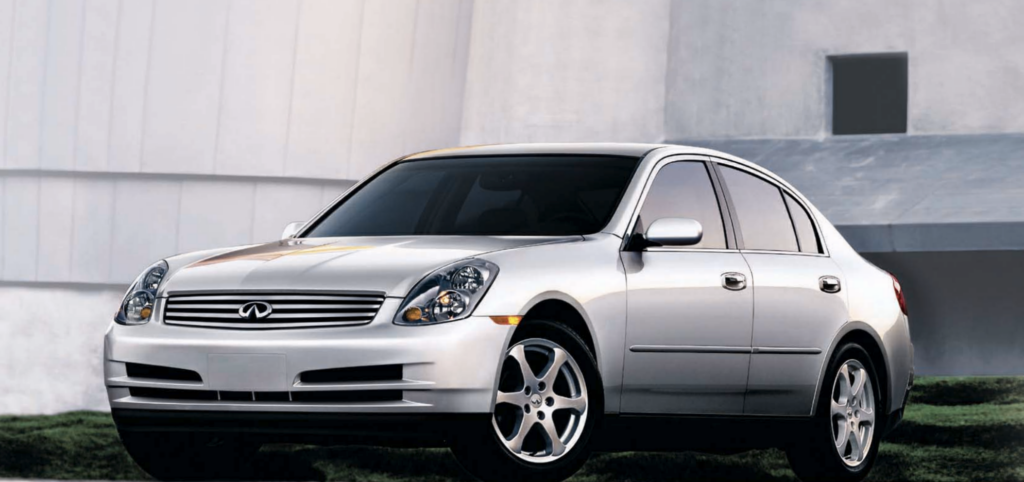
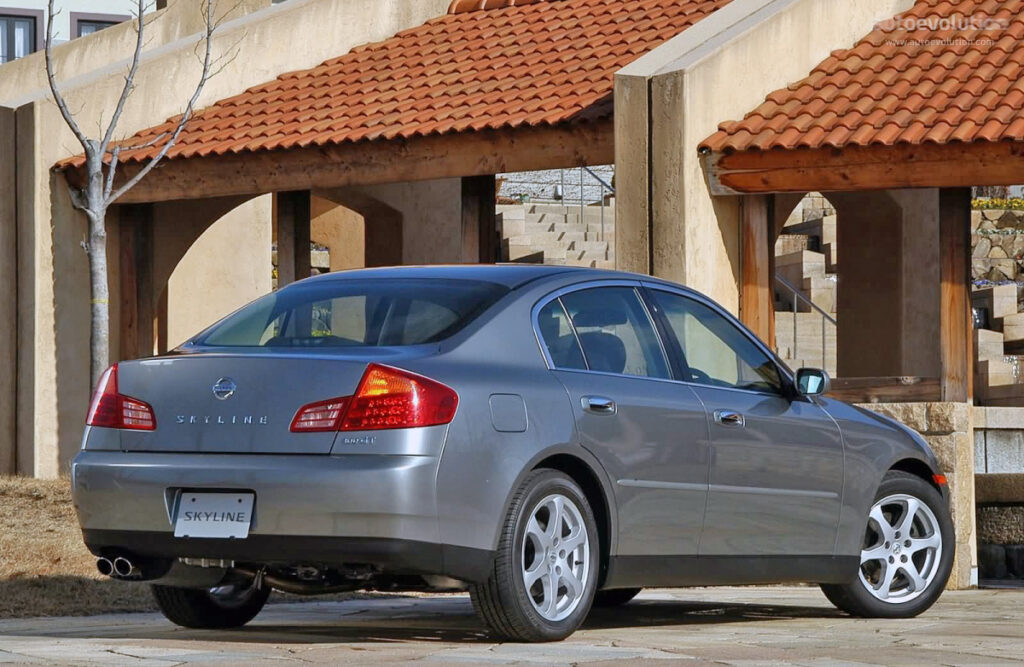
The G35 later brought that enthusiast link back into clearer view. Based on the 11th-generation Nissan Skyline, it regularly topped 50,000 annual sales, reaching 71,809 in 2007. Its success showed that a performance-minded Infiniti could connect with a wider audience when the design, product identity and buyer expectations lined up.
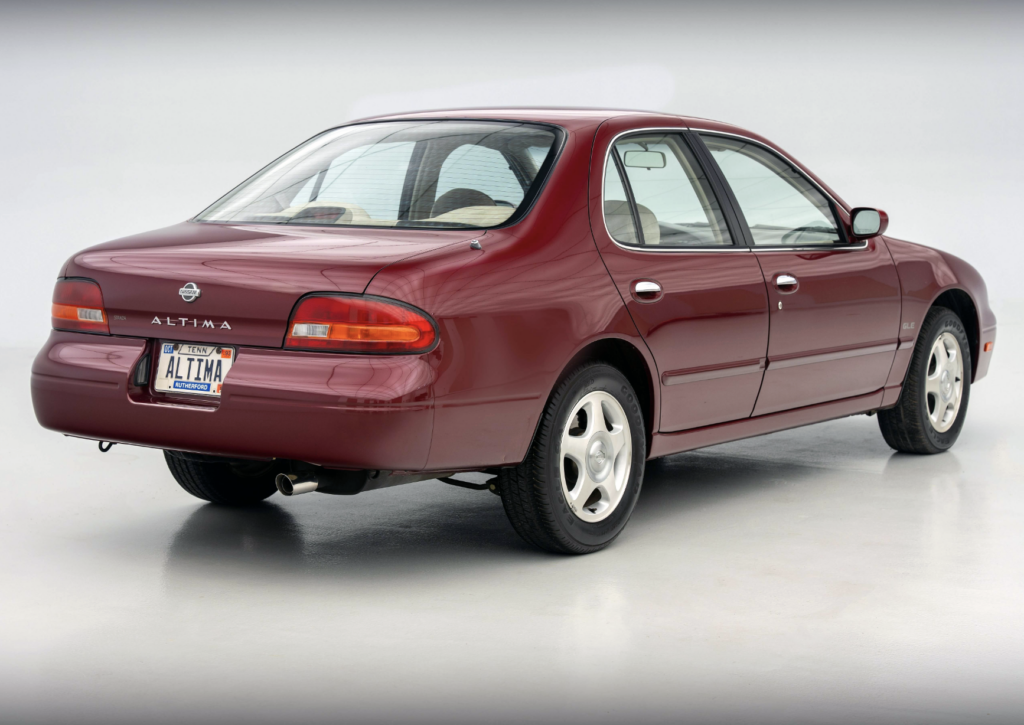
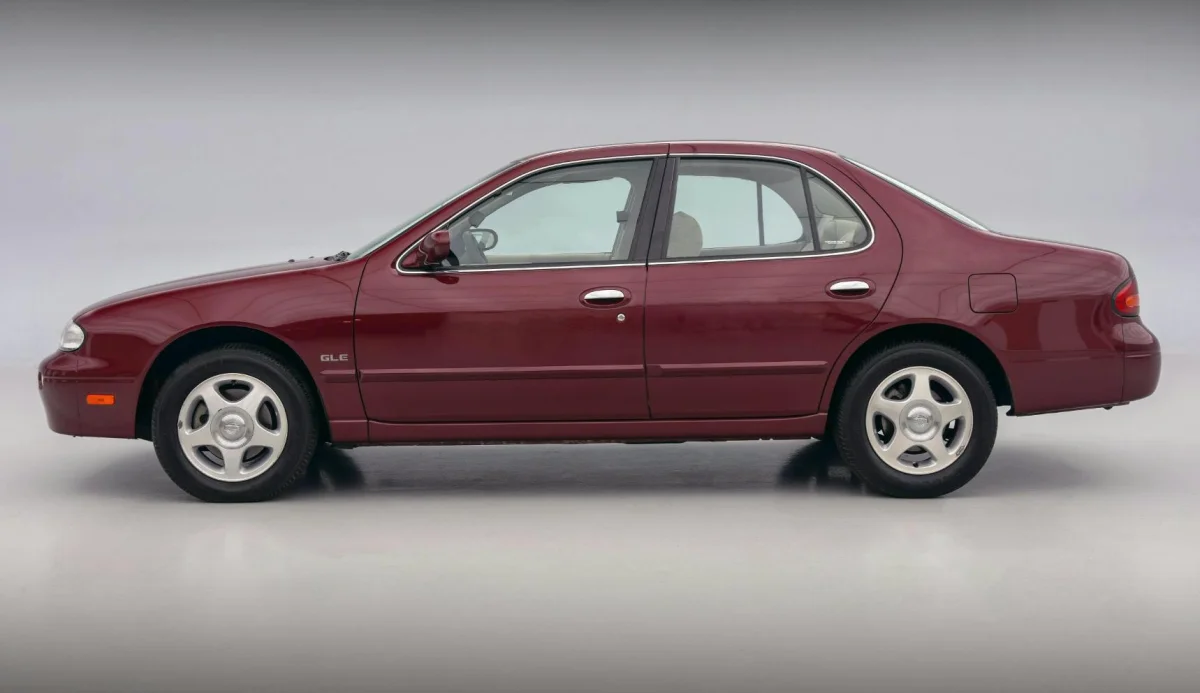
The J30’s influence also surfaced in a more accessible Nissan: the original Stanza Altima. It carried forward the oval shape in a taller, more practical sedan, including a small contour at the base of the trunk that echoed the Infiniti’s rear treatment. Nissan sold more than 120,000 Altimas in 1993 and nearly 134,000 in 1994. The Altima’s success suggests that the J30’s design ideas had broad appeal when paired with mainstream pricing and everyday practicality.
The J30 didn’t give Infiniti the instant heritage Hirshberg hoped for, and contemporary reviews were divided. Yet its short-lived shape left a clear mark on the Altima and helped define what made the brand different at the time. Its story is a useful reminder that standout design can give a car identity, while price, space and familiarity often decide whether buyers take it home.
The post The Infiniti J30 Was a Super Yacht for the Masses appeared first on Hagerty Media.


