In lane Electric Vehicles
13 Modern Cars That Rework Classic Designs, From the Renault 5 to the Ford Bronco
Description
From compact EVs to sports cars and off-roaders, these 13 models draw on familiar designs while adapting them for modern drivers.
Retro design works best when it gives a modern car a clear identity of its own. Across 13 recent models and concepts, that can mean reinterpreting a familiar sports car, carrying old-school proportions into an electric city car, or giving an off-roader the visual cues that made its original memorable. Some are established production cars; others remain concepts or one-off builds, with very different prospects of reaching customers.
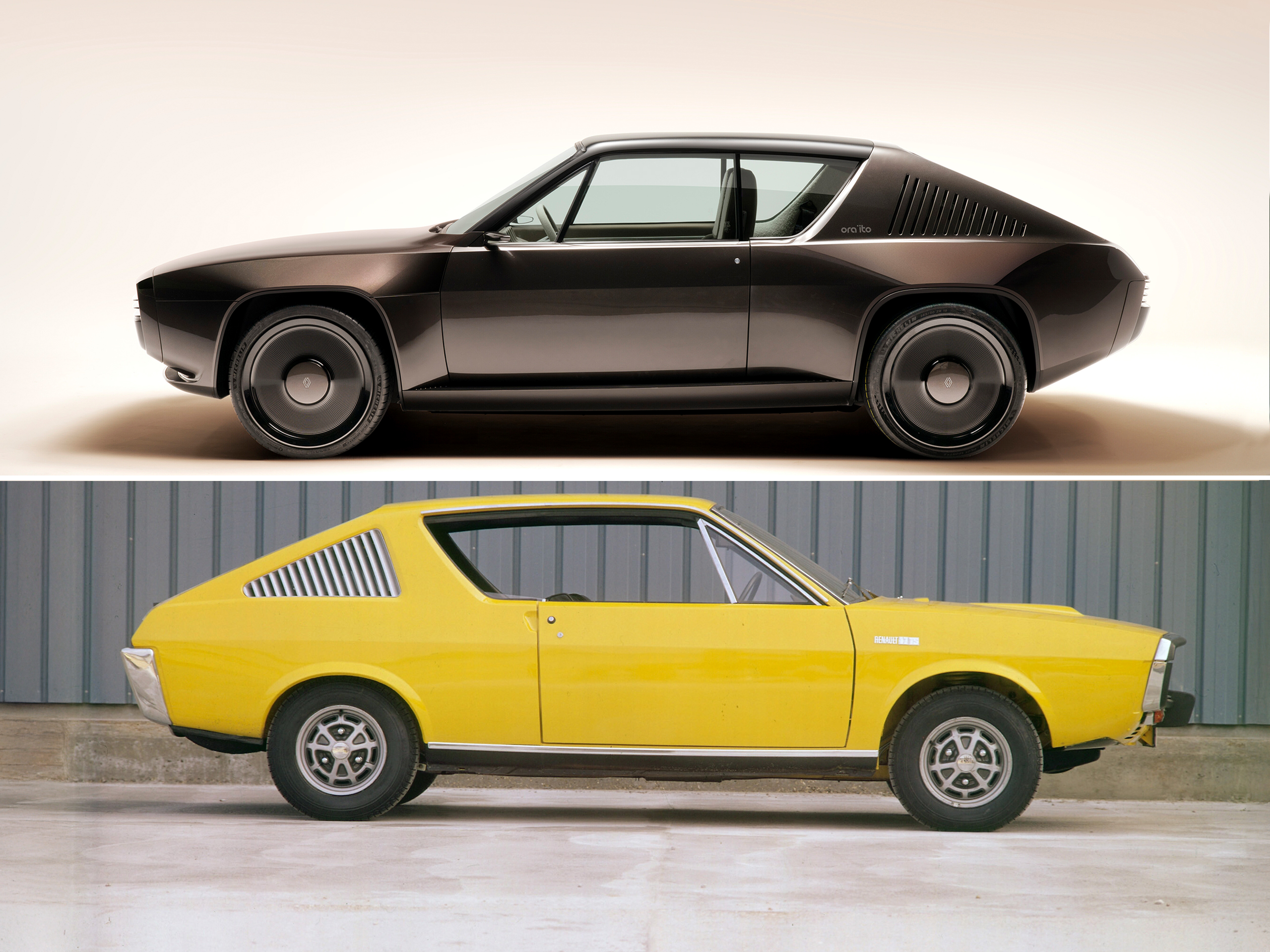
Renault’s 17 x Ora Ïto is a particularly well judged example, even if it’s unlikely to become a showroom model. Created with French designer Ora Ïto, the electric restomod revisits the little-known 1970s coupe with revised bodywork, LED lighting, modern wheels and tires, and a cabin that brings back period materials, including wool seats. Renault has also revived better-known names: the new Renault 5 is part of a wider return to small cars, with a Renault 4 and Twingo due to follow. The Alpine A110, introduced in 2017, shows that the company’s interest in its past extends beyond its city-car history.
These cars belong to a second wave of retro-inspired designs, following earlier efforts such as the New Beetle, Ford Thunderbird, MINI and Chevrolet SSR. Their success depends on more than a familiar badge or silhouette: the strongest examples carry an old design idea into a form that makes sense for the car being built today.
Sports cars and performance concepts
Alpine A110
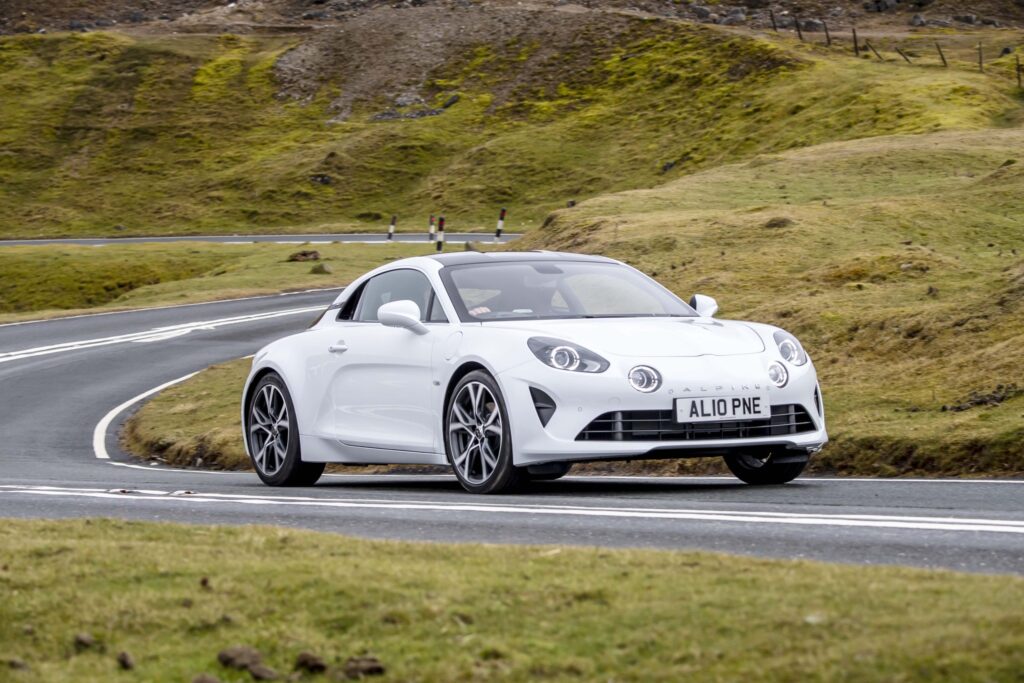
Alpine’s modern A110 makes a strong case for updating a classic without copying it line for line. Set beside the 1963 original, the 2017 car is visibly larger, though it remains compact by current standards. Its proportions and details still make the family connection clear, especially the distinctive treatment of the four headlights. The shape also conceals a change in layout: the modern car is mid-engined, where the original was rear-engined.
That evolution matters because the A110’s heritage is about how it drives as well as how it looks. The original was one of its era’s standout sports cars; the current model aims for the same kind of distinction in its own time. It feels fresh on its own terms, with the historical link adding context rather than doing all the work.
Nissan Z
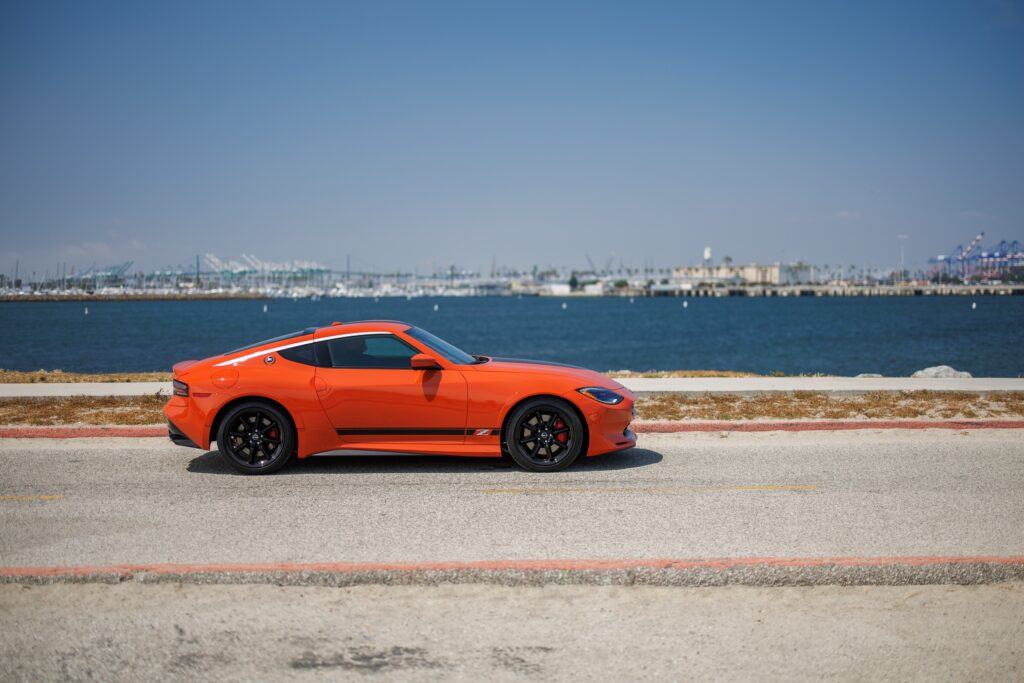
The Z name covers a major chapter in Japanese sports-car history. The original S30-series 240Z helped establish Nissan in the U.S. with a sports car that reached a broad audience. The 2022 revival draws heavily on that 1969 model: small headlights, a squared grille, a badge on the C-pillar and a ducktail spoiler all make the connection.
Underneath, the lineage is less direct. The current car uses a platform rooted in the 370Z, itself based on the 350Z introduced in 2002. The rear lights also recall the 1990s Z32 300ZX. That mix of references gives the new Z a visual history spanning several generations, even as its basic architecture reflects a long-running platform.
Hyundai N Vision 74
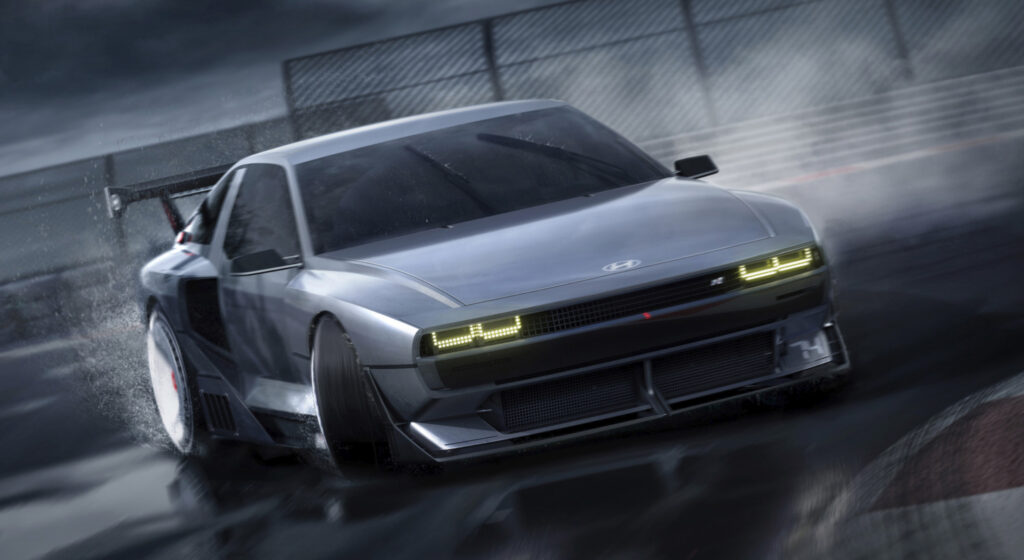
The N Vision 74 looks back to a period when Hyundai was still beginning to establish its own car-making identity. Its name points to the 1974 Pony concept, designed by Giorgetto Giugiaro, rather than to the first production Hyundai, which arrived the following year. The concept’s sharp wedge profile, slatted rear window and turbofan-style wheels bring the 1970s reference into focus.
Hyundai’s version takes that starting point in a more dramatic direction, adding bold aerodynamic details and pixel-style lights. Its fuel-cell electric powertrain brings a modern technical angle to the design. The result reads less like a faithful reconstruction than a futuristic interpretation of a concept from the company’s early years.
Tuthill GT One
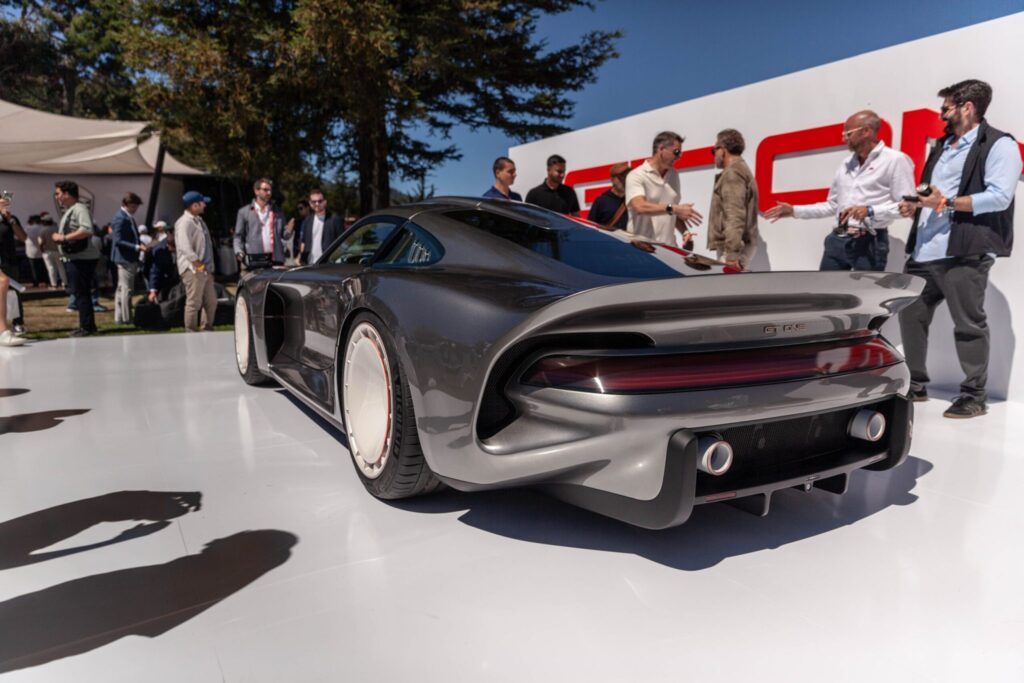
Tuthill’s GT One, shown at Monterey Car Week, looks to the Porsche 911 GT1 racers of the 1990s, but it’s intended first as a road car. Its carbon-fiber body is long, low and wide, with small mirrors mounted on the front wings as a nod to the race cars. The figures reported for the car are 2,650 pounds and up to 600 horsepower.
Just 22 examples are planned, putting the GT One far from the reach of most buyers. Its appeal lies in the care taken to translate a racing silhouette into a road-going car, rather than simply reproducing a historic competition machine.
Small cars with familiar faces
Fiat 500e
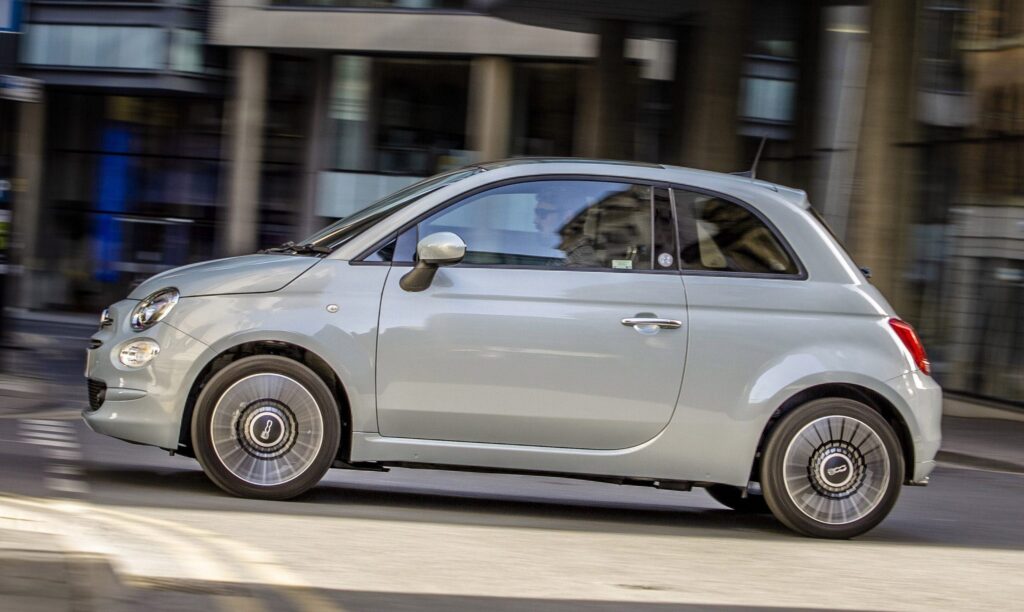
The electric Fiat 500e carries the spirit of the original Nuova 500 more naturally than some newer small-car revivals. Launched in 2020, it follows the 2007 500, which arrived 50 years after the classic. The rounded roof, wraparound body line and circular headlights keep the connection visible, while the hood now covers the powertrain rather than sitting above a rear engine.
The cabin gives the reference more than a passing nod. Its digital instrument display stands above the dashboard in a way that echoes the original car’s simple layout, and the storage shelf across the middle of the dash recalls the older 500’s interior. Those details help the electric model feel like an updated interpretation instead of a styling exercise.
Honda e
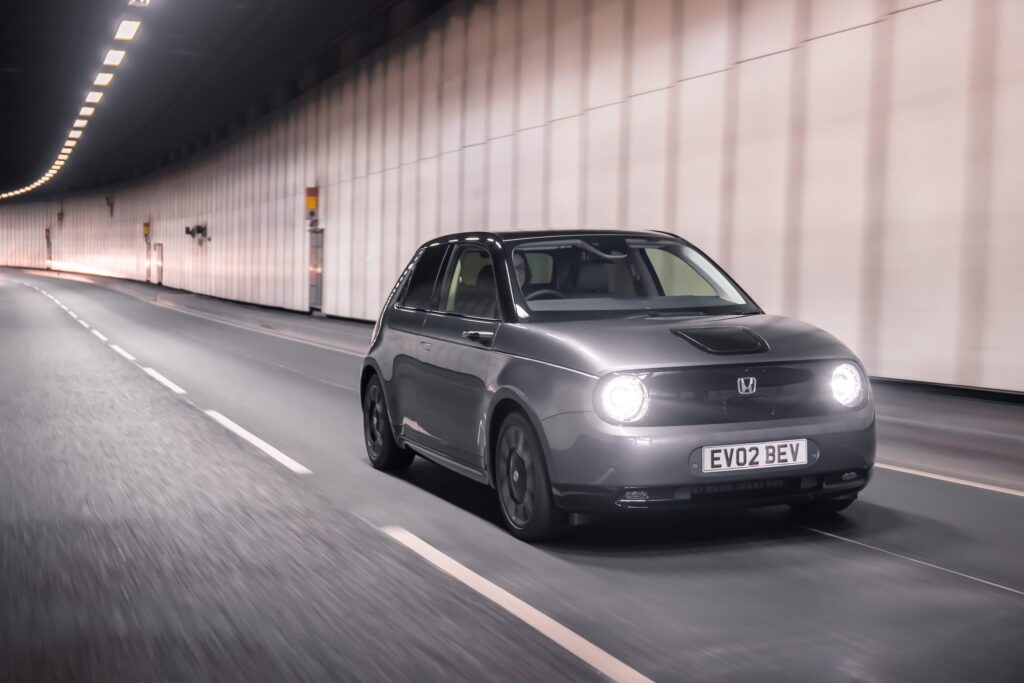
Honda sold fewer than 12,000 examples of the e between 2020 and 2024, and the small car was never offered in the U.S. In the U.K., prices approached £30,000, while its stated range was 131 miles. Those factors made it a challenging proposition beyond its natural role as a city car, and its run has ended.
What remains memorable is the design. The round-eyed front and curved C-pillar suggest the original Civic of the 1970s, while the two-spoke steering wheel and broad, five-screen dashboard carry a playful interpretation of a classic cabin. Two screens served as digital mirrors. The production car was more restrained than the 2017 concept, but it retained enough character to stand apart.
Renault 5
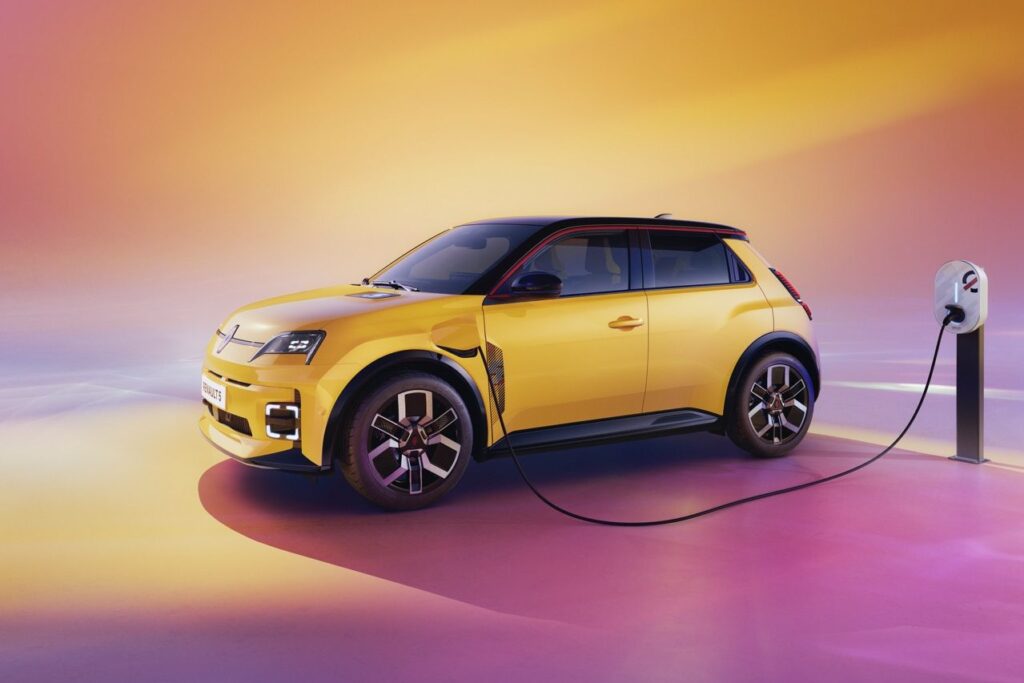
The new electric Renault 5 brings one of the company’s best-known small-car names into a different era. Its design points clearly to the 1972 original, from the trapezoidal body and squared headlights to the vertical rear lights. An offset vent on the hood recalls the early Alpine Turbo version.
Renault has carried the references into the cabin, too: the passenger-side dashboard has ribbed detailing, and the drive selector sits on the steering column, echoing the original’s dashboard-mounted gearlever. The car’s appeal rests on an idea Renault knows well: a small, distinctive model can make a strong impression without needing to imitate a larger car.
BMW Vision Neue Klasse
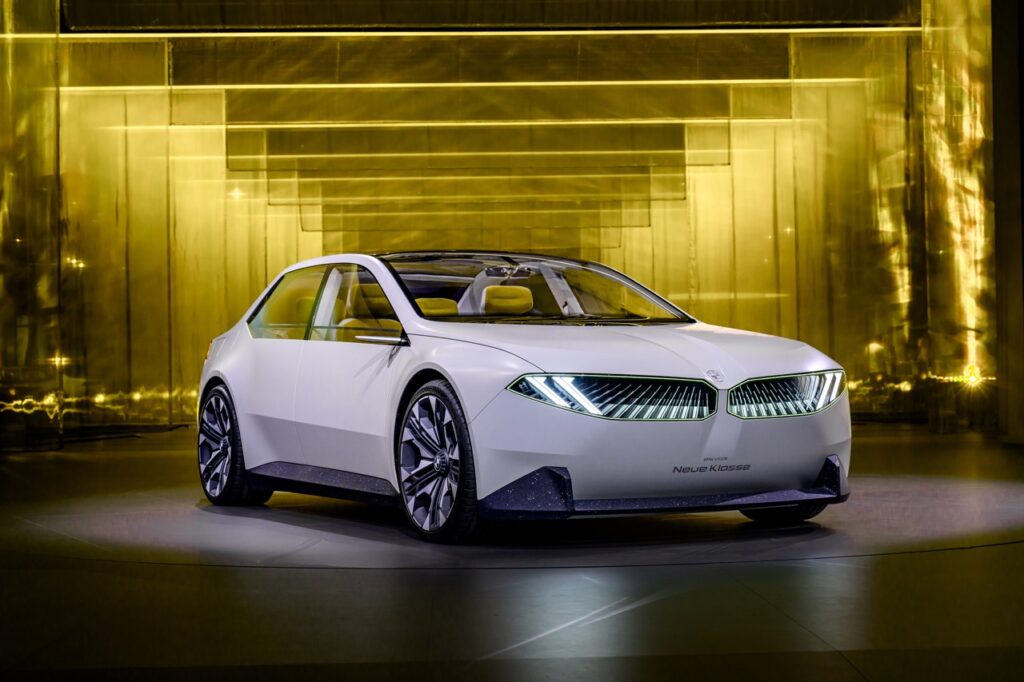
BMW’s Vision Neue Klasse concept, shown in early 2024, looks ahead while acknowledging a defining chapter in the company’s history. “Neue Klasse” was the name BMW used for its 1960s saloons during a period of reinvention. The new concept develops ideas from the i Vision Dee shown at CES in January 2023, with proportions that bring the E21-generation 3 Series to mind.
A slim front treatment integrates the lights, while the rear has a gently sloping boot lid and narrow taillight strip. The Hofmeister kink in the rear side glass also returns. These are restrained references rather than an overt period makeover, but they signal that BMW is drawing on its own design language as it shapes its future cars.
Utility, one-offs and concepts
Ford Bronco
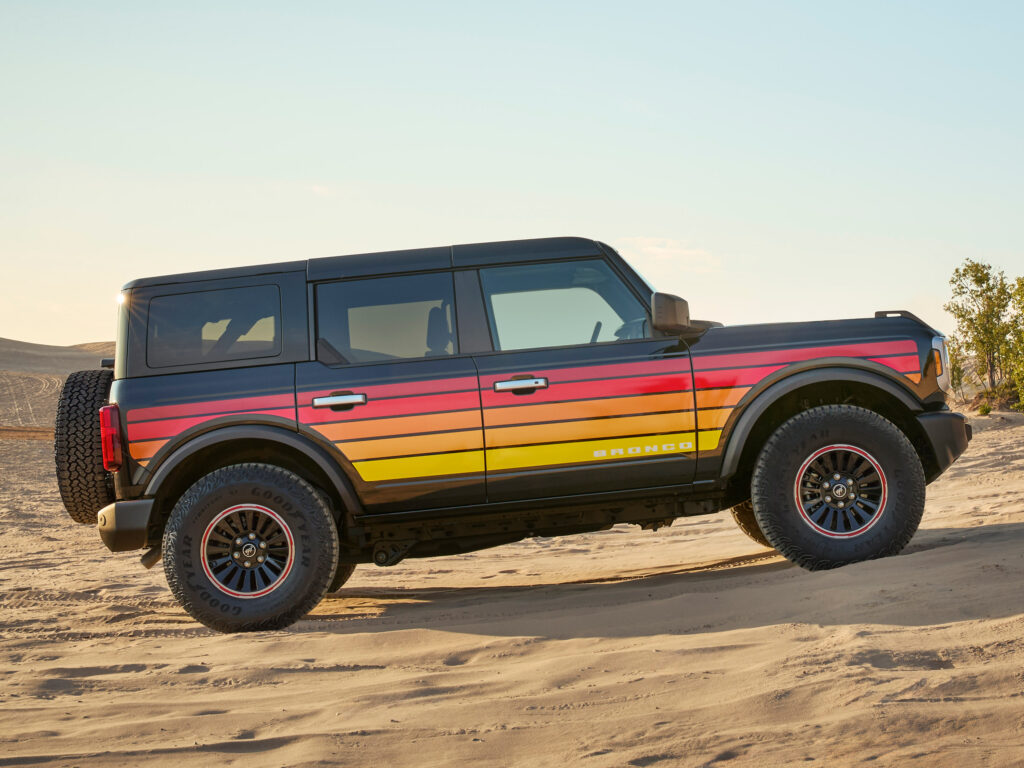
Ford had already shown how effectively it could revisit its past with the 2005 Mustang and the Ford GT introduced a year earlier. The Bronco returned in 2021 after its previous run ended in 1996, taking clear cues from the 1966 original: round headlights, squared-off bodywork and removable doors.
The original Bronco was Ford’s entry into a vehicle category that later grew into the SUV market. The current model leans into off-road use, with dedicated packages and high-performance Raptor versions. Ford’s Explorer and Expedition serve a more family-oriented role within the wider lineup. That distinction gives the Bronco a clear purpose beyond its retro appearance.
Rivian R3
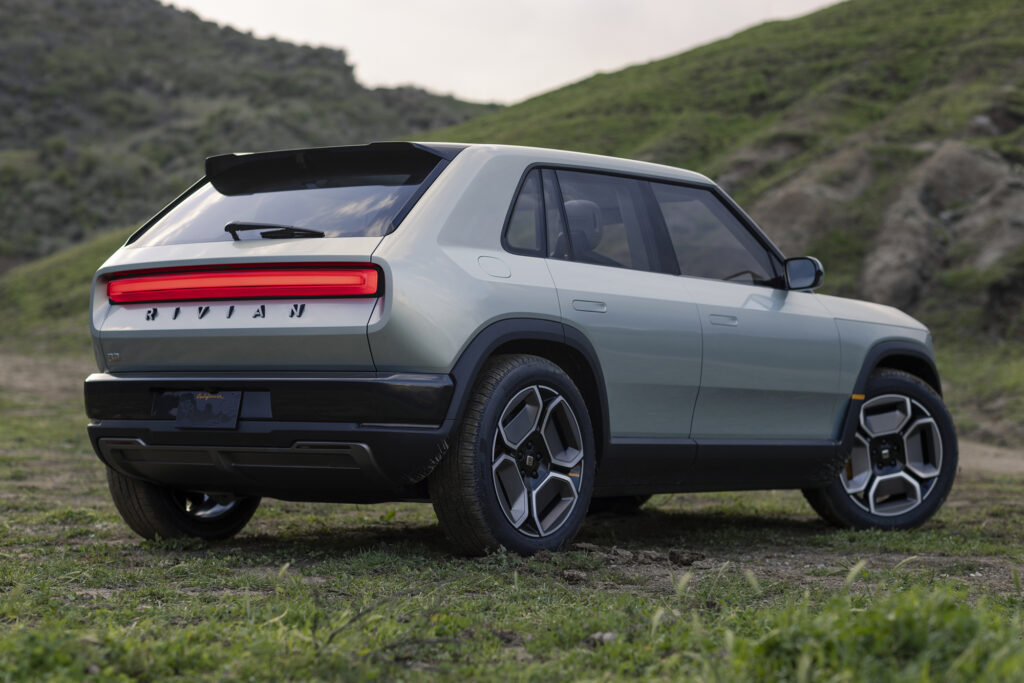
Rivian describes the R3 and its more off-road-focused R3X as original designs, but the compact proportions recall several older hatchbacks and utility cars. The raised R3X in particular brings to mind the Volkswagen Golf Country, while the regular R3 suggests the Golf Mk2, Lancia Delta and Lada Niva.
The R3 remains a concept, with production scheduled for 2027 if plans proceed. Rivian itself dates back to 2009, so its appeal isn’t built on a long company heritage. Instead, these familiar shapes give the small electric vehicle an approachable character that distinguishes it from more conventional crossover designs.
Opel Manta GSe Elektromod
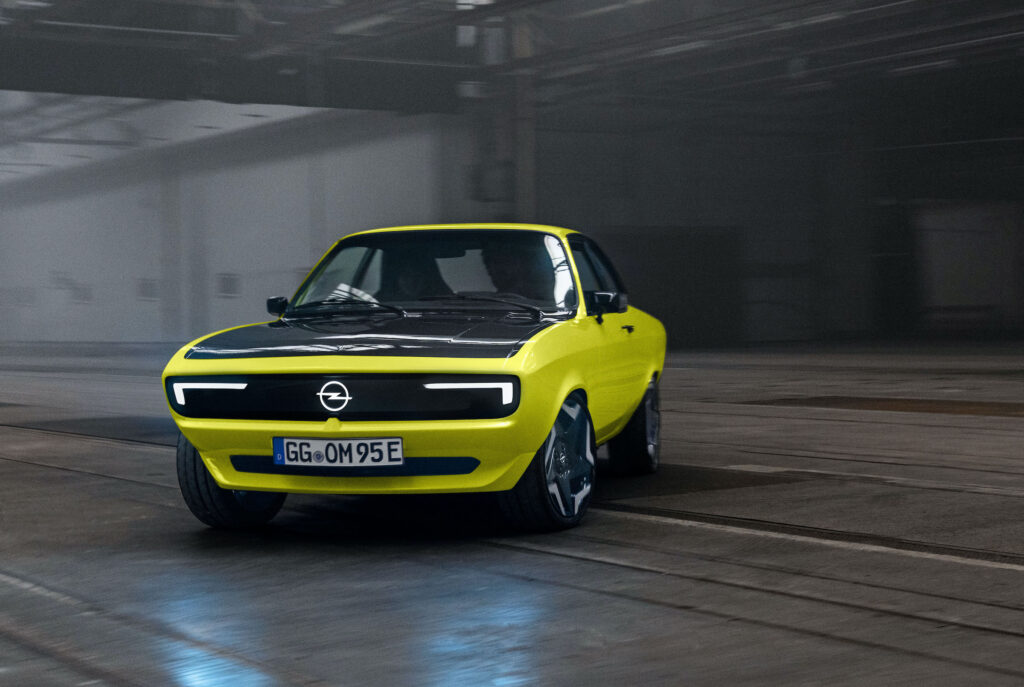
Opel’s 2021 Manta GSe Elektromod keeps the original coupe’s lines largely intact while replacing its conventional powertrain with a 145-horsepower electric motor. The build retains a four-speed gearbox and uses a battery with a stated range of 124 miles. At 2,500 pounds, it’s several hundred pounds lighter than even modern electric superminis, a useful reminder that a modest range can come with a comparatively light car.
The bright yellow paint is hard to miss, but the more thoughtful changes are in the details. Opel and Vauxhall’s modern Vizor-style front treatment fits into the Manta’s face, while the original three-spoke steering wheel remains in place with yellow stitching. It’s a restomod that makes the electric conversion visible without losing the coupe’s original character.
Peugeot e-Legend
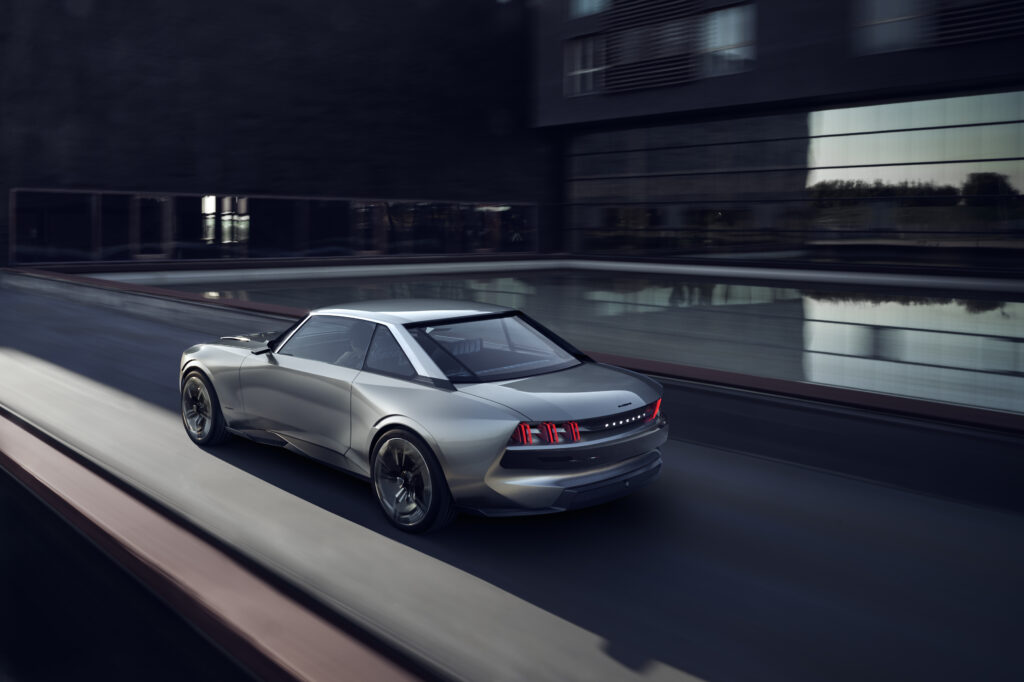
Peugeot’s e-Legend concept, shown at the 2018 Paris motor show, remains a missed opportunity for fans of classic coupes. Its inspiration was the 1969 Peugeot 504 Coupe, designed by Pininfarina. The concept translated that car’s balanced three-box form into a modern shape, with slim front pillars, strong rear pillars, expansive glass and a squared-off tail.
The interior also looked forward while keeping one foot in the past. Deep aquamarine velvet gave the cabin a distinctly period feel, set against the concept’s modern presentation. Peugeot had no production plans for the car, leaving the e-Legend as an illustration of how a heritage coupe might have been reinterpreted.
Renault 17 x Ora Ïto
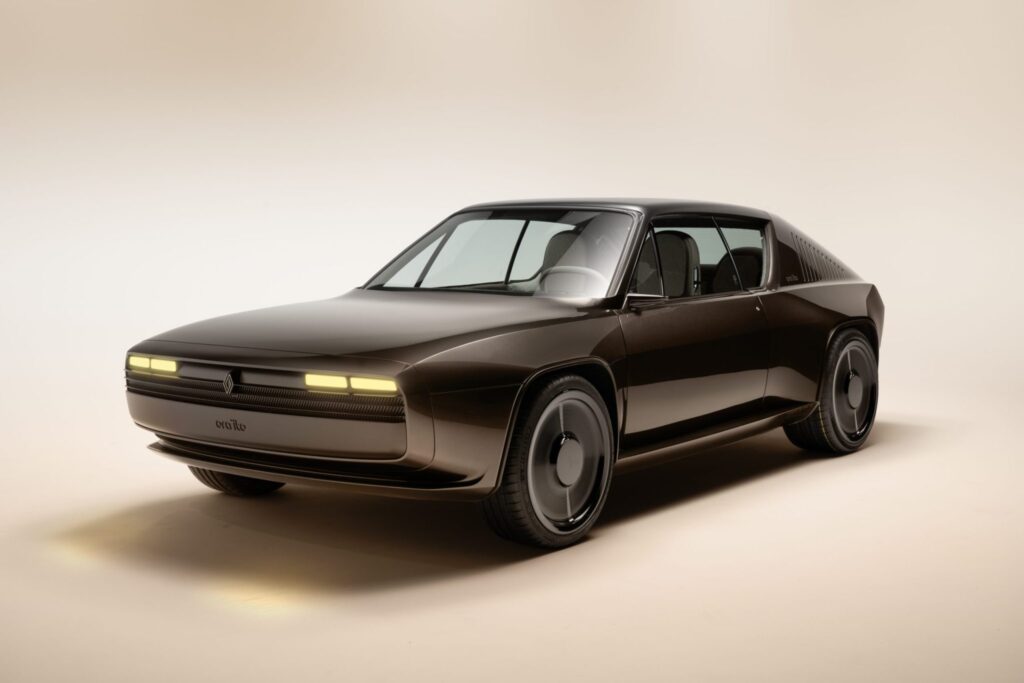
The Renault 17 x Ora Ïto is another one-off restomod, and one of the more surprising choices in this group. Renault’s 1970s coupes included the mechanically related 15, but the more distinctive 17 became the basis for the designer collaboration. Its arches are wider, 19-inch wheels fill them, and the rear pillar vent has been blended into the revised body.
Thin LED lights replace the original units, while the cabin combines satin with merino wool. The electric powertrain produces 270 horsepower. That specification belongs to this individual build; Renault hasn’t presented it as a planned production car. Its value lies in showing how an overlooked coupe can take on a new identity without discarding the features that made it unusual.
Across this group, the most convincing designs connect an old reference to a present-day purpose: the Bronco’s off-road focus, the 500e’s compact electric format, or the A110’s sports-car character. Concepts and one-off builds can stretch further, but their future as cars for buyers remains uncertain. For the models still to come, the key question is whether the familiar look will be matched by a practical role on the road.


