In lane Electric Vehicles
Scout Terra and Traveler Design Blend Classic Proportions With Modern Details
Description
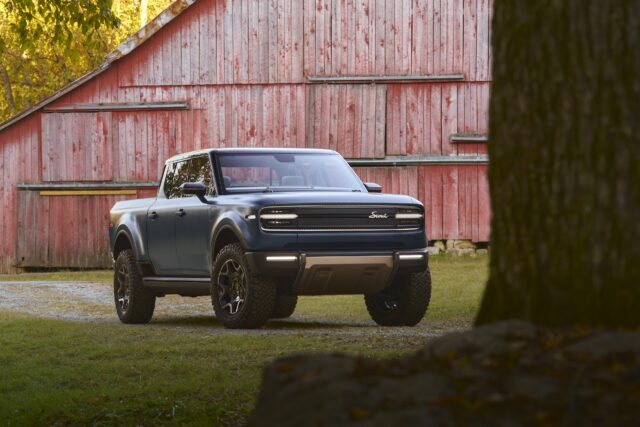
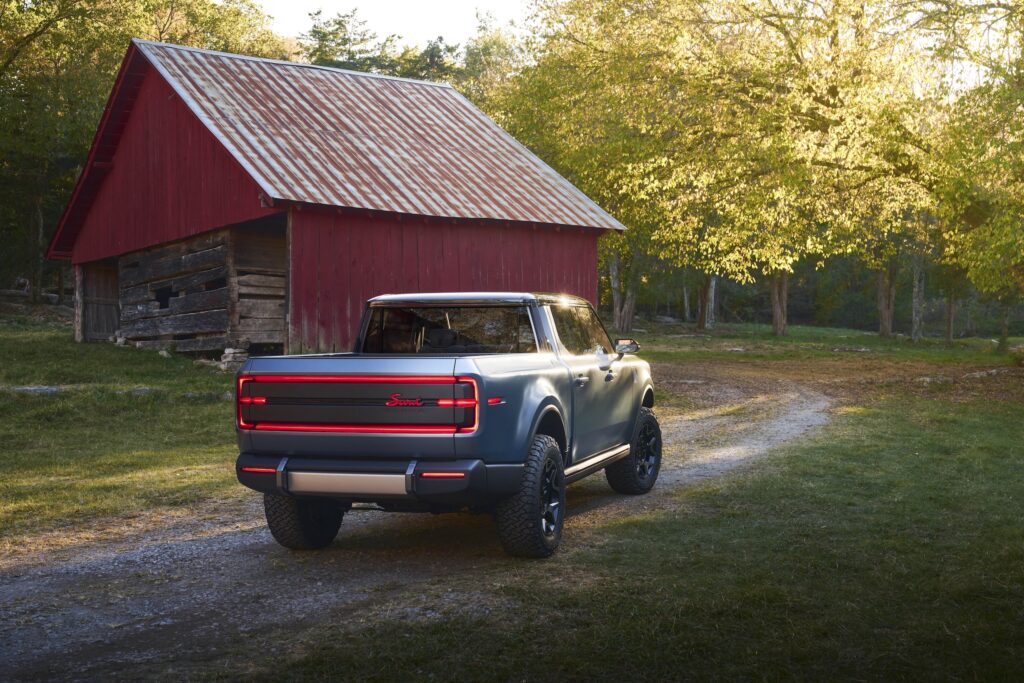
Scout’s new electric pickup and SUV revive the Scout II’s proportions, pairing familiar off-road cues with a cleaner, more muscular design.
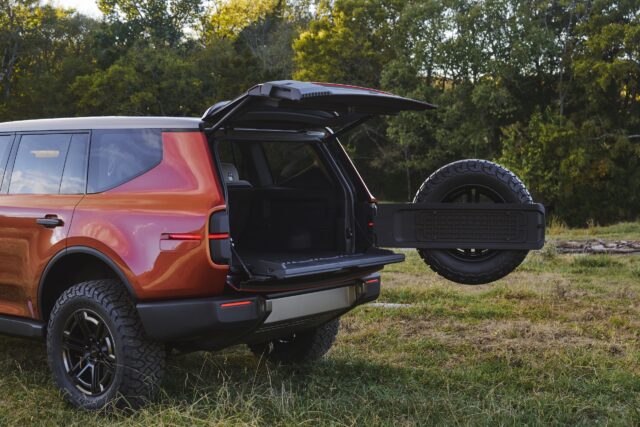
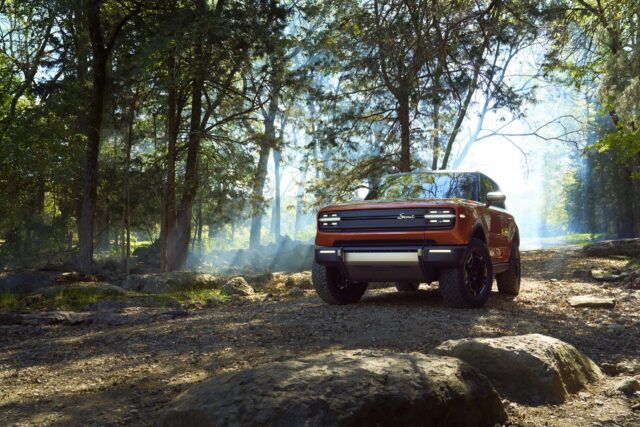
Scout Motors’ first two models make a strong case for reviving a dormant nameplate: the Terra pickup and Traveler SUV look recognizably tied to the original Scouts while carrying a thoroughly modern design. That balance matters. Volkswagen can build a capable large off-roader, but winning over American buyers also means giving them a reason to care about the badge.
Scout brings Volkswagen a name with a long American history and an established following. The automaker gained the marque through its 2020 purchase of Navistar International, and the new Terra and Traveler put that heritage to work in a market where rugged styling and brand identity count for plenty. Their designs suggest the team understood that a fresh start still needs a clear connection to what came before.
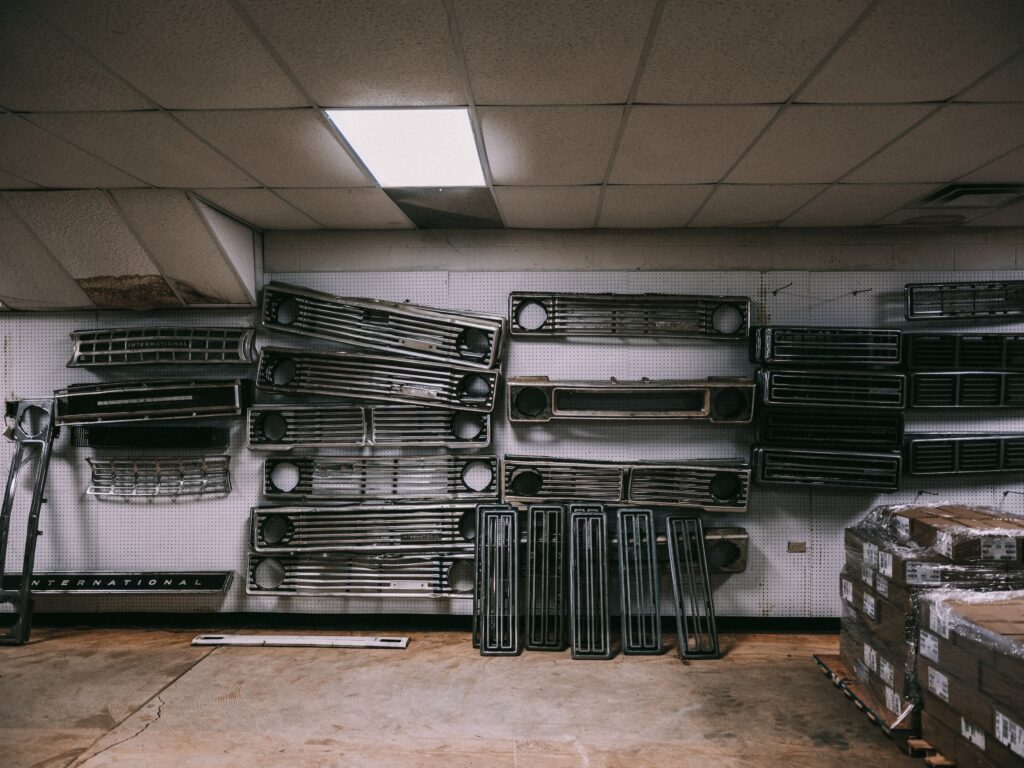
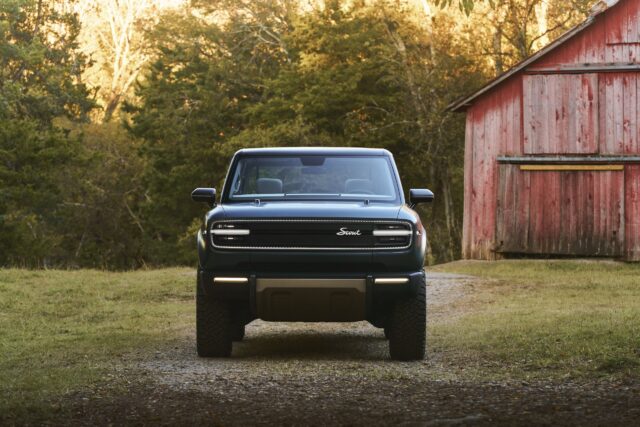
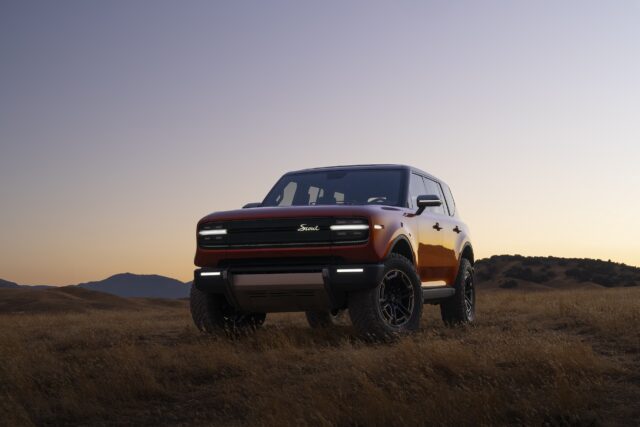
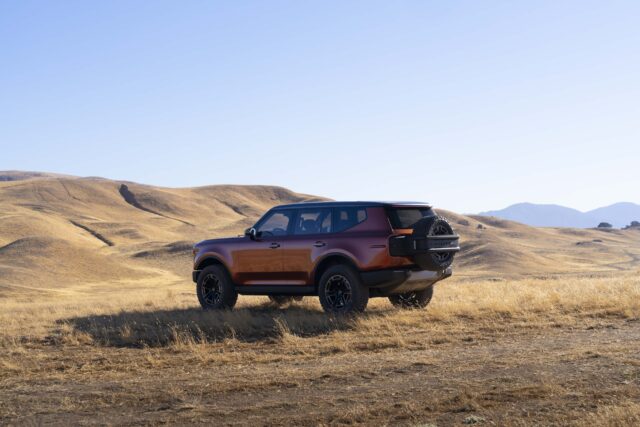
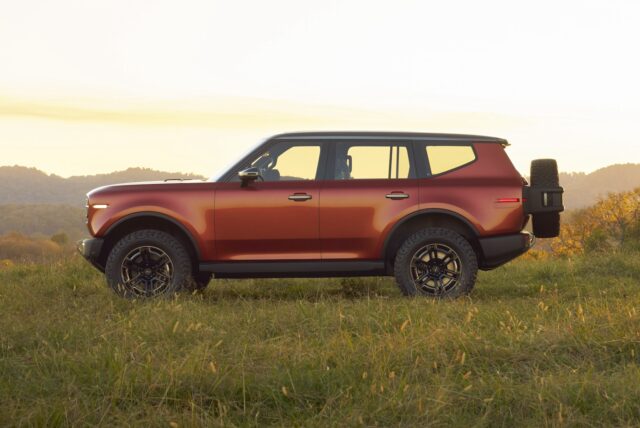
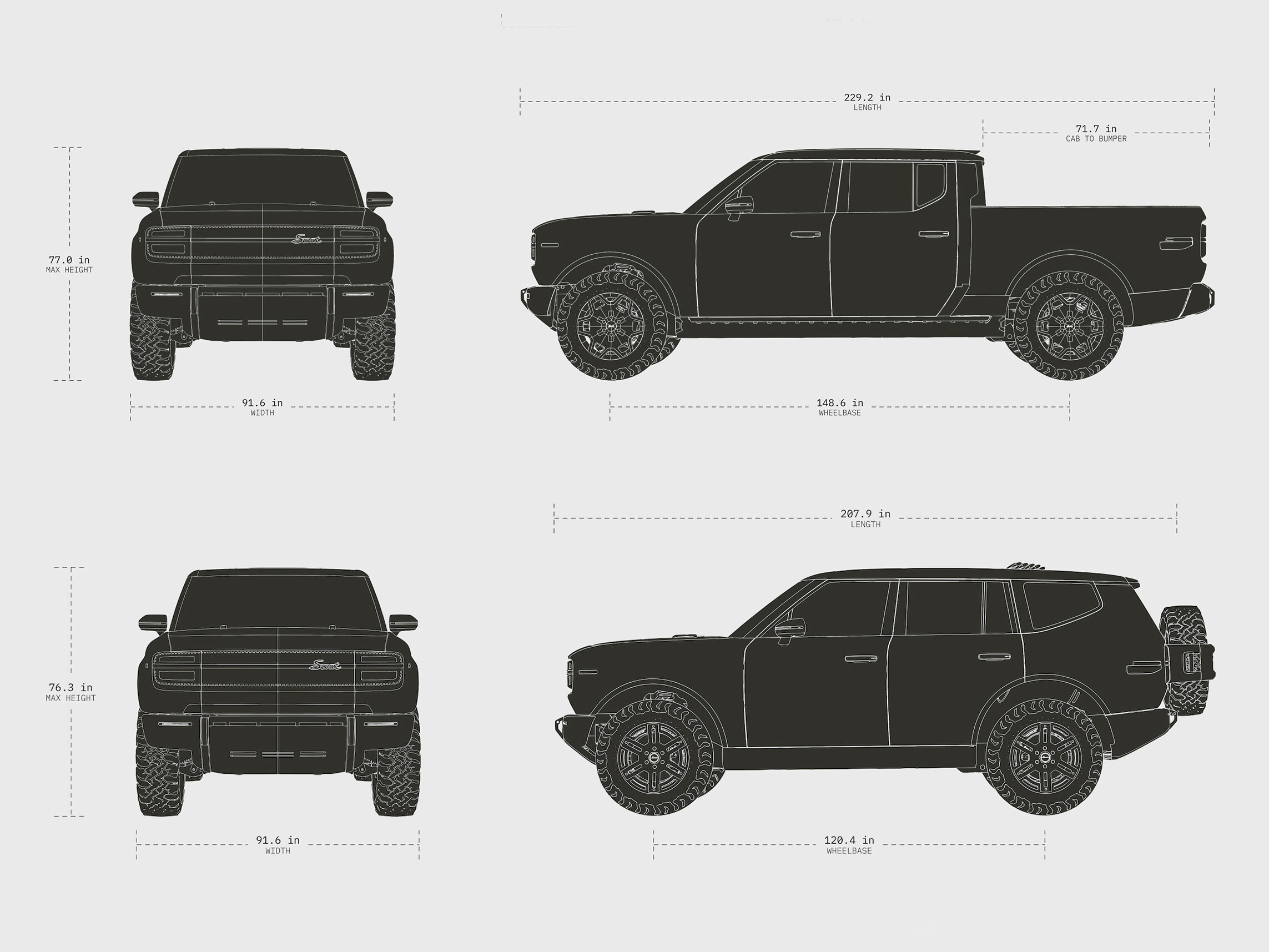
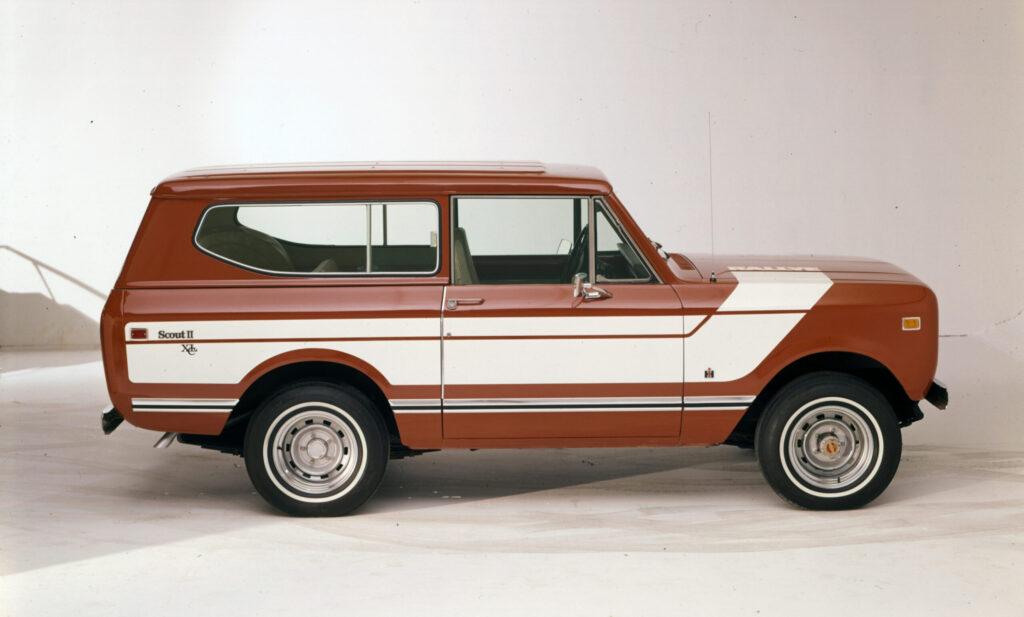
The Traveler is the clearest expression of that idea. Its proportions call back to the 1972 Scout II, with a short front overhang, a substantial rear section and a tall body that reads as practical and ready for rough ground. The resemblance isn’t a matter of adding decorative throwbacks; the basic shape does much of the historical work. To my eye, that’s a more convincing route than copying individual old details onto an unrelated form.
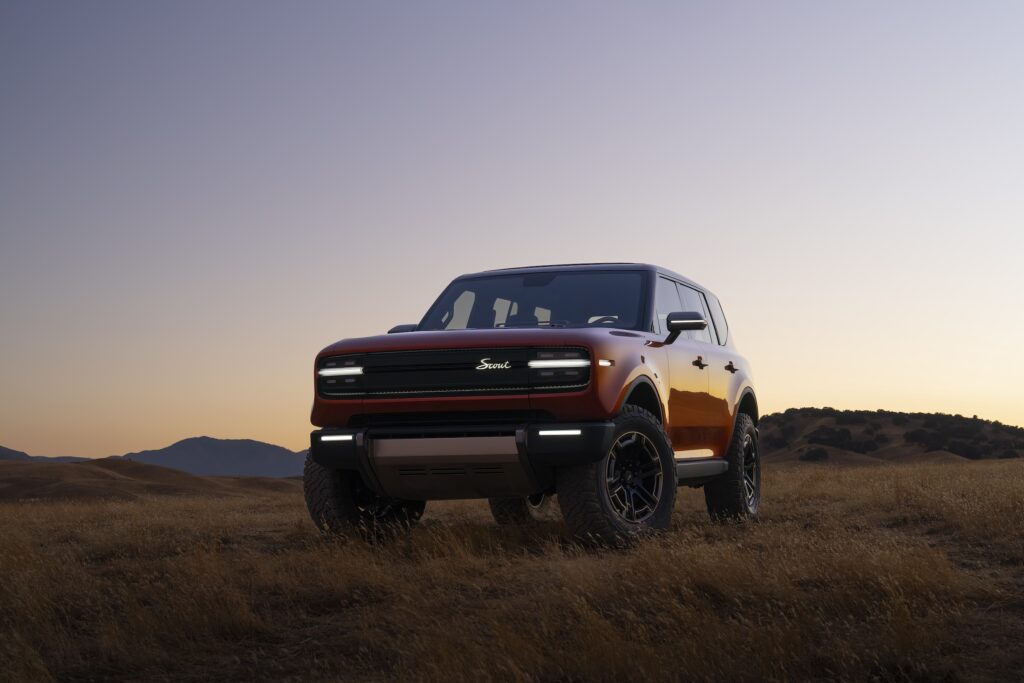
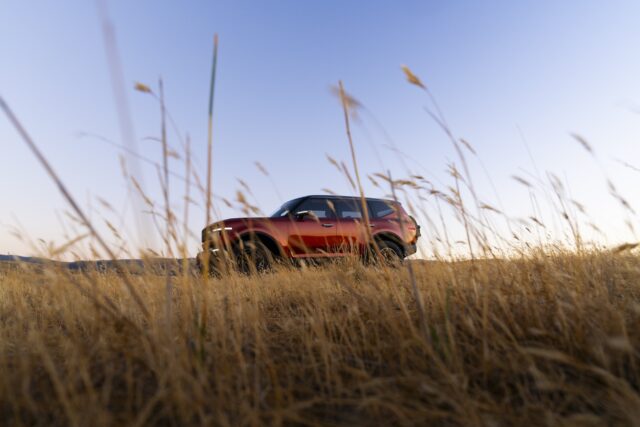
Those proportions also make sense for an off-road vehicle. A short nose helps keep the front end compact, while the rear cabin volume gives the Traveler a planted, rear-weighted stance. Its windows occupy roughly two-thirds of the body’s height, echoing the original’s balance between glass and painted metal. The result feels recognizably Scout without relying on nostalgia alone.
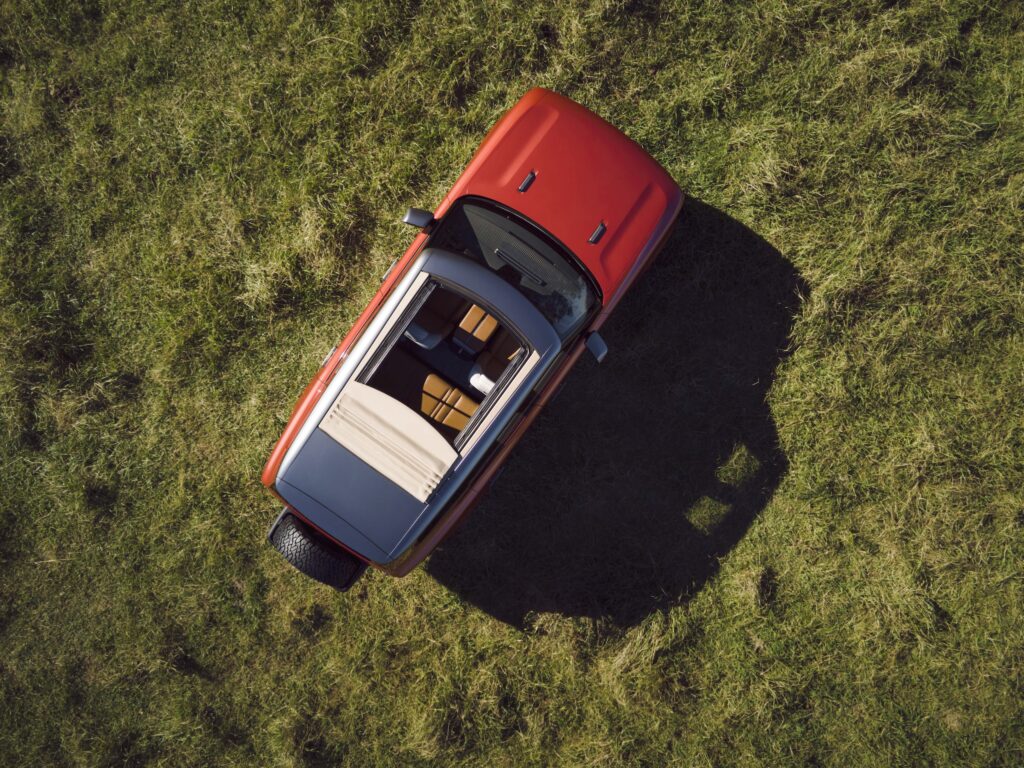
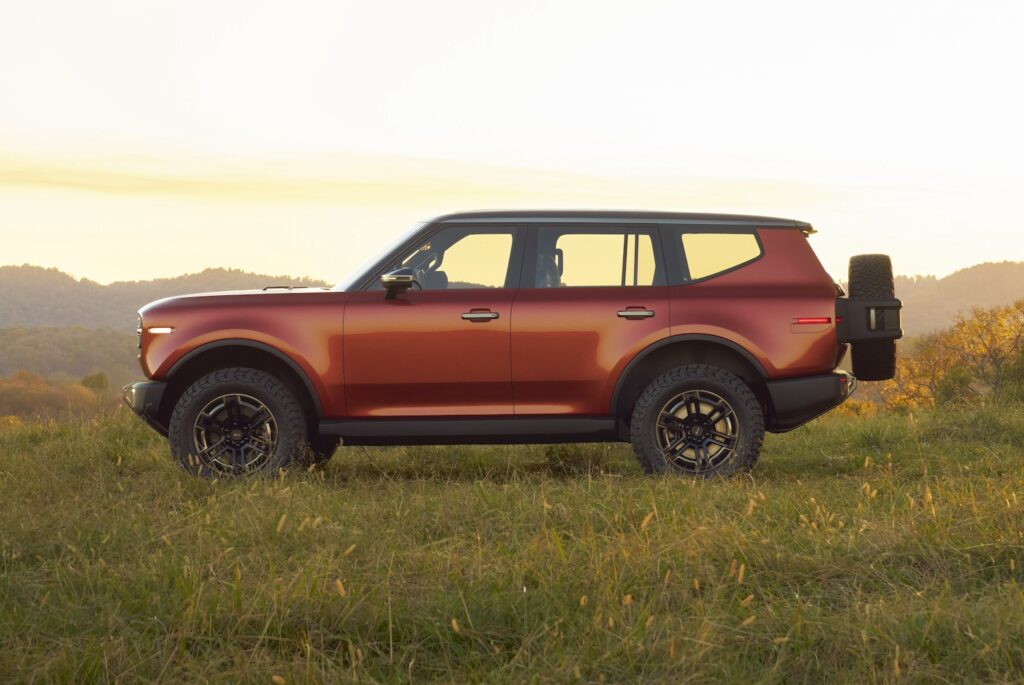
Modern surfacing, purposeful stance
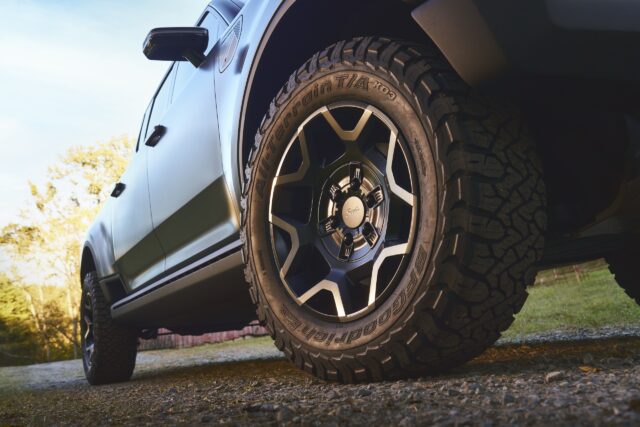
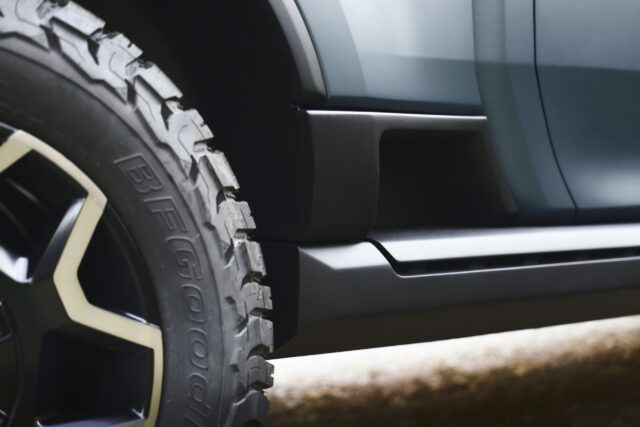
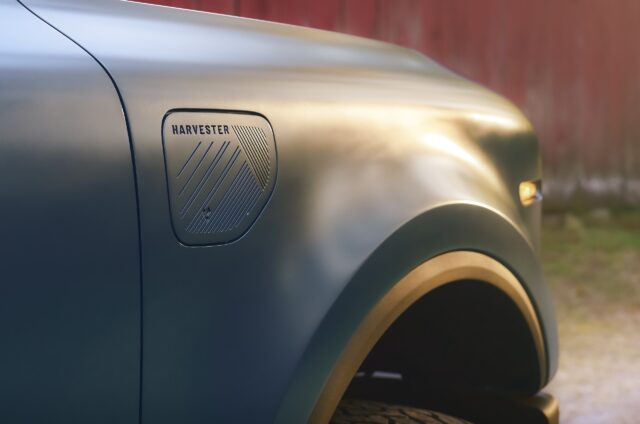
The bodywork updates the old formula without cluttering it. The Scout II had flat sides and restrained wheel arches; the new models use fuller surfaces and pronounced arches to give the body more muscle. Their large wheels sit close to the edges of those arches, making the trucks look grounded rather than perched above their tires. That treatment is familiar in contemporary vehicle design, but here it reinforces the Scouts’ intended character.
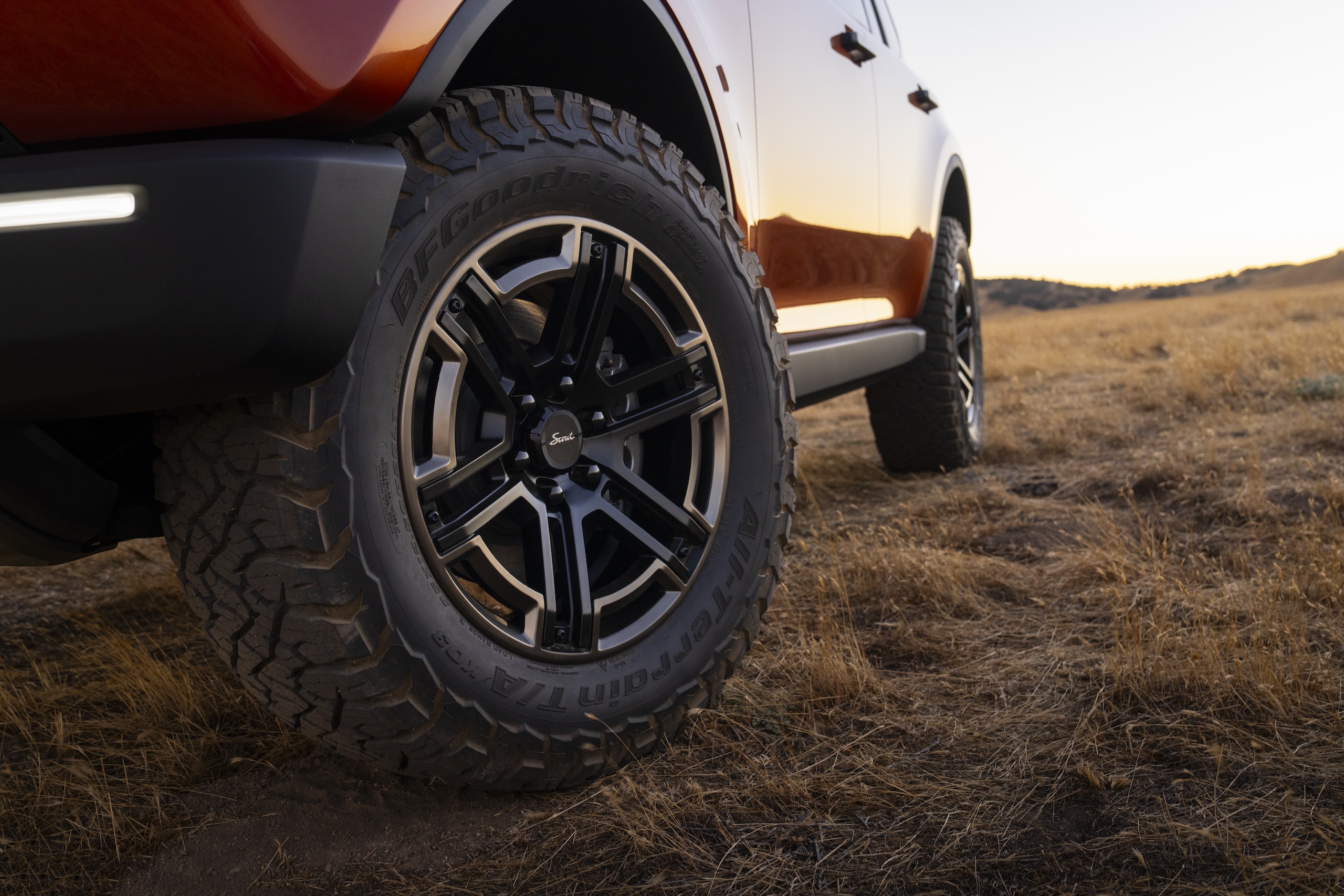
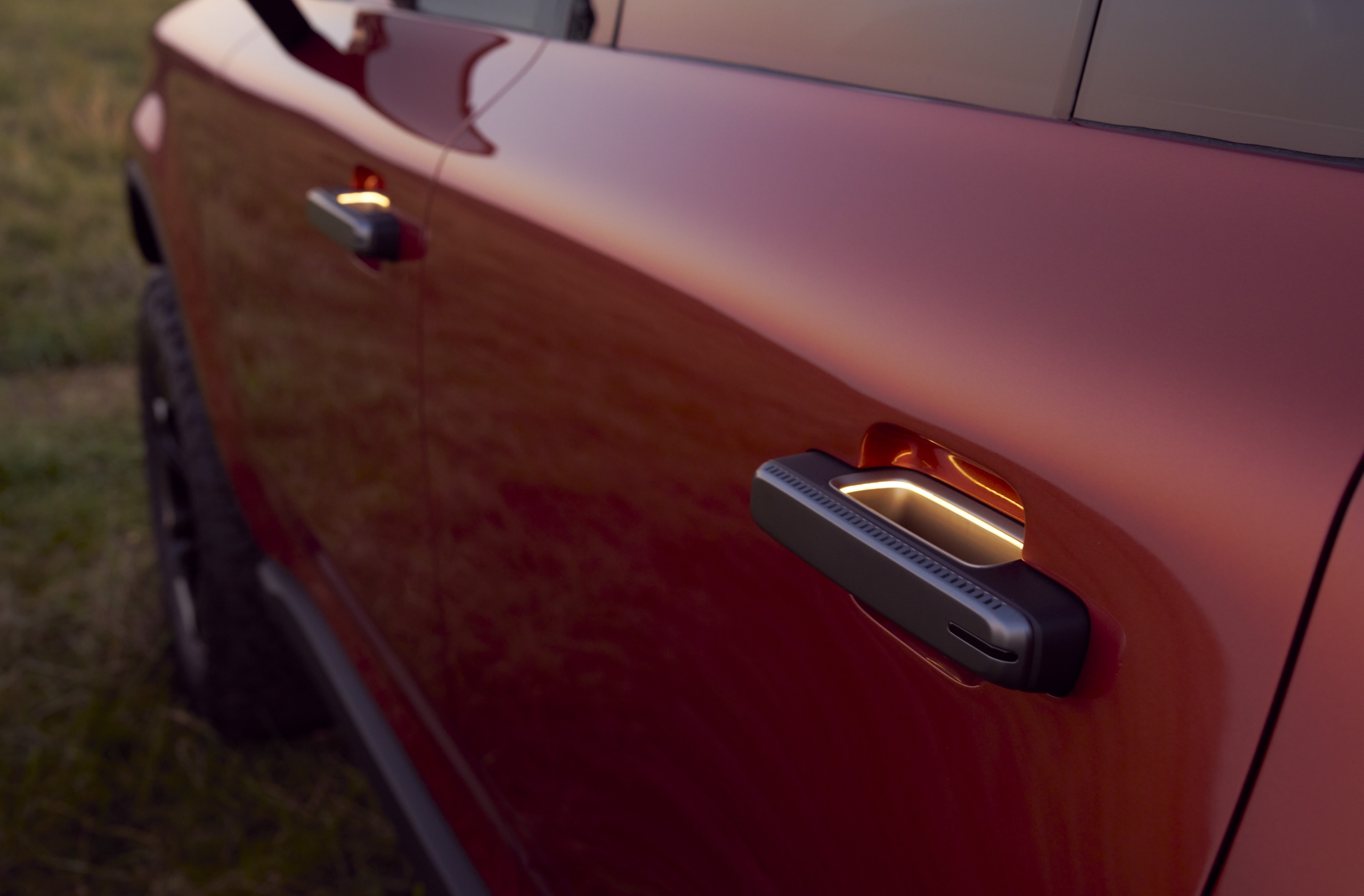
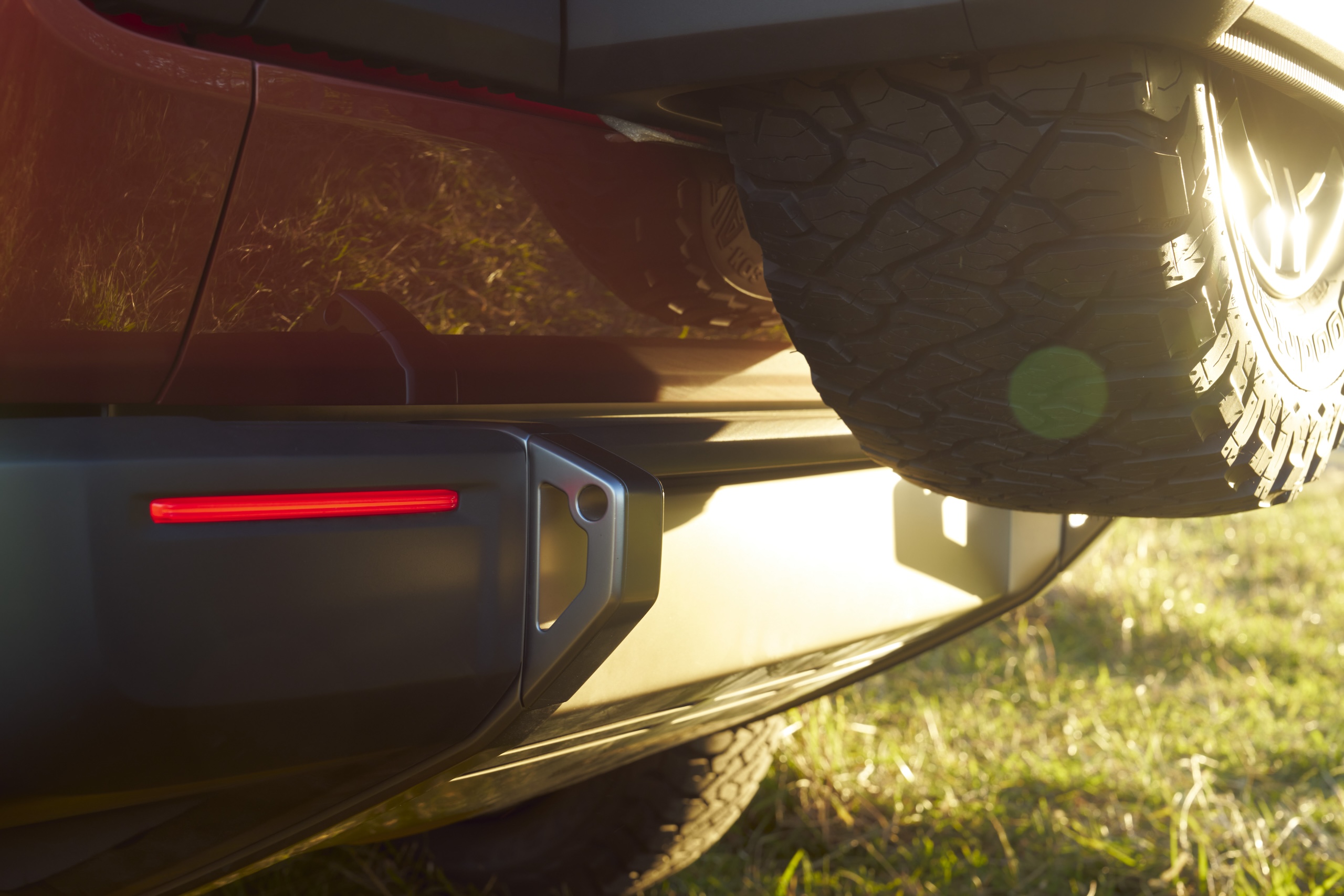
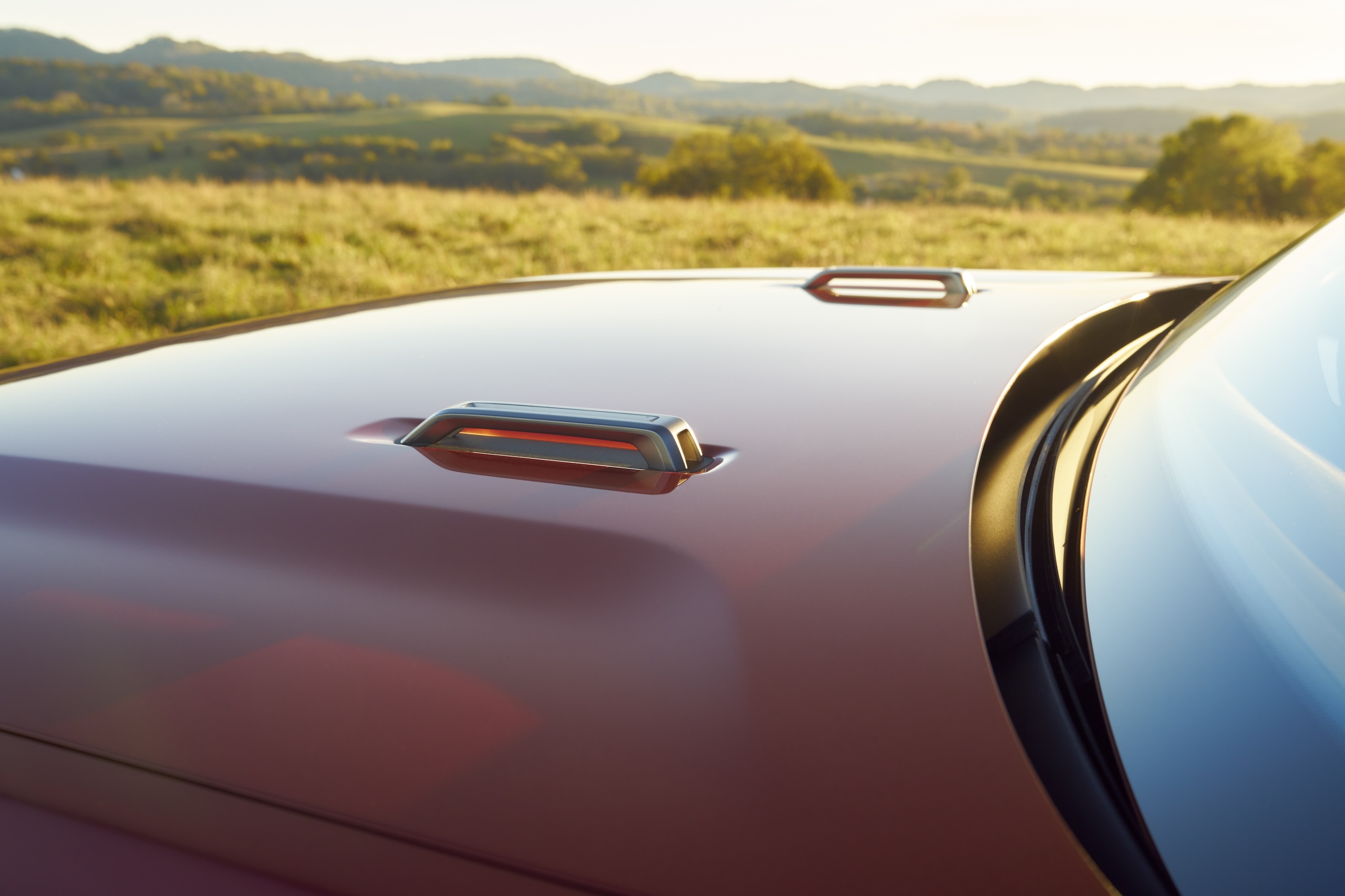
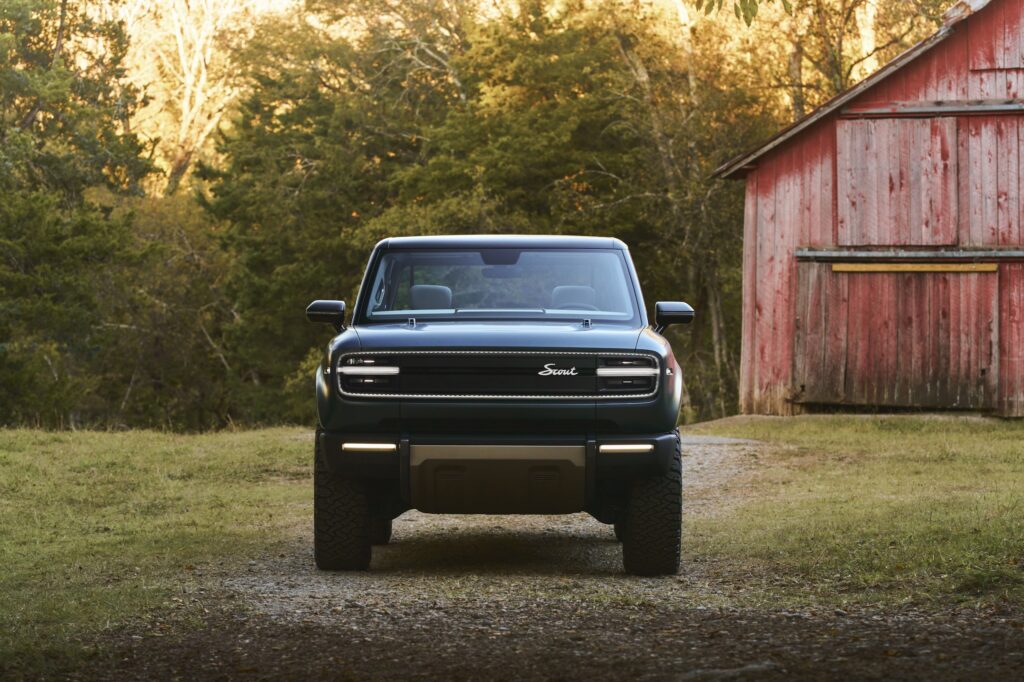
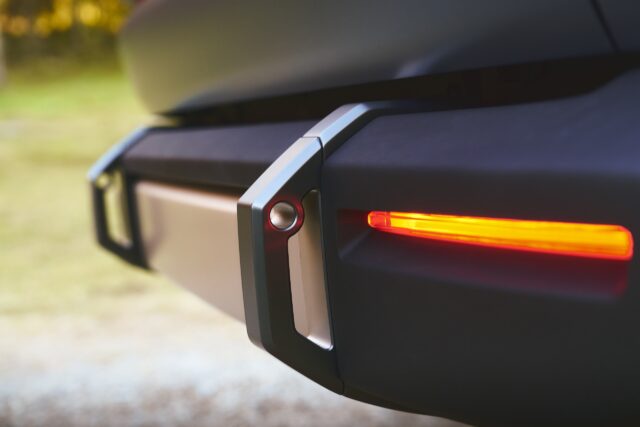
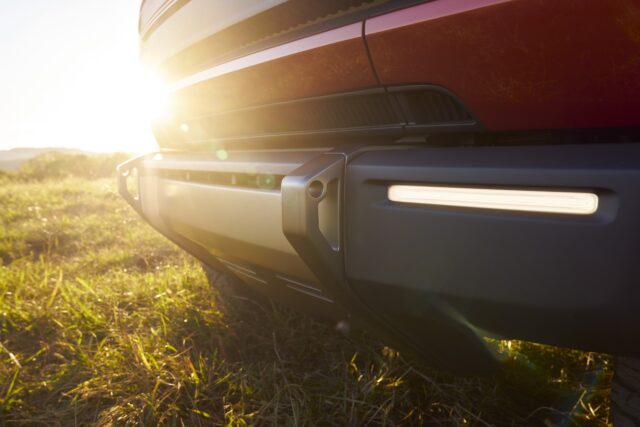
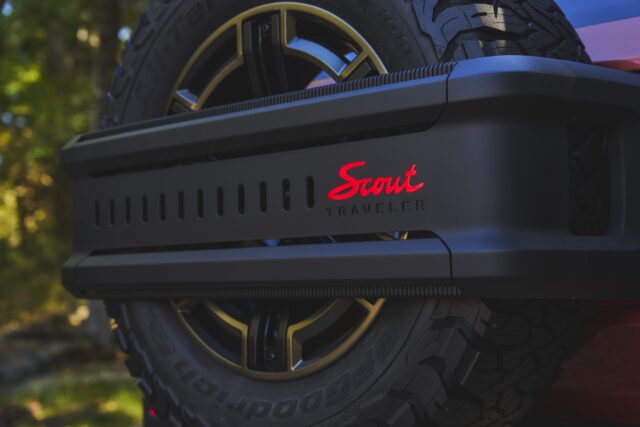
The bumpers continue the practical theme. Older off-roaders often used simple metal bars that could be removed, leaving the bumper visually separate from the rest of the body. The new Scouts’ bumpers are more integrated components, but their design still gives them a functional, distinct appearance. A single character line along the otherwise clean side connects visually with the top edges of the front and rear bumpers, drawing the eye along the vehicle’s length.
Heritage in the details
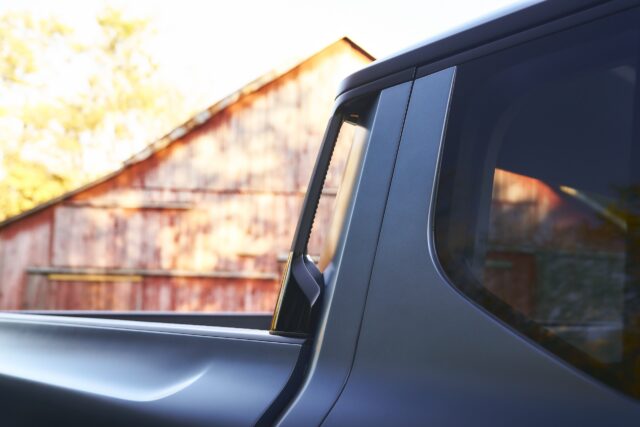
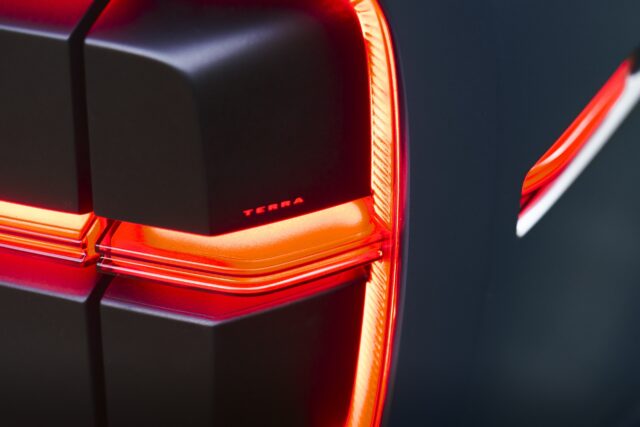
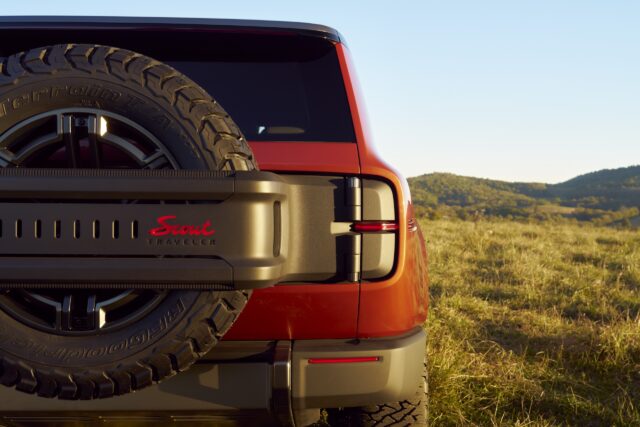
Scout’s graphic elements carry the vintage connection into the windows, grille and lighting. The Traveler’s beltline stays mostly straight, then rises near the rear in a signature cue from the Scout II. A broad rectangular grille also recalls the earlier model, though the lighting avoids a literal recreation of its round sealed-beam lamps.
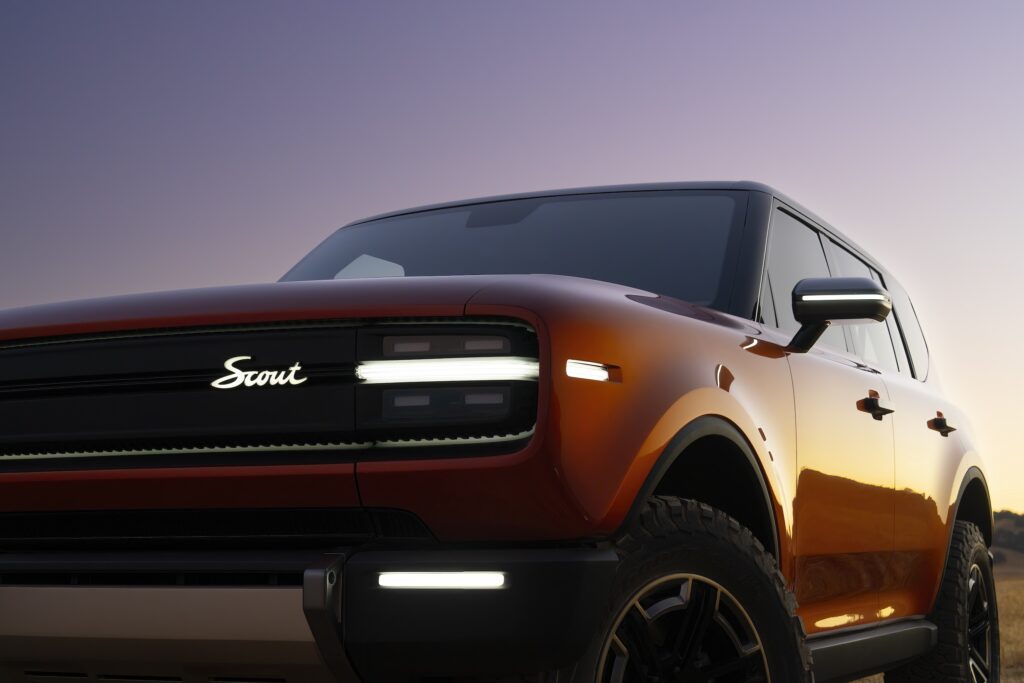
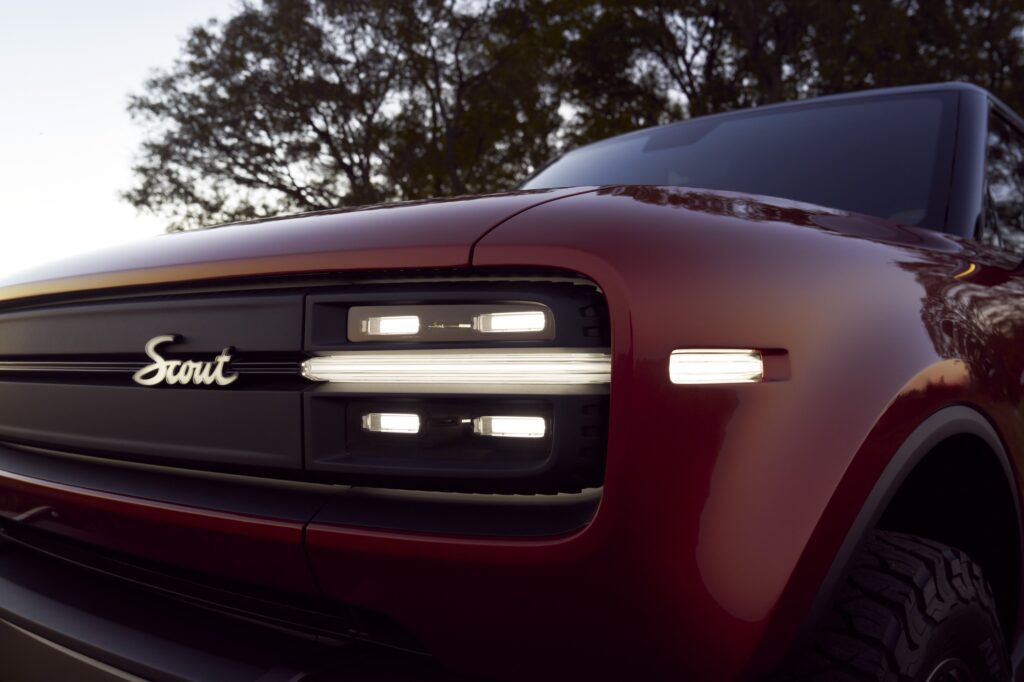
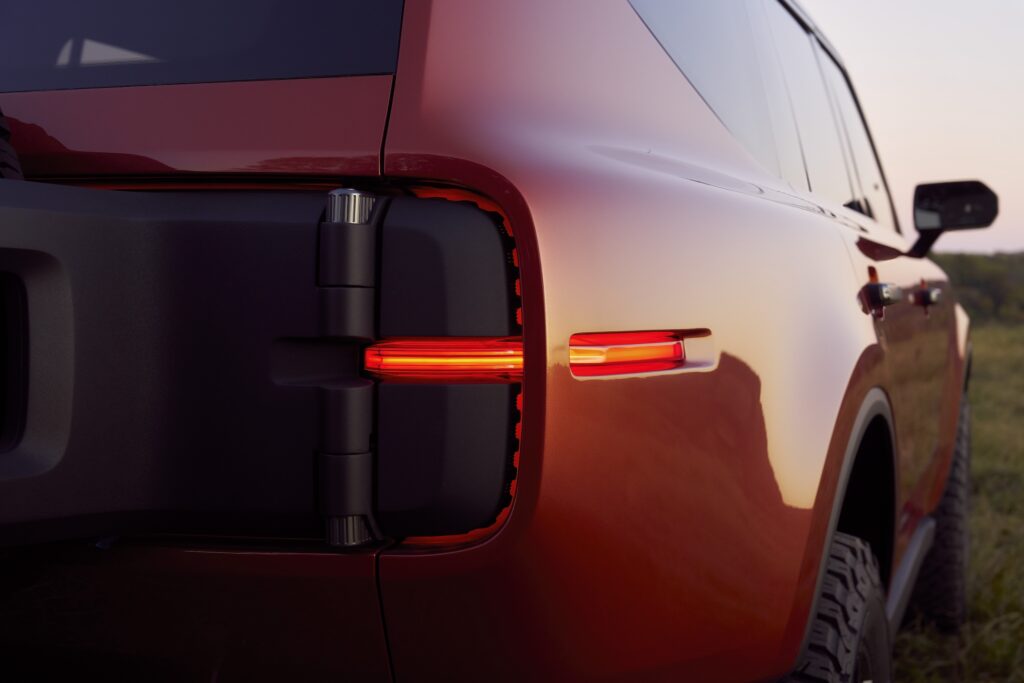
Instead, daytime running lights trace the grille’s perimeter, with a horizontal element that meets the side markers on the front fenders. The rear repeats the same design logic. These details look contemporary, but their simple shapes suit the body’s restrained surfaces. That restraint is part of what makes the package feel cohesive: the styling has enough character to be memorable without piling on visual flourishes.
There’s a fair question about why electric vehicles should follow the same broad shape as an off-roader from the 1970s. But these models are reviving a historic badge, and a strong visual link helps explain why the name matters to existing fans and newcomers alike. A familiar silhouette gives the Terra and Traveler a starting identity in a crowded class, while modern surfacing and lighting keep them from reading as replicas.
Design sets the stage
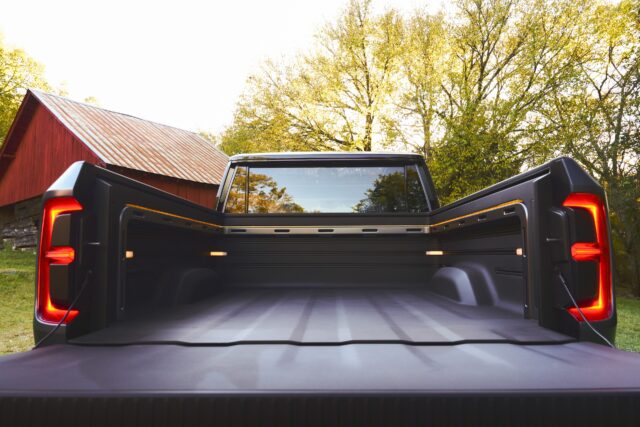
The two models were unveiled as electric vehicles, and production is not due to begin before 2027. That leaves time for the vehicles to prove how their design translates into the details buyers will live with, including the practical features that make an off-roader useful day to day. The available source material doesn’t establish pricing, range or other specifications, so those questions remain open.
For now, the styling is the clearest sign of how Scout Motors plans to connect its past with its new lineup. The Terra and Traveler borrow the original’s proportions and recognizable cues, then give them a more muscular body and a clean set of modern details. The design looks well judged; the next test comes when production versions arrive and the numbers fill in the picture.