In lane Electric Vehicles
1930 Studebaker Commander 8 Victoria: A Close Look at Its Coachwork and Details
Description
The $1,515 Commander 8 Victoria paired an eight-cylinder engine with elegant coachwork, practical details and a two-passenger rumble seat.
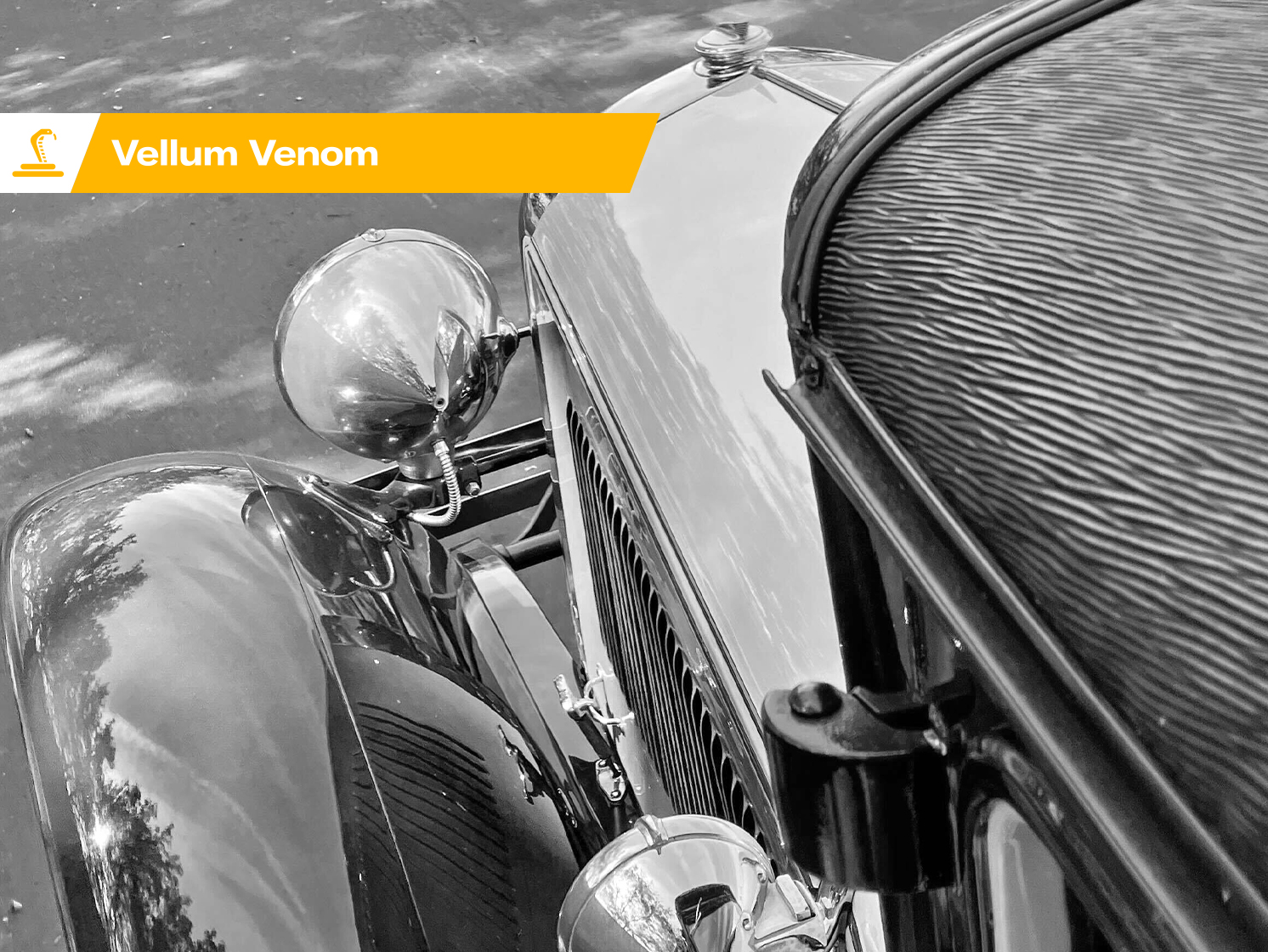
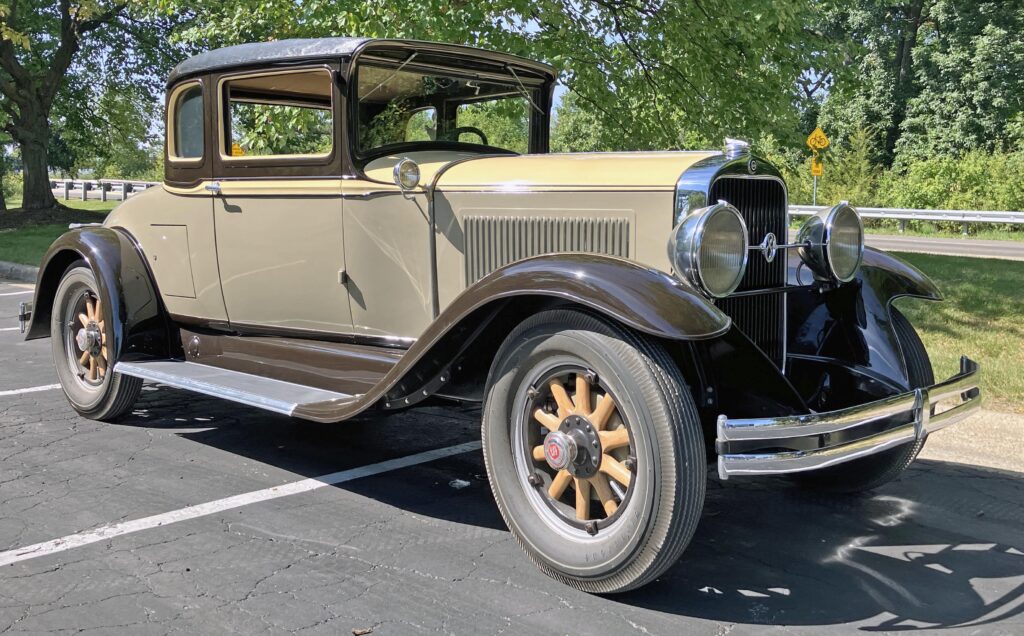
The 1930 Studebaker Commander 8 Victoria makes its case through details. Its fluted grille, three-tone brown finish, long hood and rumble seat gave a mid-market car a distinctly upscale presence. Studebaker priced it at $1,515 when new; a Ford Model A started at around $500. That gap shows up in the trim and bodywork, but the car’s appeal goes beyond decoration: its design reflects what drivers expected from a stylish, useful automobile at the end of the 1920s.
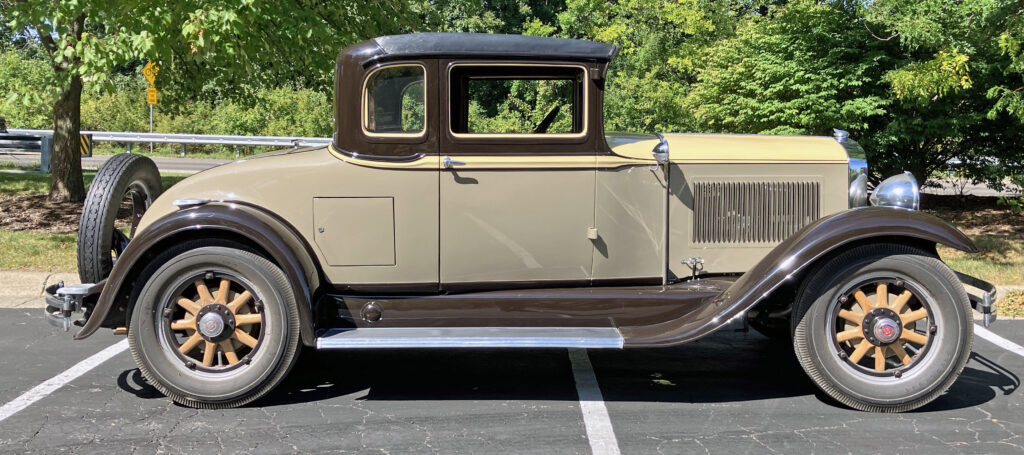
The Victoria’s proportions invite an unlikely modern comparison. A tall, coupe-shaped SUV such as the Mercedes-Benz GLC AMG Coupe shares the basic styling idea: a raised body with a sloping, coupe-like rear. The Studebaker also had running boards, an accessory that can still be fitted to a modern GLC. The resemblance has limits, of course. The Commander’s upright glass, exposed fenders and separate body parts belong to a very different period of car design. But both vehicles show how makers have tried to combine a distinctive profile with everyday utility.

A premium look, built from small decisions
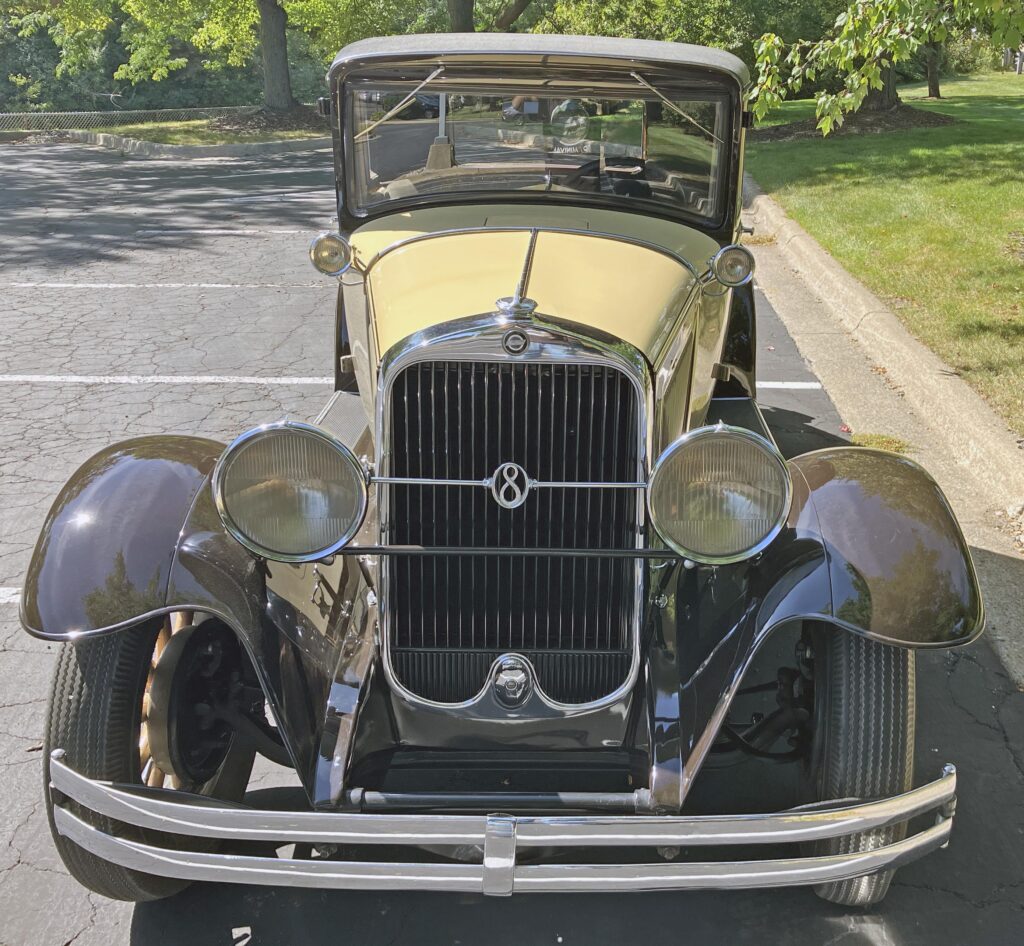
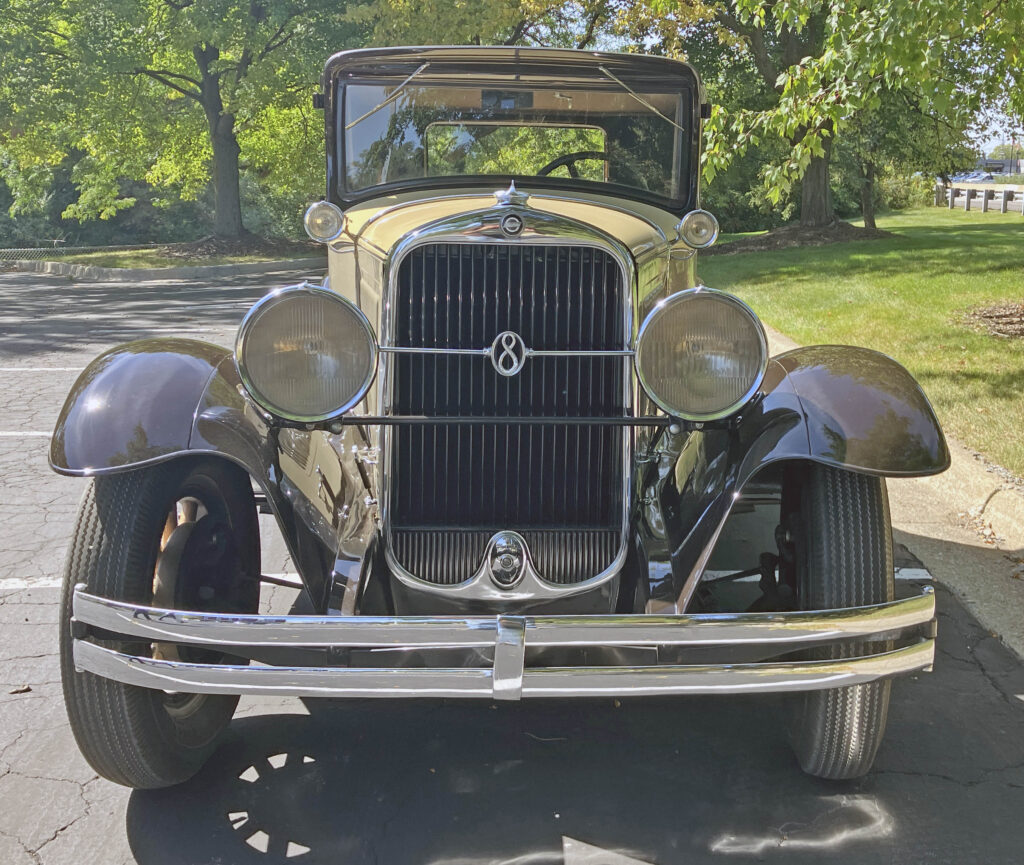
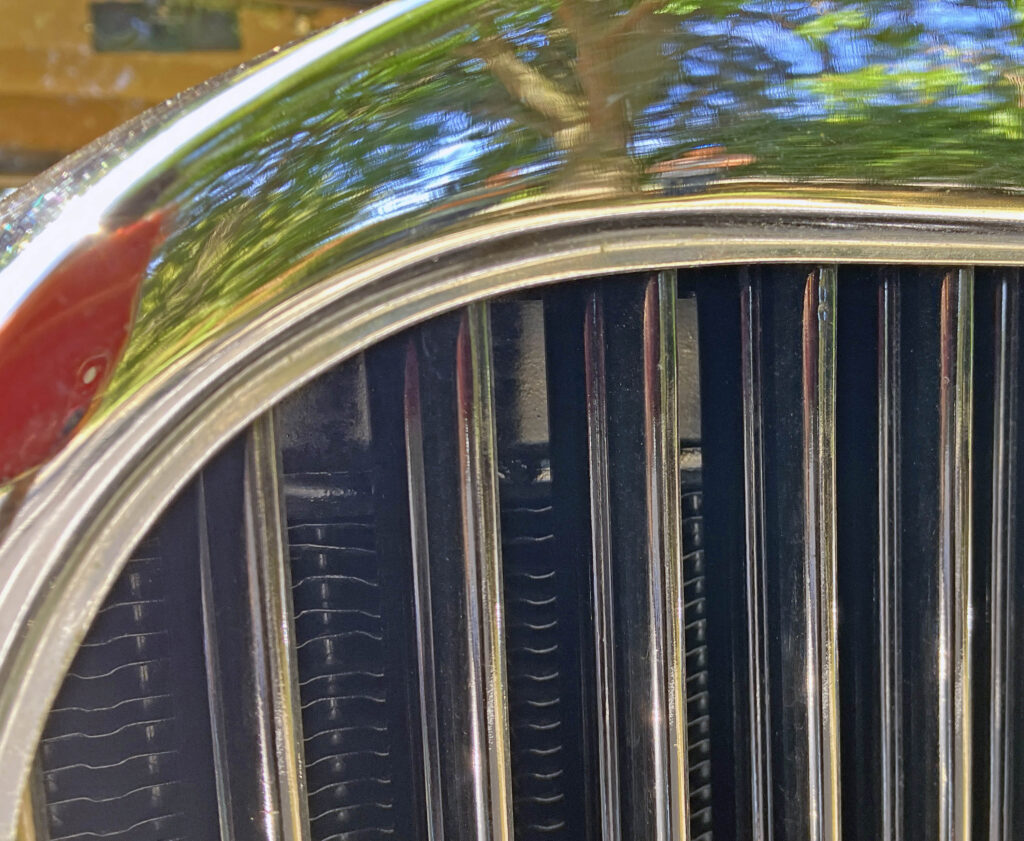
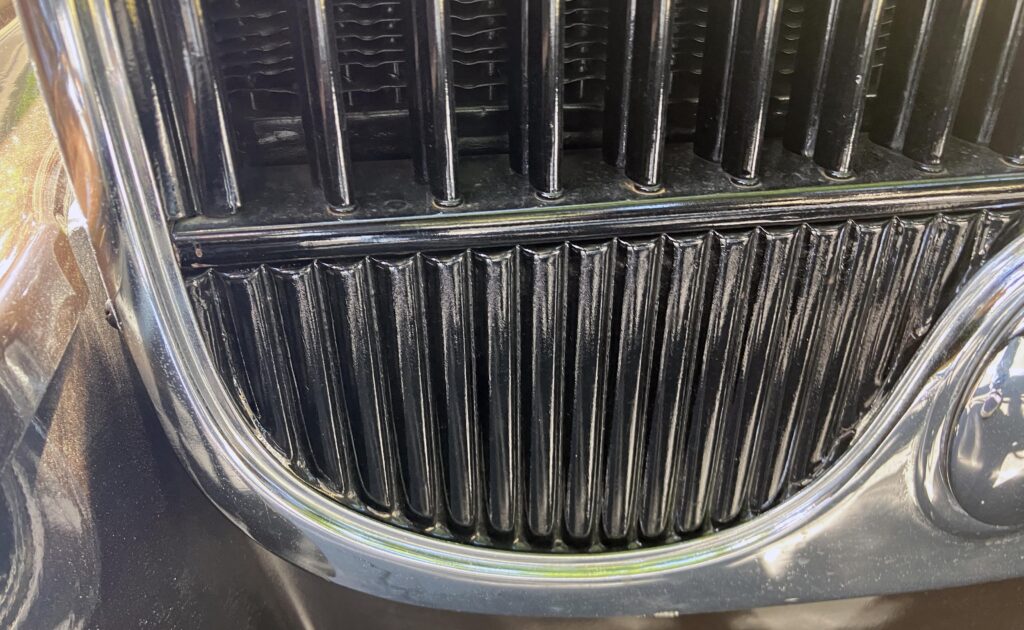
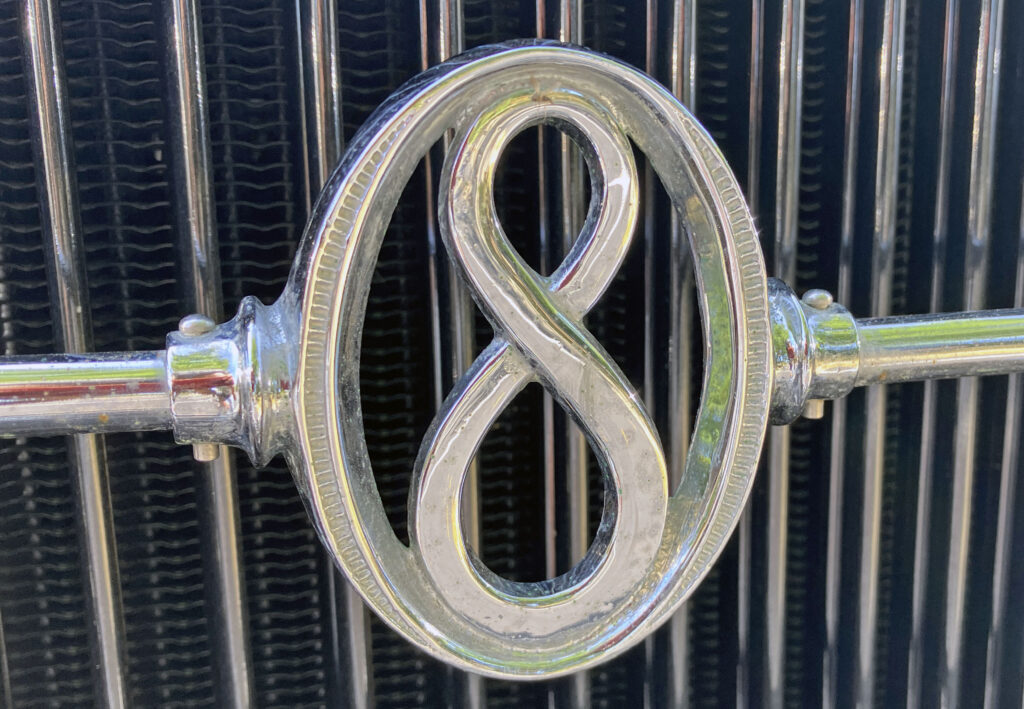
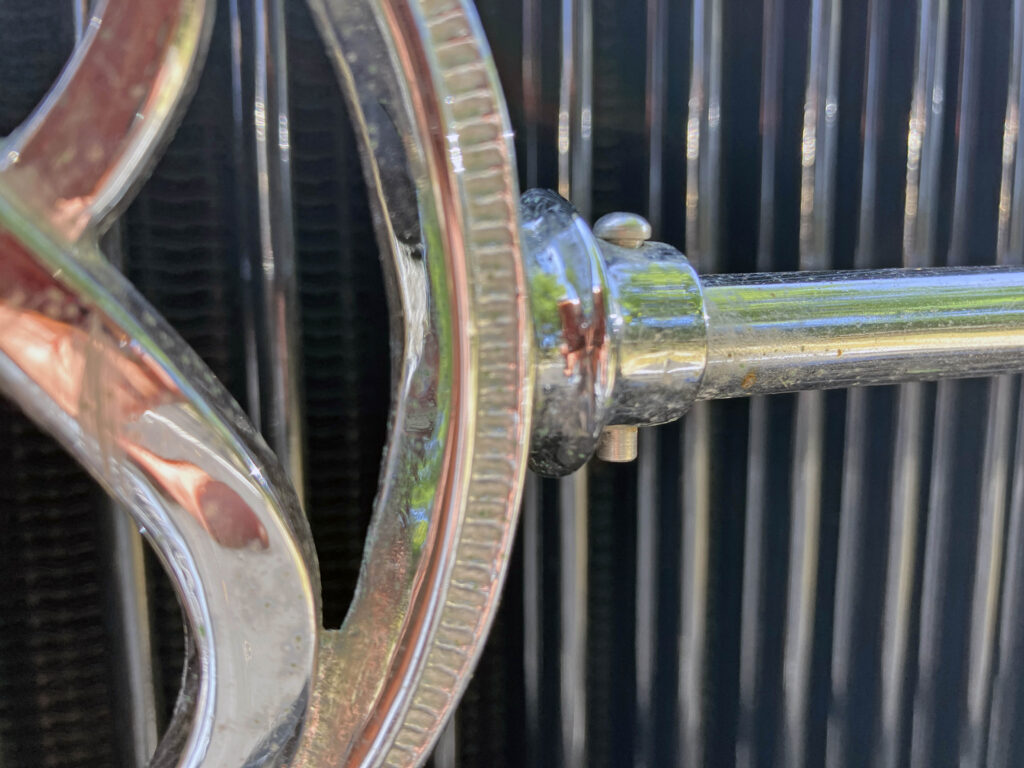
The Commander sits well above the Model A in price and presentation. Its bumpers and two-tone paint might be familiar, but the grille is more ambitious: closely spaced vertical ridges create a crisp texture, while a small “8” badge in the headlight bar calls attention to the engine. Four headlights and a sculpted radiator cap add to the impression of a car designed to signal its place in the range.
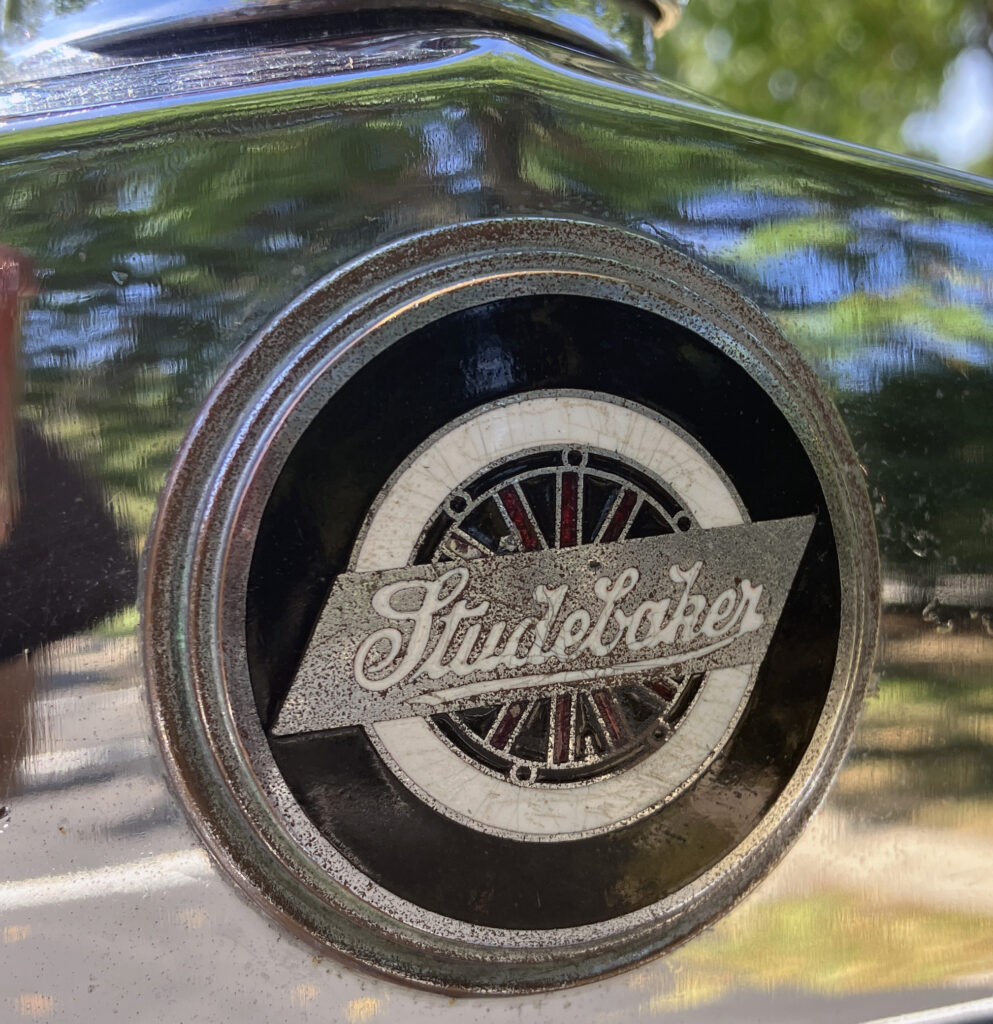
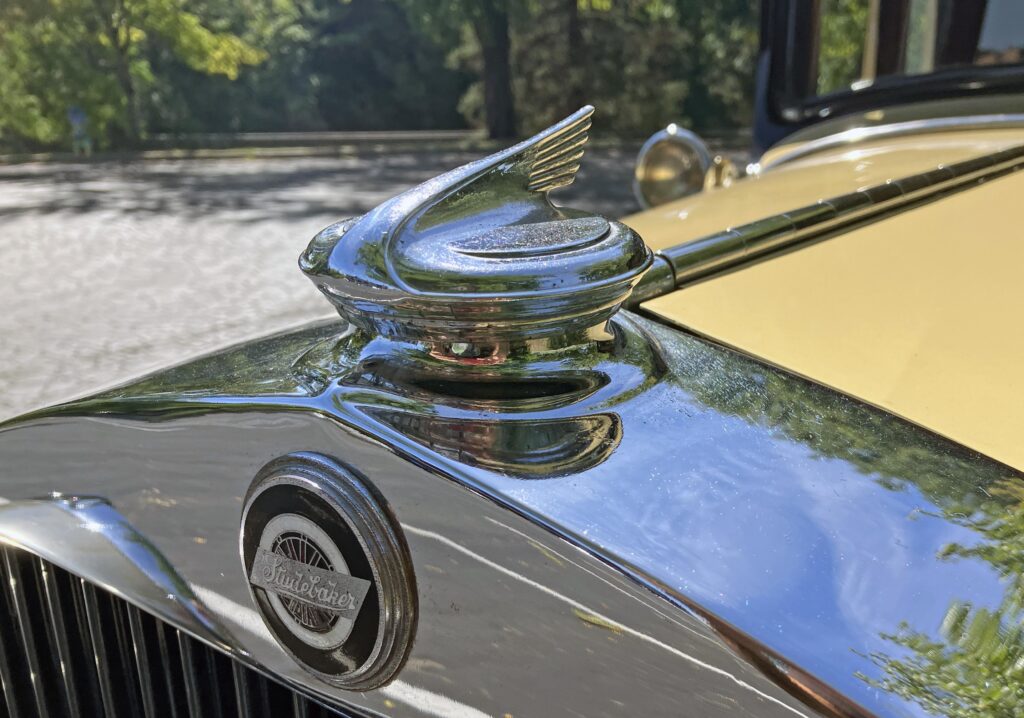
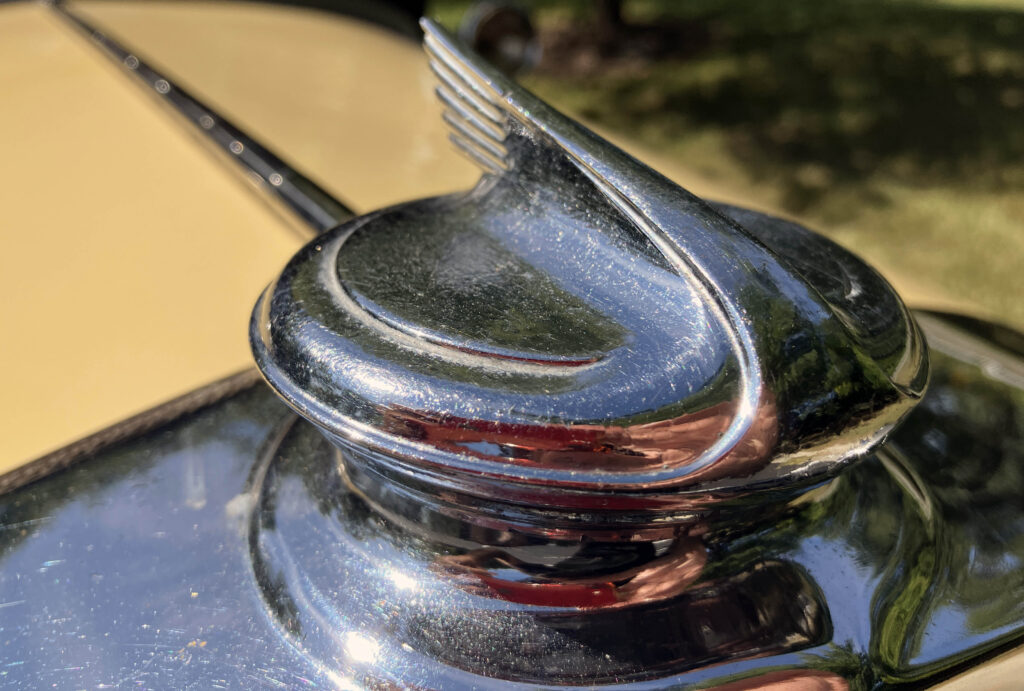
That ornament above the grille is restrained by the standards of grander luxury cars, but it’s far more elaborate than a plain cap. Its outer ring rises into a wing-like shape, giving the front of the car a focal point without overwhelming it. The radiator emblem is more detailed still: a layered metal badge with three colors, including white that may have been applied using cloisonné. Studebaker had been in business for 78 years when this car was new, and the badge feels like a compact expression of that established manufacturing identity.
The grille’s fluting is a good example of how visual finish could set a car apart even when it didn’t add an obvious functional benefit. It takes more care to produce than a simple, open radiator face, and it suggests a level of attention that might carry through to the parts occupants touch and see. The “8” badge on the headlight bar makes the same point in a more direct way. 1930 was the second year Studebaker offered eight-cylinder power in the Commander series, and the badge puts that distinction on display.
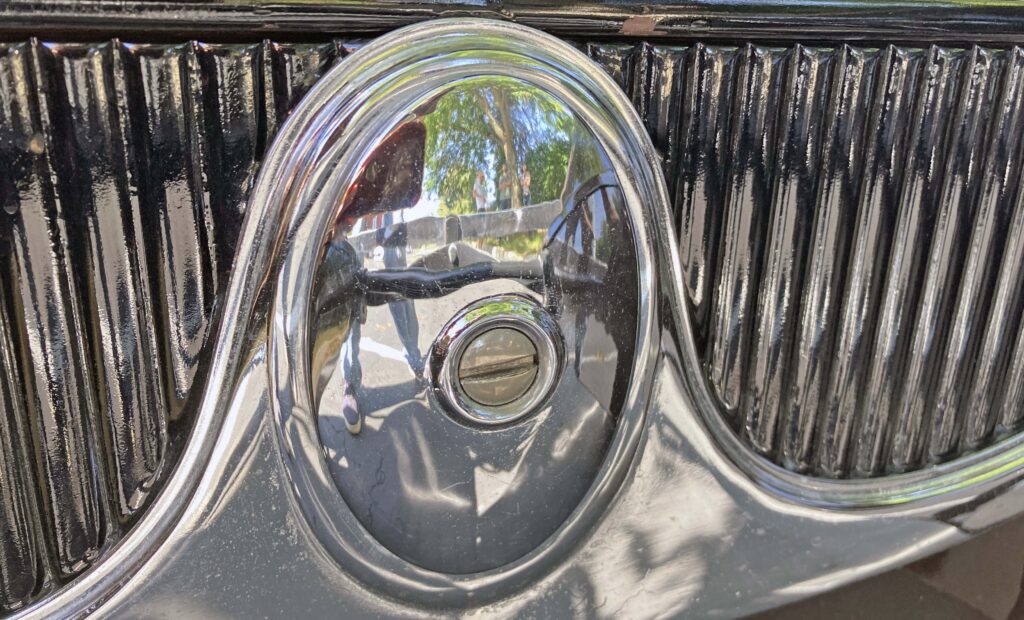
Other details turn the car’s practical equipment into part of its style. A polished, egg-shaped cover near the front appears to provide access for a hand crank if the electric starter fails. The small fitting hints at both convenience and backup: the car has an electric starter, but the owner can still turn the engine over by hand if needed. It’s a modest piece of hardware, yet it captures a time when owners could be expected to deal directly with mechanical systems.
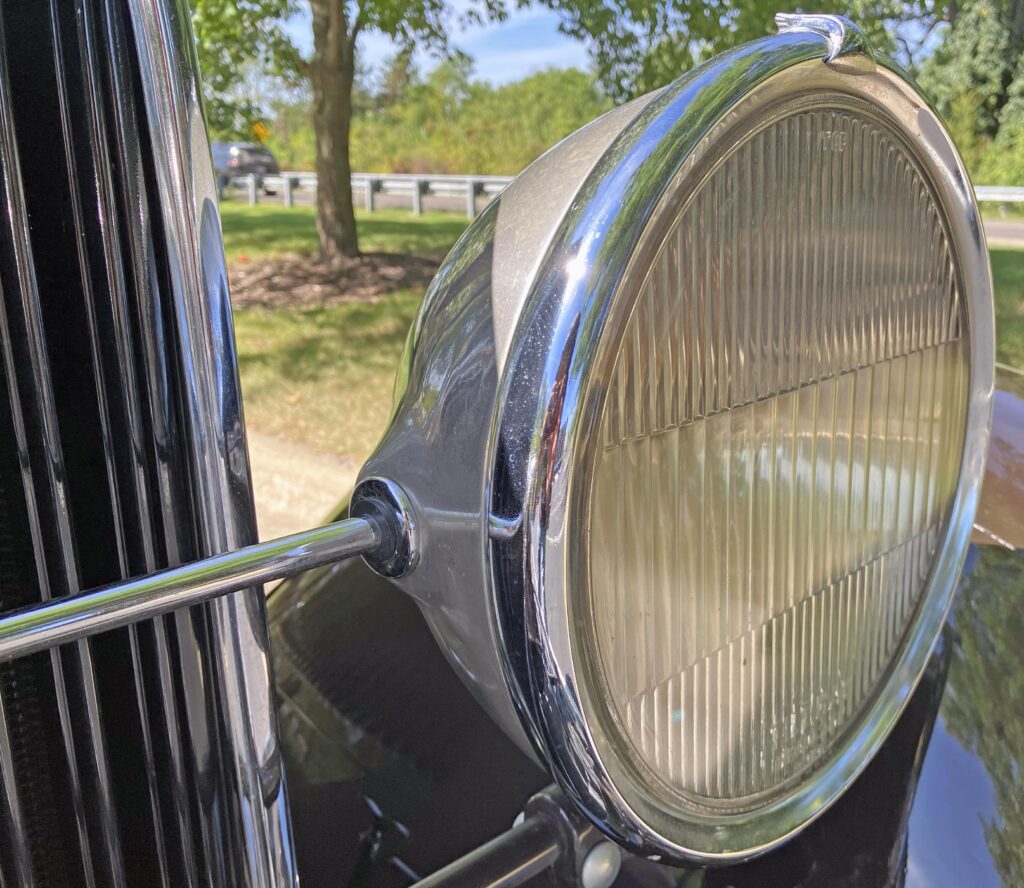
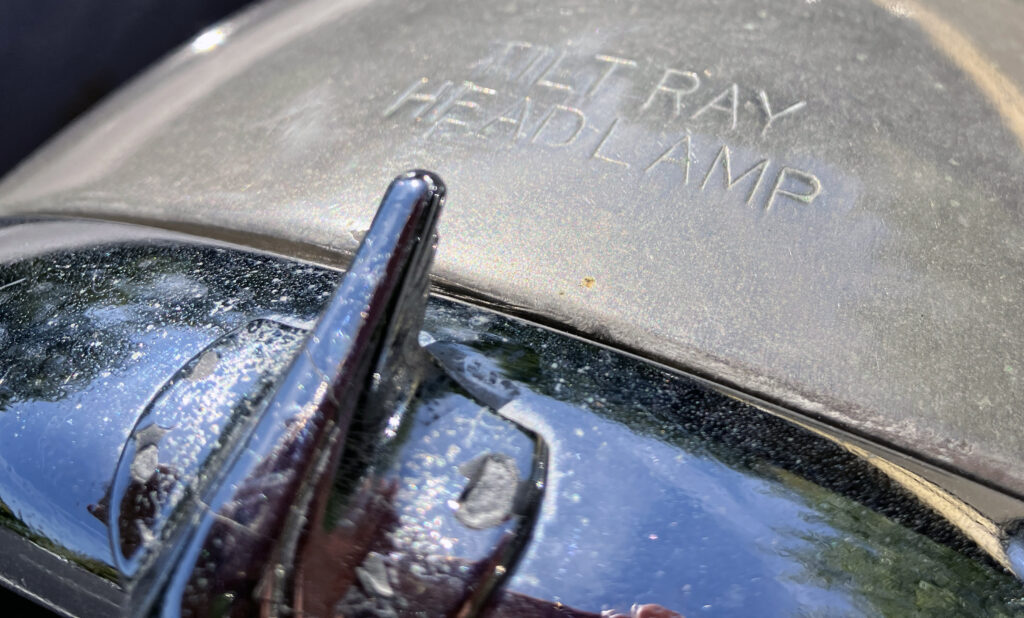
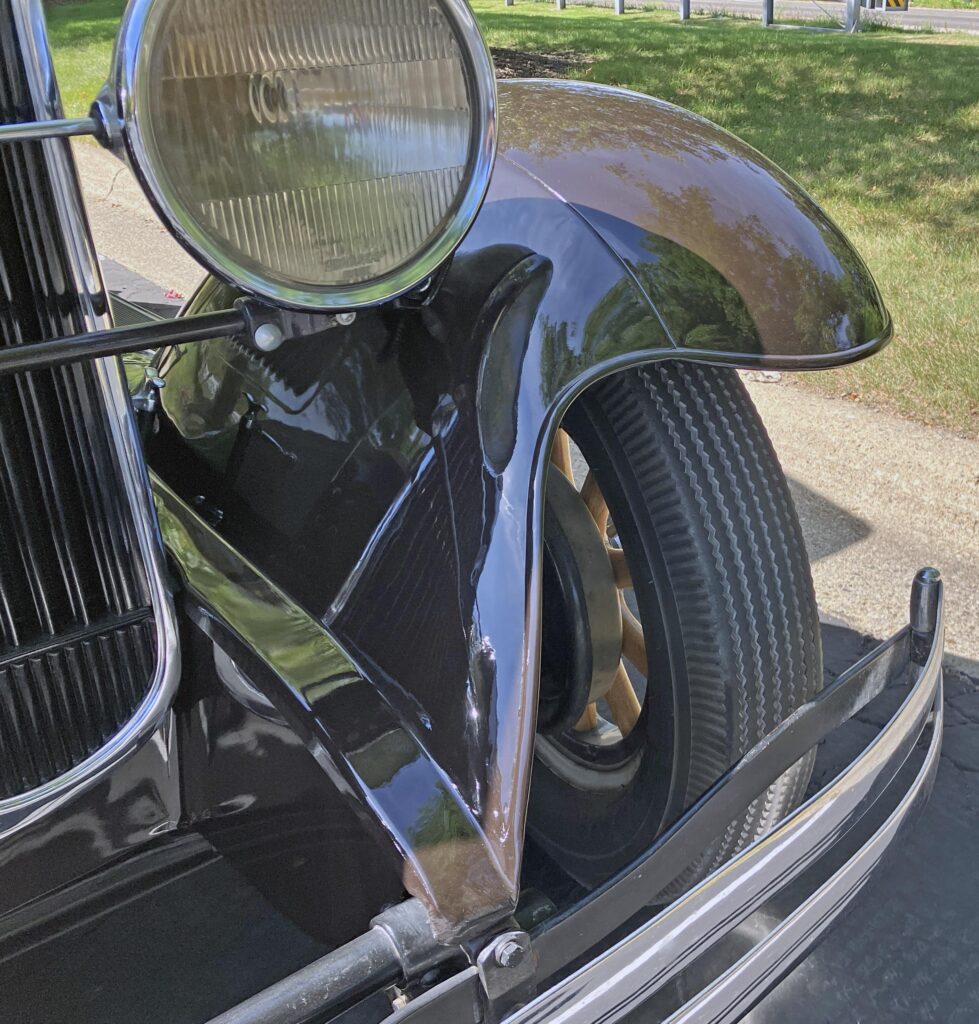
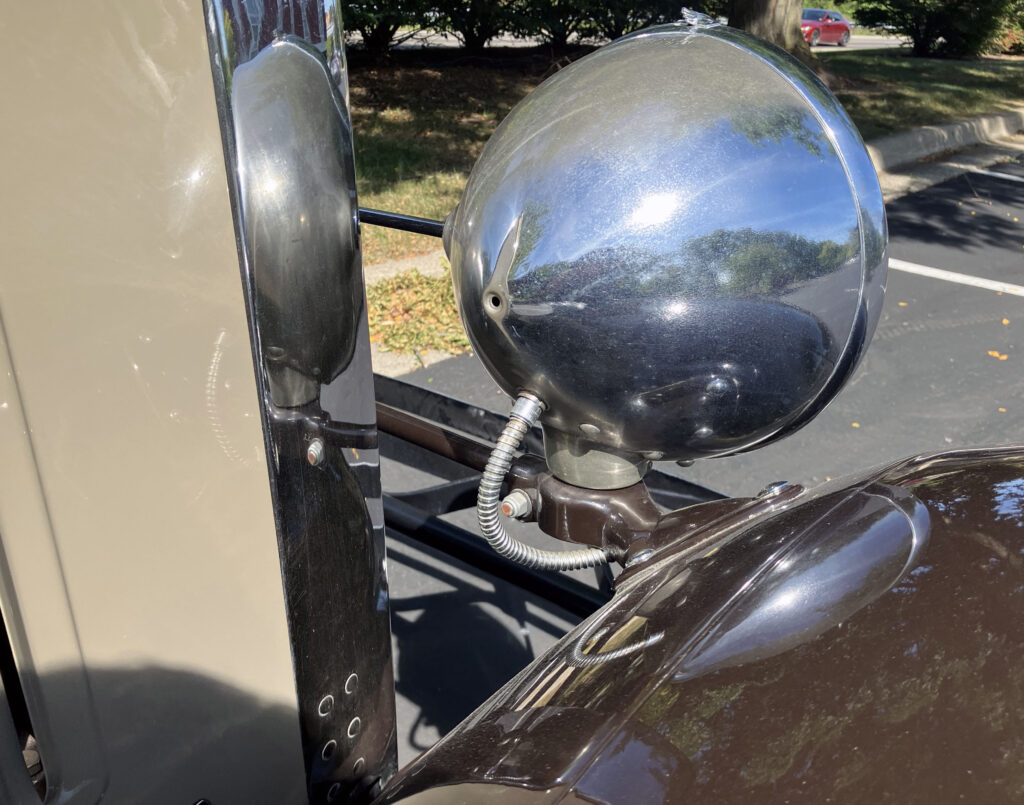
The headlamps mix ornament with function. Their glass lenses use different textures across the surface: a heavier pattern through the middle and finer detailing above and below. The design appears intended to shape the beam, concentrating light ahead while filling in other areas. That’s an early example of how lighting details could serve a purpose as well as give a car a more finished appearance. The pointed rear of each headlight and the tidy wiring at the back also reward a close look.
Separate parts, expressive shapes
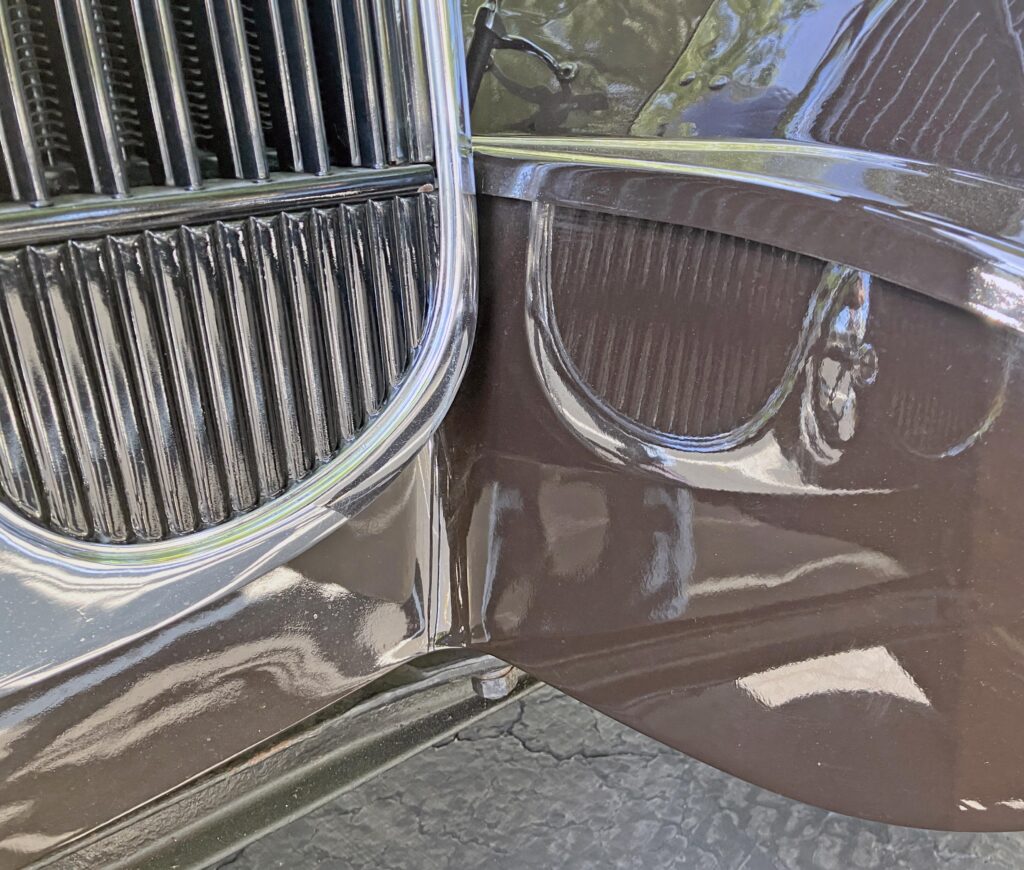
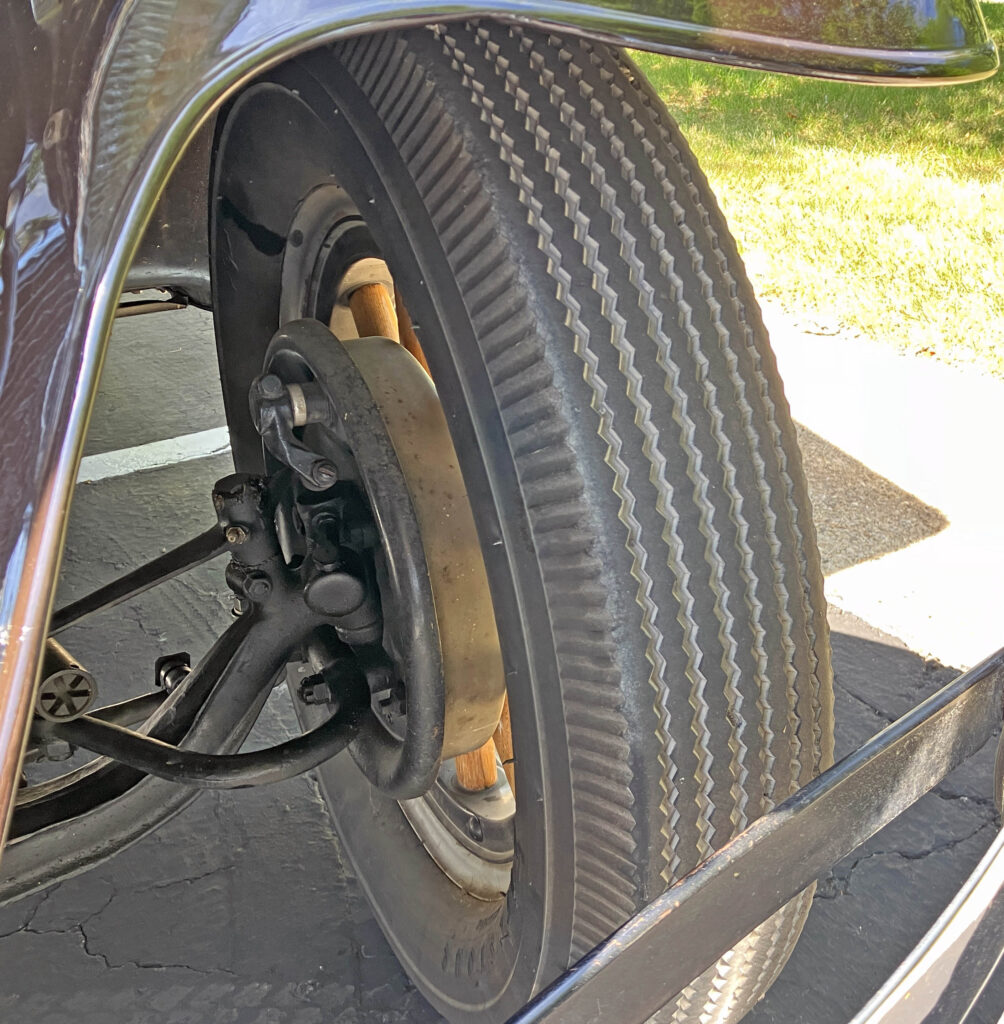
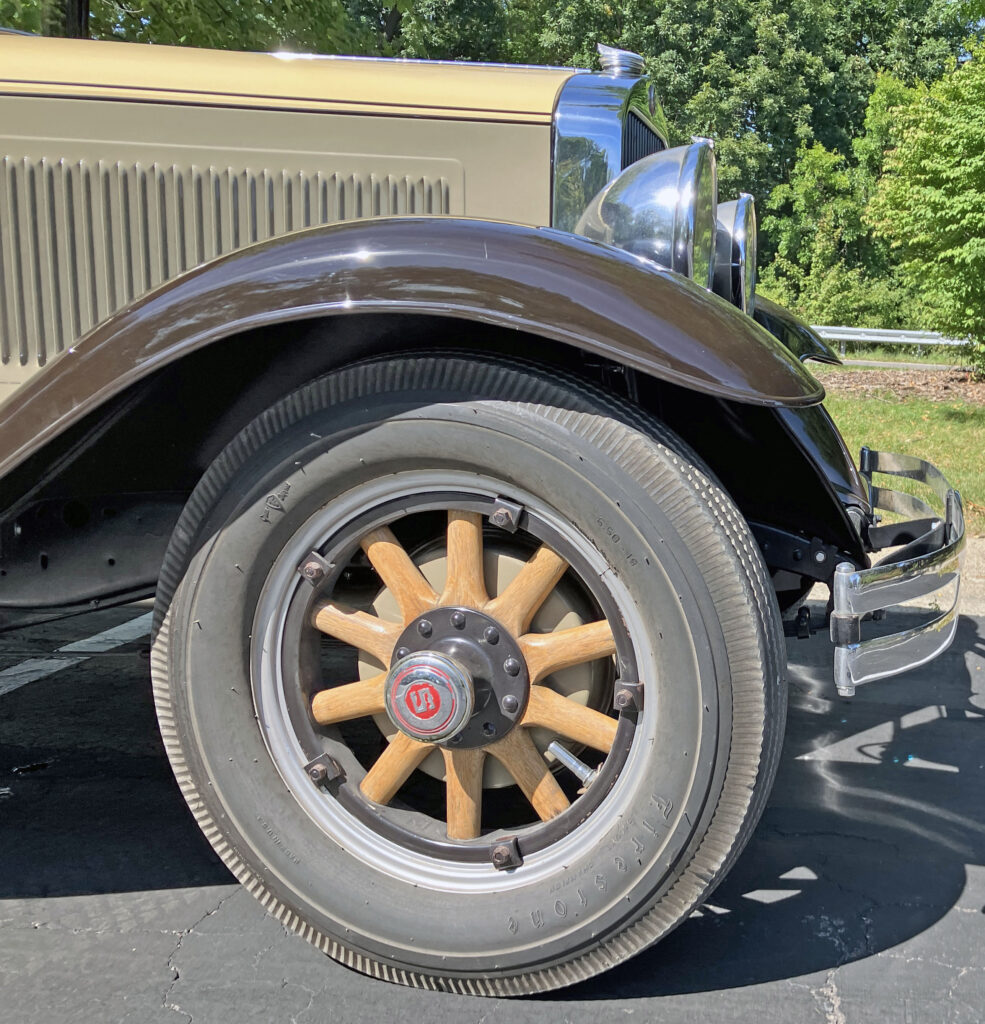
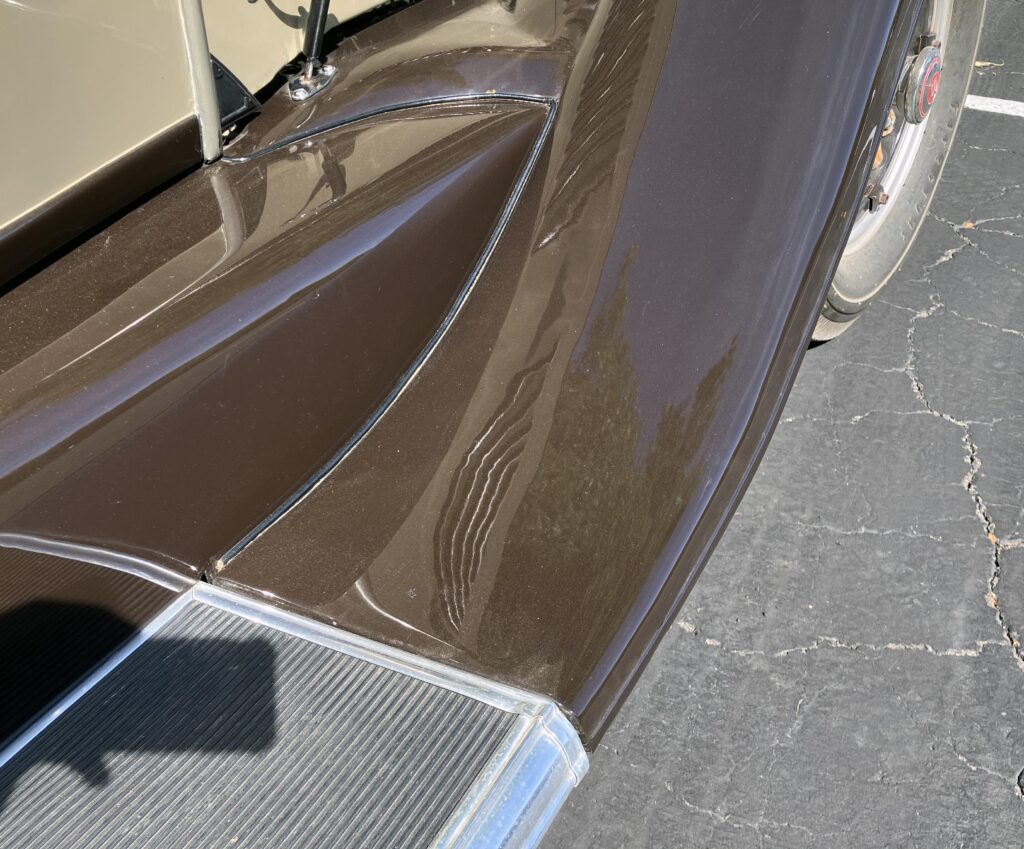
The Commander belongs to an era when fenders, lamps, grille and body were visibly distinct pieces. Its front fenders curve over the frame and cover only part of the wheels and mechanical hardware. From one angle, the shape looks full and fluid; from another, it’s a thin shield over the suspension and brakes. That interplay between decoration and exposed machinery gives the car a character that later, more integrated bodies would lose.
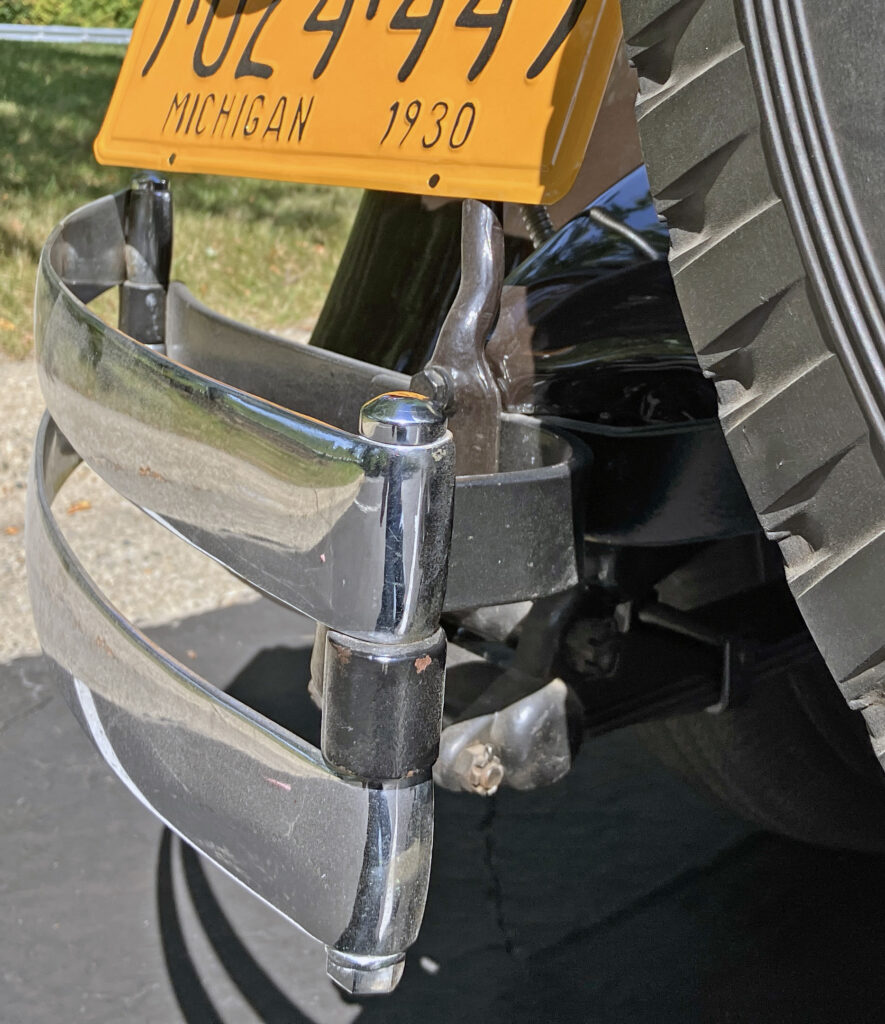
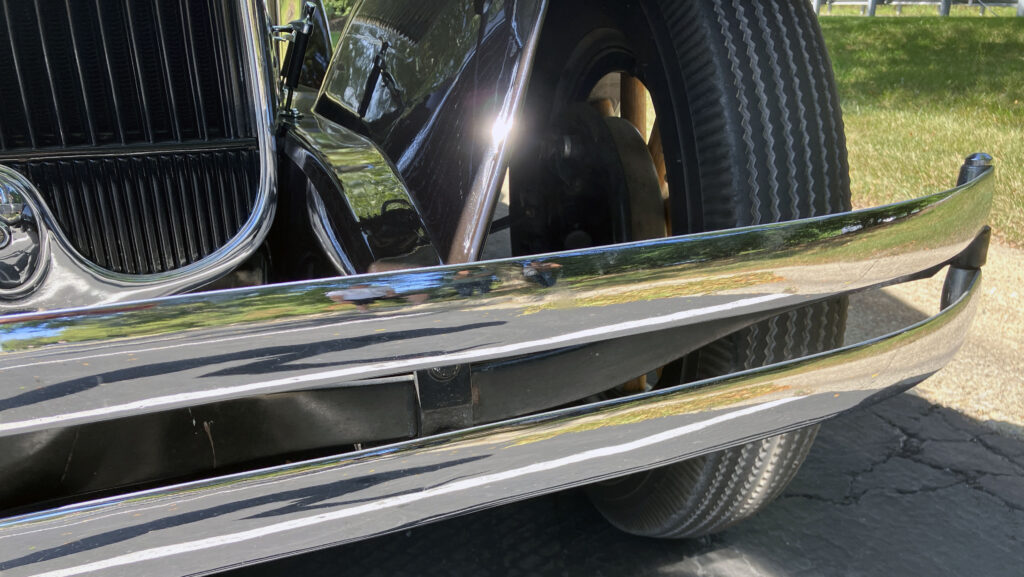
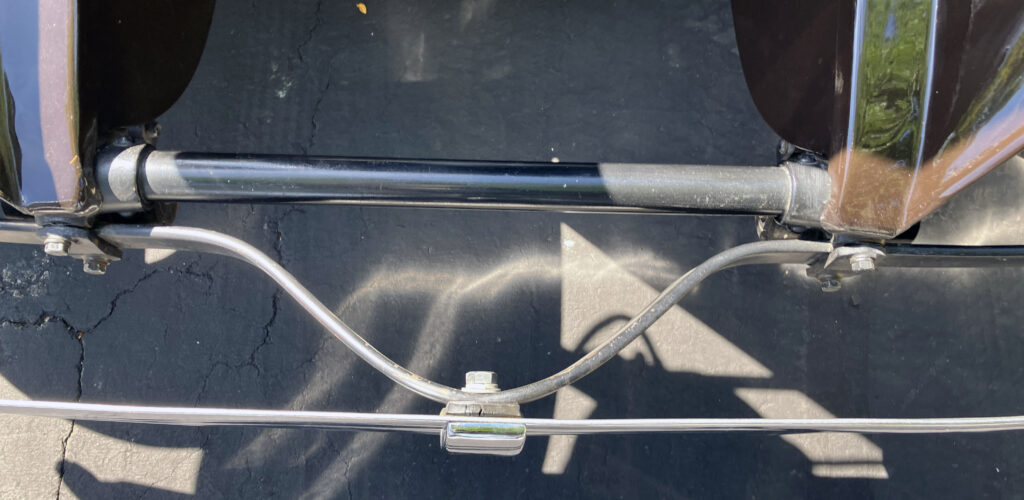
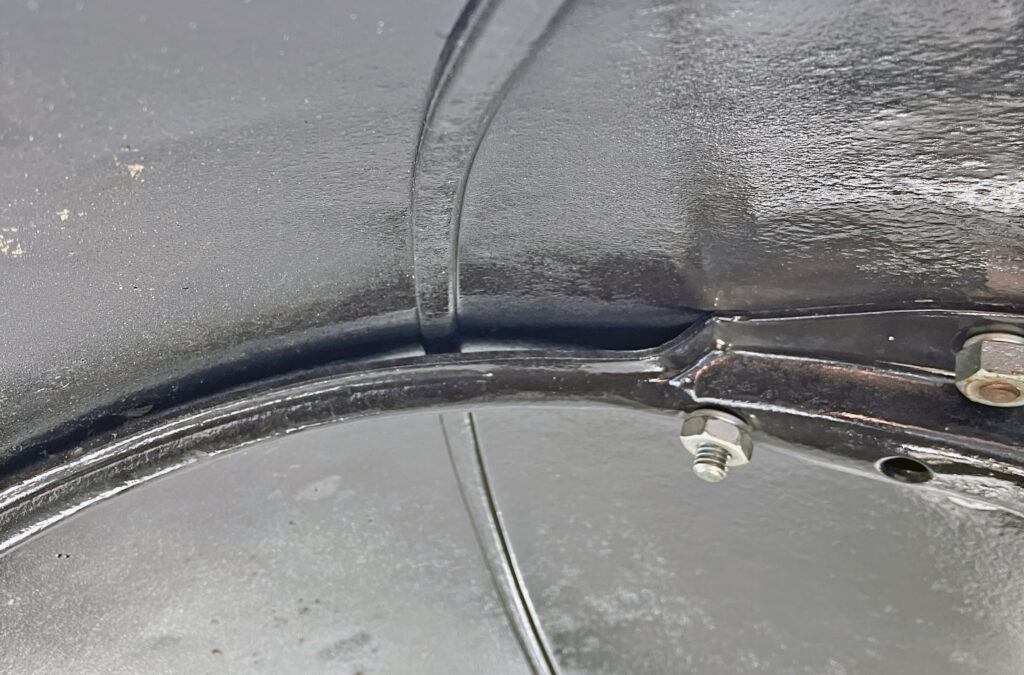
The front bumper follows the same logic. Two chrome beams sit on a single leaf spring, combining a polished finish with a degree of flexibility. The curved metal looks purposeful, and the assembly remains easy to read as a separate mechanical component. Fenders are bolted on as well, a practical approach that could make replacing a damaged section simpler than repairing a single, more integrated body structure.
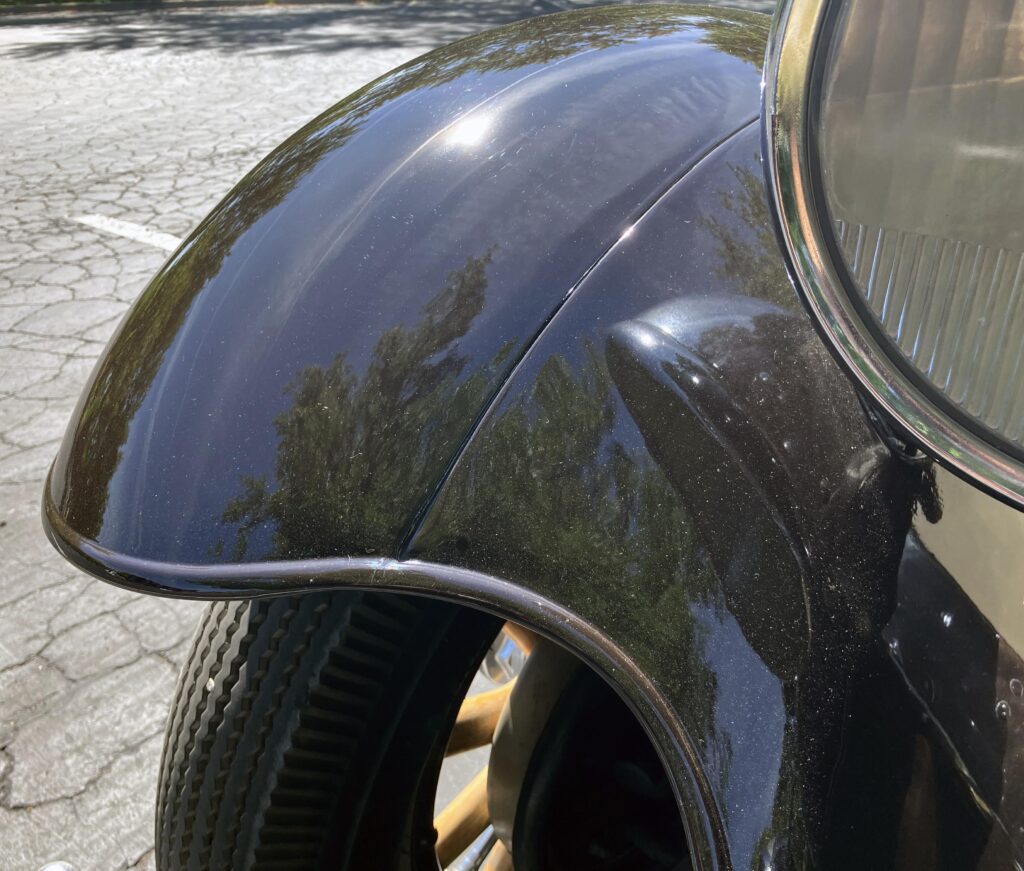
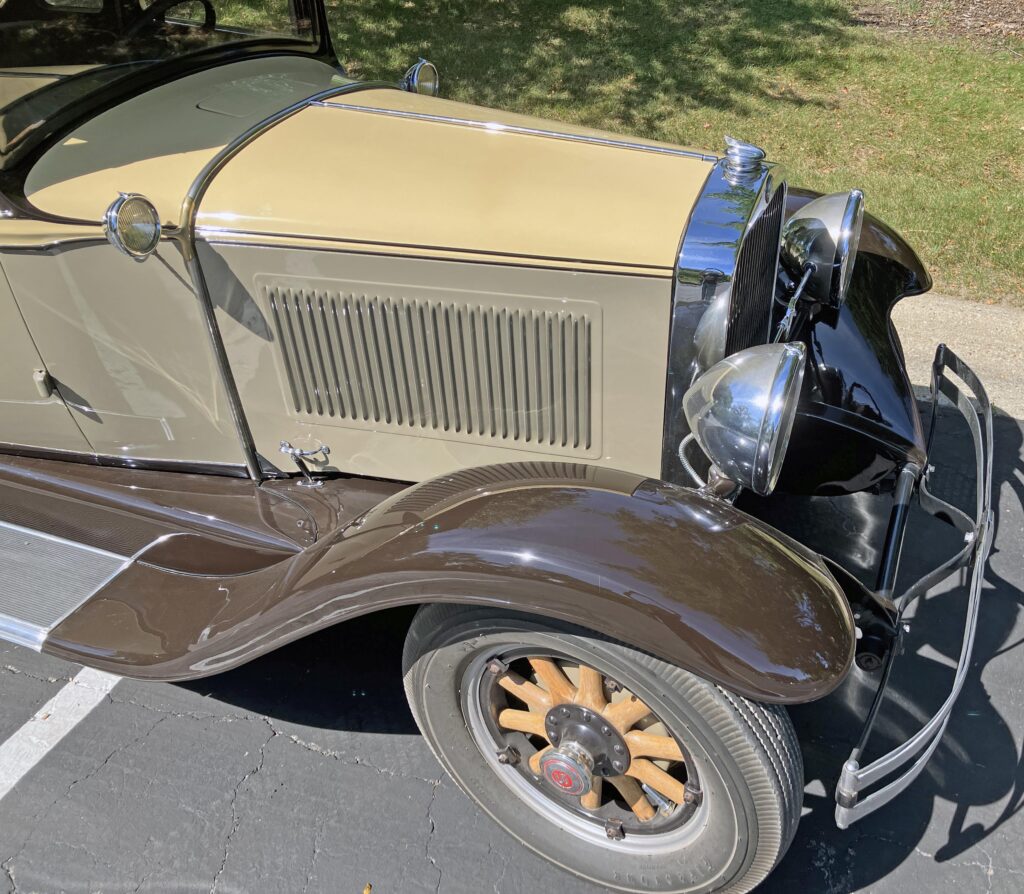
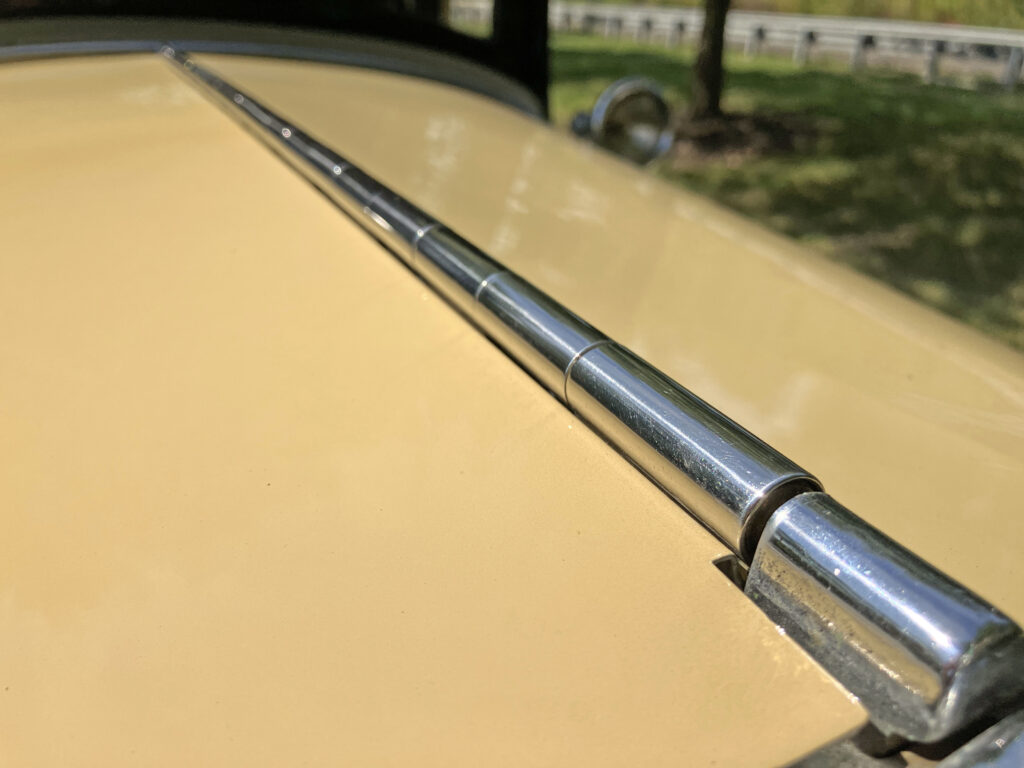
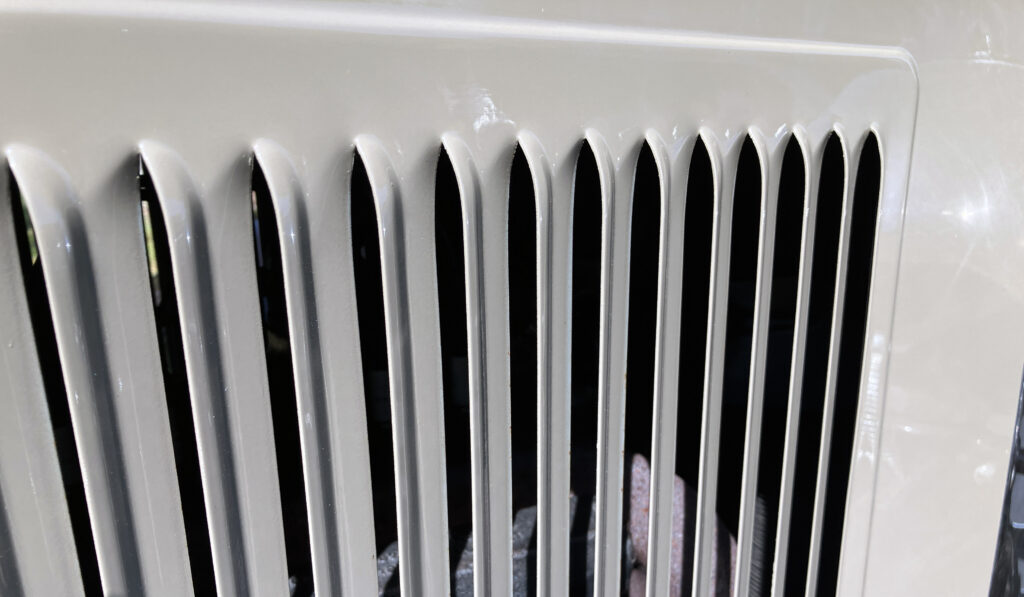
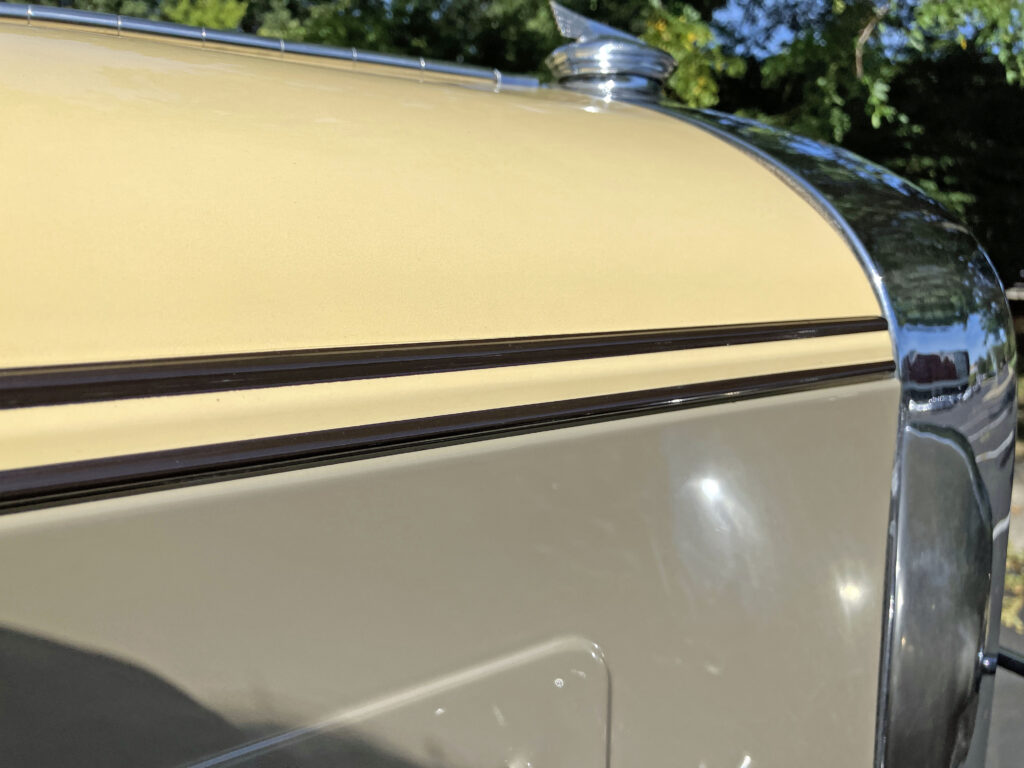
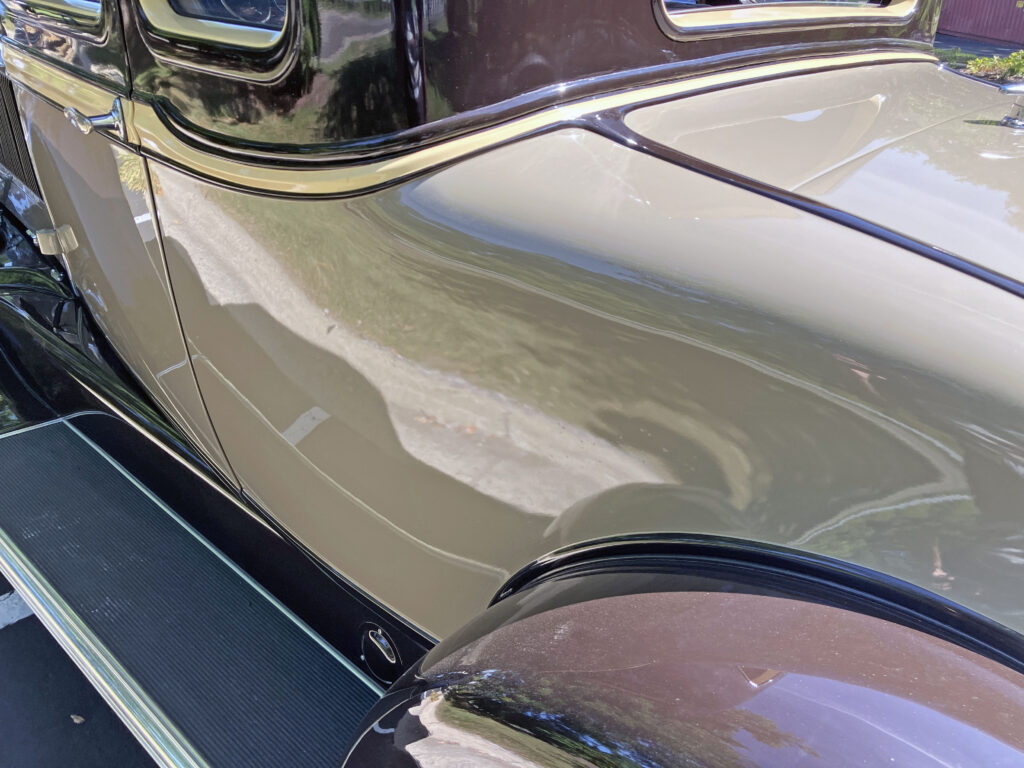
The paint, meanwhile, changes with the viewing angle. What first looks like a two-tone brown finish resolves into three shades, with the hood and side vents carrying their own variations. An exposed central hinge and rows of hood vents are familiar period features, but the contrast in color makes them part of the composition. From behind, the long hood sends a series of lines toward the grille, creating a sense of forward movement even while the car is standing still.
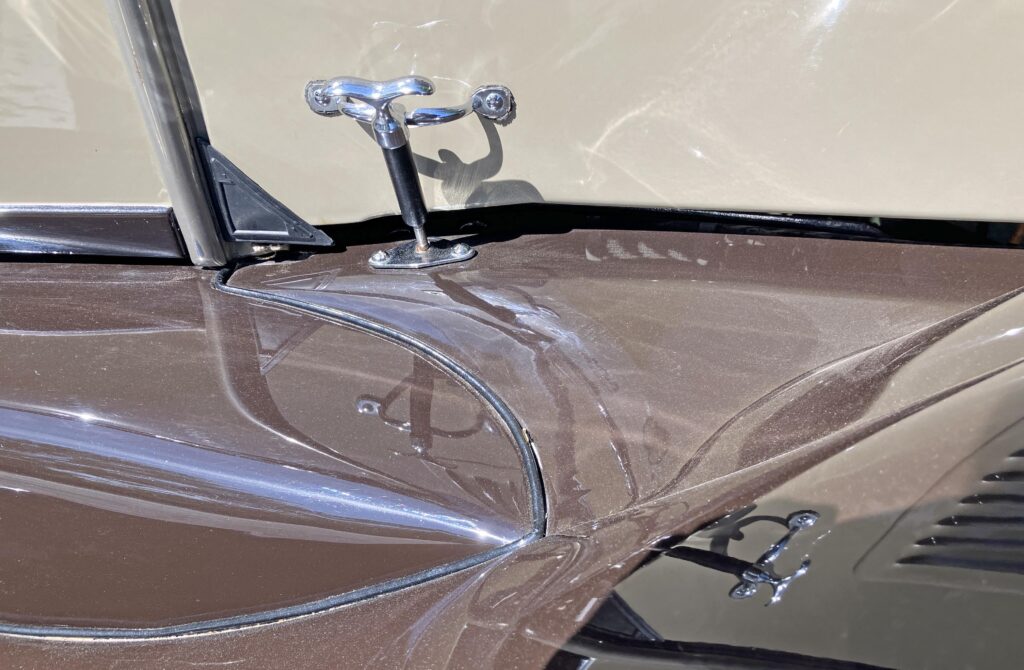
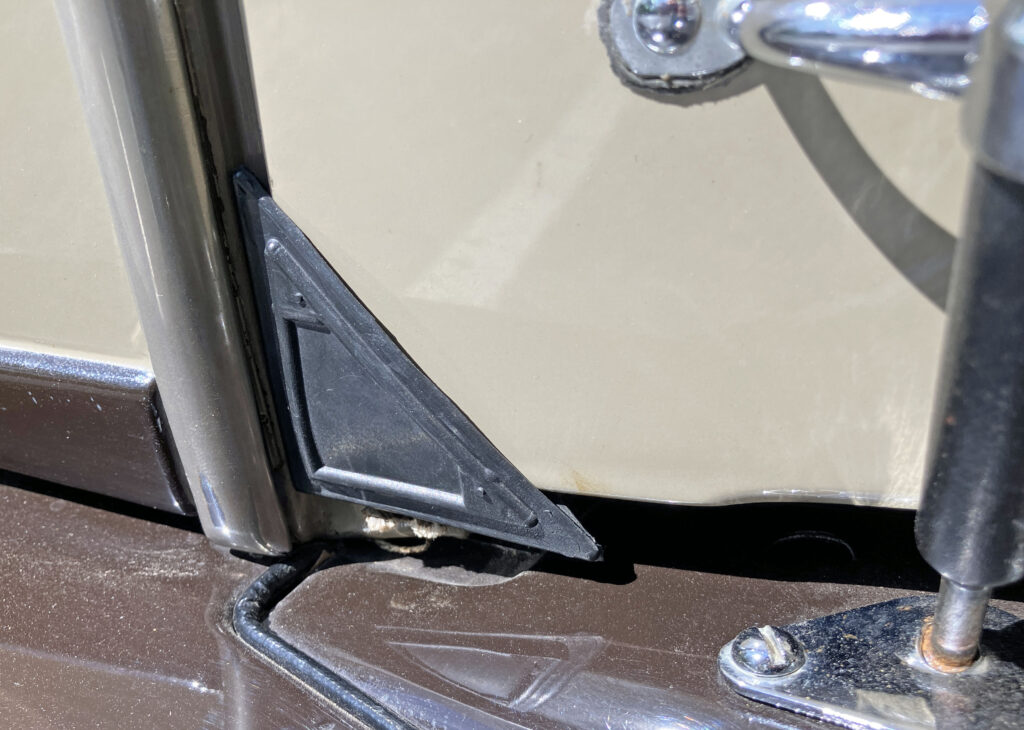
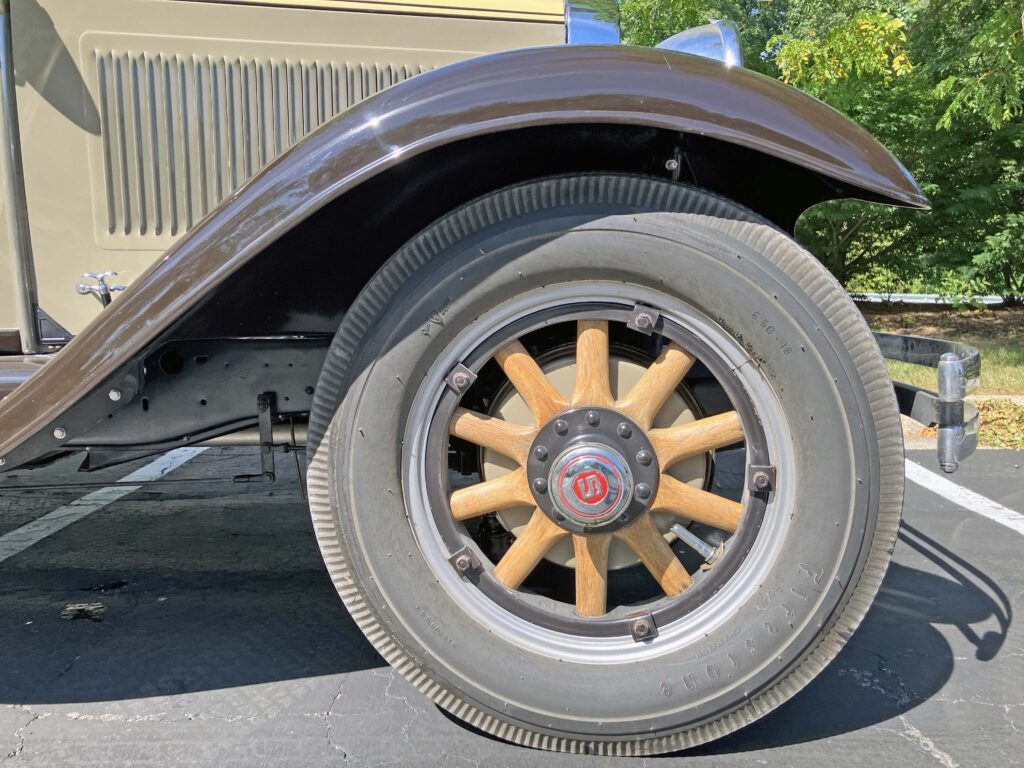
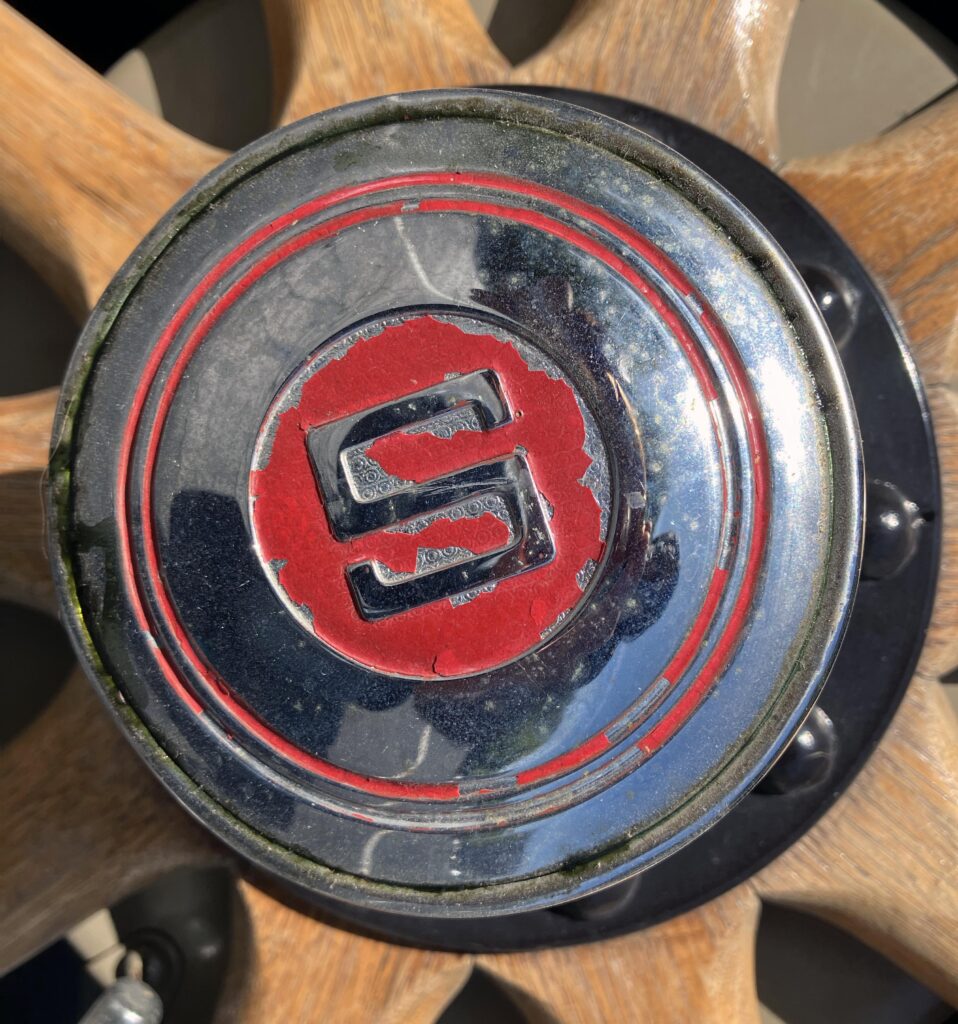
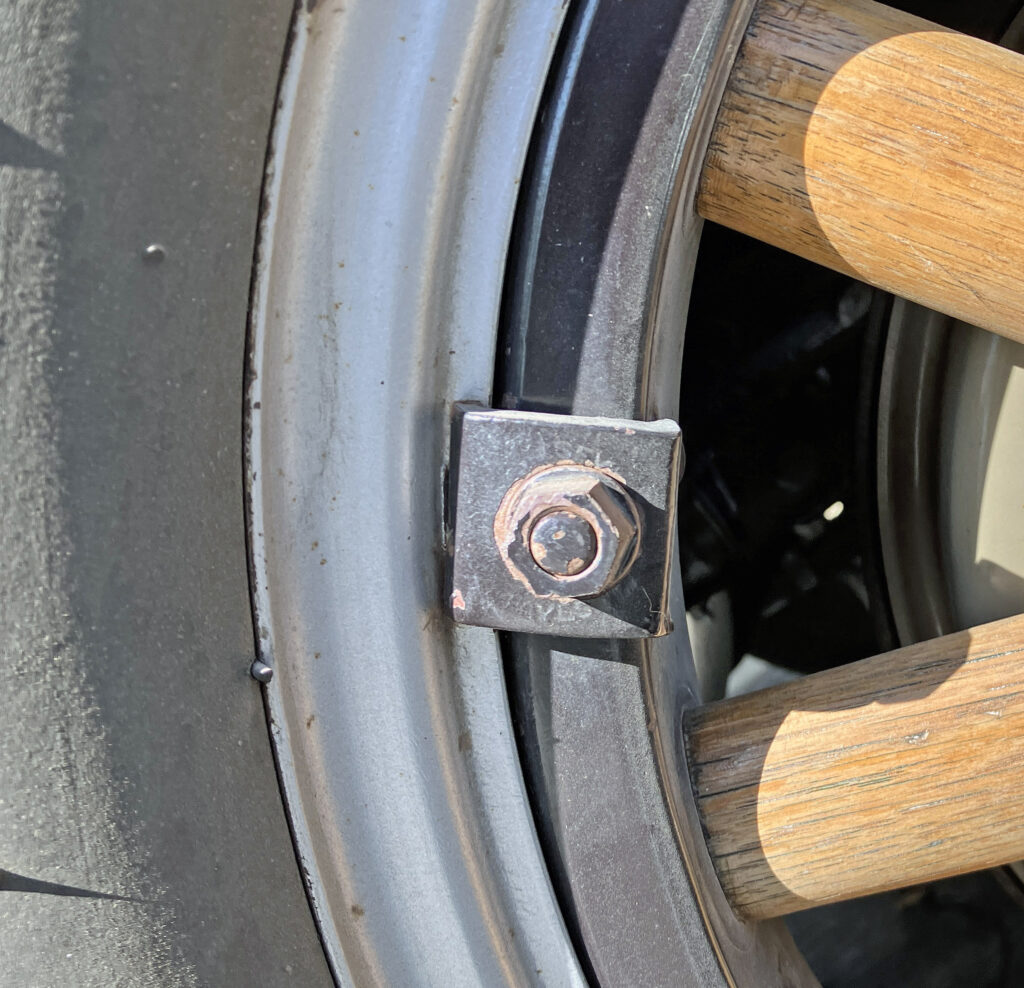
The hood latch is a small, graceful fitting, and the protective boot at the hood corner hints at how much refinement remained to come. Wood-spoke wheels add another contrast: their warm, intricate structure sits between the outer rim and the simple “S” hubcap. They’re visually striking, though the source article notes that metal spokes proved more durable and adaptable in later designs. A long cowl pushes the cabin back from the engine, giving the Commander the stretched proportions associated with rear-wheel-drive cars.
Cabin pushed back, details carried through
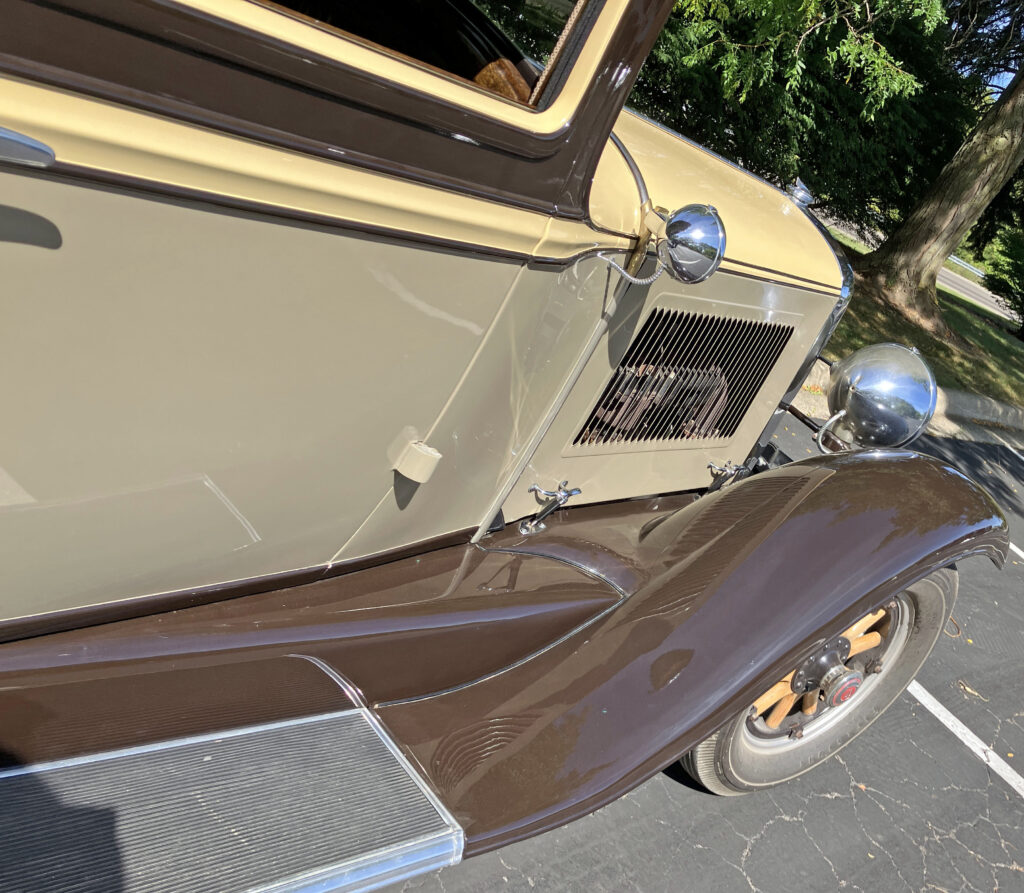
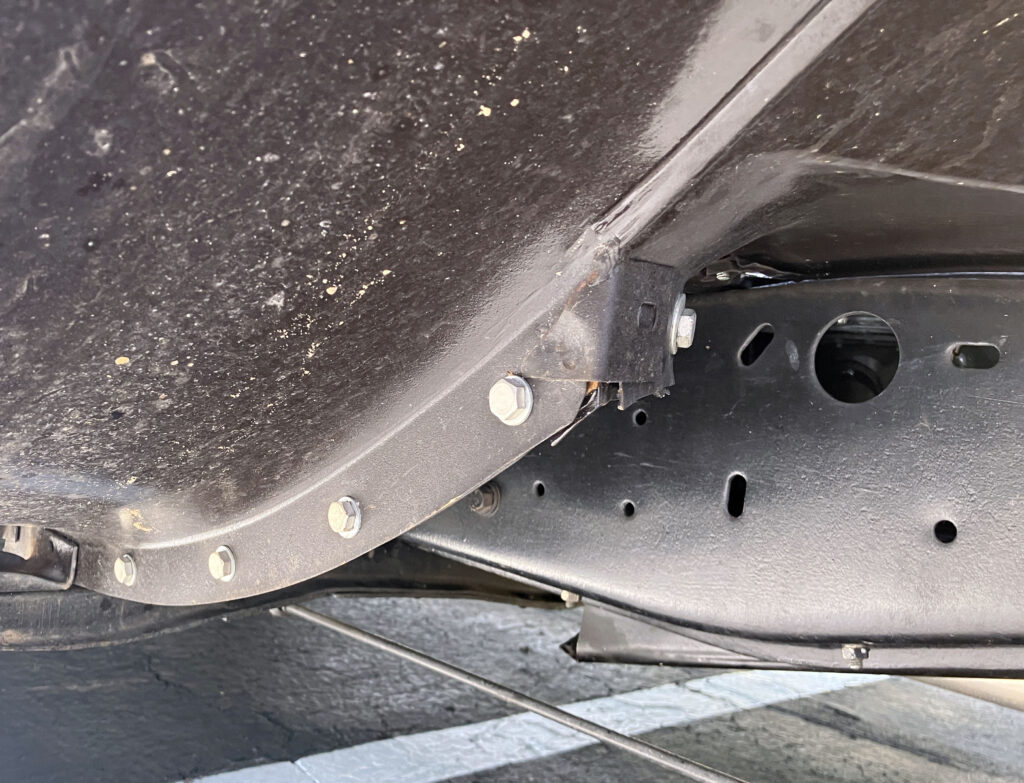
The long hood and cowl make the cabin feel set well behind the front wheels. That visual length carries into the running board, whose clean outer curve would be interrupted if the mounting bolts were placed where they could be seen from the side. Instead, they sit underneath. It’s a small packaging decision that protects the line of the fender and board.
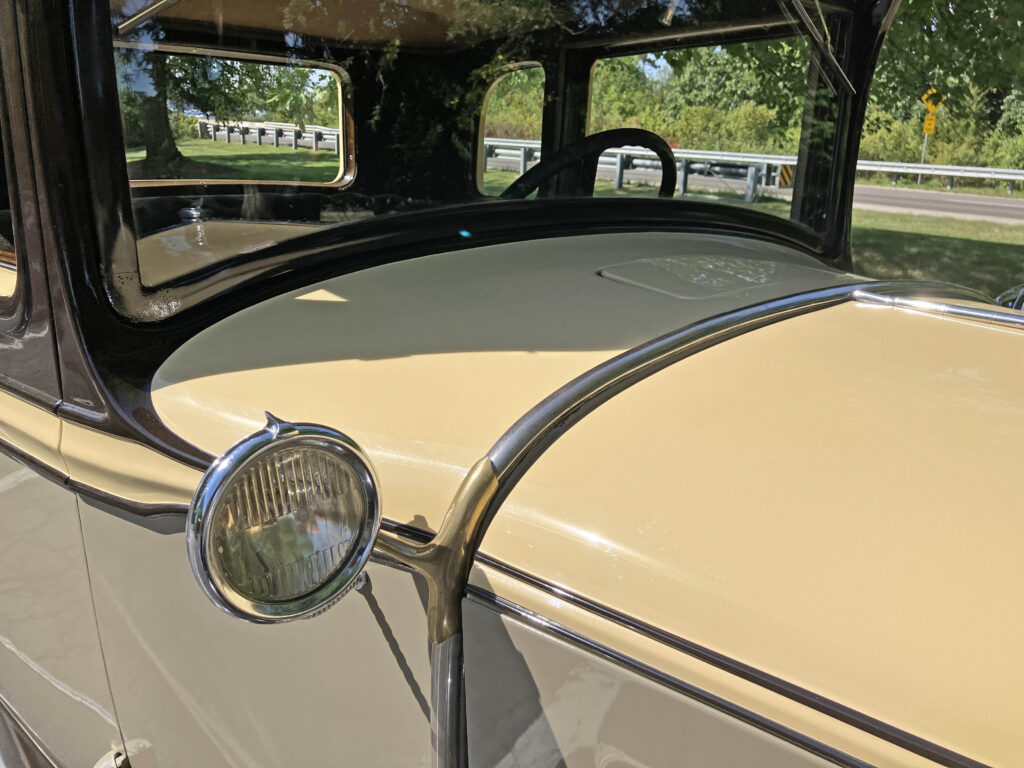
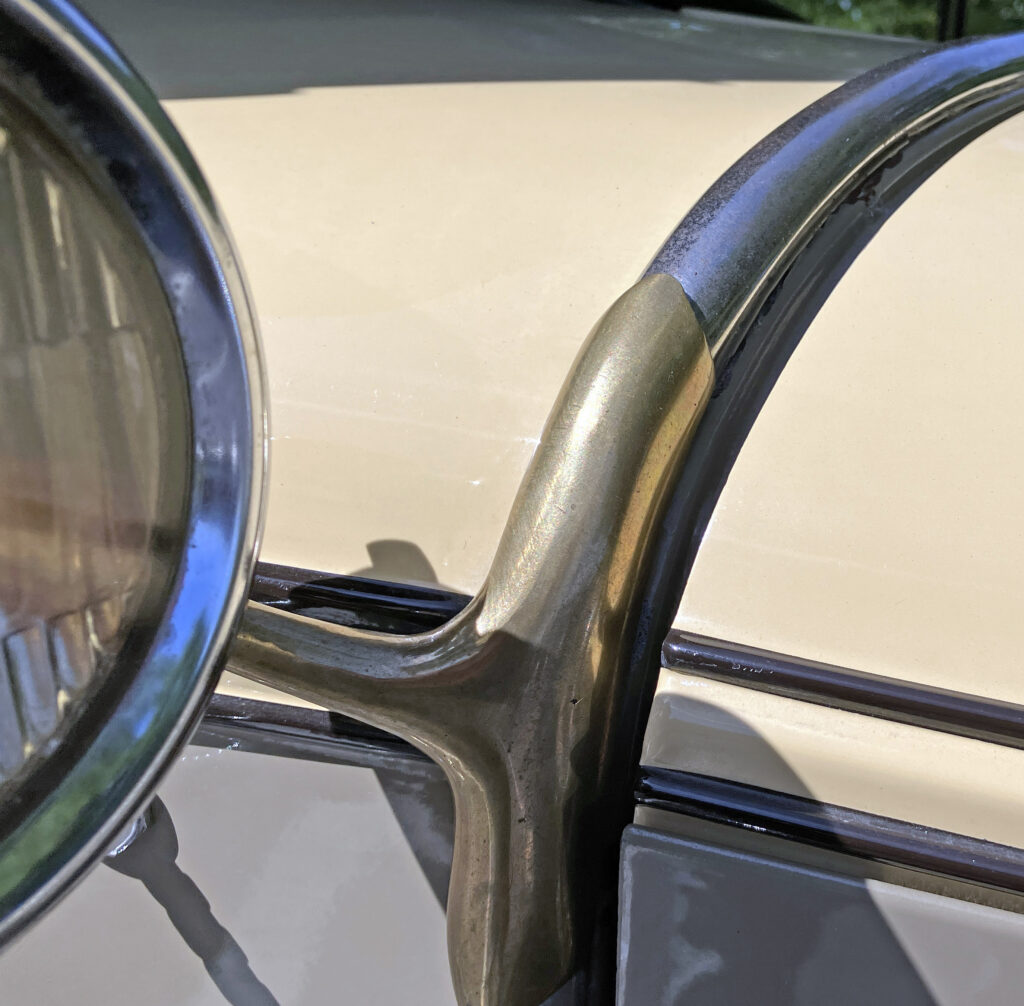
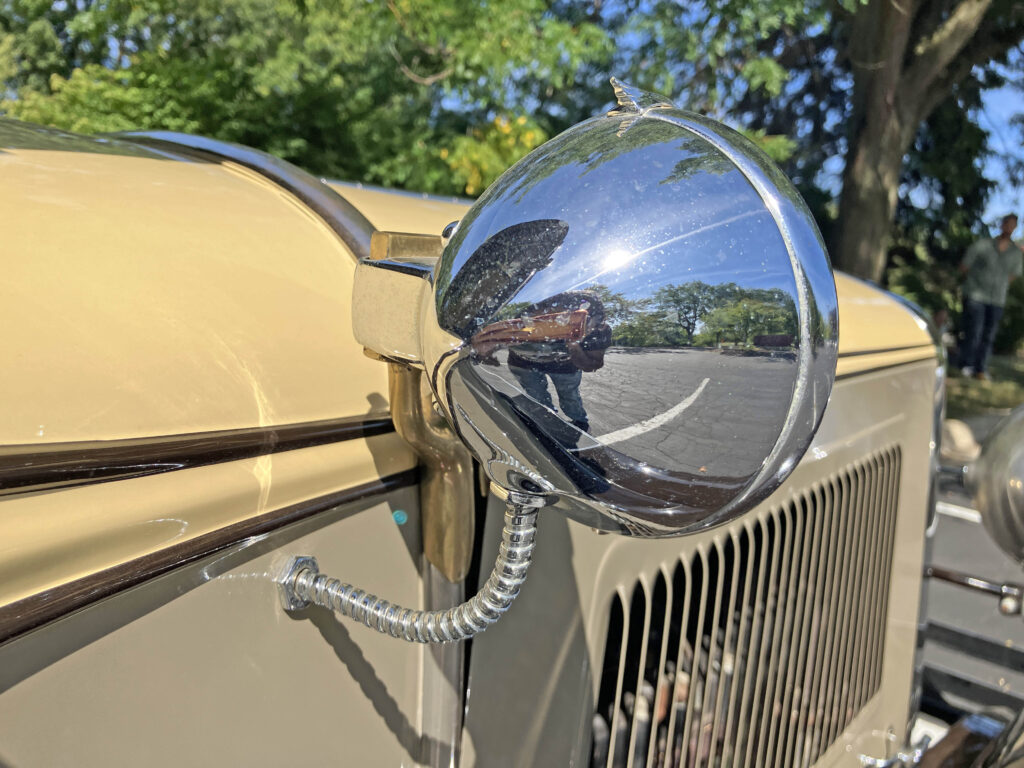
Small cowl-mounted lamps add a more upscale note. Each sits within a chrome hoop on a brass-colored arm, and their wiring is as neatly arranged as the front headlamp wiring. The cowl itself becomes a design feature where it meets the windshield pillar: a raised, tapered section is painted in several shades, breaking up an otherwise long expanse of sheet metal. It gives the side profile an extra point of interest without changing the car’s basic, upright structure.
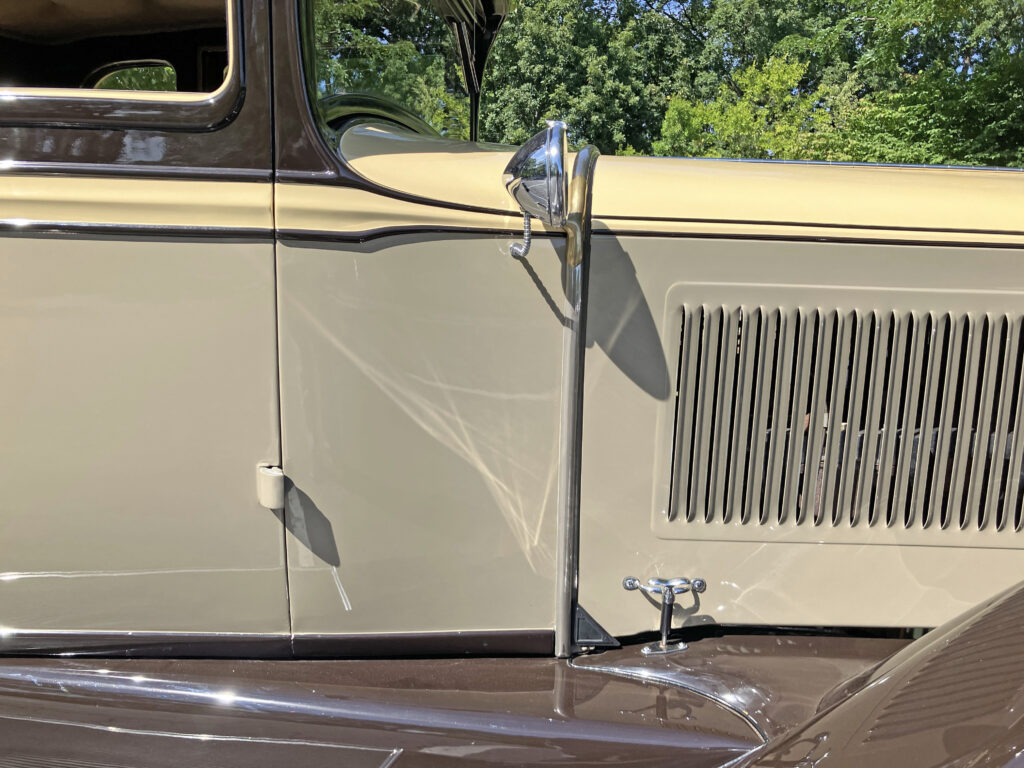
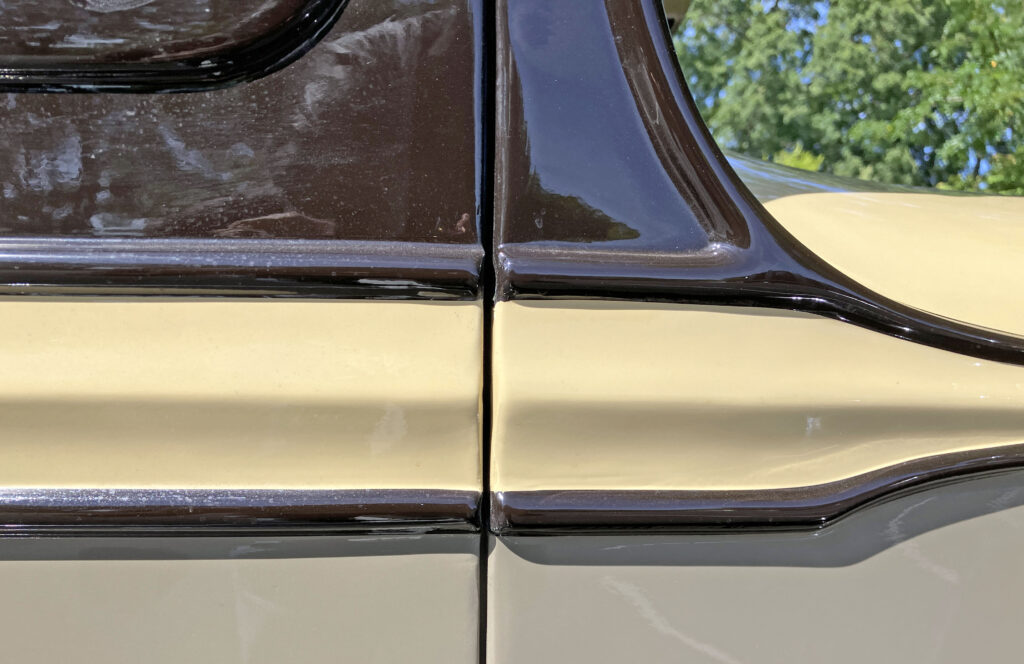
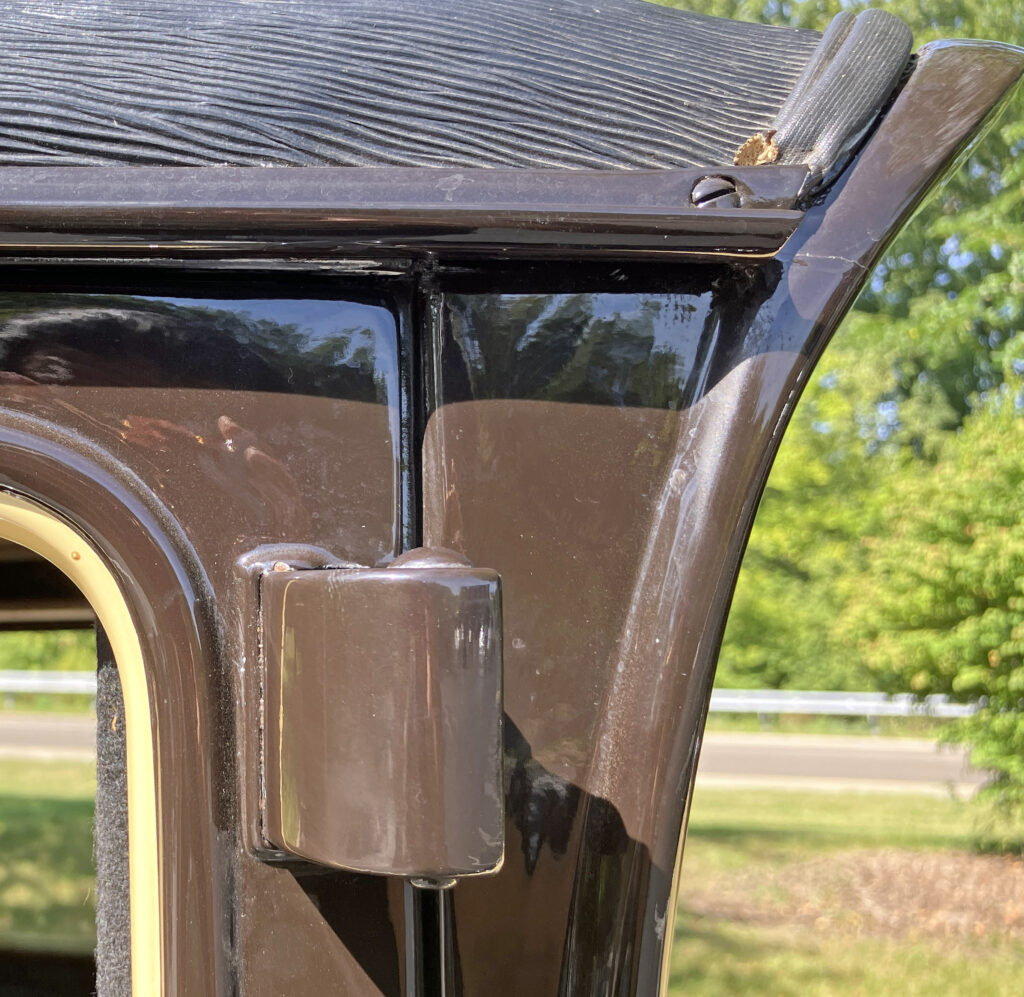
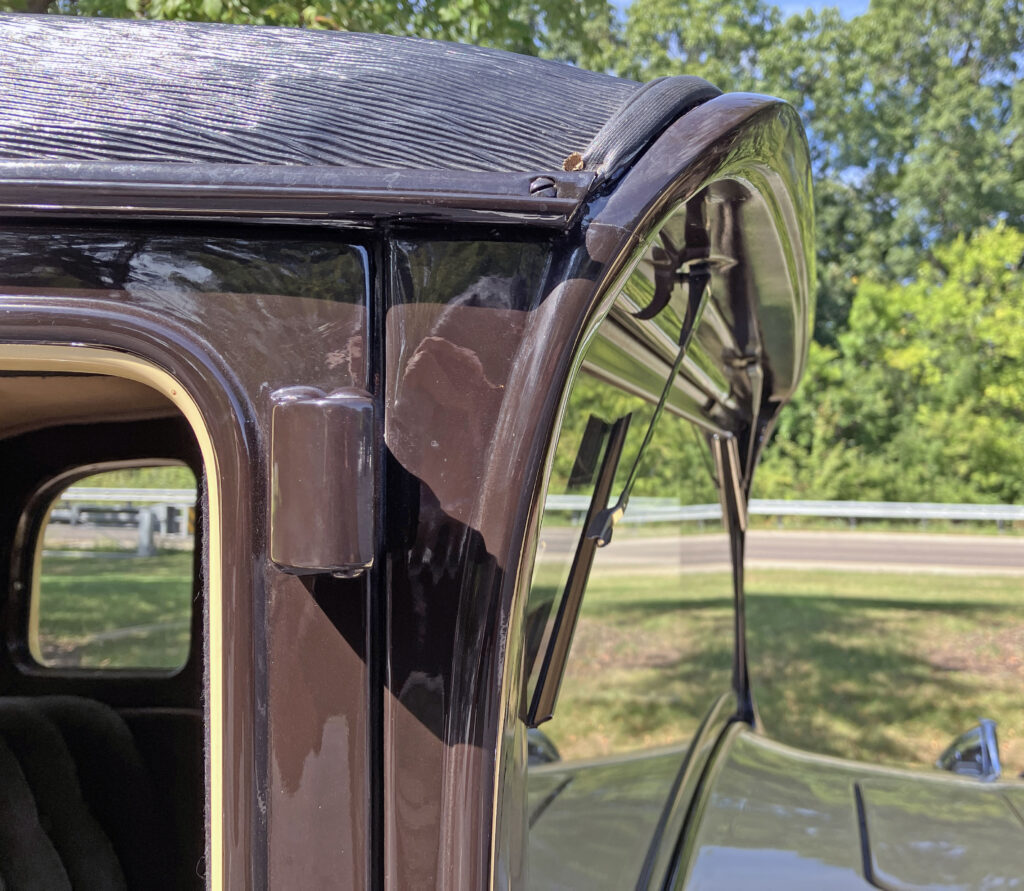
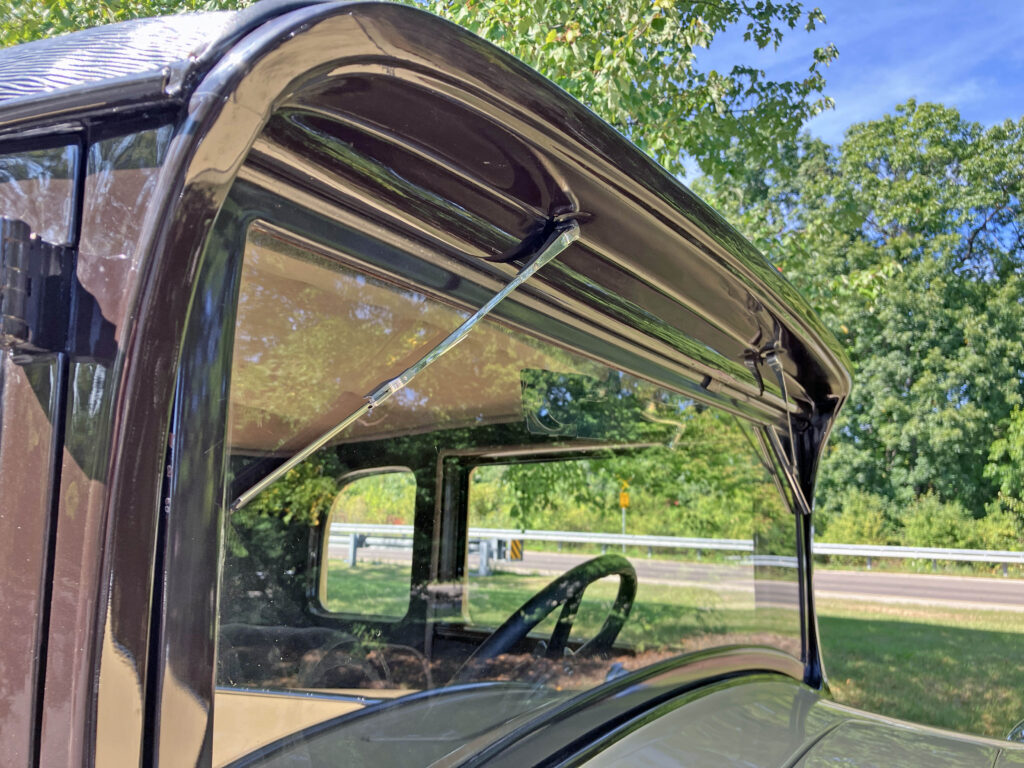
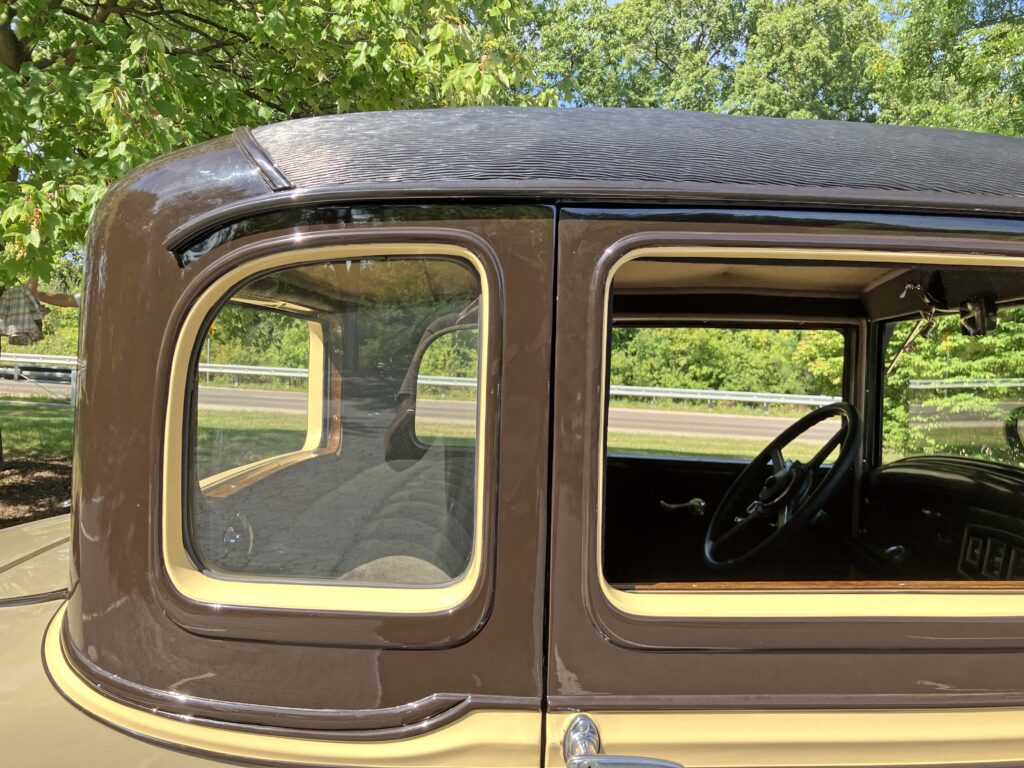
Flat glass limits how sleek the A-pillar can appear, and the upright windshield gives the car a carriage-like stance. A deep brow above the glass hides the wipers. The doors have no inward taper, or tumblehome, which keeps their shape simple but contributes to a compact-looking cabin. A textured padded roof adds a material contrast, while the side windows and upright pillars emphasize the Victoria’s enclosed, formal character.
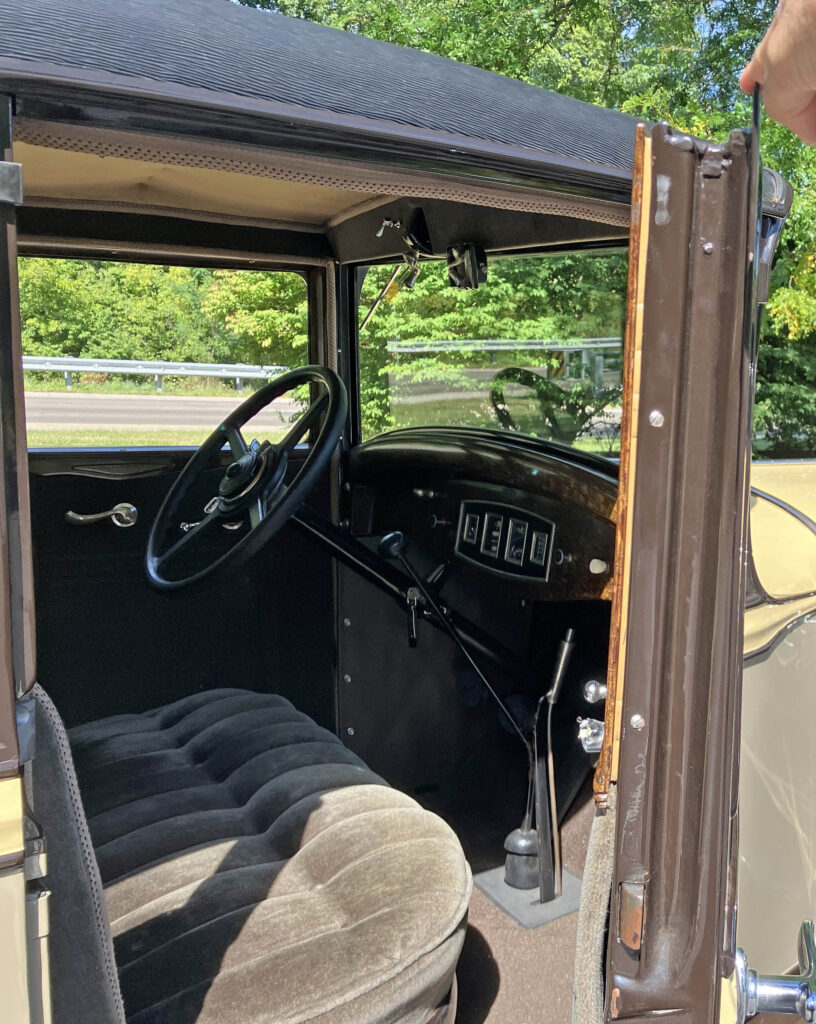
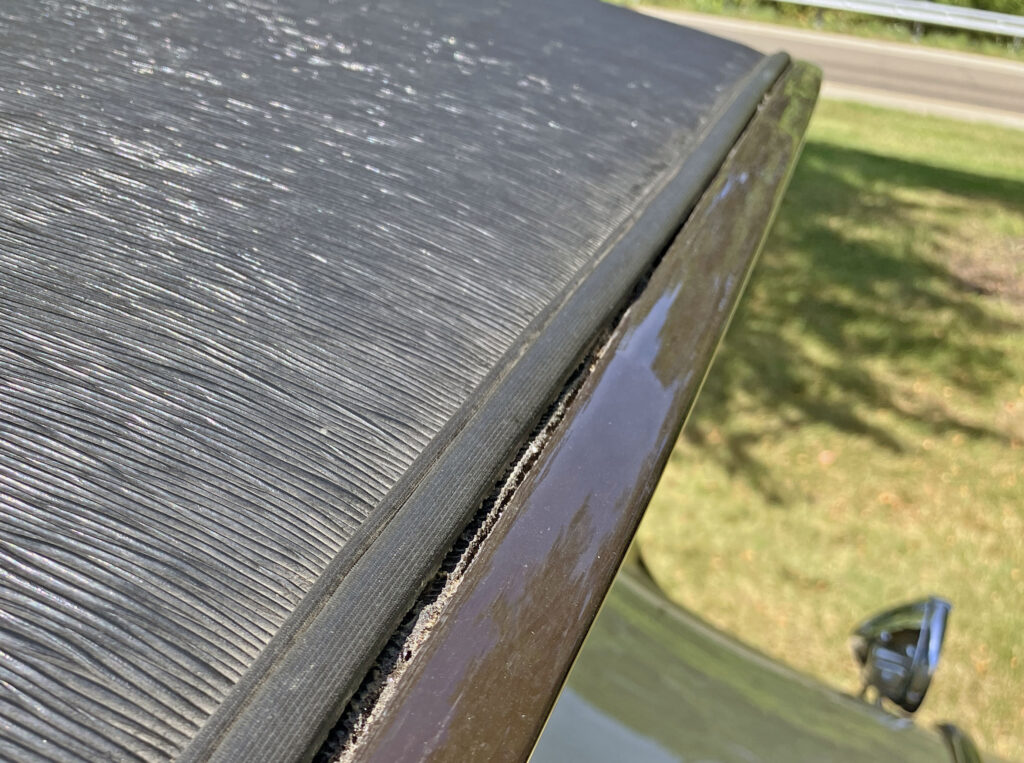
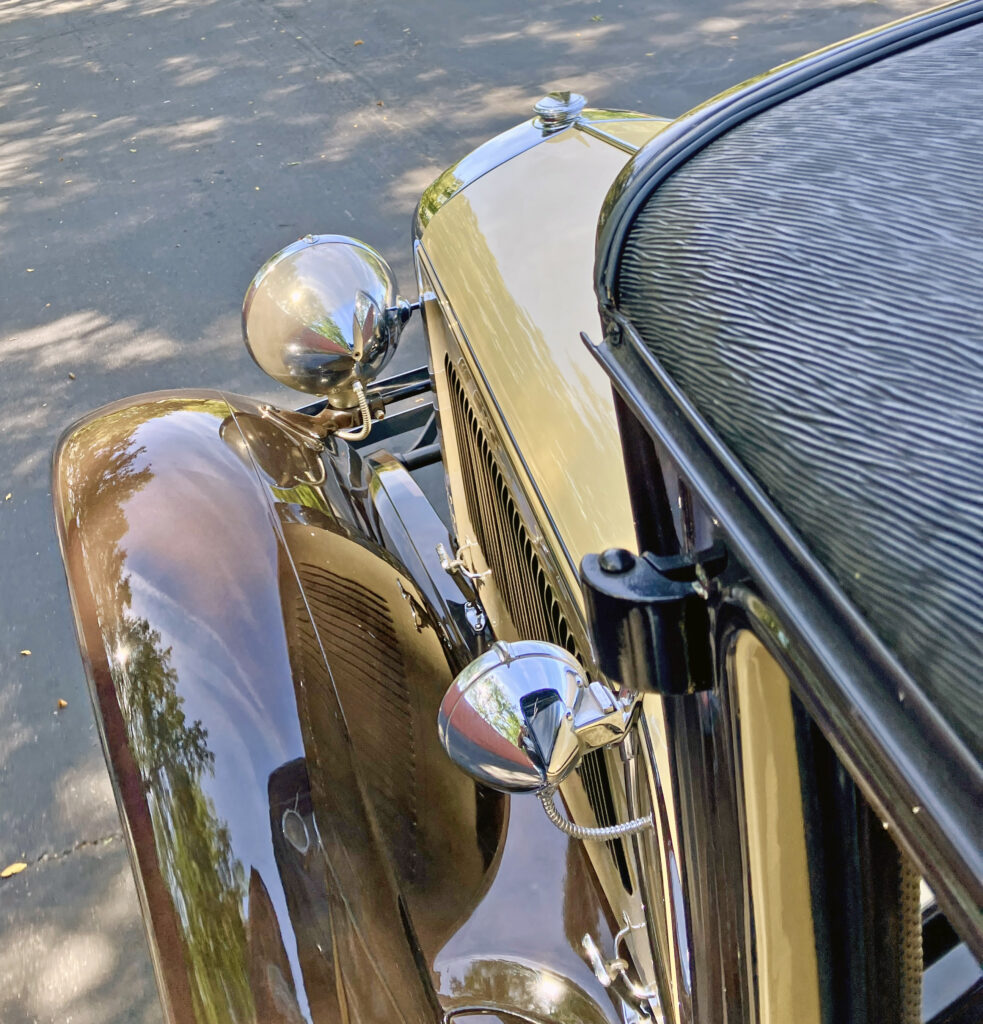
Seen together, the long nose, pointed lamps, three-tone finish, upright pillars and textured roof speak to the optimism surrounding the automobile at the end of the 1920s. Cars were becoming a more familiar part of daily life, and a stylish body could suggest both personal progress and access to new places. The Commander’s design is a reminder that such aspirations weren’t limited to the most expensive marques.
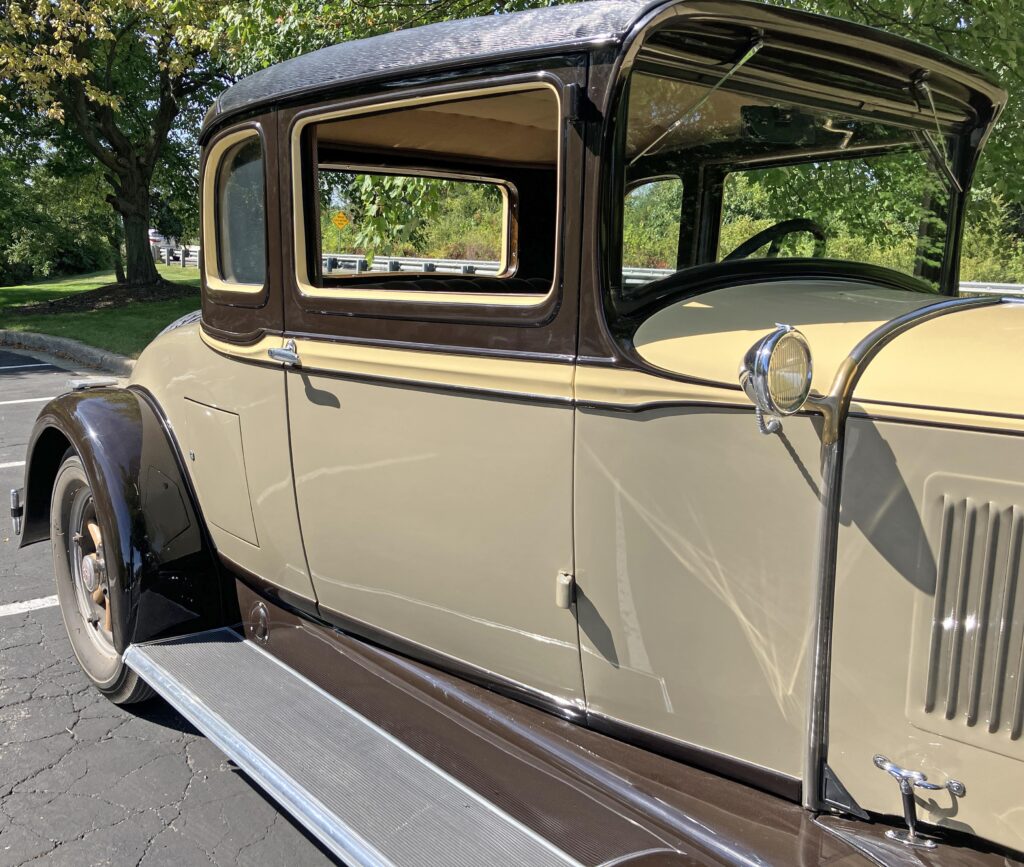
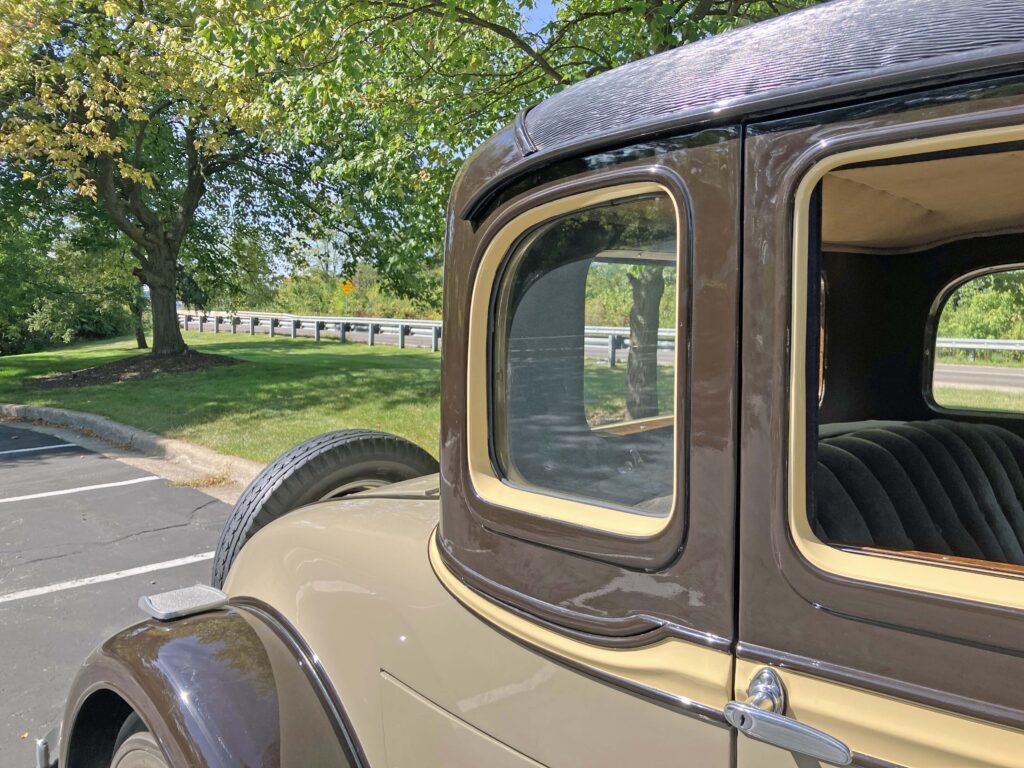
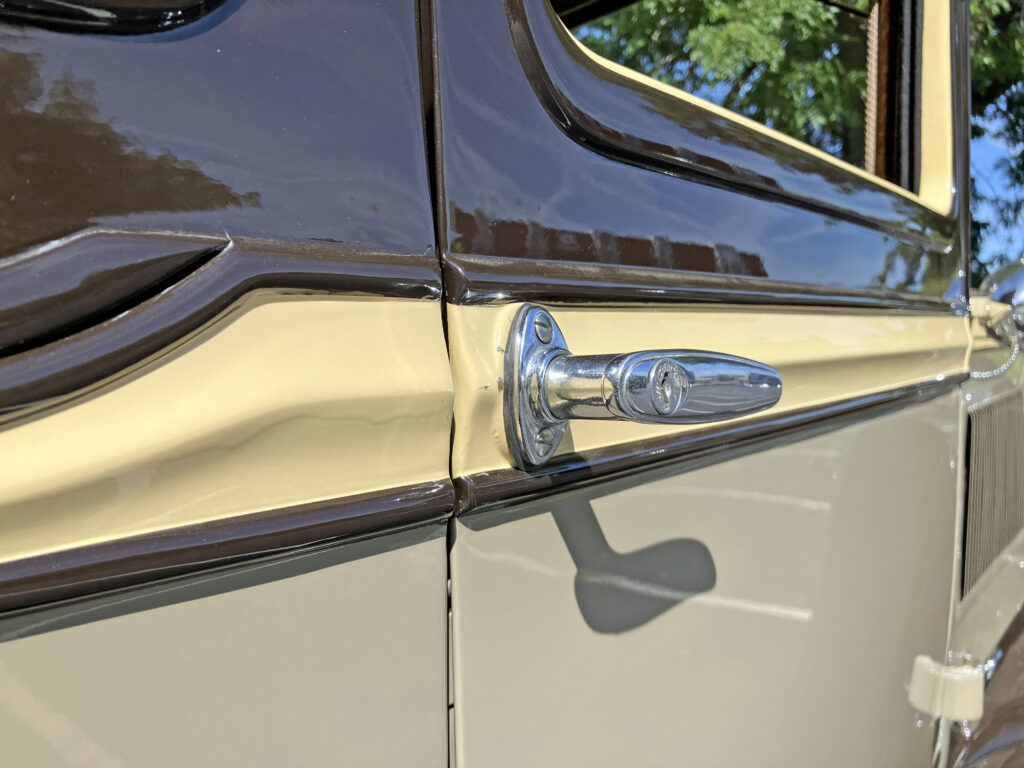
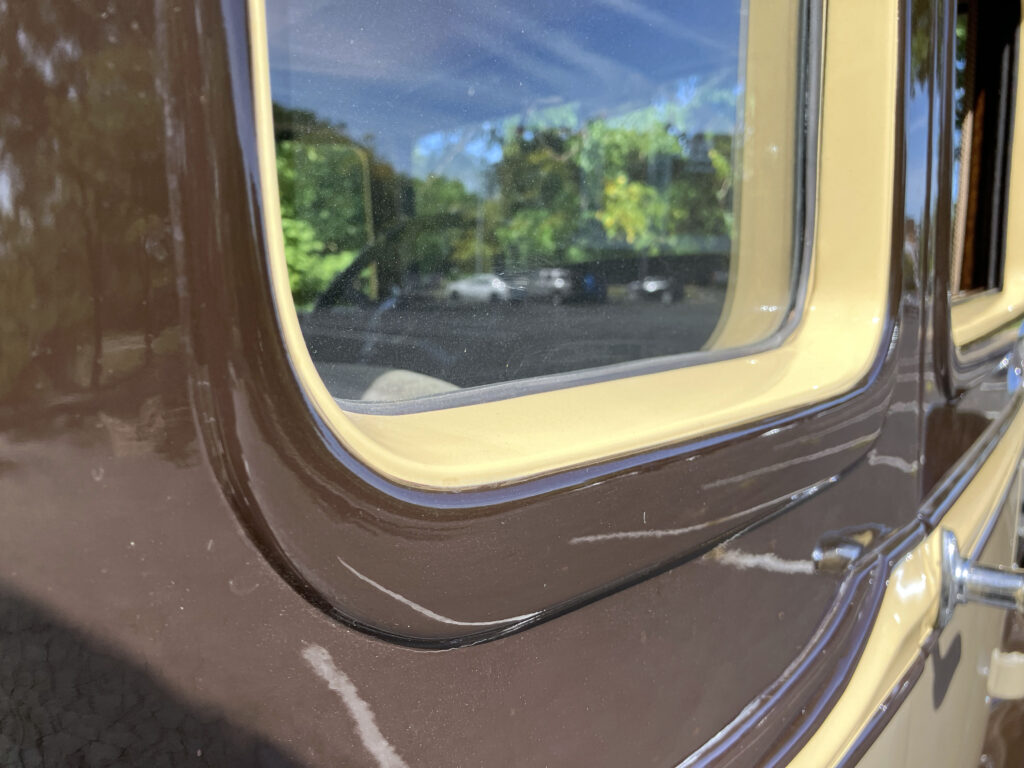
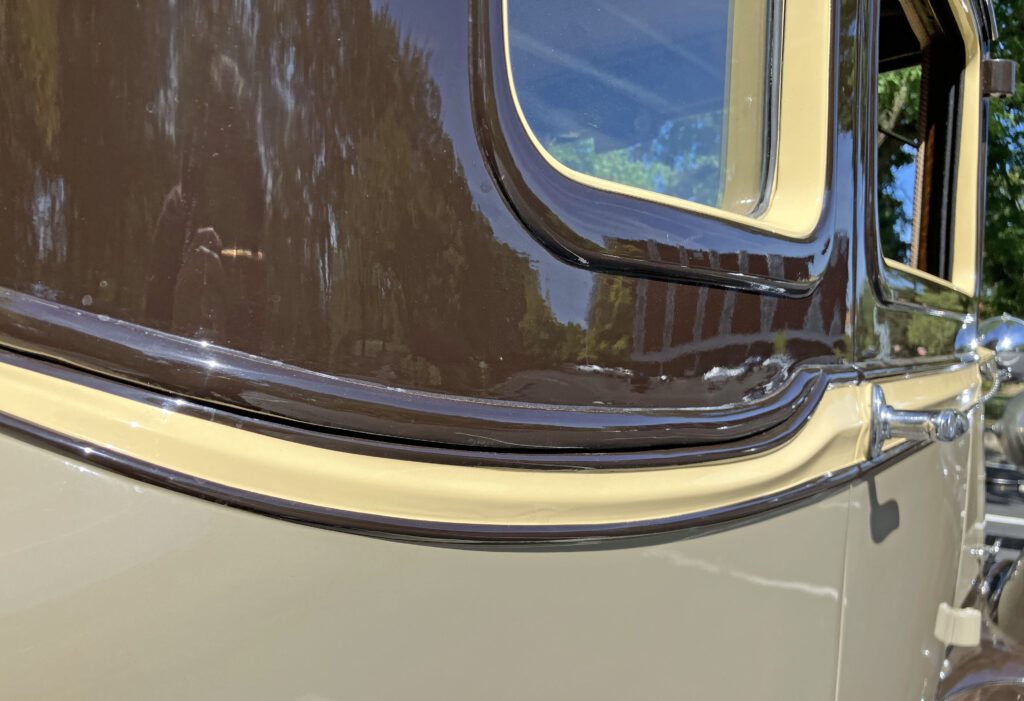
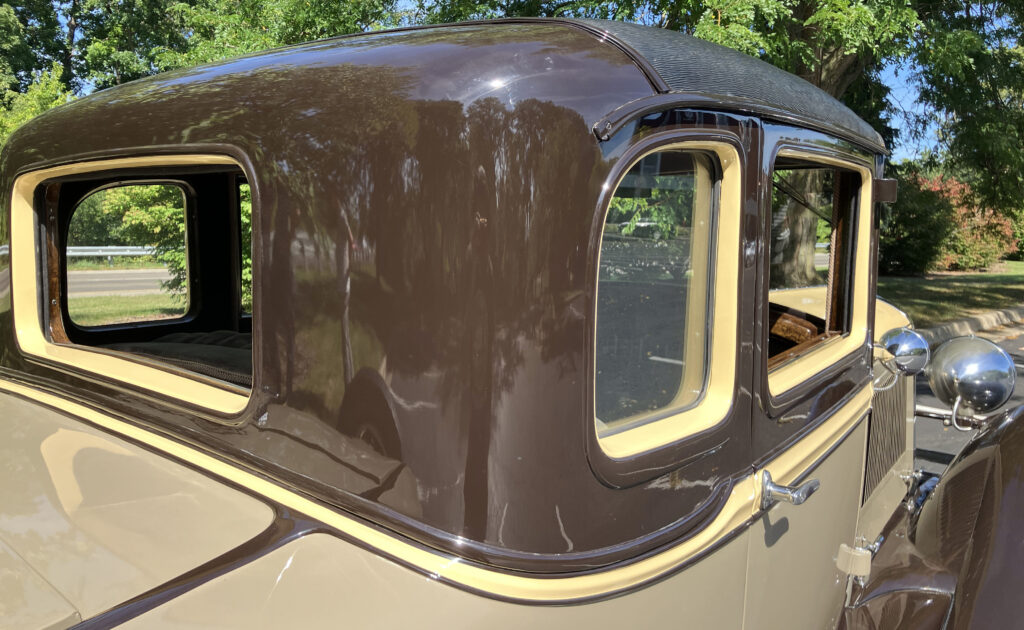
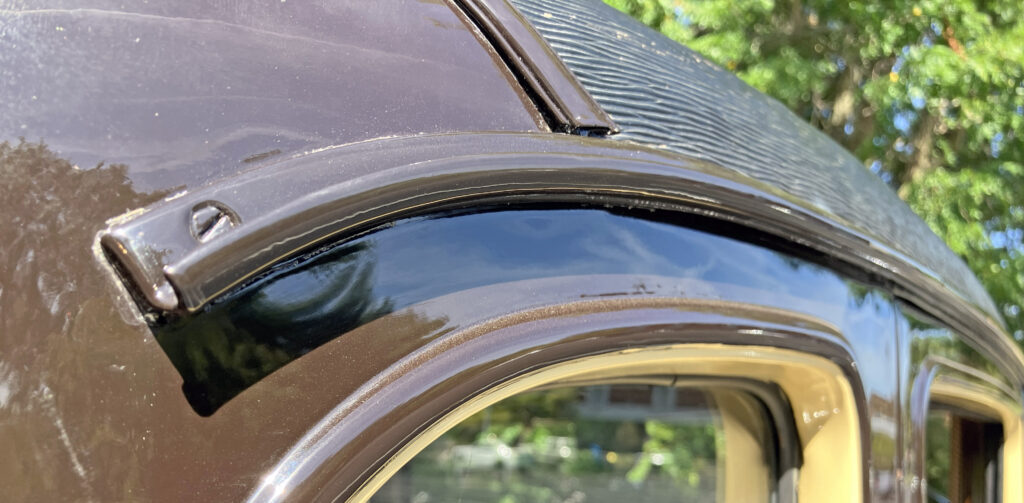
The B-pillar is nearly vertical, following the square door glass and the upright windshield. The C-pillar, by contrast, bends gently downward toward the rear quarter window. A rain gutter follows the roof edge, while the warm-colored trim around the windows ties the greenhouse back to the paint scheme. These touches give the cabin a more carefully considered outline than the simple geometry might first suggest.
Useful surprises at the rear
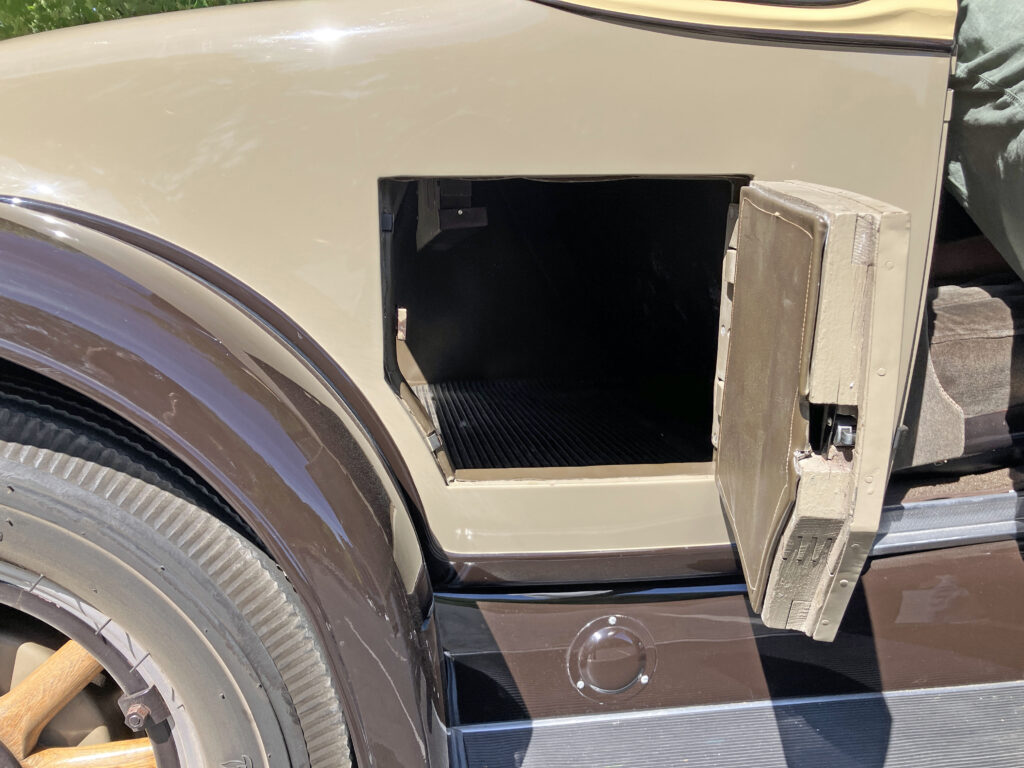
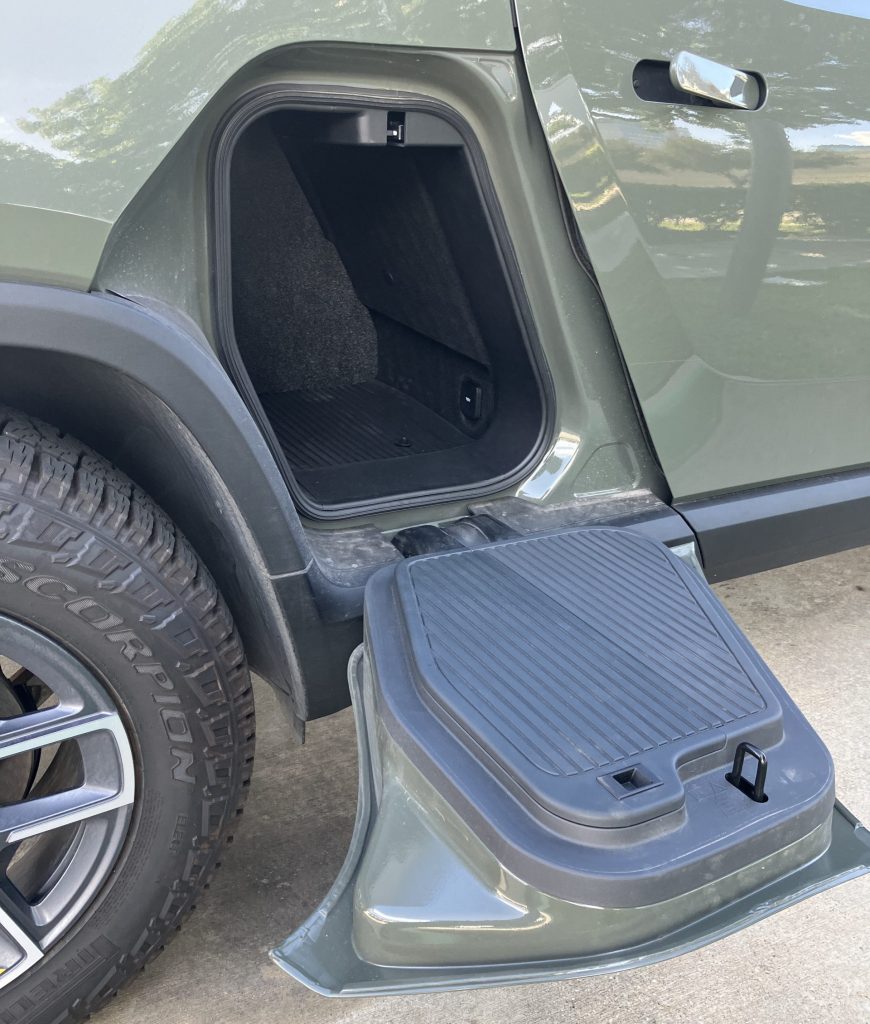
Behind the cabin, the Victoria body balances a sleek rear deck with a pair of practical features. One is a small access compartment that uses otherwise wasted space. It could hold items a driver wanted to reach without placing them in the main cabin. The idea has a modern echo in the Rivian R1T’s gear tunnel, which also turns an awkward gap into useful storage.
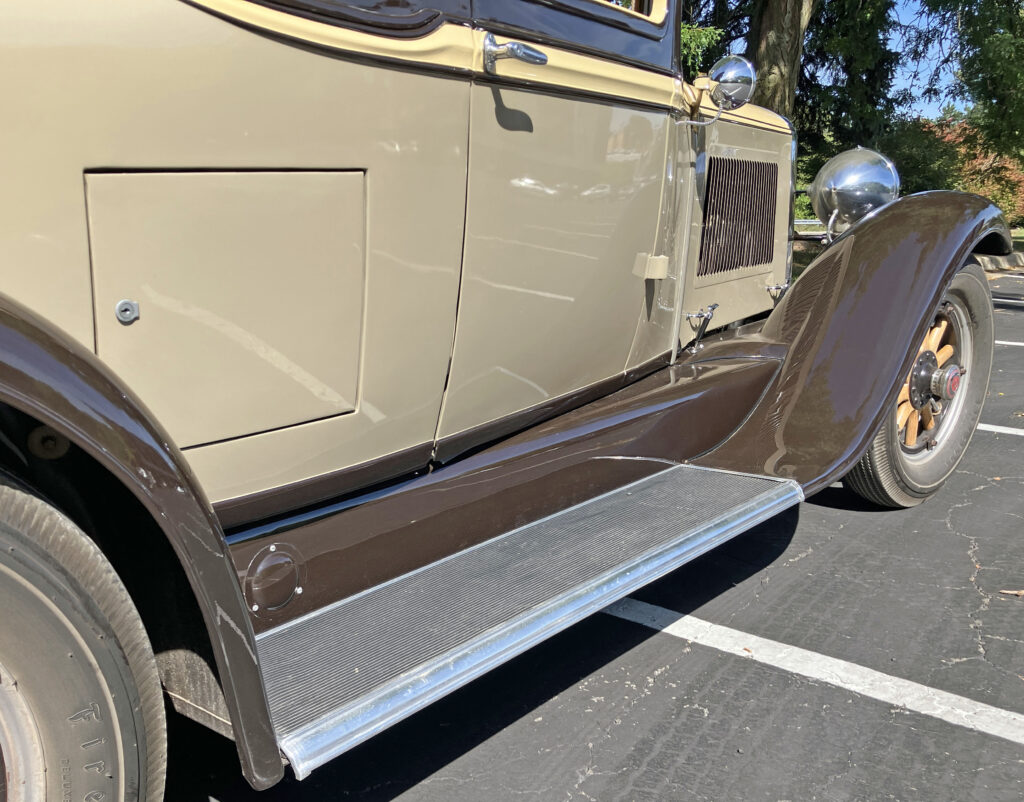
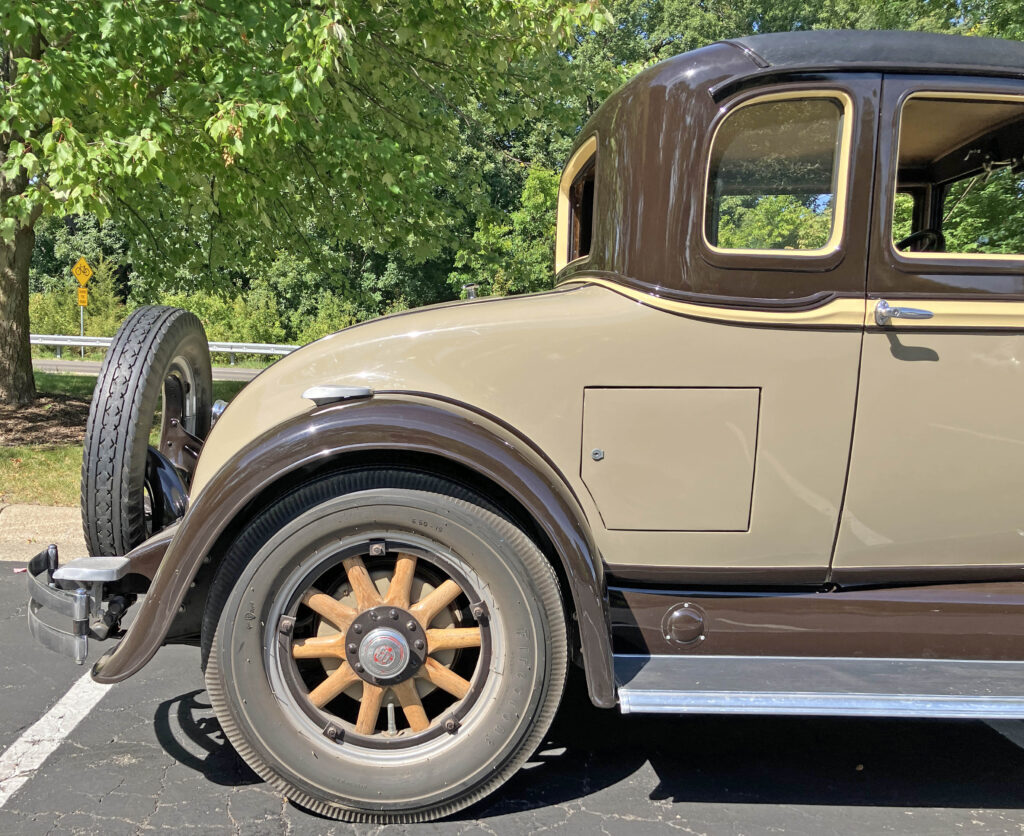

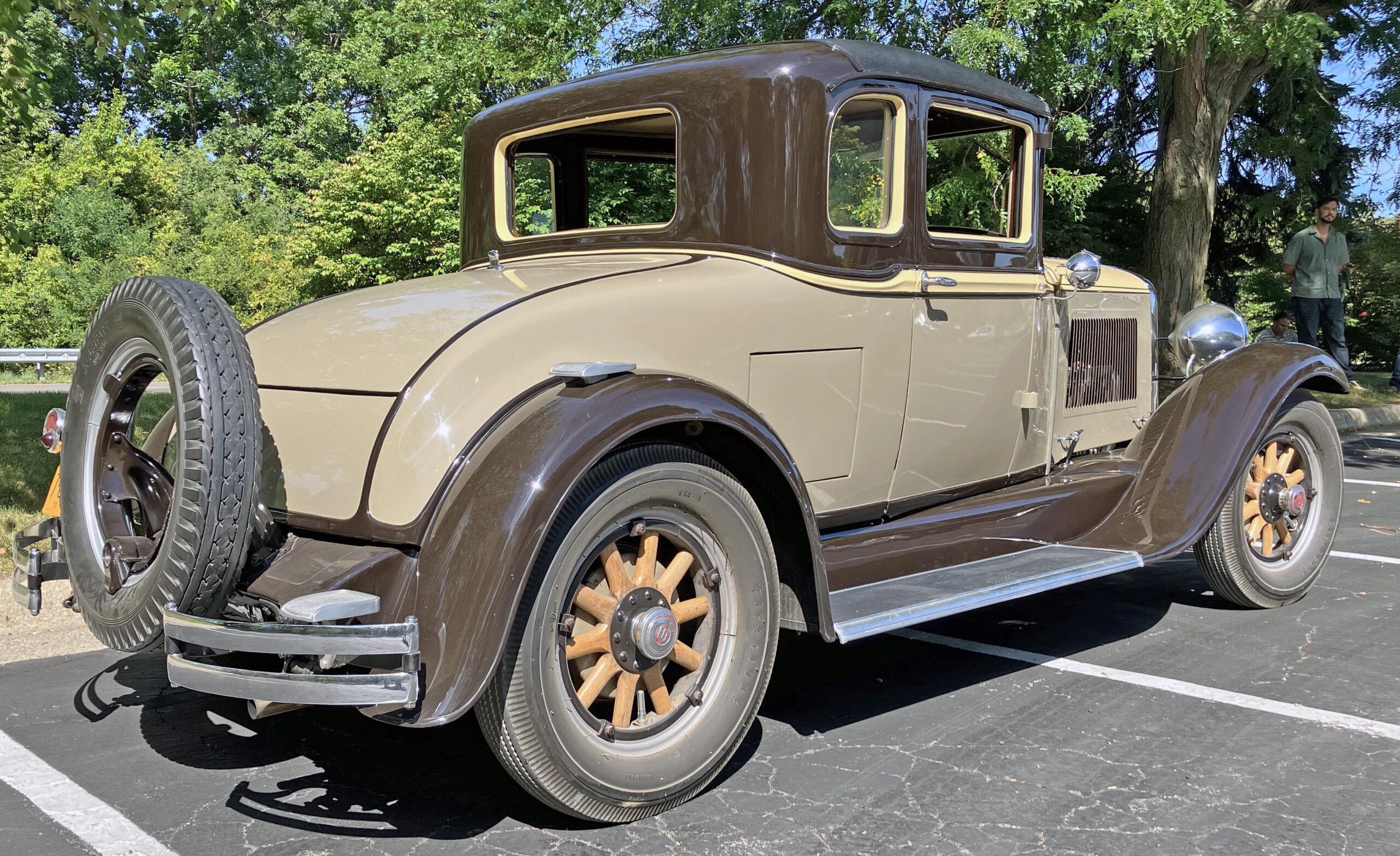
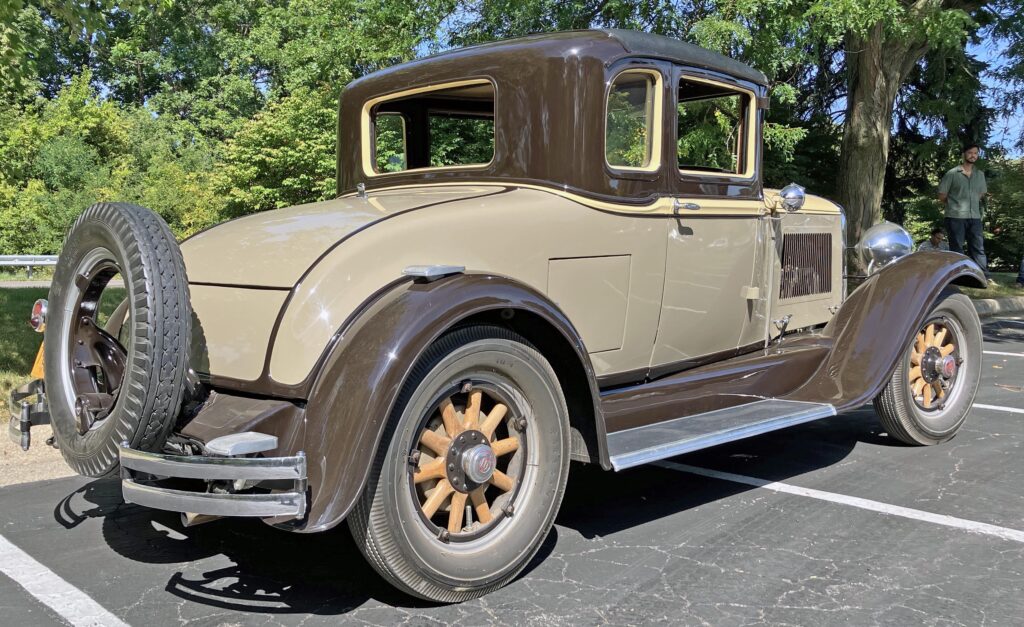
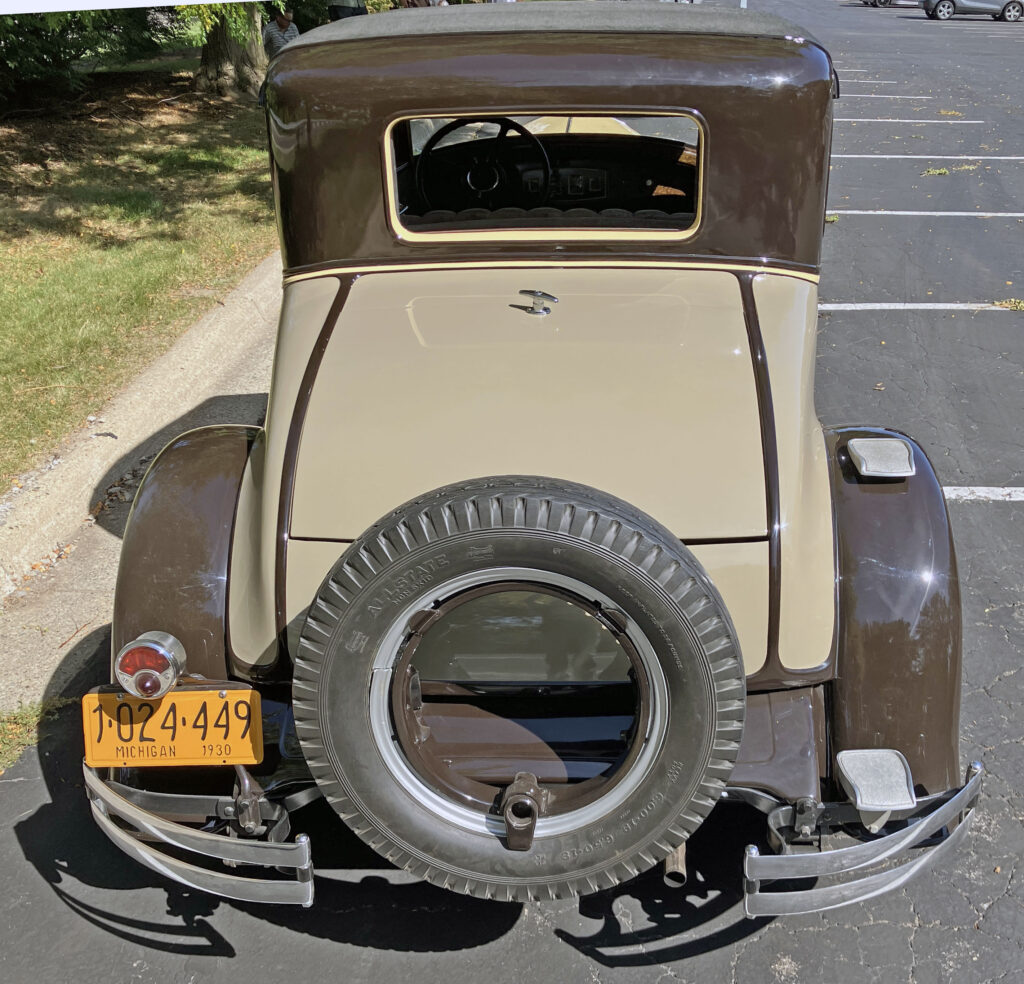
The second feature is the rumble seat, a defining element of many Victoria bodies. Passengers climb over shaped step plates into a rear-facing compartment behind the main cabin. The source article’s writer found room for a 5-foot-10 passenger’s legs and praised the available headroom, though the arrangement leaves little space for luggage. With the rumble seat in place, the car gives up a conventional trunk, and the spare tire has to be mounted at the back.
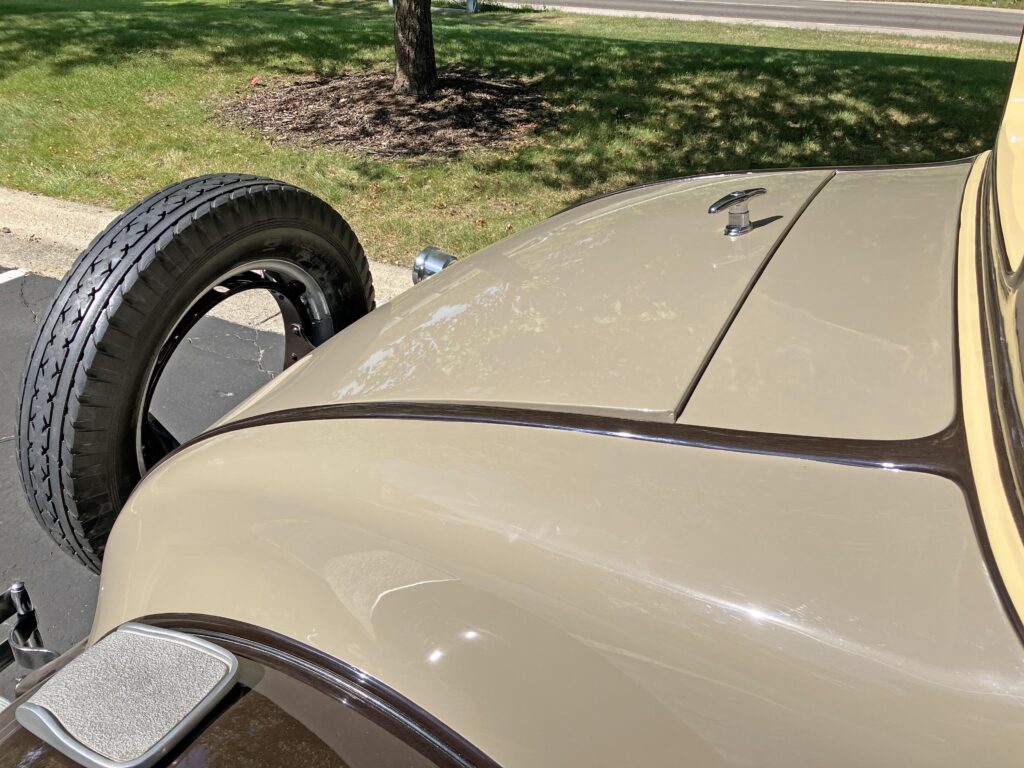
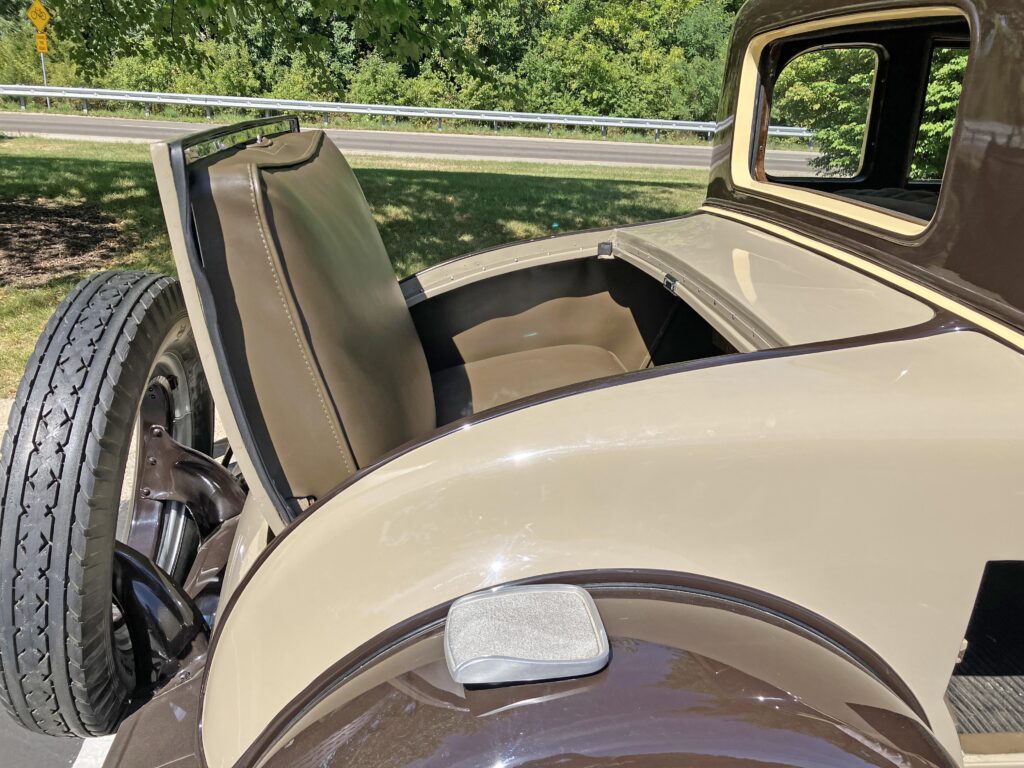
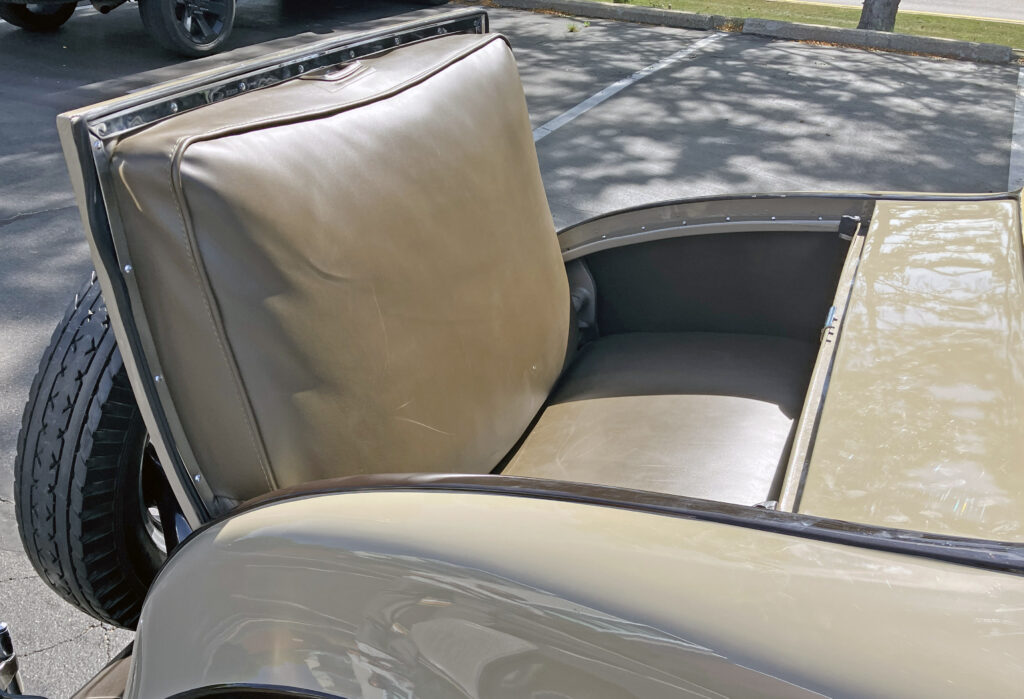
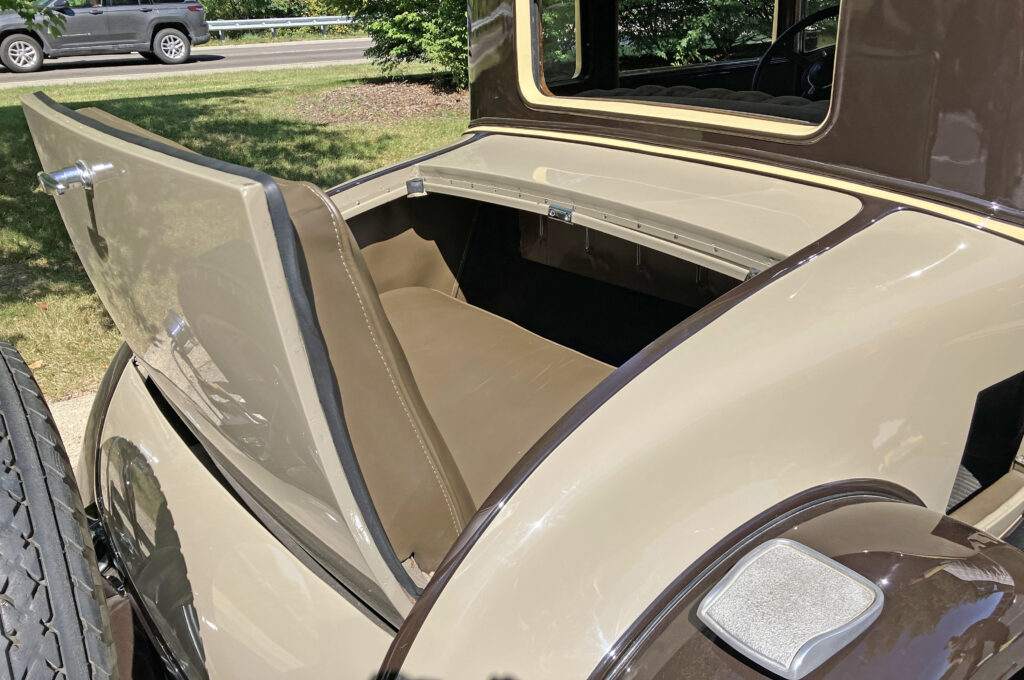
The layout makes a clear trade: occasional extra passengers and a memorable ride in exchange for conventional enclosed cargo space. It wasn’t a configuration for every buyer, but it suited people who wanted their car to make an impression and could plan around the missing trunk. The rear seat’s later echoes in folding seats used in station wagons show how the idea of adding passengers behind the main cabin persisted, even as its form changed.
From the side, the Victoria’s low rear deck contrasts sharply with the tall roof and near-vertical transition into the cabin. That abrupt change is part of its period character, and the profile looks especially appealing with the open roadster-style roof shown in a separate example. The car’s rear window can also be lowered or removed, creating an open-air effect that recalls a movable rear window in a modern pickup.
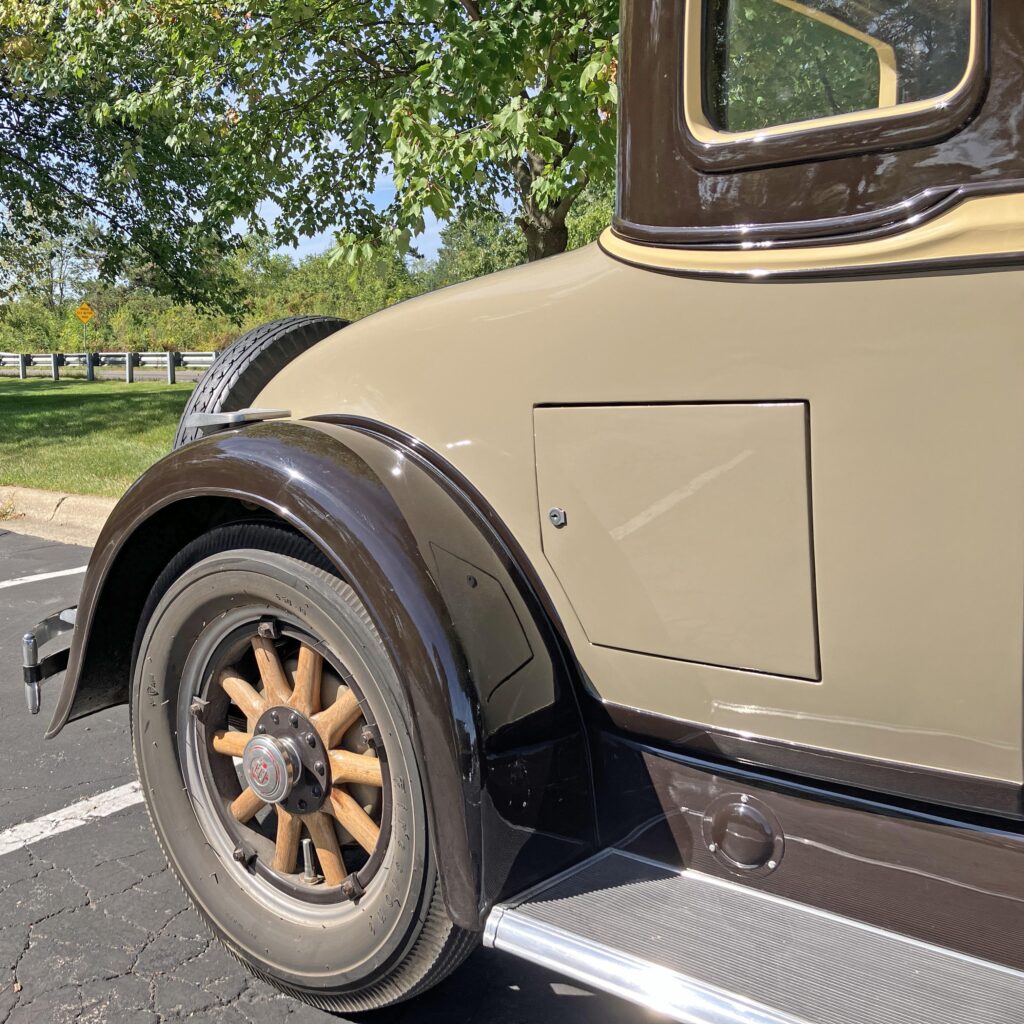
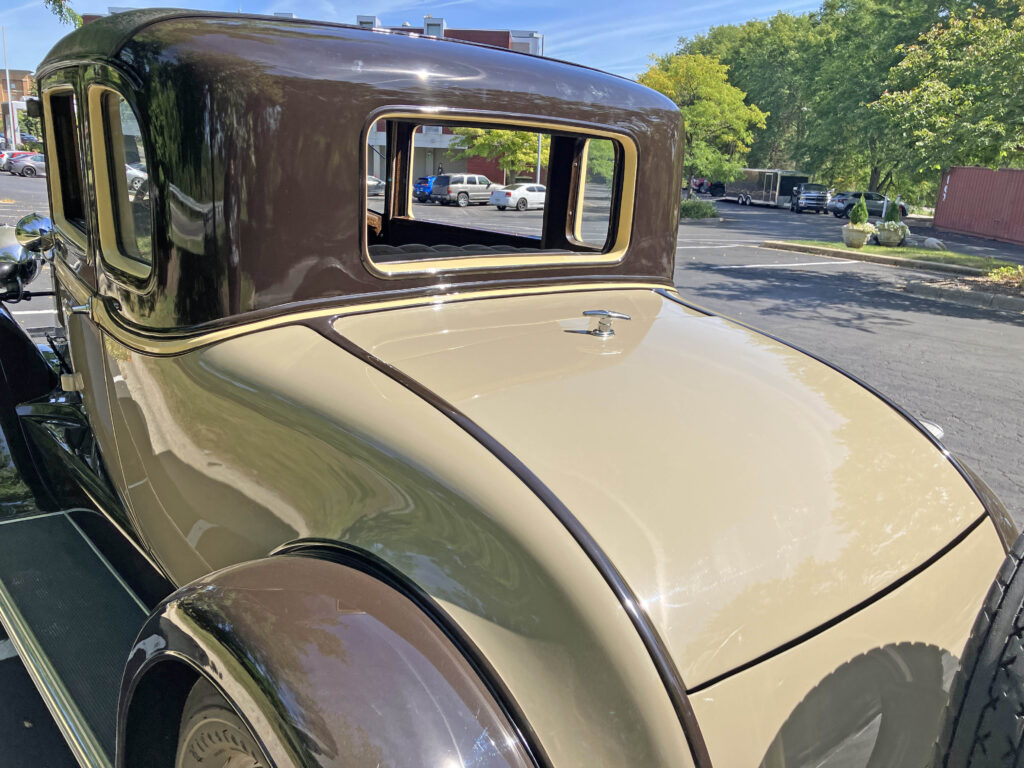
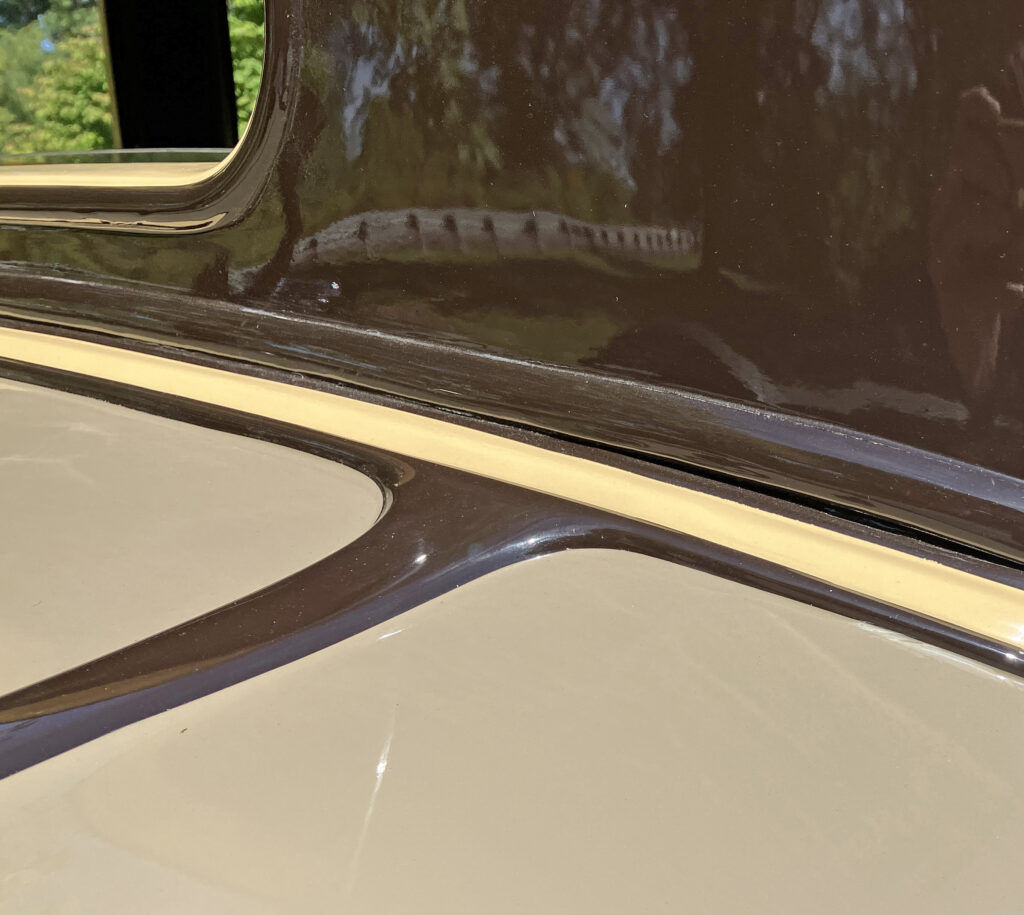
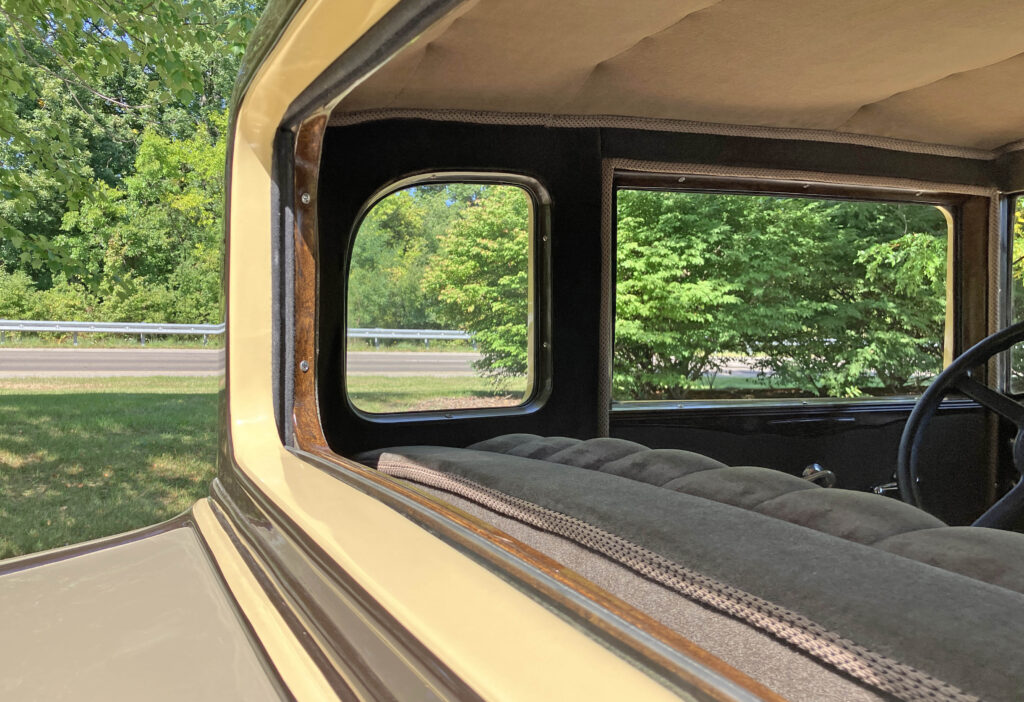
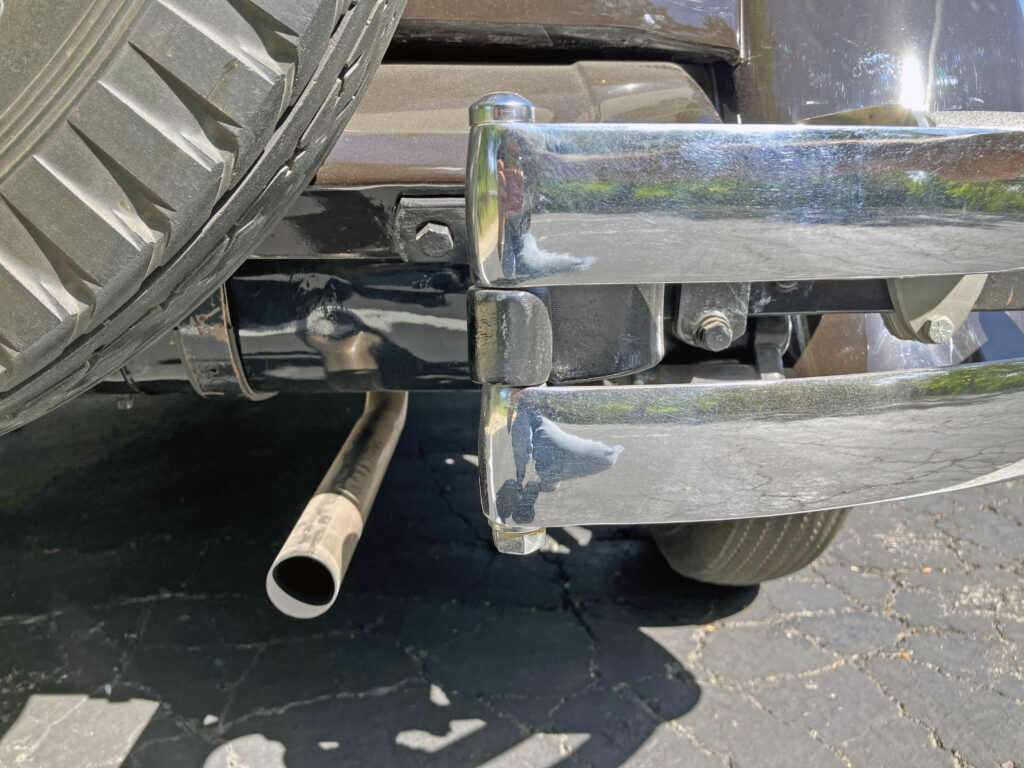
The rear deck’s raised “H” stamping suits a two-color treatment and disguises the outline of the rumble-seat lid. It may also help stiffen the panels beneath passengers stepping into the rear compartment. The spare tire sits outside the body on sturdy, sculpted supports, and the twin chrome rear bumpers frame it without crowding the tire’s space. These are not abstract styling flourishes: they show how the car’s shape had to accommodate real equipment and real use.
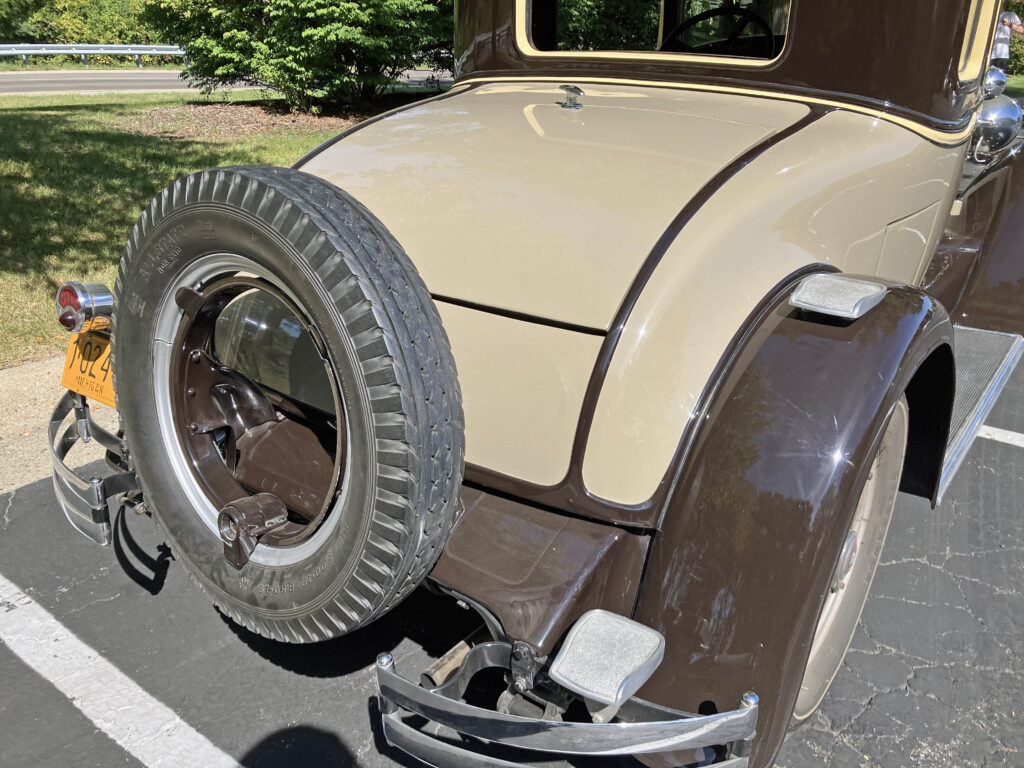
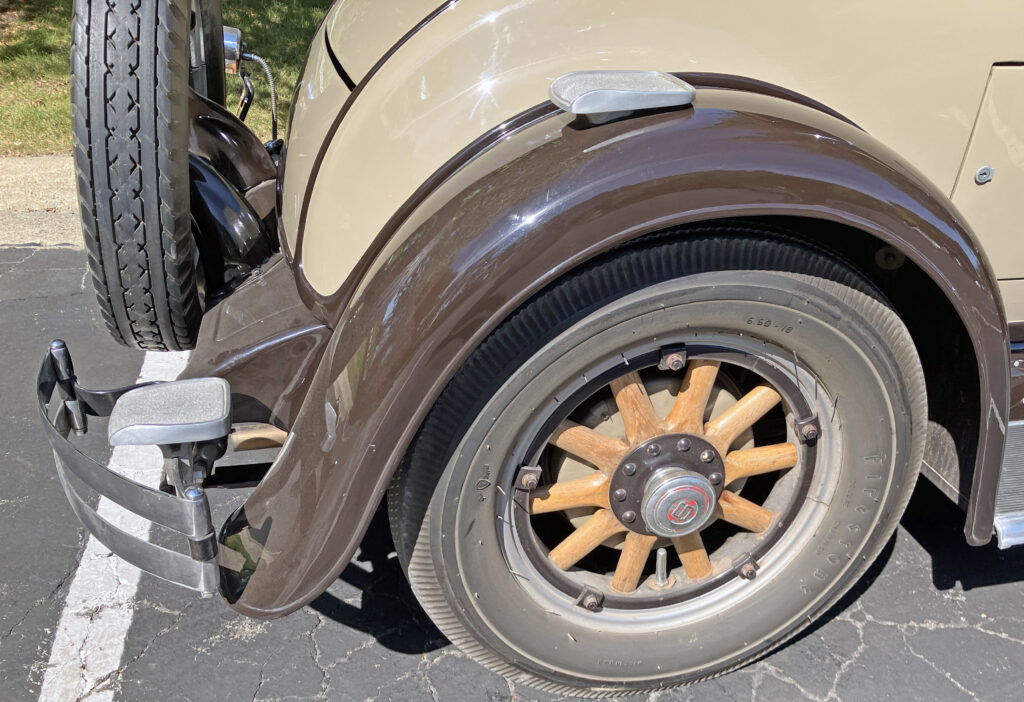
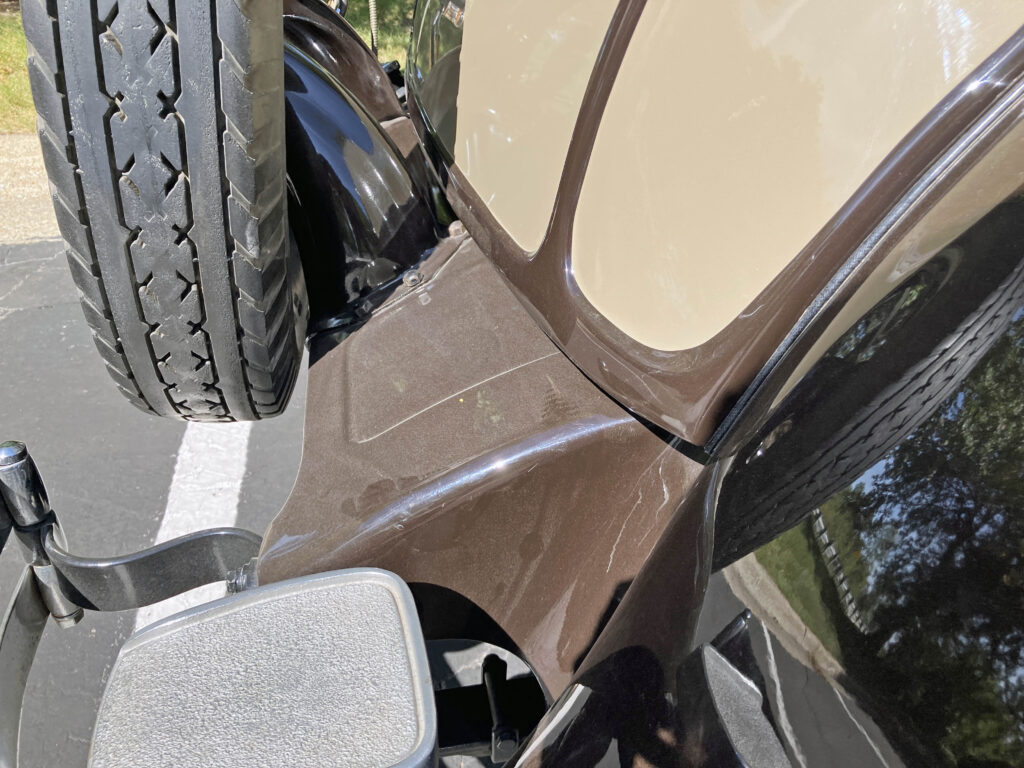
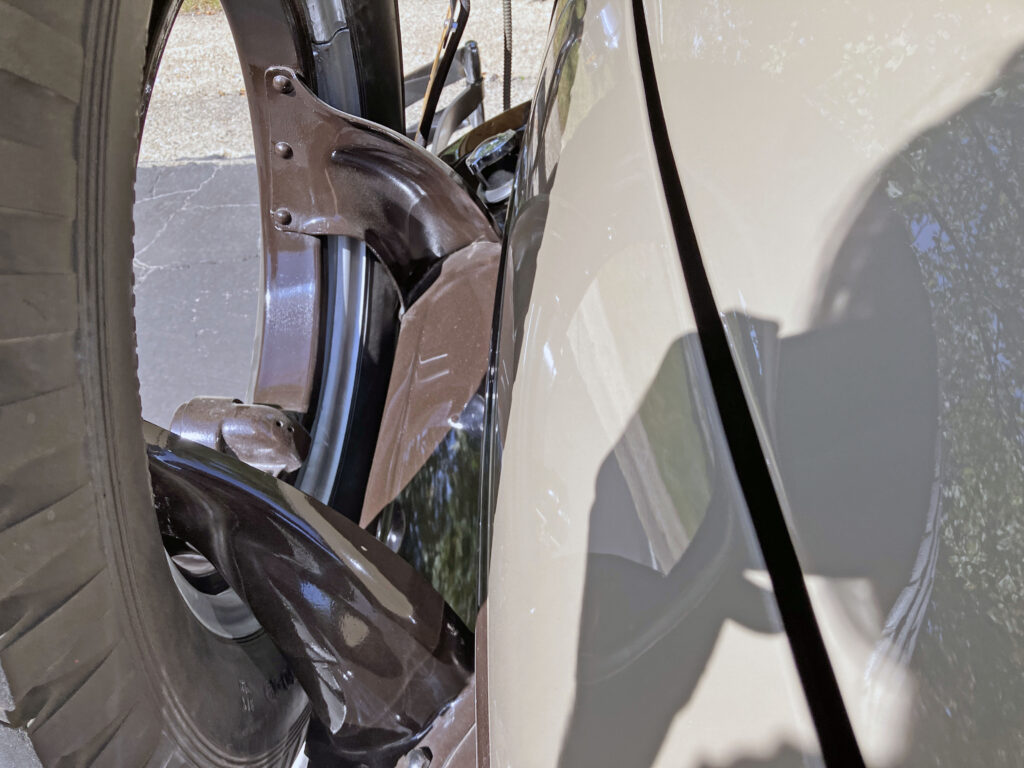
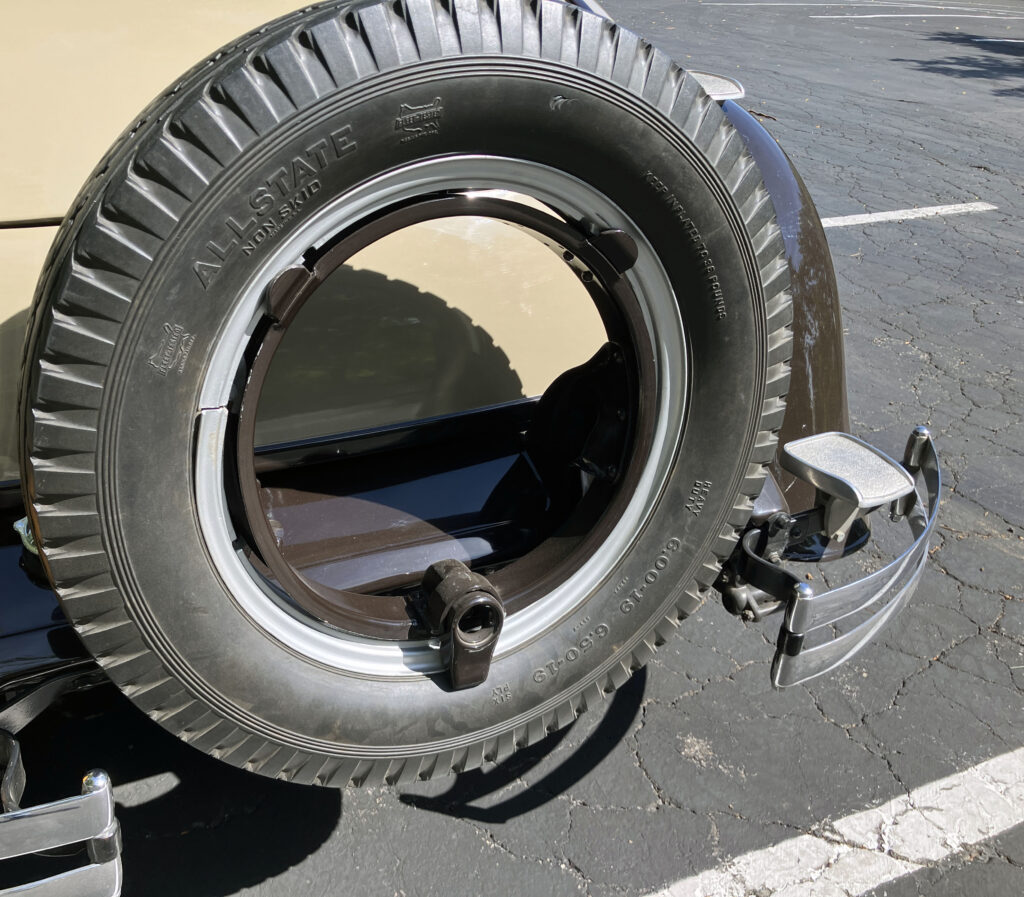
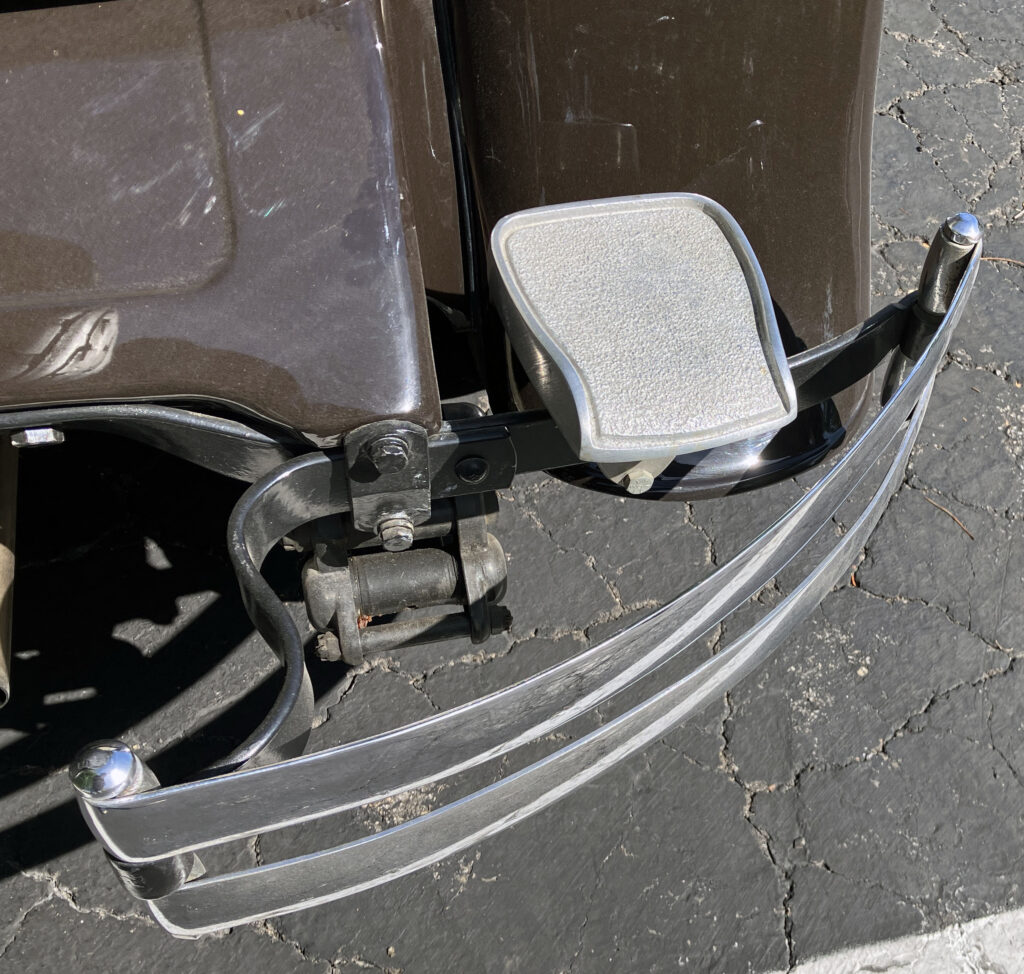
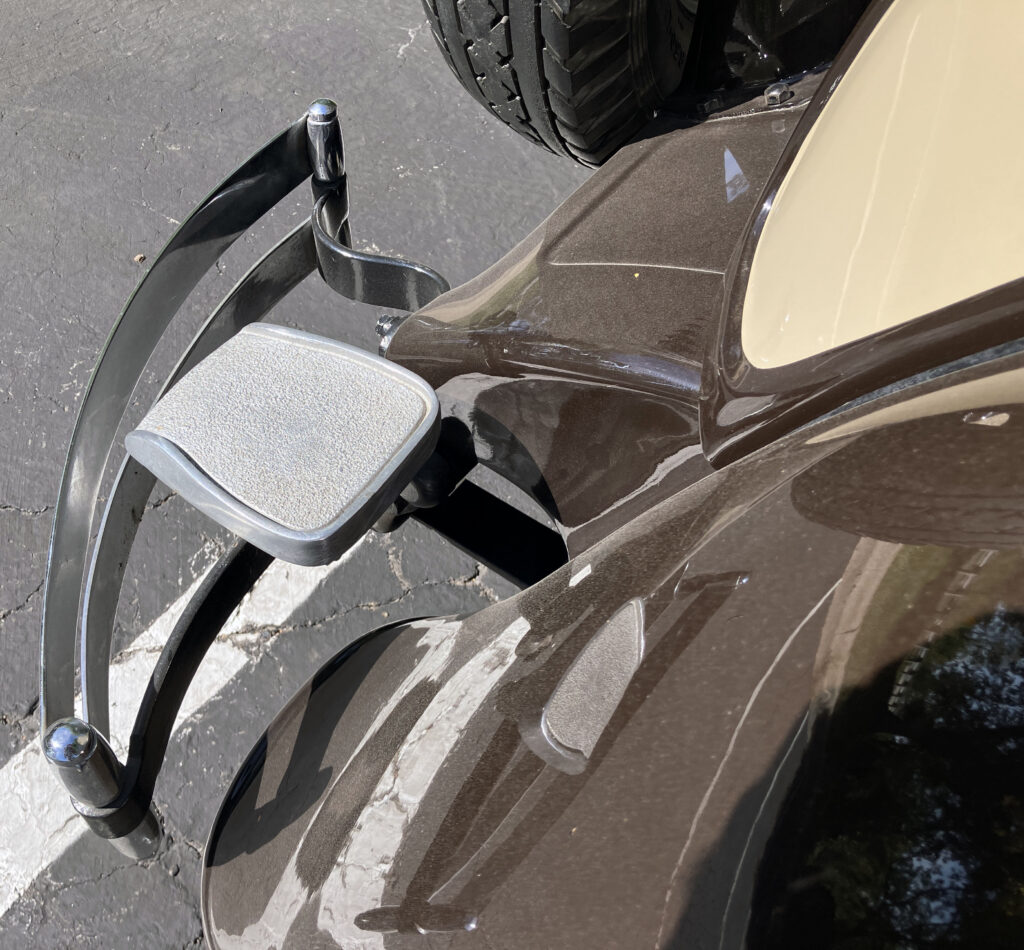
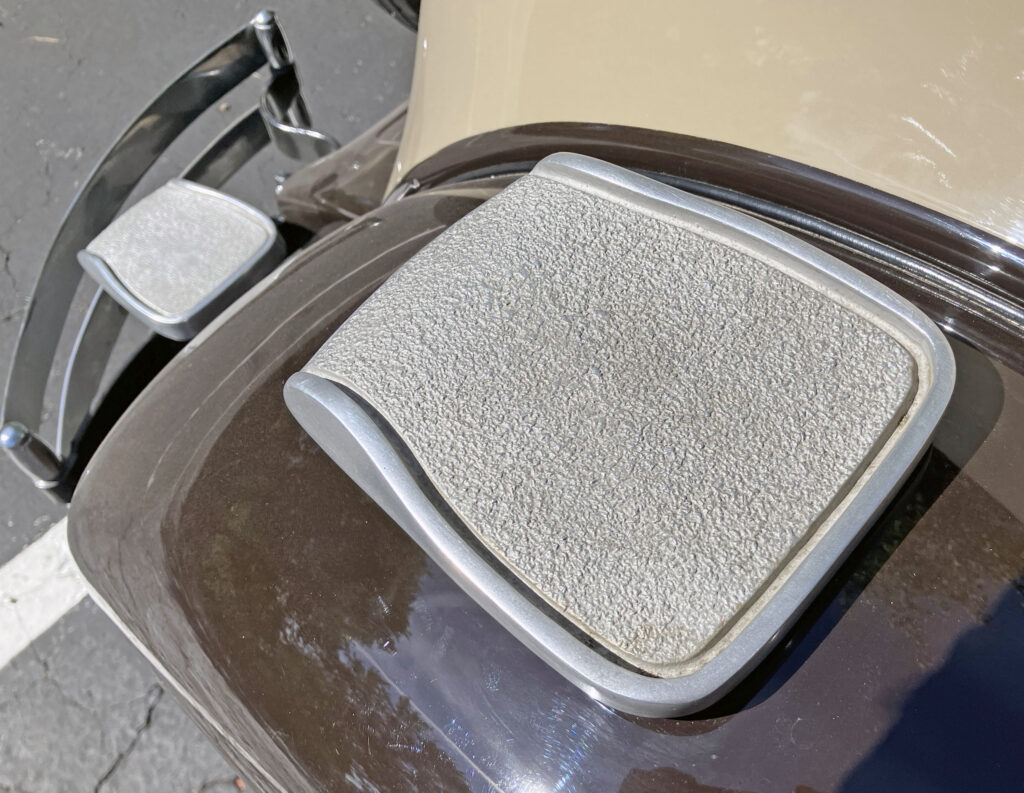
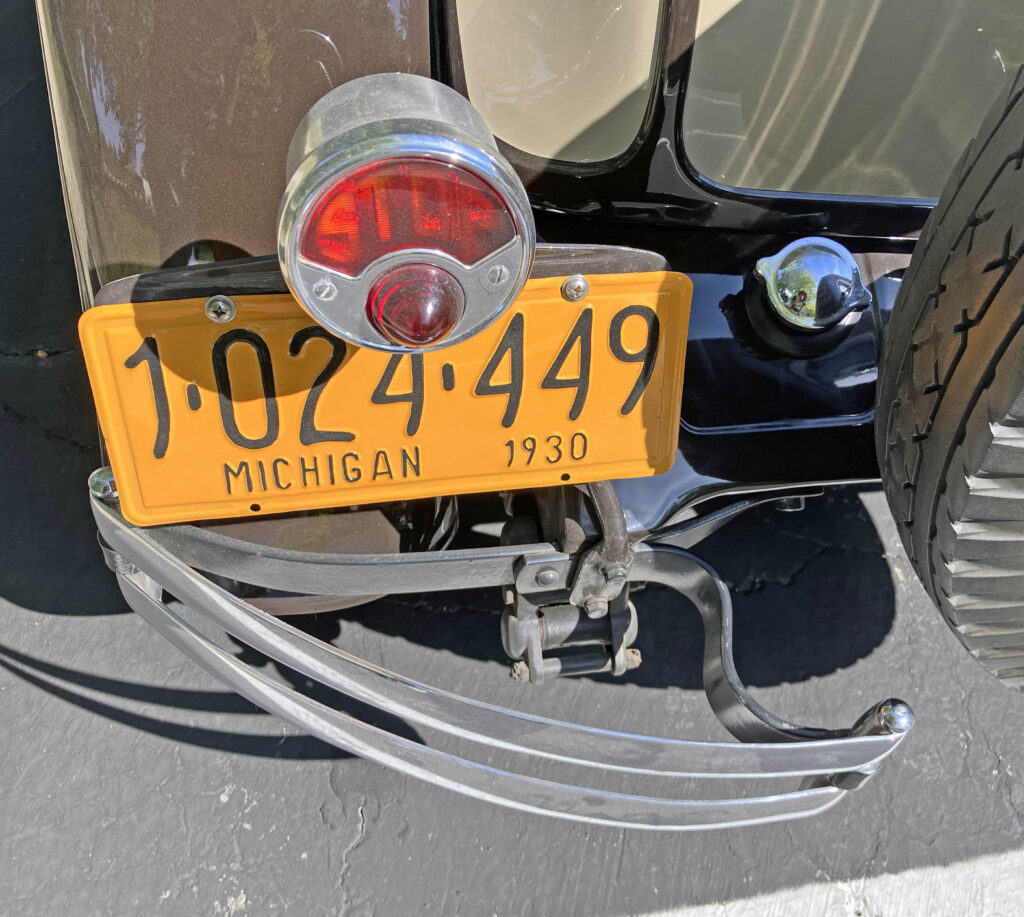
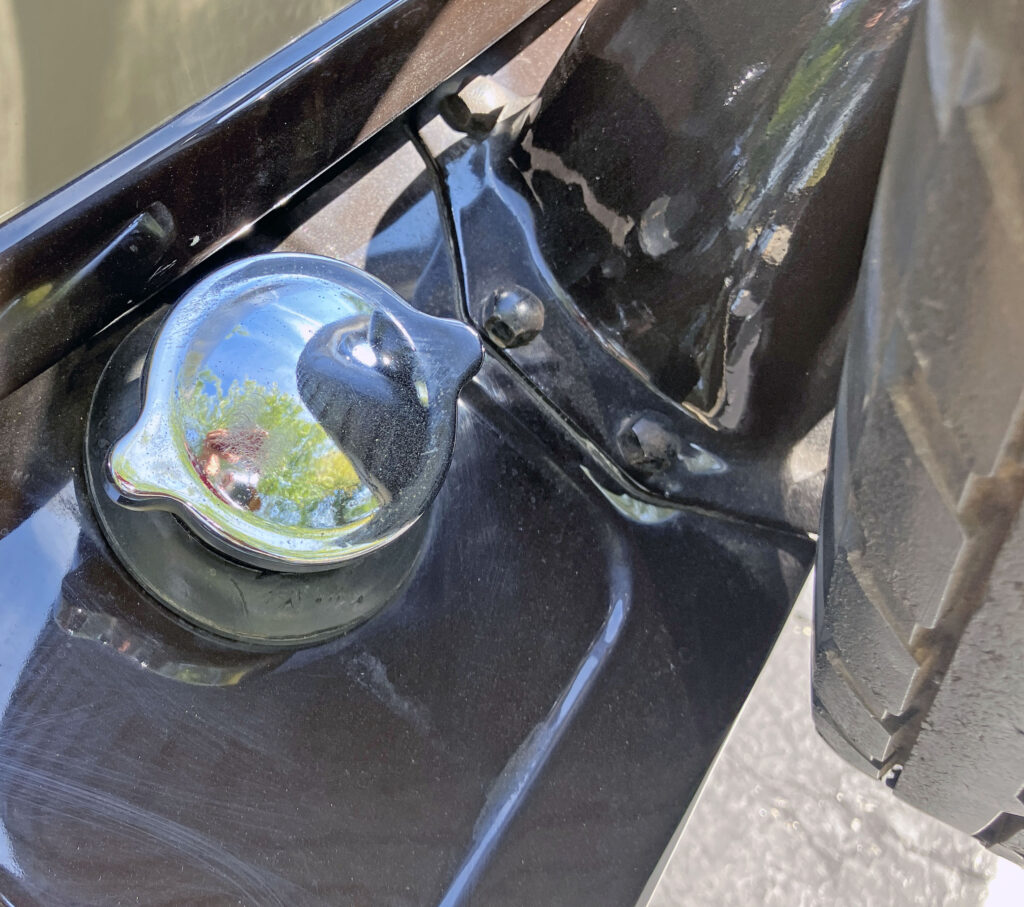
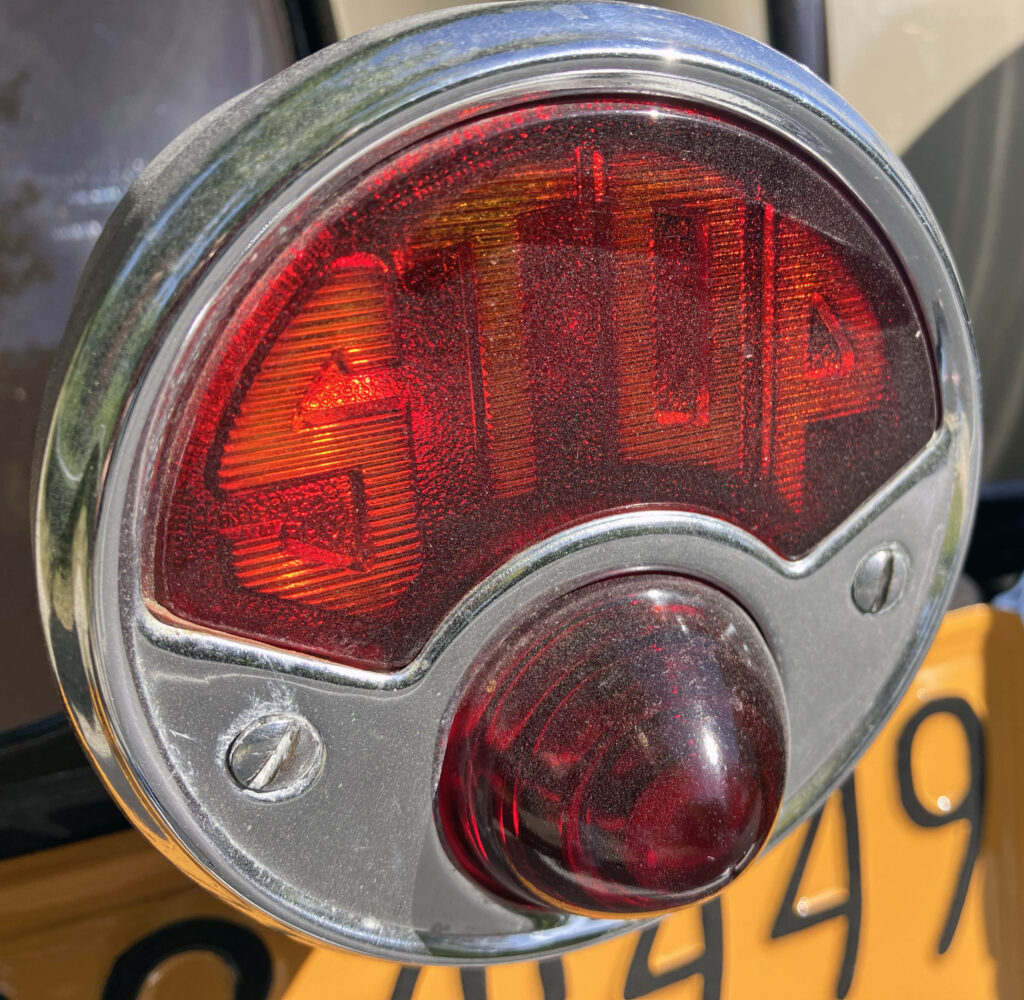
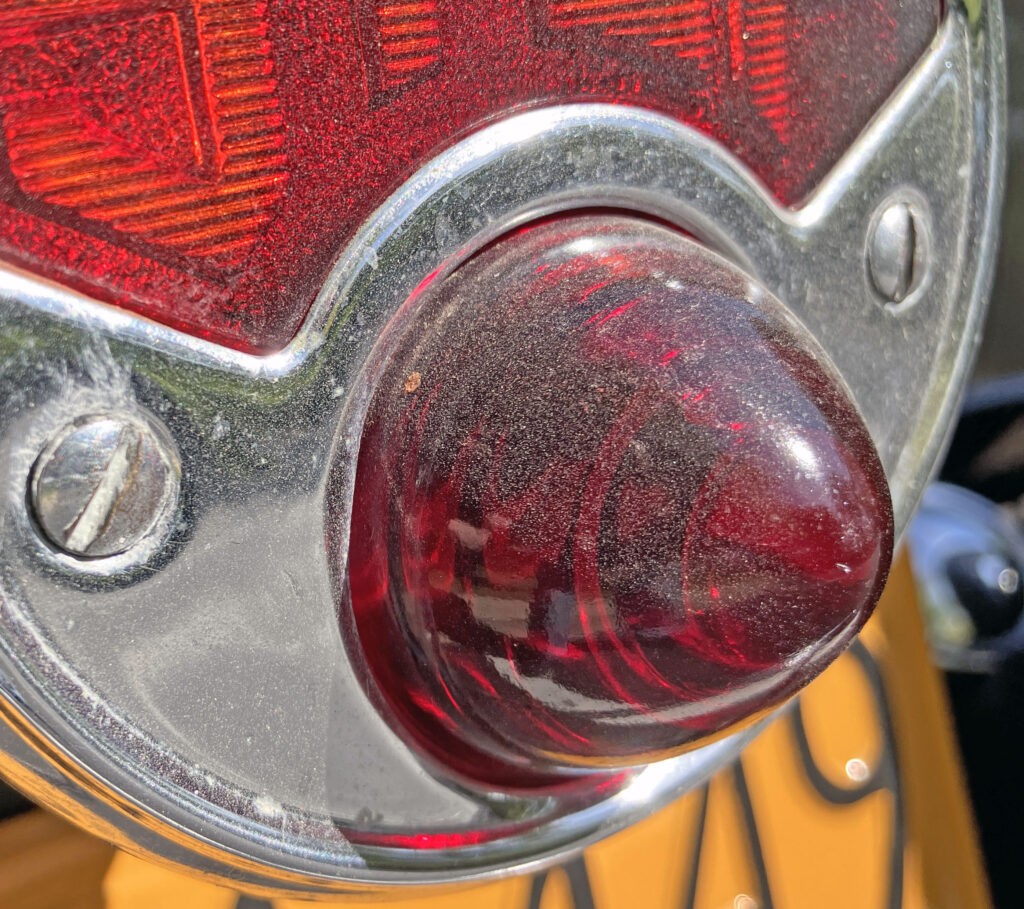
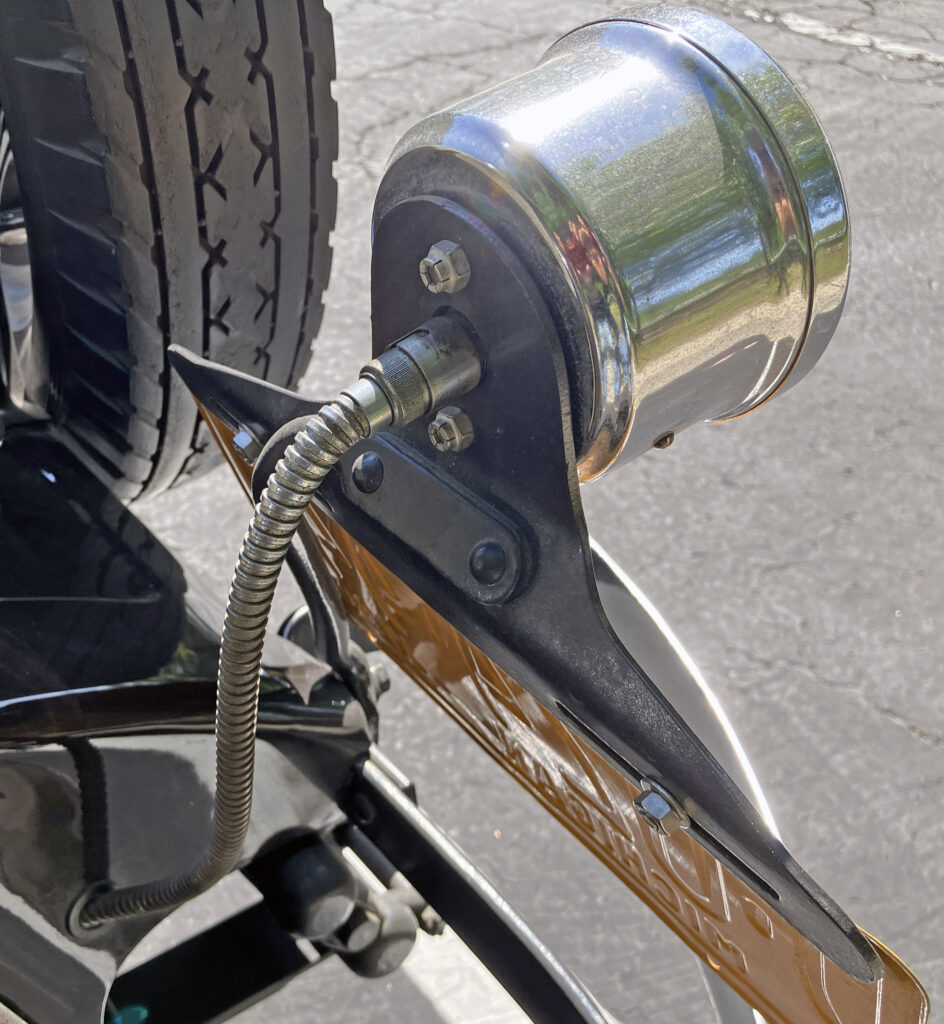
The bumper mounts combine dark metal supports with bright trim, making the rear assembly look both delicate and purposeful. At the back, the lamp, license plate, fuel door and exhaust are still separate elements rather than parts of one smooth body treatment. A red rear lamp spells out “STOP” around its lens, and its metal face, bright fasteners and protective covering over the wiring give even this simple component a considered finish.
A glimpse of a changing car culture
The Commander’s coachwork sits between carriage construction and the more integrated bodies that followed. Its exterior combines ornament with practical hardware, and its parts remain easy to distinguish from one another. Later styling would bring smoother forms and more unified bodies, but this car’s appeal lies partly in showing how each element was made to work as well as look right.
The Victoria wasn’t the most expensive car on the road, and it didn’t need to be. Its layered paint, carefully shaped fenders, long hood, running boards, eight-cylinder badge and rear passenger seat gave it a strong identity for its price class. The $1,515 asking price put it well above a basic Model A, while remaining far below the cost of a Duesenberg, which the source notes was at least six times as expensive in 1930.
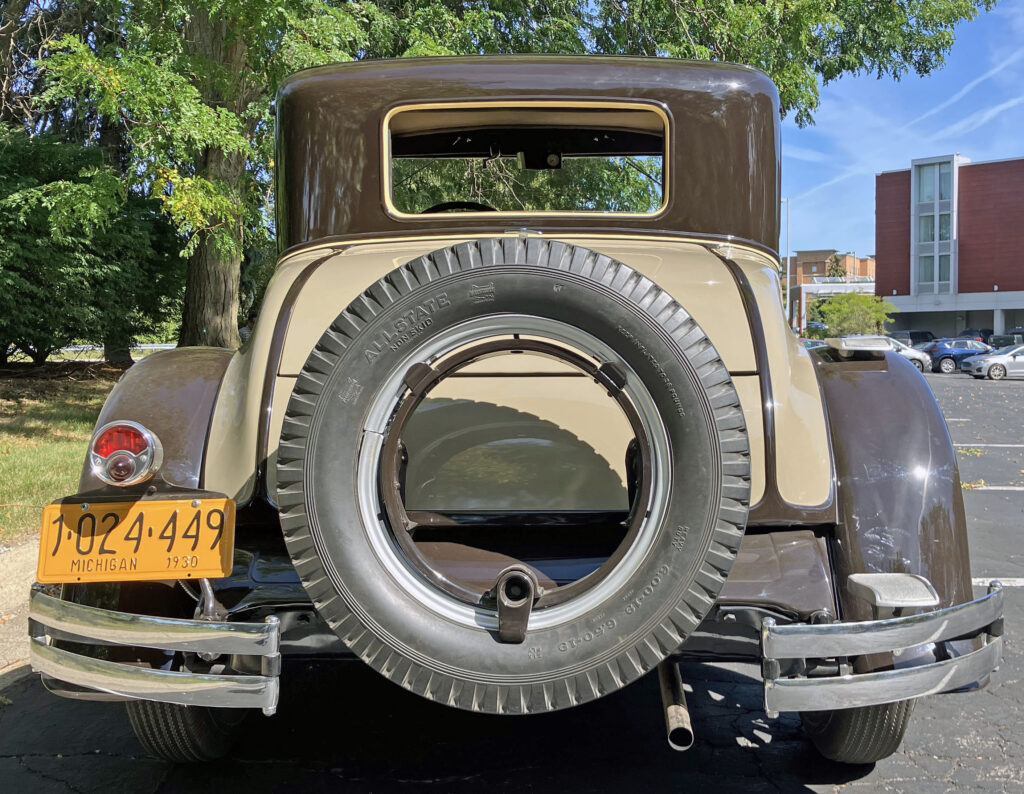
That middle ground is what makes the Commander 8 Victoria compelling. Its design carries the optimism of a period when the automobile was expanding its role in everyday life, while its storage nook, spare-tire mount and rumble seat show how its shape served its owners. Some choices, especially the cramped cargo arrangement, would demand compromises from a modern driver. But the details make clear that this was more than a decorated machine: it was a practical car shaped to feel special.
The 1930 Studebaker’s strongest impression comes from that balance. It wears its engineering in the open, puts the eight-cylinder identity where passersby can see it, and uses color and bodywork to lift a useful car into something aspirational. The profile may look dated now, but its mix of style and purpose explains why the Victoria body still turns heads.


