In lane Electric Vehicles
Why Maverick Ideas Still Make Some of the Most Memorable Cars
Description
From the Renault 5 to the Toyota Prius, several defining cars began as ideas that conventional market research might have missed.
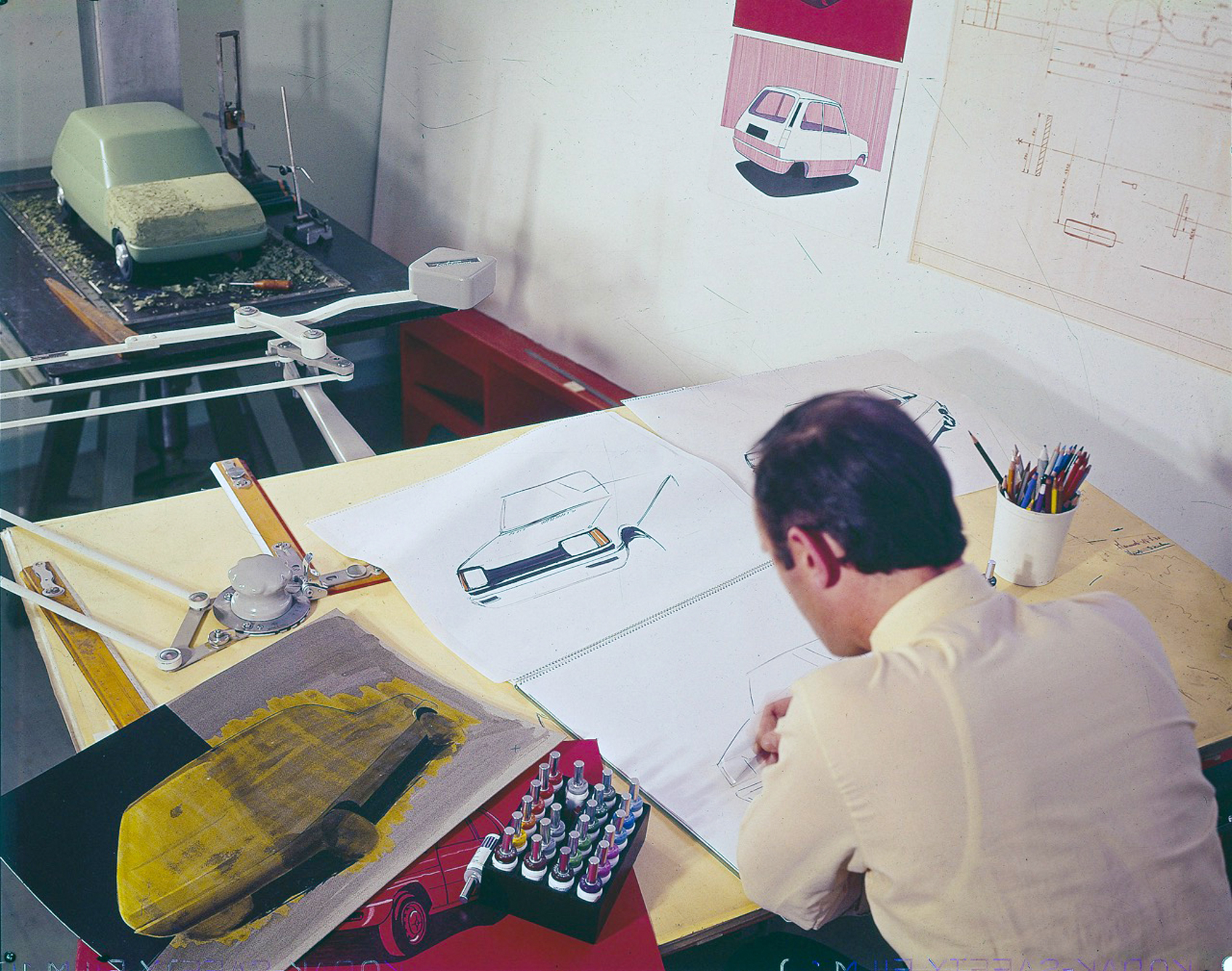
Some of the cars that matter most began with a small group of people deciding that the usual way of doing things wasn’t good enough. Their stories make a case for giving designers and engineers room to act on a strong idea, even when it falls outside a company’s predictable product plan.
That can be hard to achieve in a business where a new model has to satisfy many people before it reaches a showroom. Focus groups and market research can help companies understand what buyers say they want. But when the process rewards agreement above all else, it can also favor cars that feel familiar in every respect. The result may be easy to explain and difficult to remember.
The Austin Montego, Citroën C5, Jaguar X-Type and Toyota Corolla appear here as examples of cars the writer considers uninspiring. The Vauxhall Vectra became a memorable punchline for a different reason: Jeremy Clarkson struggled to find much to say about it in a BBC road test, likening the experience to reviewing a microwave oven. The point isn’t that every mainstream car must be eccentric. It’s that a safe consensus can leave little for drivers to care about.
Engineers who pushed past the brief
Some of the clearest examples came from people inside established carmakers who saw a different use for the parts and platforms around them. In the early 1970s, Hans Werner Aufrecht and Erhard Melcher turned a Mercedes-Benz 300SEL 6.3 into a 6.8-liter racing car. Spectators reportedly expected the project to fail. Instead, it won its class and finished second overall at the 1971 Spa 24-hour race. The car’s impact reached beyond the circuit: the story links its influence to the 1975 Mercedes-Benz 450SEL 6.9, often regarded as the original super saloon.
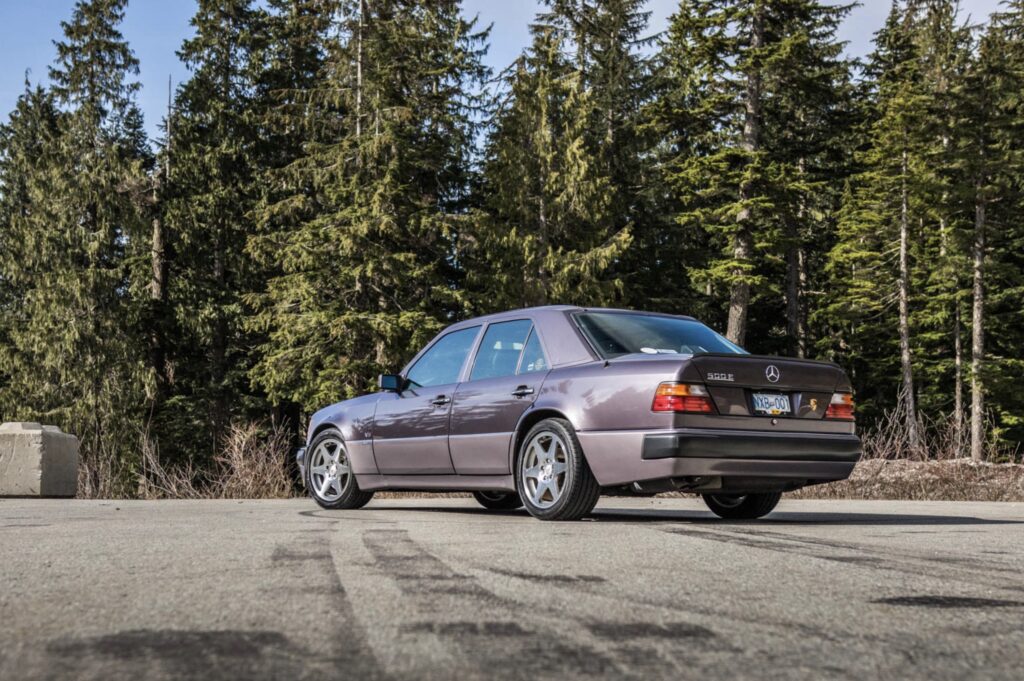
Mercedes engineers found another way to exceed a modest brief in the 500E, which arrived in 1990. The initial plan was for a mildly upgraded 300E. A group of engineers believed it needed a more powerful engine and proposed adapting the all-alloy, 32-valve M119 V-8 from the R129 500SL. The block, crankcase and connecting rods were modified for greater strength, and the project went to Porsche, which was short of cash at the time. The resulting 500E, later called the E500, became a discreet high-speed sedan. Its appeal rests on the gap between its restrained appearance and its serious performance.
Not every influential idea was about speed. Bernard Hanon, Renault’s head of planning, wanted a car with broader appeal to younger buyers than the aging Renault 4. Designer Michel Boué began sketching in his spare time, reworking the 4’s platform into the Renault 5. Hanon recognized the idea’s potential and pushed to get it into production. More than 5.5 million were built, a result that gives the car’s unlikely beginnings a striking commercial sequel. The Renault 5 showed how a fresh design idea could make existing engineering feel new to a different audience.
A practical idea can change a lineup
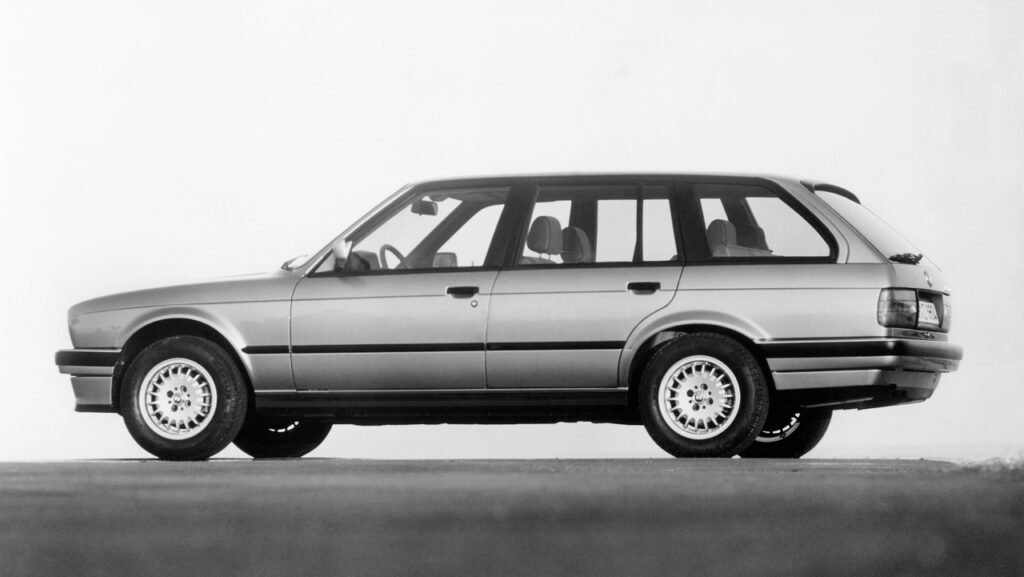
BMW’s first 3 Series estate began as a personal solution to a family’s practical needs. In the 1980s, prototype engineer Max Reisböck and his wife wanted a BMW that could carry their children, dogs, bikes and bags. Since the company didn’t offer the estate they needed, Reisböck converted a 323i himself, using an angle grinder to create a prototype.
Word travelled through the company until the board took an early look at the car. Reisböck’s project made the case for an estate in a way that expensive research hadn’t: the need was visible, and the prototype showed what the solution could be. The episode is a useful reminder that a homegrown prototype can make a product opportunity concrete for decision-makers.
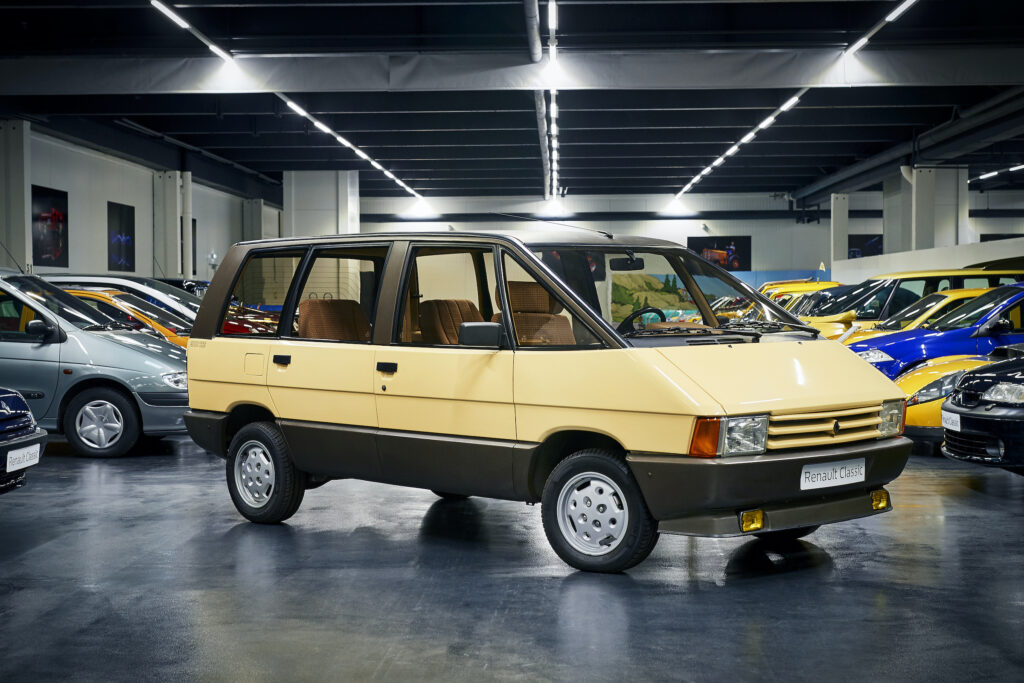
The Renault Espace also started with a designer imagining a more useful family vehicle. Fergus Pollock, working for Matra, sketched the idea in 1976. The concept was refined before Renault commissioned it. Its case depended on more than space: adaptable packaging and seven seats had to come with affordable engineering, so the car wouldn’t become prohibitively expensive to build or excessively heavy.
That practical foundation eventually led to a very different machine, the Renault Avantime. With its striking shape, it seemed better suited to a design museum than an executive car on the autoroute. The leap from family-focused packaging to such an unusual model shows how a useful idea can open the door to a bolder interpretation.
Small teams, lasting influence
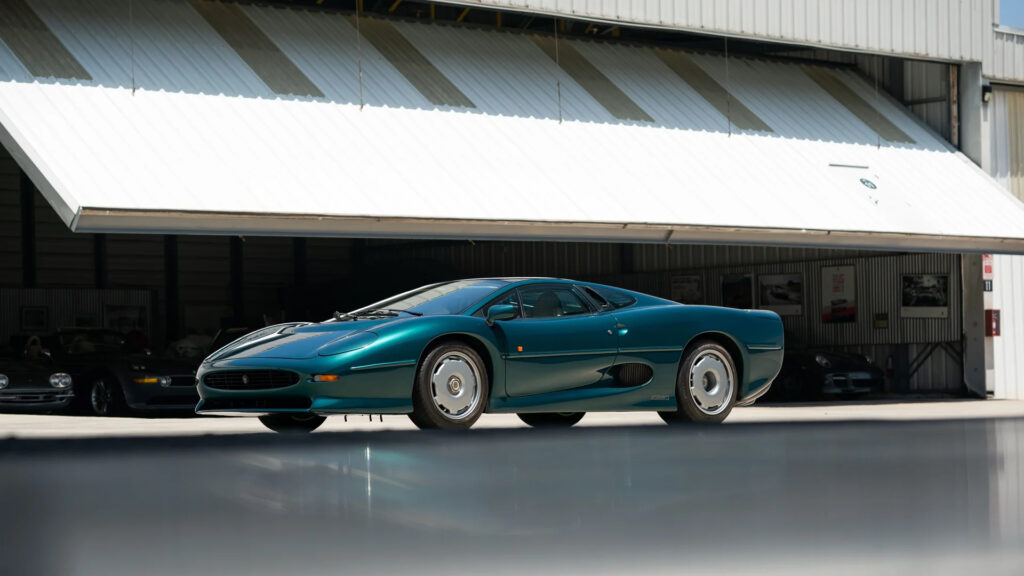
The Jaguar XJ220 grew from a weekend project by a group of no more than a dozen people, nicknamed the “Saturday Club.” They worked without pay on a sports car that could help return Jaguar to success on the racetrack. The finished car briefly held the title of the world’s fastest production car, with a stated top speed of 217 mph. Its path from an unofficial group effort to a landmark supercar depended on persistence from people willing to build the idea before they had a formal route to production.
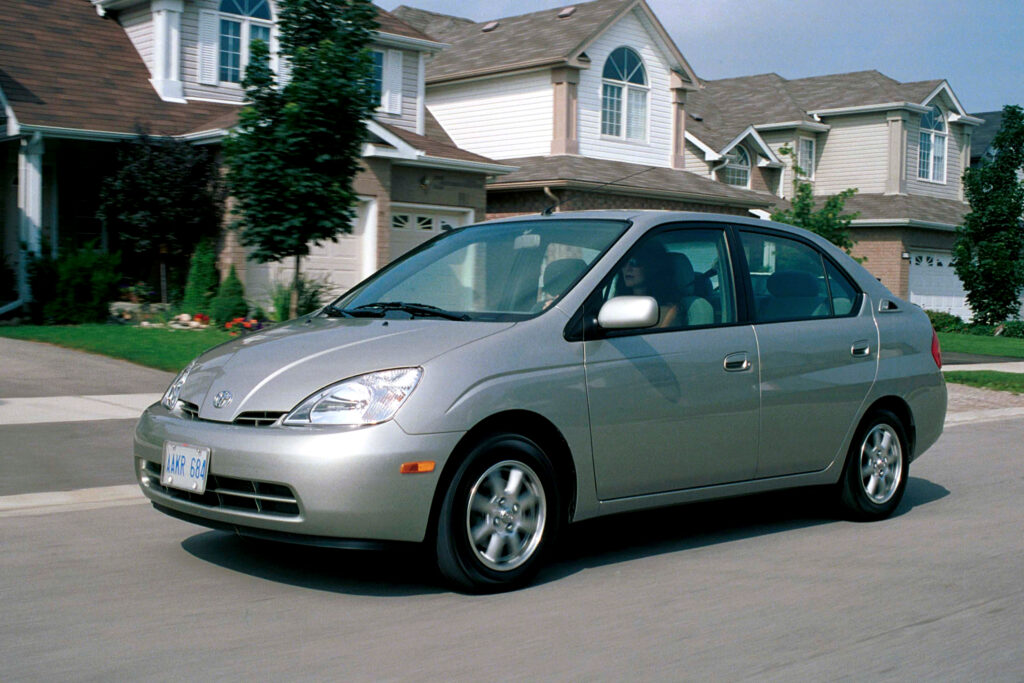
The Toyota Prius may be the most unlikely success in this group. More than 4.5 million have been made, and the model became influential despite beginning as a skunk works project involving just 10 people. It may not be especially engaging to drive, but that weakness sits alongside a much larger achievement: a small team helped bring a distinctly different kind of car to a huge number of drivers.
These projects don’t prove that every unfiltered idea deserves a production line. They show why companies benefit when capable people can make a prototype, test an unusual direction and put the result in front of decision-makers. Research can describe what buyers already recognize. A committed designer or engineer may reveal a need, or a possibility, that the survey never asked about. For carmakers seeking models with character, the next memorable idea may start with someone who decides to build the car their company hasn’t imagined yet.


