In lane Electric Vehicles
Jaguar Type 00 Sets Out a New Electric Design Direction
Description
Jaguar’s Type 00 pairs a long bonnet and short cabin with a distinctive cabin design as the brand prepares an all-electric relaunch.
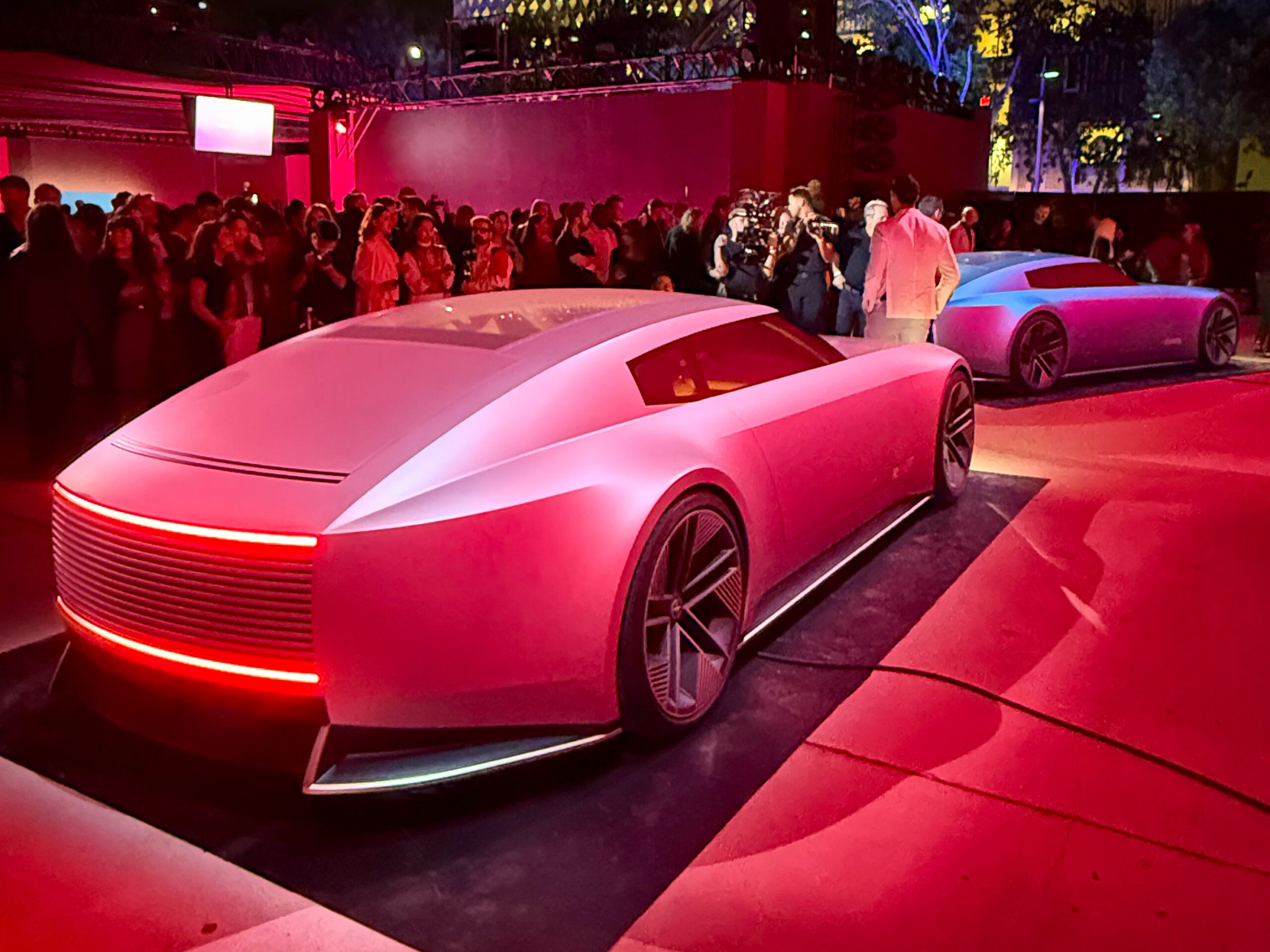
Jaguar’s Type 00 makes the brand’s electric relaunch visible in one decisive move: it leaves familiar styling cues behind while keeping the long-bonnet, short-cabin proportions associated with classic sports cars. The concept, unveiled in Miami, previews a design direction for a brand whose future models will use battery-electric drivetrains.
The break with the past comes amid a steep decline in Jaguar’s U.S. sales. The company sold nearly 55,000 cars there in 2003; two decades later, it struggled to sell 8,200. Jaguar’s existing models are also drawing down as it prepares its relaunch. The design challenge, then, is larger than giving an electric car a different face: the brand needs to make its next chapter recognizable on its own terms. Its new design direction is an attempt to do that through a deliberate departure.
Familiar proportions, unfamiliar electric-car cues
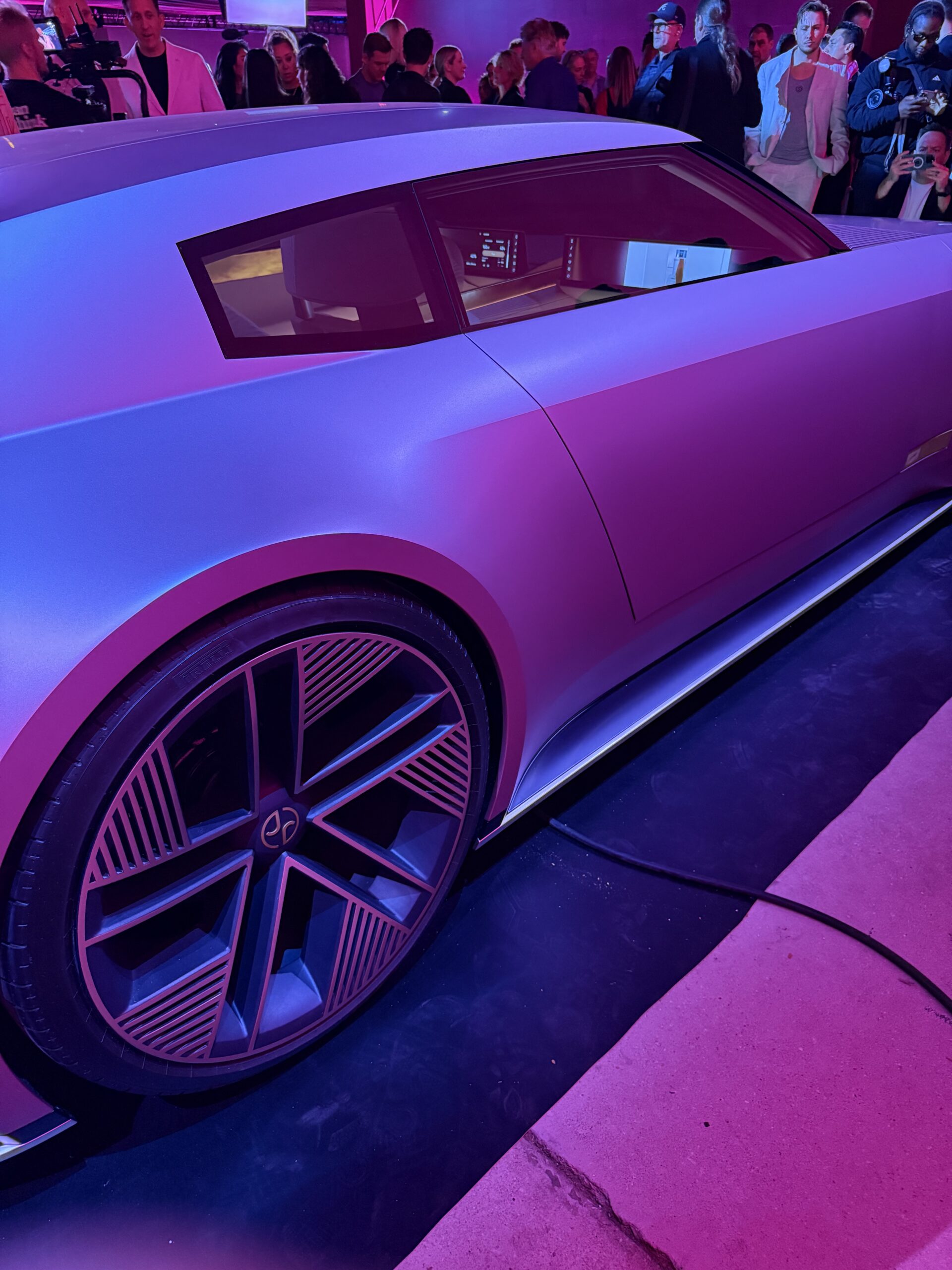
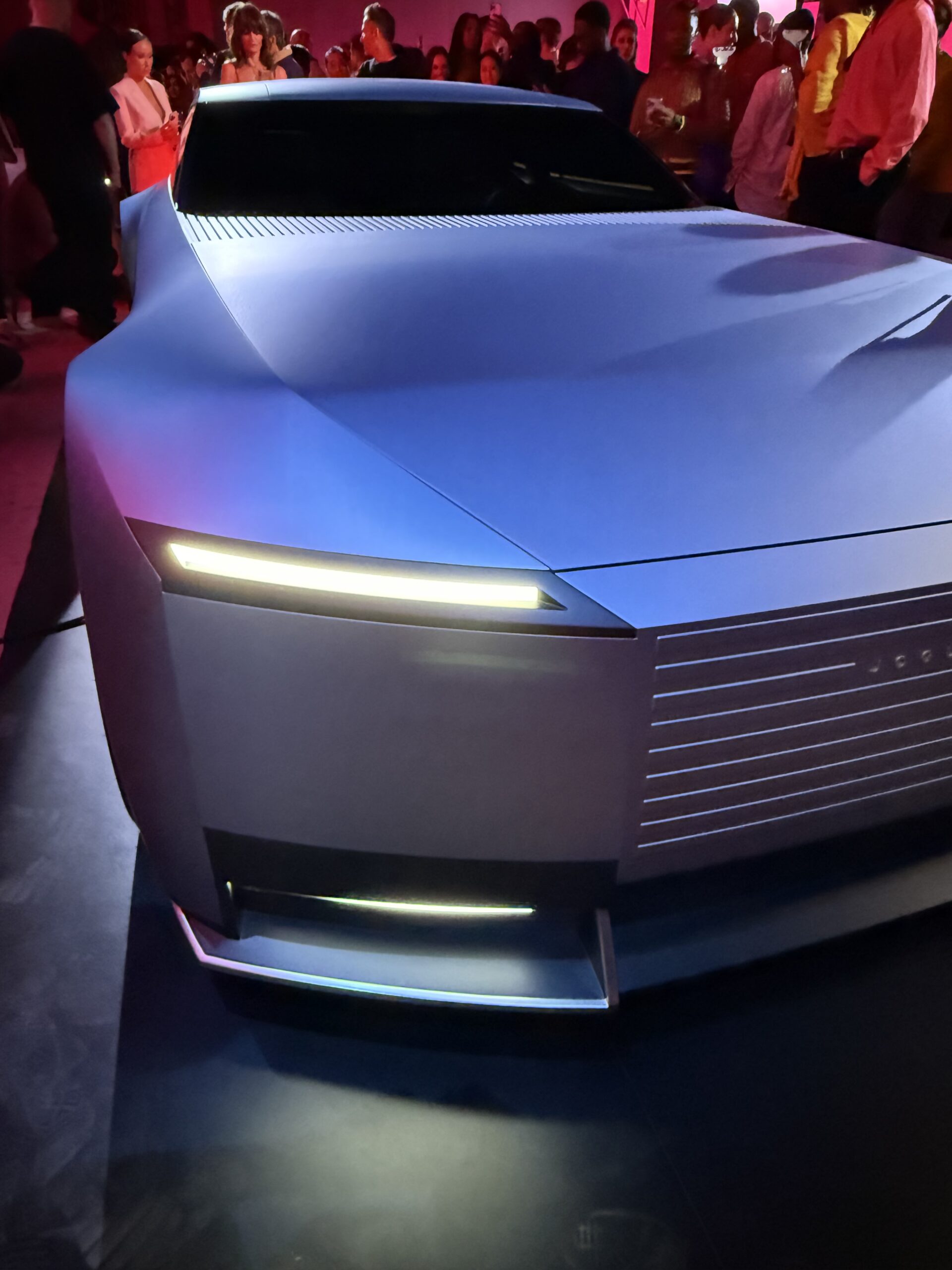
Many electric cars take advantage of the absence of a front engine to move toward a cab-forward shape. Jaguar’s designers chose a different route, preserving the classic long hood and short cabin. Chief exterior designer Constantino Segui Gilabert said the team saw those proportions as an unusual and interesting choice for an electric car. That decision gives the Type 00 a different silhouette from the familiar pattern of EVs with a short front end and a cabin pushed forward.
Jaguar chief creative officer Gerry McGovern framed the change as a return to the brand’s appetite for original design, rather than a return to any one historic shape. At the unveiling, he pointed to the first impressions made by the E-Type: in his view, it was “a copy of nothing.” Jaguar’s founder, Sir William Lyons, likewise changed design direction when he thought a more modern approach called for it. The Type 00 takes that history as permission to move on, not a template to reproduce.
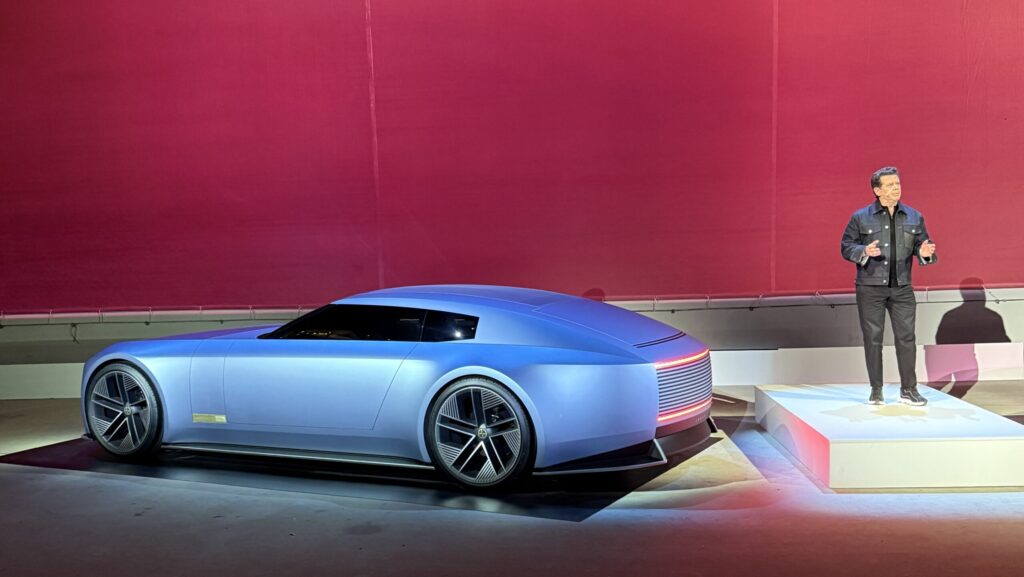
Gilabert said McGovern encouraged the team to be progressive and gave it room to pursue a bold design. That freedom matters because the concept doesn’t aim to soften the transition to electric power by borrowing heavily from Jaguar’s recent models. Its name, Type 00, signals a reset; its proportions and surfaces make the reset apparent.
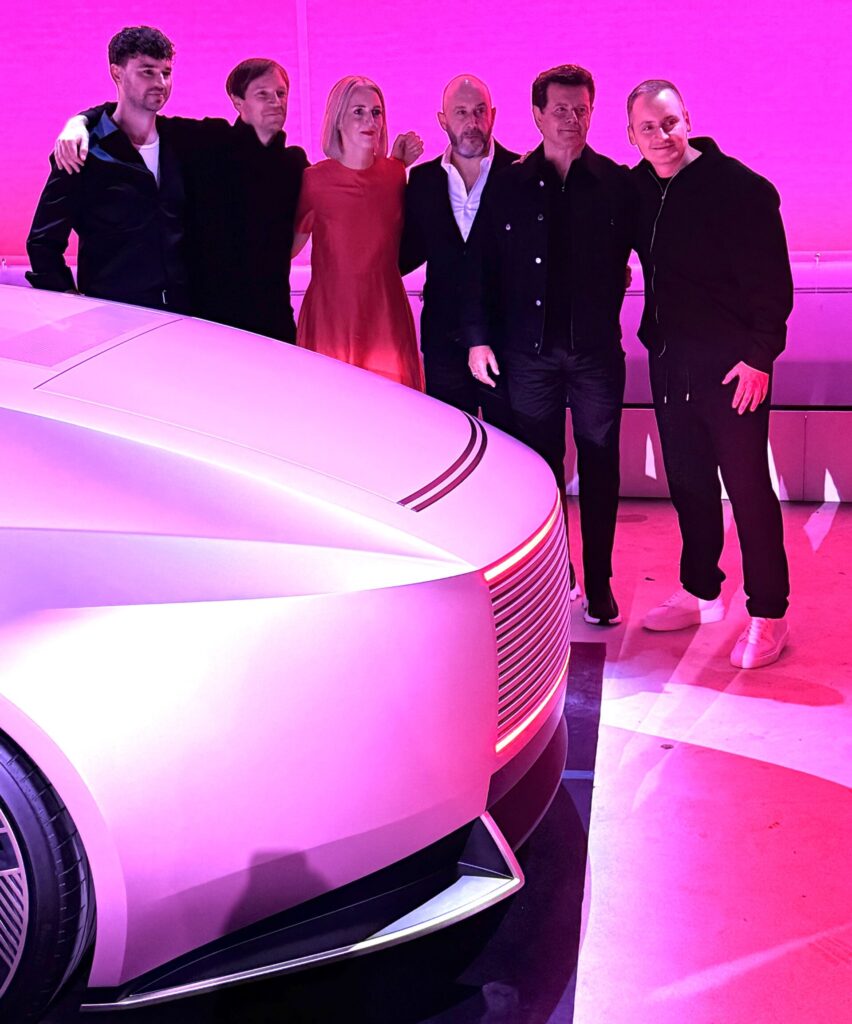
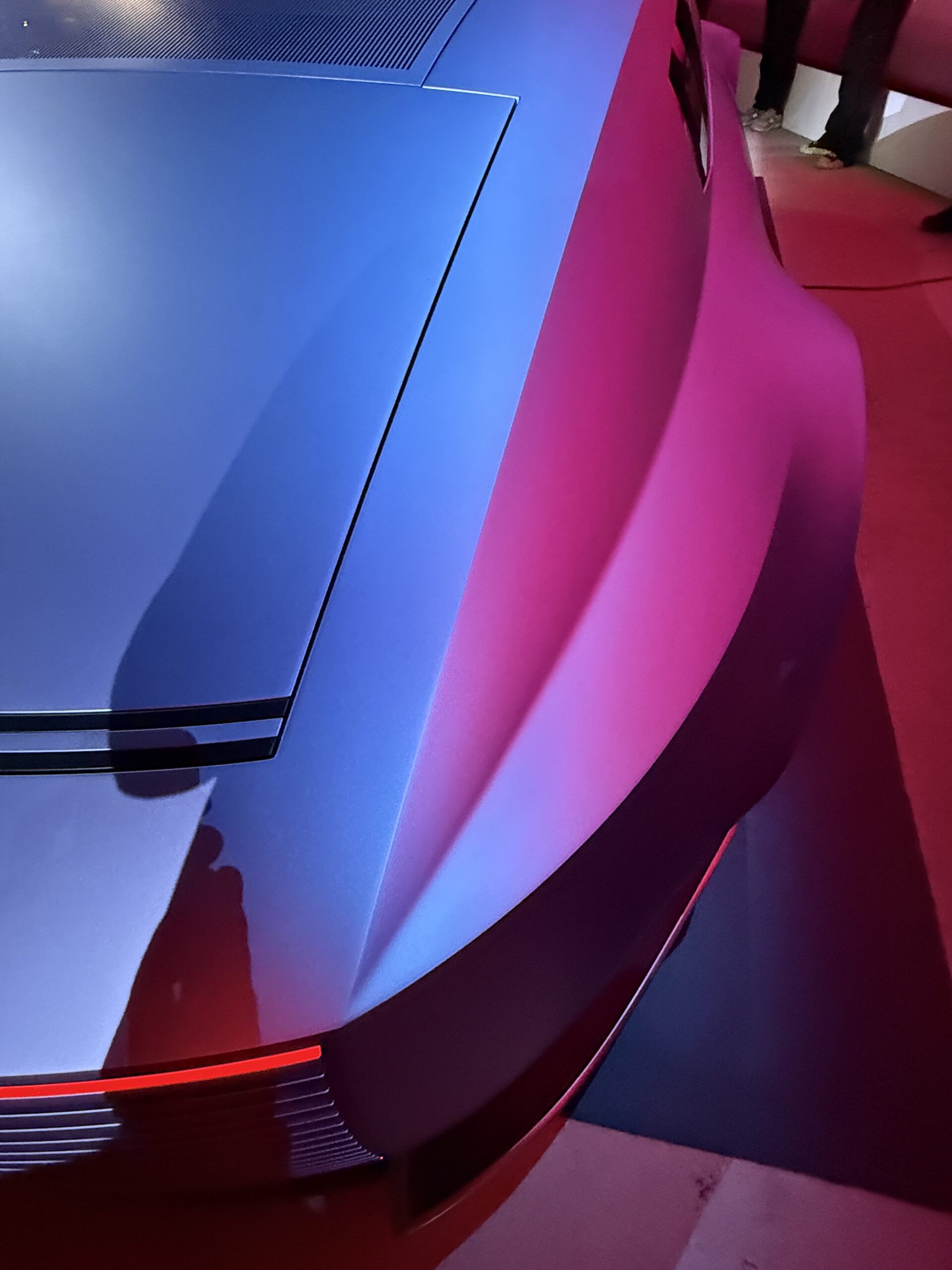
The front end also avoids the small frontal area common on many EVs. Jaguar says the concept’s front and rear fascias are “very close” to those planned for a four-door GT, which the company expected to unveil in late 2025. That car is also set to use the Type 00’s unusual rear treatment: there’s no rear window, and side-mounted cameras deploy when needed. For drivers, that makes the production car’s eventual view behind the vehicle a practical detail to watch alongside the striking exterior.
A single design language inside and out
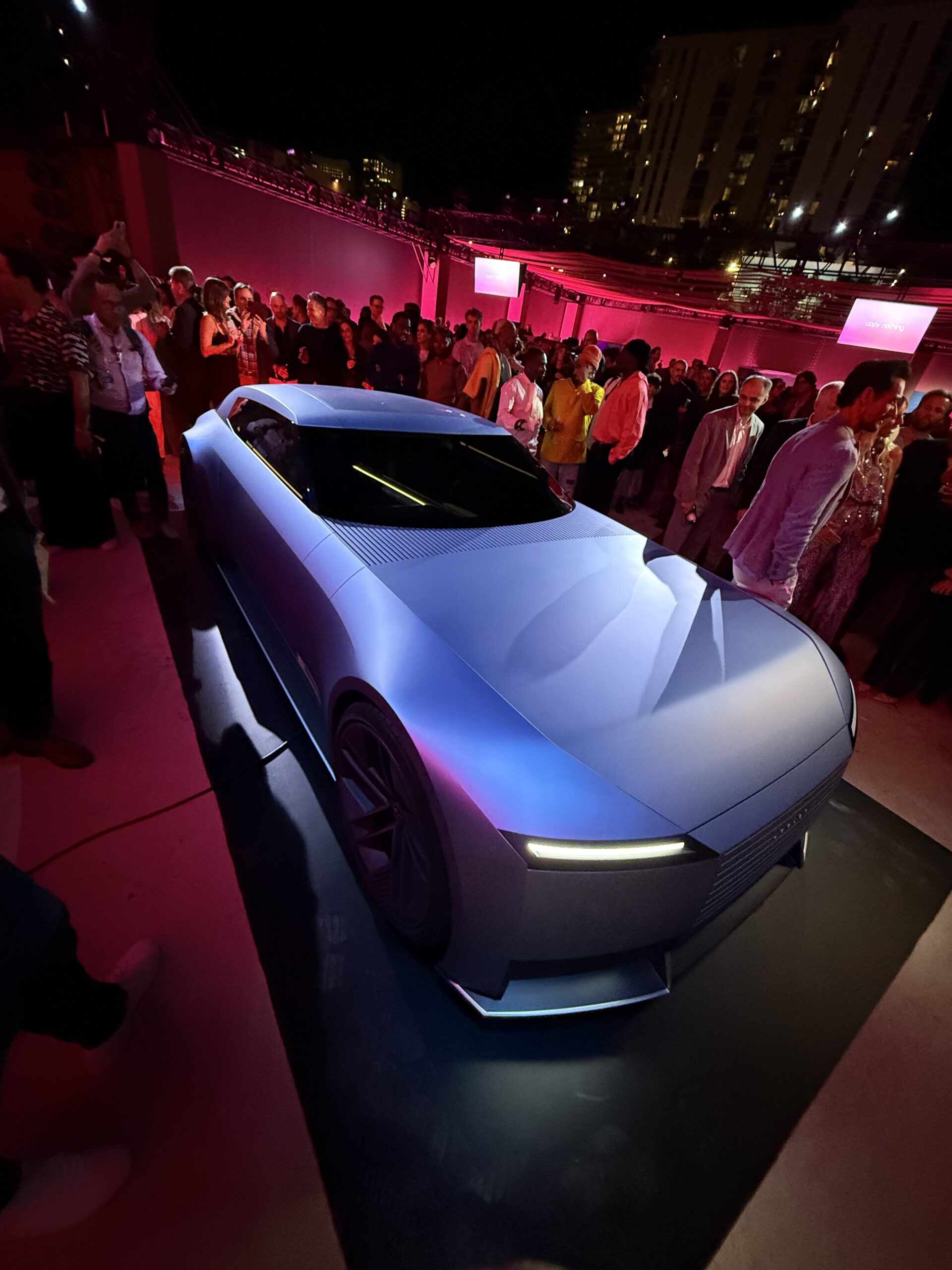
The concept’s exterior and cabin share a graphic element Jaguar calls the strikethrough: a field of parallel lines that runs from the hood into the cabin, across the top of the instrument panel. The motif also appears on both fascias and on a redesigned leaper ingot mounted on each side. Jaguar intends the treatment to become a styling hallmark, giving the car a repeated visual signature rather than relying on a familiar grille or badge alone.
Inside, screens can fold away when the driver doesn’t want them in view, leaving a small display with essential information at the base of the windshield. That approach puts the emphasis on the cabin’s shapes and materials when the screens are stowed. It’s a strong concept-car gesture, though how much of it reaches the production GT will determine whether the idea works as a daily-use feature.
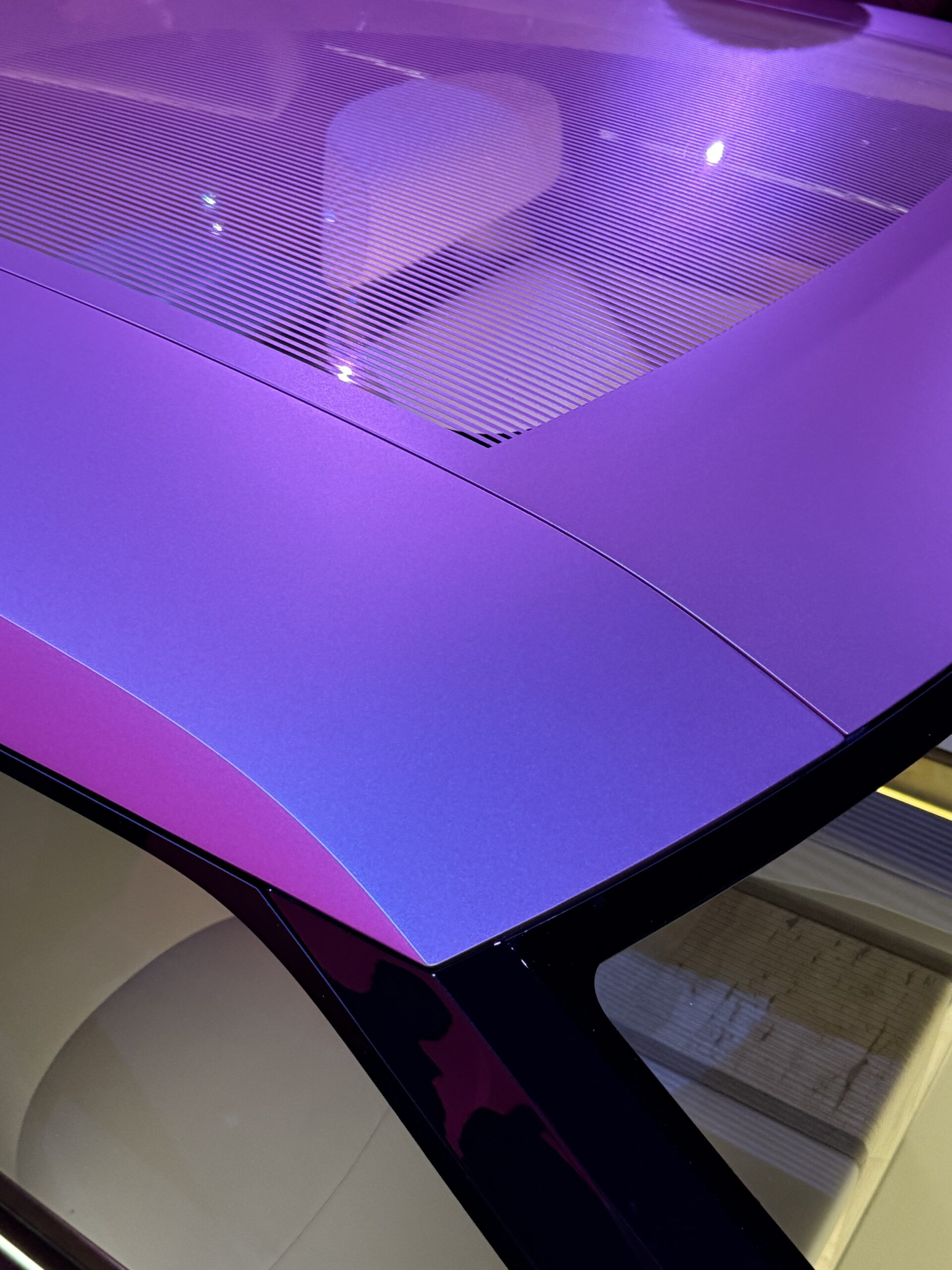
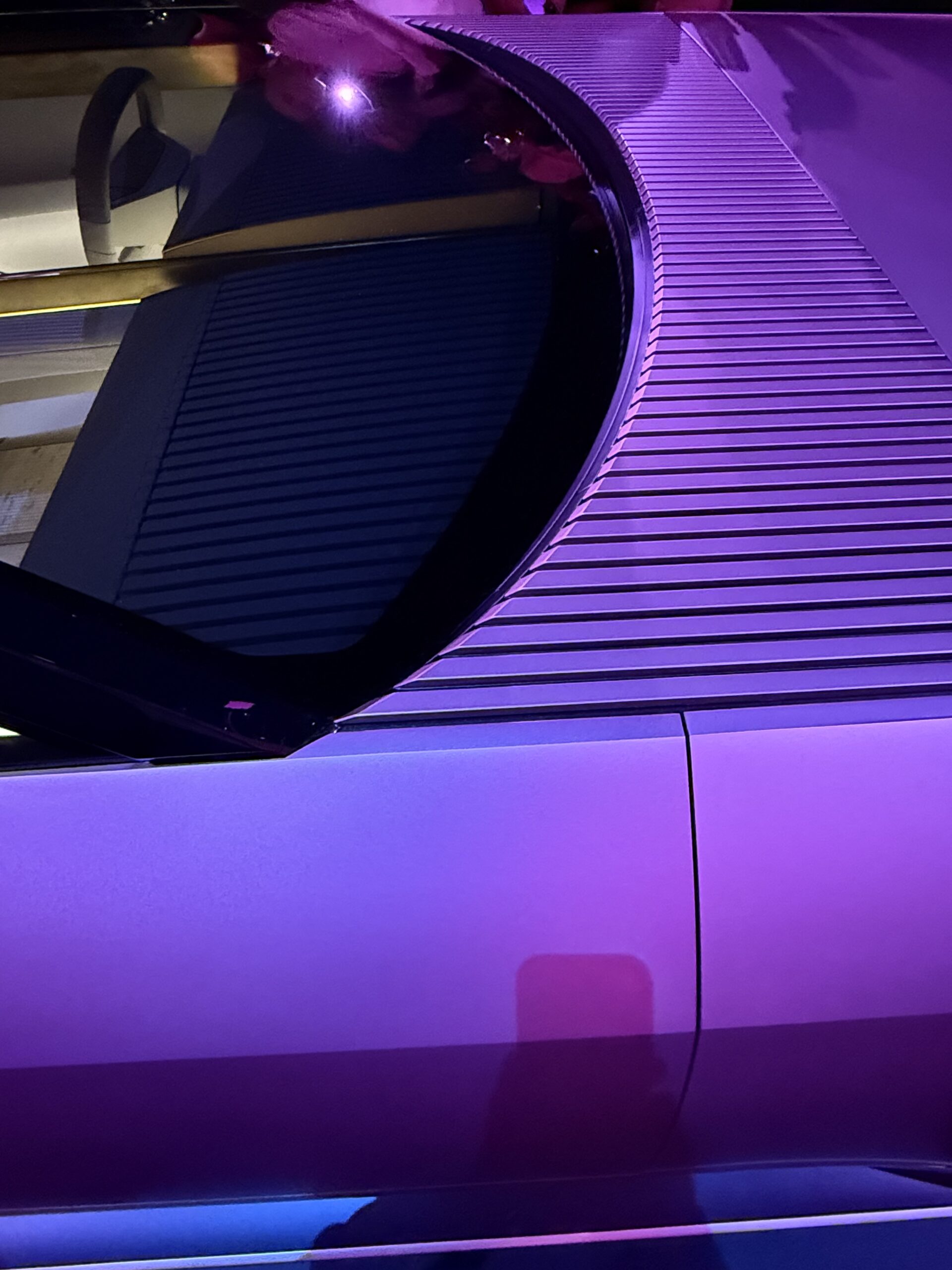
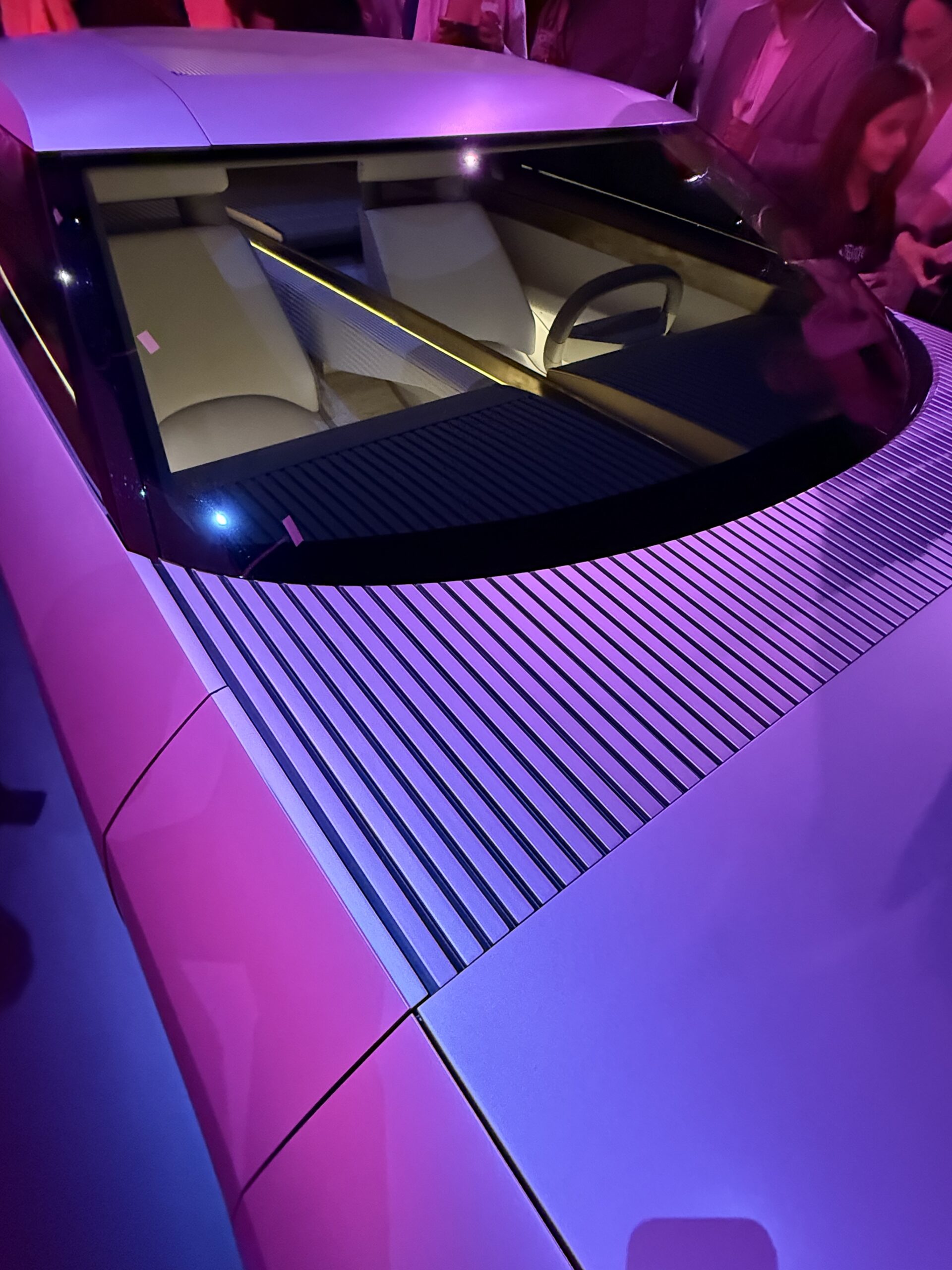
Jaguar’s design team numbers about 800 people, but interior design chief Tom Holden described a process built around making the car feel like one coherent creation. The shared strikethrough is one result: an exterior detail carried into the cabin, linking two areas often developed as separate design problems. That unity helps the Type 00 feel intentional despite its many distinctive elements.
Material choices push the concept further. Brass appears in the cabin, inspired by the project’s early codename, Renaissance. Chief materiality designer Mary Crisp said the team was interested in how brass develops a patina over time, and questioned why automotive materials are expected to look the same from a car’s first day to its tenth year. She also said buyers shouldn’t expect brass in the production car, while indicating that Jaguar is exploring unusual interior finishes for it.
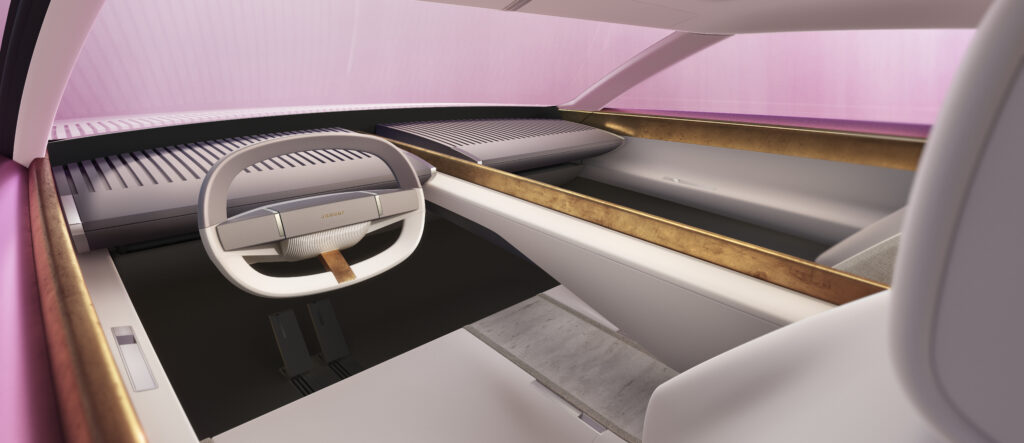
That qualification is a reminder of the concept’s role: it sets out an attitude and design vocabulary, while leaving production details open. For buyers, the next test is how Jaguar translates the Type 00’s proportions, camera-based rear view, stowable screens and material ideas into the four-door GT. The concept makes the brand’s intentions plain; the production car will show which ideas can become part of everyday ownership.
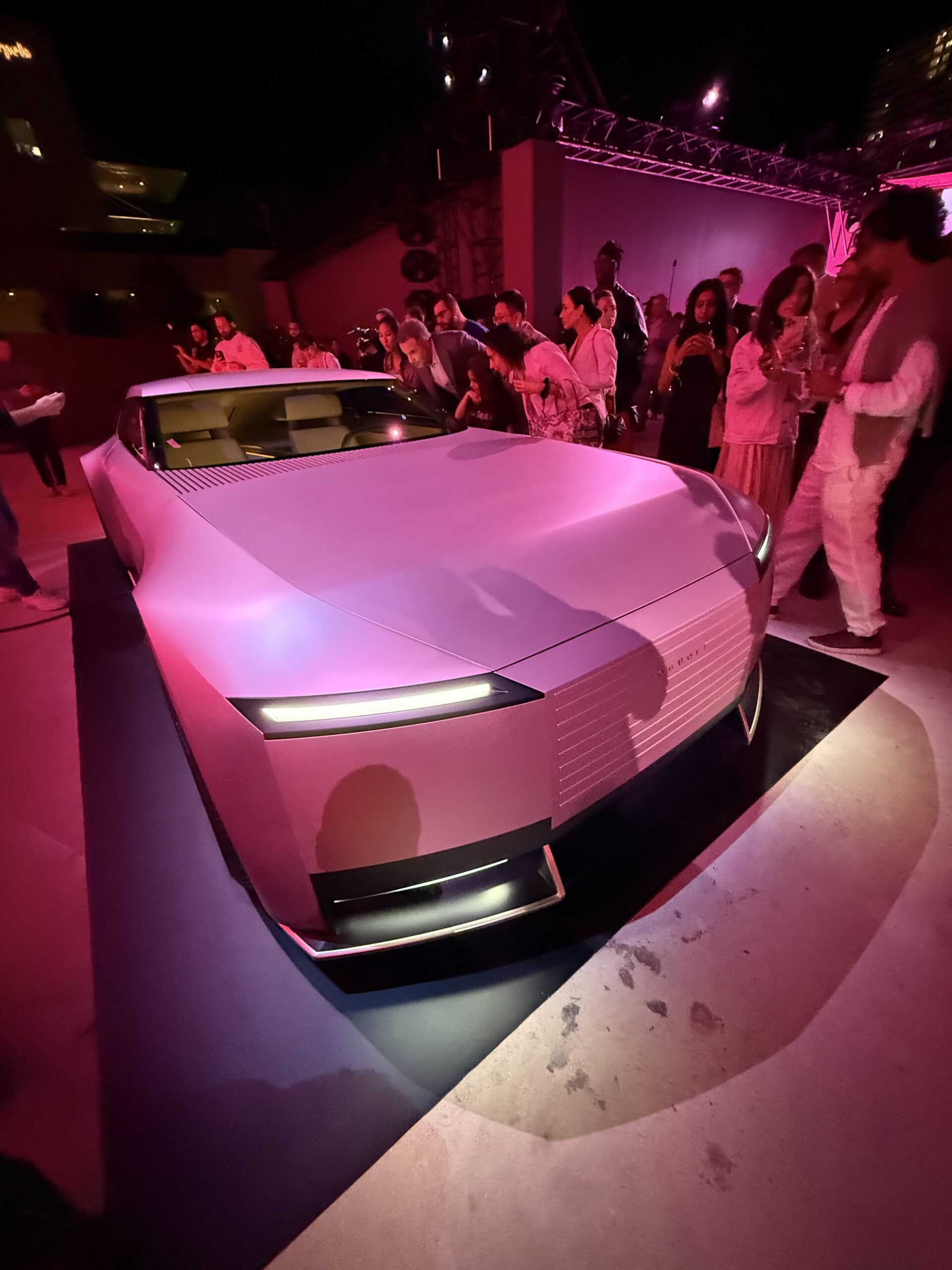
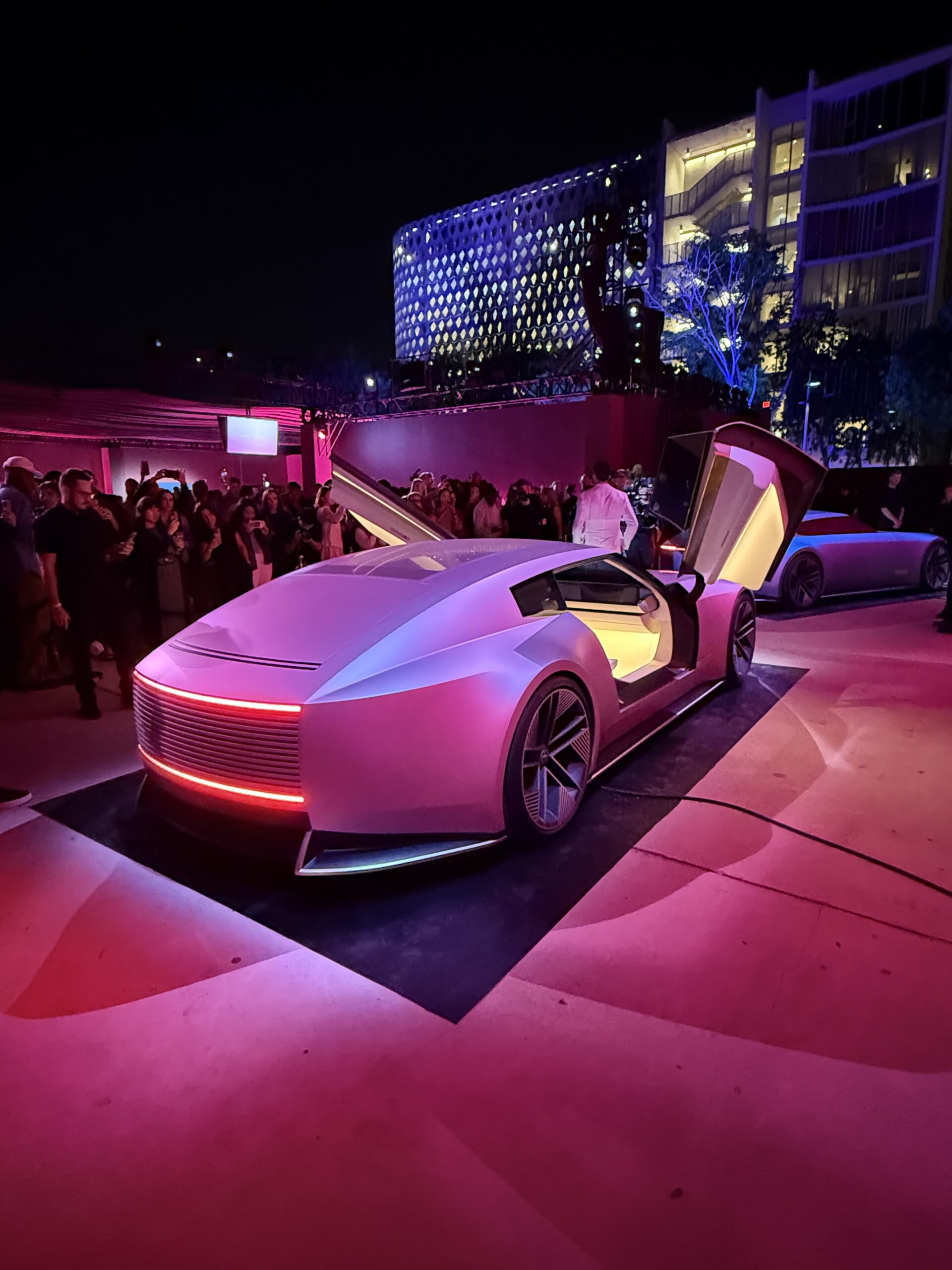
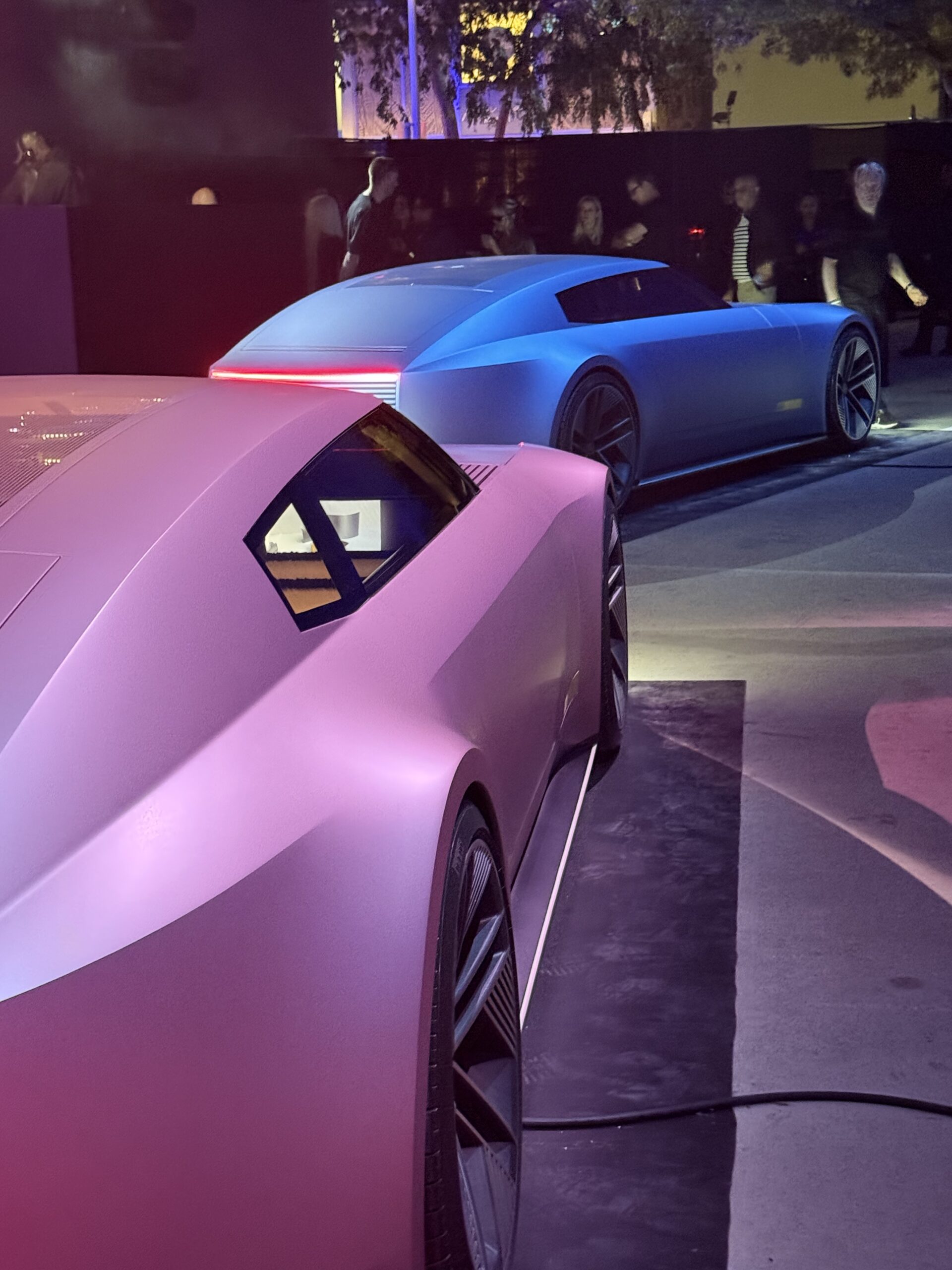
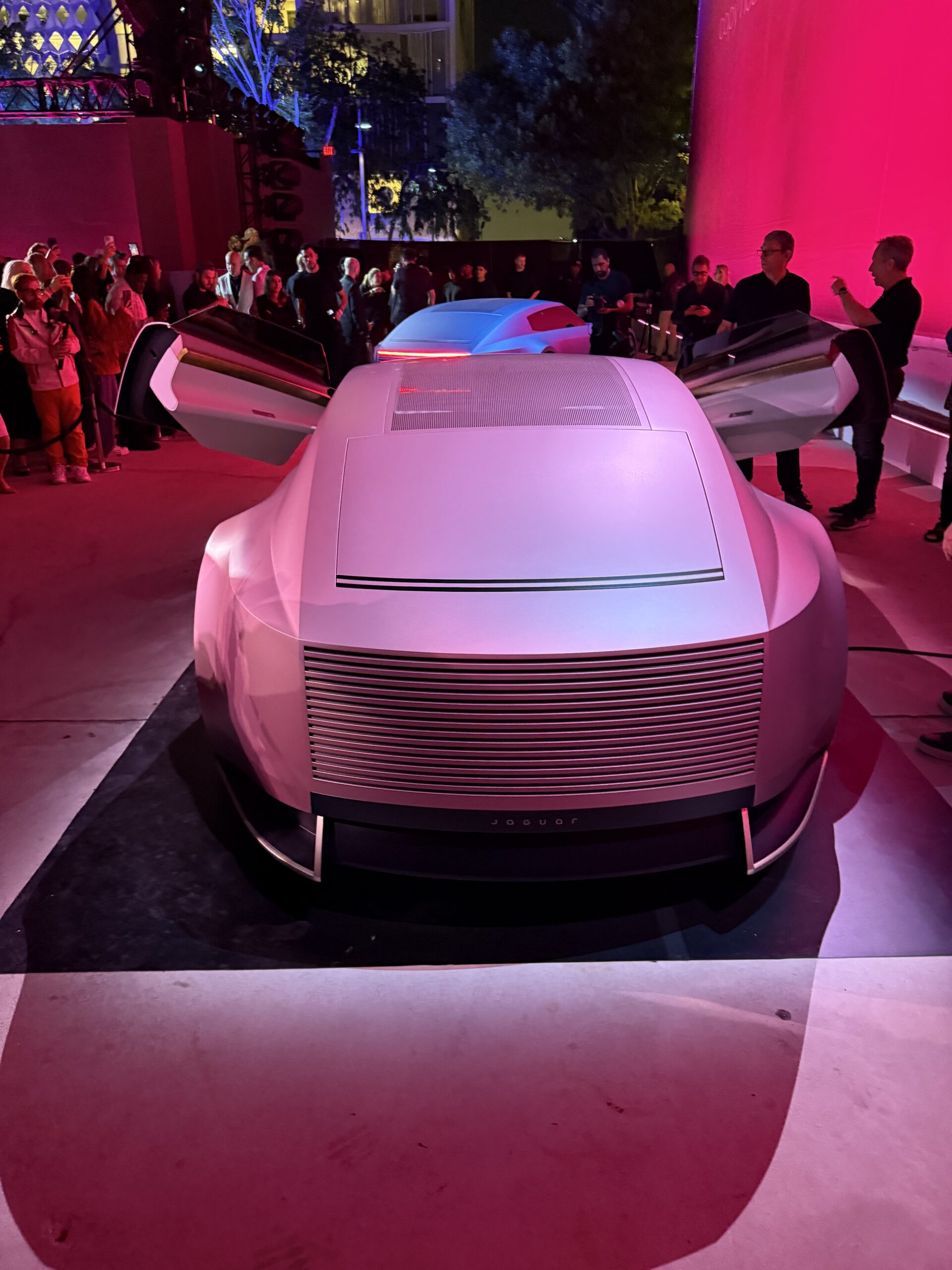
The Type 00 looks unlike any Jaguar that came before it, and its assertive appearance is part of the point. Jaguar brand design director Richard Stevens described the task as reimagining the brand’s fearless creative spirit for a new audience. The challenge now is to carry that spirit into a production car with the same visual conviction—and details that make sense once the concept leaves the show stand.
The post Jaguar Execs: We Return to Our Roots by Ignoring Them appeared first on Hagerty Media.


