In lane Electric Vehicles
Jaguar Type 00 Design: Bold Proportions, Uneven Details and a Big Production Challenge
Description
The Type 00 makes Jaguar’s electric future impossible to ignore, but its unresolved front end and coming practical compromises leave key questions.
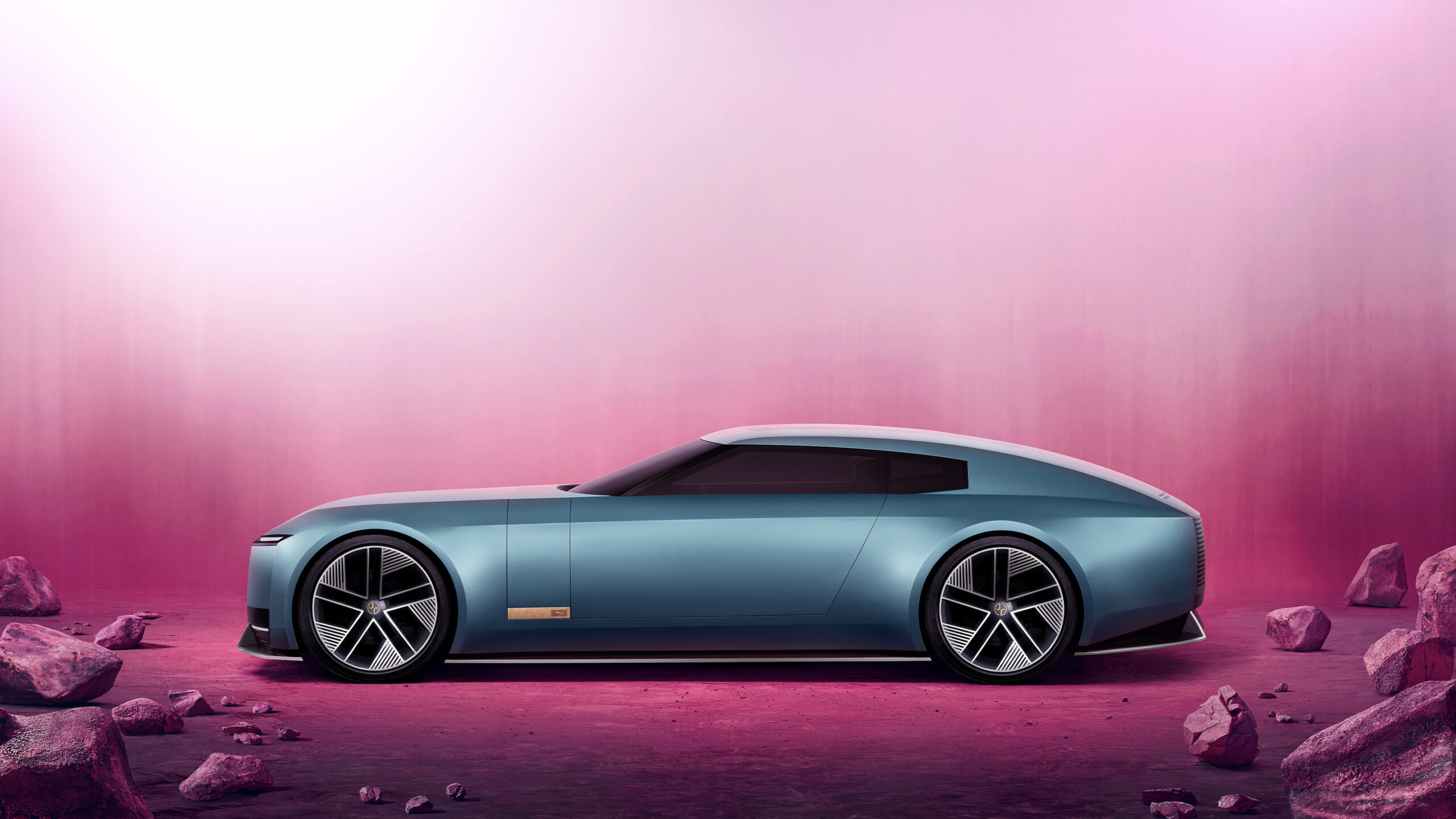
Jaguar’s Type 00 concept makes a clear case for one part of the brand’s new strategy: its next electric cars will need to look unlike anything else on the road. The concept has the scale and visual force to stand apart in a more exclusive market. Whether a production car can retain that presence while becoming practical is the harder question.
The challenge is larger than styling. Jaguar’s heritage remains potent among enthusiasts and collectors, but that history doesn’t automatically make the brand relevant to buyers who have no connection to its past. The comparison with Alfa Romeo is instructive: both marques have rich histories, yet their strongest associations often belong to earlier eras. Jaguar’s leadership has chosen a sharp break with its existing image rather than a gradual refresh.
The brand’s rebrand video prompted plenty of questions, and its glossy presentation didn’t do much to answer them. The vehicle itself is more revealing. The Type 00 previews a family of electric Jaguars intended to sit considerably higher in the market than the models they replace. Jaguar has decided that chasing the role of a British BMW hasn’t delivered a sustainable position. Its new cars will have to make a strong visual argument for why buyers should choose a Jaguar at all.
On that narrow point, the concept succeeds. It’s unmistakable from a distance, and its visual scale suggests an expensive car. It is a statement vehicle in the most literal sense: assertive enough to attract attention, though unlikely to win over everyone who sees it.
Presence at the expense of Jaguar’s old grace
The proportions explain much of the reaction. Huge wheels, a long bonnet and a low, compact roofline borrow from an old idea of speed: a car with space for a large engine up front. Here, the electric powertrain changes what’s under the skin, but the visual reference remains clear. The result is an imposing shape with a powerful road presence.
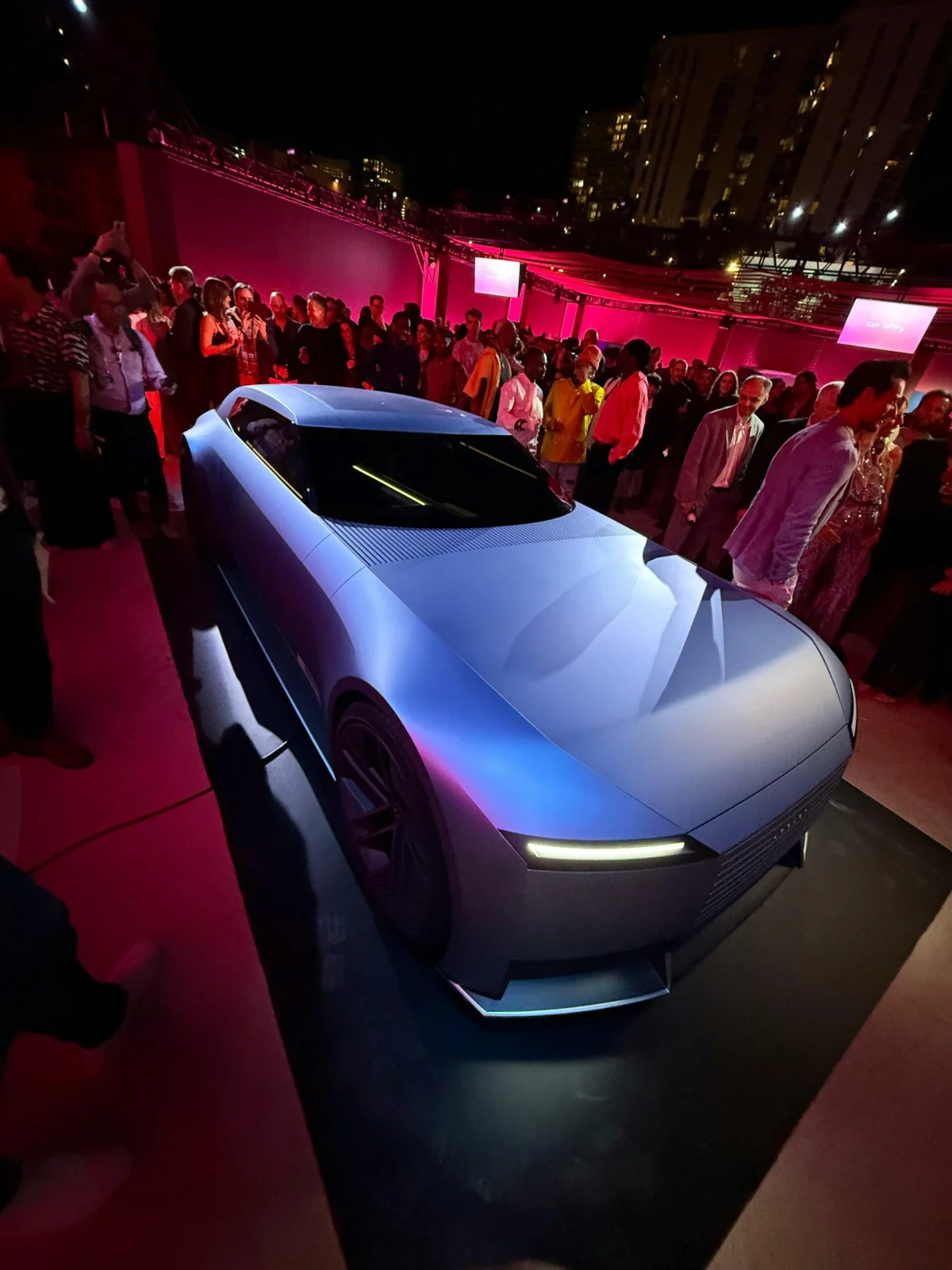
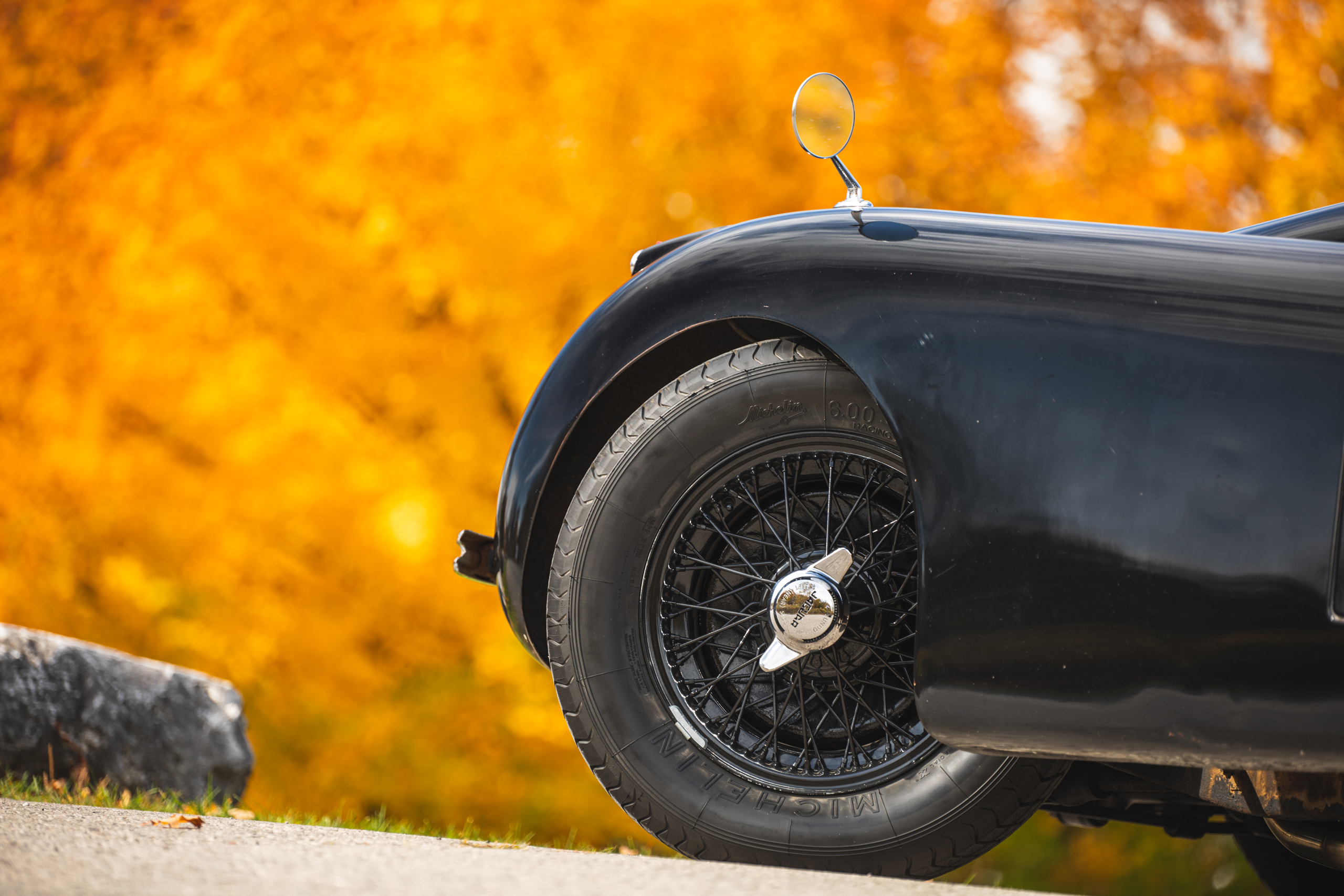
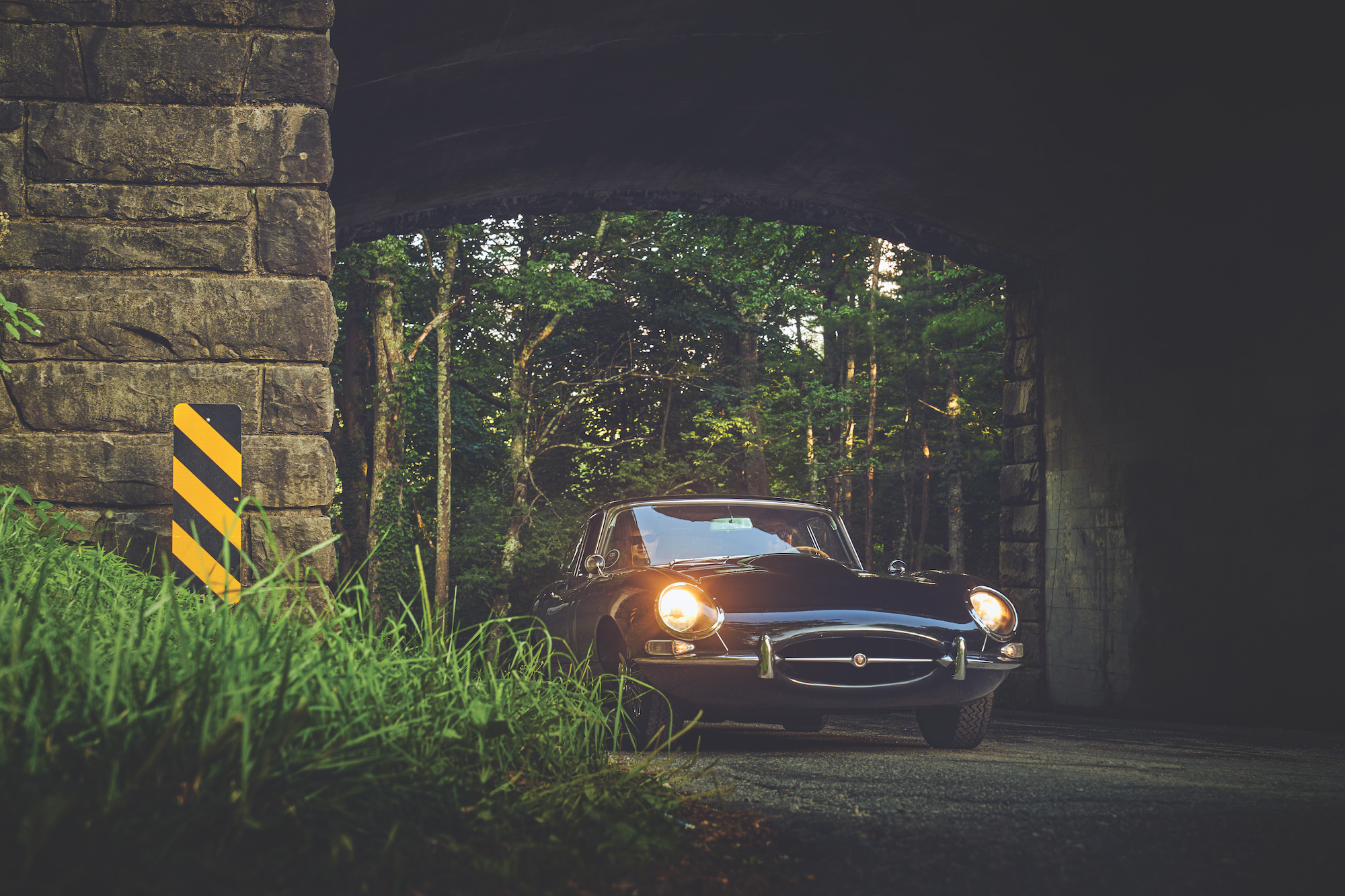
Jaguar has long made room for long noses. The XK 120 and E-Type turned that feature into something light and fluid, tying their shape to speed and movement. The Type 00 takes a different path. Its mass and upright surfaces bring to mind the visual weight of a Rolls-Royce or Bentley more than the familiar sweep of a Jaguar.
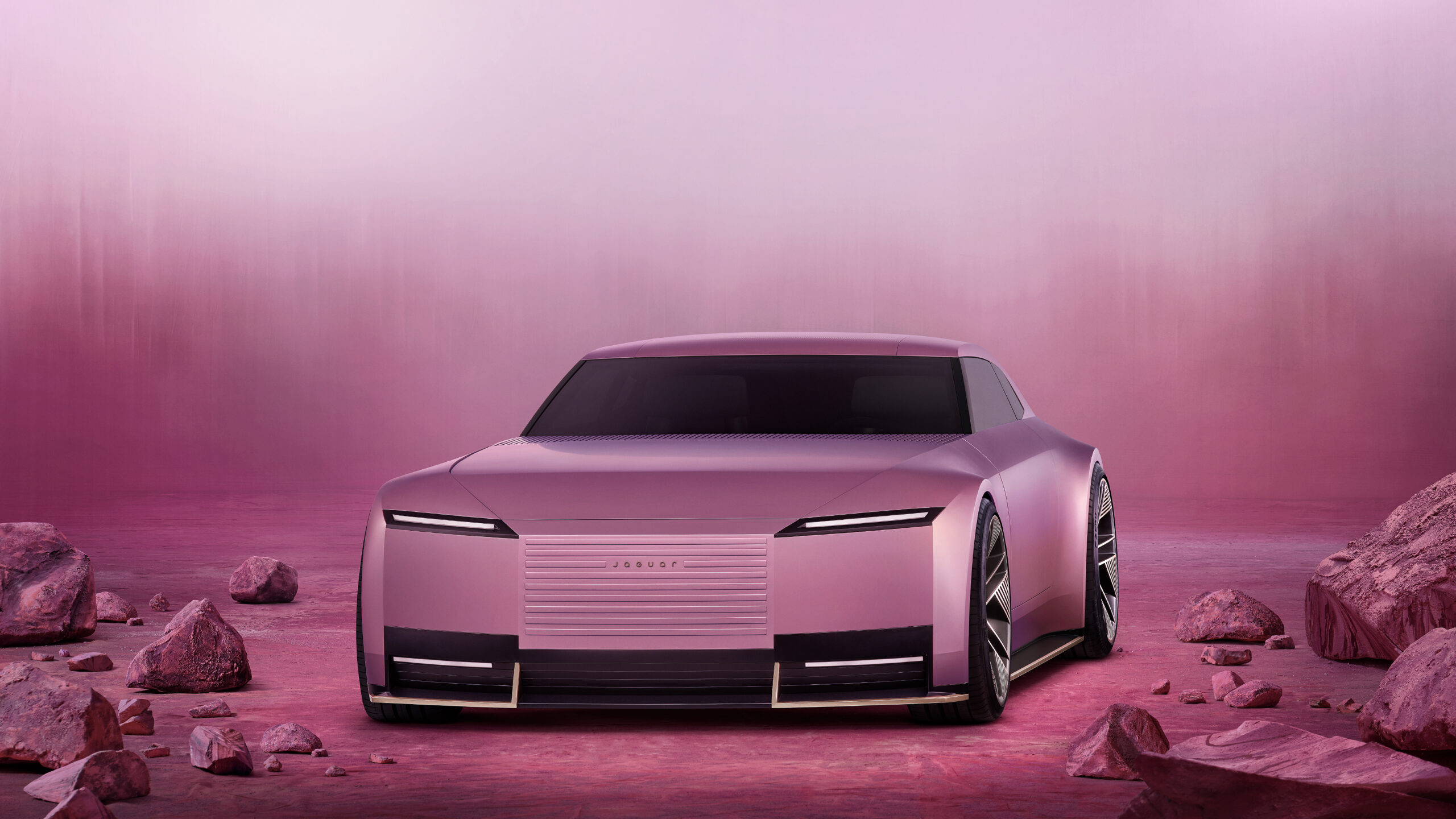

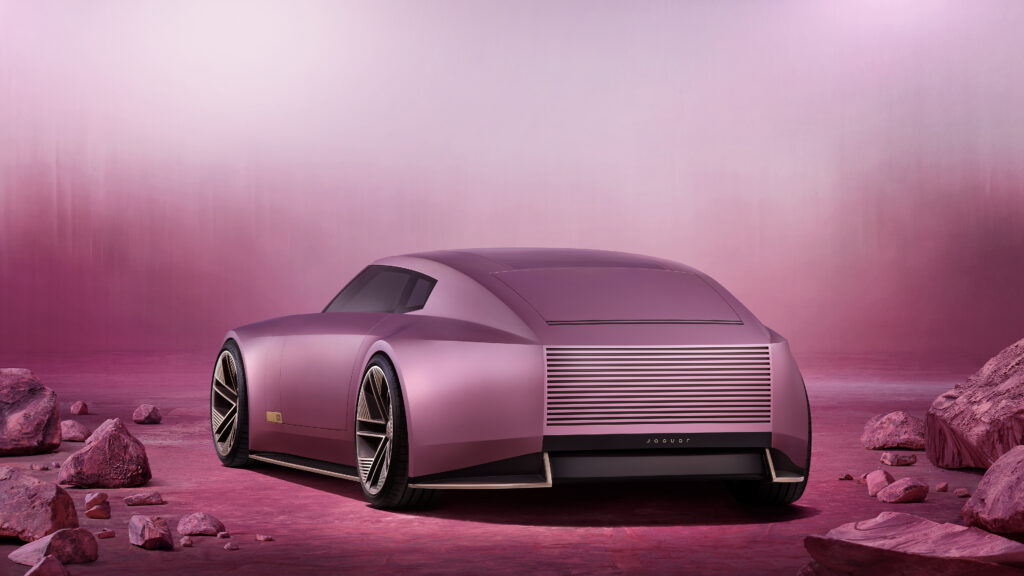
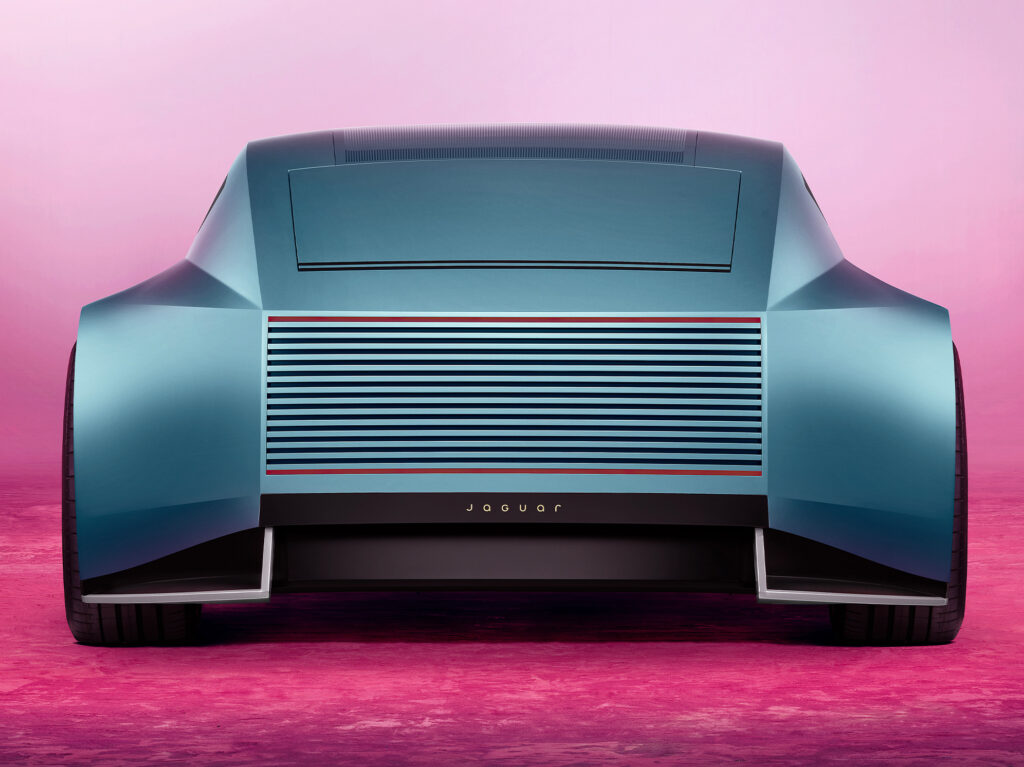
The tall, largely uninterrupted sides amplify that heft. Only two character lines interrupt the bodywork, while crisp edges and broad panels give the car a stark, almost digitally constructed look. That seems like a deliberate design choice, and it gives the concept a distinct identity. But the surfaces don’t hold together equally well. The rear quarters look carefully shaped; the top edges of the windscreen pillars and the nose ahead of the front axle feel less resolved.
Those inconsistencies matter because the design relies on so little ornament. With broad, clean panels, every transition becomes conspicuous. When one edge or taper feels awkward, there’s nowhere for the eye to go instead.
Graphic details provide a stronger thread
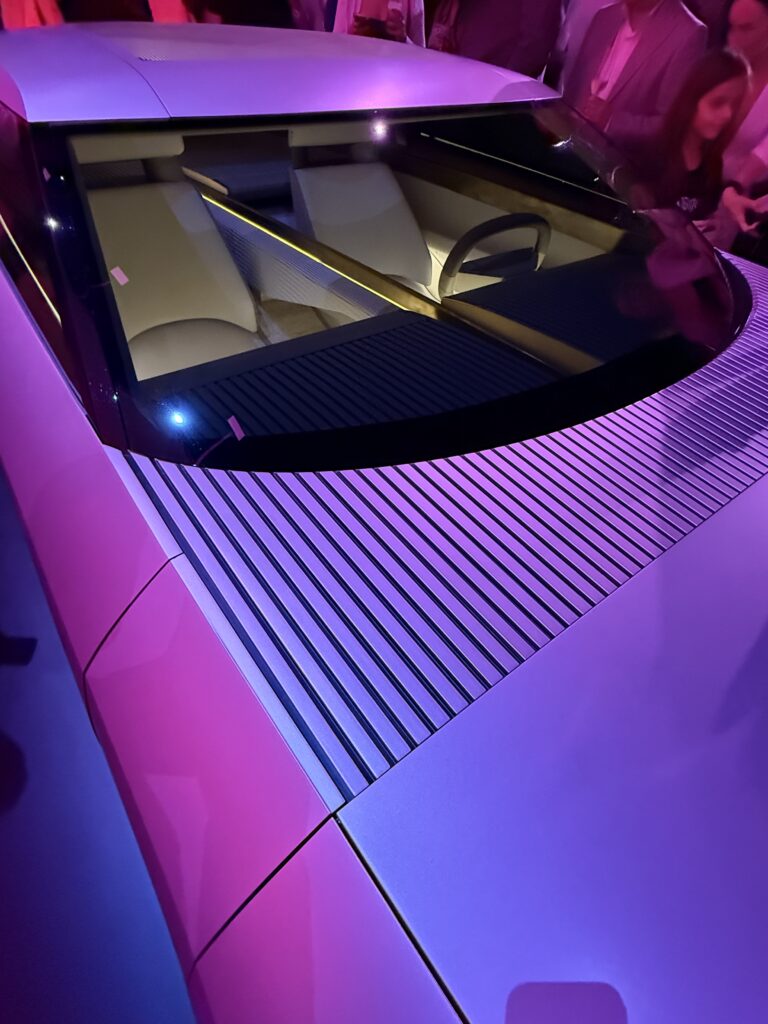
The most convincing work is in the repeated slot motif. A vertical group of parallel openings at the rear frames the taillights, and a related pattern appears near the windscreen base and across the dashboard. That link between the exterior and cabin gives the concept a recognizable visual language.
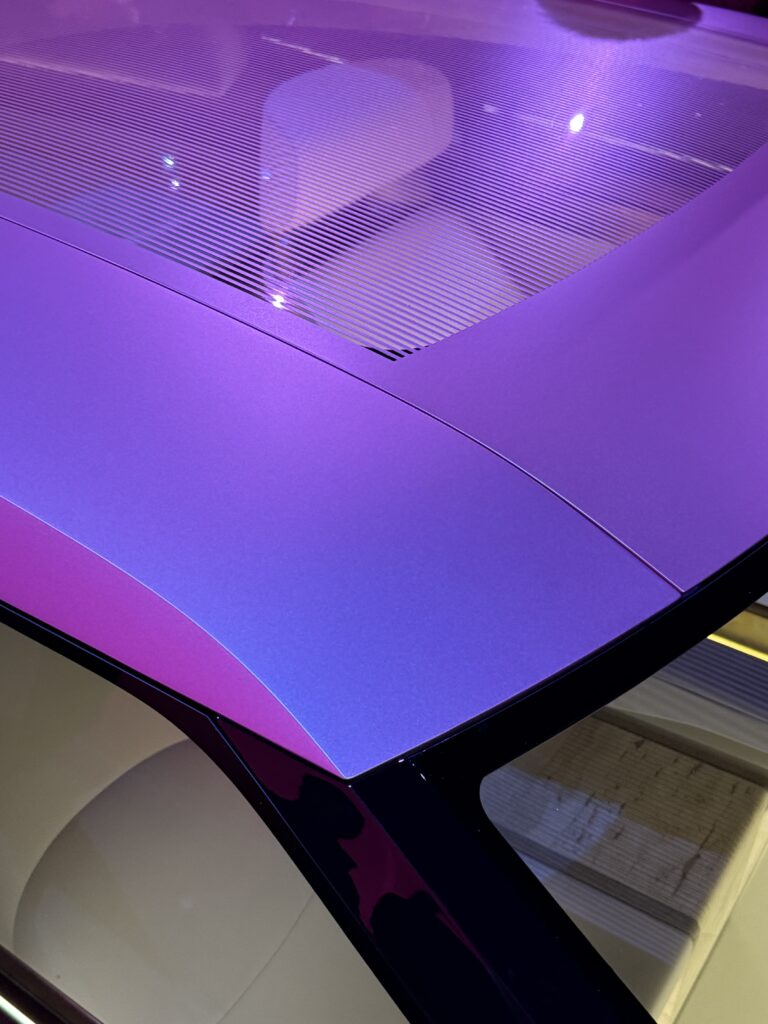
The treatment of the panoramic roof extends the same idea: its painted surface leaves narrow parallel openings for daylight. It’s a small detail, but it shows how a simple graphic can carry through several parts of a car without feeling arbitrary.
The front is a weaker story. Jaguar has avoided adding a conventional grille purely for decoration, a sensible choice on an electric concept, but the substitute doesn’t look finished. The nose lacks the definition and visual balance found elsewhere on the car, and currently reads as an unresolved area rather than a confident expression of the new design.
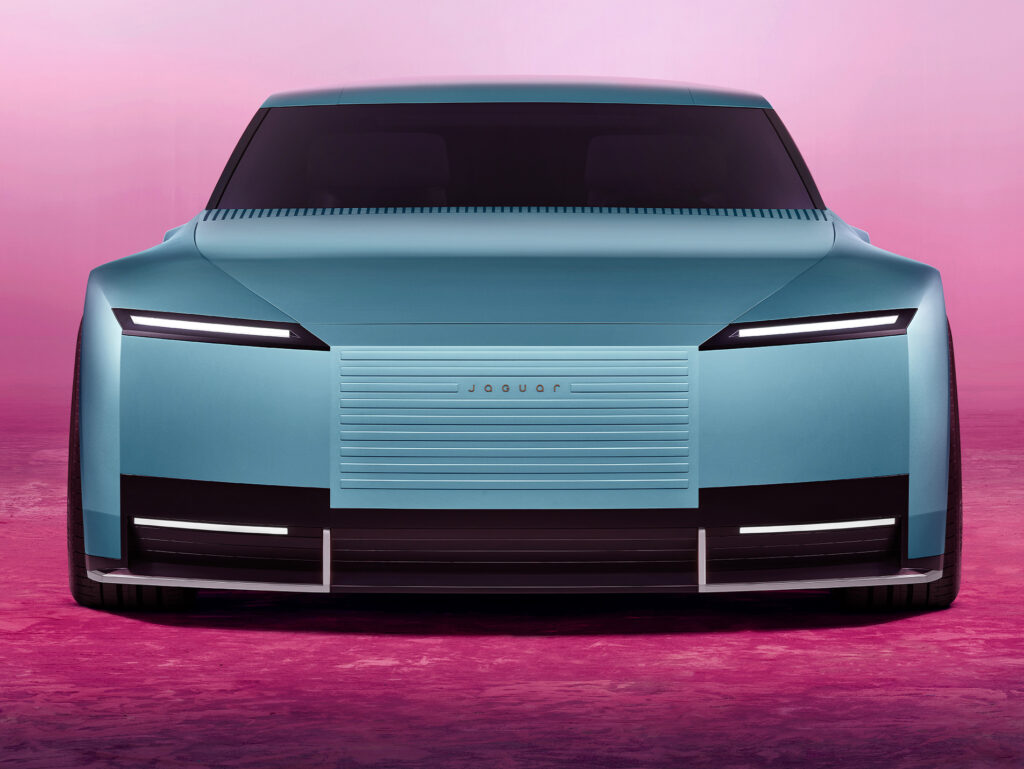
The Type 00 leaves me unconvinced as a complete design, but its boldness has a purpose. A less familiar badge might prompt a different response to these proportions; Jaguar’s name brings expectations shaped by cars such as the XK 120 and E-Type. The concept doesn’t try to satisfy those expectations. Its unusual appearance could instead become part of its appeal to buyers seeking a conspicuous luxury car.
That possibility depends on what reaches showrooms. The Type 00 is a design preview, not the production car Jaguar expects to sell in 2026. Michael Quinn, grandson of Jaguar co-founder Sir William Lyons, praised the concept’s side profile, wide stance and sense of speed, while acknowledging that the road car will need practical compromises.
Those compromises will determine whether Jaguar can convert a striking showpiece into a usable vehicle without losing the qualities that make it memorable. The concept already establishes a strong visual target. The next test is whether the production car can preserve its presence, sharpen its weaker details and work as a car people can live with. Jaguar’s future in this market may turn on that balance.
Matteo Licata studied Transportation Design at Turin’s IED, graduating in 2006. He worked as an automobile designer for about a decade, including at Fiat Group’s Turin design studio, where his proposal for the interior of the 2010–20 Alfa Romeo Giulietta was selected for production. He later joined Changan’s European design studio in Turin and EDAG in Barcelona. Licata teaches automobile design history to Transportation Design bachelor students at IAAD in Turin.
Jaguar’s rebrand, the Type 00 concept, Rolls-Royce and the Tesla Cybertruck offer further context for the design comparisons.


