In lane Electric Vehicles
9 Luxury Concept Cars That Reimagined Grand Touring and Limousine Travel
Description
From Bugatti’s V-16 fastback to Rolls-Royce’s autonomous lounge, these concepts show how carmakers imagined a more extravagant journey.
Luxury concept cars often make their strongest point through proportion: a longer bonnet, a more secluded cabin or an unexpected way to arrive. Jaguar’s Type 00, previewed as a new model due in 2026, has put that tradition back in view. Its reception has been divided, but the car itself joins a long line of ambitious proposals for high-end travel—many of them memorable precisely because they never reached production.
Nine concepts from the past three decades show how brands have used grand touring and limousine ideas to test their identity. Some looked toward prewar coachbuilding; others explored electric power, unusual cabin layouts or a luxury SUV format. Their varying distance from production is part of the story.
Bertone B99: a more traditional Jaguar

Shown at the 2011 Geneva motor show, the Bertone B99 imagined a Jaguar saloon with a stronger connection to the marque’s past than the recent Type 00. At 14 feet 9 inches long, it was shorter than an X-Type, giving the concept a relatively restrained footprint alongside the outsized cars in this group.


Jaguar permitted Bertone to use its badges, and the design was well received at its debut. The company quickly made clear that the B99 didn’t point to the direction of its future models. At a time when Jaguar was moving away from its retro image, the concept may have felt too tied to tradition. It remains an intriguing alternative to the route the marque eventually took.
Bugatti Galibier: an ultra-luxury four-door
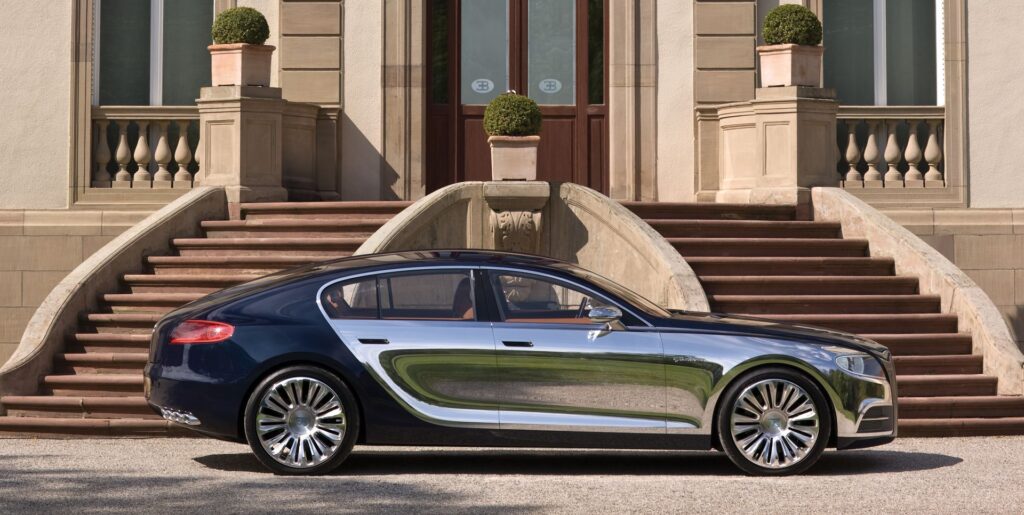
Since Bugatti returned with the Veyron in 2005, the brand has kept its production line focused on exclusive performance cars. The 2009 16C Galibier proposed a different expansion: a large four-door fastback that could have brought Bugatti into limousine territory. It never joined the Veyron and Chiron in the showroom.
The name referred to the concept’s eight-liter twin-supercharged WR16 engine and the Col du Galibier pass in France. Its shape recalled both the Veyron and classic Bugatti design, particularly the Type 57SC Atlantic. A central spine ran the length of the body, while a two-piece bonnet echoed grand tourers of the 1930s. The idea of a Bugatti saloon could make sense again with the brand’s newer Tourbillon V16.
Cadillac Sixteen: a statement in scale and materials

Cadillac’s 2003 Sixteen concept looked back to the marque’s 1930s peak, when it could claim a place among the world’s leading luxury carmakers. Led by design chief Wayne Cherry, the team created a saloon nearly 19 feet long, with a two-piece opening bonnet and a 16-cylinder engine. Those features made it one of the most emphatic statements in this group.
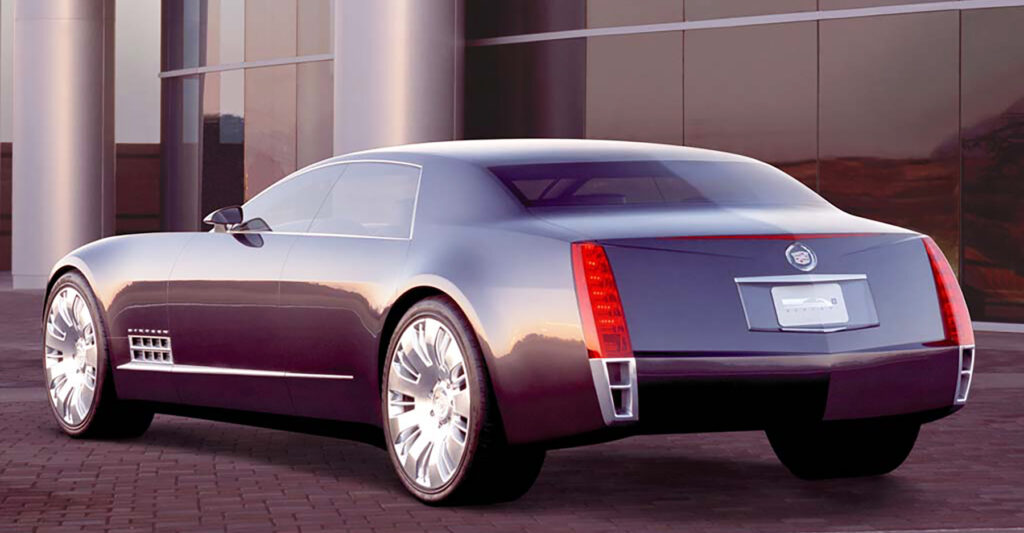

The cabin paired leather seats with silk carpets, walnut trim and a Bulgari clock. That level of finish stood apart from Cadillac’s core models at the time, including the front-wheel-drive de Ville and Escalade SUV. The Sixteen remained a concept, while the later all-electric Celestiq offers a more recent expression of the brand’s ultra-luxury ambitions.
Chrysler Phaeton: prewar cues, modern scale
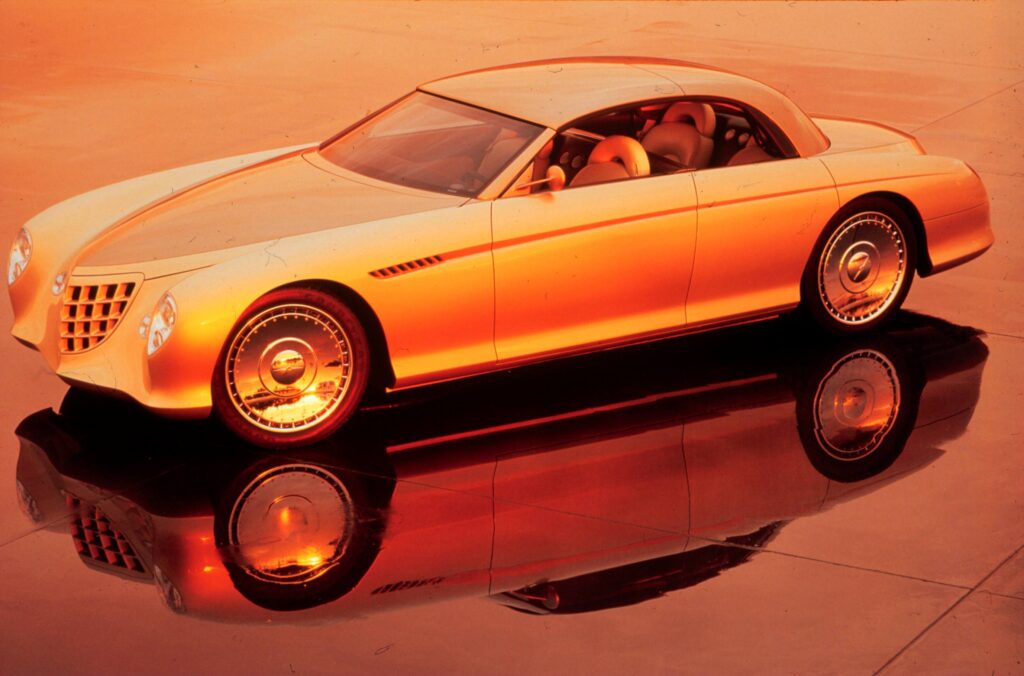
Chrysler’s 1997 Phaeton borrowed from the imposing cars of the 1930s and 1940s. At 18 feet long, the four-door had a folding hardtop and a partition dividing the front and rear seats, recalling the dual-cowl designs of the 1920s. Tom Gale, whose work also included the Plymouth Prowler and Lamborghini Diablo, led the styling.
Power came from a 5.4-liter V-12. The concept’s long, formal body and substantial engine gave it a distinctly different character from a conventional production saloon. For some car fans, the Phaeton is best remembered as a prize car in Gran Turismo 2, released in 1999.
Hongqi L-Concept: a cabin built around its passengers
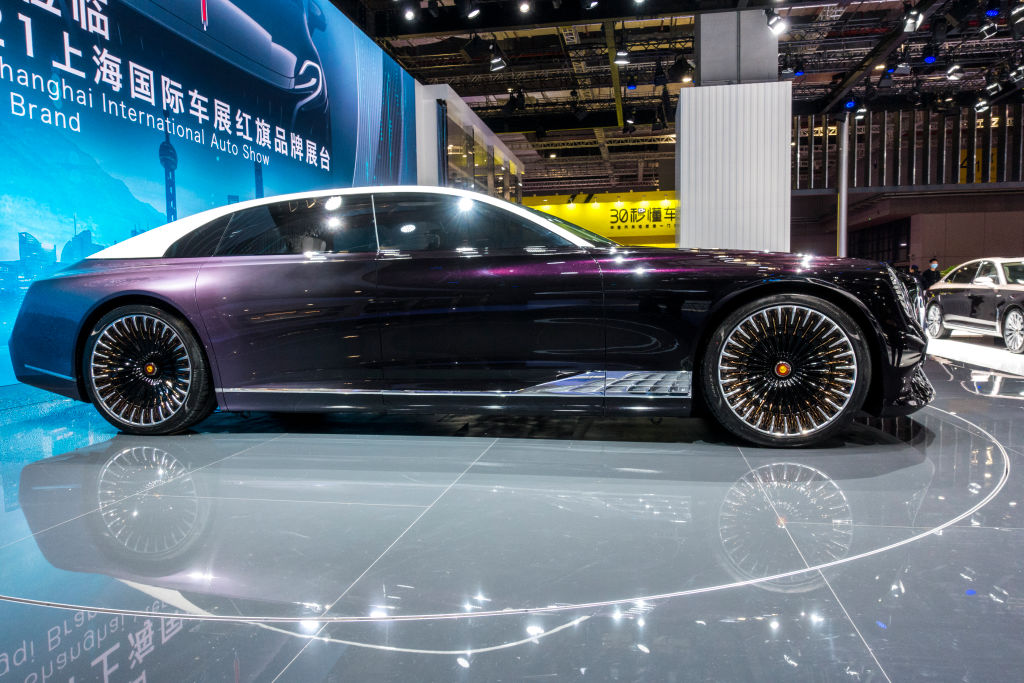
Hongqi has made cars for China’s senior figures and business leaders since 1958, with a role often compared to the Toyota Century’s in Japan. The L-Concept, shown at the 2021 Shanghai Auto Show, draws on the marque’s history while imagining a strikingly different cabin.
The exterior combines a large chrome grille with lights described as spider-web-like. Inside, the three-seat arrangement puts the focus on rear passengers: one seat reclines fully into the space beside the front seat. A chandelier and the absence of a steering wheel reinforce the impression of a lounge rather than a conventional car interior. Hongqi presented the concept as a pointer toward a production model, though it remains a concept.
Lamborghini Estoque: a grand tourer beyond the supercar
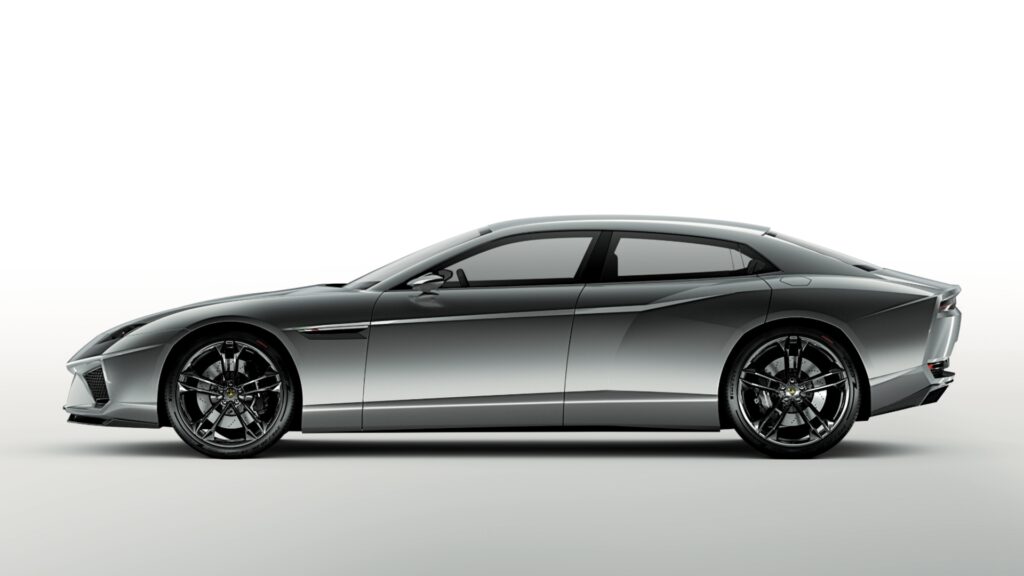
The 2008 Estoque explored a four-door Lamborghini before the Urus SUV entered the picture. It was less limousine than performance-focused grand tourer, but that idea has roots in the company’s earlier range, which included the 350GT, Espada and Islero alongside the Miura.
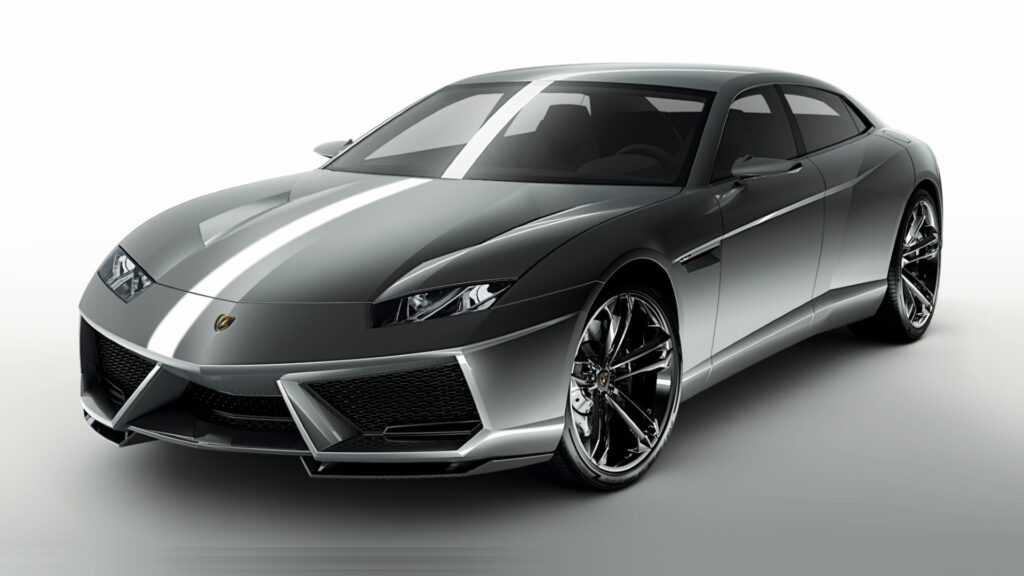
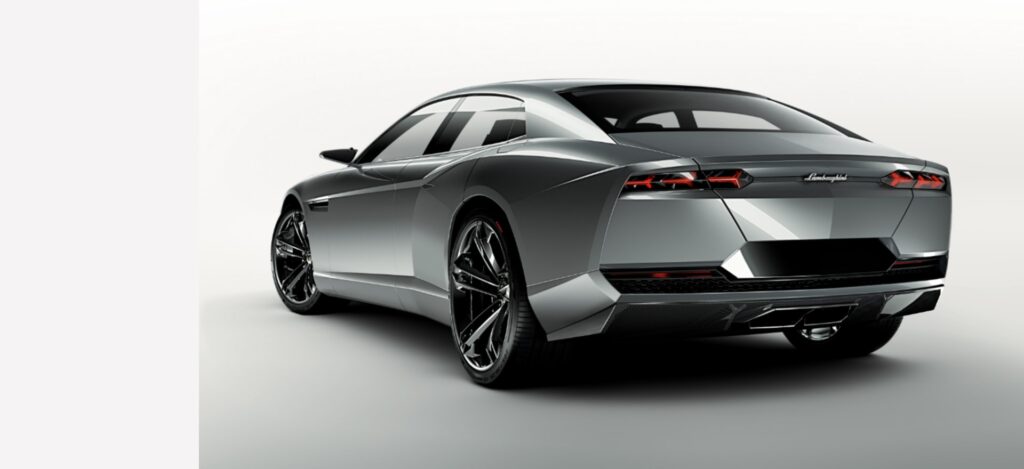
The proposed layout put a 5.2-liter V-10 at the front and sent power to all four wheels. Its styling still looks at home beside the Temerario, Revuelto and Urus. The concept suggested that Lamborghini could stretch its supercar identity into a more spacious, luxurious format without abandoning the visual drama buyers expect from the marque.
Vision Mercedes-Maybach 6: electric power and theatrical proportions
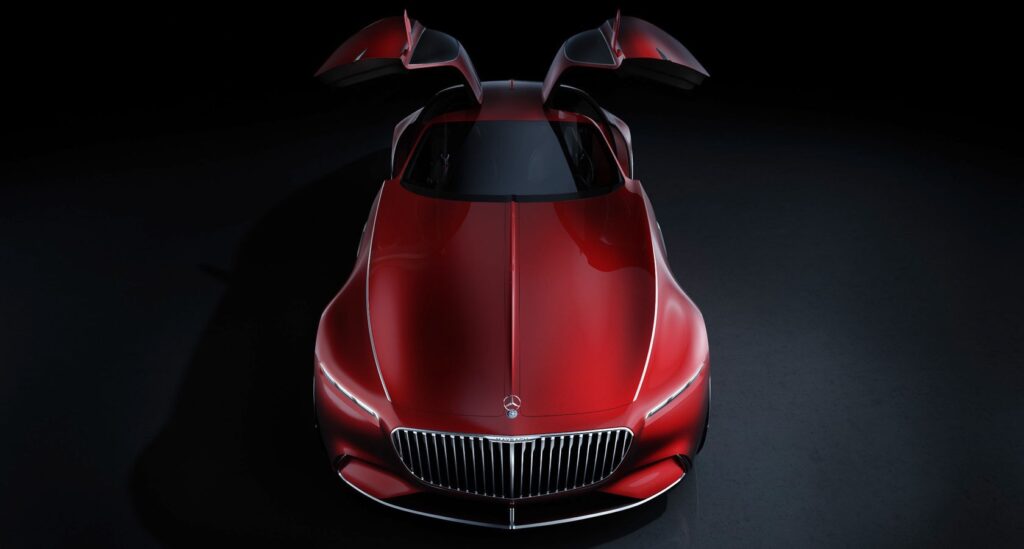
At 18 feet 9 inches long, the Vision Mercedes-Maybach 6 makes extraordinary use of its length. Mercedes design chief Gorden Wagener set a low cabin behind an exceptionally long bonnet, giving the coupe some of the most dramatic proportions here. The concept was fully electric, pointing toward the direction of the Daimler brands’ powertrains.
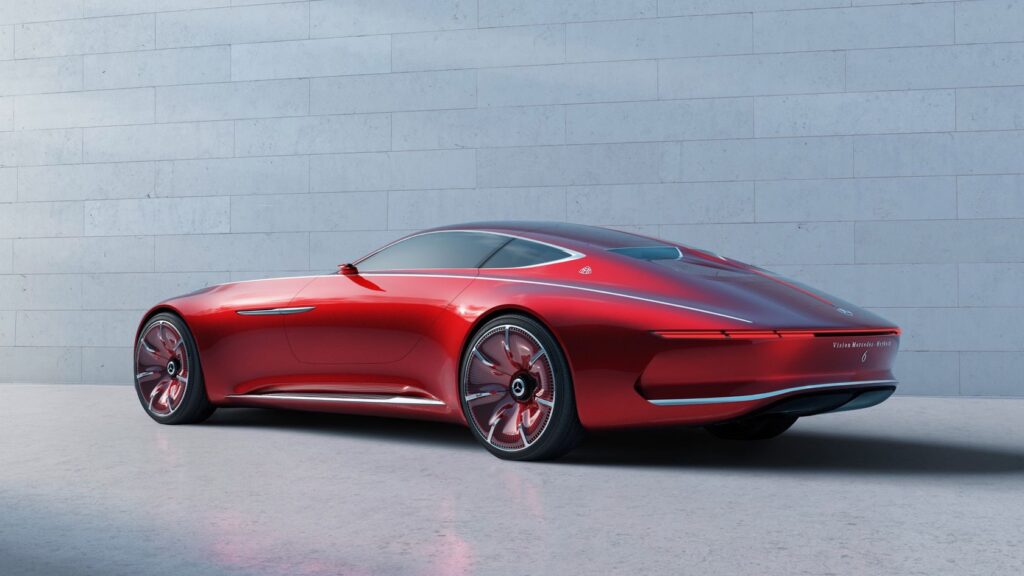
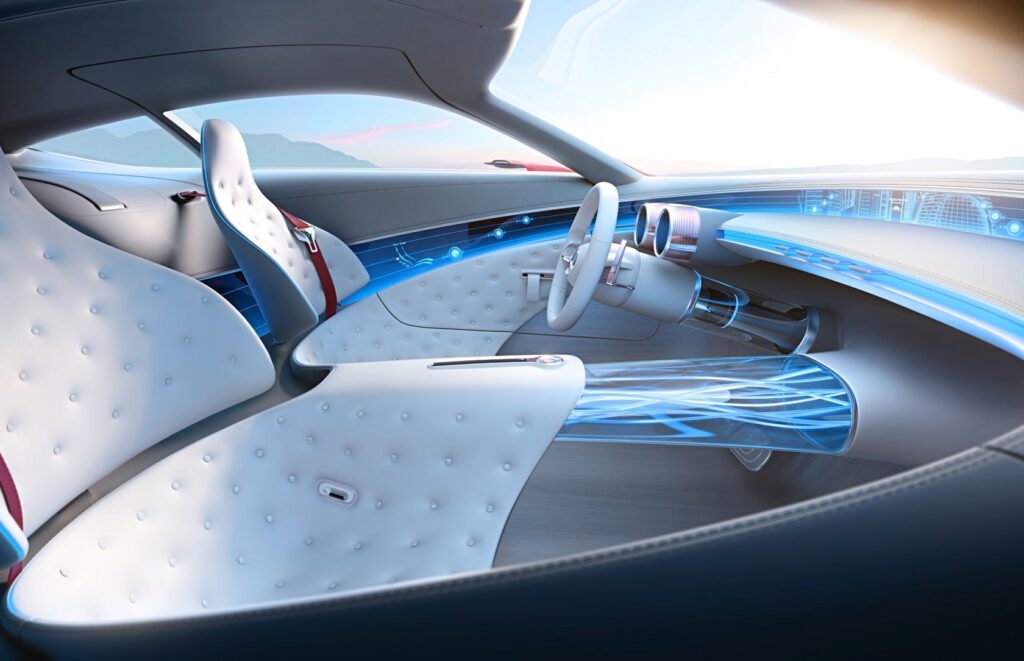
Gullwing doors open to a cabin blending references to 1920s Mercedes luxury, 1950s rocket-age styling and 1960s speedboats. The two-part bonnet also connects it to older touring cars. Maybach has long been willing to pursue extravagant forms, and the Vision 6 is a clear example of that approach.
Rolls-Royce 103EX: luxury without a driver’s seat
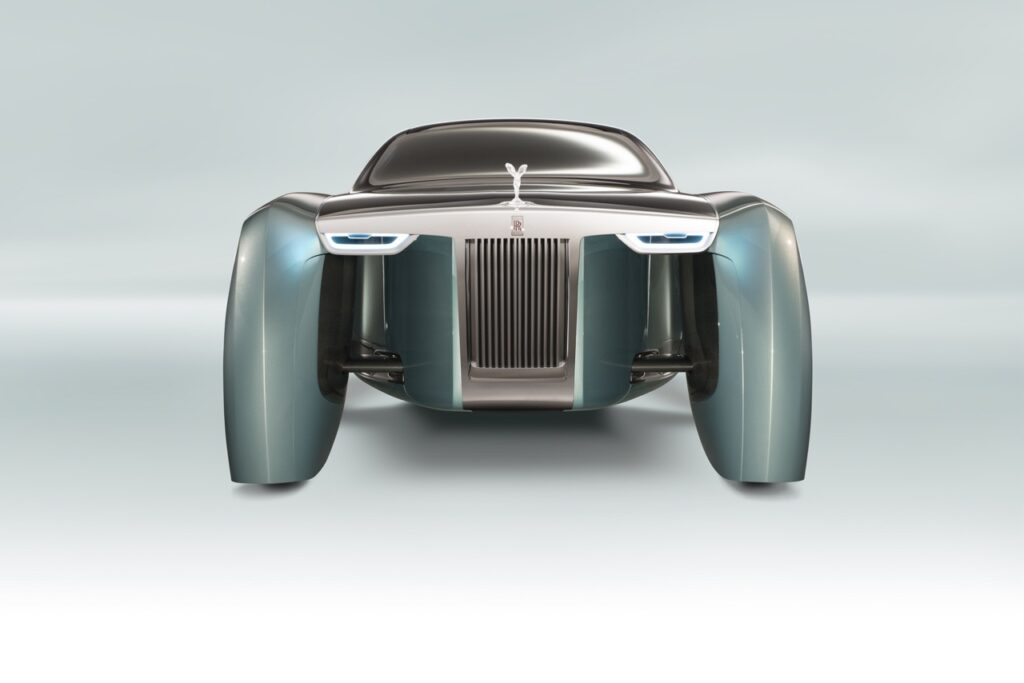
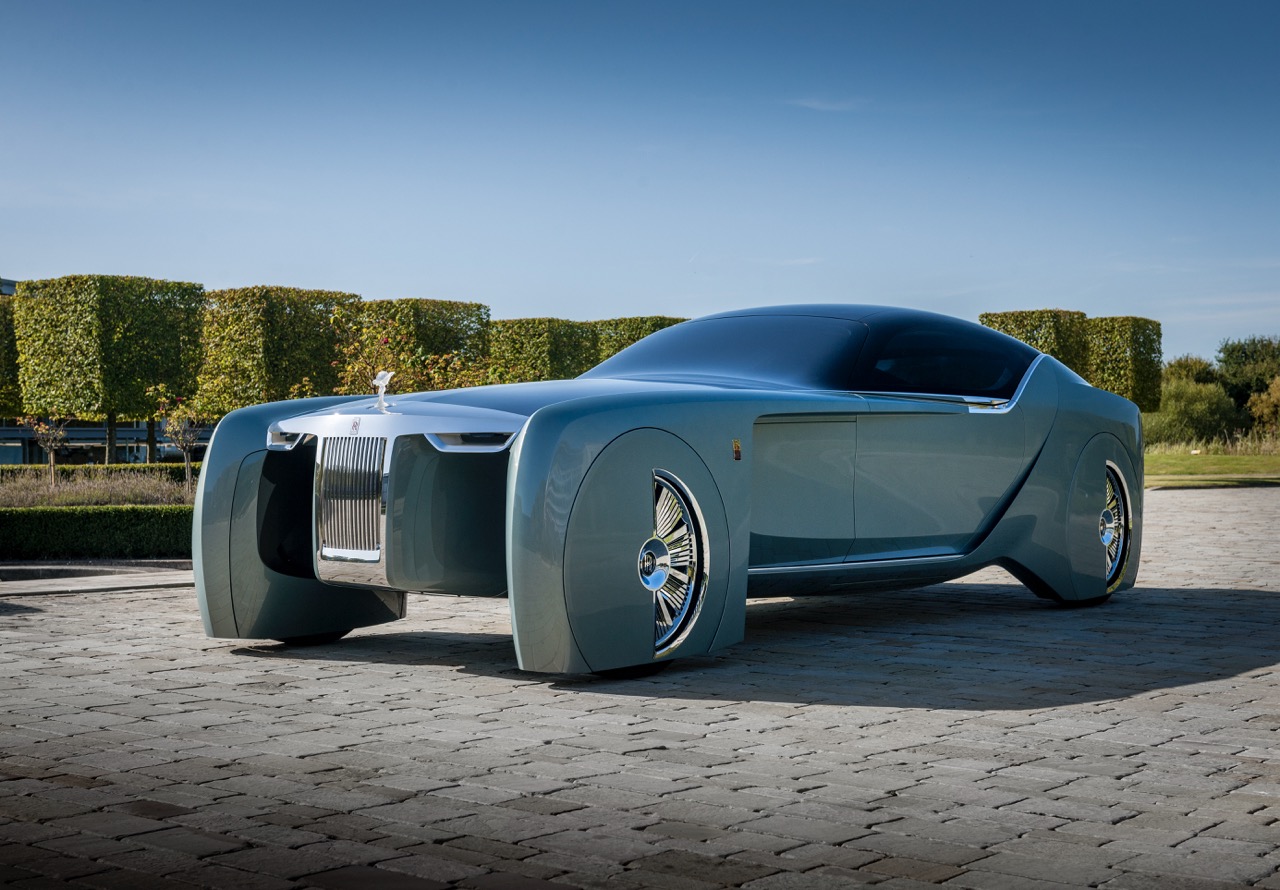
The 2016 Rolls-Royce Vision Next 100, also known as the 103EX, revisited the separate front wings that once shaped car design. Its more radical proposal was the way it treated travel: a fully autonomous vehicle for two, with a lounge-like interior and no steering wheel.
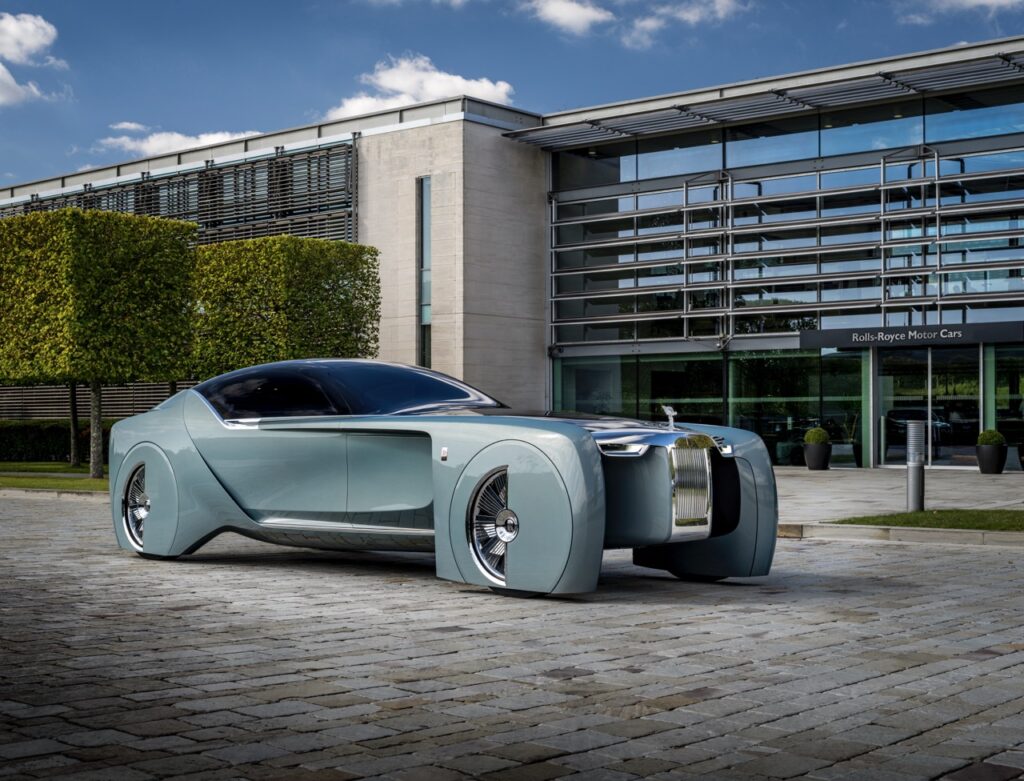
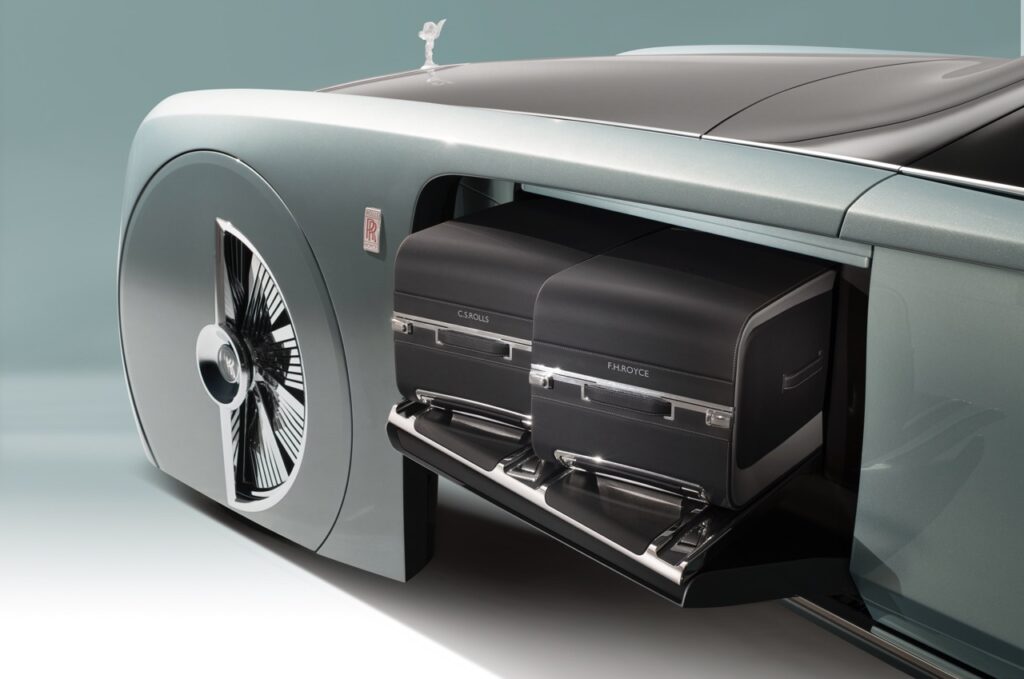
Slide-out luggage compartments sit behind the prominent front wings. The concept also proposed a digital assistant called “Voice of Eleanor.” The Spectre is a less extreme expression of the marque’s future, but it offers a tangible step toward the electric luxury direction the 103EX imagined.
Spyker D8/D12 Peking-to-Paris: a luxury SUV before its moment
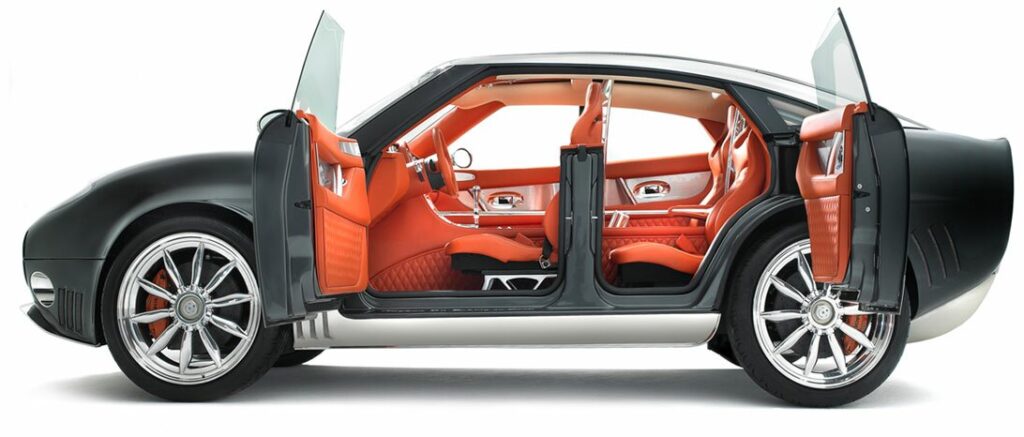
The Spyker Peking-to-Paris was conceived as a luxury SUV with real production intent when it appeared in 2006, although the format may have arrived ahead of its wider appeal. Its D8 and D12 names reflected two proposed engines: a Volkswagen Group W-12 and, later, a Koenigsegg-sourced V-8.
Design details drew closely on the C8 Laviolette, with unusual clap-hands doors among the concept’s flourishes. Like several cars here, it left unanswered what a production version might have been like to own. That gap is also what makes these projects useful to revisit: each shows a different route a luxury brand considered, and how much the eventual car depends on more than a dramatic show stand.
The post 9 Concept Cars That Pushed the Boundaries of Luxury Travel appeared first on Hagerty Media.


