In lane Electric Vehicles
Five Underrated Jaguar Designs That Deserve a Closer Look
Description
From the V-12 E-Type coupe to the XJ-S, these five Jaguars have aged into distinctive alternatives to better-known classics.
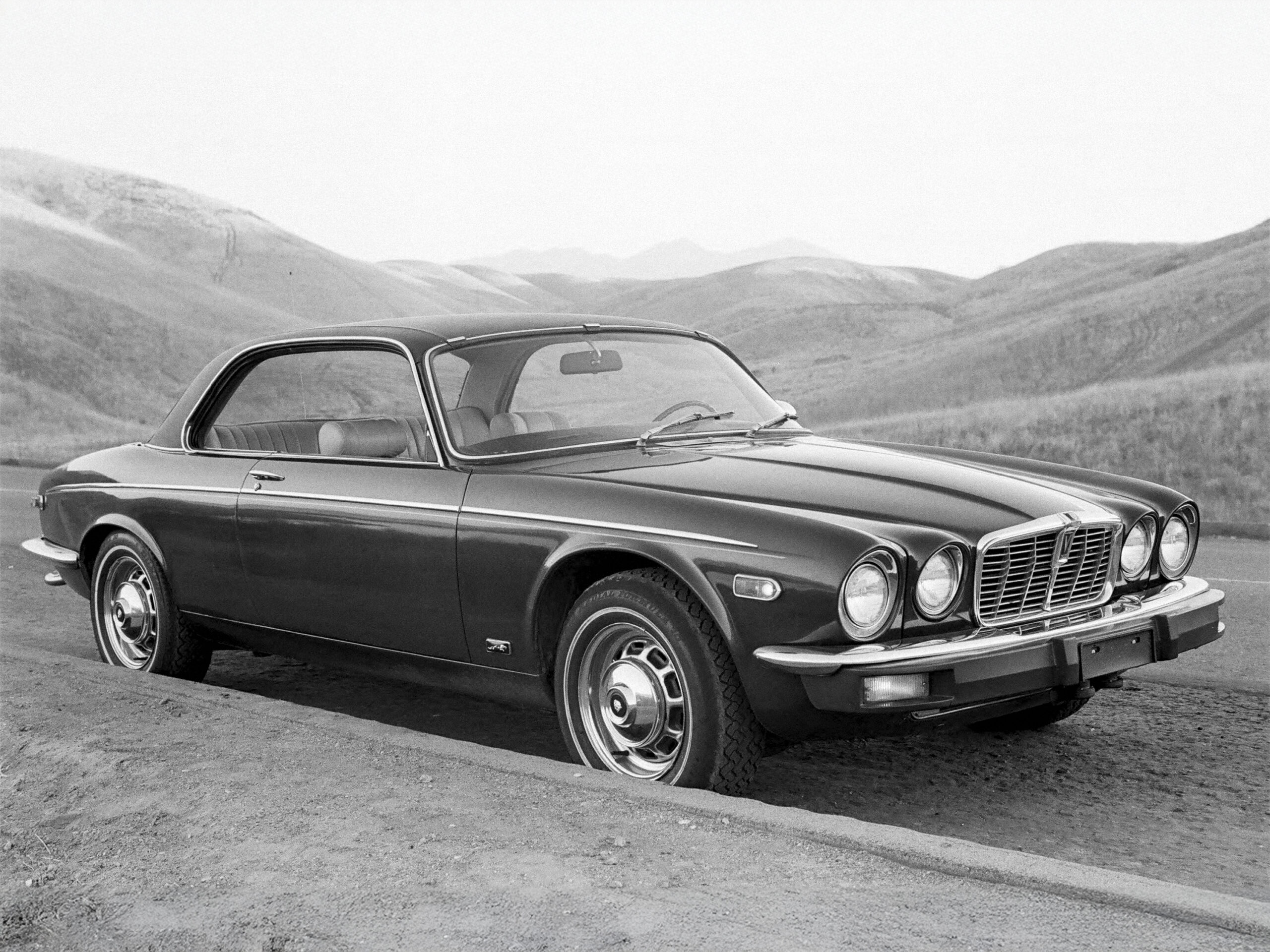
Jaguar’s reputation rests on cars that combined striking design with performance at a price below many of their rivals. That mix made the marque’s sports cars and sedans compelling, even as reliability concerns sometimes tested owners’ patience. Its less celebrated models still show how much character the company could put into a car. These five designs were once overlooked or criticized; time has made a stronger case for each.
1971–74 E-Type Series III coupe

The Series III brought a 5.3-liter single overhead cam V-12 to the E-Type’s long-wheelbase chassis, which it shared with the 2+2. Contemporary reactions often focused on the car’s fuller proportions, calling it ungainly beside the earlier E-Types. That comparison still shapes its reputation, but it can obscure what the later car gets right.
Its wider track, broader tires and flared fenders give it a more planted stance than the narrow-track Series I. The shape works especially well on the coupe, where the longer roofline balances the expanded body. Silver Grey Metallic, Regency Red, British Racing Green and Dark Blue suit it particularly well. Disc wheels keep the look grounded; wire wheels can make the design feel more tied to an earlier era.
There’s also a practical point for collectors: the V-12 coupe offers a distinctive vintage European sports car without reaching the price of many more celebrated classics. Hagerty Price Guide condition #2 (“excellent”) values cited for the model range from $83,100 for a coupe to $135,000 for a roadster. Driver-quality examples can cost considerably less. The Series III may not have the early car’s delicacy, but it has grown into its own proportions.
1973–78 XJ6/12C
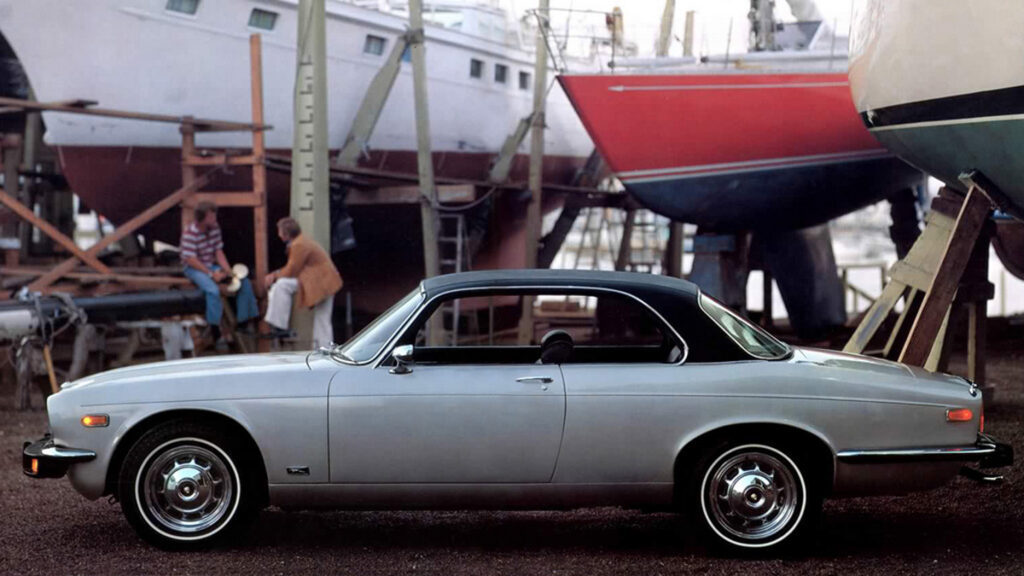
Jaguar’s XJ sedan is widely admired in four-door form, but its short-wheelbase two-door relative remains an easier design to miss. The coupe takes the XJ’s formal lines and gives them a more focused, slightly sharper presence. Its low roof and long body make it a credible alternative to the BMW 2800CS and 3.0 CS, the E9 coupes often held up as defining European designs of the 1970s.
Look at the rear three-quarter view and the details become the point: narrow tail lights, a broad haunch and exhaust outlets that curve through the rear valance. The car has a purposeful look without resorting to the overtly sporty cues of a traditional coupe. Buyers could choose a six-cylinder engine or the Series III E-Type’s V-12, adding a rare combination of a stately two-door body and twelve-cylinder power.
The rarity and style don’t yet translate into the values of some better-known European coupes. Hagerty’s cited condition #2 values are $30,800 for six-cylinder cars and $34,600 for V-12 versions. The small gap between them is notable, though the V-12’s added mechanical complexity is a consideration for anyone weighing ownership. Either way, the XJ coupe offers a different take on the luxury coupe formula.
1986–94 XJ
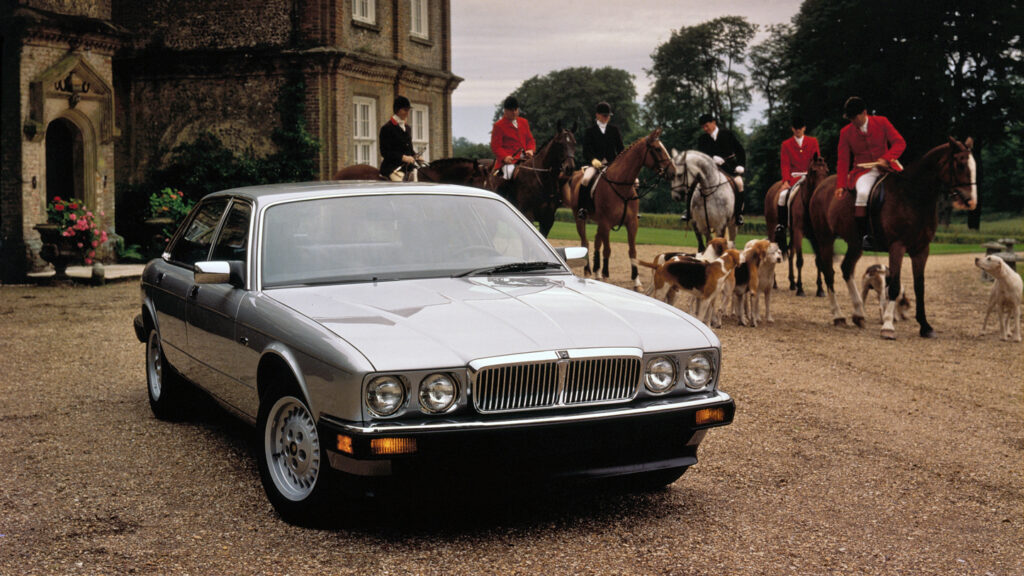
The XJ40 marked the first thorough redesign of Jaguar’s XJ6 since the model arrived in the 1960s, and the change challenged loyalists. The car dropped the earlier body’s curved lower corners around the front and rear glass and adopted square composite headlights. Those details drew criticism at the time, but they now give the XJ40 a clear identity within the long-running XJ family.
The design was created in-house, despite frequent claims that Pininfarina styled it. Some of its visual cues resemble a 1974 Pininfarina design study for the XJ, including the headlights, but the XJ40 itself was Jaguar’s work. Its boxier forms suit the car’s formal role, and dark paint can bring out a more imposing side of the design.
Later efforts to recapture the original XJ’s look have often made the earlier cars seem more assured. The XJ40 is now an uncommon sight, and it remains comparatively affordable to buy. As with any older luxury sedan, the appeal depends on condition and a buyer’s comfort with upkeep; the styling alone doesn’t tell the whole ownership story. Still, it makes a distinctive entry point into Jaguar’s modern sedan history.
2006–14 XK/XKR
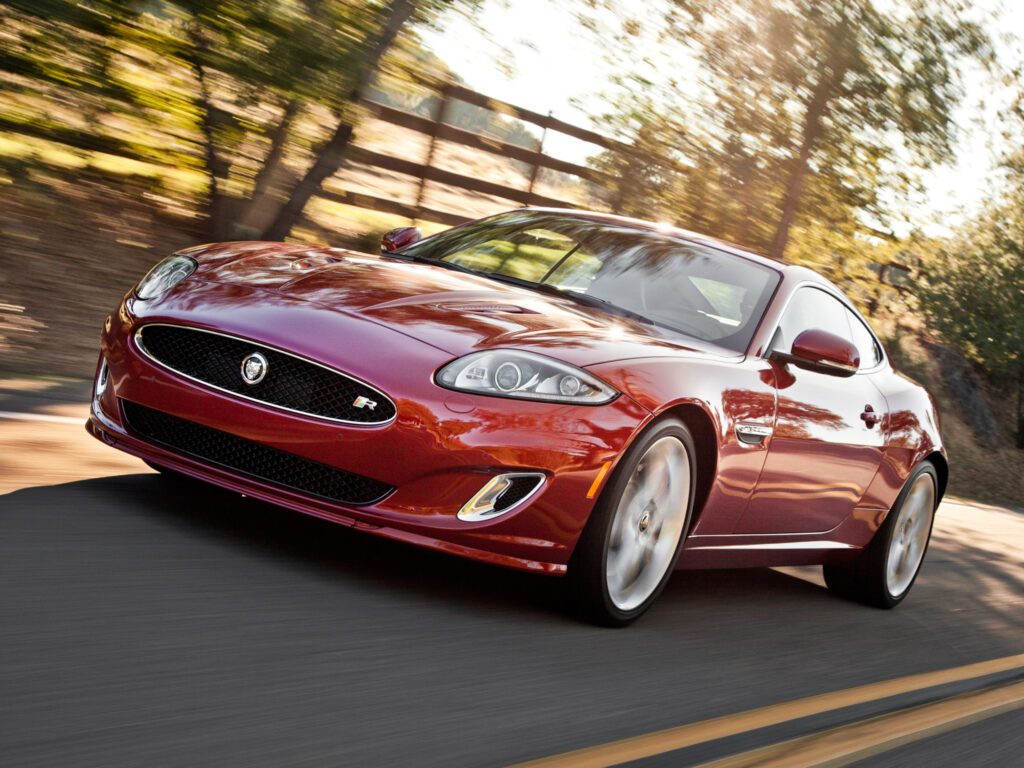
The later XK earns the nod over the 1996–2006 XK8 for its more assertive shape. Ian Callum’s design gives the car firmer lines and a less rounded look than the earlier model, with the difference most apparent in the post-2011 XKR facelift. It still reads as a grand touring Jaguar, but it has more visual edge than its predecessor.
The supercharged XKR-S pushed that character further, pairing a more forceful appearance with stronger performance. No figures are provided here, but the model’s place in the range is clear: it was the sharper, more focused expression of the XK. The F-Type that followed has taken much of the attention among modern Jaguar sports cars, which leaves the XK/XKR relatively easy to overlook.
That quieter profile may suit buyers looking for a stylish grand tourer without choosing the model that dominates conversations about Jaguar design. The XK’s appeal is in its balance of a long-distance coupe shape and the XKR’s more aggressive detailing. Its design feels like a distinct chapter between the rounded XK8 and the more overtly sporting F-Type.
1976–94 XJ-S
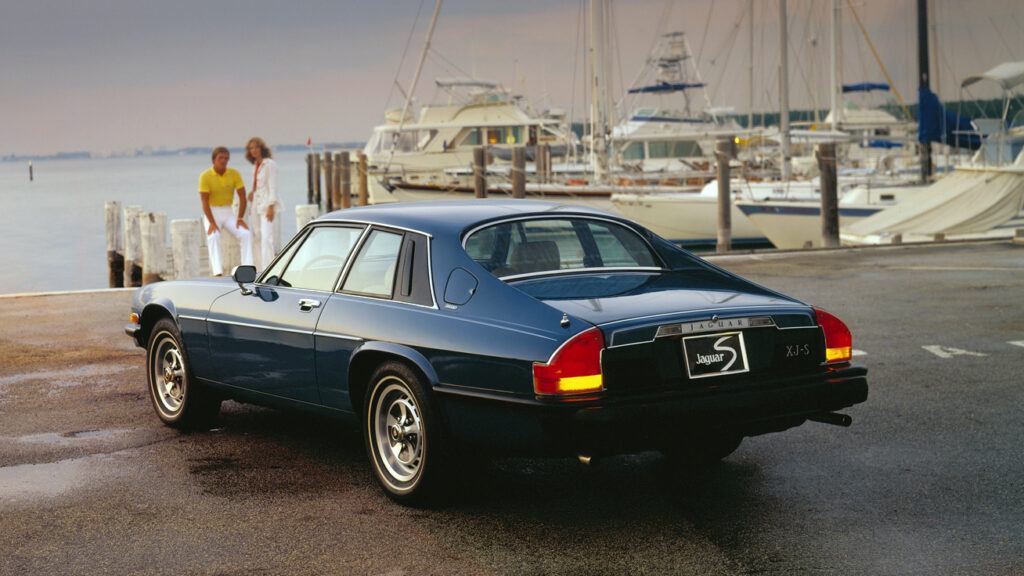
Following the E-Type was always going to invite comparison, and the XJ-S arrived with a design that refused to repeat its predecessor’s familiar shape. Longtime Jaguar designer Malcolm Sayer gave it a new profile, with distinctive headlights and tail lights and a flying-buttress roofline. The result was a clean break from the E-Type’s curves, one that left many observers cold when the car appeared at the 1975 Frankfurt Motor Show.
Its reputation as a disappointing successor overlooks both its longevity and its reach. Jaguar sold more than 100,000 XJ-S models through the mid-1990s, in coupe and convertible forms, along with a small number of semi-convertible XJS SCs. That variety gave the design room to work in different configurations while keeping its distinctive outline.
With the XK8 replacement now decades in the past, the XJ-S is increasingly judged on its own terms. Its long hood and rear buttresses lend it a presence unlike the E-Type, while the simpler detailing has become easier to appreciate with distance. For anyone comparing Jaguar’s classic coupes, the XJ-S is a reminder that a design can take years to find its audience.
Together, these cars show Jaguar working beyond the most familiar shapes in its history. Their appeal comes from clear design choices, whether that’s the Series III’s broader stance, the XJ coupe’s unusual proportions or the XJ-S’s break with tradition. For buyers, each offers a different way into the marque’s past, with condition and mechanical upkeep still central to the decision.


