In lane Electric Vehicles
2024 Hyundai Kona Design Review: Architectural Style on a Budget
Description
The 2024 Kona pairs bold, building-inspired details with a sub-$25,000 starting point, making its unusual design stand out among small crossovers.
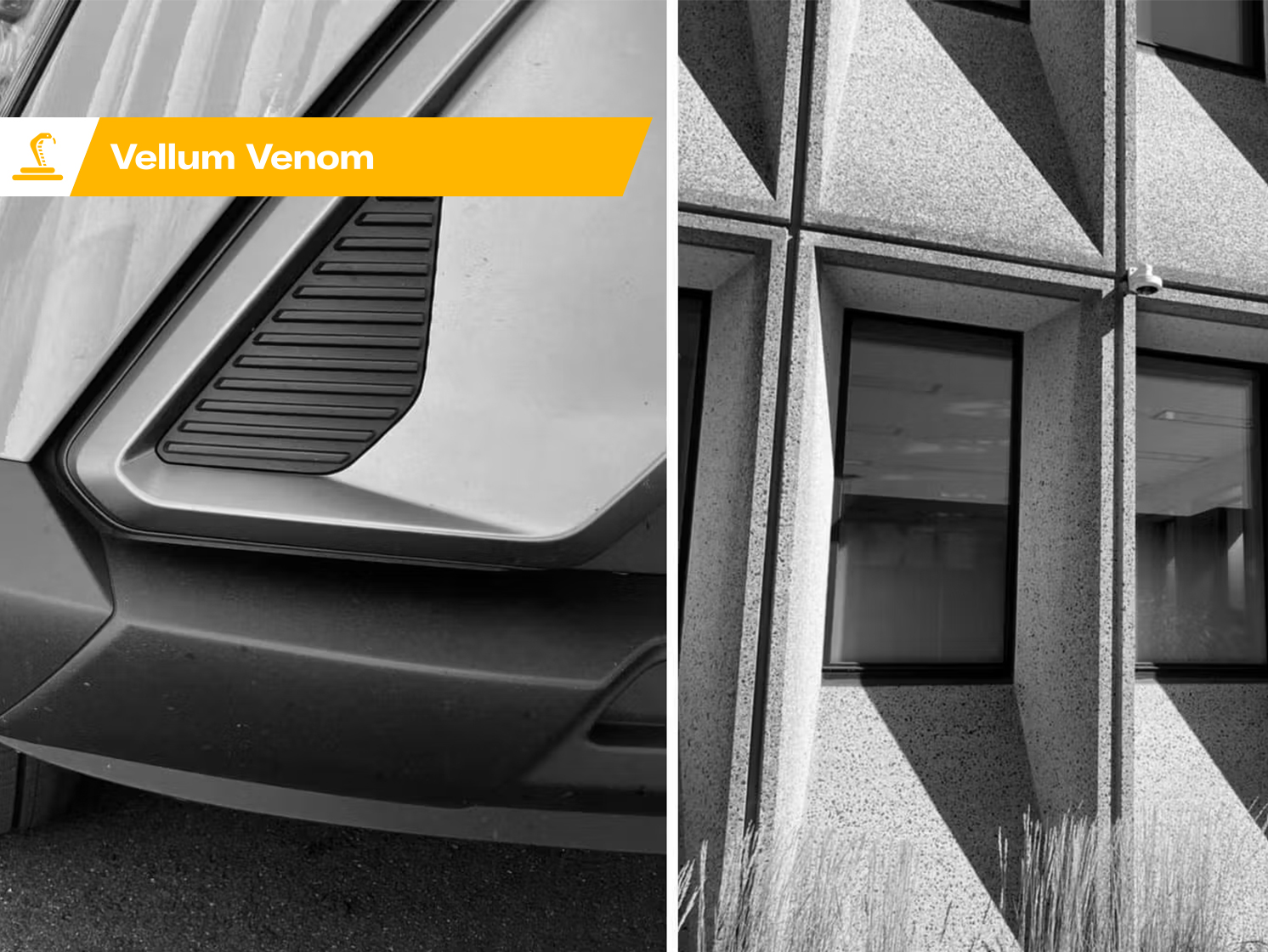
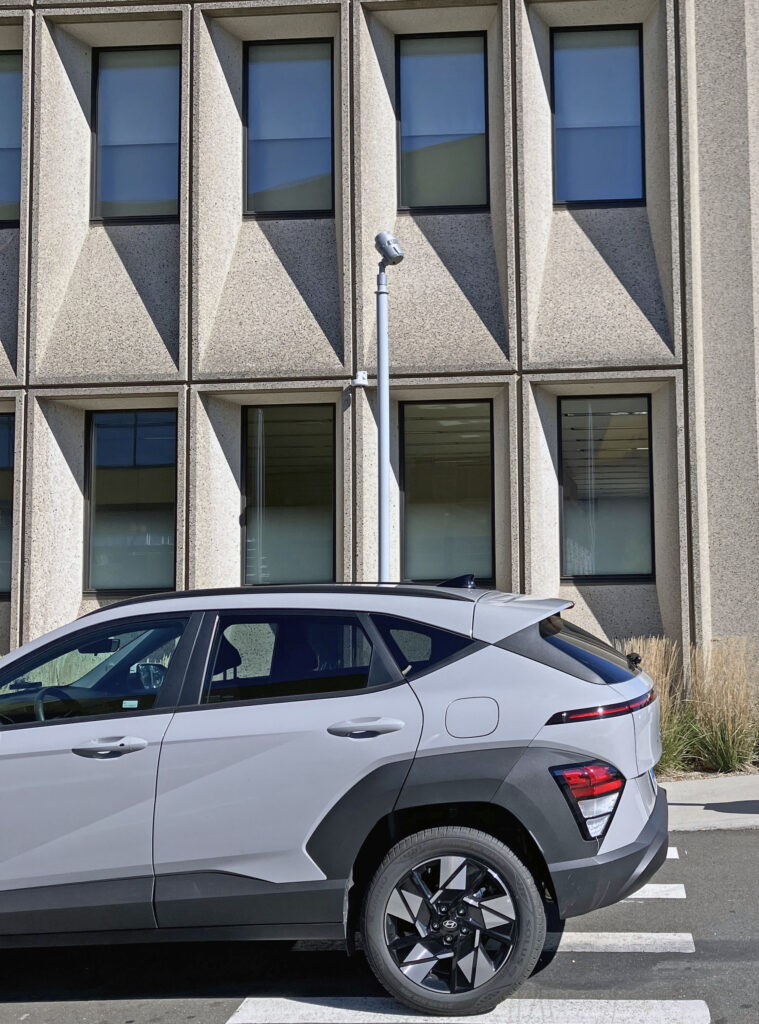
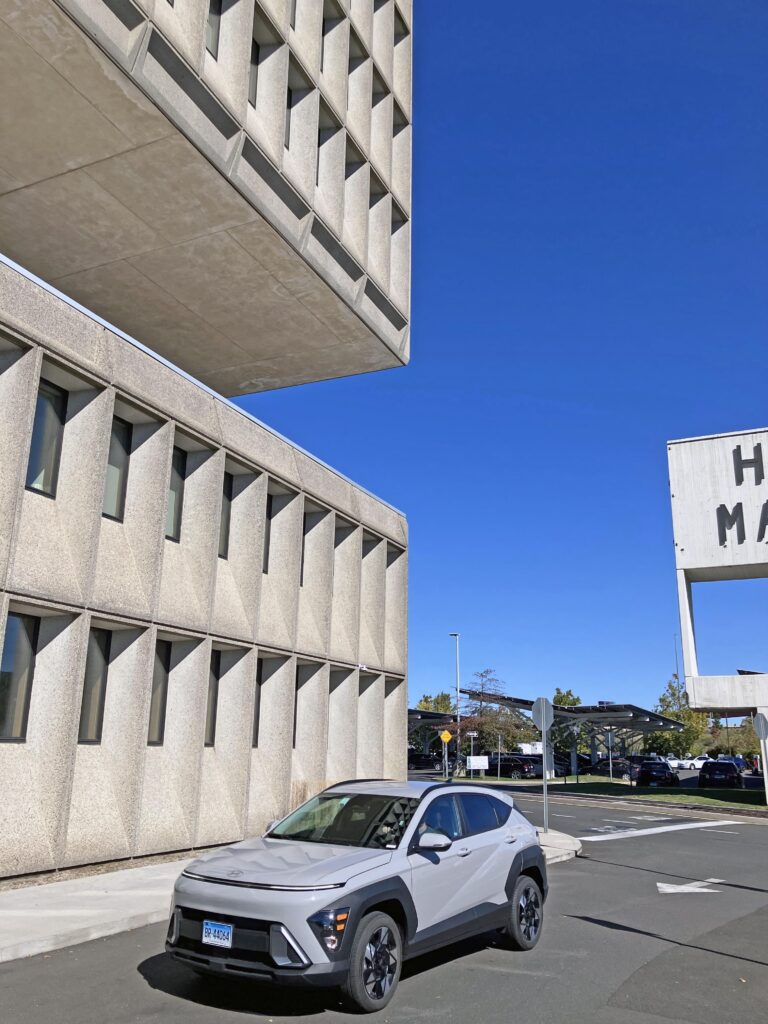
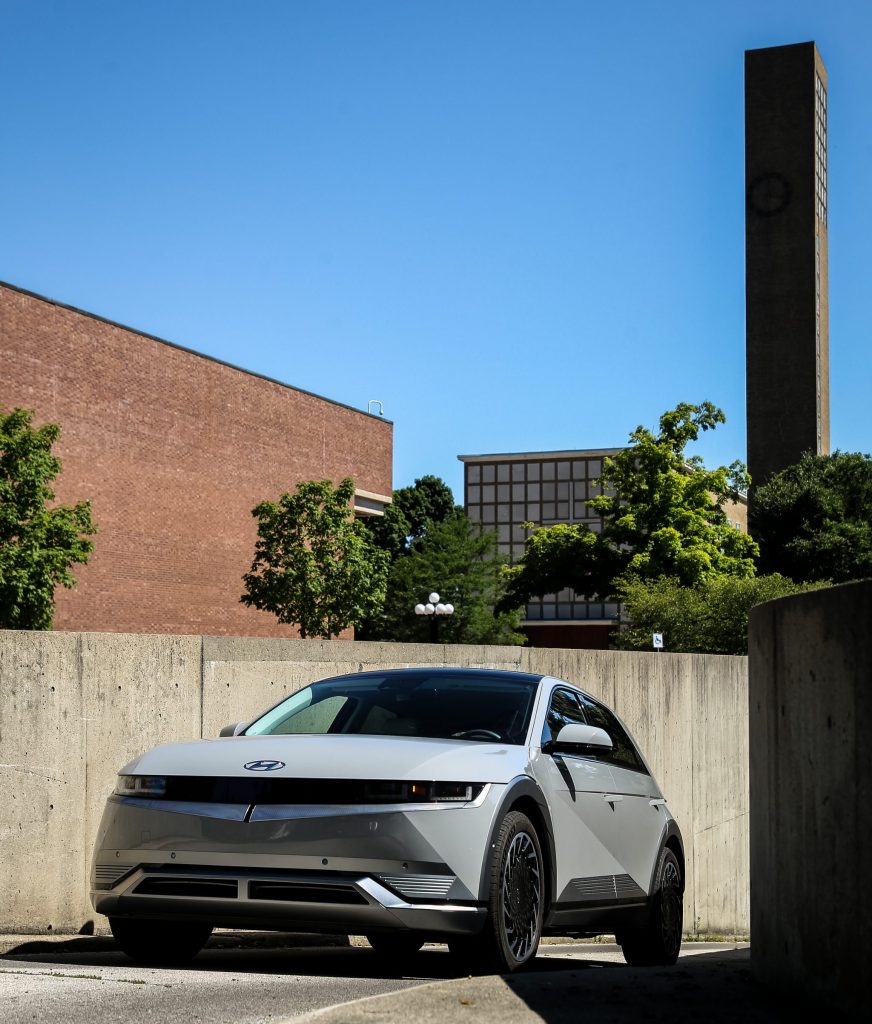
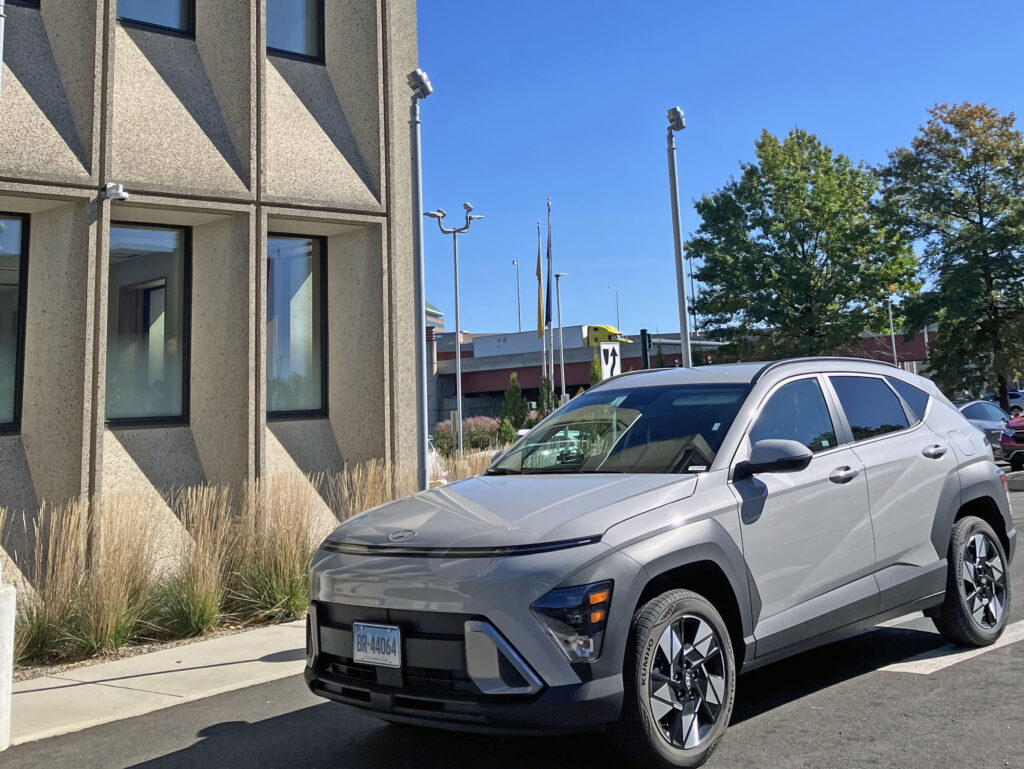
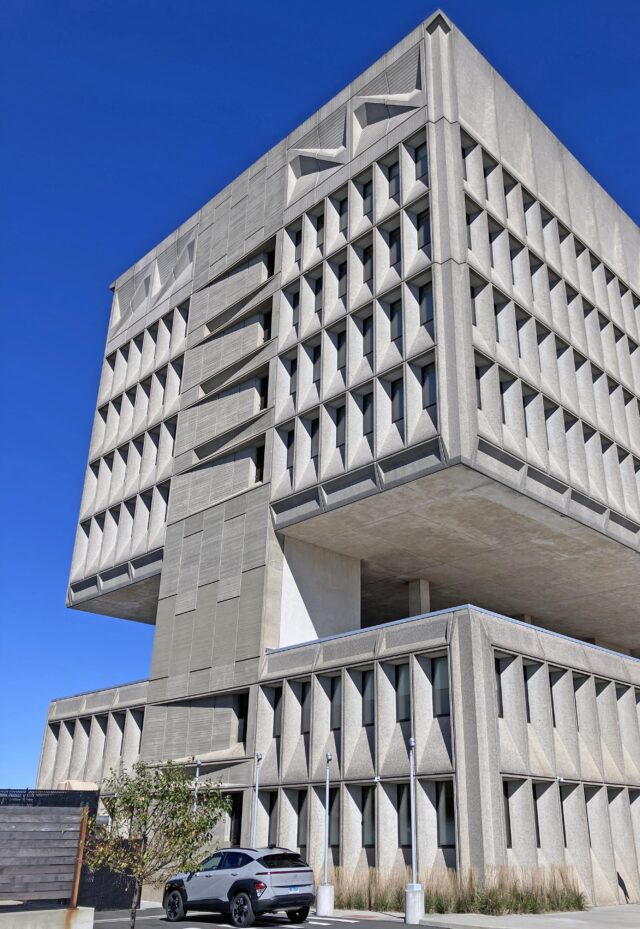
The 2024 Hyundai Kona makes a small crossover feel like a design statement. Its sharp geometry, concealed lighting and sculpted panels give it a personality that’s rare in an affordable utility vehicle. Park it beside Hotel Marcel in New Haven, Connecticut, and the visual connection becomes hard to miss: both use bold shapes and carefully managed negative space to make familiar forms feel unfamiliar.
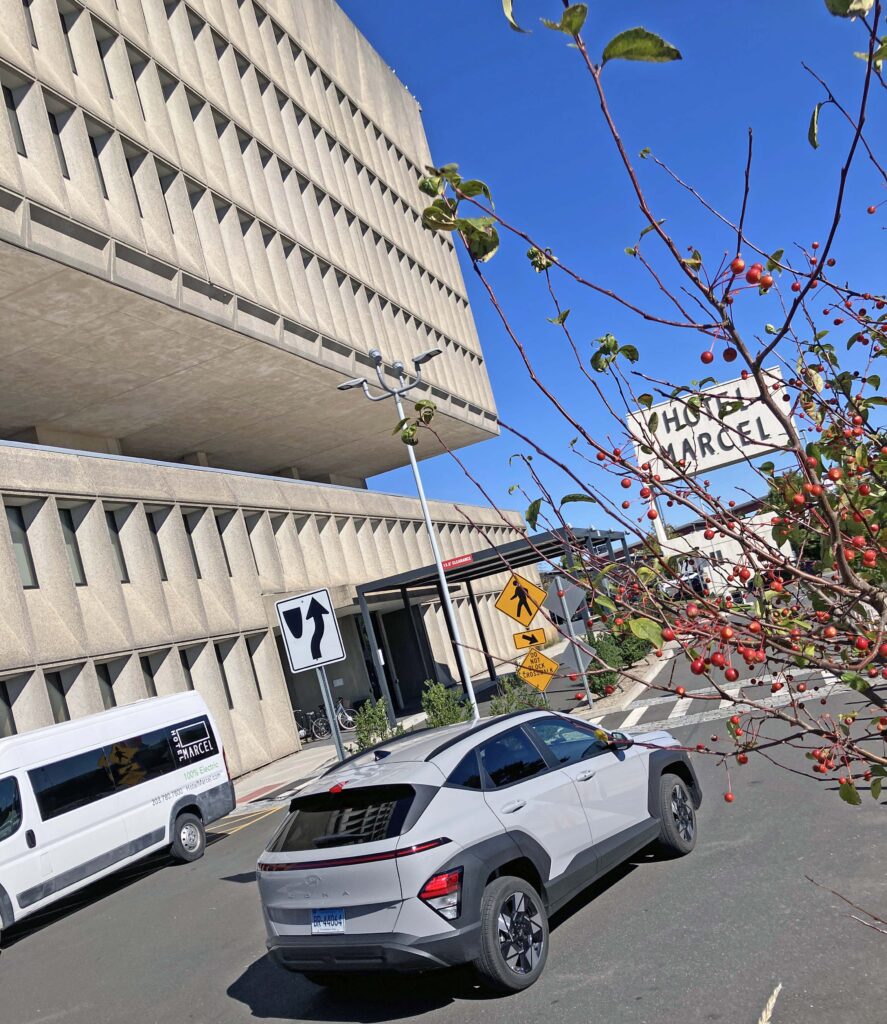
A crossover beside a modernist landmark
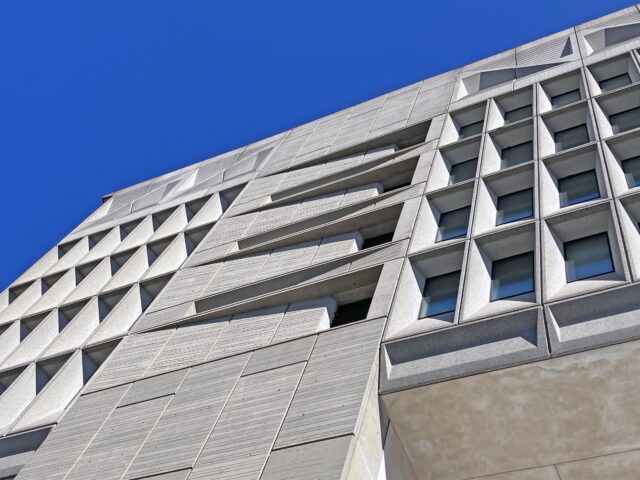
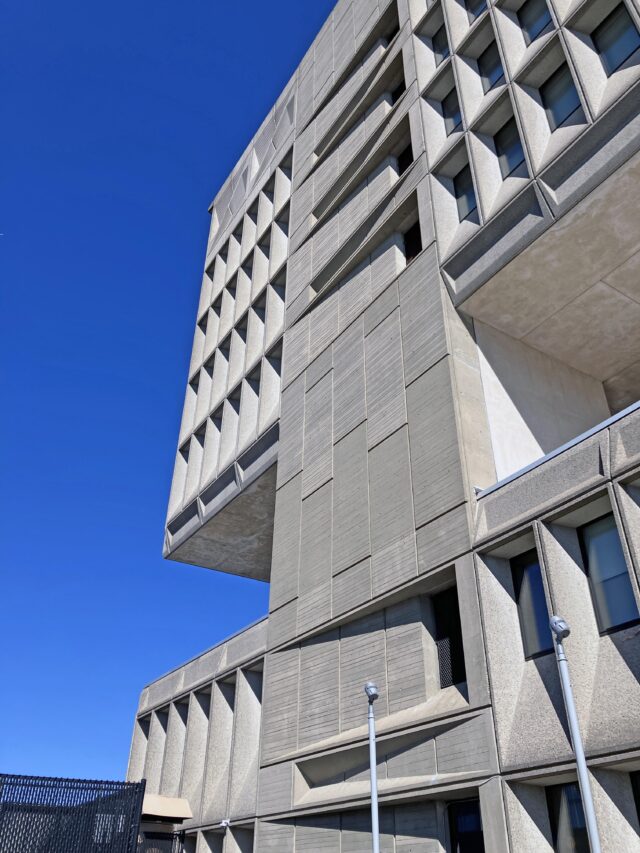
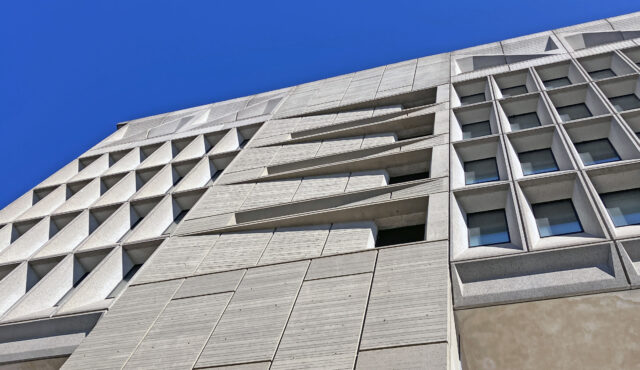
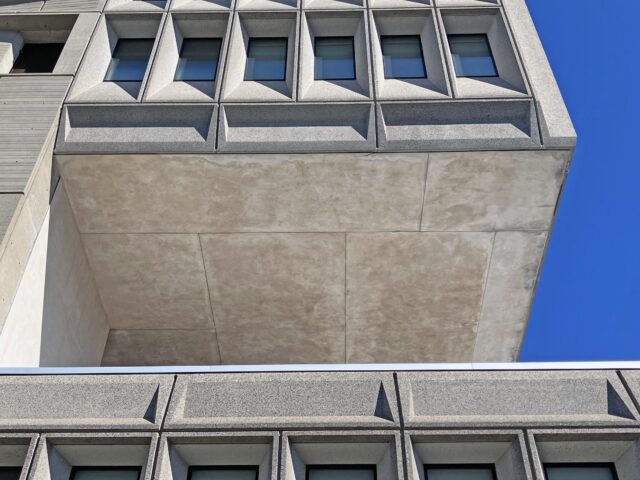
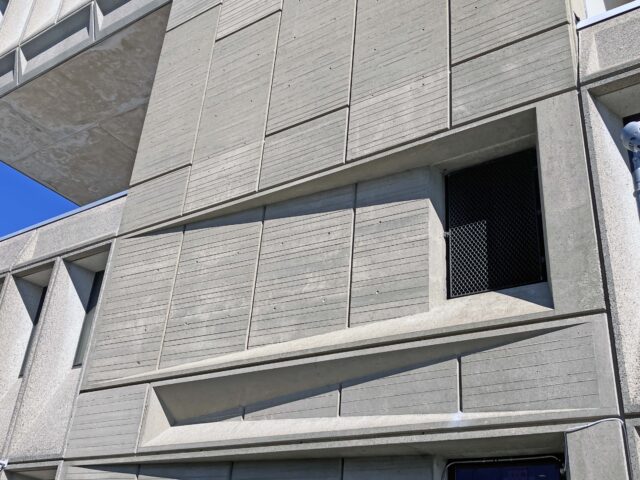
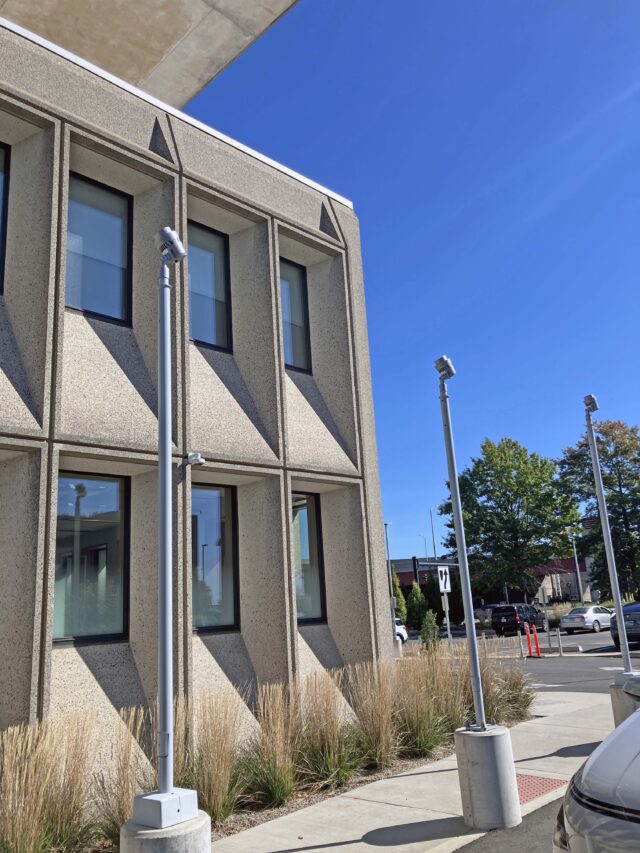
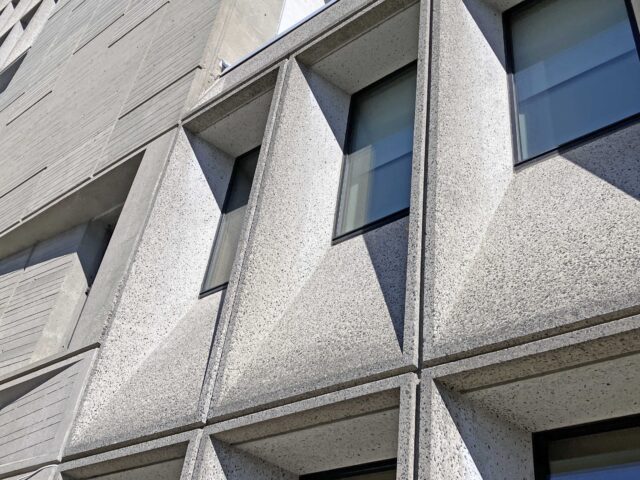
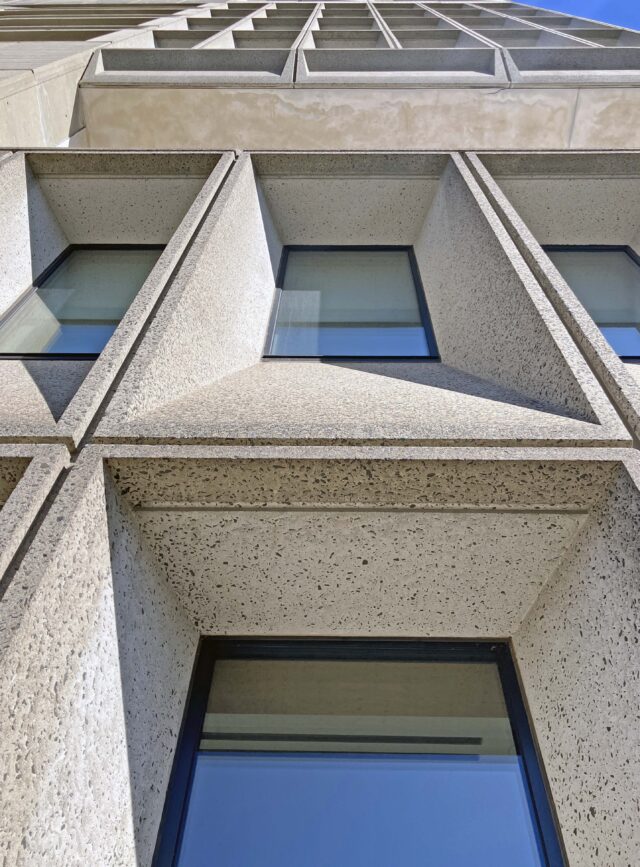
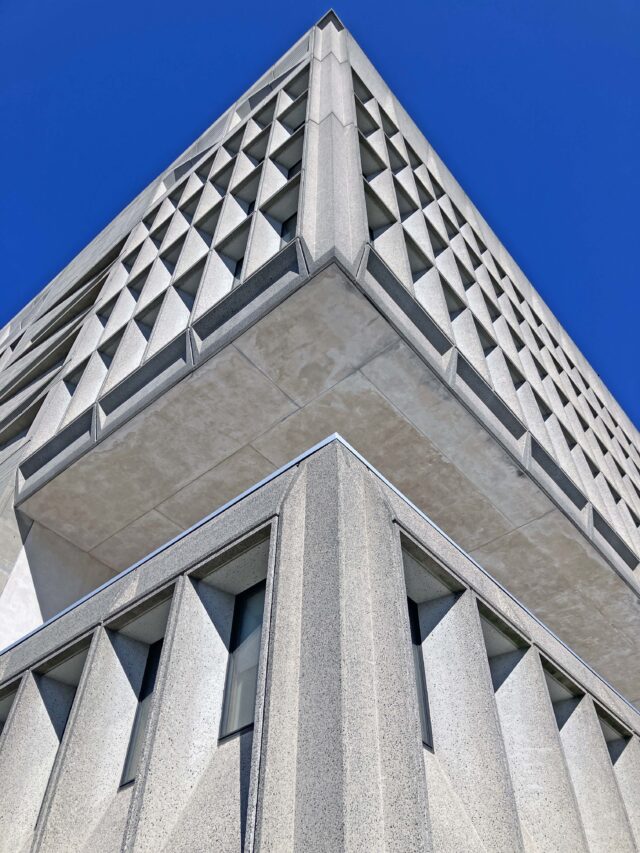
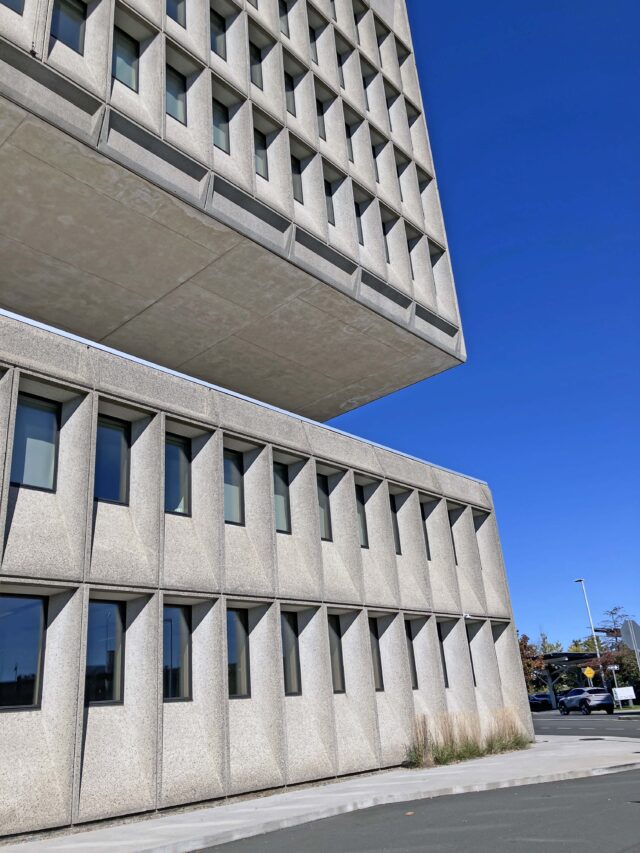
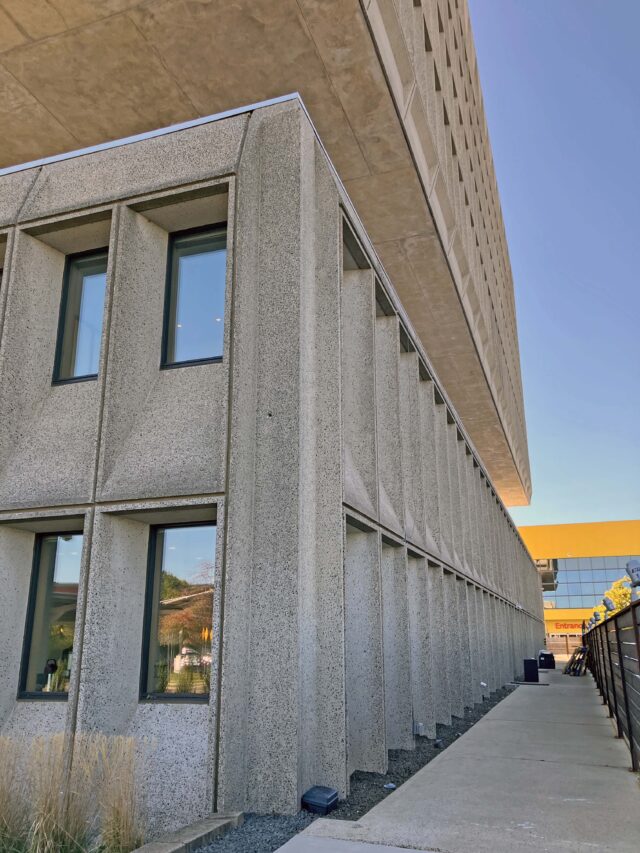
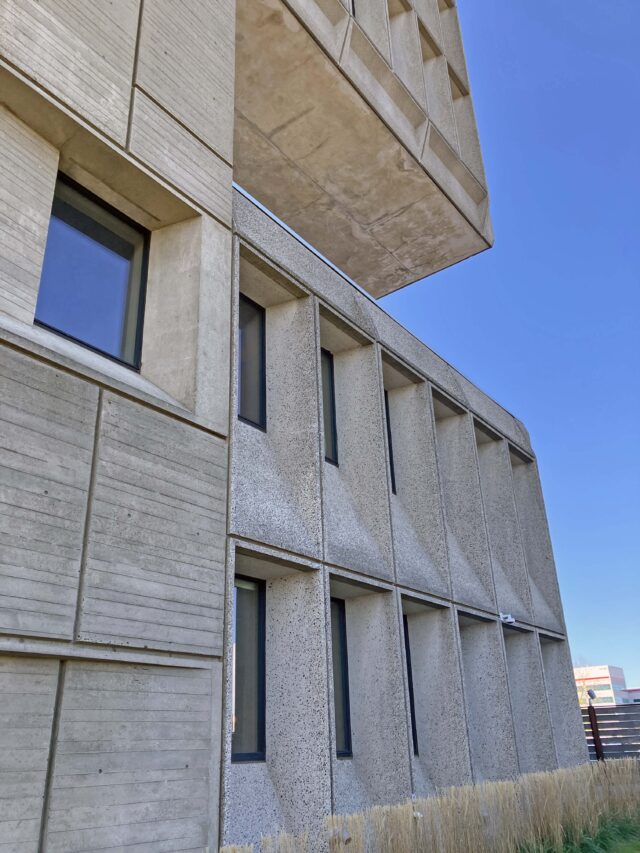
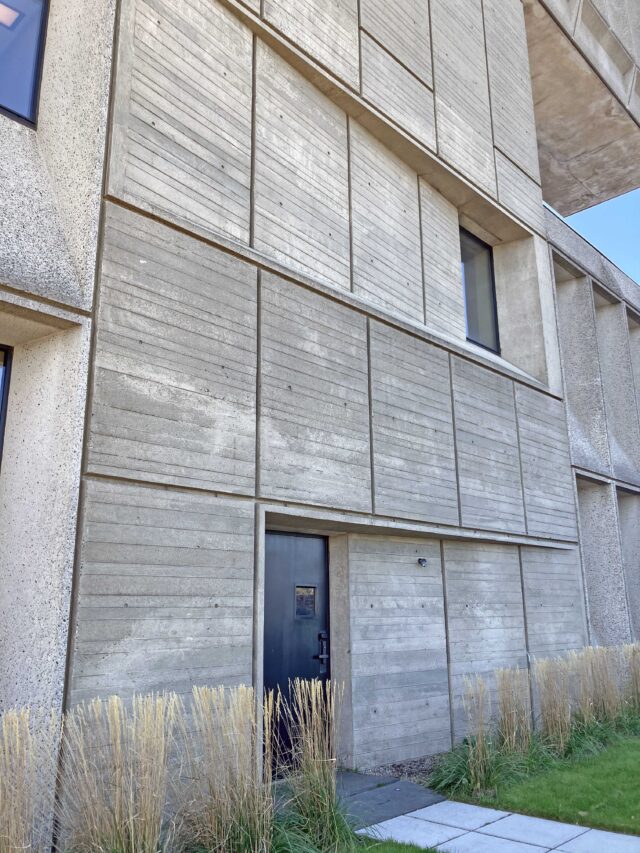
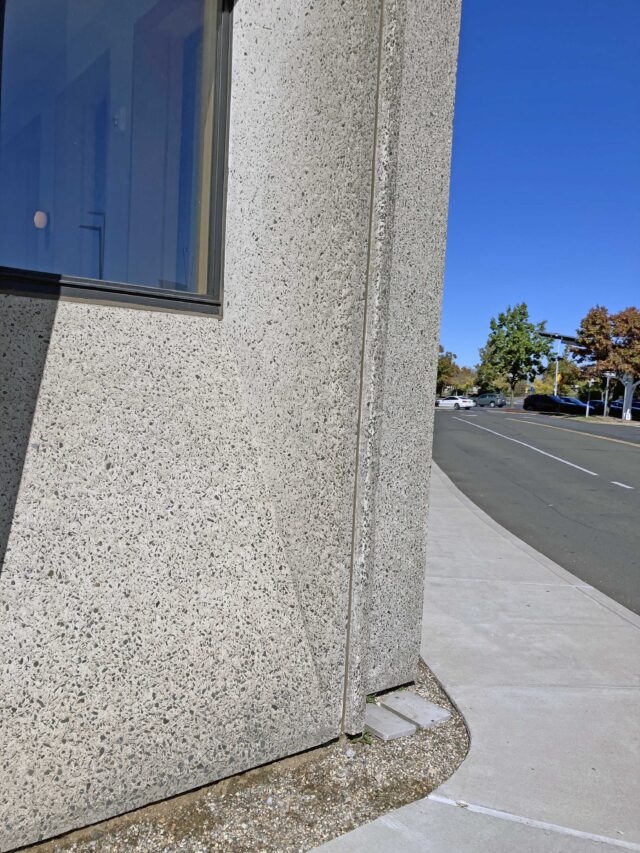
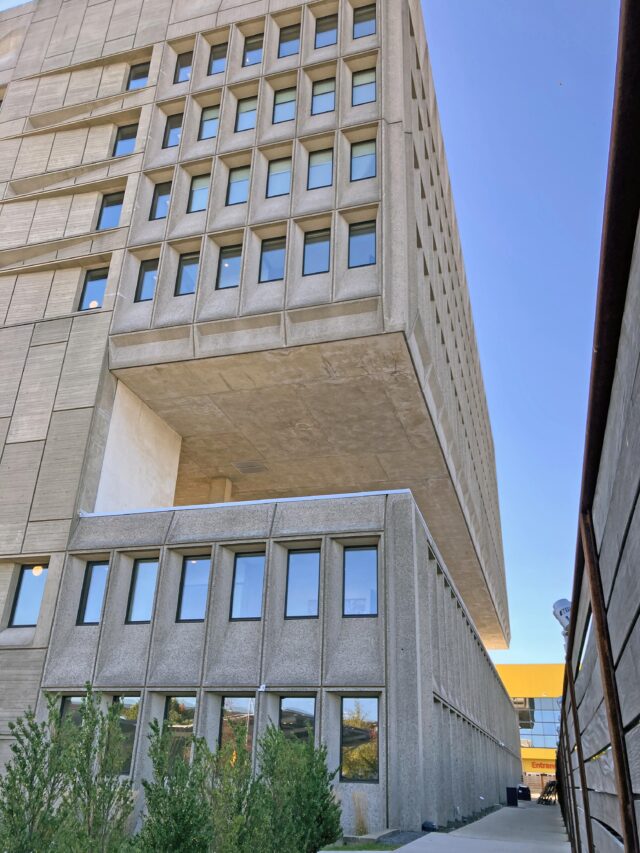
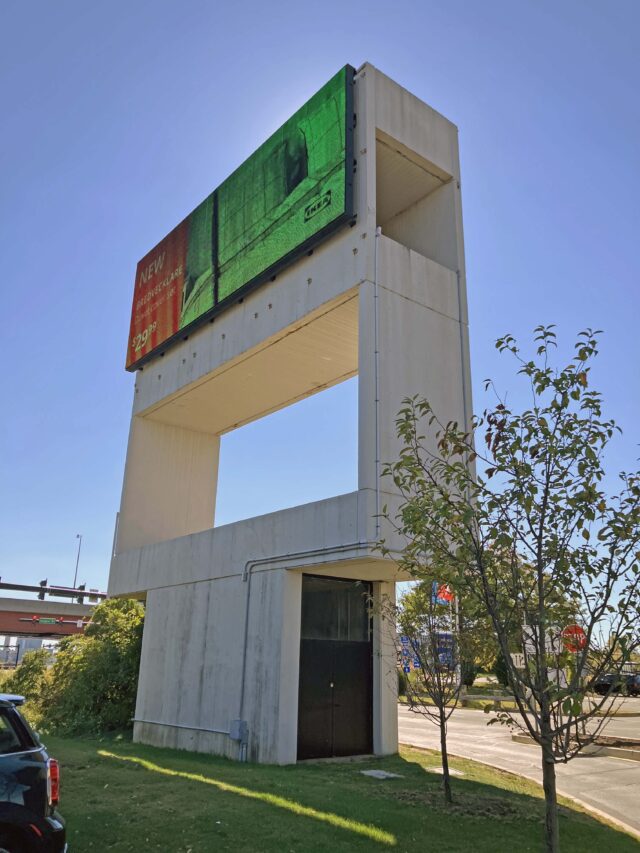
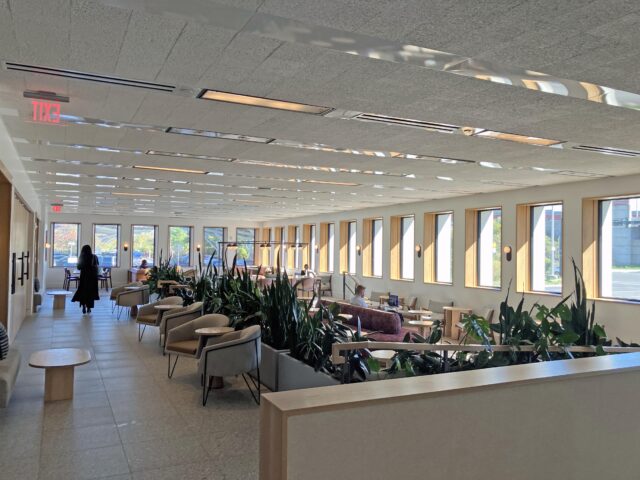
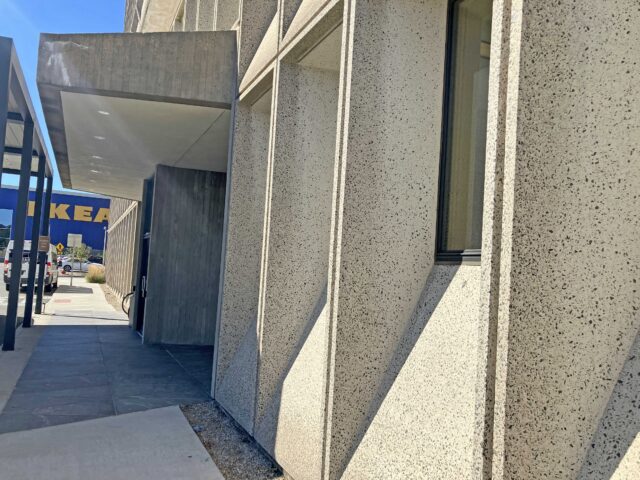
Hotel Marcel began life in 1970 as the headquarters of Armstrong Rubber, later associated with Pirelli. Architect Marcel Breuer designed the building, which became a boutique hotel in May 2022. It sits on land owned by IKEA, a company better known for making modernist design accessible at a smaller scale.
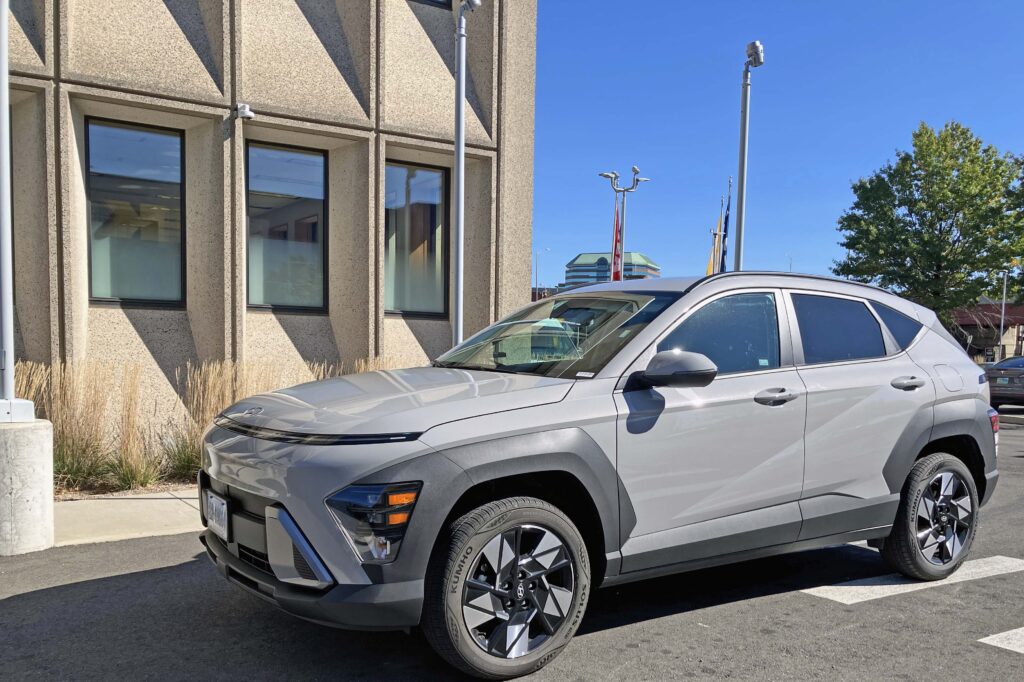
The Kona carries a similar ambition into a different category. Hyundai had already explored pixel-like, architectural styling with the Ioniq 5; by late 2022, that visual direction had reached the smaller Kona. The example here was a nearly new, cement-colored rental found at Bradley International Airport. Its driver had intended to rent a sedan, but the available car smelled strongly of cigarette smoke and sanitizer. A passenger, Hagerty Insider colleague Adam Wilcox, agreed to detour to New Haven before their flights home.
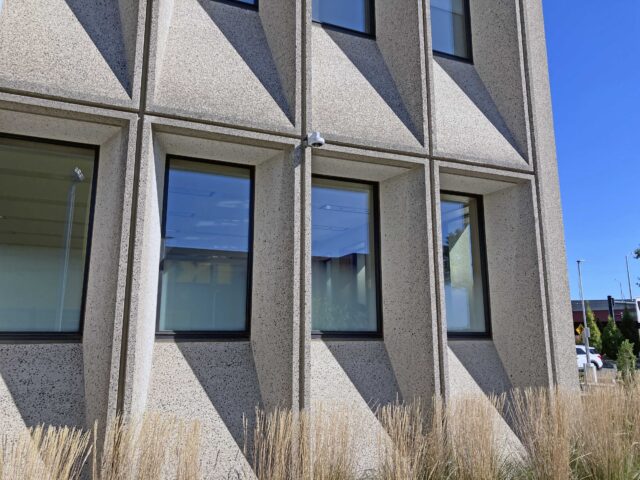
The visit offered a useful pairing. Hotel Marcel’s concrete mass and deeply set windows change character as you move around them. The Kona does something related with its lighting, wheel arches and body creases: details that seem disconnected in one view start to work together from another. Here’s the thing: the comparison isn’t just about angular styling. Both designs rely on restraint in some areas so their more dramatic features can carry the eye.
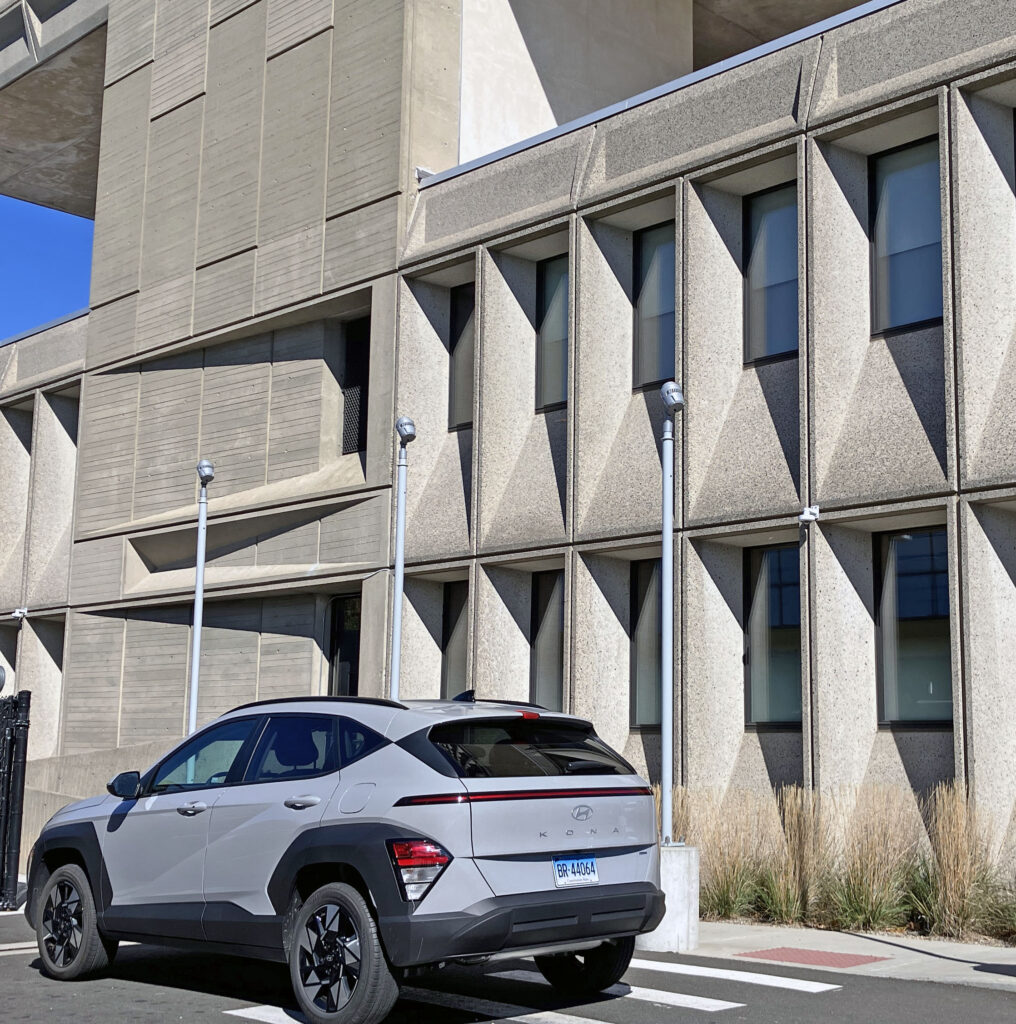
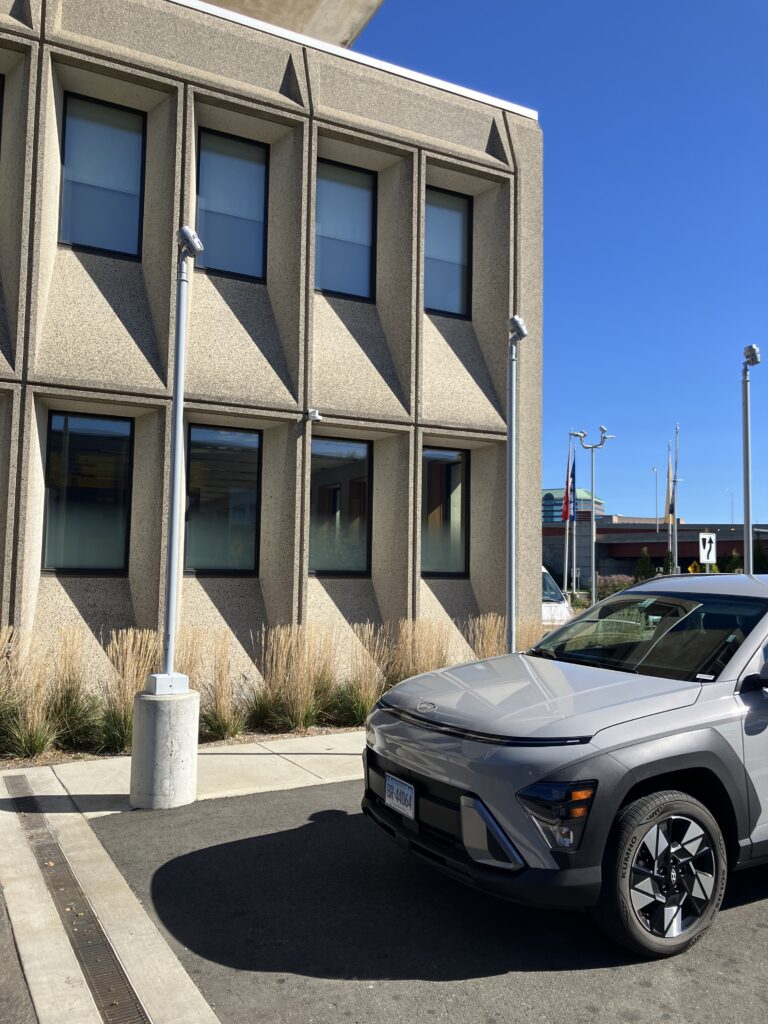
A new face, without a familiar grille
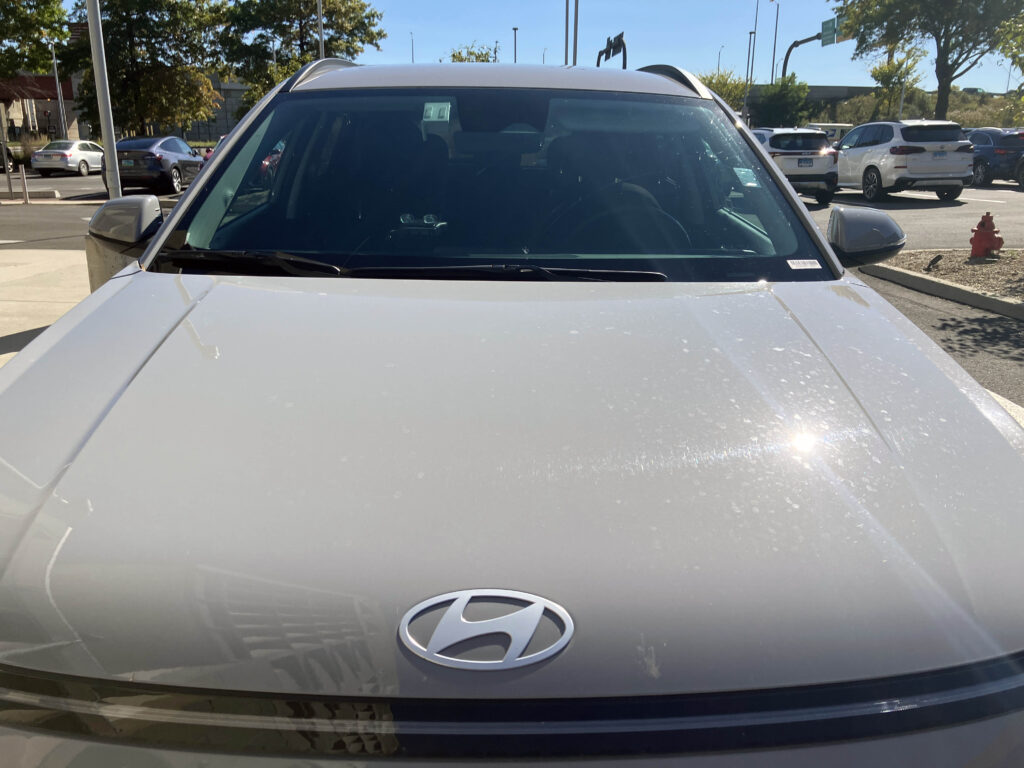
The latest Kona holds its place as a subcompact crossover, but its front end takes a distinct turn from the outgoing model. The older car relied on a conventional grille and prominent lighting pods. This generation has a flatter hood, a horizontal running light and a much less obvious arrangement of headlights. Hyundai has also kept chrome out of the headlamp treatment, allowing the body shapes to read as one design.
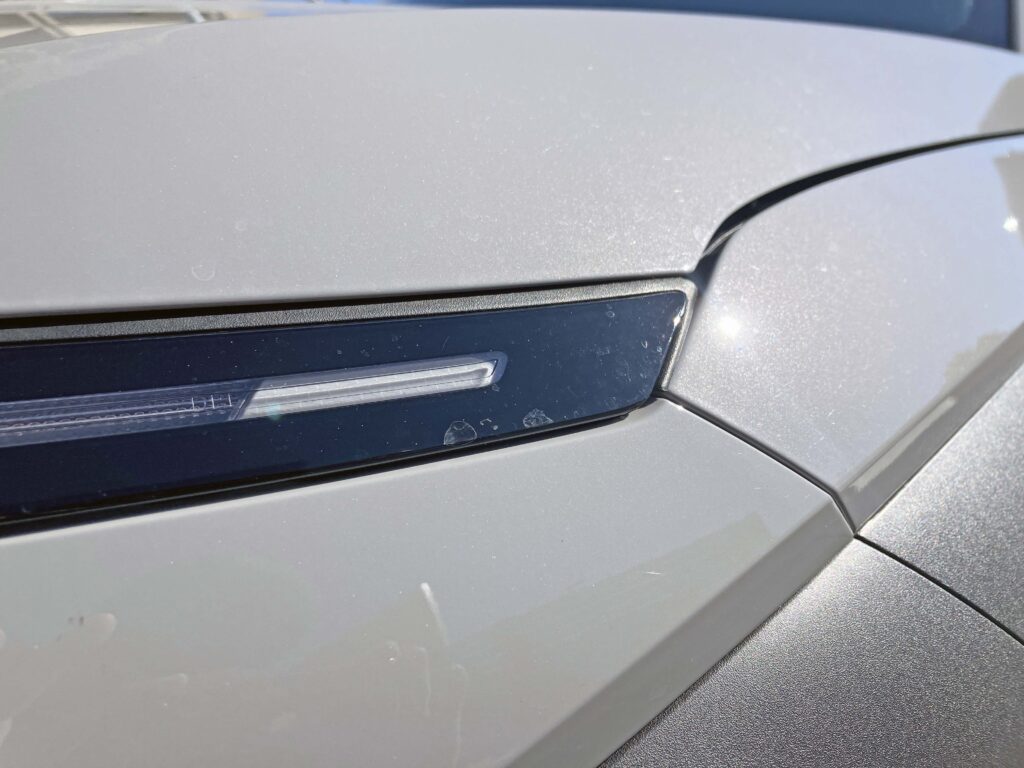
At first, it’s not clear where the headlights are. The front has a mask-like quality, somewhere between a robotic face and a deliberate refusal to give the car a familiar expression. A narrow black band below the hood hints at what’s going on. The bumper rolls into a relatively flat hood with a pronounced central bulge, while the running light stretches across the upper edge.
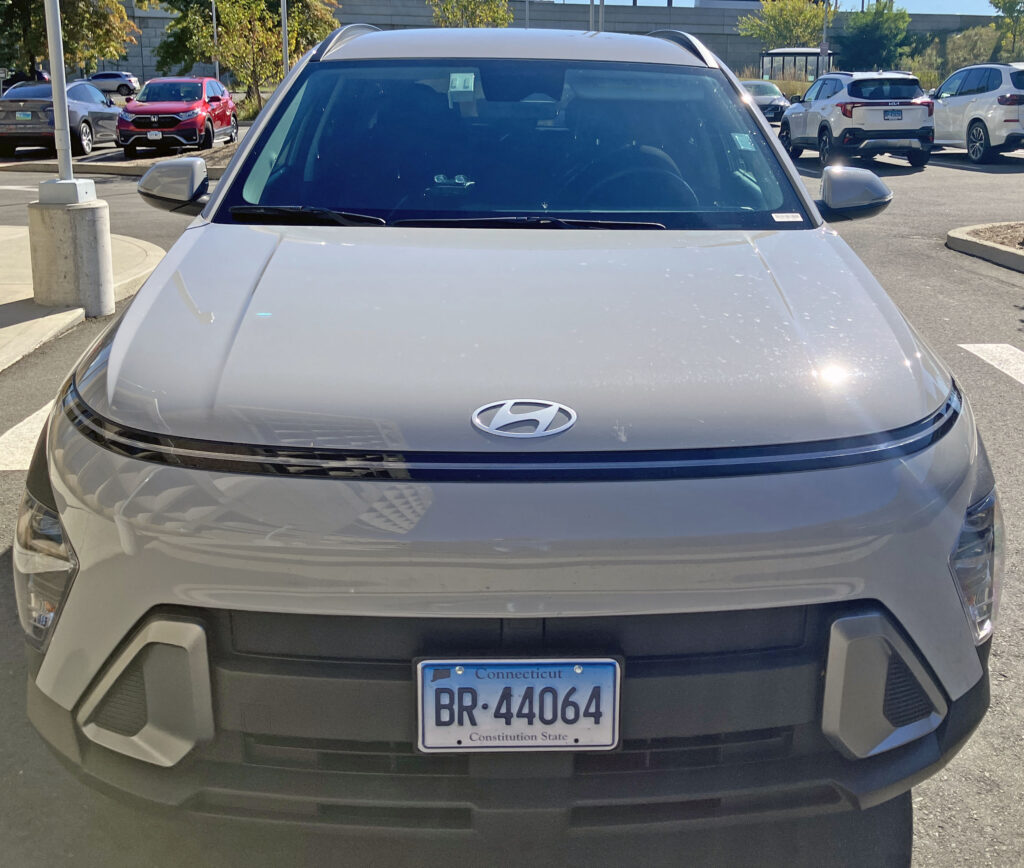
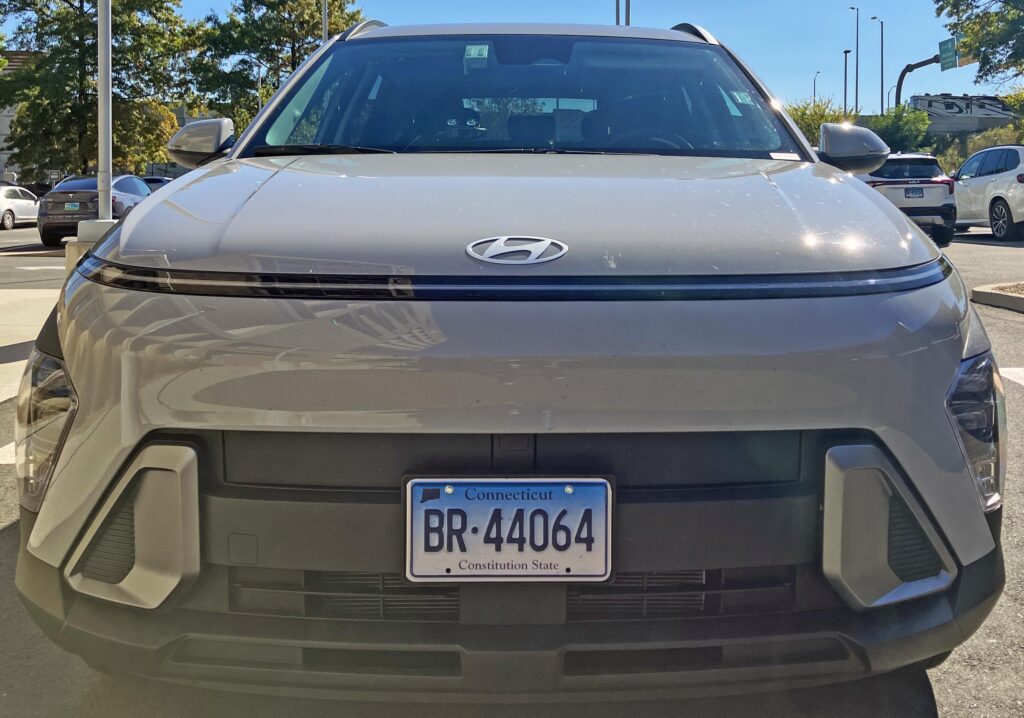
Look closer and the bumper sweeps backward toward the hood, its surface bending to give the blunt front a sense of movement. The effect is a sharp departure from the previous Kona’s large grille. With the grille gone, the lower front becomes a mix of painted surfaces, silver-edged details and black panels. Some of those accents resemble ducts or ventilation hardware; others are functional openings and covers.
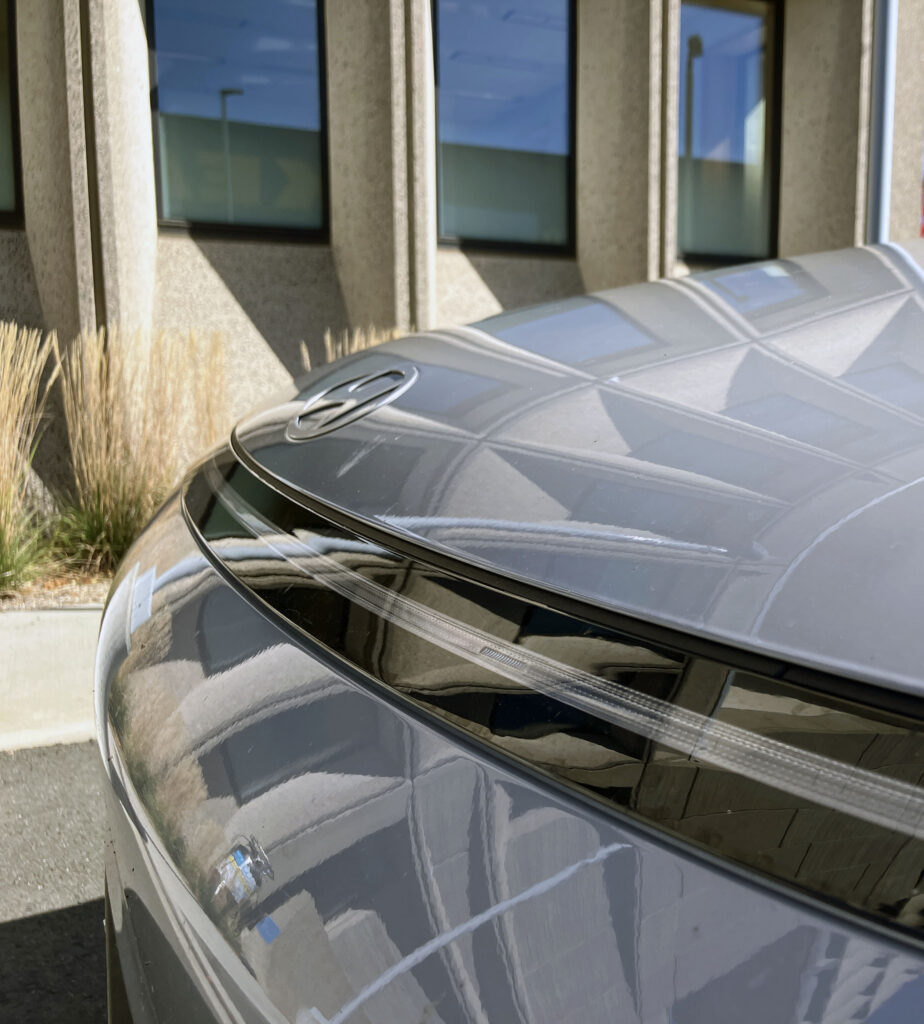
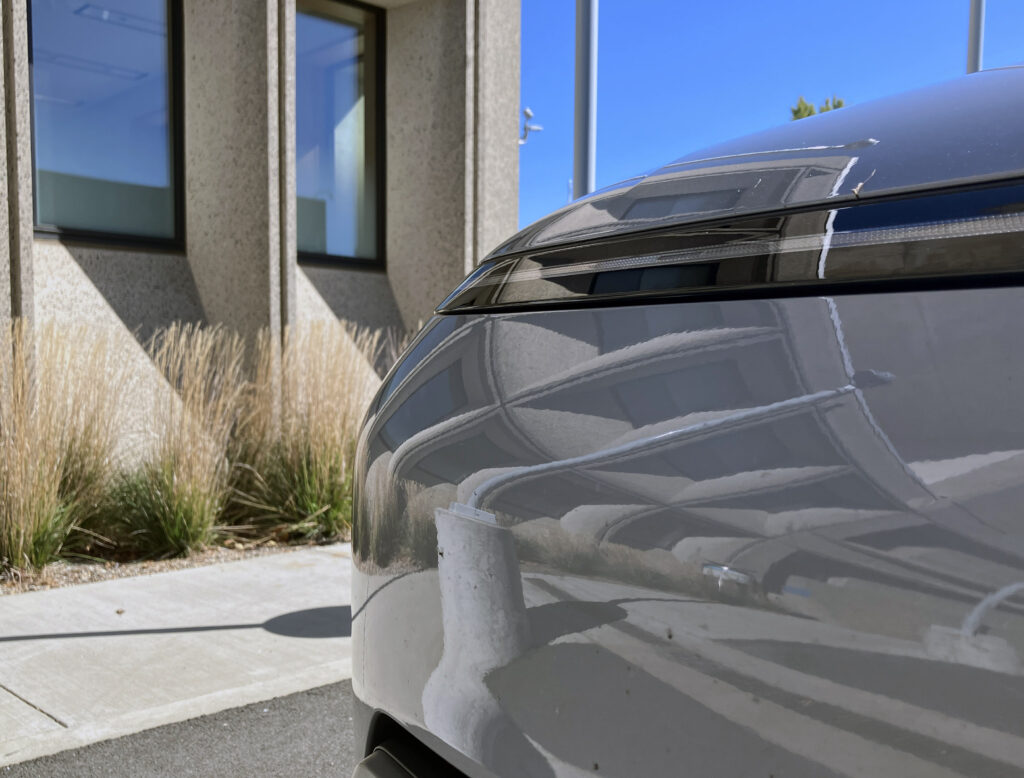
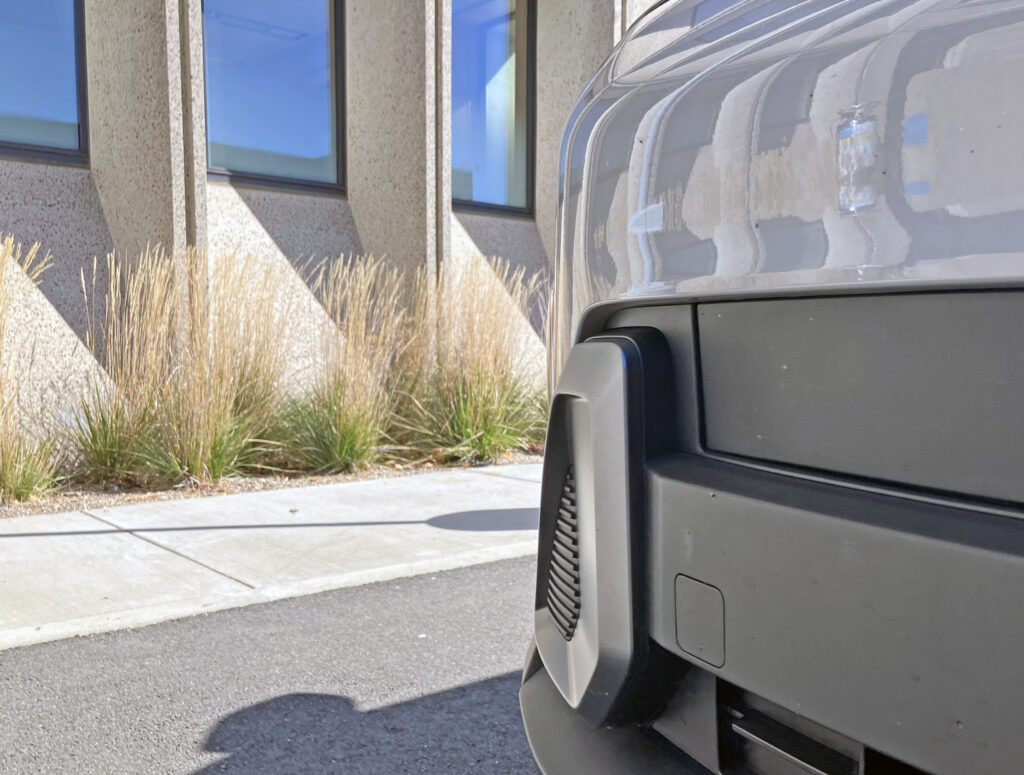
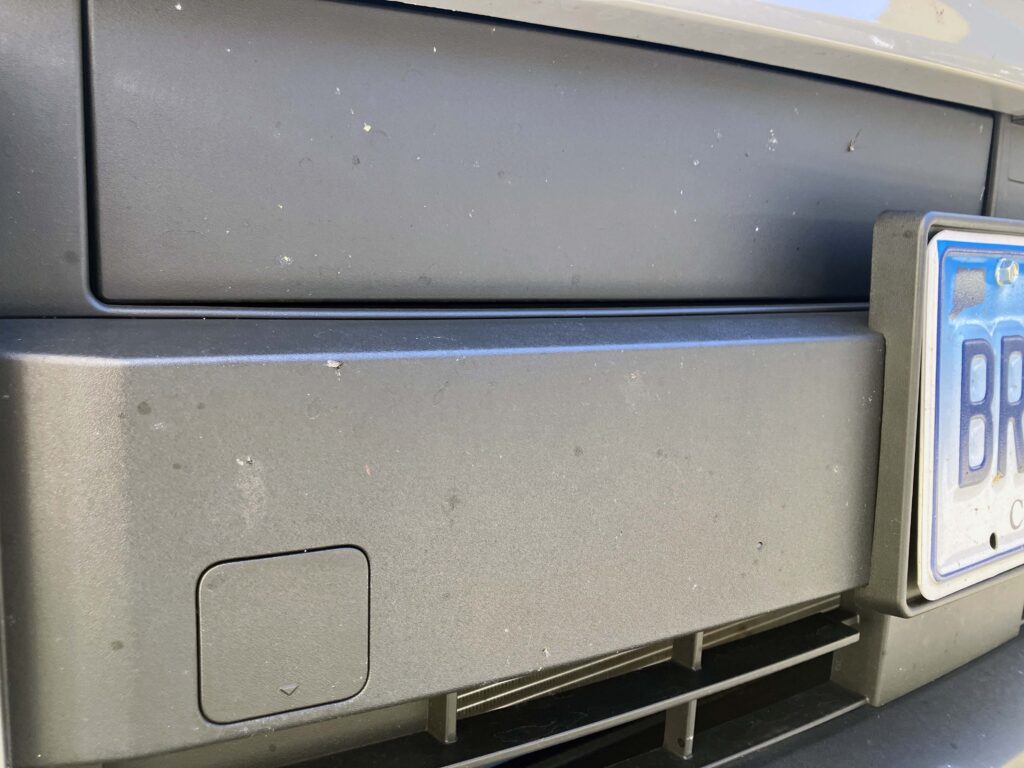
The large black lower section hides a surprising collection of shapes: intake passages, tow-hook covers and blank panels that appear suited to accessories. The dark plastic also draws attention away from a practical but awkward detail: the front license plate seems taller than the bumper area intended to hold it.
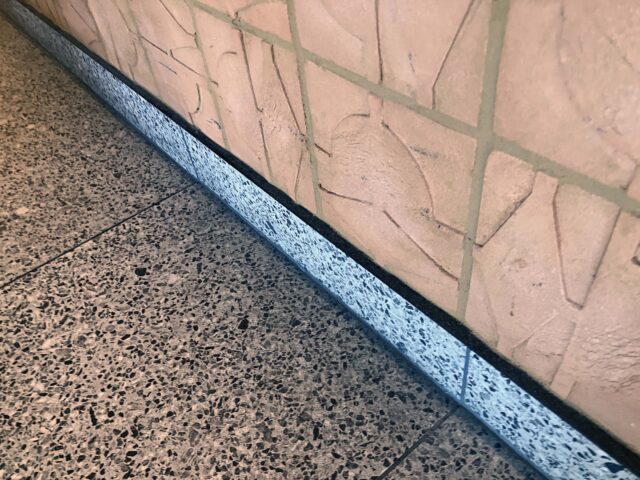
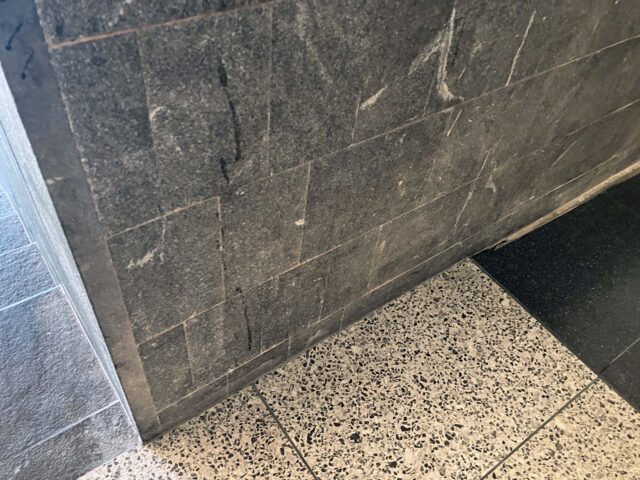
Angular, faux-duct details keep the lower bumper from becoming a plain slab. They also echo the Hotel Marcel’s loading-ramp walls, where strong angles give a working area a distinct visual rhythm. Minimal form can still be engaging when each line has a purpose in the composition. On the Kona, the black trim provides contrast and makes the gray painted section feel more deliberate.
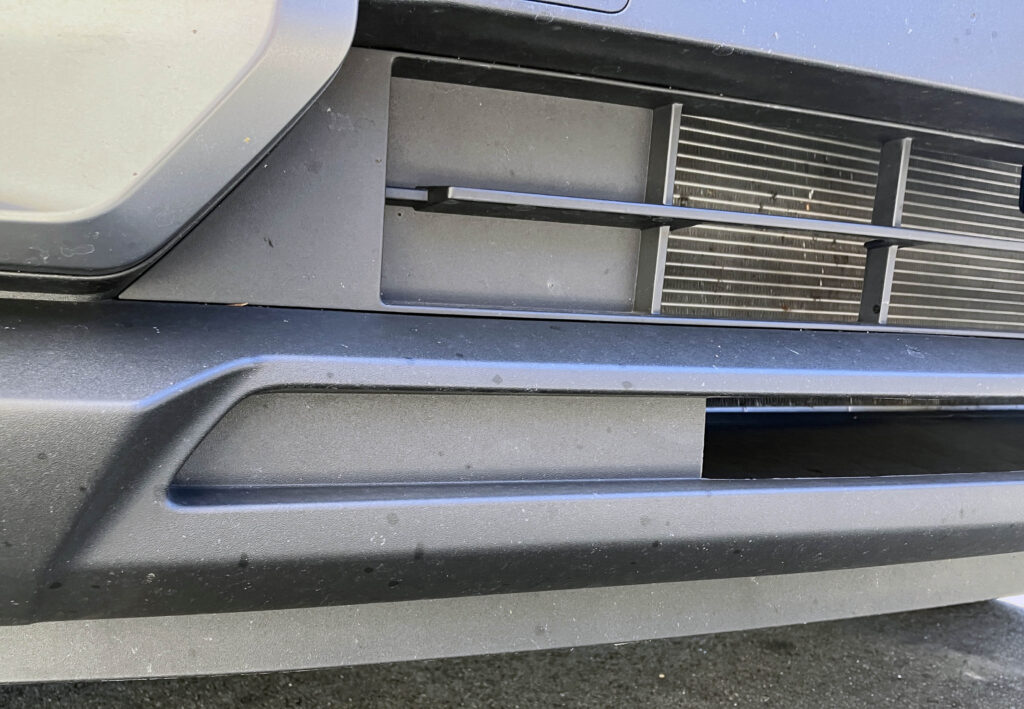
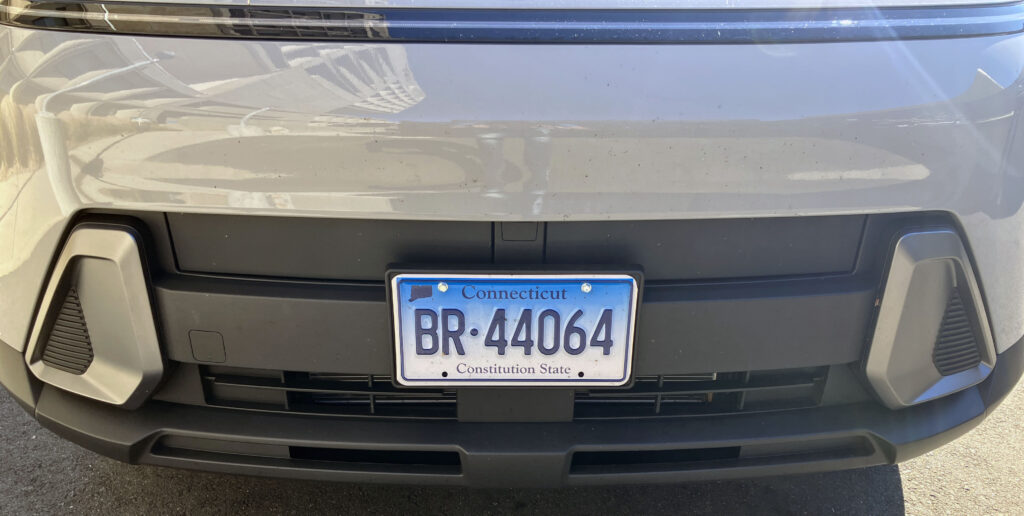
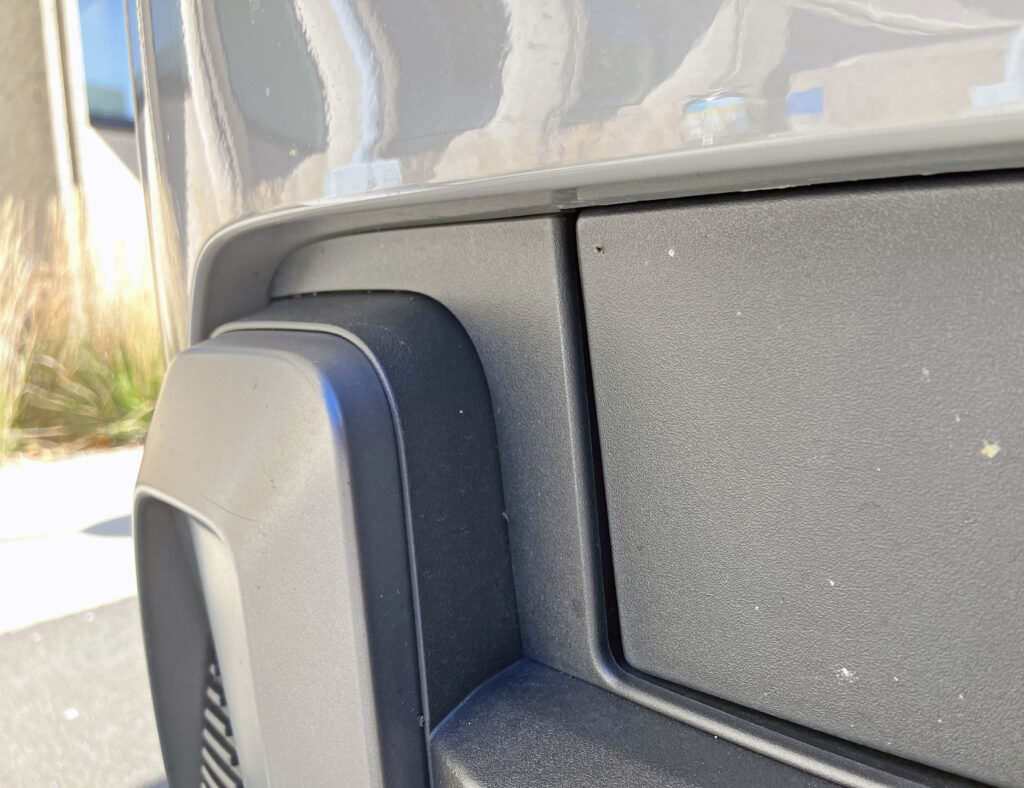
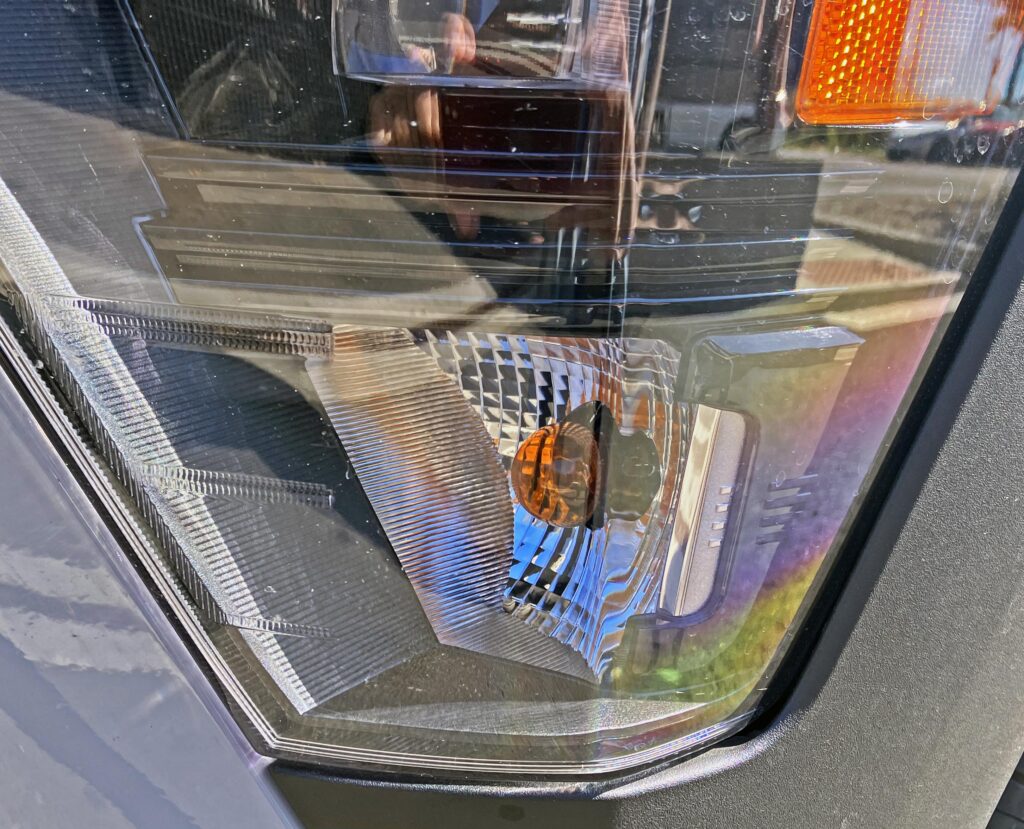
The headlamps reveal themselves as you walk around the front corner. The lower bumper’s edge visually extends into the lighting unit, but the surrounding black plastic partly conceals it again. The body’s slashes, bends and curves don’t converge on one clean focal point; they send the eye in several directions at once. That restless quality is central to the Kona’s character.
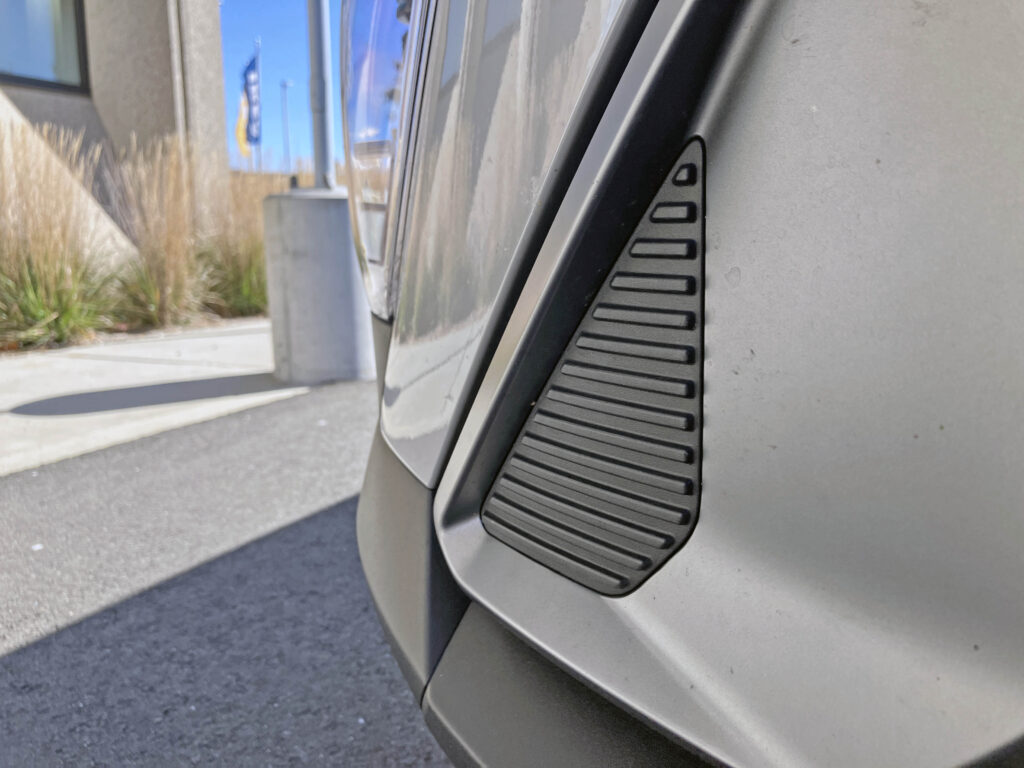
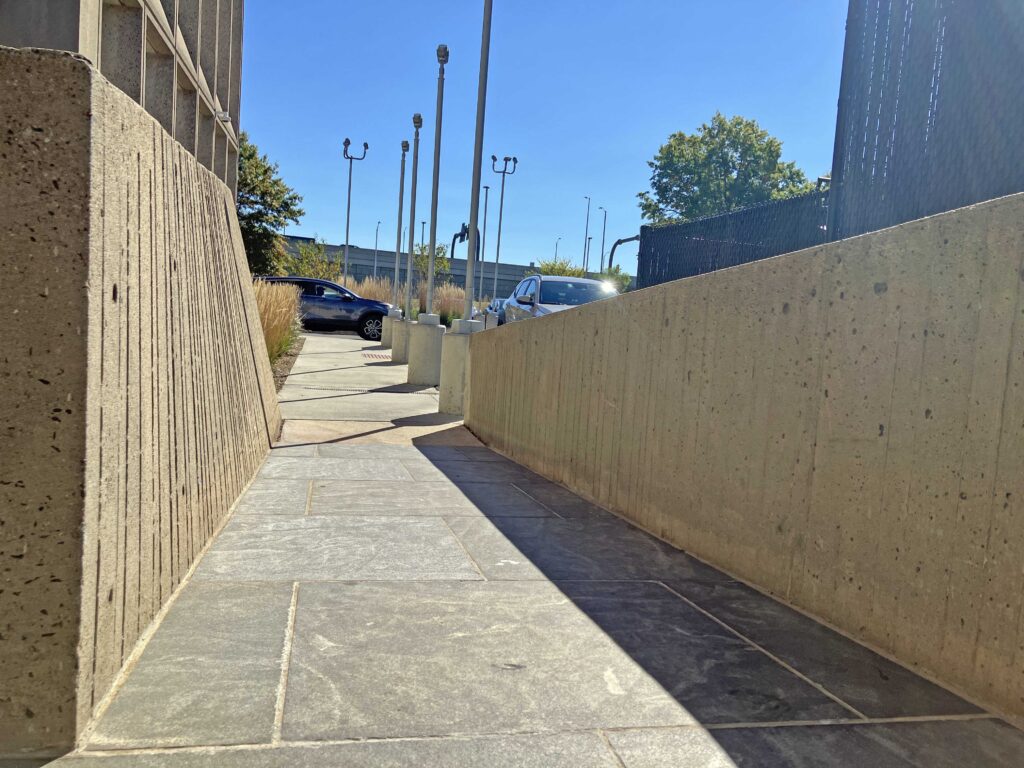
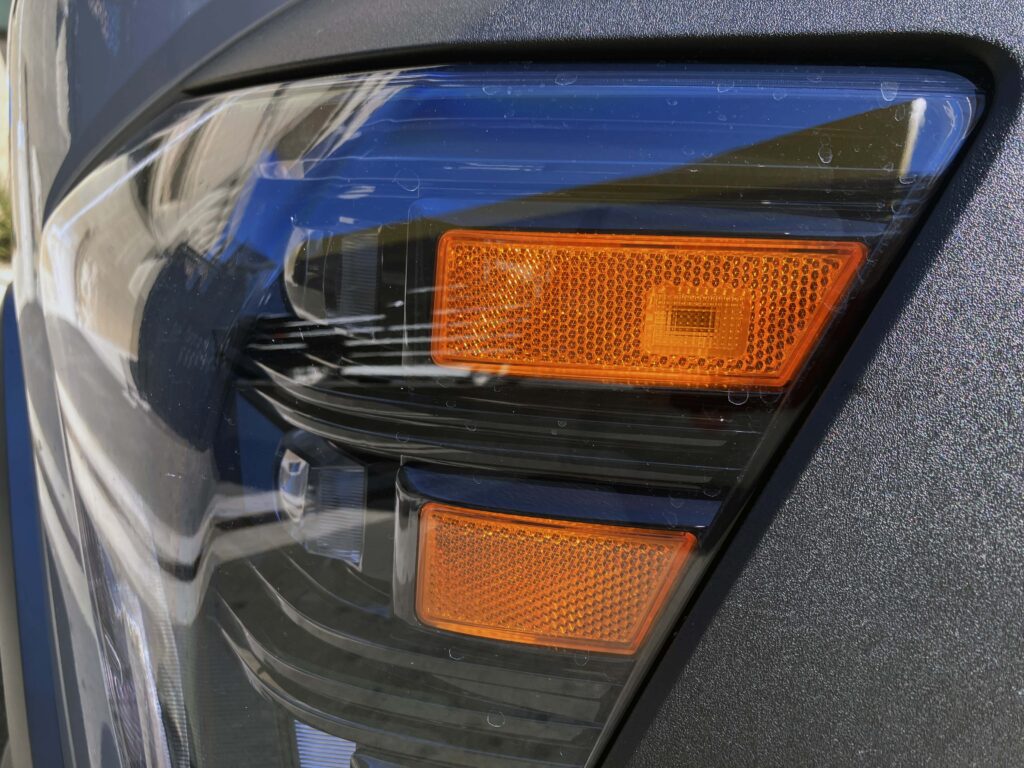
The lighting itself mixes familiar hardware with unusual packaging. The turn signal uses a conventional filament bulb, set beside a narrow slot that looks almost like a memory-card opening. Ribbed detailing, side markers and the main headlamp sit above and around it. LED low- and high-beam units add crisp texture to the mask-like front, while the amber side markers give the assembly a sense of forward motion.
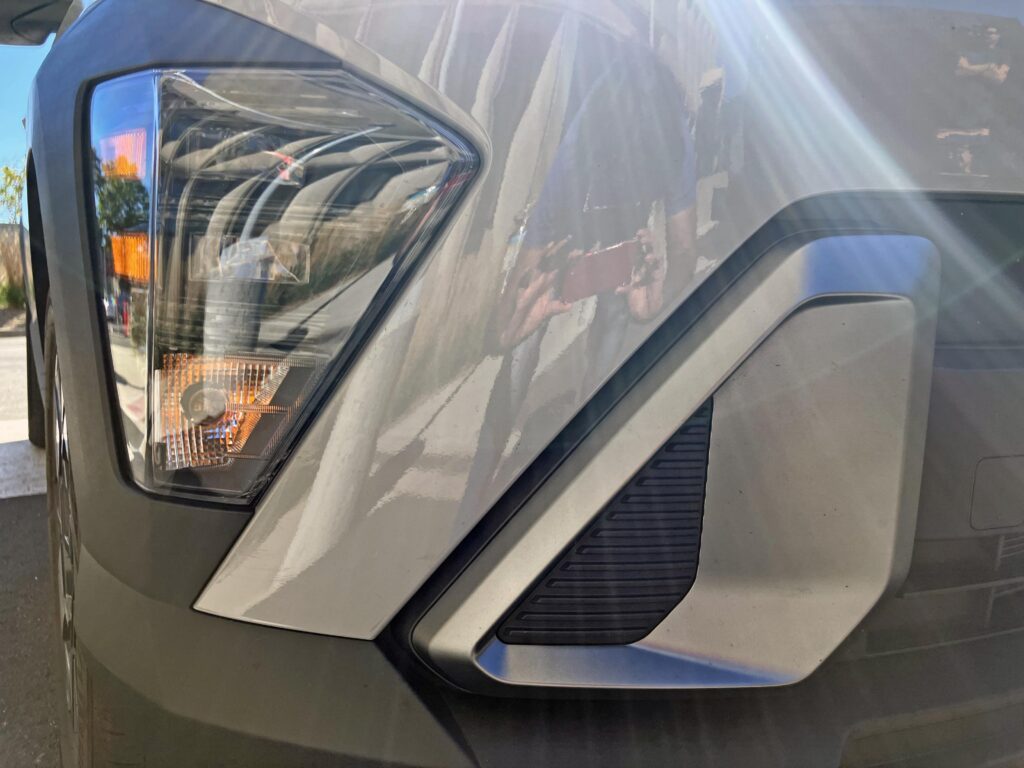
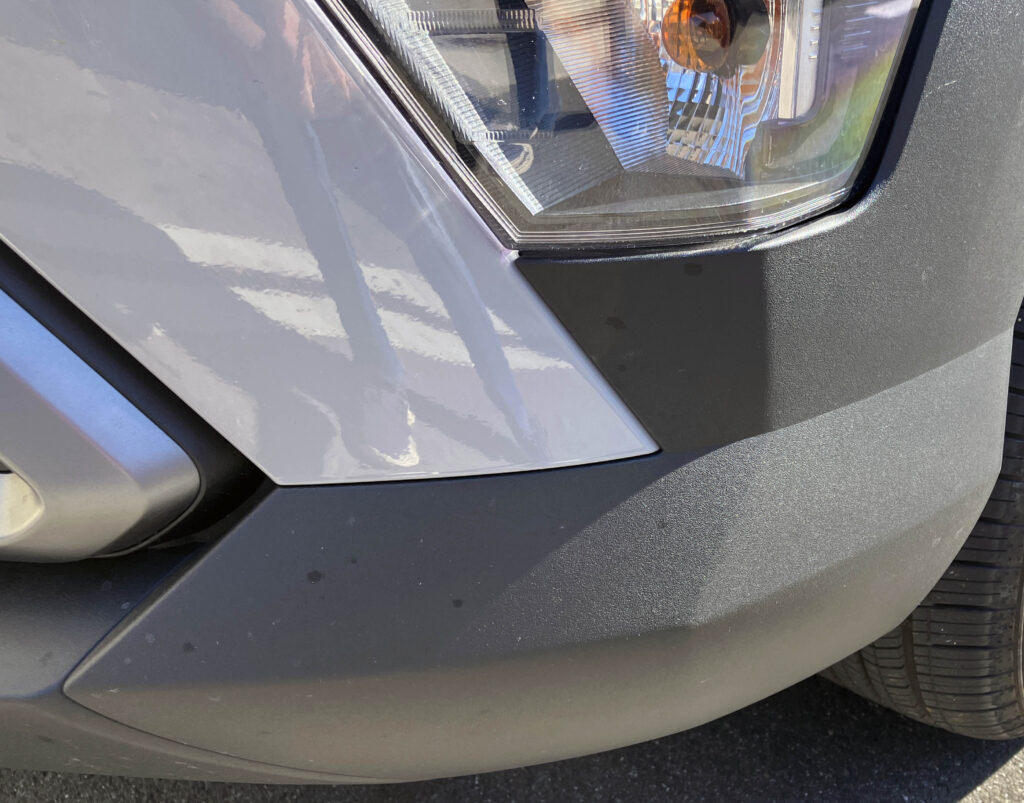
The headlamps sit relatively low beneath the skinny running light, emphasizing how tall the crossover’s front bodywork is. Creases in the metal and plastic keep that vertical span from looking empty. The hood edge shares space with the running light, making the front panel gap nearly disappear. Where the hood line does become visible, a slight rise gives the panel a clamshell effect, similar in concept to the Kia Soul and the first-generation Chevrolet Avalanche.
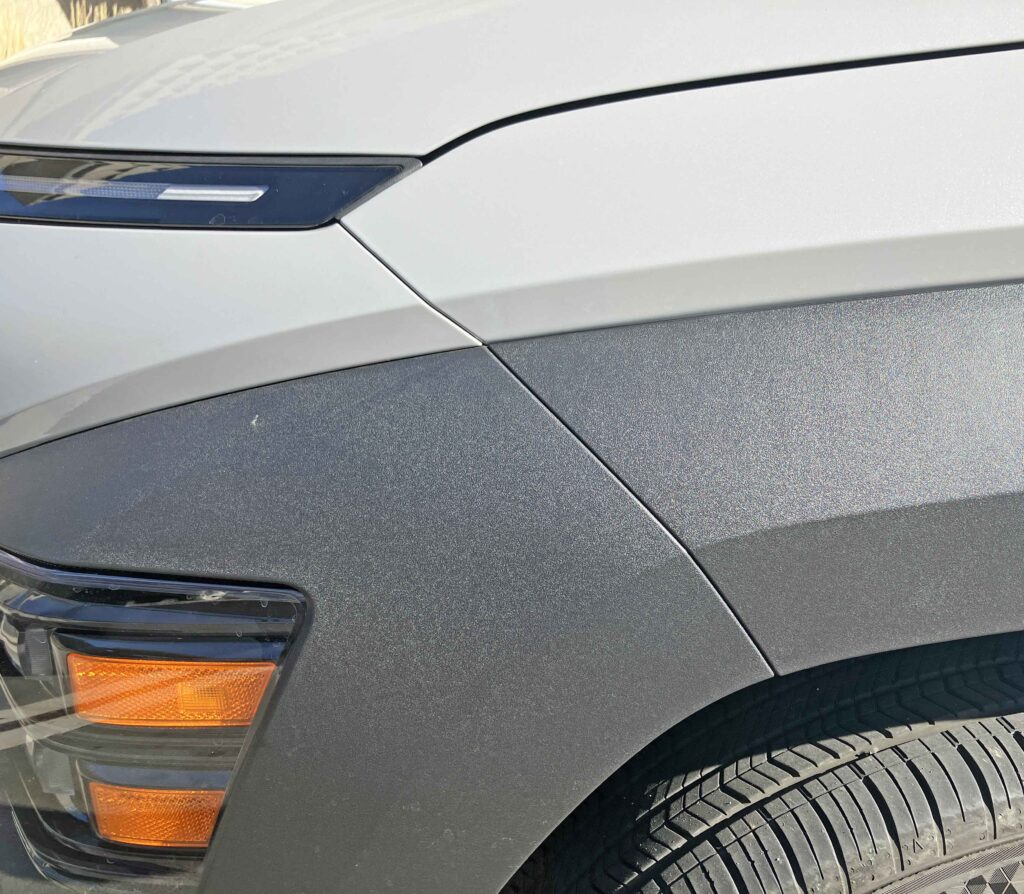
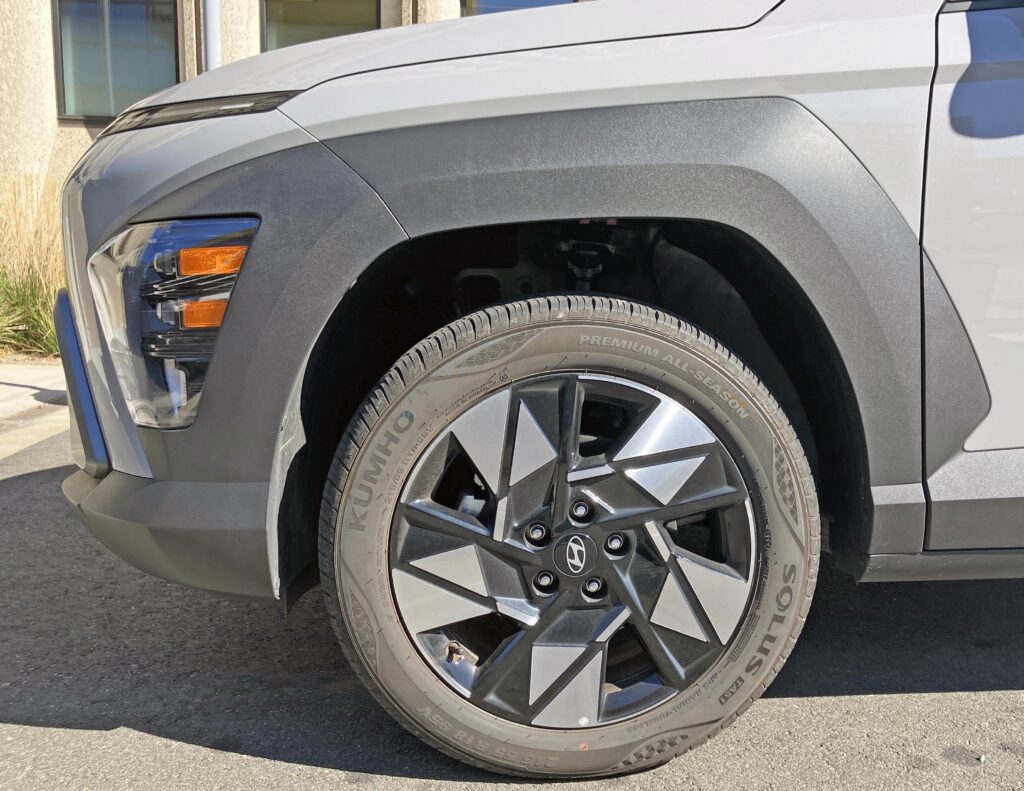
From the front three-quarter view, the broad wheel-arch trim appears to hide some of the dark lighting elements. Its rough plastic finish meets the gray bumper section in a way that makes both parts feel connected. That painted center panel can read as a scowling face, with the corners stretching outward like pointed fingers. Hyundai’s design is full of these shifts: one part becomes visible, then another takes over as you move around the car.
Wheel arches, door creases and the Kona’s proportions
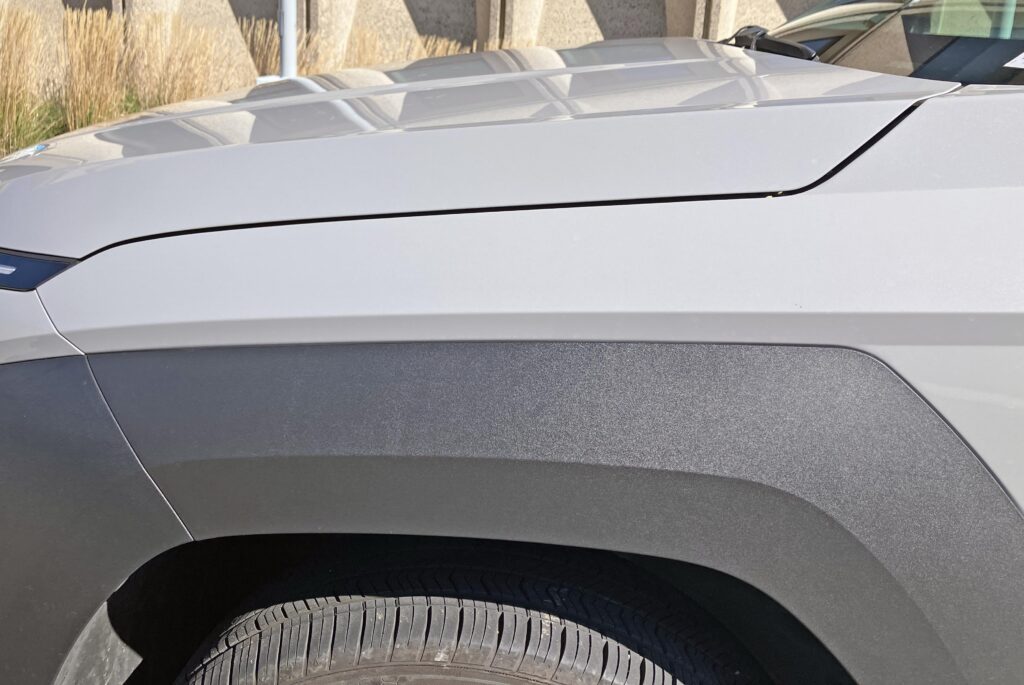
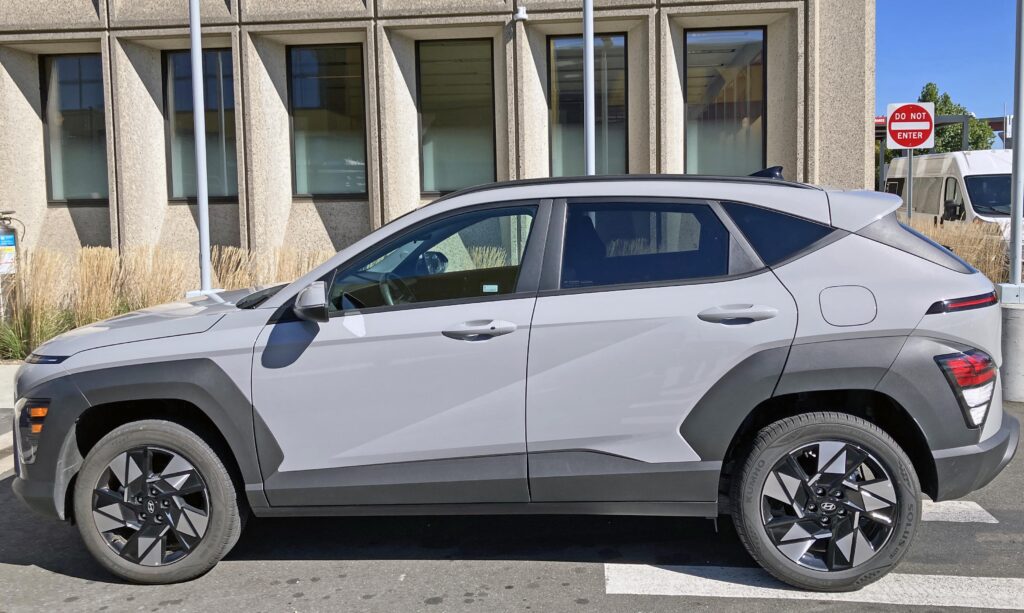
The Ioniq 5 offers a helpful comparison. Its painted geometric panels create a diamond-like motif that runs from the front lighting area toward the rear wheel. On a sunny day, the contrasting surfaces catch the eye and make the transition between front and side feel intentional. The Kona instead uses coarse black plastic around its wheels, a familiar crossover cue that suits its more assertive stance, though it loses some of the Ioniq’s visual finesse.
There’s a lot happening around the Kona’s front fender. The cowl and steep windshield pillar are relatively tidy, while a clamshell hood helps the fender’s upward curve feel less abrupt. The forward-projecting wheel-arch treatment appears to emerge from the central bumper opening, then runs back toward the front door. Because the Kona is a small car with a short distance between its front wheels and windshield, the flare has to continue onto the door’s painted surface. That join isn’t especially elegant.
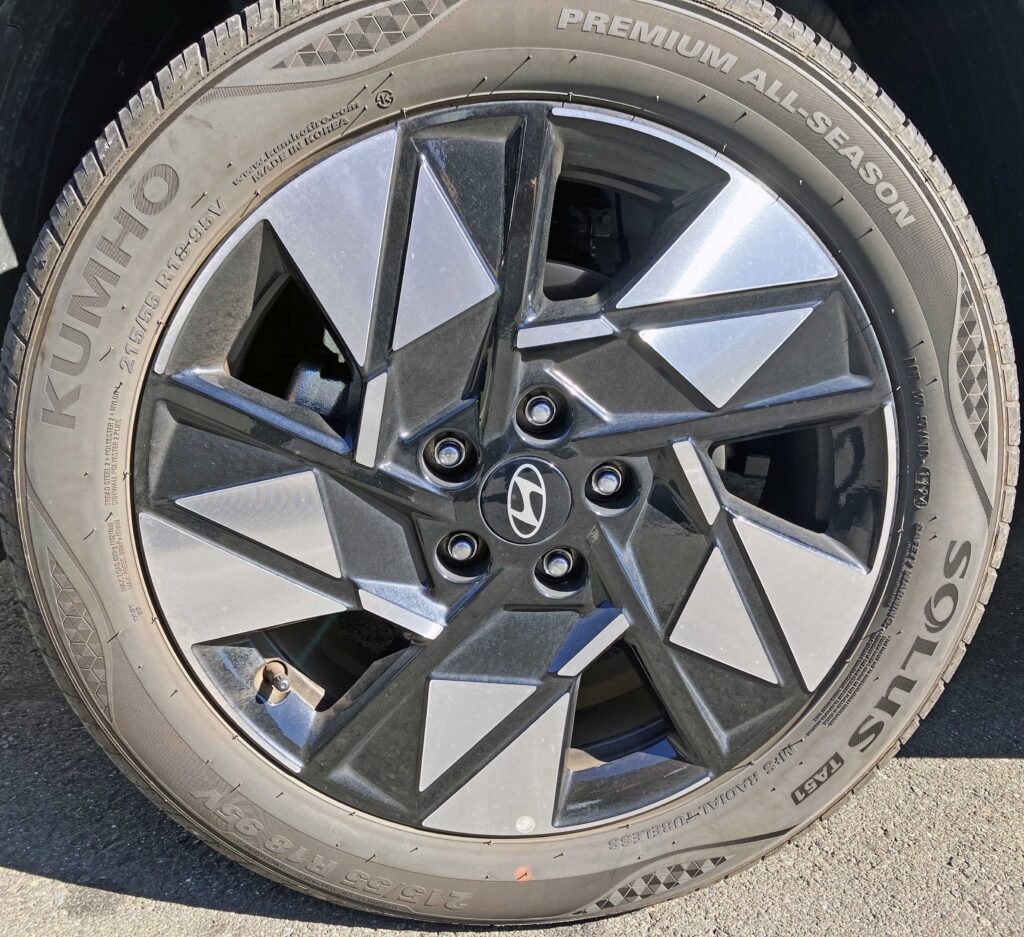
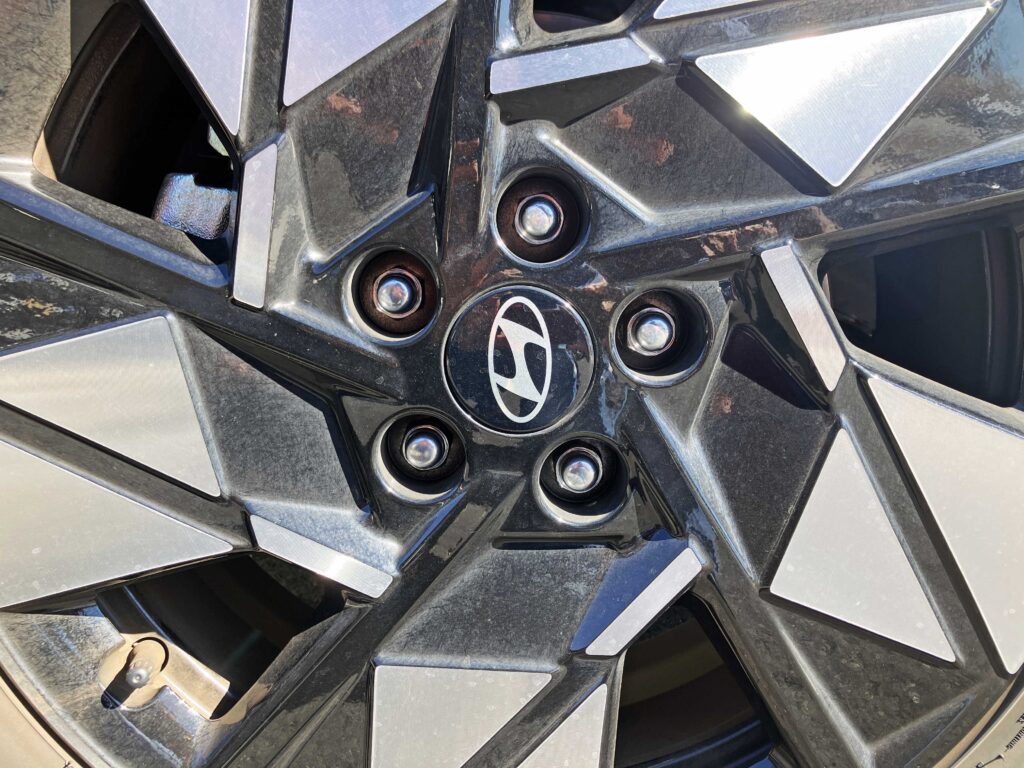
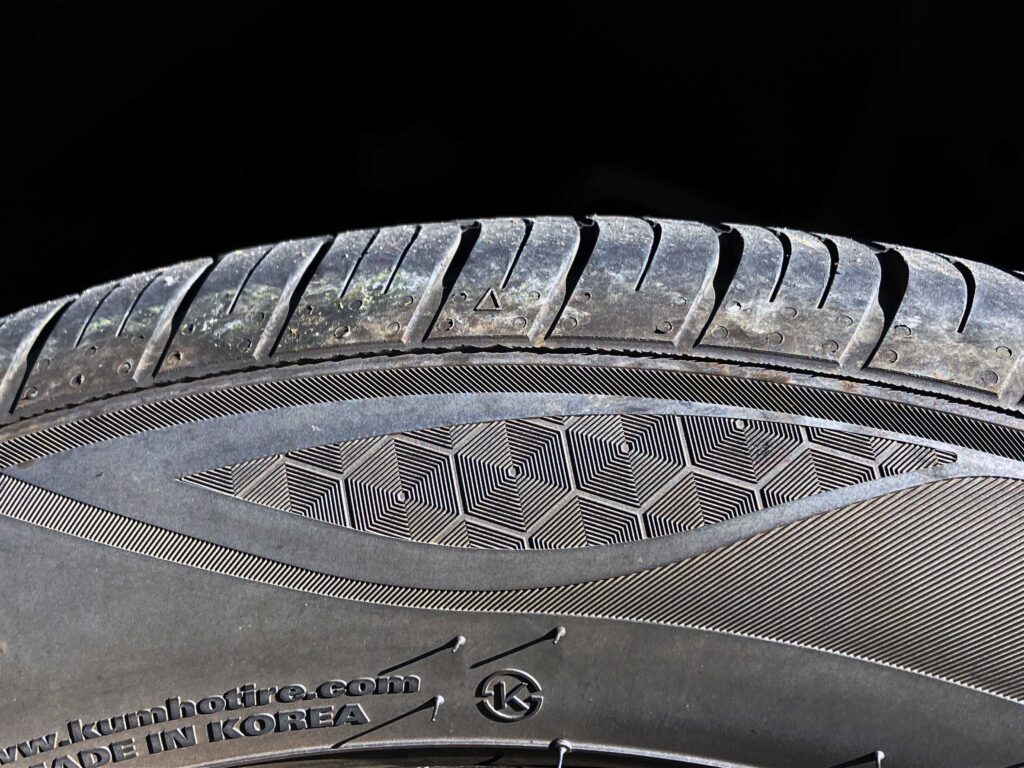
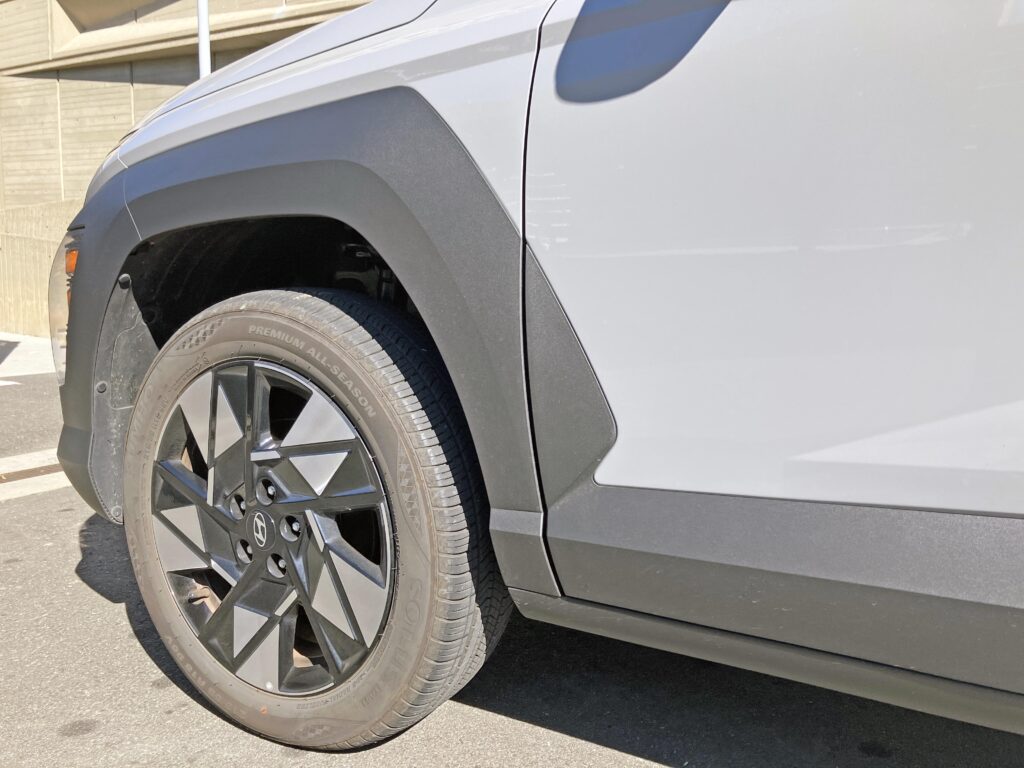
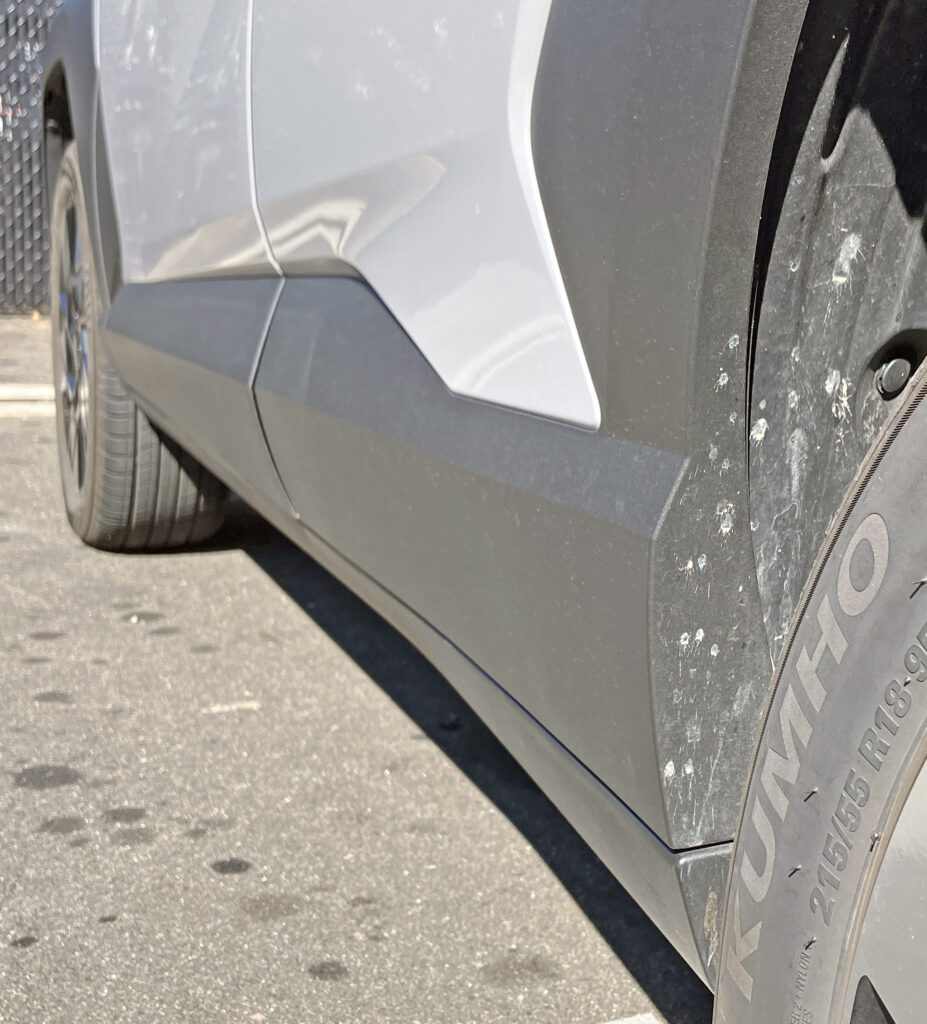
The intricate wheels help redirect attention. Their design is essentially a dark disc cut with triangular and diamond-shaped openings, with machined faces that imitate the shine of aluminum. They don’t have the sculptural depth of wheels on a BMW M3, but they make a strong graphic statement at the Kona’s modest price. The Kumho tires add a small surprise of their own: a geometric detail in the sidewall that rewards a closer look.
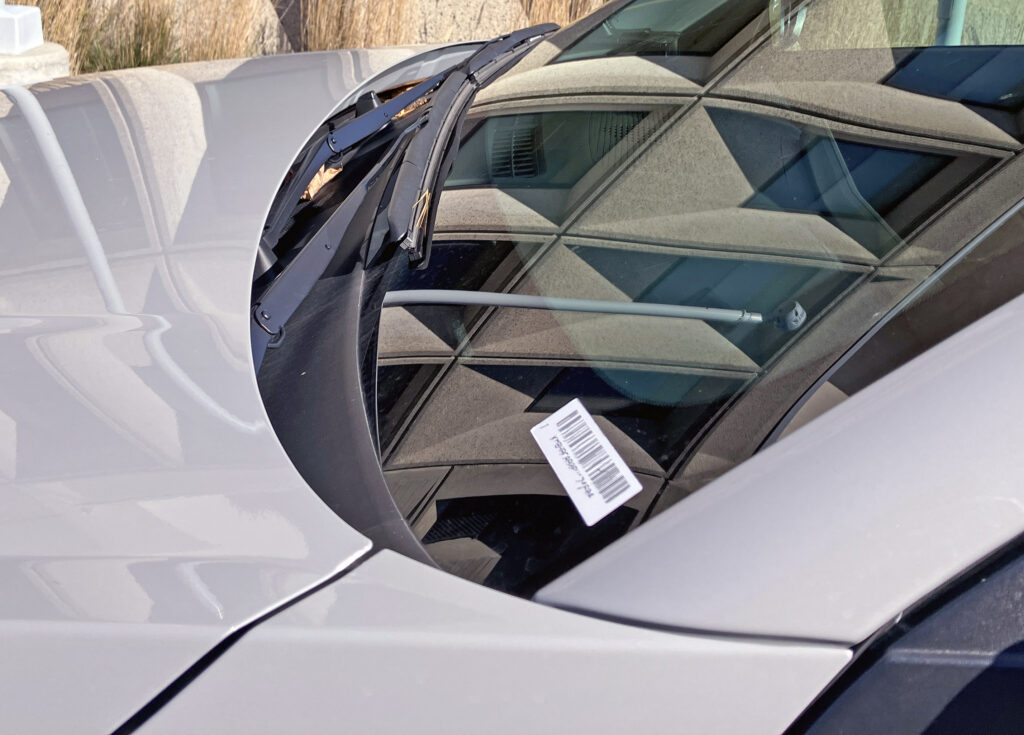
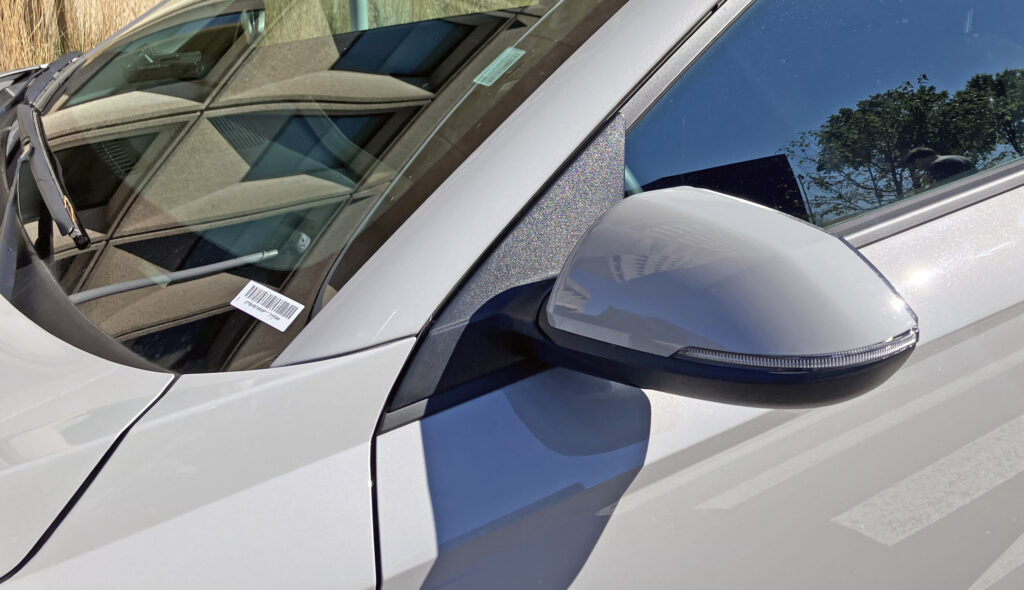
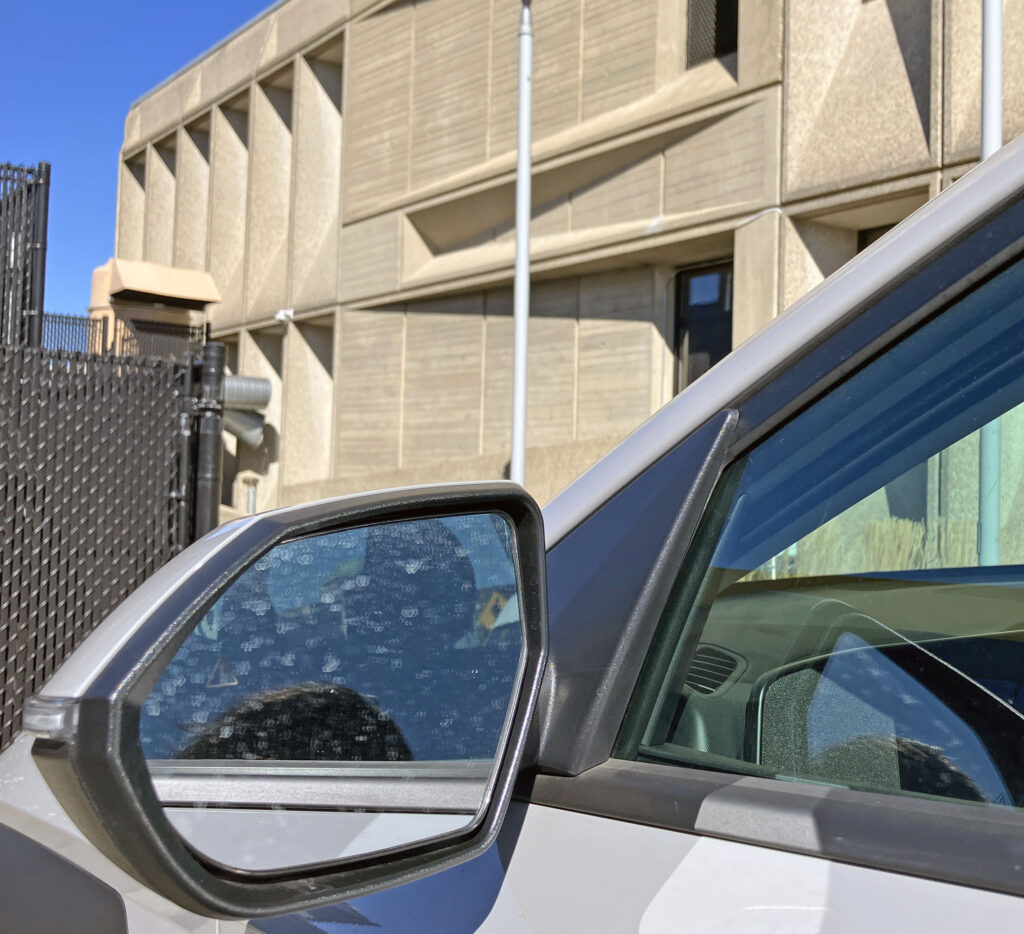
Hyundai carries the same attention to shape into the doors. The A- and B-pillars are clean and relatively quiet, giving the complex surrounding panels room to stand out. The side mirror has an angular profile, but the glass and center pillars avoid adding more busy detailing. That balance recalls Hotel Marcel: bold architectural moves set against broad, simple surfaces.
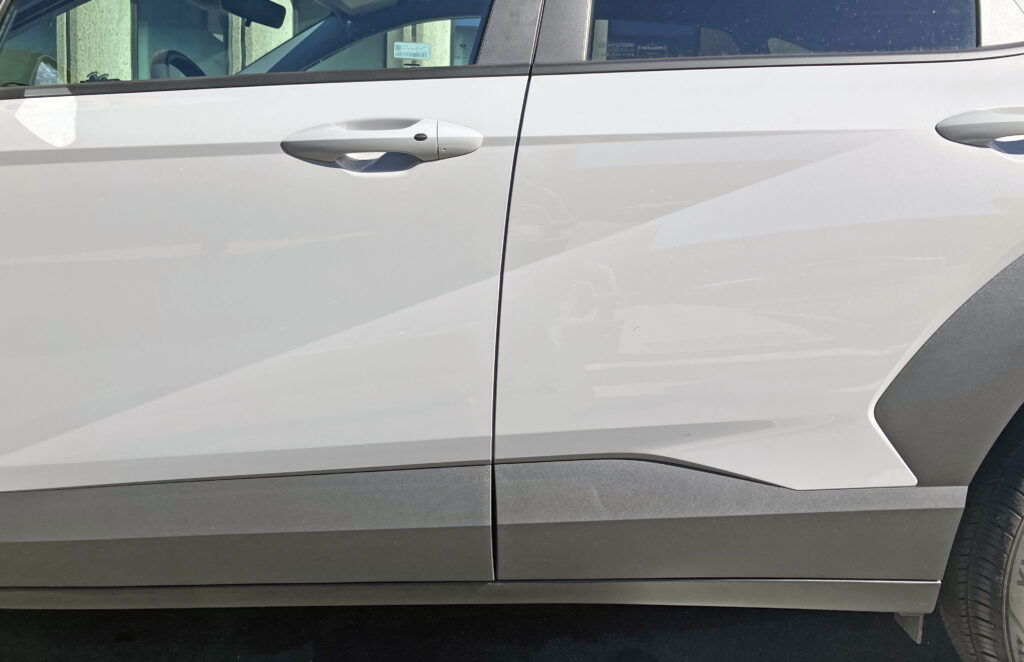
The body itself looks almost flat at first glance. Open the front door and the sheet metal’s contour becomes clearer, continuing into a triangular sweep on the rear door. Hyundai’s familiar Z-shaped crease gives the side more structure than a single decorative slash could. It suggests speed and tension while tying the two doors into one visual gesture.
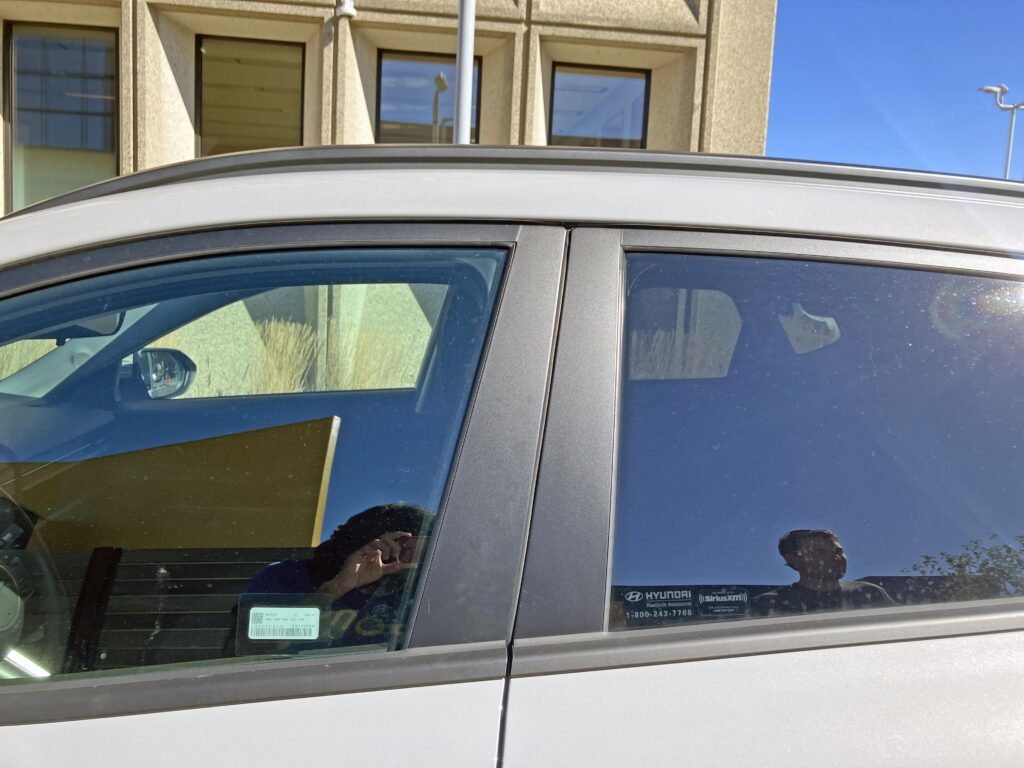
The new Kona gained almost three inches of wheelbase and measures 5.7 inches longer overall than its predecessor. That added room gives the side profile more space for the Z-shaped crease to unfold. The electric Kona has a drag coefficient of 0.27; the gas model pictured here has a different nose, so the electric figure shouldn’t be read as applying to this specific car.
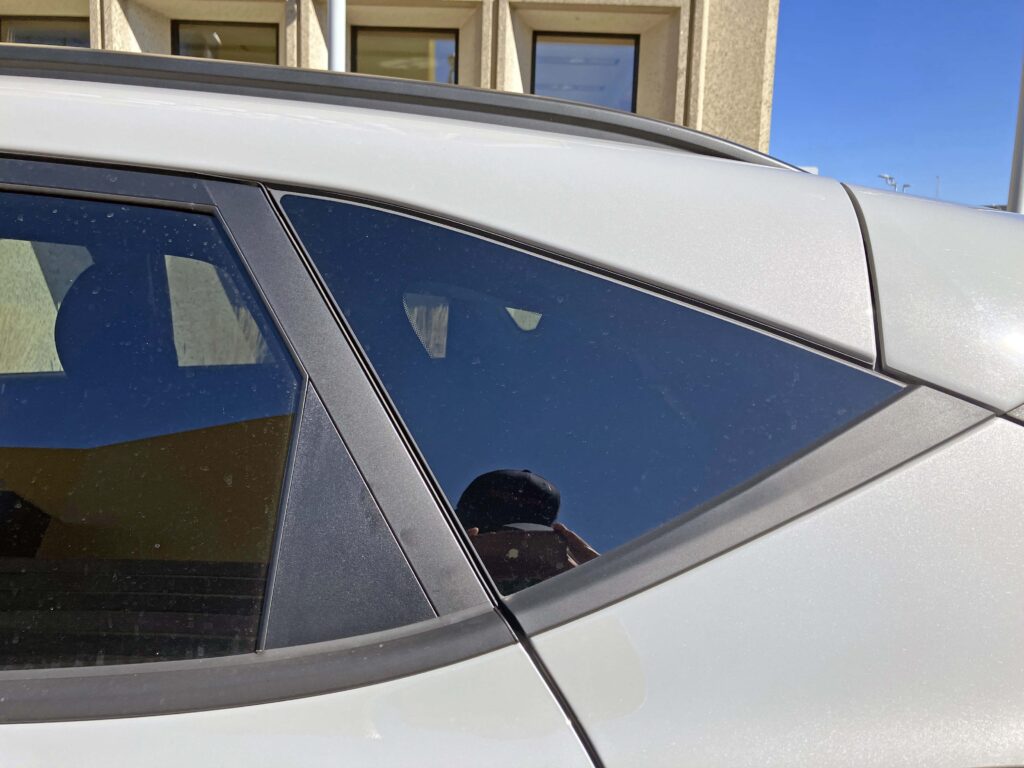
Below the main crease, the painted body tucks inward while the lower black cladding pushes outward, creating a running-board-like edge. Plastic cladding can look like an afterthought, but here it sits within a larger arrangement of surfaces. The rear quarter window and C-pillar soften the effect, providing a rounded counterpoint to the sharper door and wheel-arch forms.
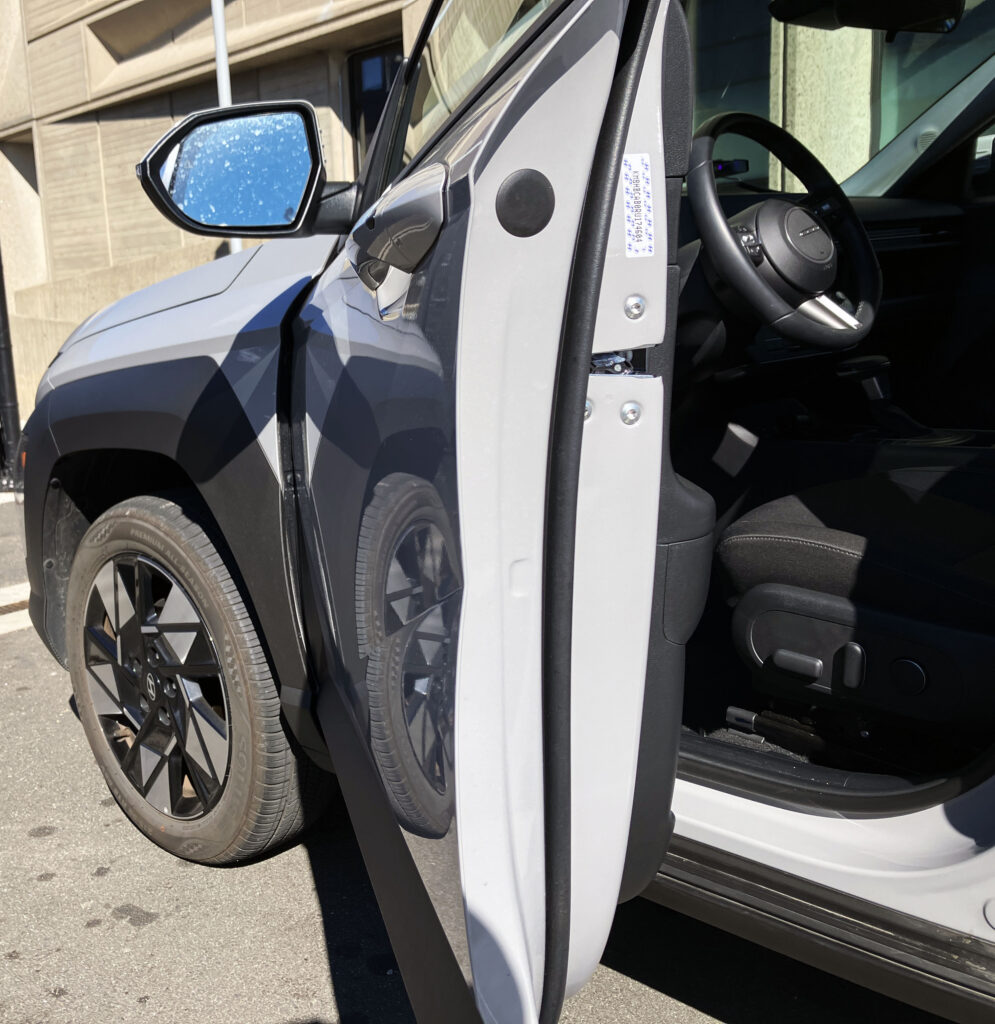
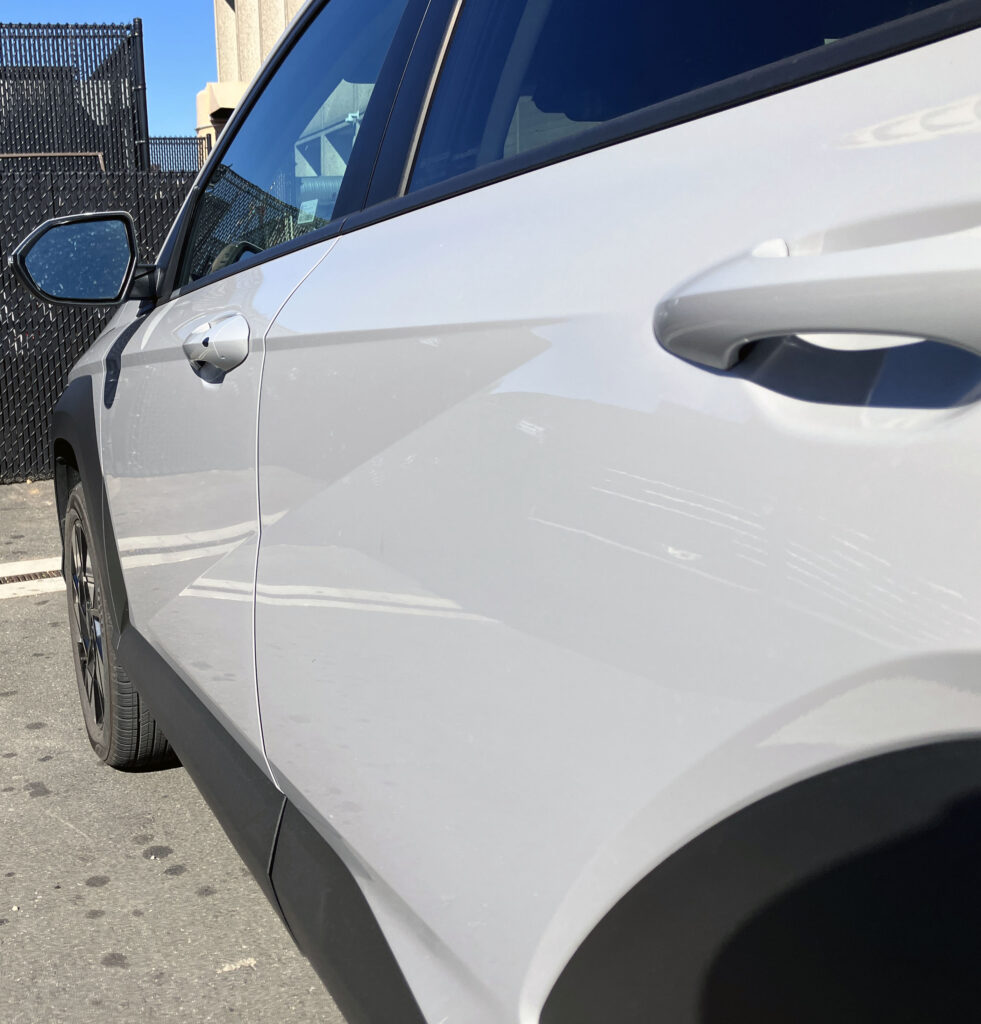
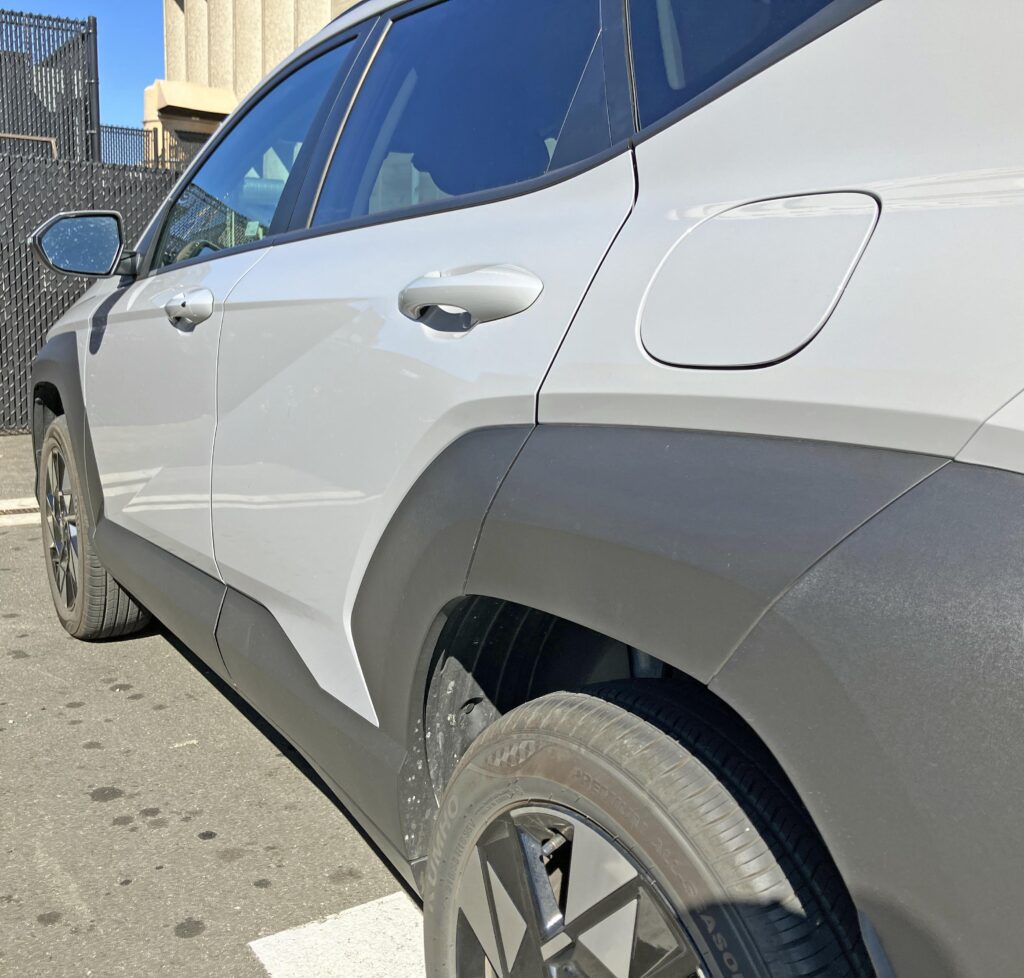
Then the C-pillar adds another strong focal point. Its central lines direct the eye toward the end of the quarter window and the start of the hatchback’s tail. From some angles, the geometry looks like a corridor narrowing toward a vanishing point. It’s an unusually theatrical detail for an affordable small crossover, and one more example of how the Kona’s form changes as you walk around it.
Lighting and shape at the rear
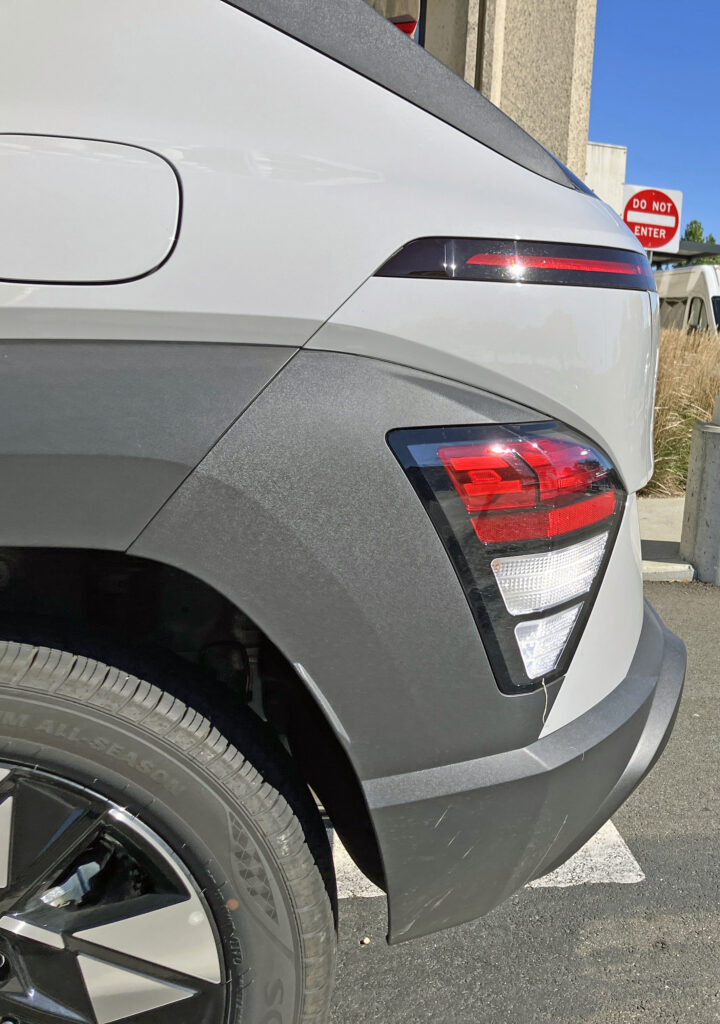
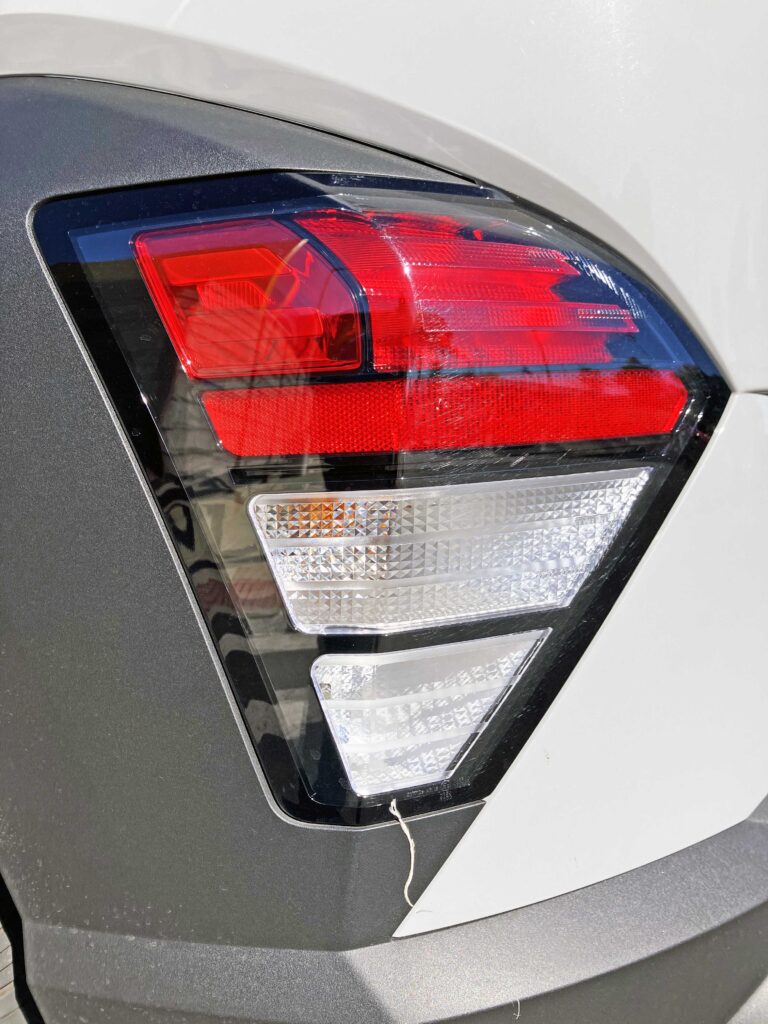
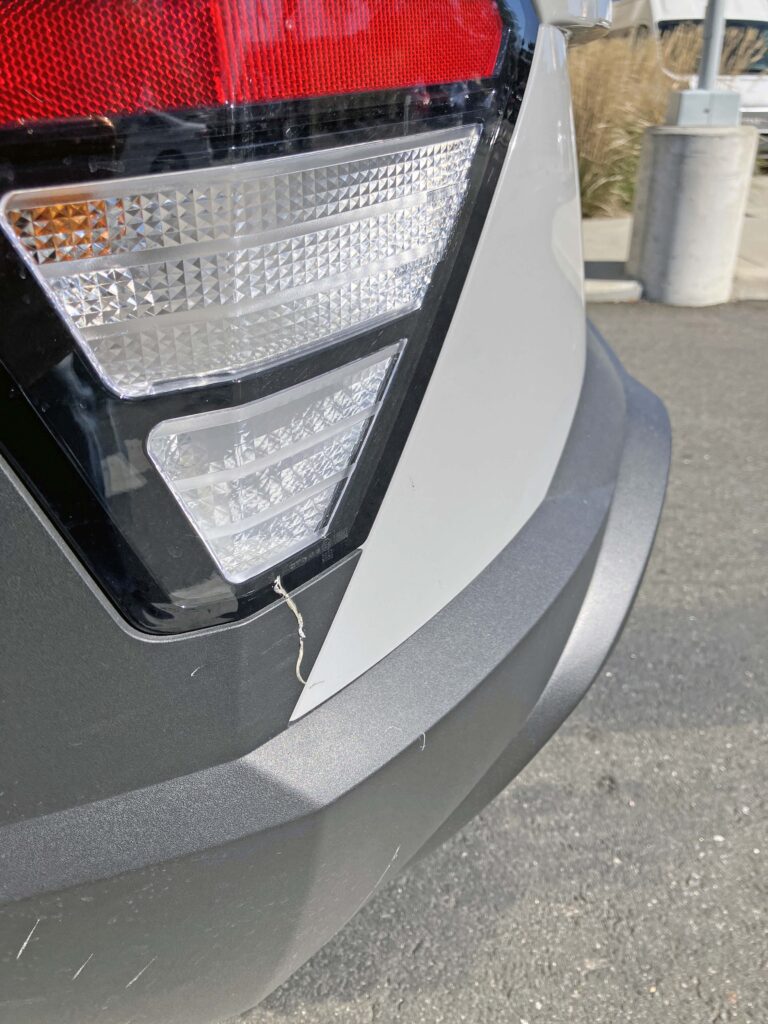
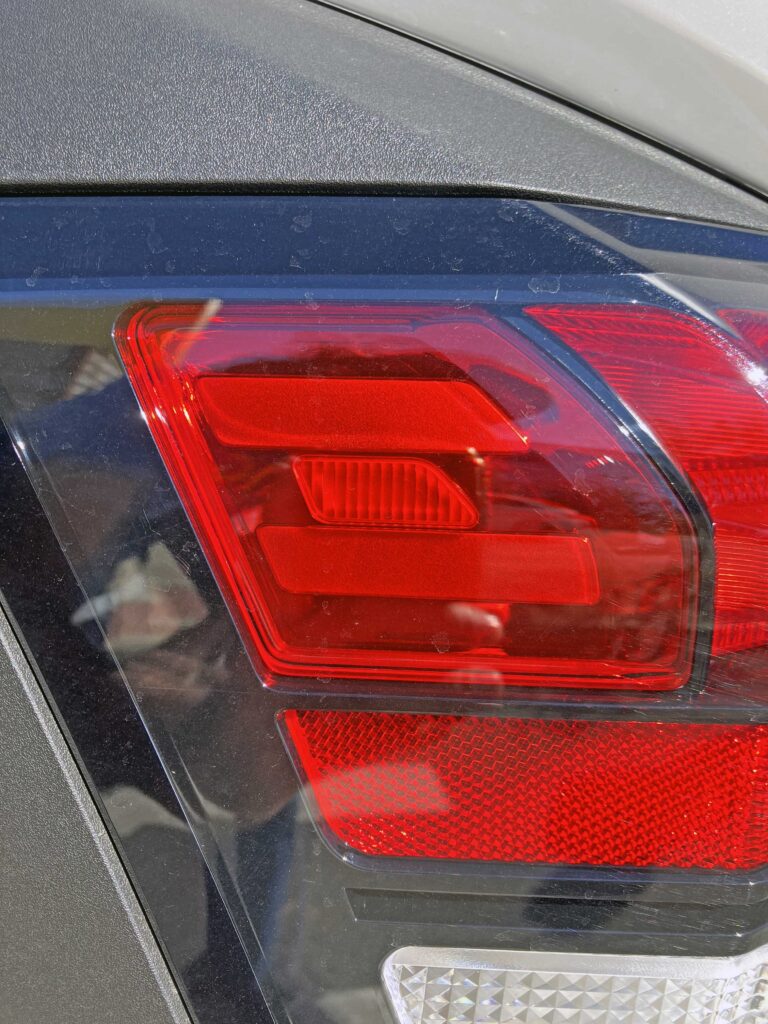
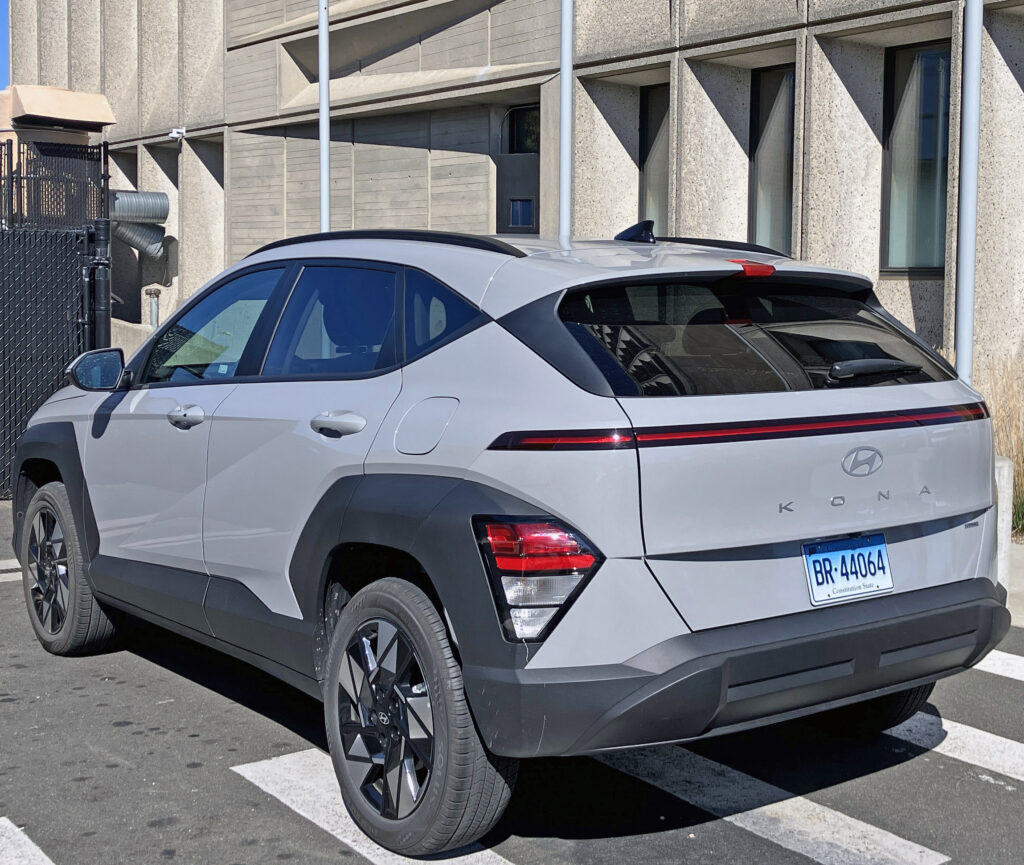
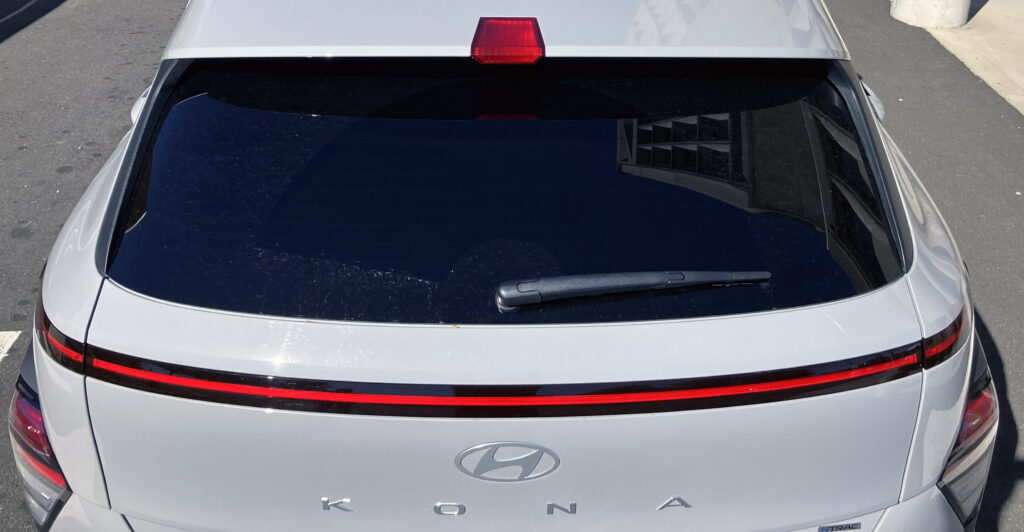
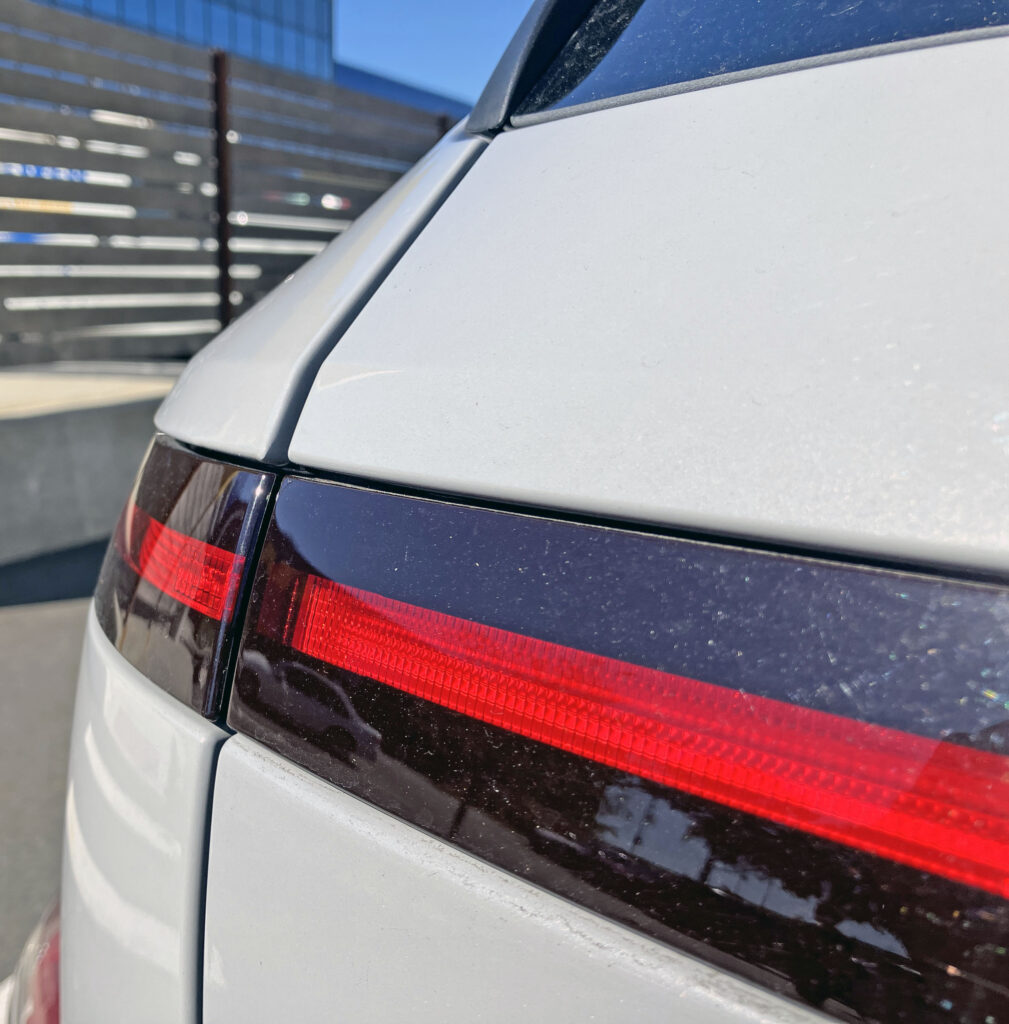
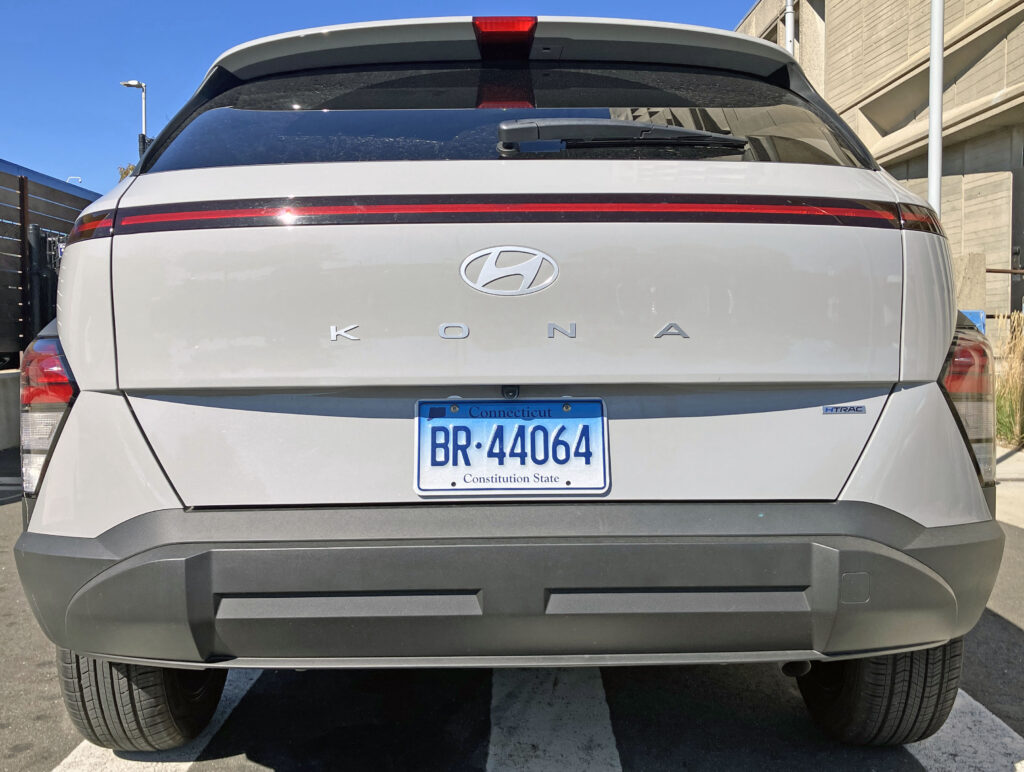
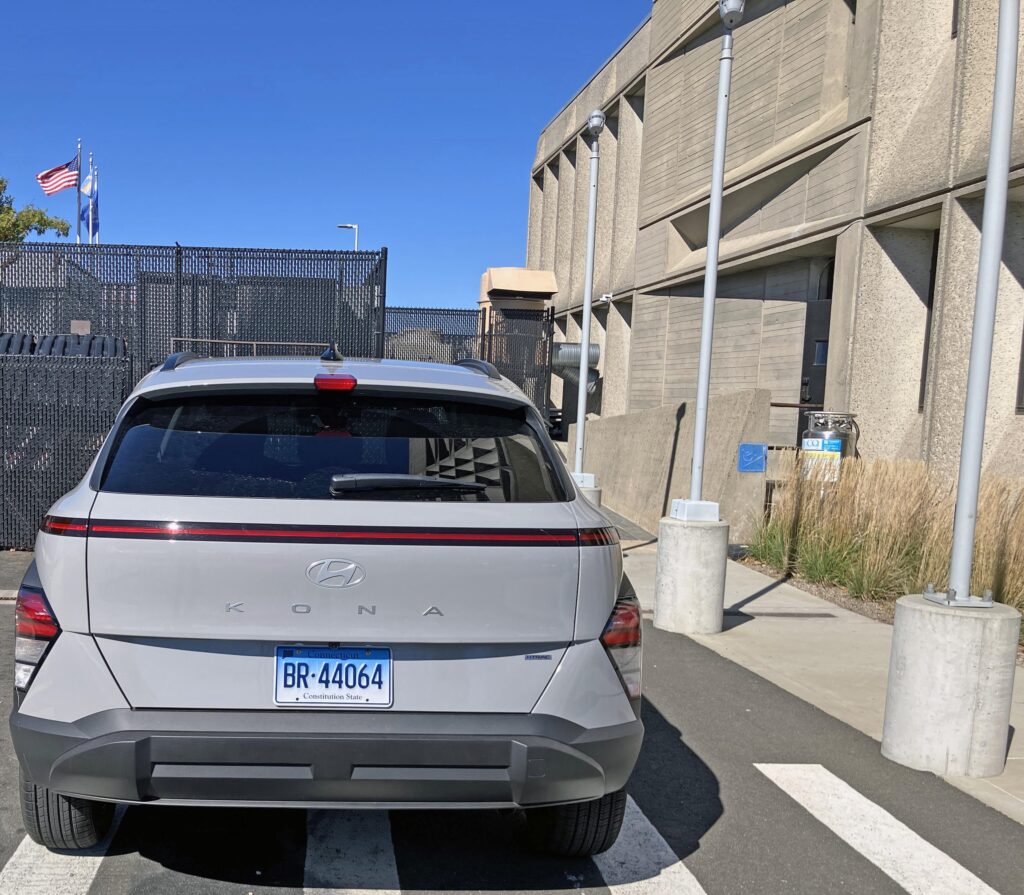
The rear wheel arch repeats the front’s projecting flare, now paired with the tail lamp. A slim red line across the back echoes the front running light and helps link both ends. The rear lamps are arranged in layers: red brake and reflector elements with horizontal detailing, an amber turn signal using a filament bulb in a clear lens, and a white reverse light.
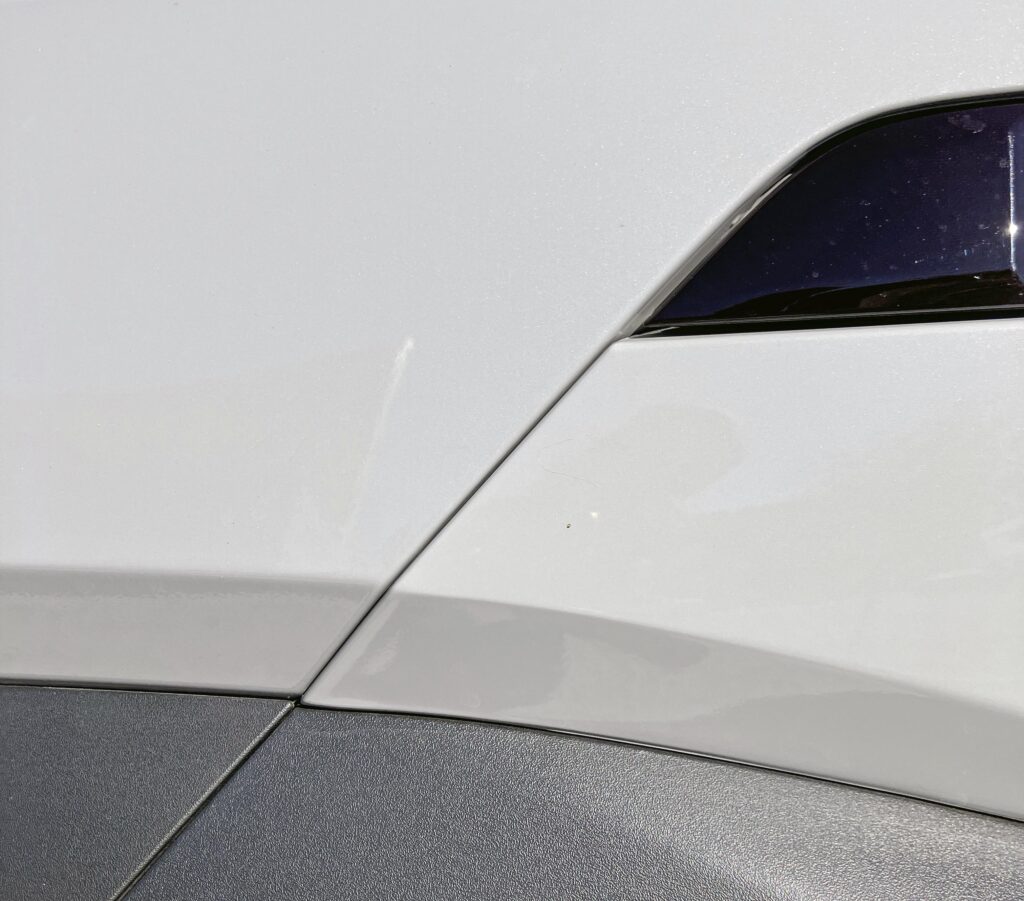
The rear quarter repeats the front’s mix of hard creases and softer contours. The lamp and surrounding bodywork look tightly integrated, though the complicated surfaces can create odd reflections in photographs. A camera may show apparent ripples between the lights that aren’t visible in person; the shifting curves distort reflections more than simpler, flatter panels do.
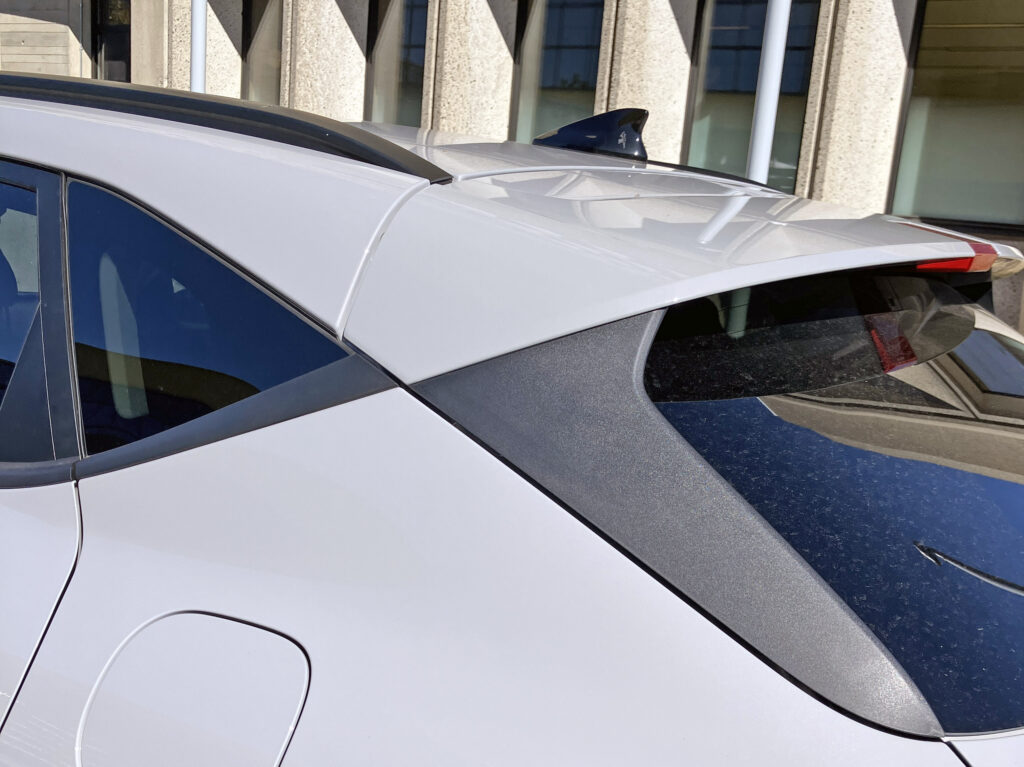
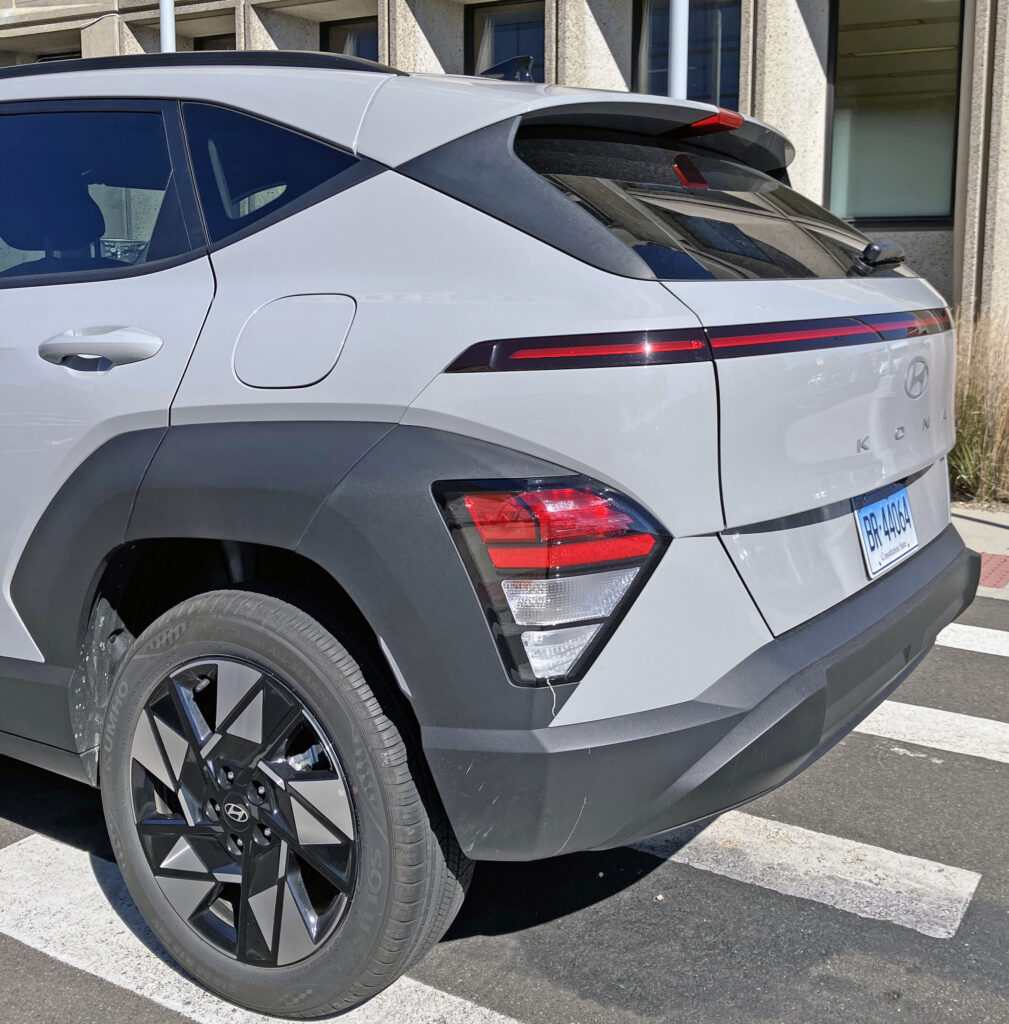
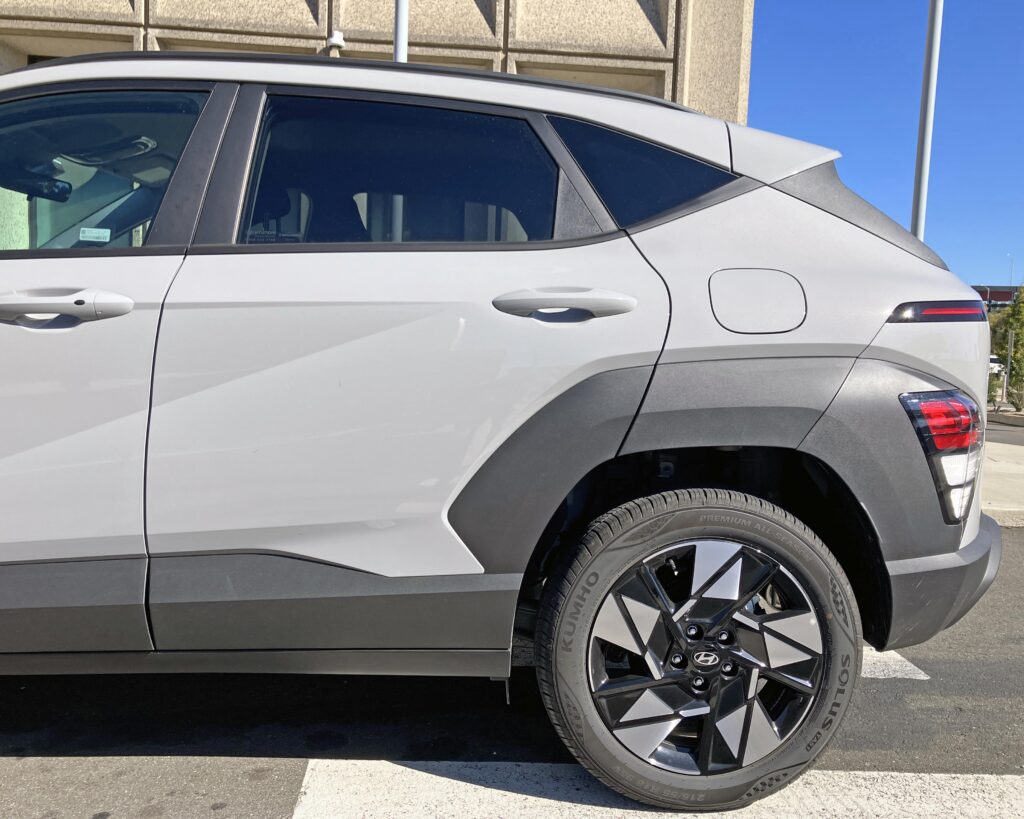
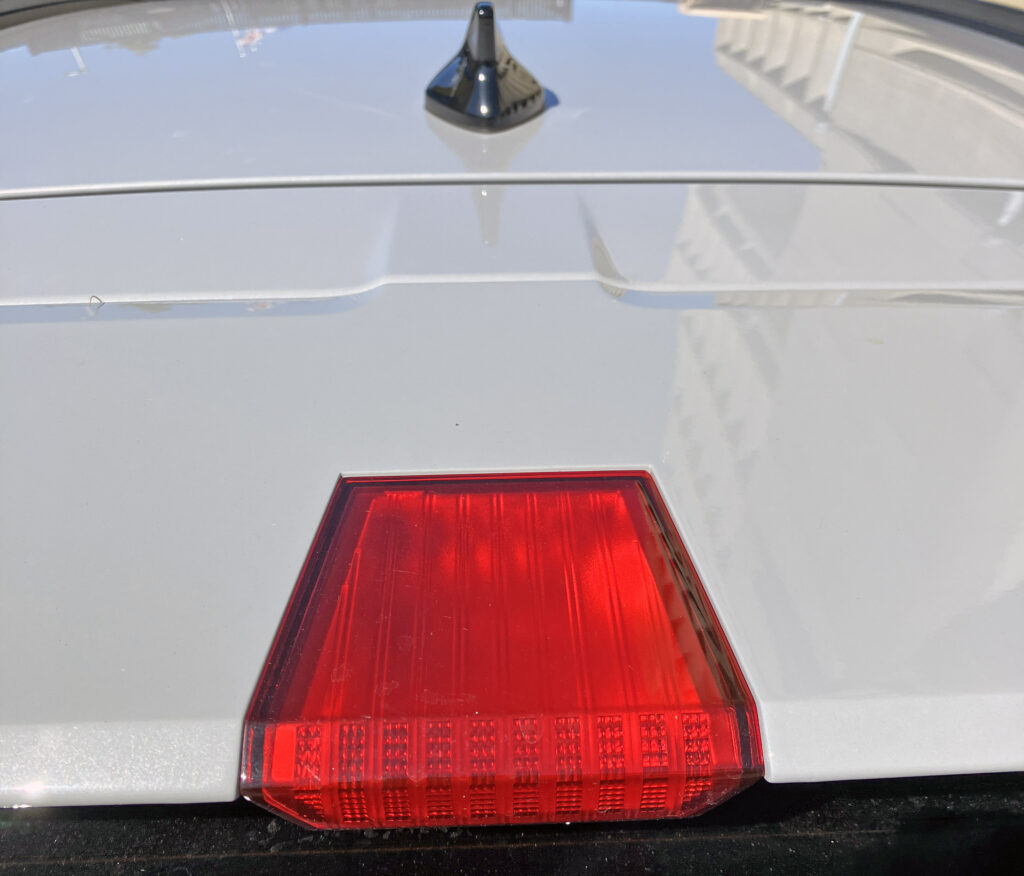
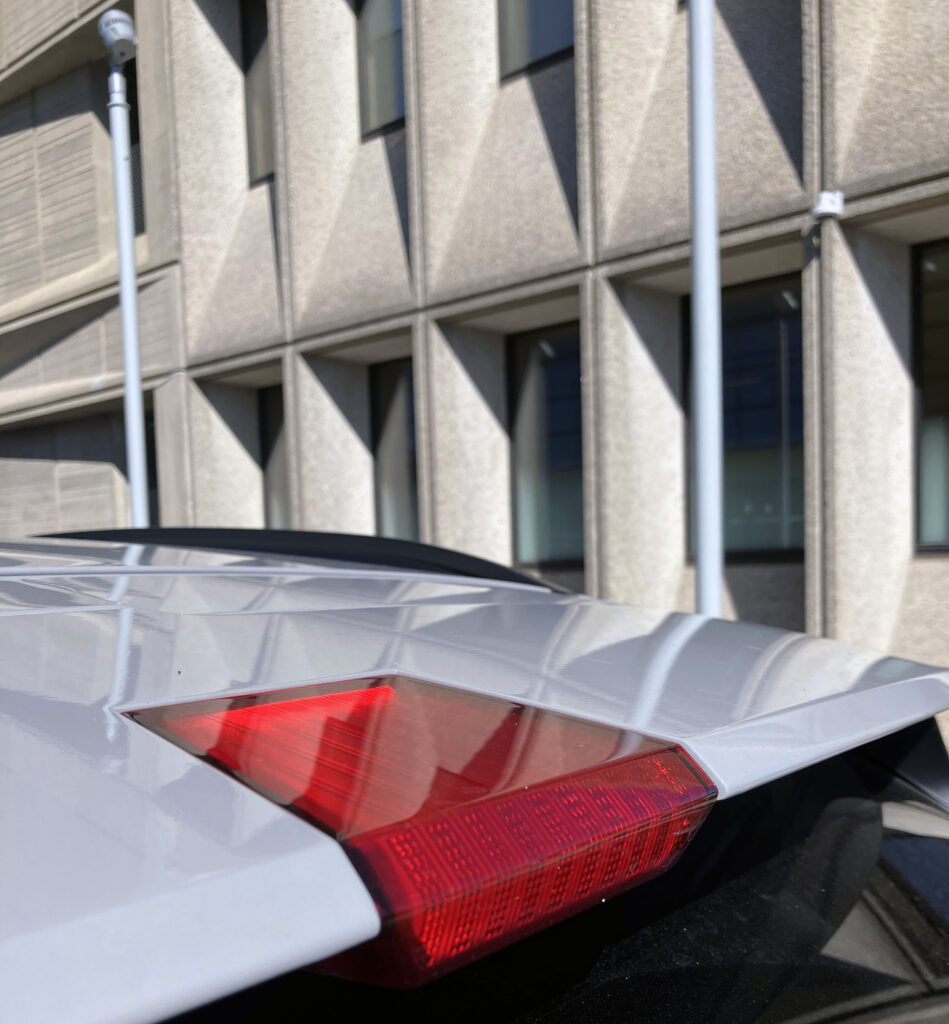
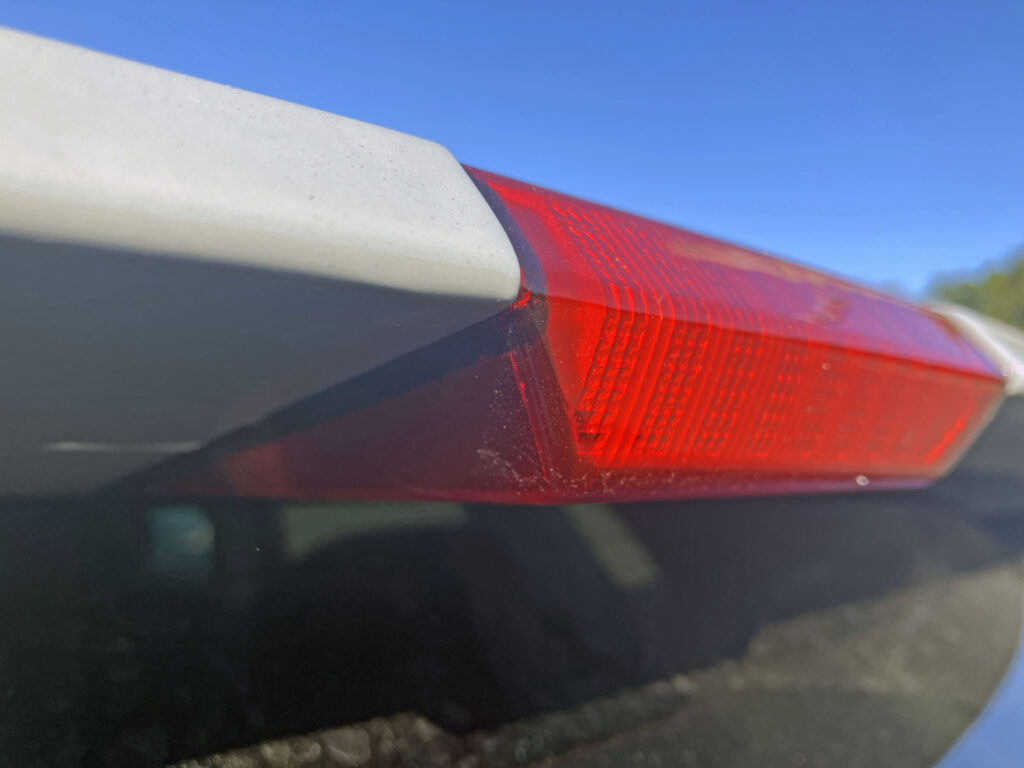
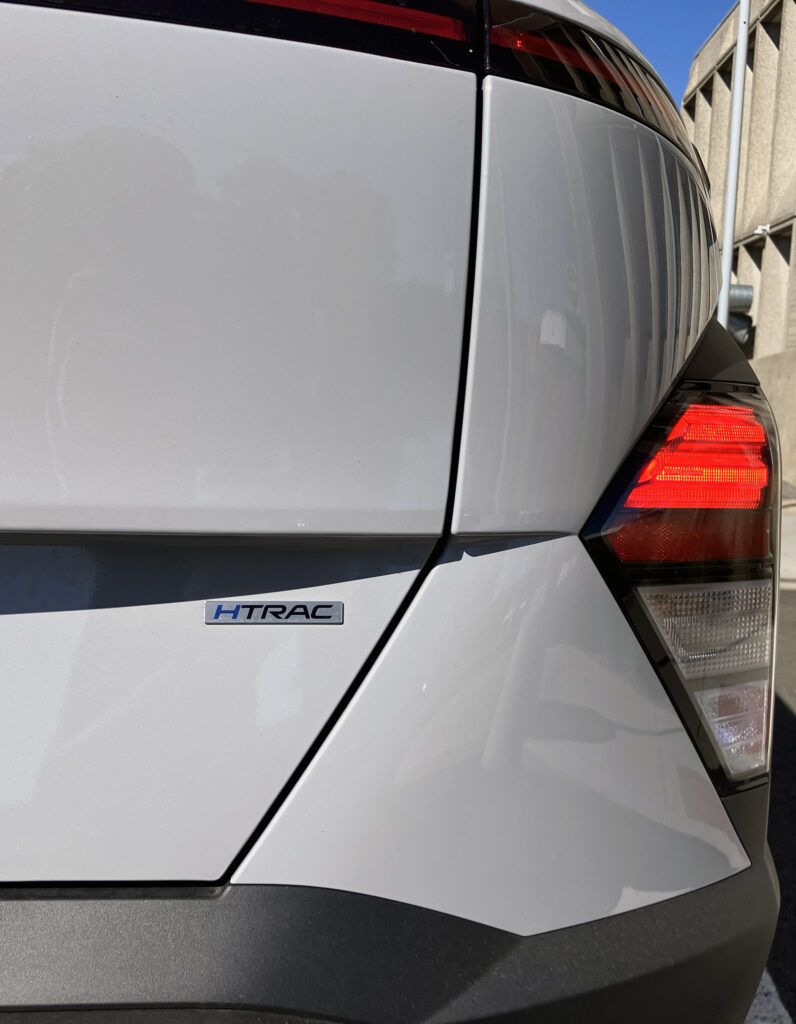
The hatch has its own set of carefully arranged shapes. The tail lamps sit beside a recessed area that holds the plate lighting and hatch release. From some angles, the pointed edges make that open space resemble a slight smile. The center high-mounted brake light is tucked beneath the integrated roof spoiler; its tapered trapezoid shape only becomes clear when viewed from below.
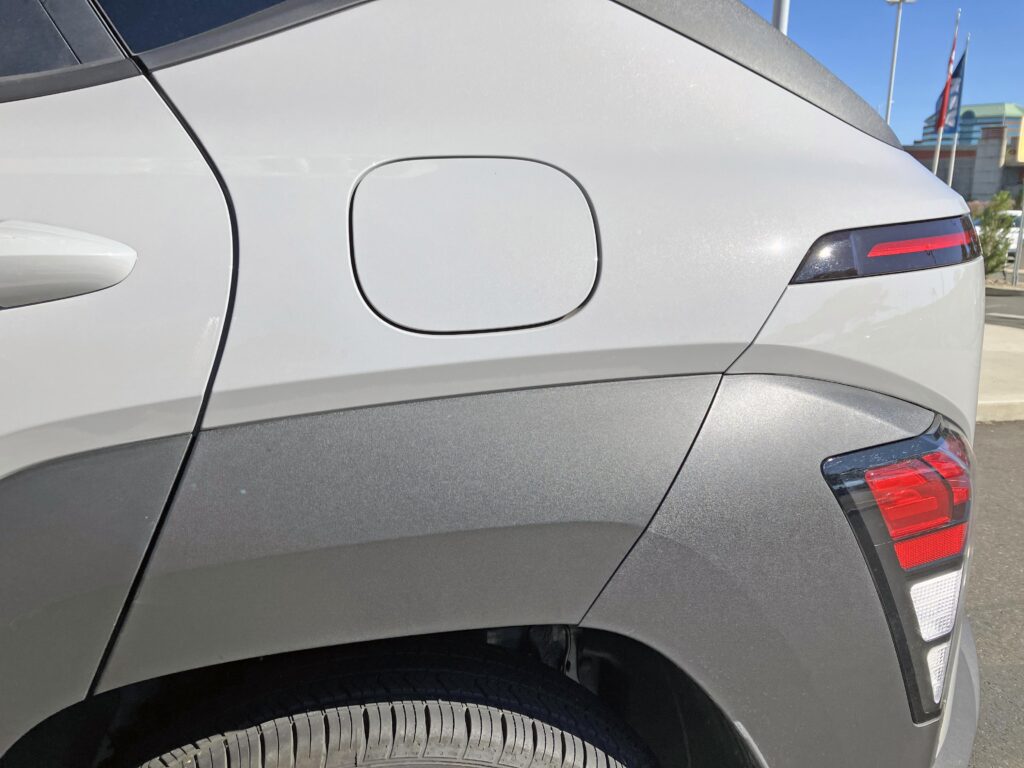
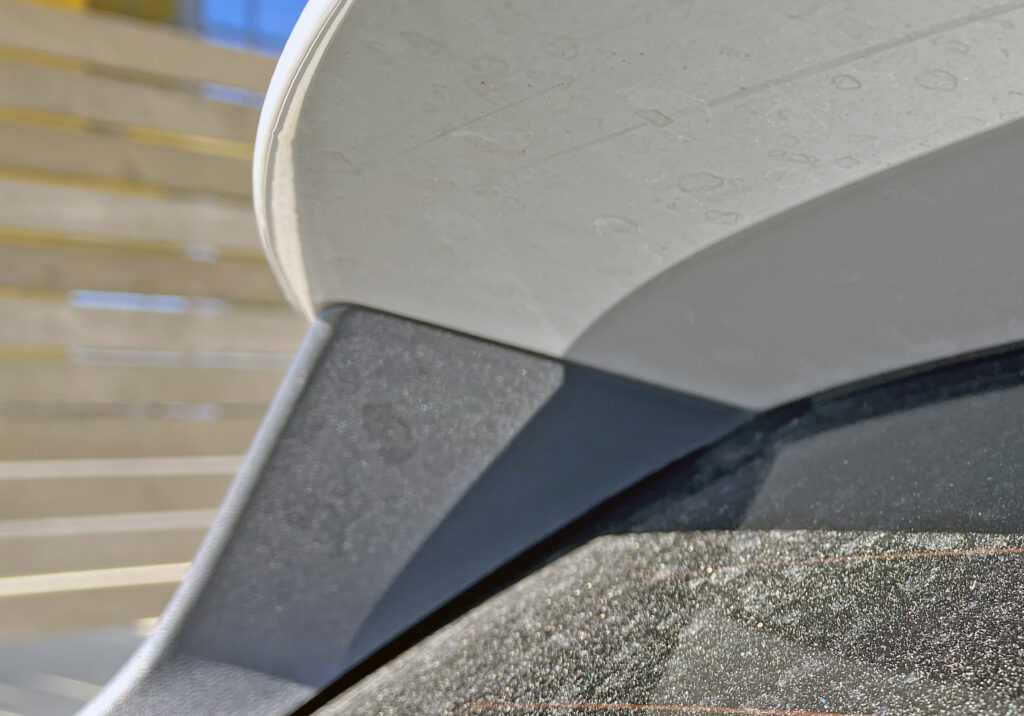
The spoiler doesn’t extend far from the hatch, and the plastic pieces at the ends of the glass take away some of its visual lightness. They likely help manage airflow over the rear, though the article provides no measured contribution from this part alone. The Kona EV’s stated 0.27 drag coefficient suggests aerodynamic attention across the model range, but that number belongs to the electric version.
Like several other details, the rear marker light changes appearance depending on the viewer’s height. A straight line on a curved surface can look gently bowed from one position and almost level from another. It’s a small effect, but it gives the rear more character than a simple strip of red plastic would.
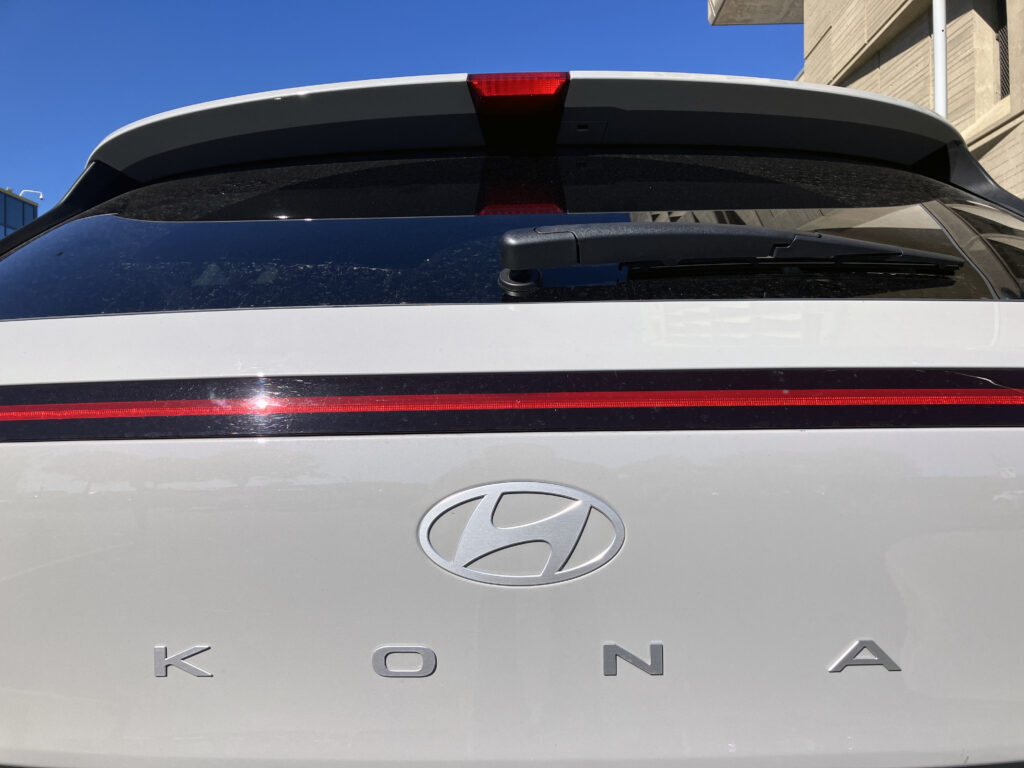
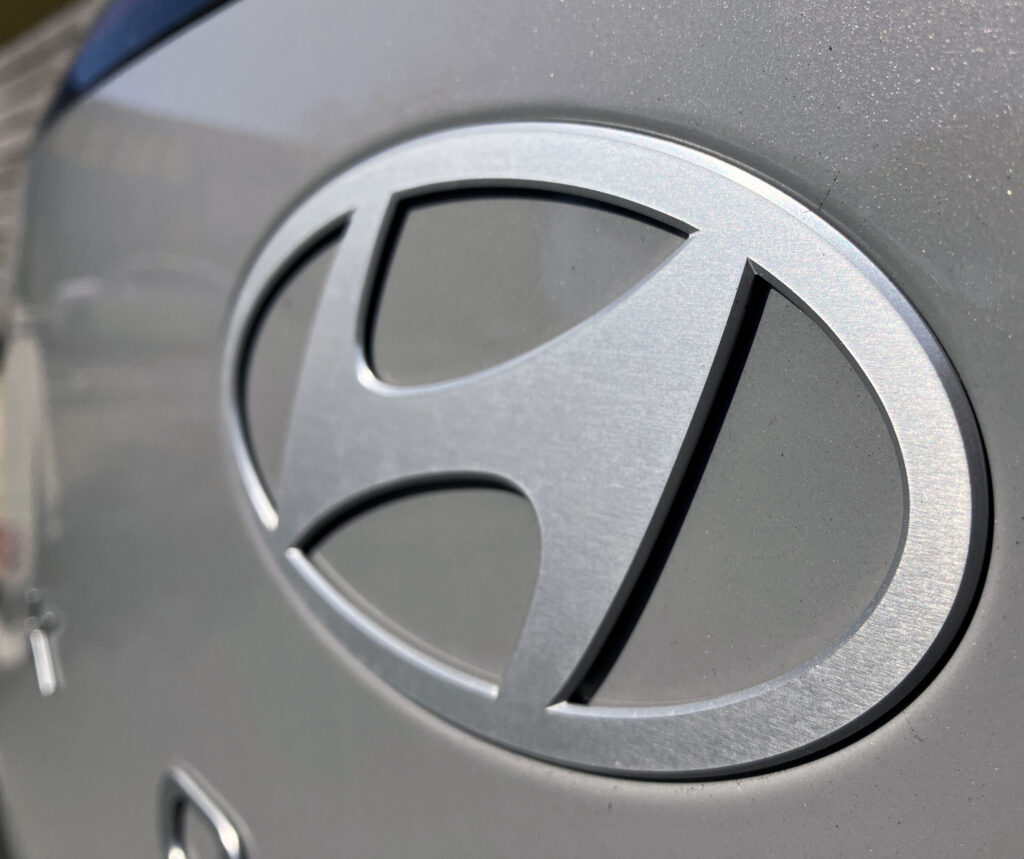
Hyundai’s oval badge is less convincing against the Kona’s sharp, pixel-like design. The stylized H has its own meaning, but the oval frame feels generic beside the car’s distinctive bodywork. It’s a small complaint, yet the badge sits at both ends of a vehicle whose strongest quality is its clear visual identity.
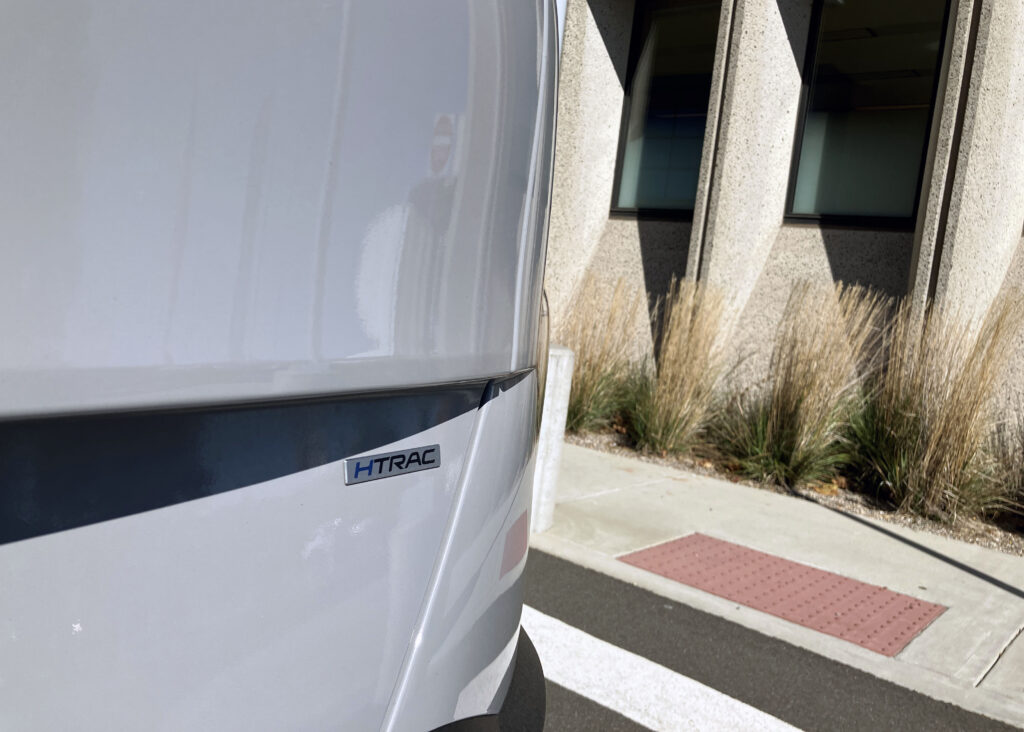
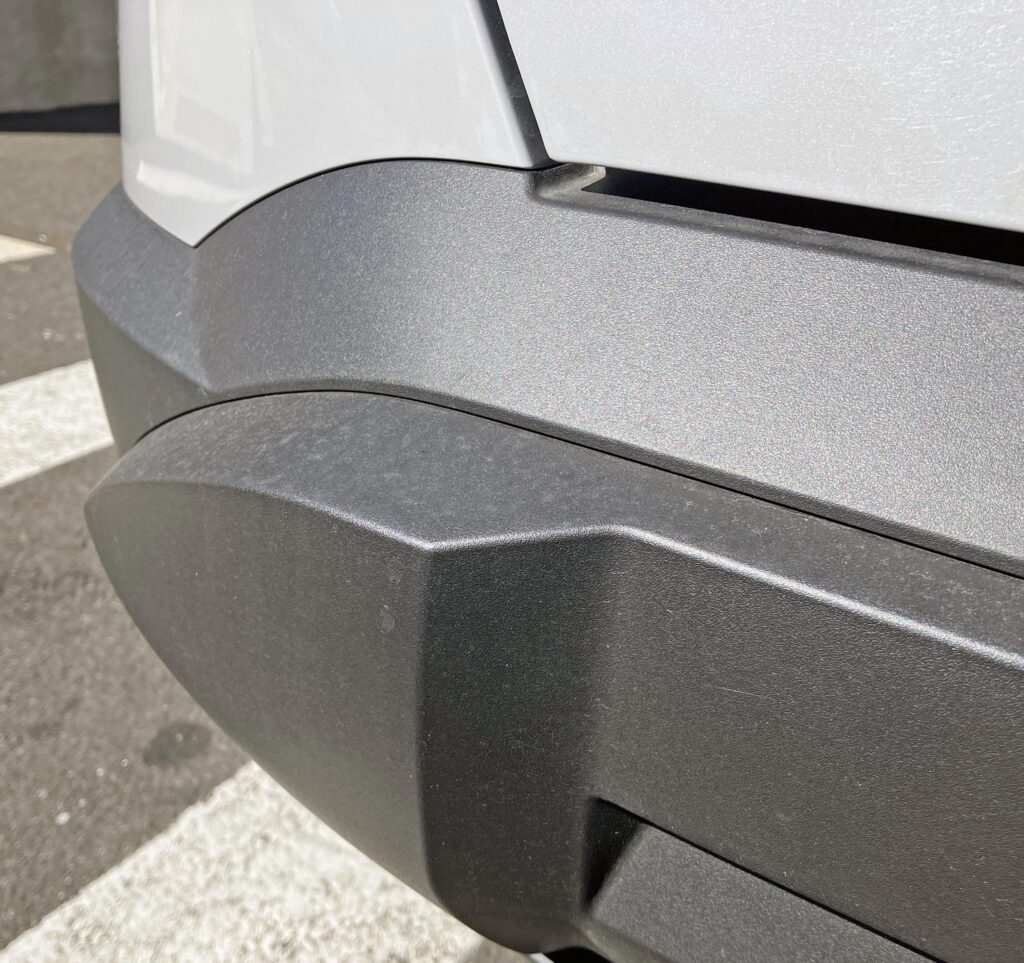
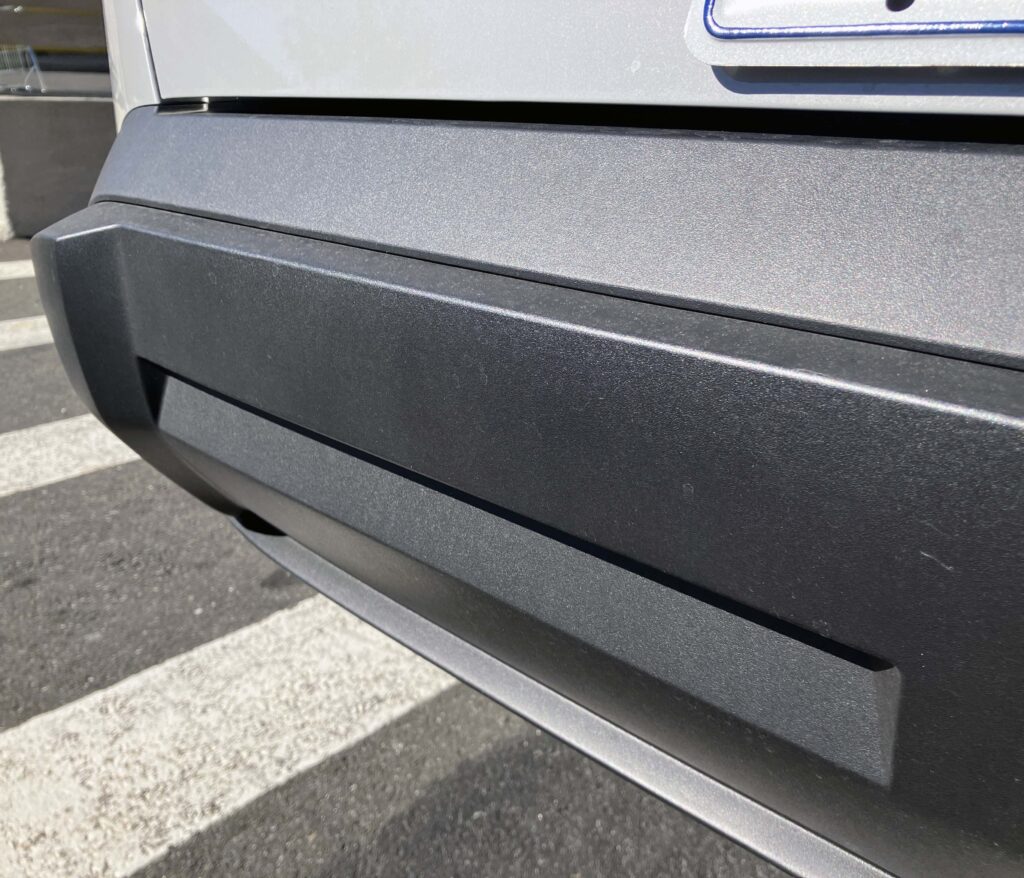
The rear bumper takes a more restrained approach than the front. Raised plastic bumperettes don’t match the lower front’s faux ducts, while two long slots between them break up the broad textured surface. The rounded hatch and quarter panels contrast with the flatter lower section around the license plate. In afternoon light, the shadow between those areas can make the tail seem to smile.
Why the design works at this price
The Kona is listed in the source at under $25,000, making its complex appearance more striking. The front wheel-arch extension is clumsy where it meets the door, and the oval badge feels out of step with the body. Those are fair criticisms. Still, the car commits to a strong idea across its front, sides and rear, rather than relying on one dramatic grille or a few disconnected creases.
That consistency is the key distinction between the Kona and the many small crossovers whose styling blends into the traffic around them. Its form shares some visual ground with Hyundai’s electric Ioniq 5, while the rough arch trim and compact proportions give it a different character. The source also argues that the Kona’s design stands apart from comparable offerings by Chevrolet, Ford, Honda and Toyota, and even from its Kia relative. That’s a subjective judgment, but the car certainly gives shoppers a clear alternative for the eyes.
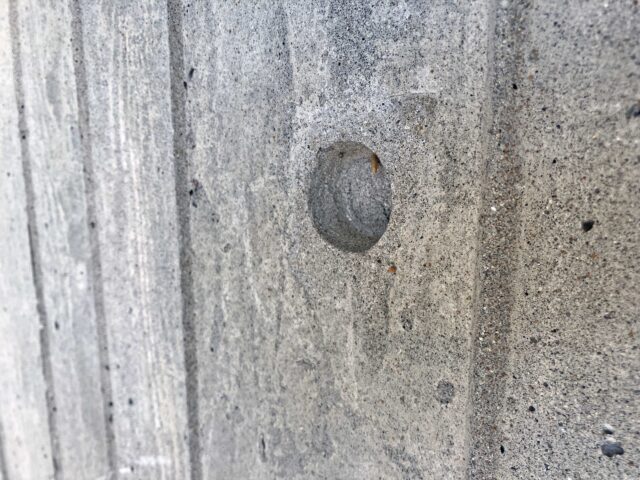
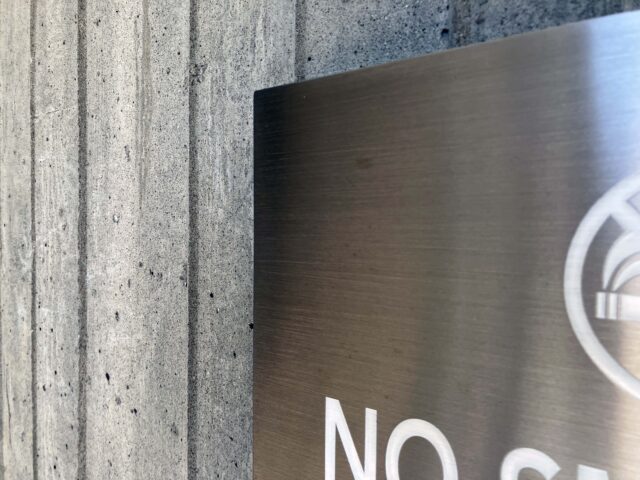
Hotel Marcel makes the case from another direction. Its concrete structure, recessed windows and long horizontal openings can seem severe at first, yet natural light changes the building as you move around it. A large open section on the third floor gives the facade a surprising pause. The Kona creates a comparable effect through its dark lighting panels, exposed geometric transitions and mix of rounded and angular surfaces.

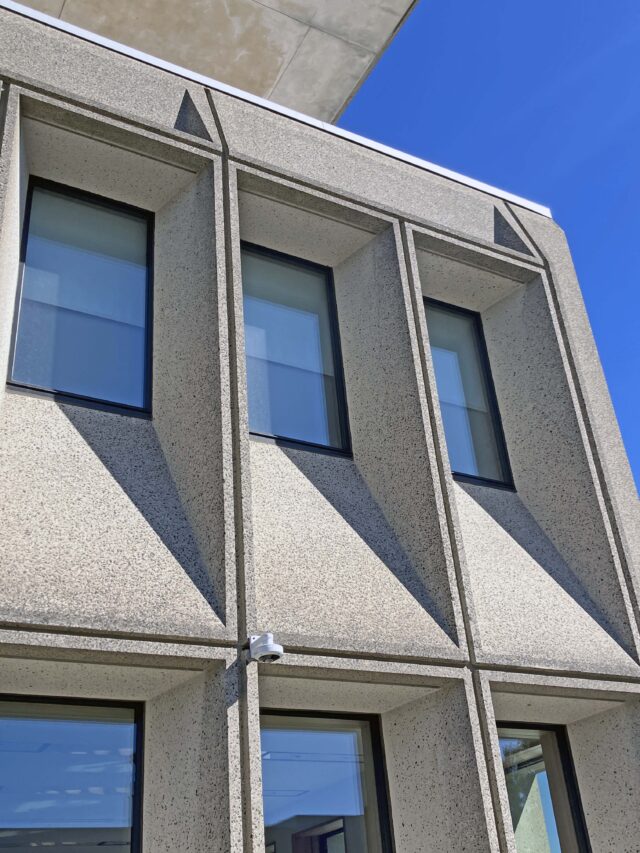
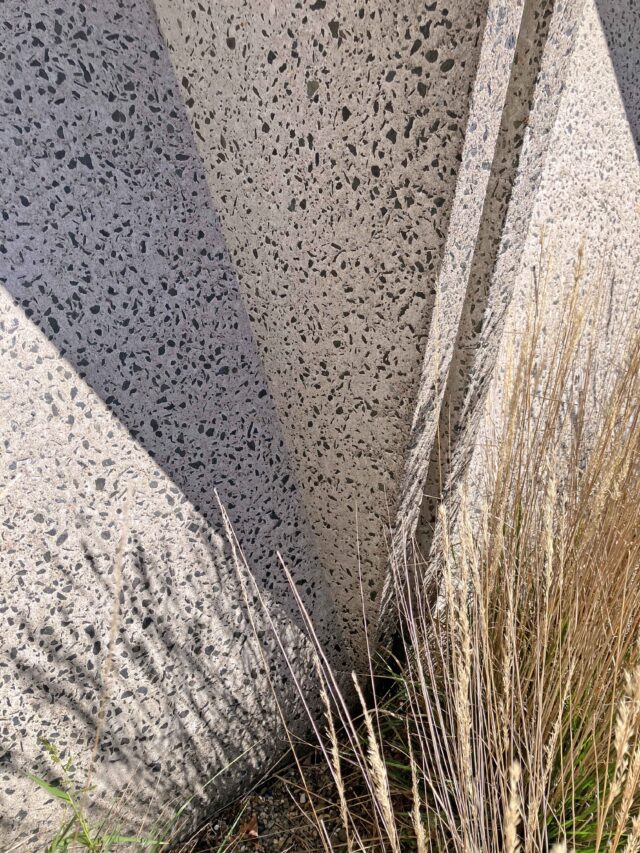
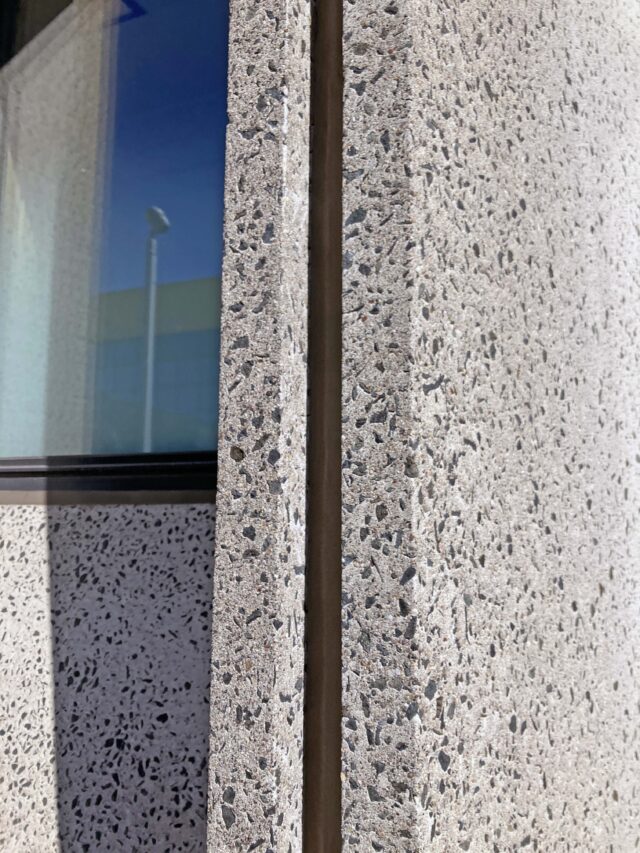
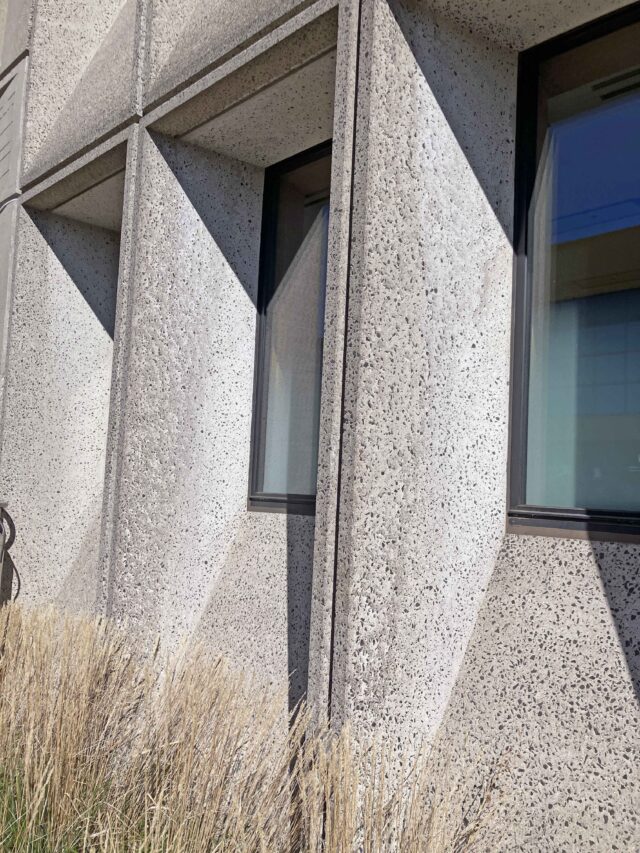



Both designs could have ended up more conventional. Hyundai could have softened the Kona’s angles, and IKEA could have replaced the former office building with additional parking. Instead, the crossover and the hotel offer a reason to pay attention to shapes that might otherwise be overlooked. For drivers comparing small crossovers, that visual distinction comes without the source’s stated sub-$25,000 price point becoming a luxury-car premium.
The Kona’s appeal here is specific: it makes an everyday vehicle look considered from more than one angle. Its lighting and wheel arches establish a recognizable identity, the door creases carry the theme down the sides, and the rear picks up the same horizontal cues. Some details are awkward and the badge could better suit the design, but the whole is more persuasive than any single feature. Hotel Marcel provides the right backdrop: a building and a crossover whose best details reveal themselves as you keep walking.


