In lane Electric Vehicles
Alfa Romeo Matta: The Sophisticated Military 4x4 That Beat Fiat’s Campagnola
Description
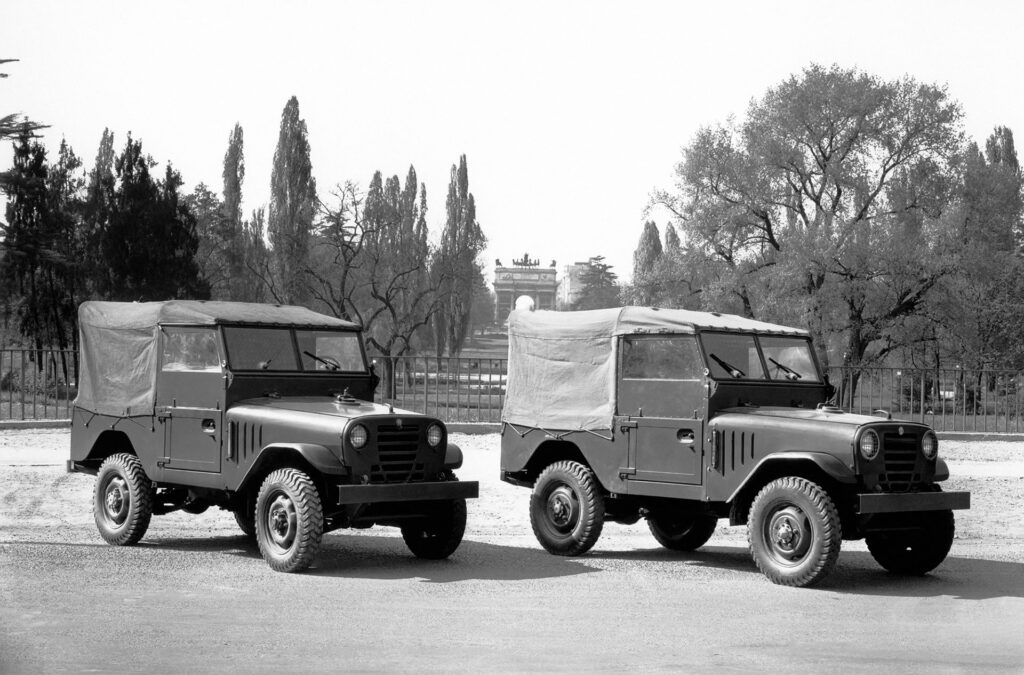
Alfa’s 1900 M outperformed Fiat’s Campagnola in trials and the Mille Miglia, but its higher cost limited production to just over 2,000.
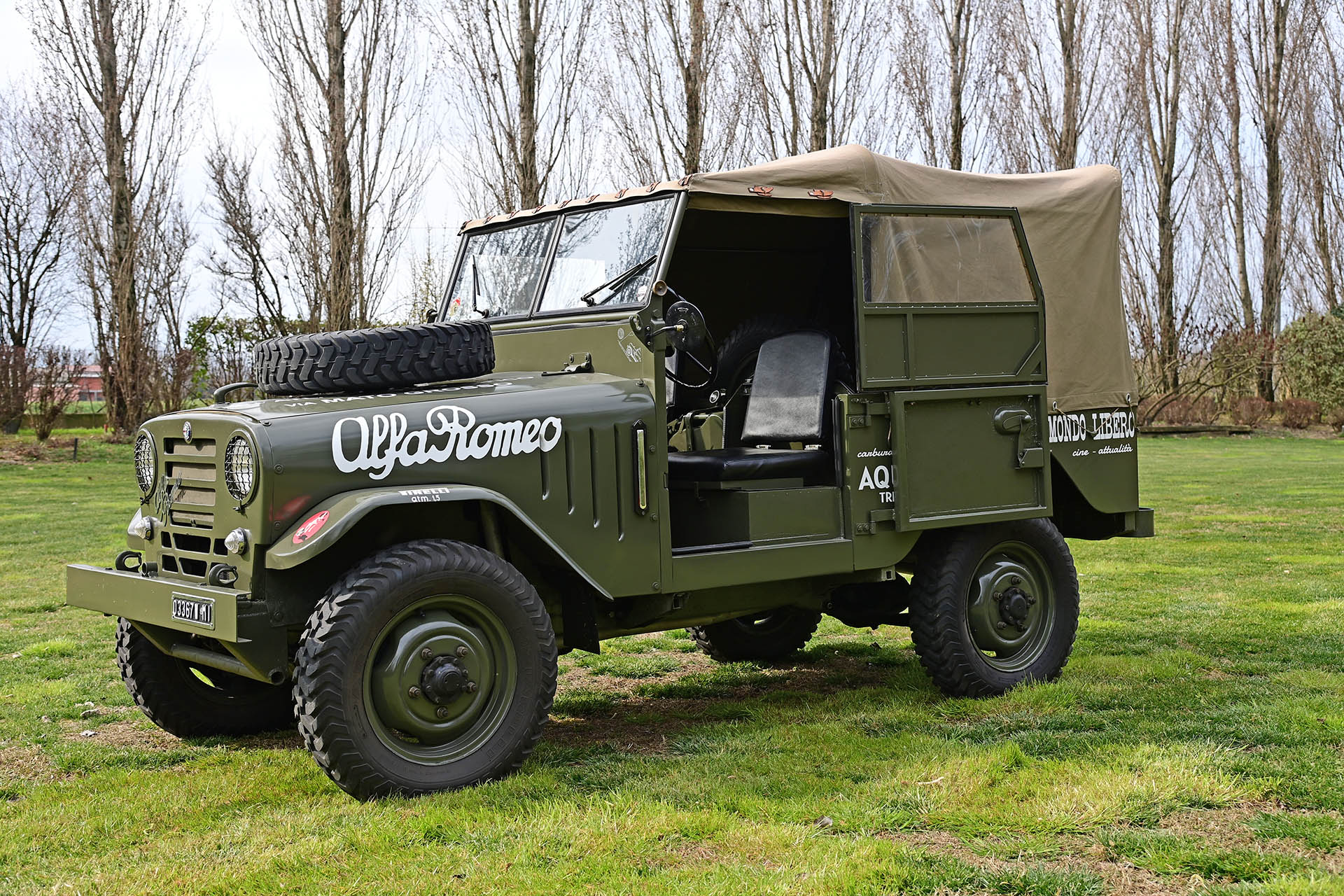
Alfa Romeo’s Matta was a capable off-roader with engineering more advanced than its military role demanded. It beat Fiat’s Campagnola in every test, then finished ahead of a Fiat in the 1952 Mille Miglia. But sophistication came at a price: the Italian military placed only small orders for the Alfa, while Fiat secured the main contract.
A postwar need for a homegrown 4x4
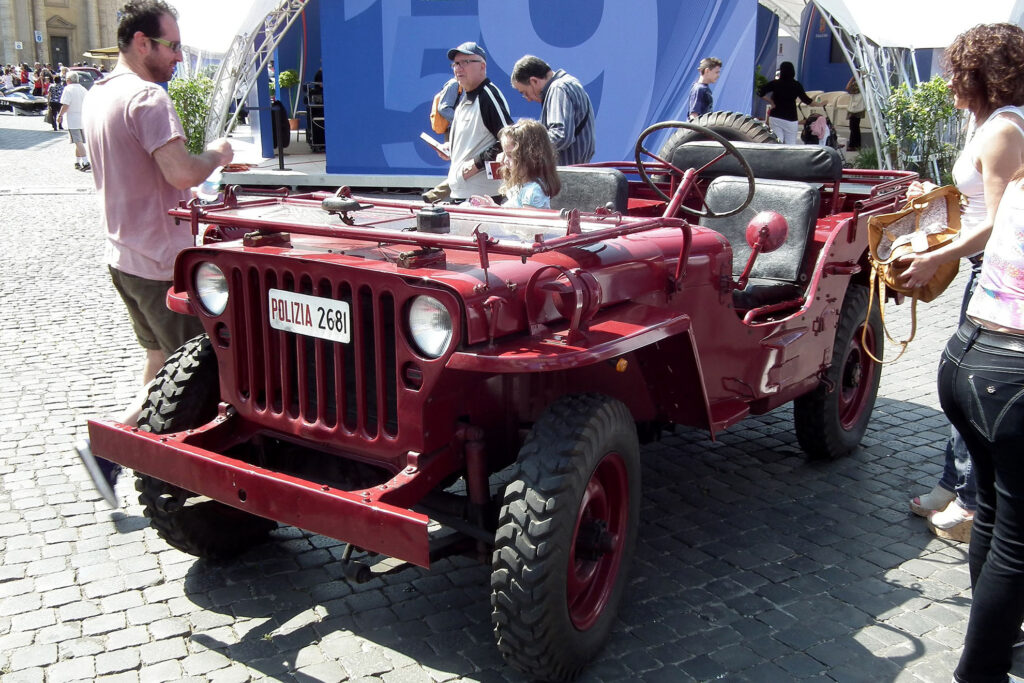
In the years after World War II, Italy kept its battered mobility network running with surplus vehicles left behind by Allied forces, including U.S. Army Jeeps. Those vehicles served the country’s emerging institutions, but by the start of the 1950s the military wanted a domestically built replacement.
Fiat, Italy’s largest industrial concern, began work on a new 4x4 before the Ministry of Defense made its AR 51 procurement program public in November 1950. Alfa Romeo’s managing director, Iginio Alessio, saw a chance to challenge a rival for a valuable order. In December, he assigned engineer Giuseppe Busso to create a competing vehicle from scratch, giving him only a few months and a demanding brief: beat Fiat’s design in speed, climbing ability and durability.
Racing technology in an off-roader
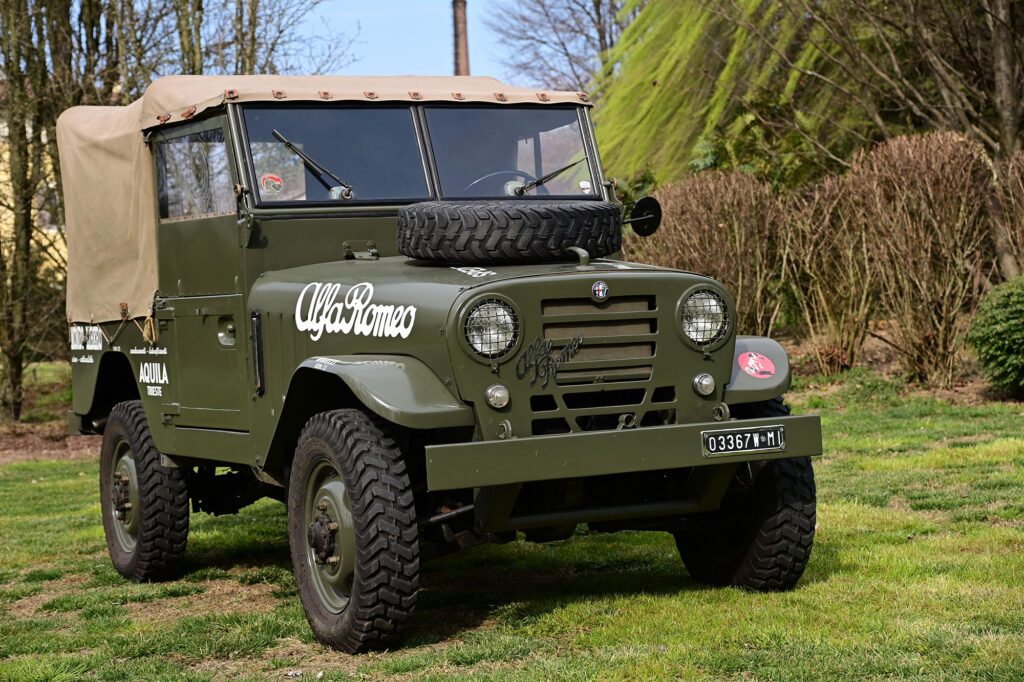
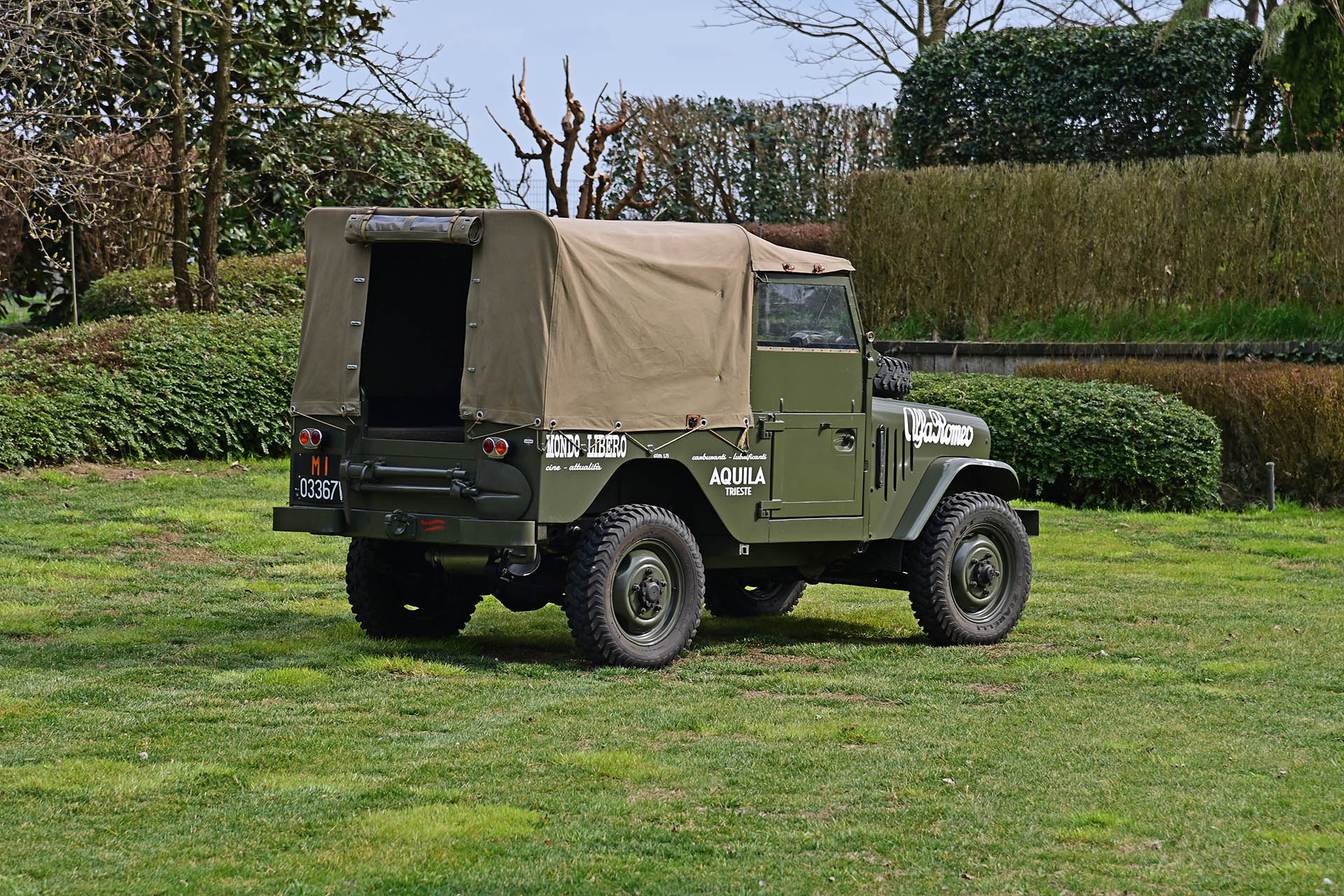
The result was the Alfa Romeo 1900 M. Its upright body followed the familiar Jeep-inspired pattern of the era, with Alfa’s shield-shaped grille in place of the seven-slot design. Beneath that conventional look sat hardware shaped by the same engineering culture behind Alfa’s championship-winning 159 Formula 1 car.
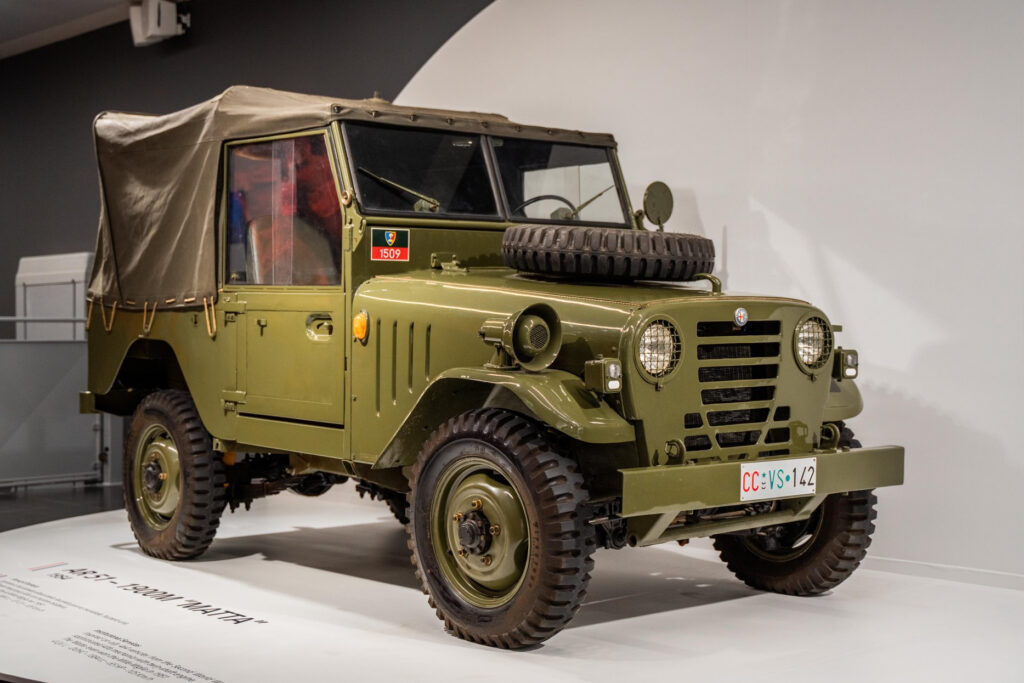
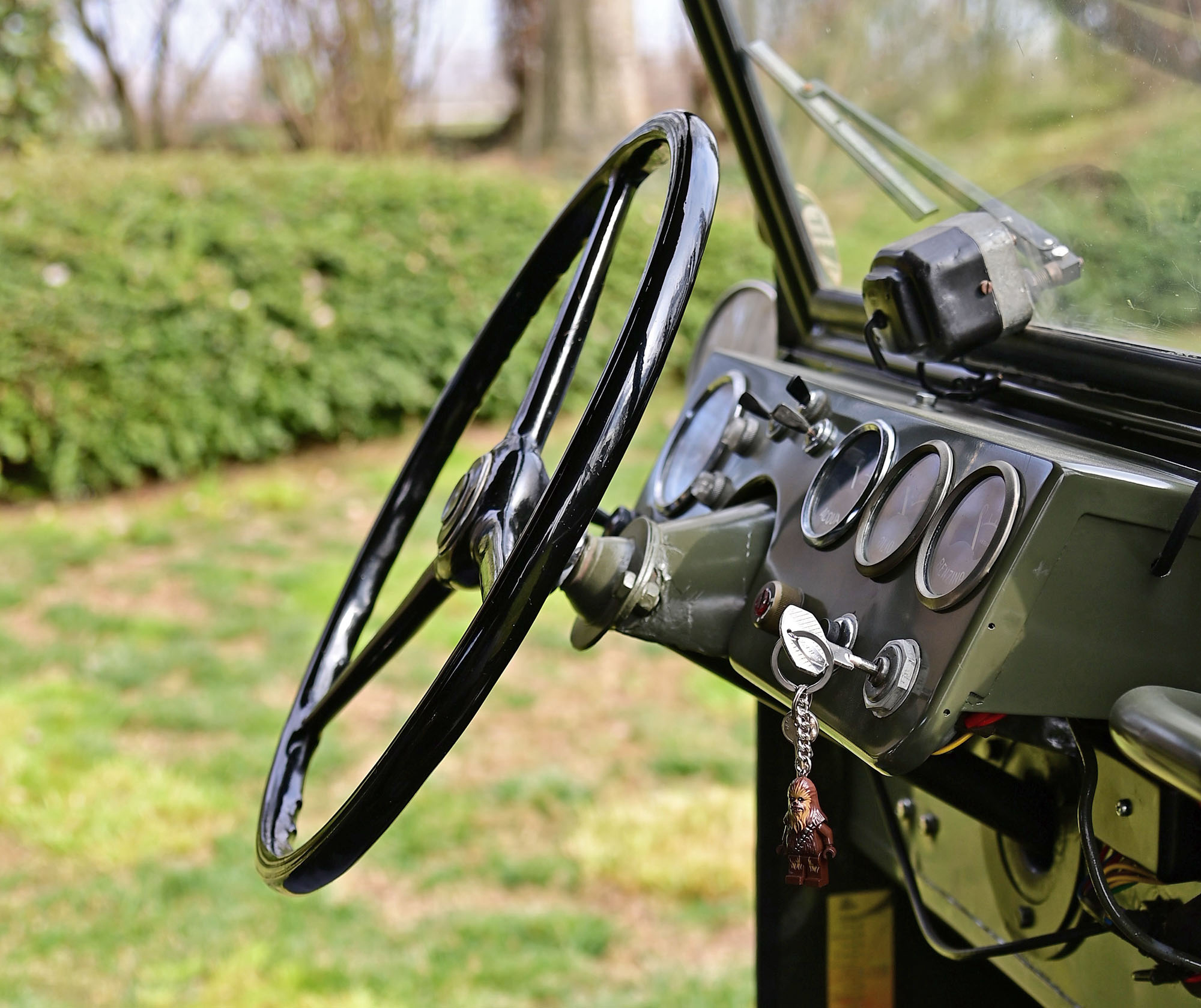
At the front, independent suspension used longitudinal torsion bars and rotary dampers. Those dampers were the type used on contemporary F1 cars: drivers could adjust them with a screw, while an internal thermostat helped maintain the setting as the oil warmed. The rear used a solid axle modeled on an early Land Rover arrangement. Alfa added a locking rear differential, engaged by a lever on the transmission tunnel, a feature the source says Land Rovers did not yet offer.
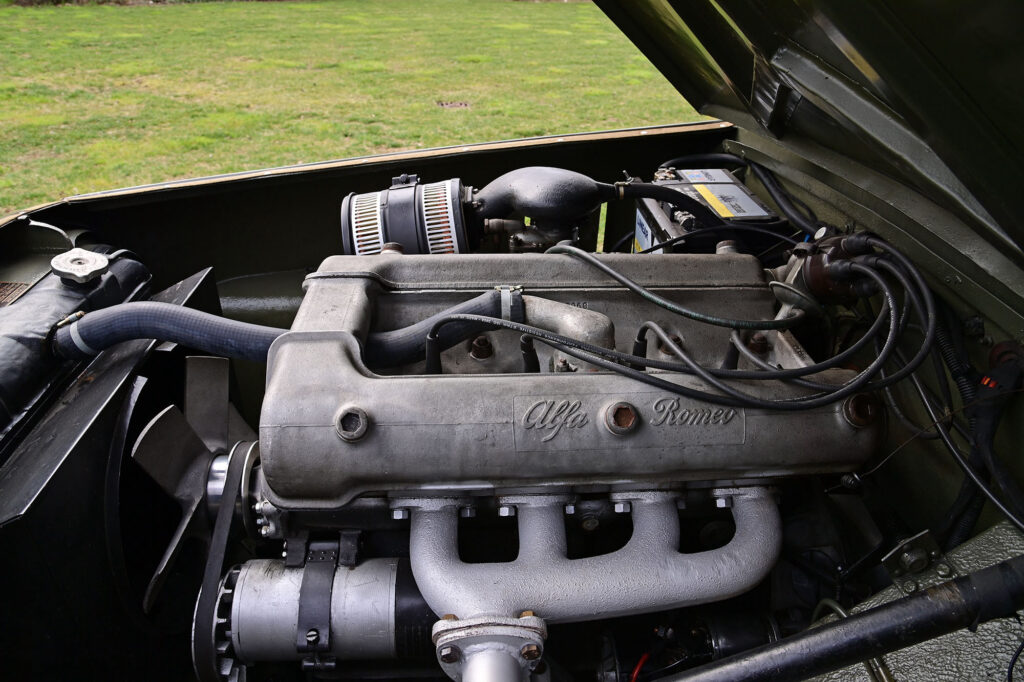
Busso didn’t have time to design a new engine, so he adapted the 1.9-liter inline-four from Alfa’s 1900 sedan. It retained an aluminum, double-overhead-cam cylinder head, but output fell from 80 horsepower to 65 as the engine was tuned for low-speed torque and a reduced compression ratio suitable for lower-octane fuel. A dry-sump lubrication system helped prevent oil starvation when the vehicle climbed at steep angles.
Performance couldn’t overcome the price
The 1900 M outperformed Fiat’s Campagnola in every test, yet its more expensive engineering weakened its case for a large military order. The military placed only a few small orders with Alfa, while Fiat won the main business. It’s a telling result: the Matta demonstrated what Alfa’s engineers could do, but capability alone couldn’t make up for the cost difference.
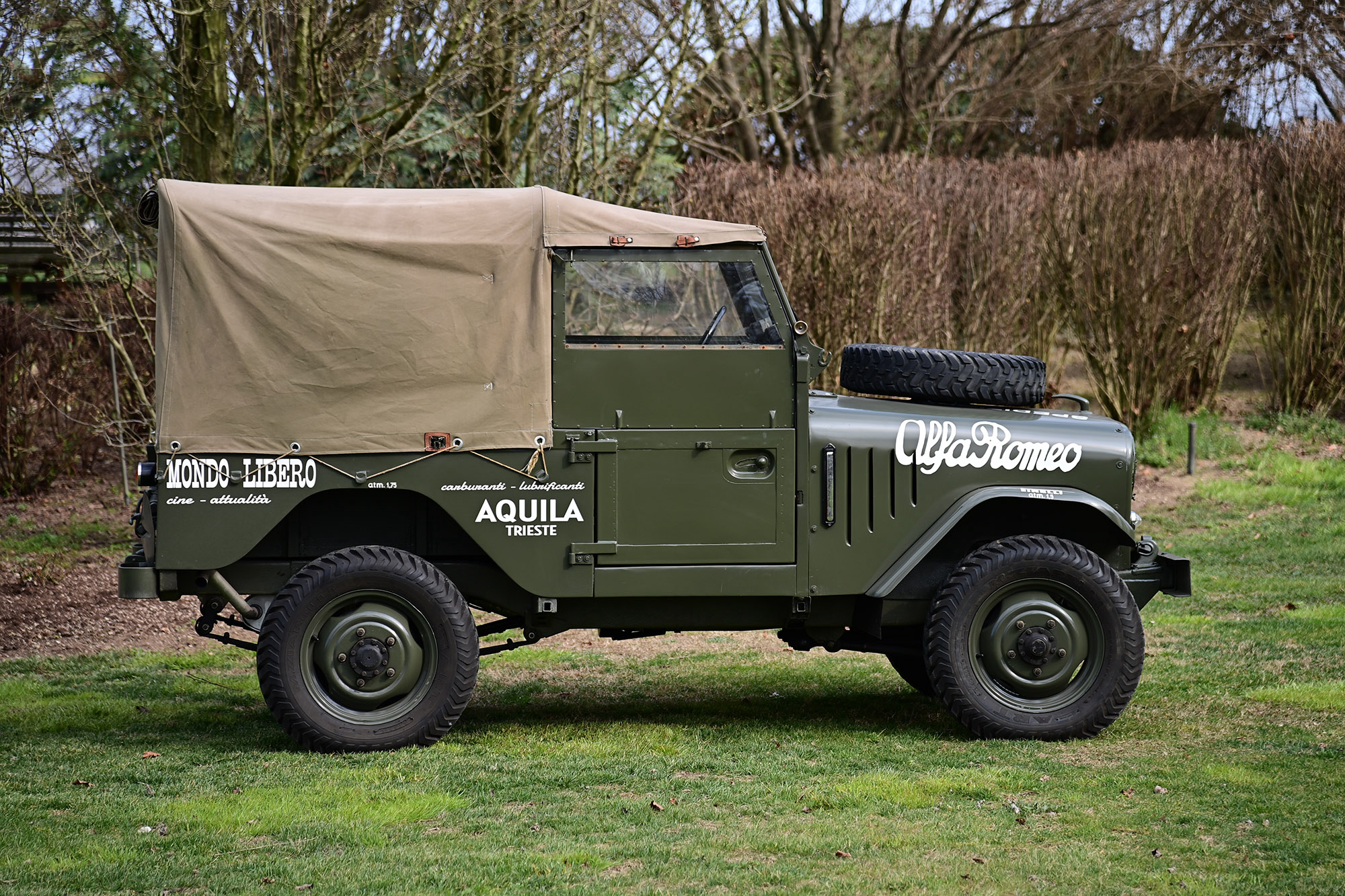
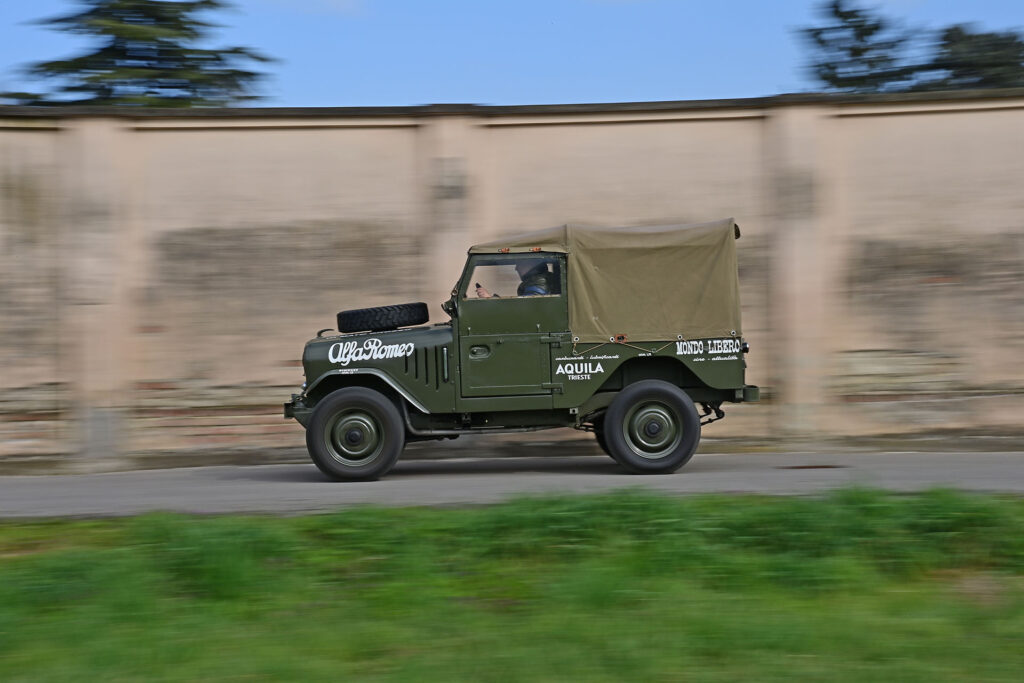
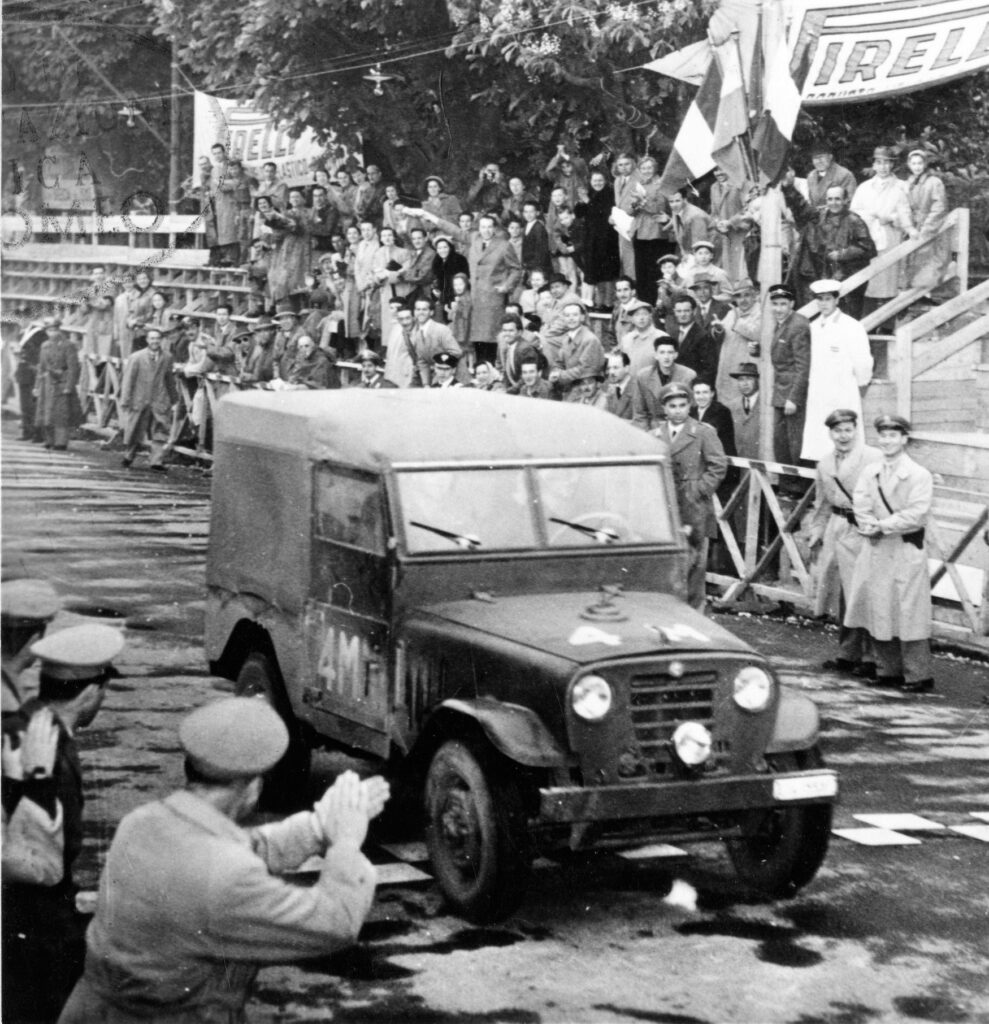
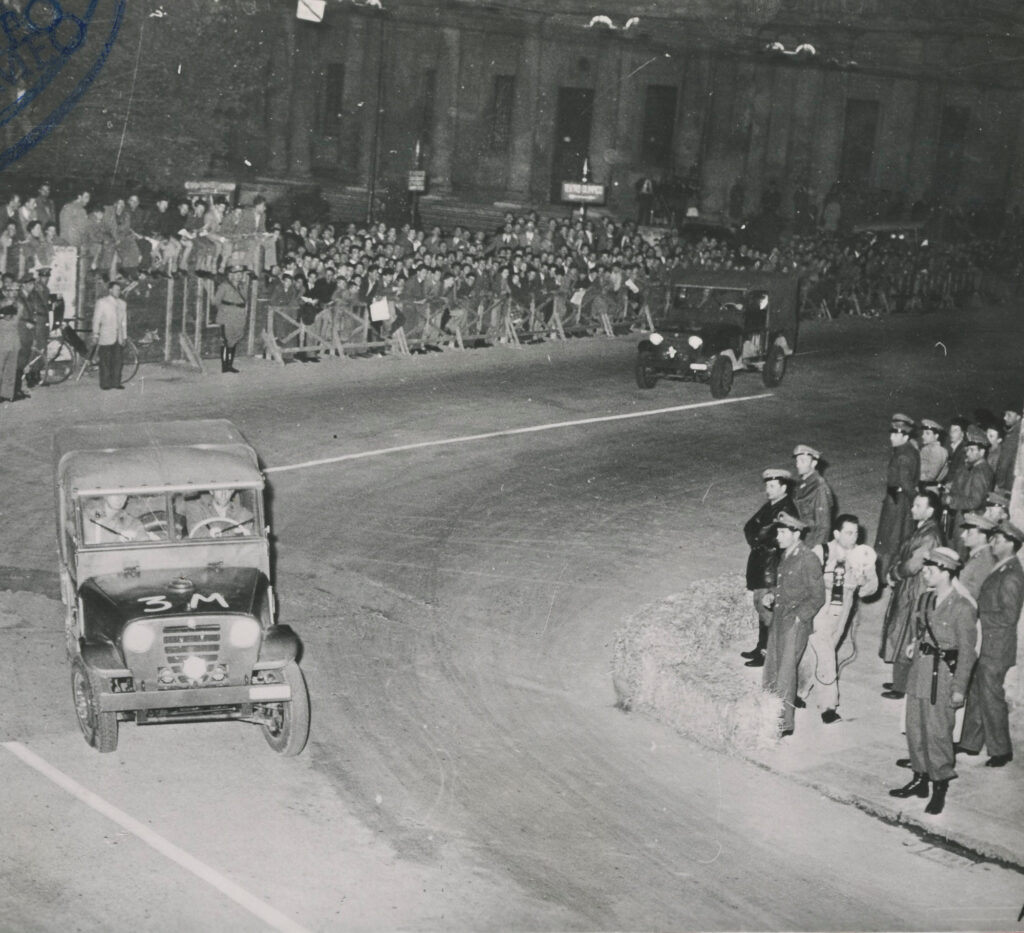
Alfa found a different way to make its point at the 1952 Mille Miglia. That year’s event included a class for military vehicles, with two Campagnolas and two 1900 Ms driven by active military personnel. What began as a largely ceremonial entry turned into a hard contest as the drivers pushed their vehicles. One Alfa crashed out; the other reached the finish in 16 hours and 54 minutes, 41 minutes ahead of the first Fiat.
Why the 1900 M became the Matta
Alfa built just over 2,000 examples between 1951 and 1953. In drawings and service literature, the vehicle was called the 1900 M, but a nickname from a test session proved more memorable. Watching it climb terrain that seemed impassable, Alessio reportedly exclaimed, “Roba da matti”—roughly, “That’s insane.” The Italian word matta means “mad,” and the name stuck.
For decades, the unusual 4x4 received little attention. It has since become a sought-after Alfa Romeo among serious collectors, drawn to a short-lived model that combined sedan-derived engine technology and racing-inspired suspension with military utility. The Matta’s story remains a reminder that Alfa’s history extends well beyond sports cars—and that its most ambitious engineering doesn’t always win the biggest order.