In lane Electric Vehicles
2016 Volvo V60 Polestar: The Wagon That Made Volvo’s Shoulder Line a Performance Signature
Description
The V60 Polestar pairs Volvo’s defining shoulder line with a lowered stance, 20-inch wheels and carefully detailed performance trim.
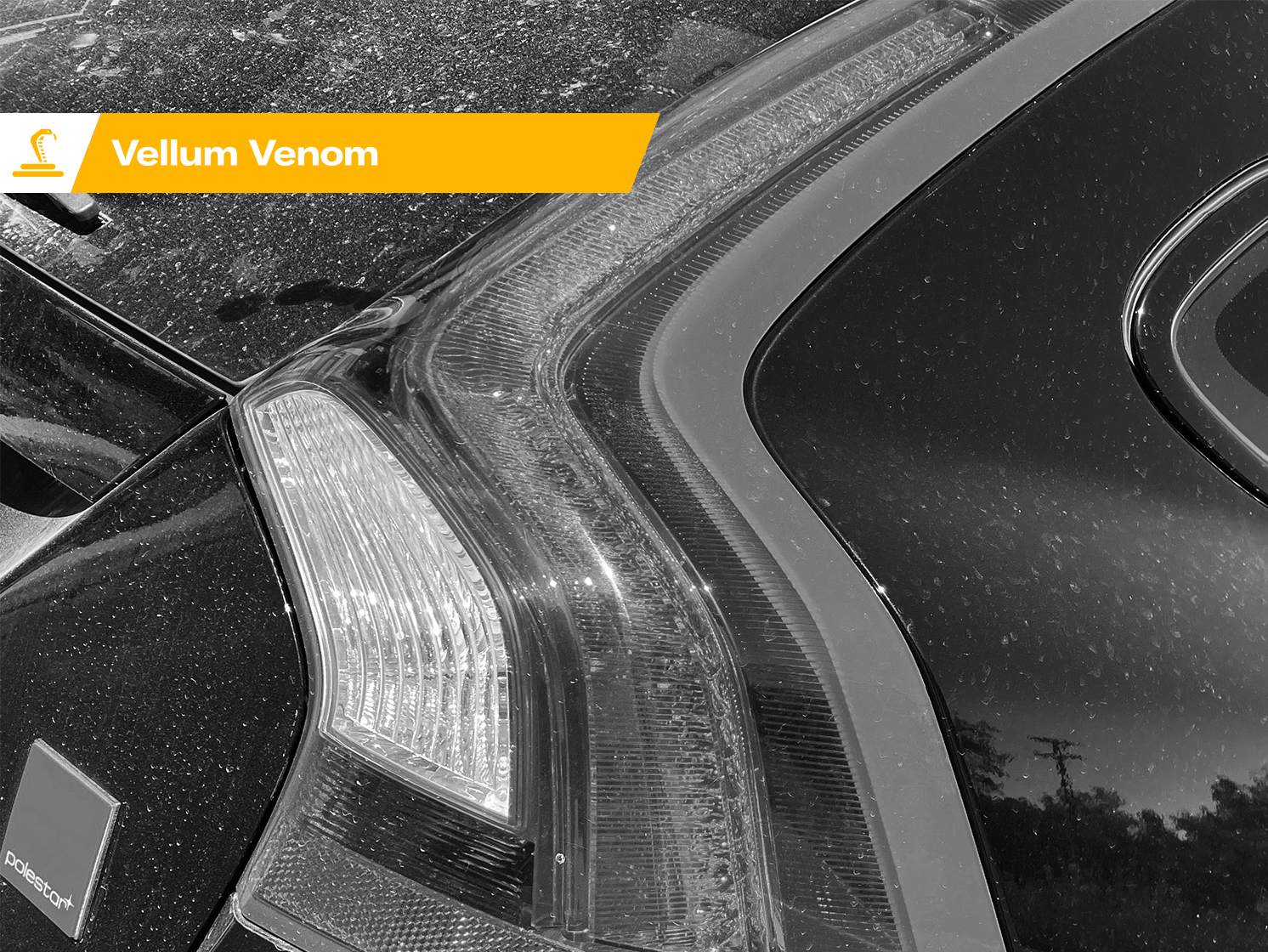
The 2016 Volvo V60 Polestar makes its case through shape. Its lowered stance and performance details sharpen the familiar station-wagon outline, but the feature that most clearly identifies it as a Volvo is a strong shoulder line running from the front fender toward the taillights. That line connects the car to a design idea Volvo had been developing for decades.
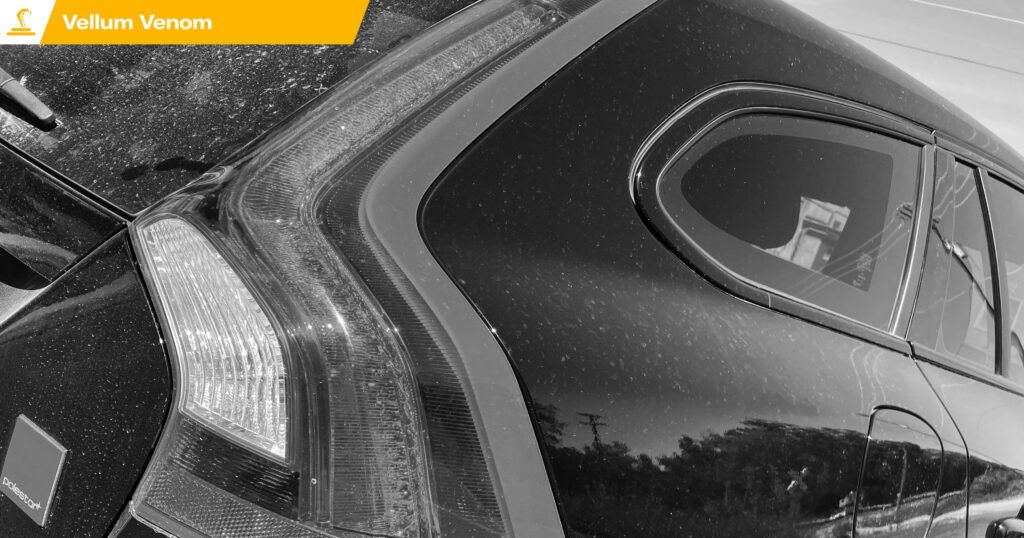
Volvo’s familiar boxy cars still have a large following, yet the V60 shows another strand of the company’s identity: expressive body surfacing wrapped around a practical wagon. In this Polestar, the shoulders are more than a styling flourish. They give the body a clear visual backbone, linking the nose, side and rear into one continuous shape.
A design idea with a long history
The line’s modern history reaches back to the 1992 Volvo ECC concept, designed by Peter Horbury. Its pronounced body-side shoulder became a defining element of the brand’s later design language. The production 2000 S60 translated that concept into a softer, more rounded sedan, while later Volvo models carried the motif into a new generation of shapes.
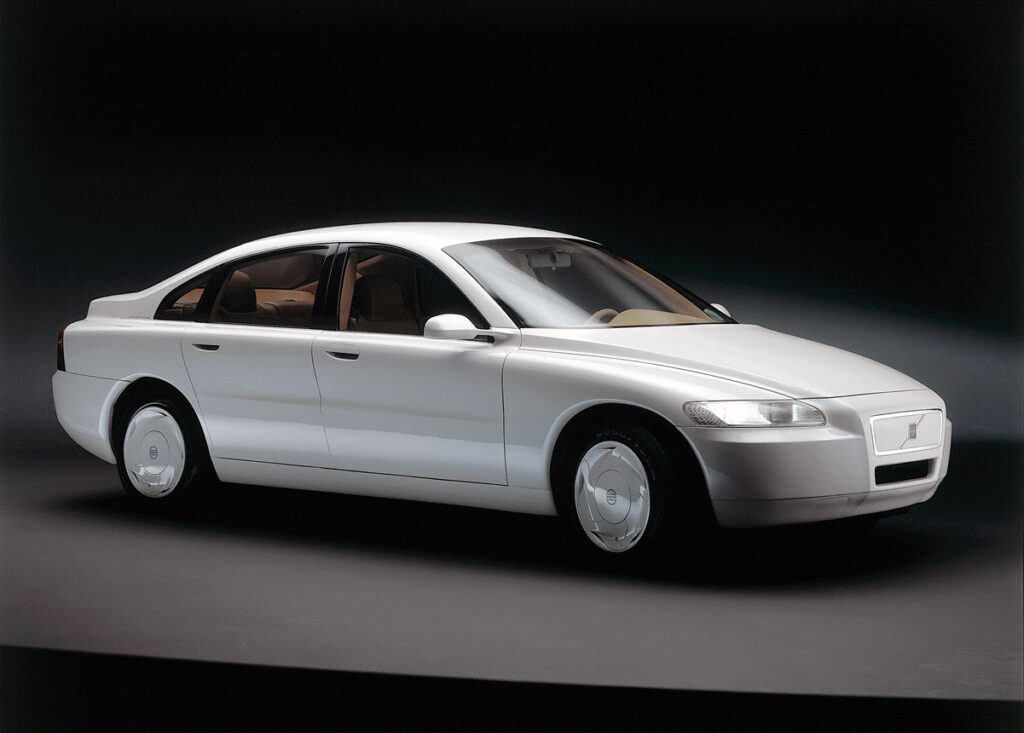
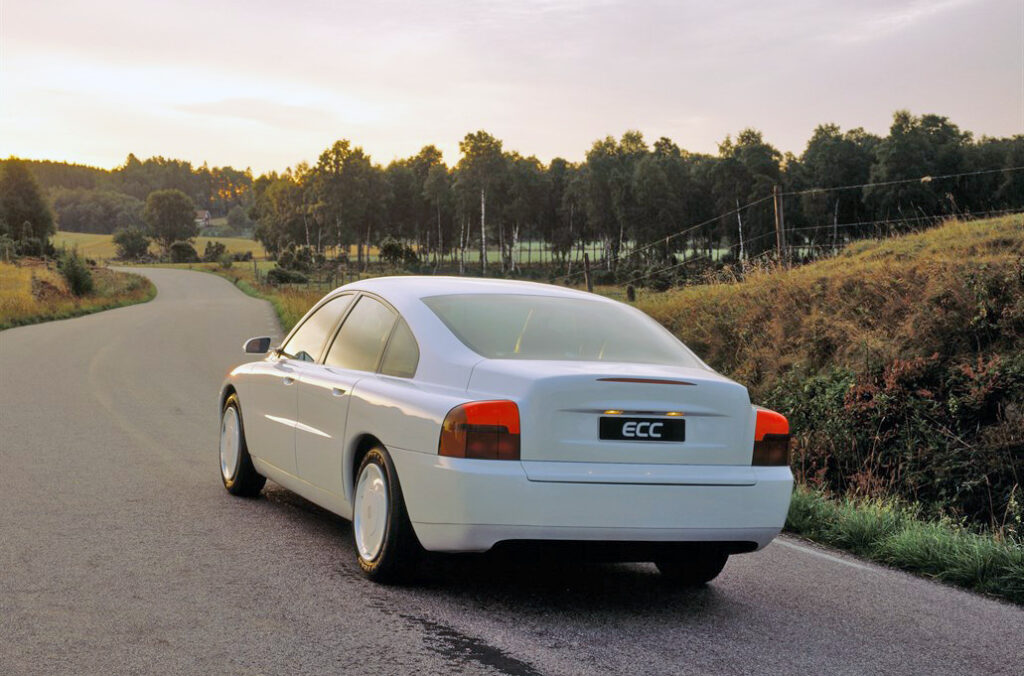
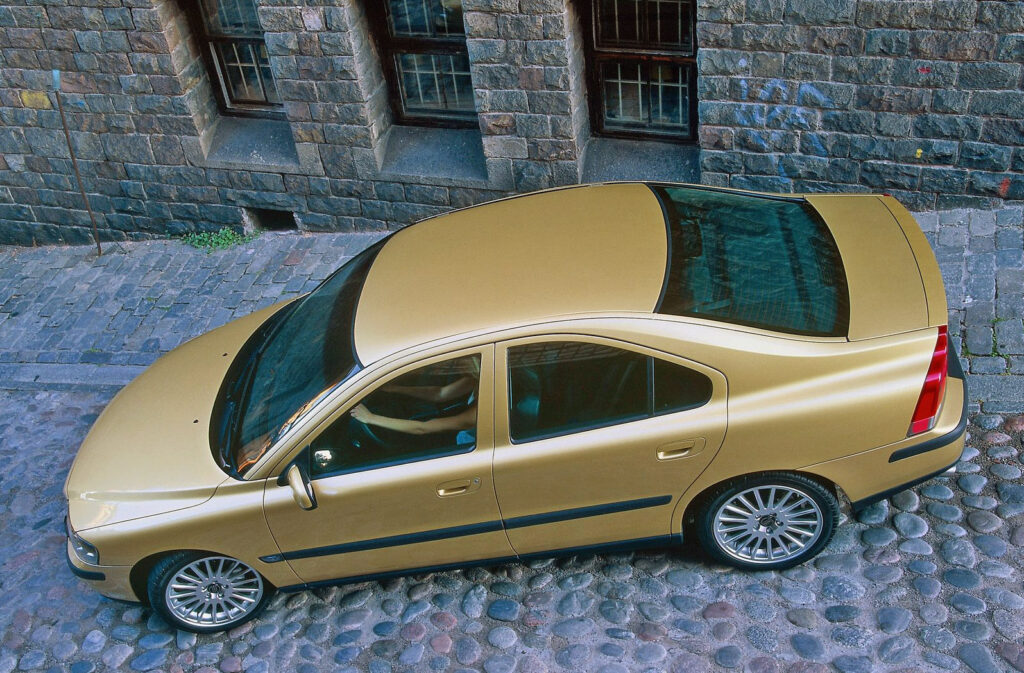
The second-generation S60, introduced in 2010, softened the earlier car’s form but retained the shoulder. The V60, its wagon counterpart, gave that line a more muscular setting: the body rises over the wheel arches, then carries the crease rearward beneath the windows. The 2016 Polestar is a particularly clear example of how that treatment evolved into a performance-oriented design.
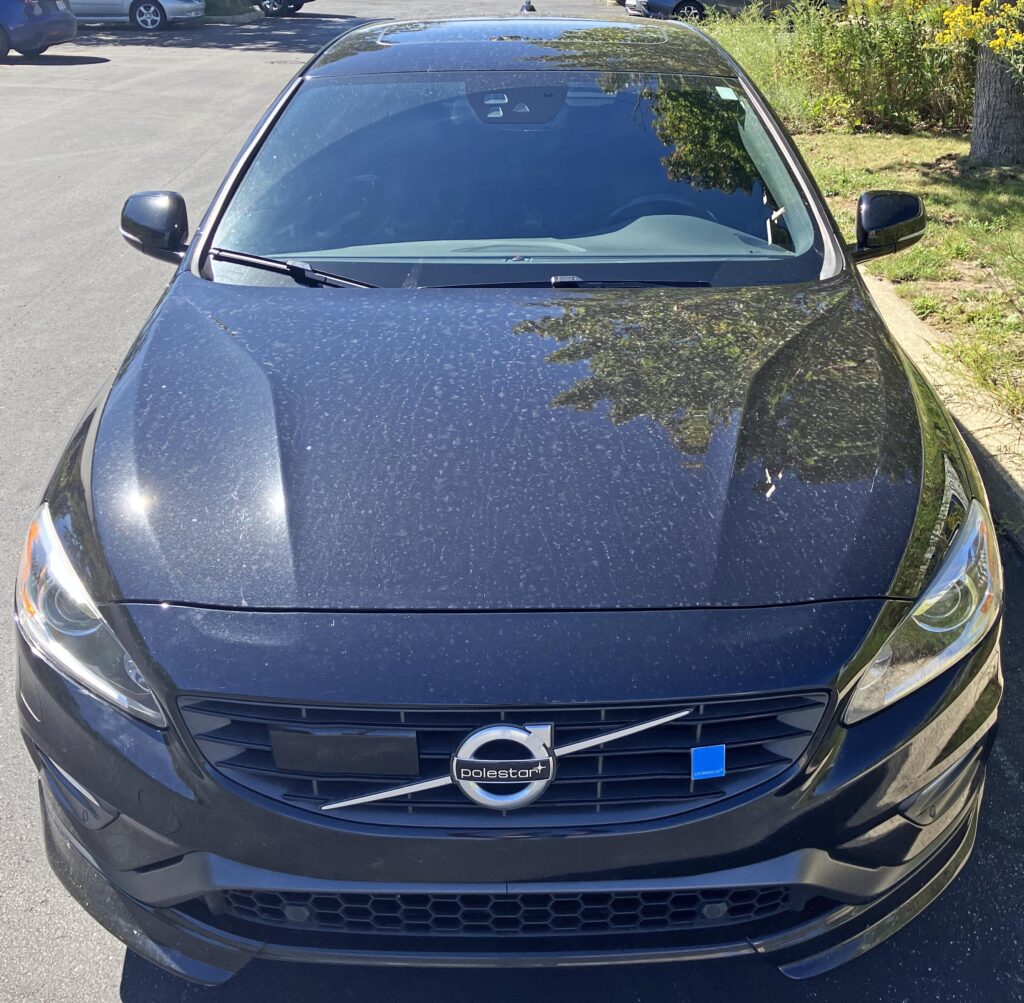
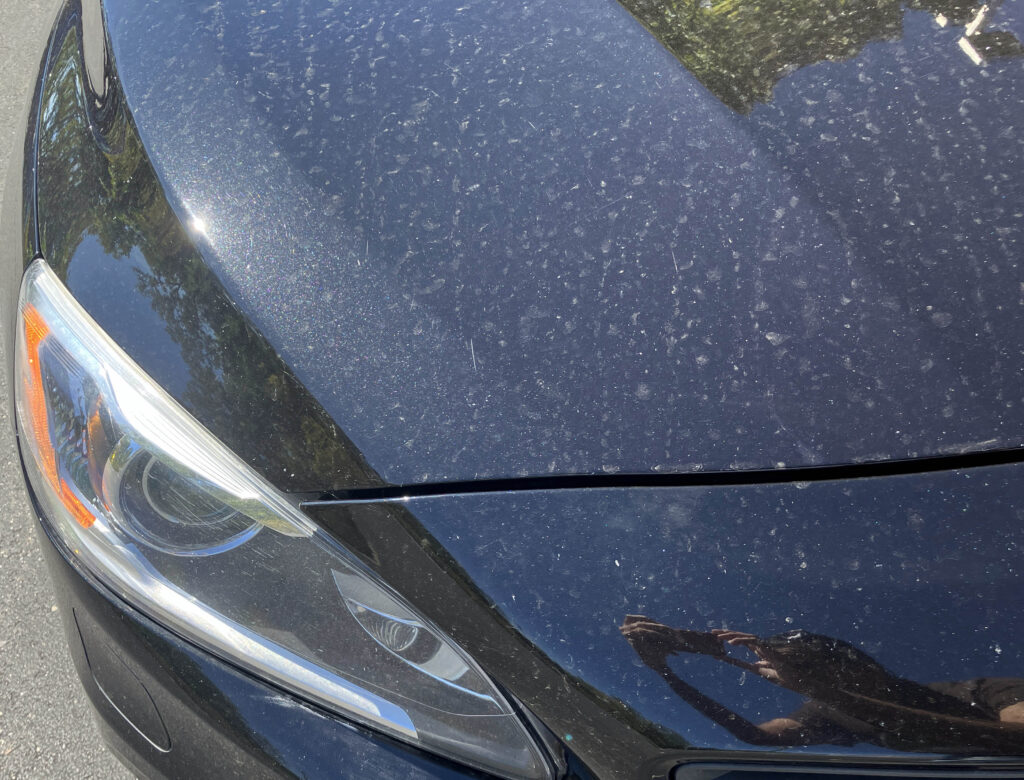
At the front, the fenders rise above the headlamps and suggest more intent than the wagon’s understated profile might imply. A blue Polestar badge, sculpted hood and deep lower bumper help make the distinction. The hood’s multiple ripples do compete with the shoulder line, though. The original S60’s surfaces were simpler in this area; on the V60, extra contouring makes the visual story busier.
Performance cues built into the nose
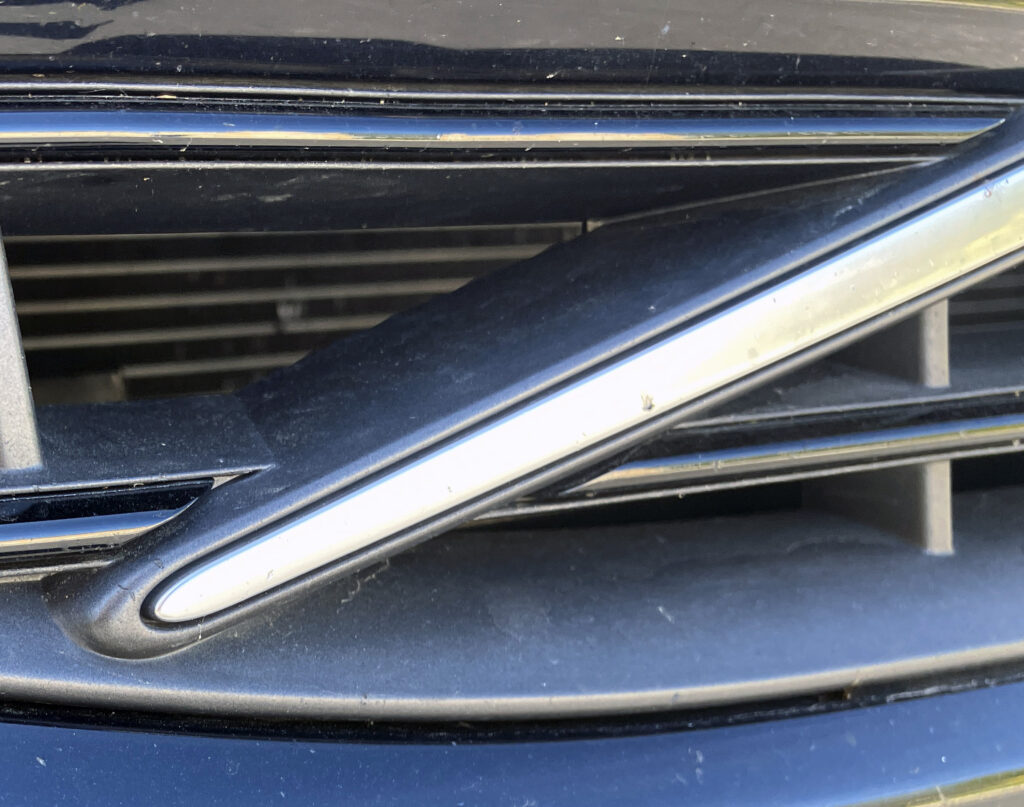
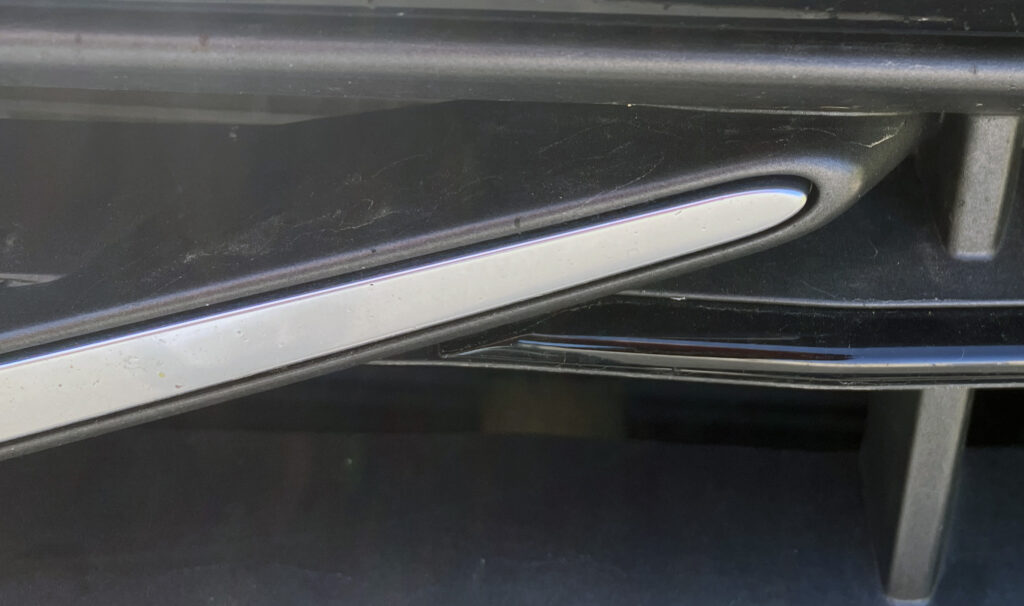
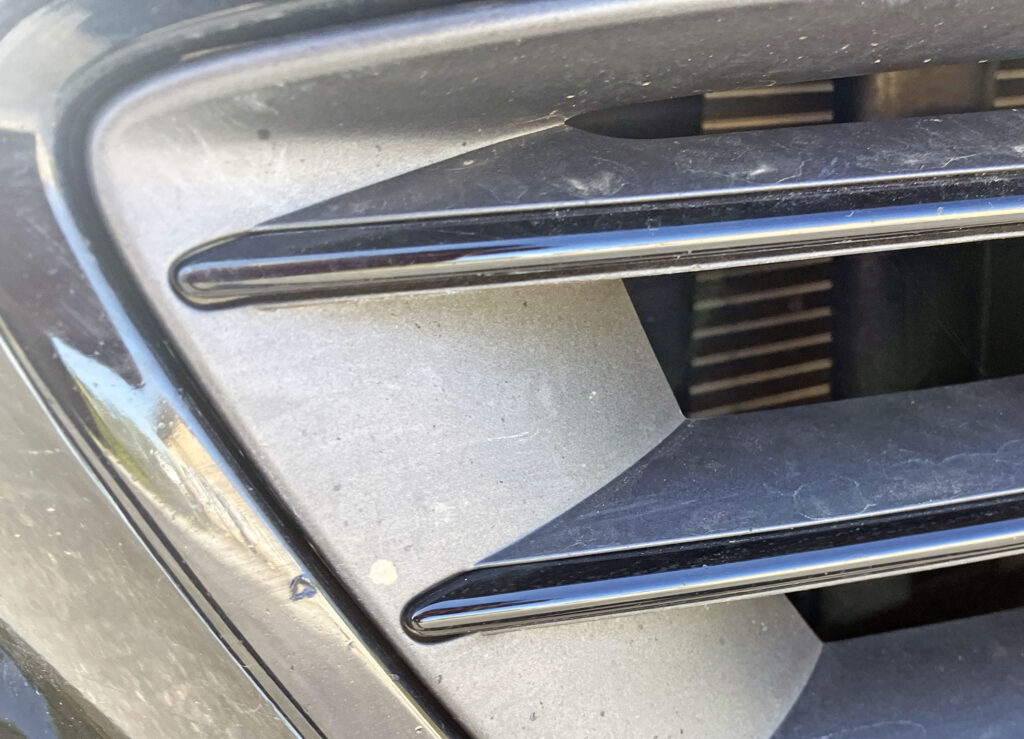
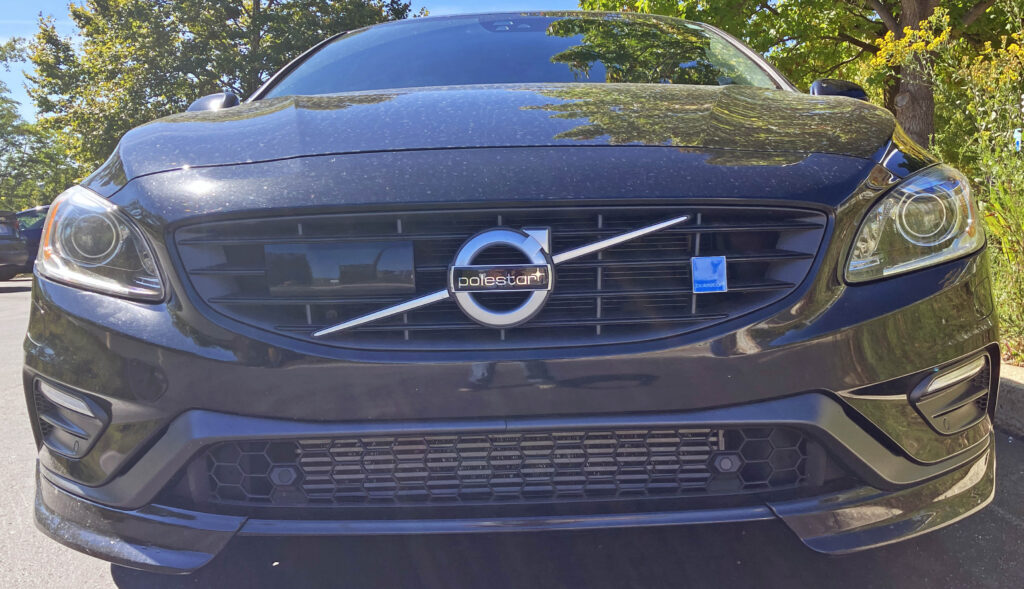
The front bumper gives the Polestar its clearest visual separation from an ordinary V60. The grille retains Volvo’s familiar diagonal bar and ring emblem, while gloss-black inserts darken the surrounding mesh. Below the daytime running lights, smaller grilles and a framed lower opening add depth. The overall effect is purposeful, although the upright, extended nose can look oversized from some angles.
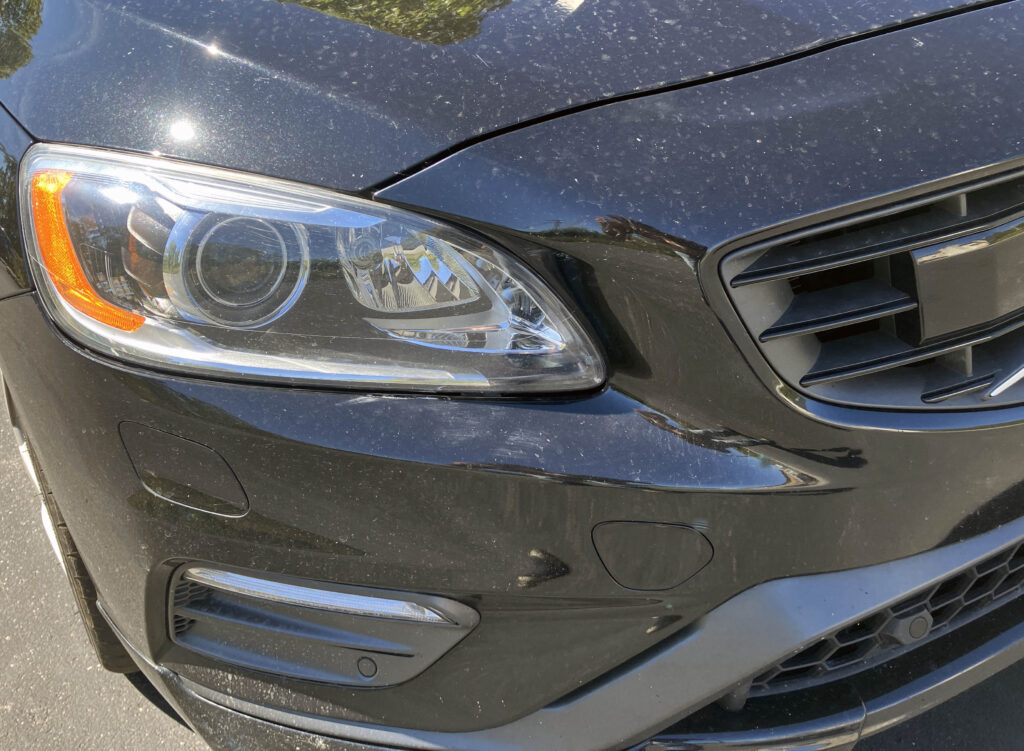
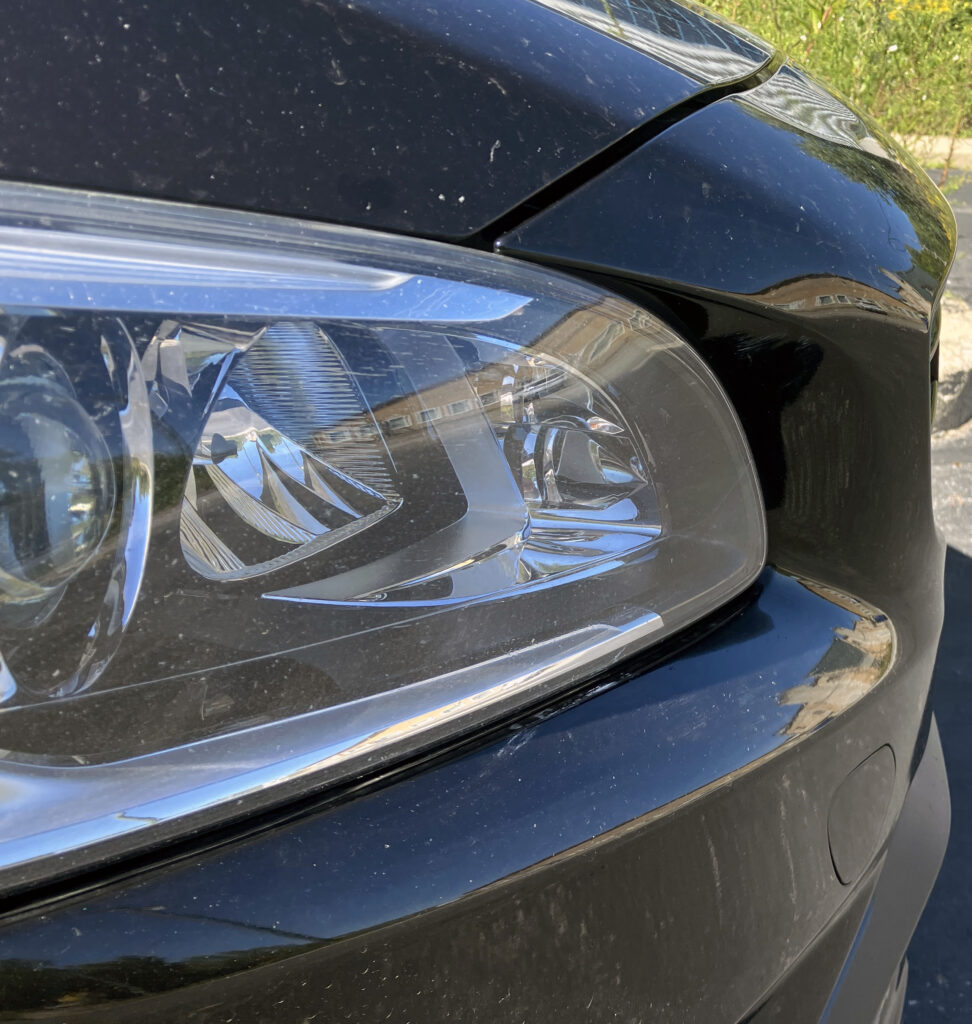
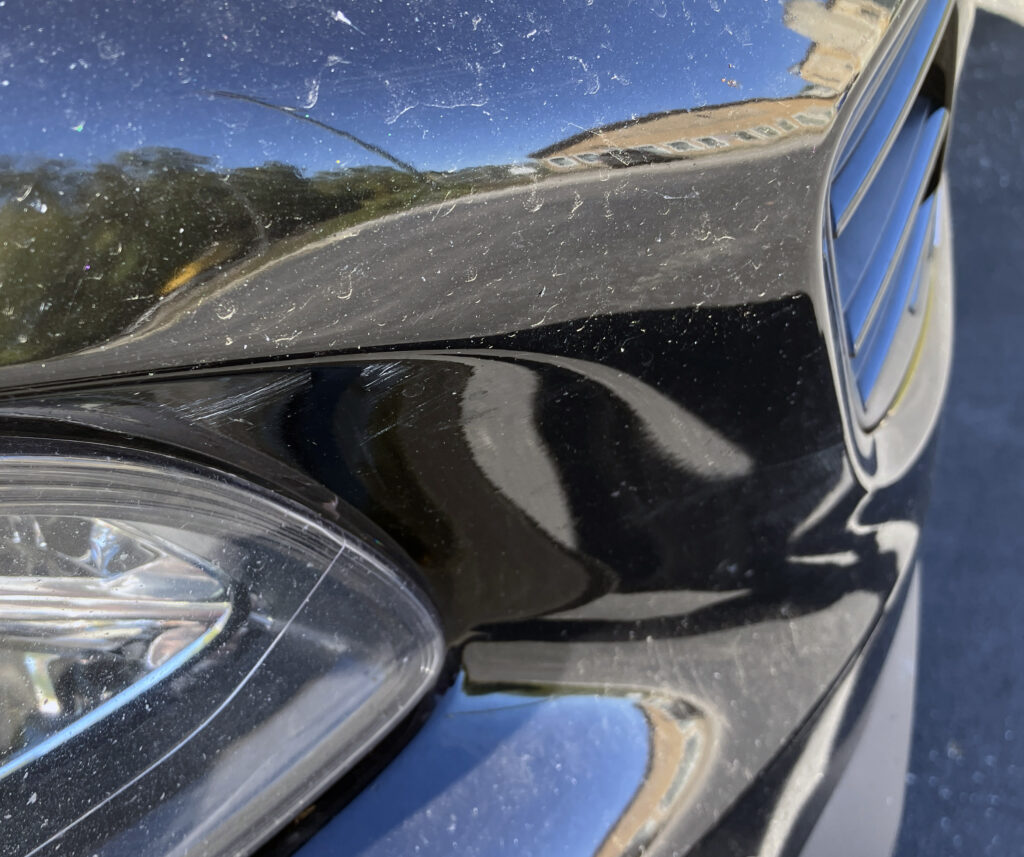
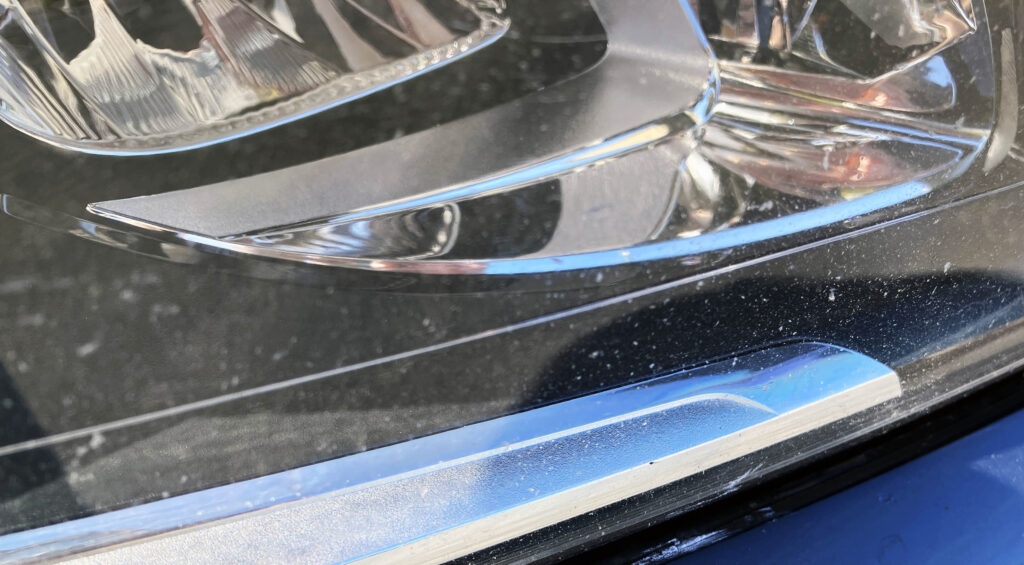
The headlamp details are subtler. Several stamped lines in the assemblies add structure around the outer edges, and a textured chrome section keeps the trim from ending abruptly beside the high-beam reflector. The line beneath each headlamp continues into the grille, tying the lighting to the bumper’s larger shapes.
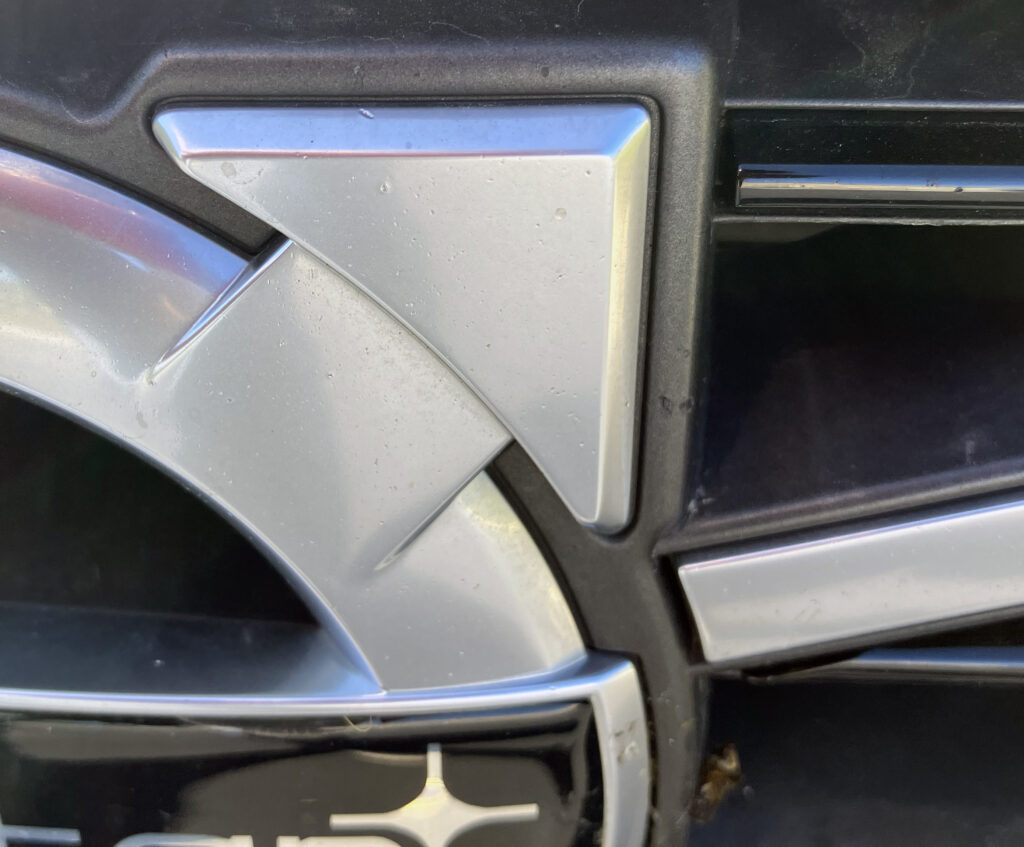
The grille also has a small piece of owner-specific customization: the car wears a second Polestar marking where a Volvo label would normally sit inside the grille emblem. The blue Polestar square elsewhere on the nose provides the motorsport connection without that extra repetition. It’s a minor change, but it illustrates how a small badge can shift the balance of a carefully composed front end.
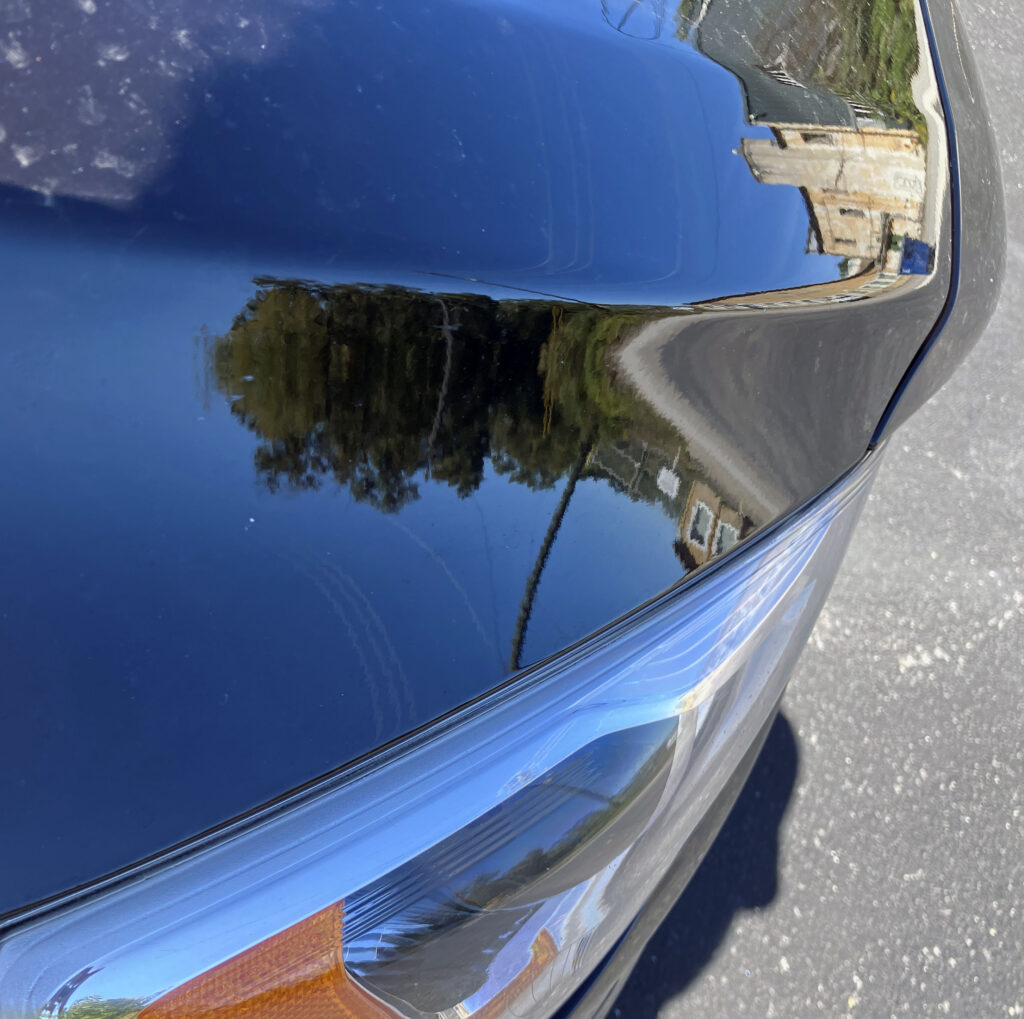
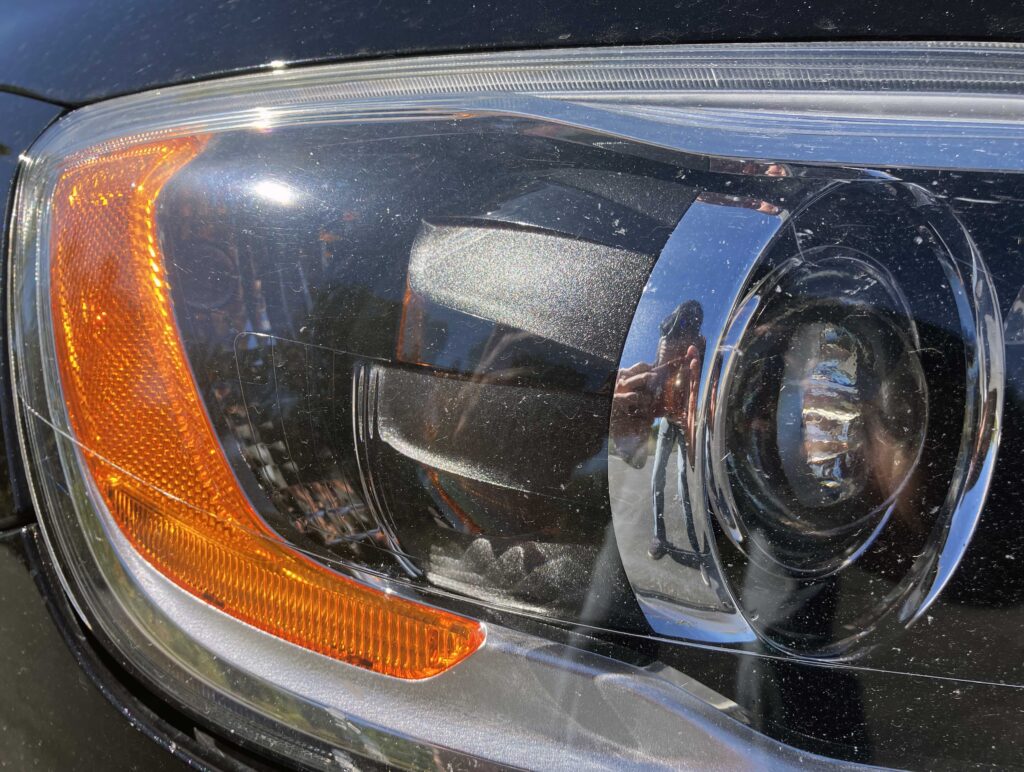
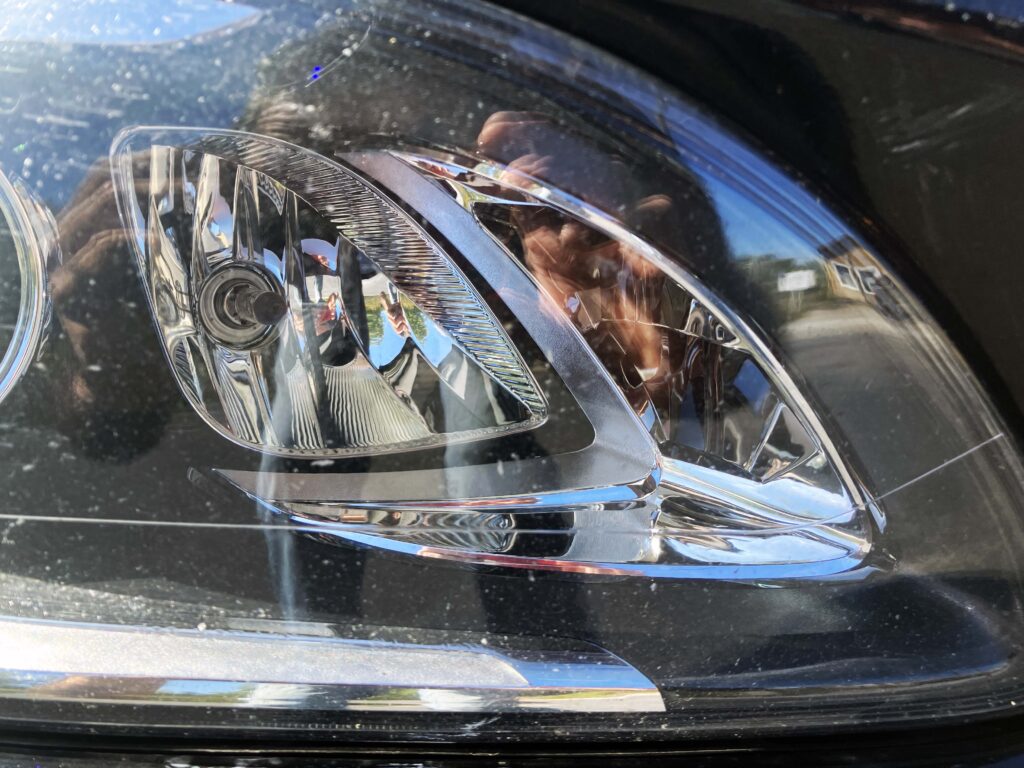
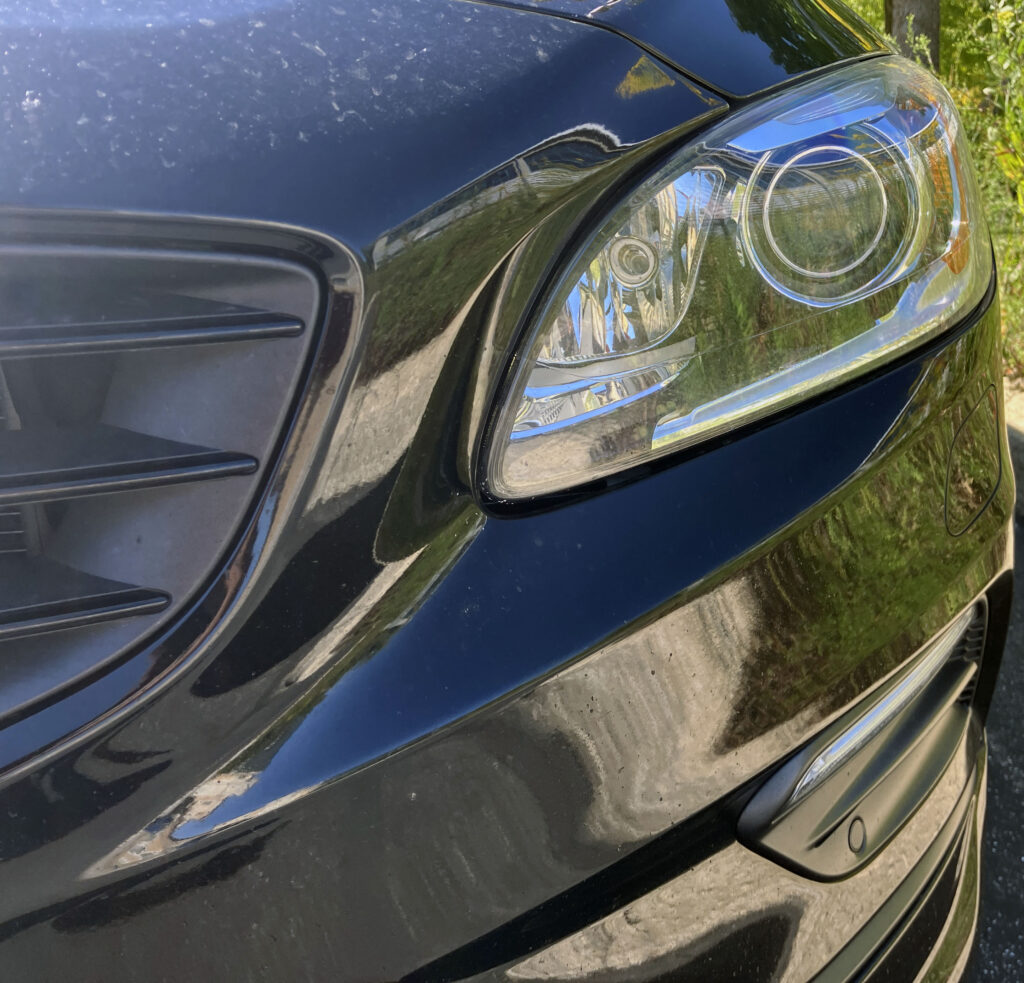
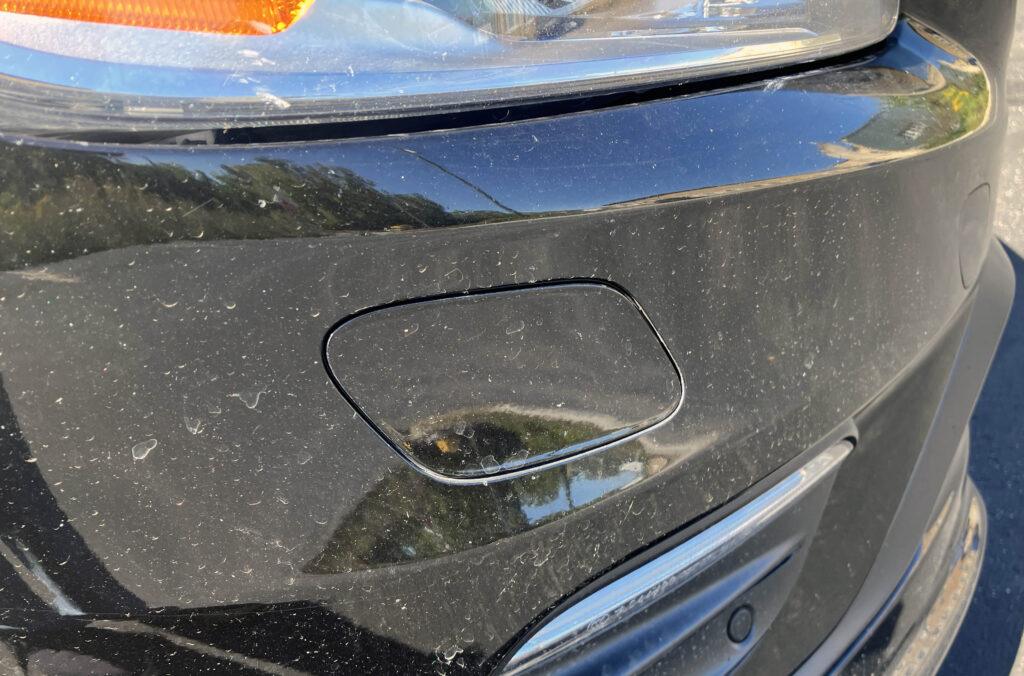
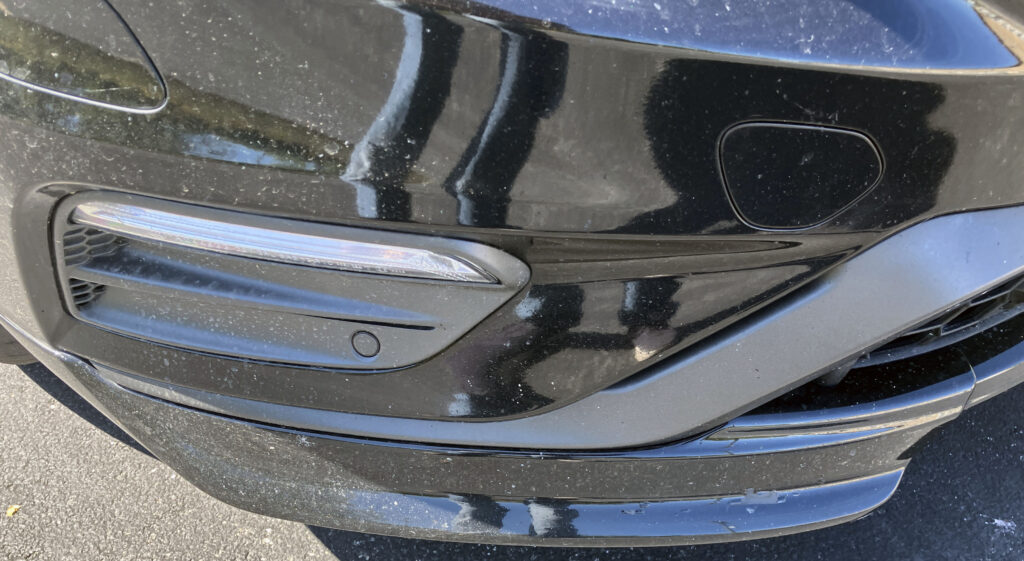
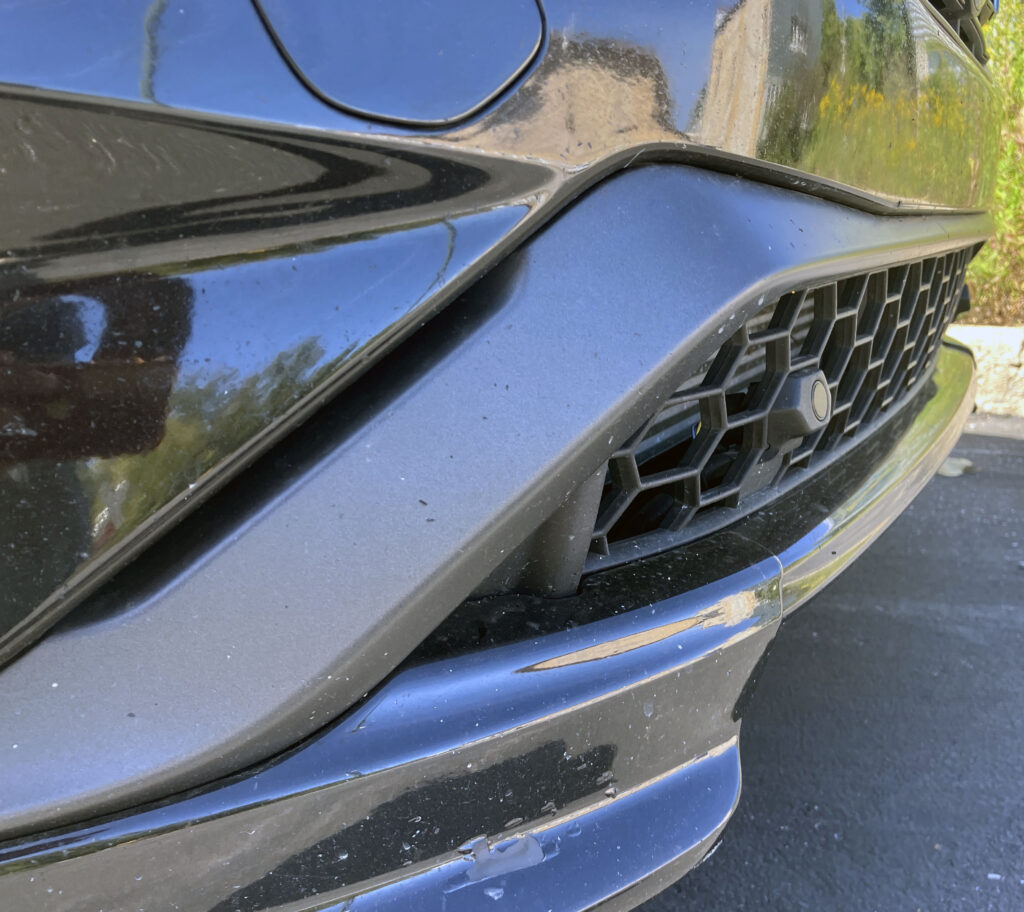
Parking sensors sit neatly below the daytime running lights, where a shaped trim panel helps explain the bumper’s depth. The headlamp washers are concealed behind flush covers. Those details matter because the Polestar’s front end has plenty going on already; integrated equipment lets the larger forms stay in charge.
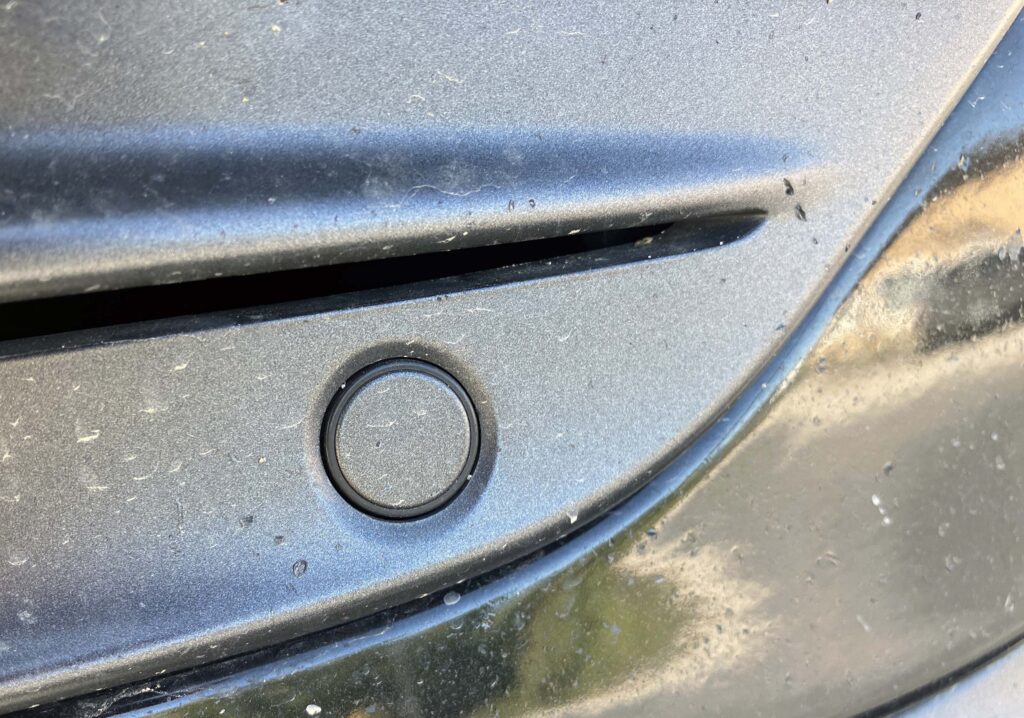
The lower opening uses a honeycomb pattern that feels more assertive than the usual restrained Volvo treatment. One sensor is disguised by filling a pair of the mesh openings. The frame around the opening narrows toward the car’s center and then flattens at the bumper crest. It’s a layered arrangement, and from the side the parts seem to push inward toward the centerline.
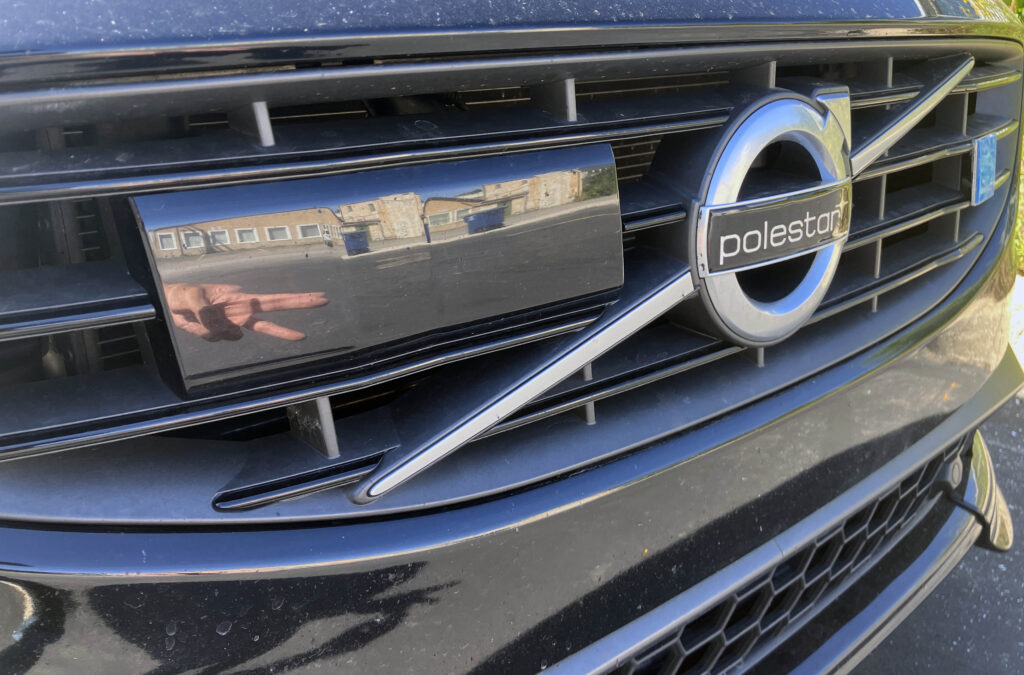
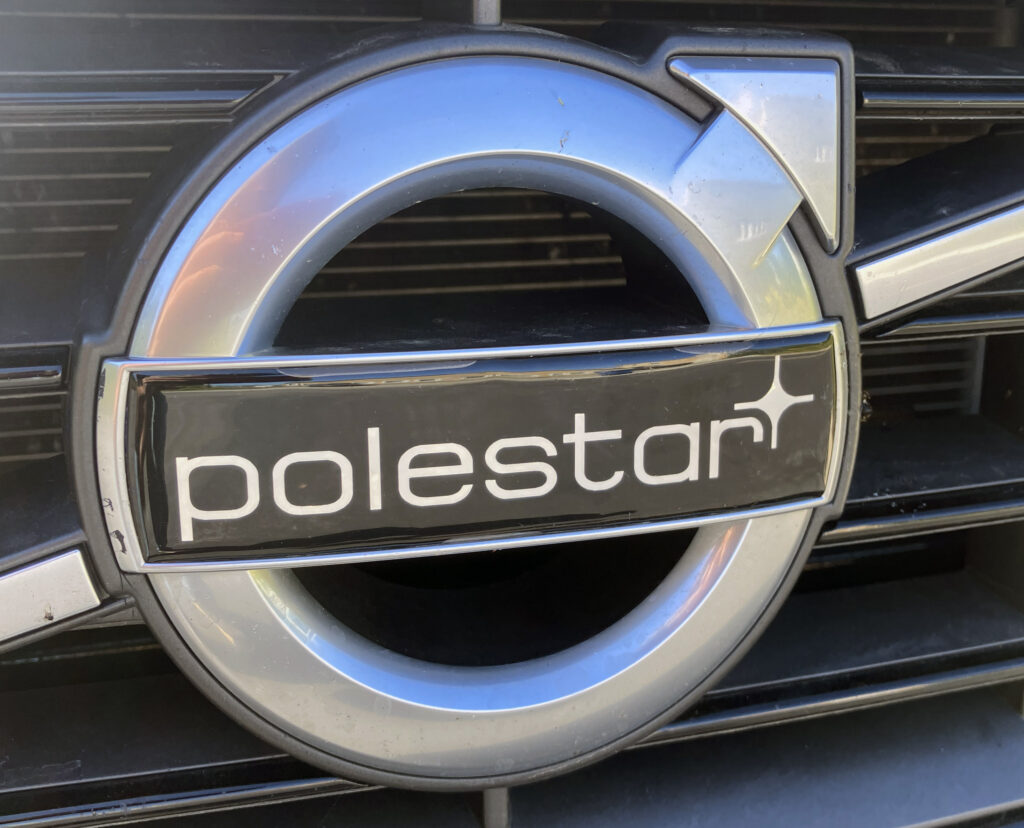
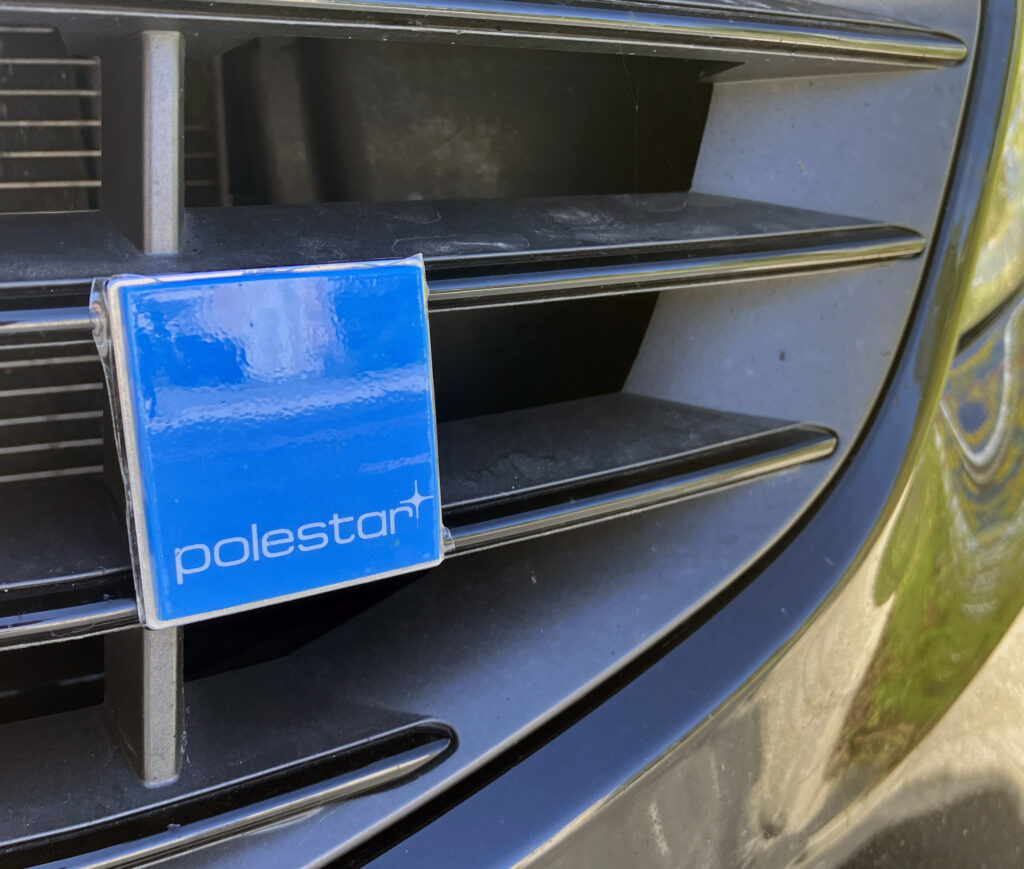
The lower frame is made in two pieces, a practical choice that may make repairs easier if one section is damaged. Small splitters at the bumper’s outer edges sit low enough to be vulnerable to scrapes. That’s part of the bargain with a road-hugging appearance: the styling draws the eye down, while daily use can put those parts in harm’s way.
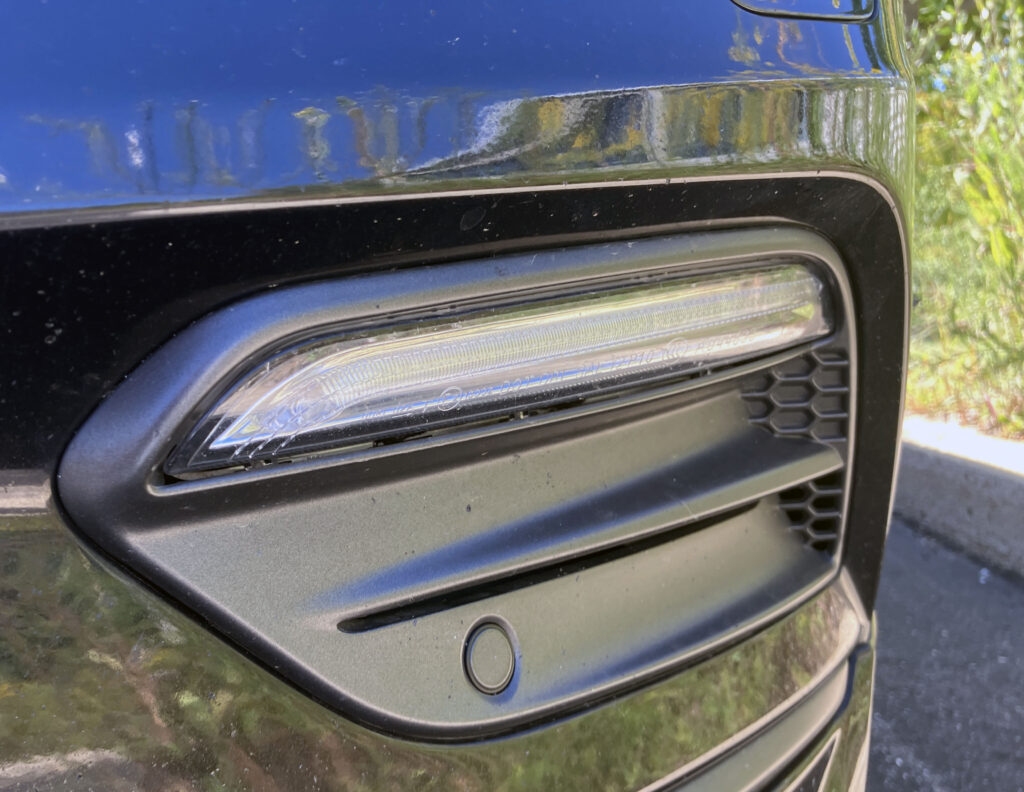
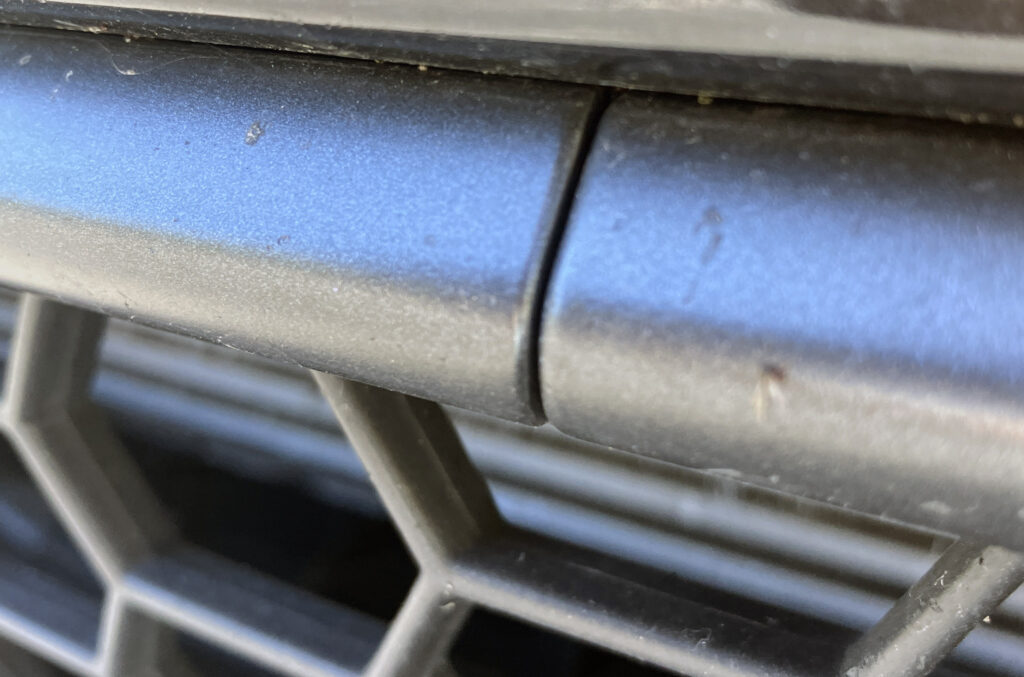
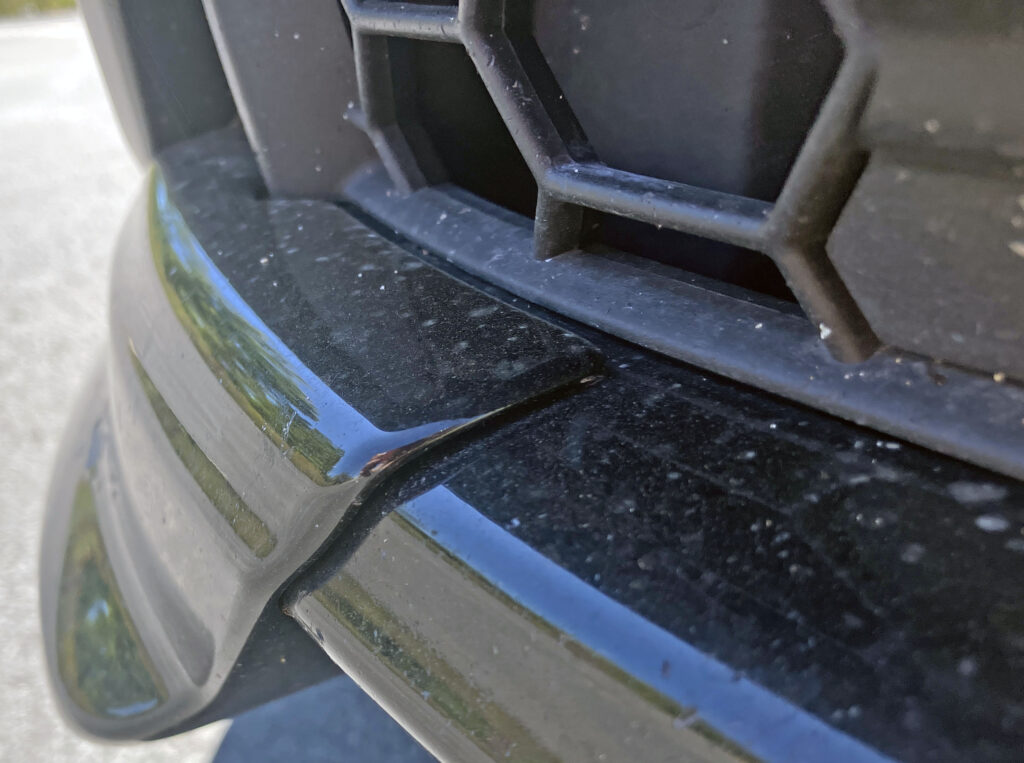
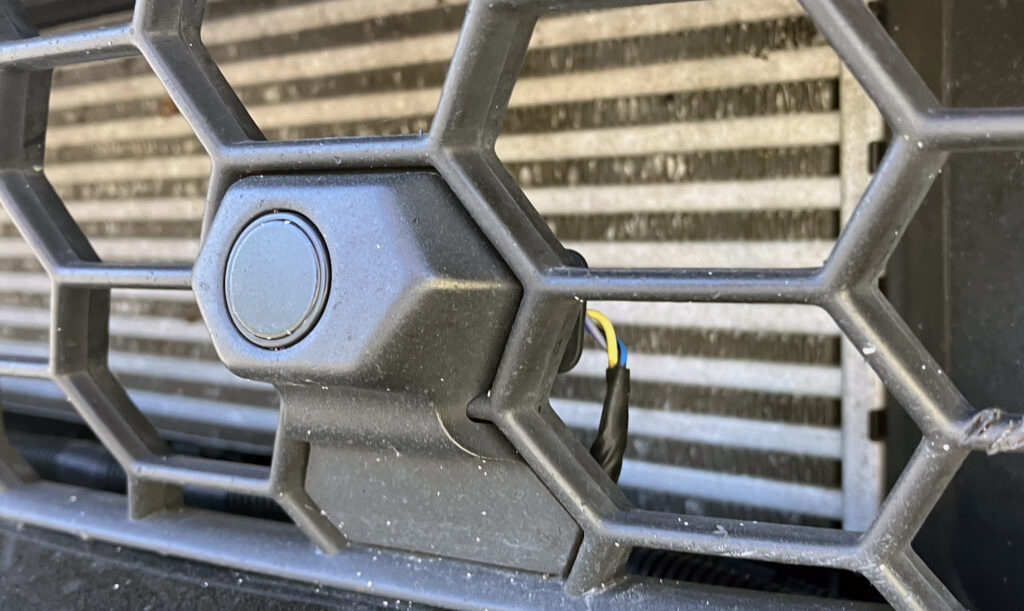
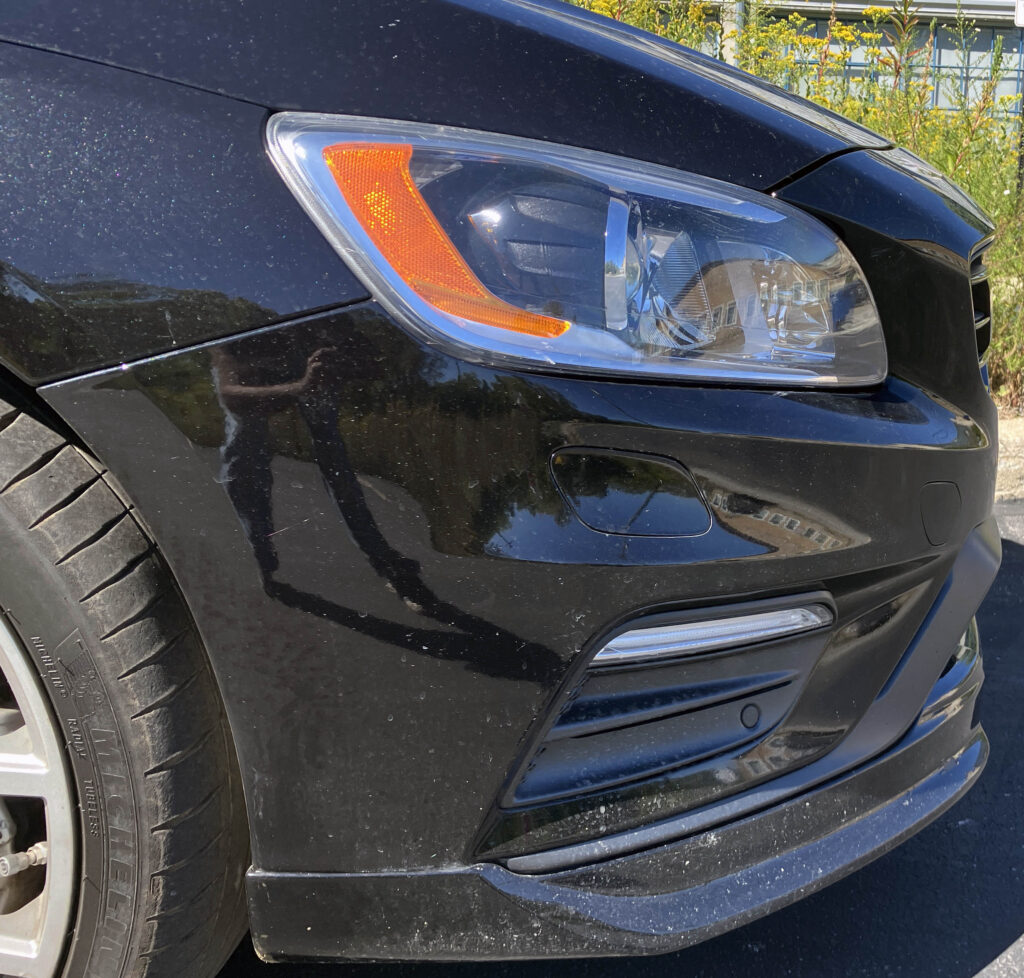
Volvo’s elongated grille and raised hood give the front a substantial presence. That shape also reflects a wider design challenge: adding space beneath the hood changes the height and proportions of surrounding panels. On this car, the extra contouring around the cowl makes the area look taller than the tidy windscreen edge might suggest. The surface treatment can seem fussy until you consider how much room the hood needs to provide beneath its outer skin.
Wheels, stance and the wagon profile
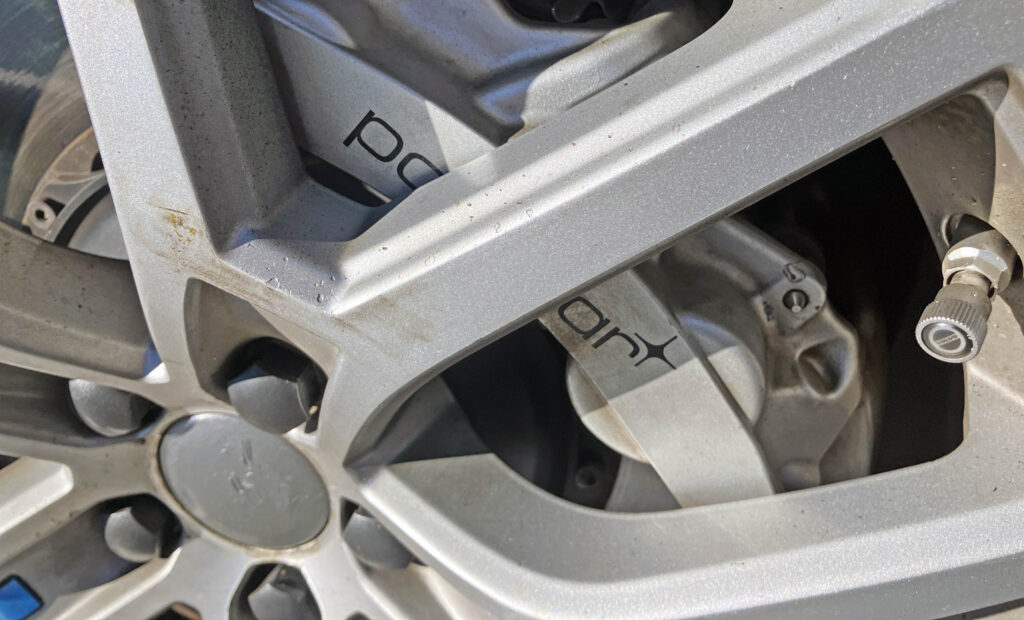
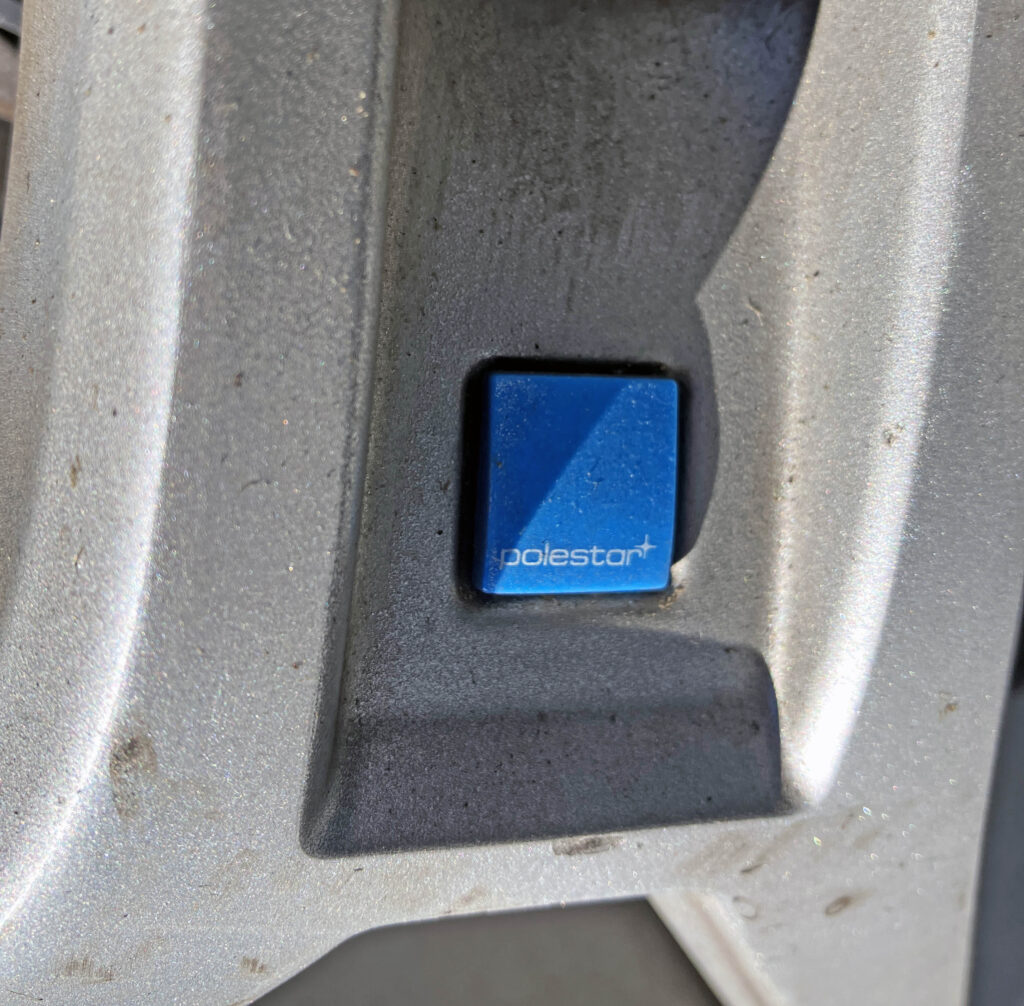
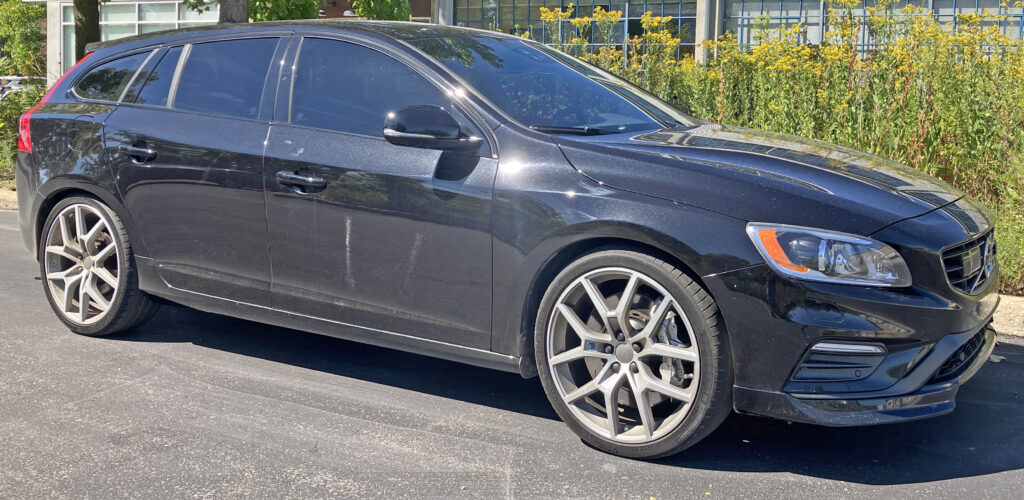
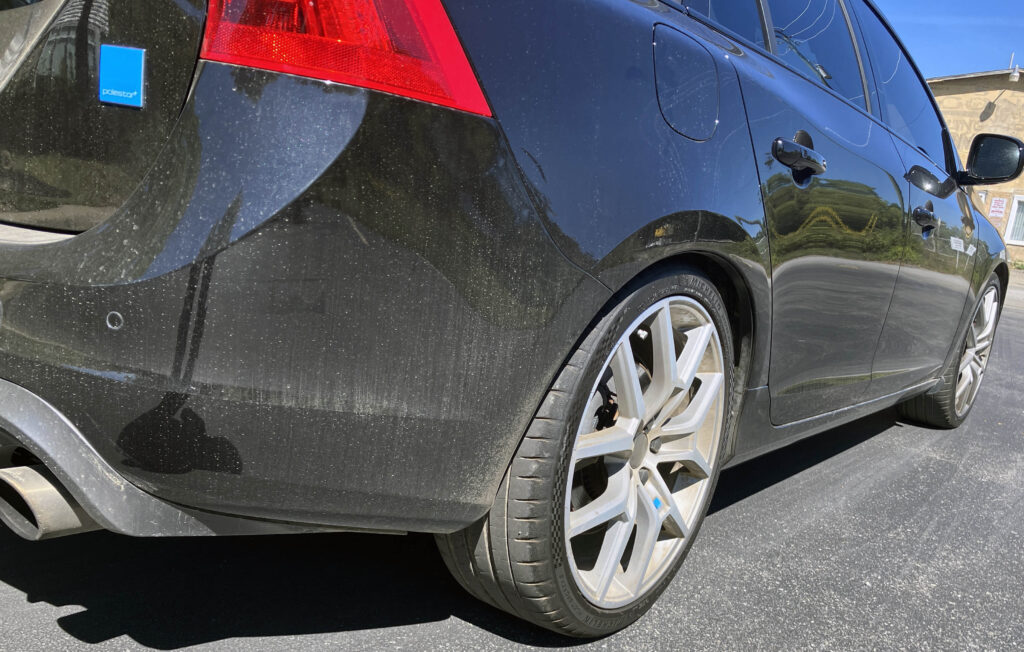
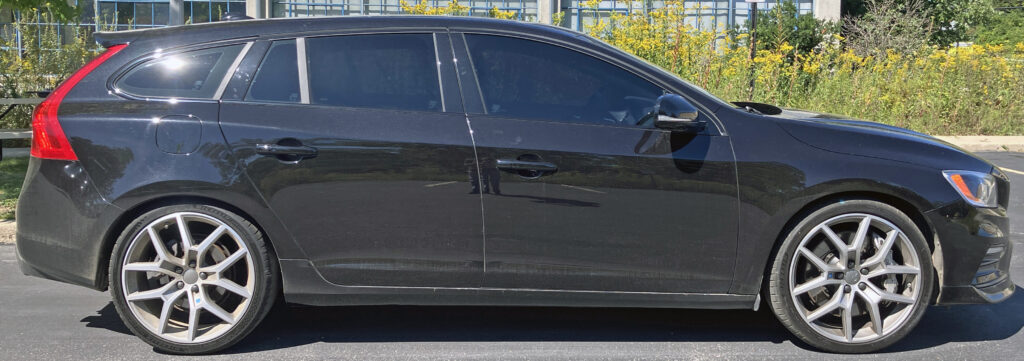
The 20-inch forged wheels make the Polestar’s lowered suspension immediately visible. Their deeply recessed lug area and channelled spokes give the wheels more visual depth, with a small Polestar emblem on each one. The brake calipers appear unusually slender behind the spokes, a contrast that keeps the wheel design from looking too heavy.
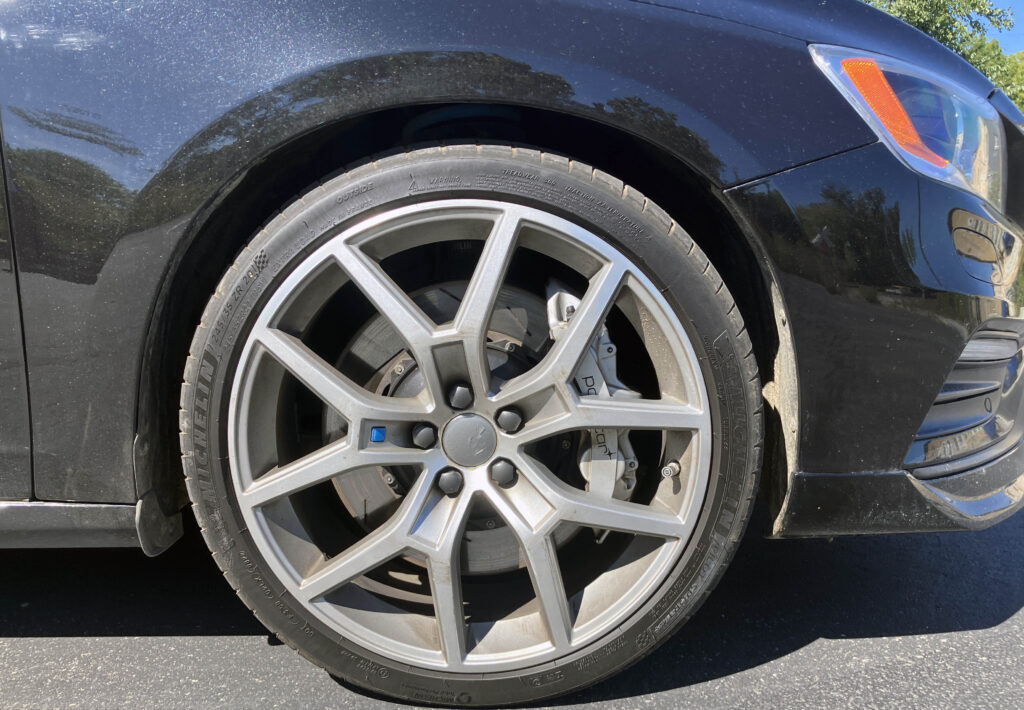
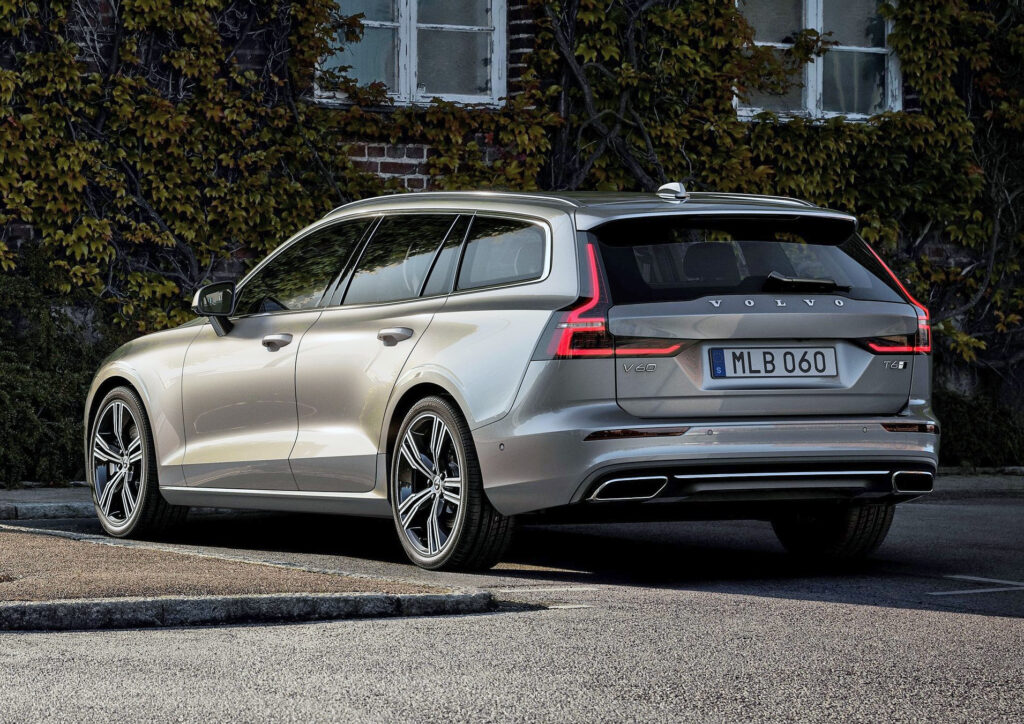
From the side, the car’s character becomes easier to read. The roof is shorter and more steeply tapered than on a traditional box-sided wagon, but the 20-inch wheels and lowered ride height give the rear half a planted, muscular look. The shoulder begins at the front fender and carries through the doors to the tall taillights. It’s the strongest visual thread in the whole design.
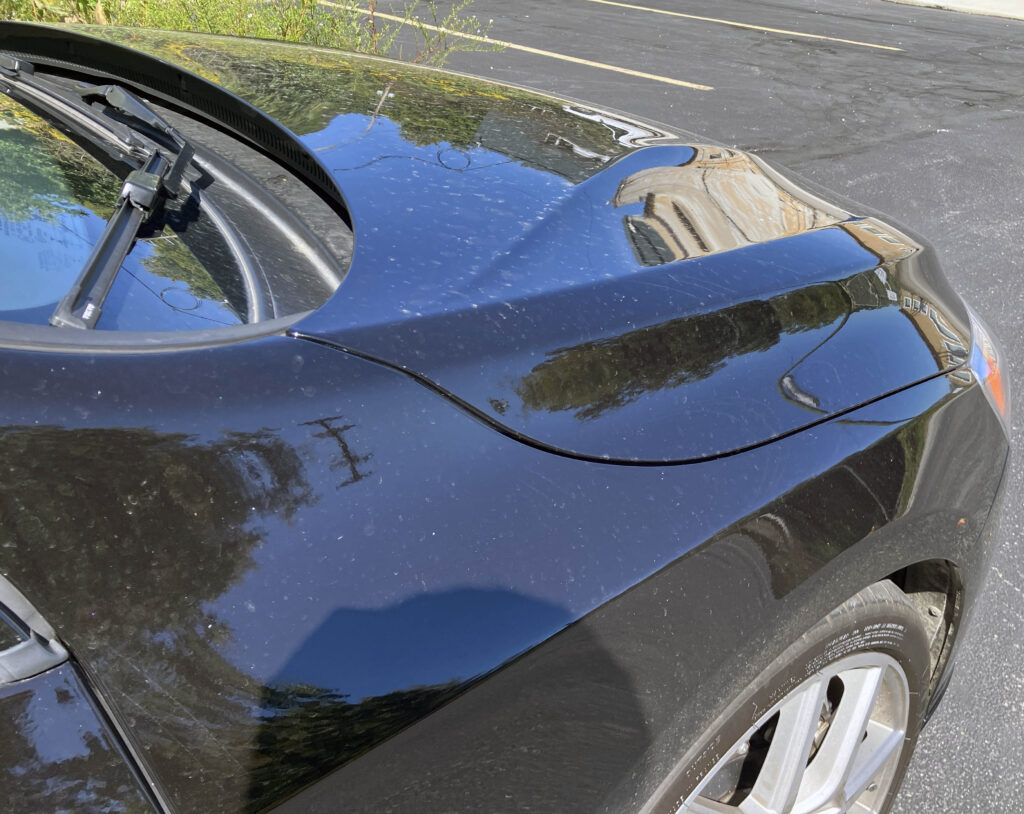
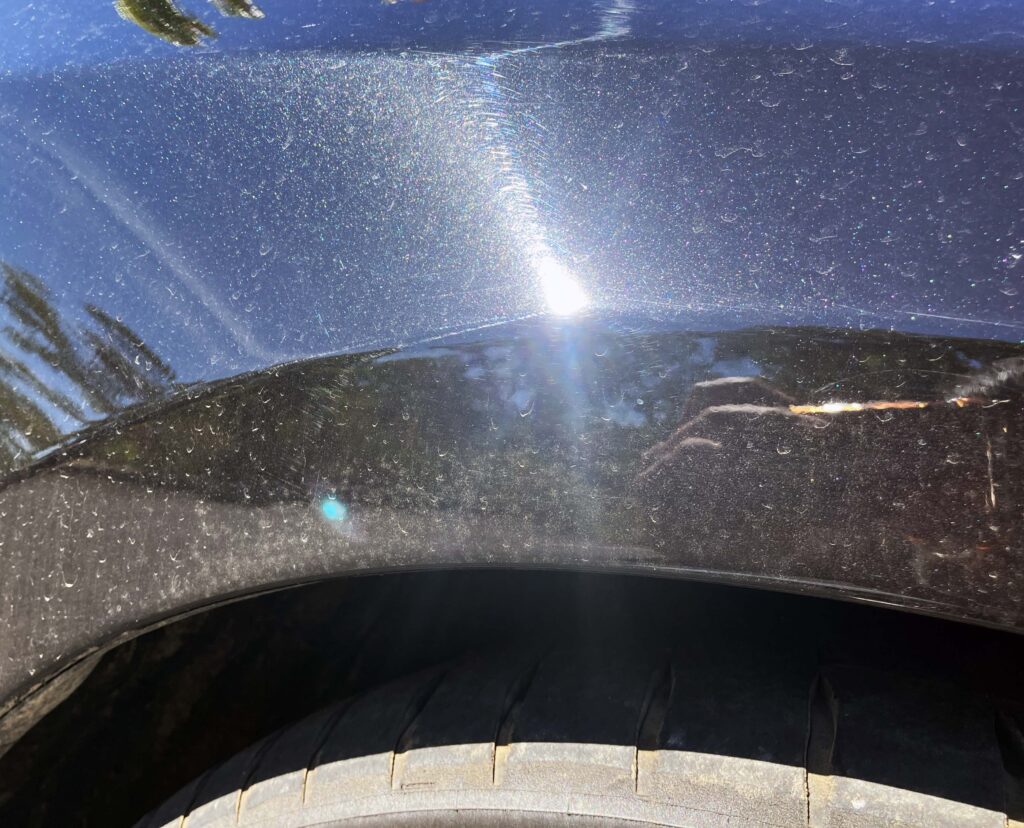
The front fender has to reconcile the rising shoulder with a flatter wheel-arch edge. Extra waviness near the hood and cowl adds complexity, while the lower arch bends to frame the tire. It’s a busy patch of metal, but the lines have a job: they connect the taller front structure to the V60’s distinctive body side.
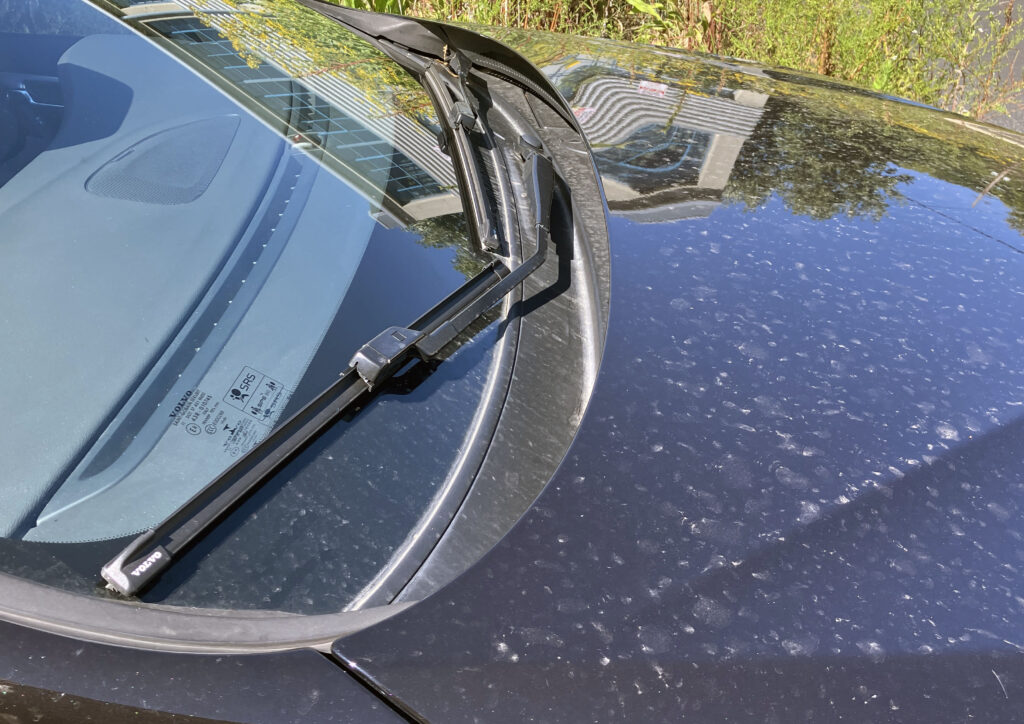
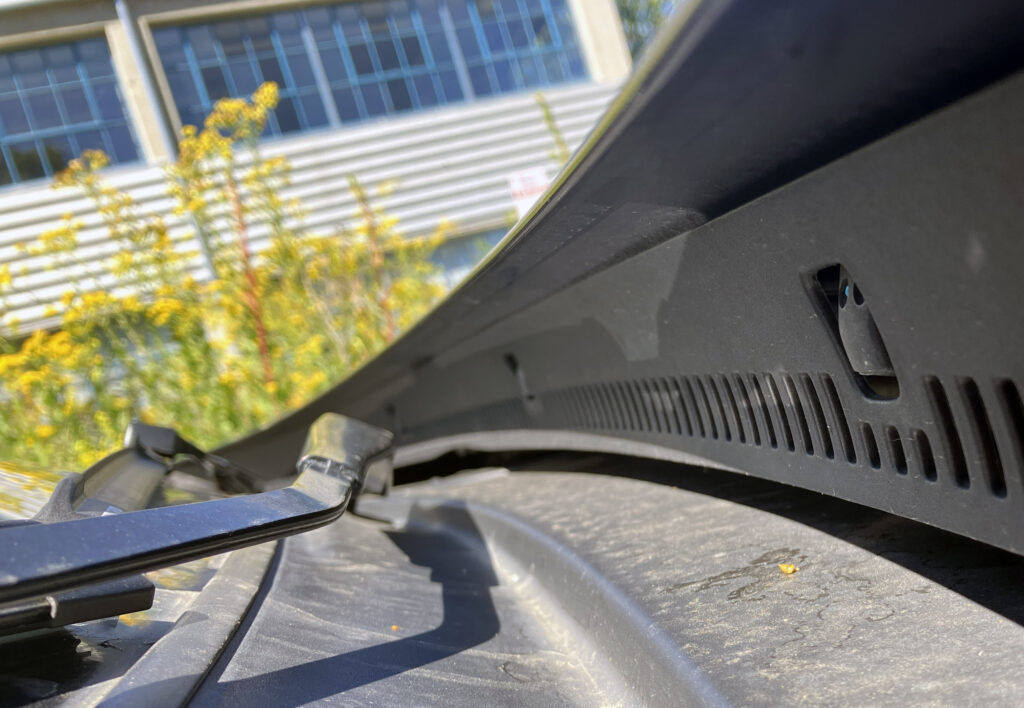
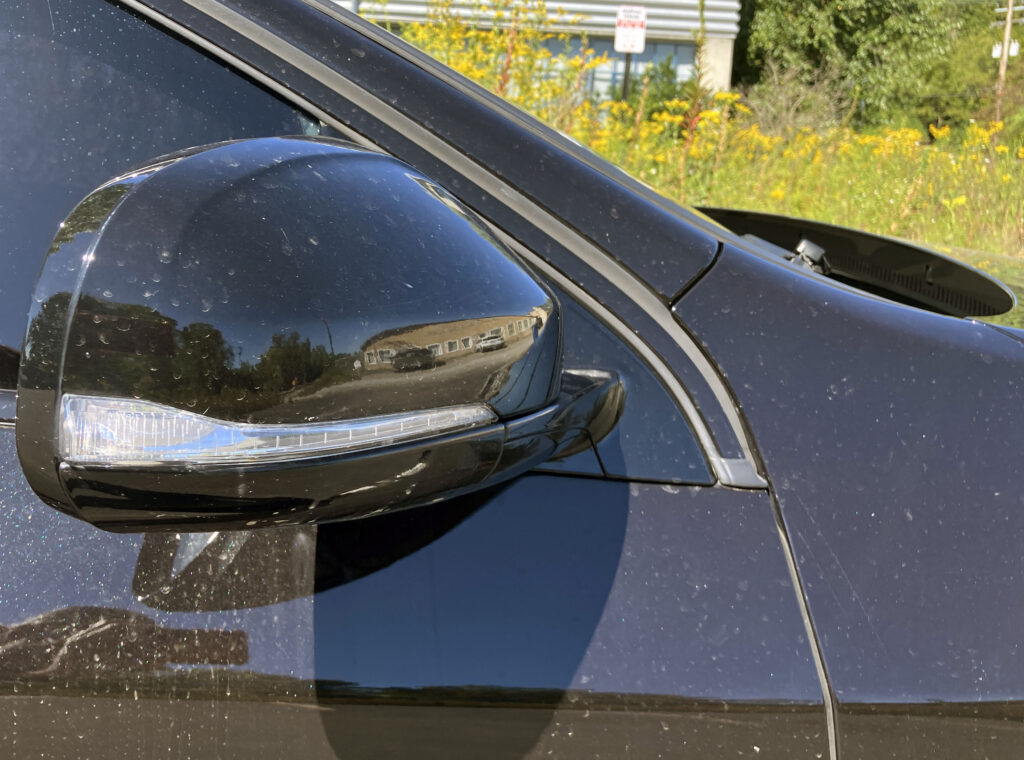
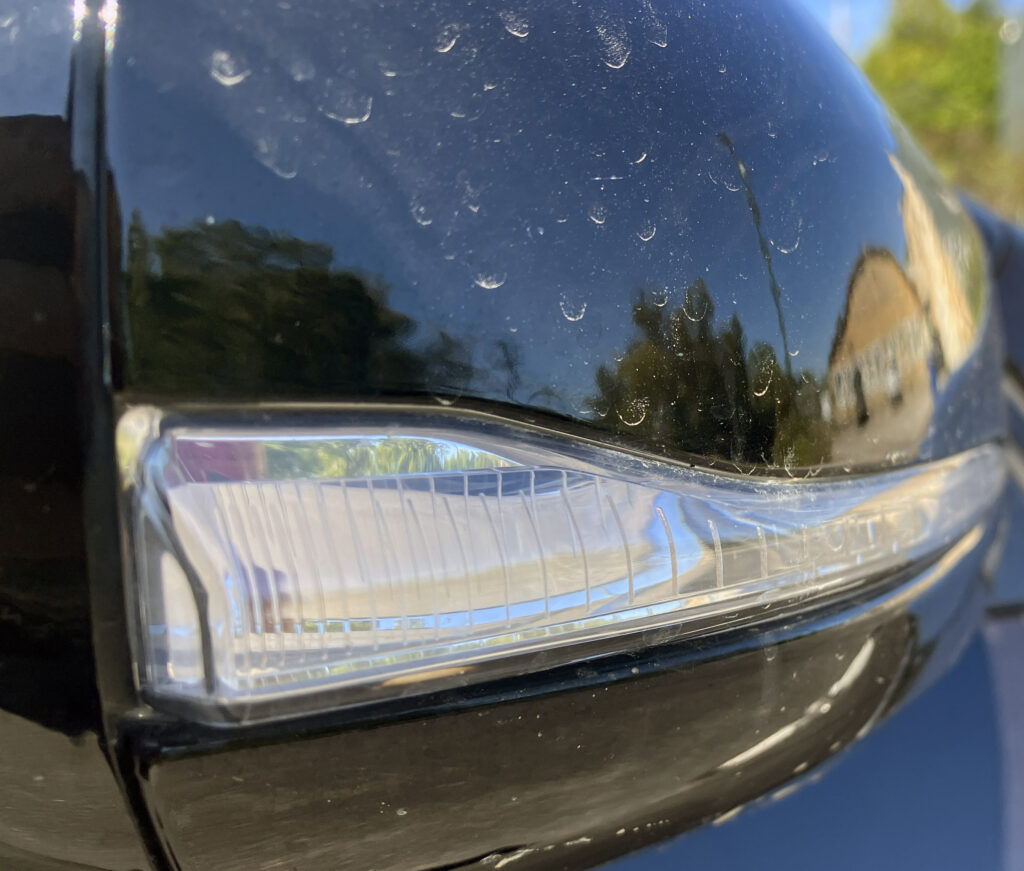
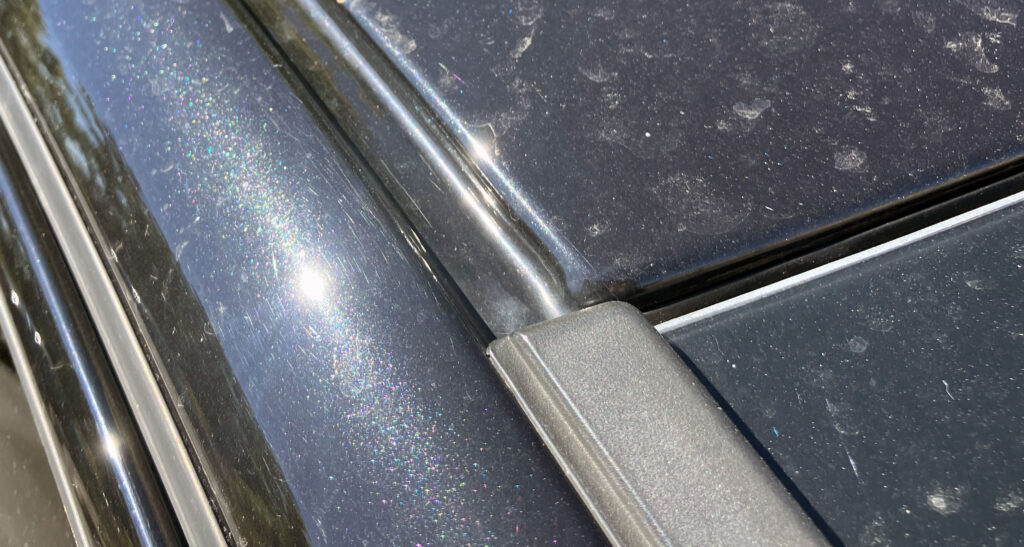
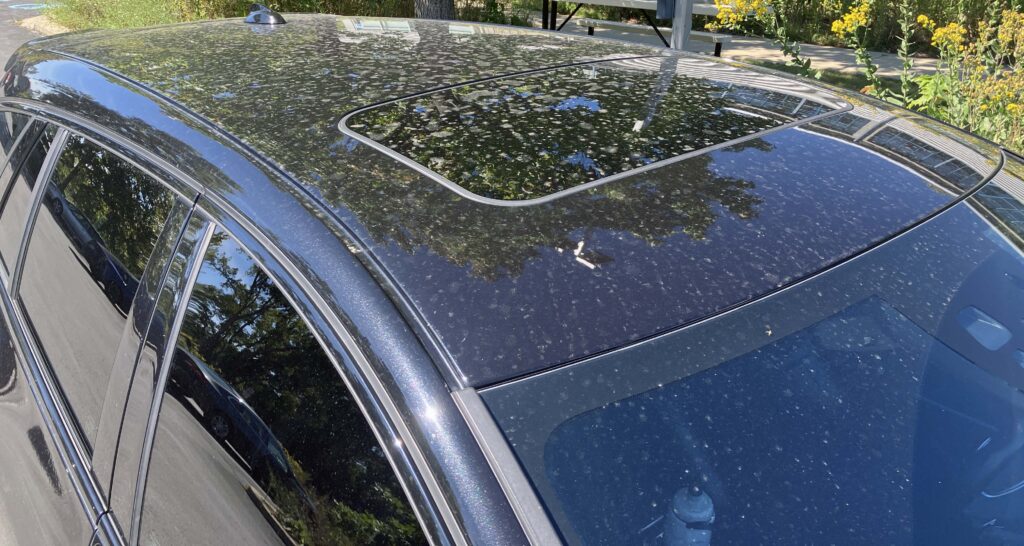
The side mirror is integrated into the door area rather than appearing as an isolated block on the A-pillar. Its indicator widens toward the outer end, which helps the assembly look more deliberate. The windshield trim is less convincing: the transition from the exposed rain channel to a chunky plastic section looks awkward beside the otherwise clean roof edge. The roof itself is plain and ready for a rack, while the pillars balance visual lightness with the upright, solid look expected of a Volvo wagon.
The rear door’s wheel-arch cut creates a distinctive upward kink. It gives the panel a lively expression, but it also limits the size of the window that can lower into the door. The rear quarter glass becomes a compromise between a traditional wagon window and the smaller pane of a hatchback. From a styling perspective, the tight rear side glass supports the V60’s sleek roofline; for a family wagon, it’s one of the practical trade-offs in that shape.
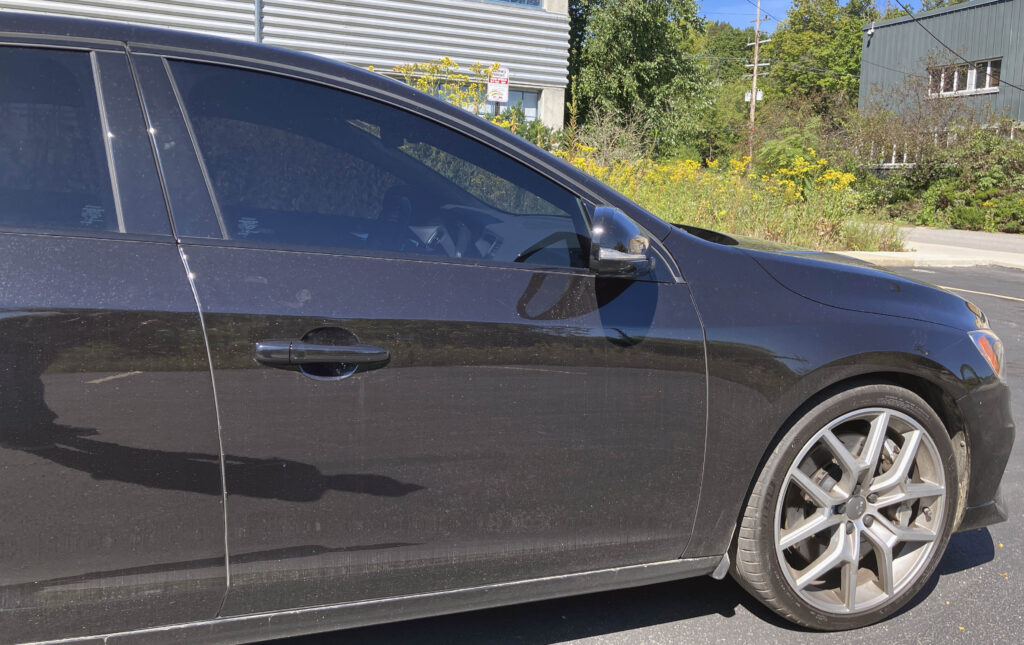
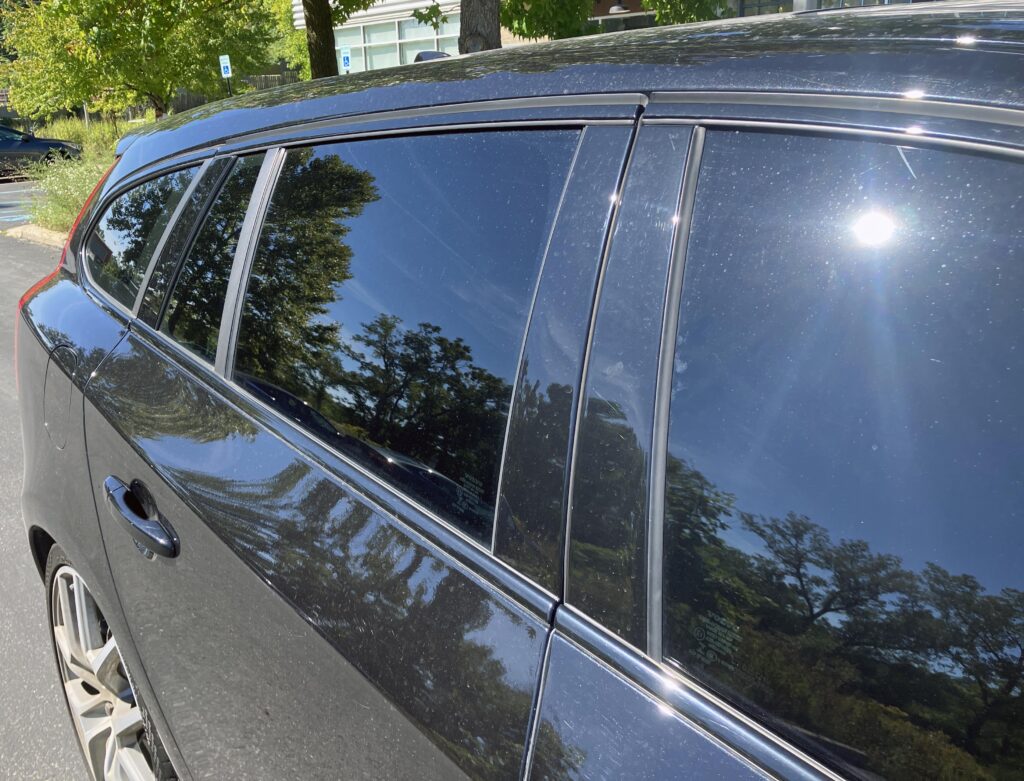
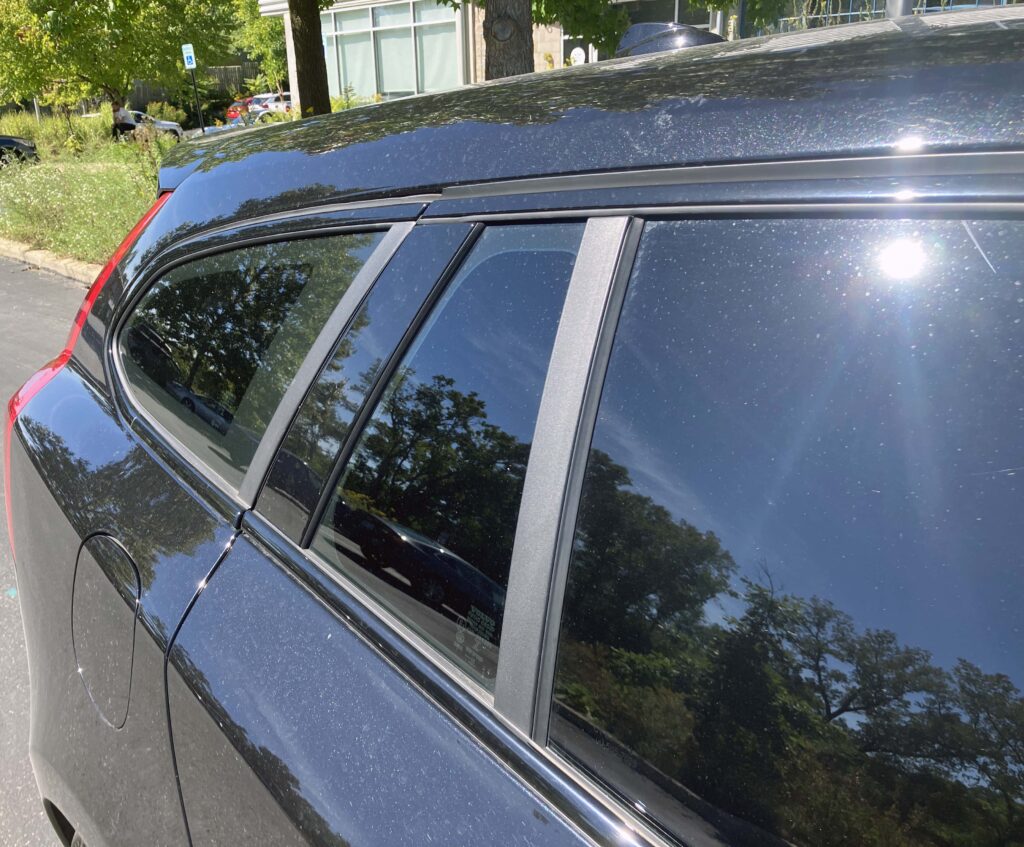
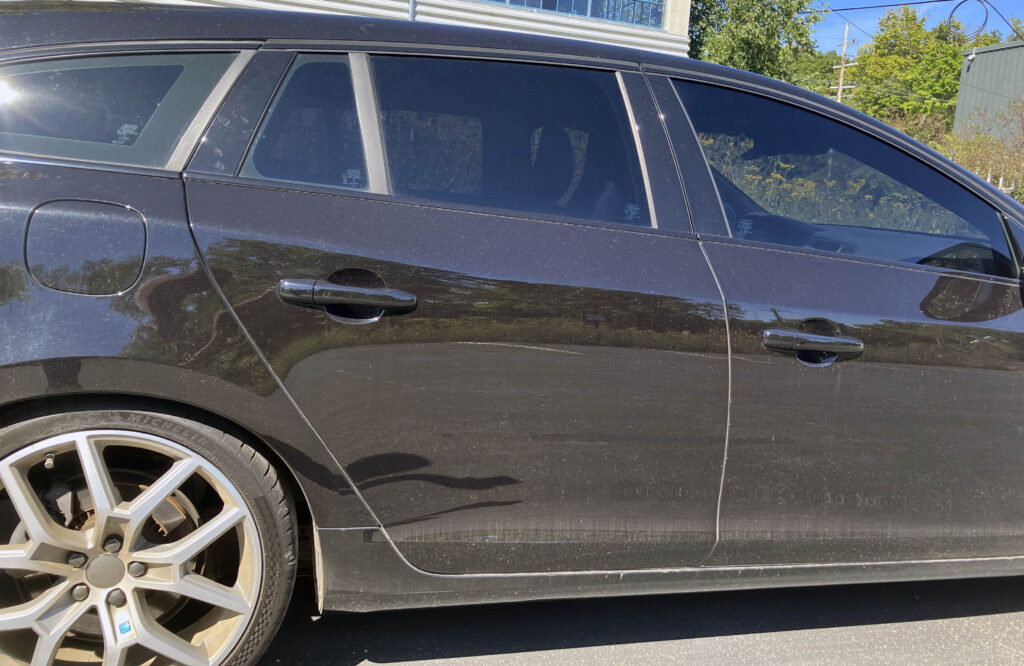
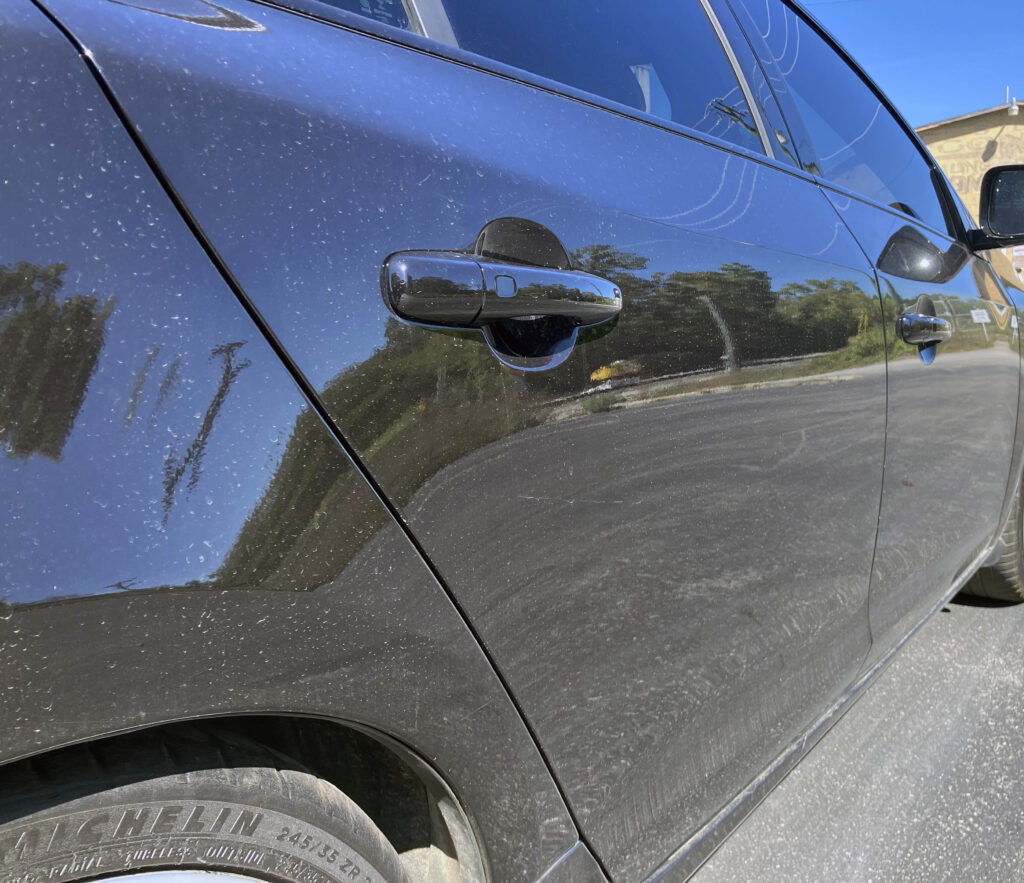
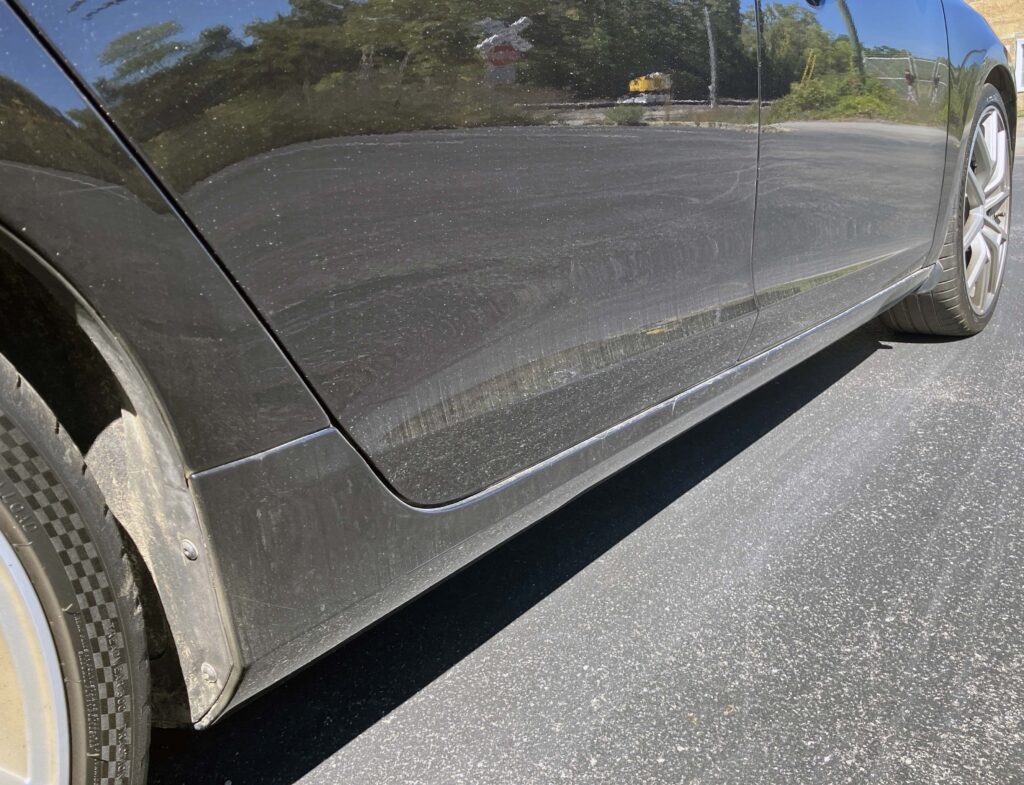
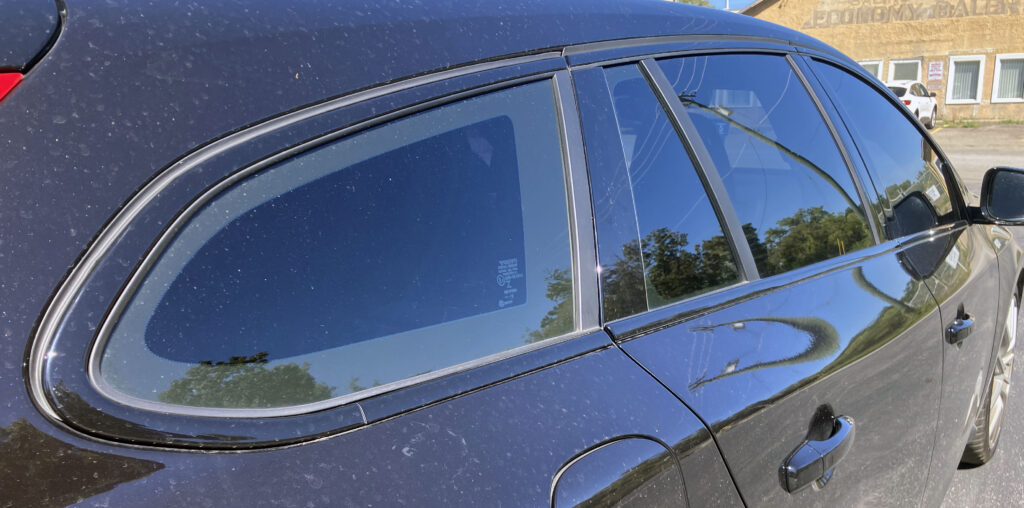
The sloping D-pillar is the clearest break from the old, upright wagon formula. It favors a fast, elongated hatchback profile over maximum box-shaped cargo volume. That doesn’t erase the V60’s usefulness, but it changes the kind of practicality the car offers: the proportions suggest a long-distance touring wagon with room for everyday loads, rather than a tall-sided cargo carrier.
That blend is the point. The V60 Polestar looks closer to a sport sedan stretched into a wagon than to a purely utilitarian estate car. Its blacked-out window trim and dark glass make the side profile more assertive, while the tapering roof keeps the body from looking bulky. Volvo’s long-running shoulder line stops the whole shape from becoming anonymous.
Rear details carry the design theme
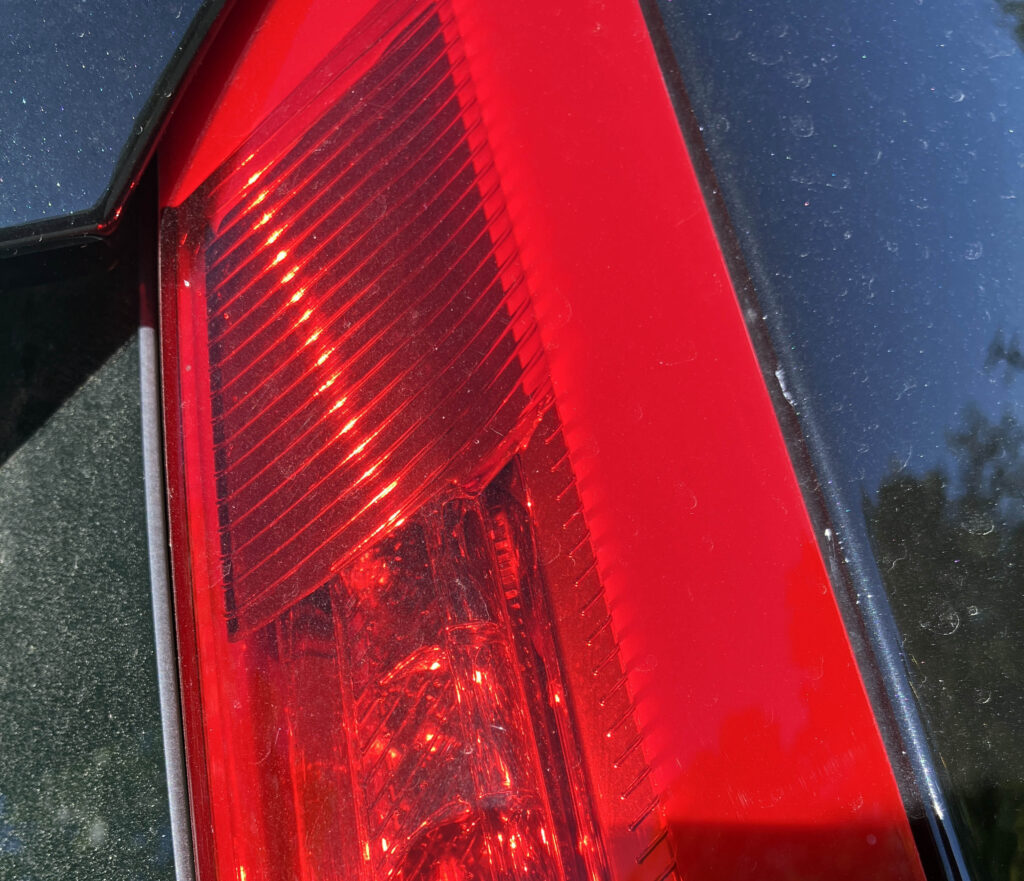
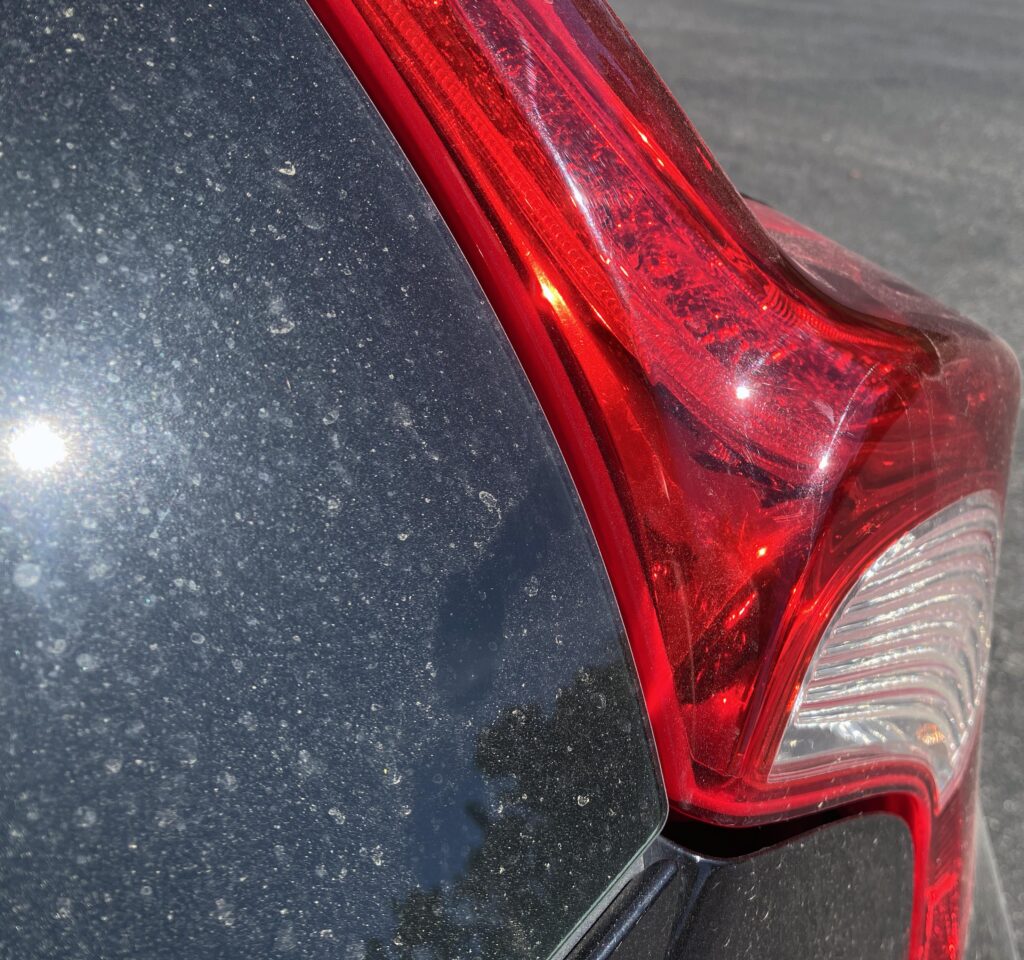
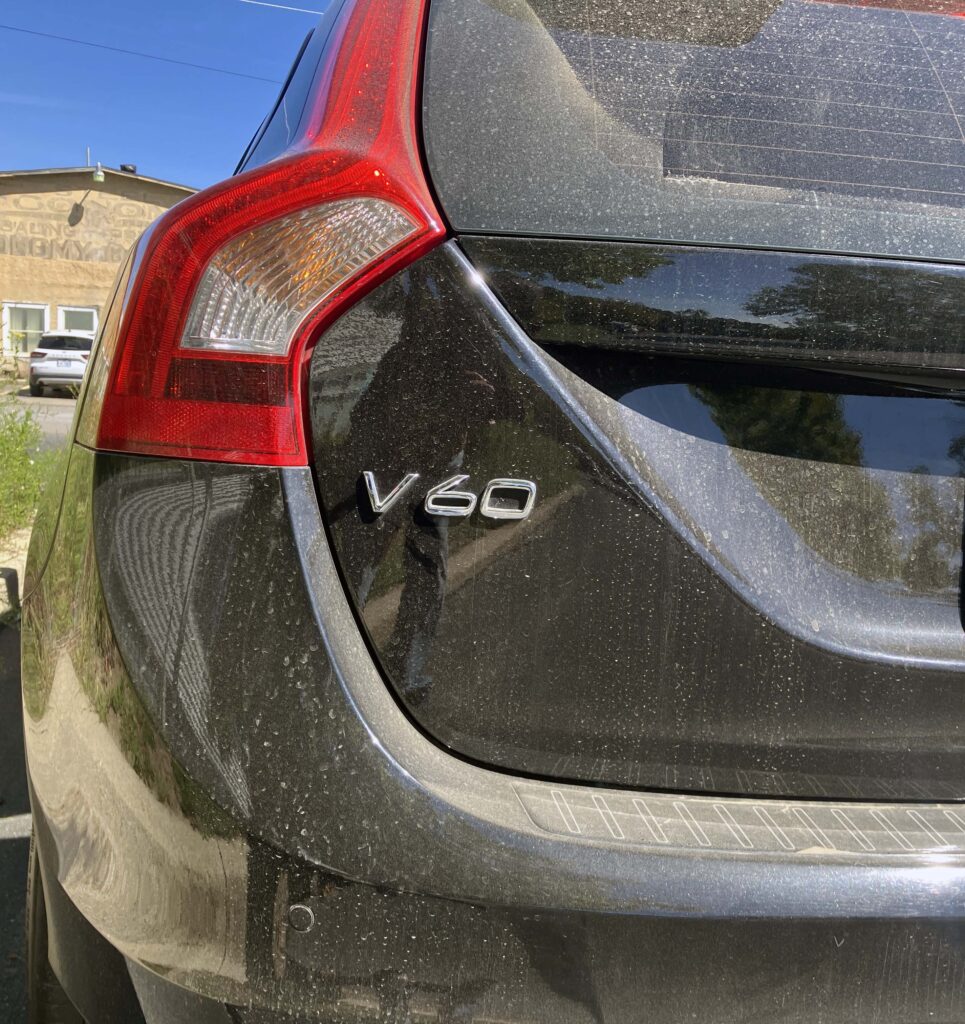
The rear is organized around the taillights, which rise along the D-pillars and continue the shoulder line around the body. Their sculpted lenses stand proud of the surrounding glass and mix crisp edges with rounded surfaces. The clear signal section follows the tailgate’s contours, while the tall red elements provide a strong visual marker even at a distance.
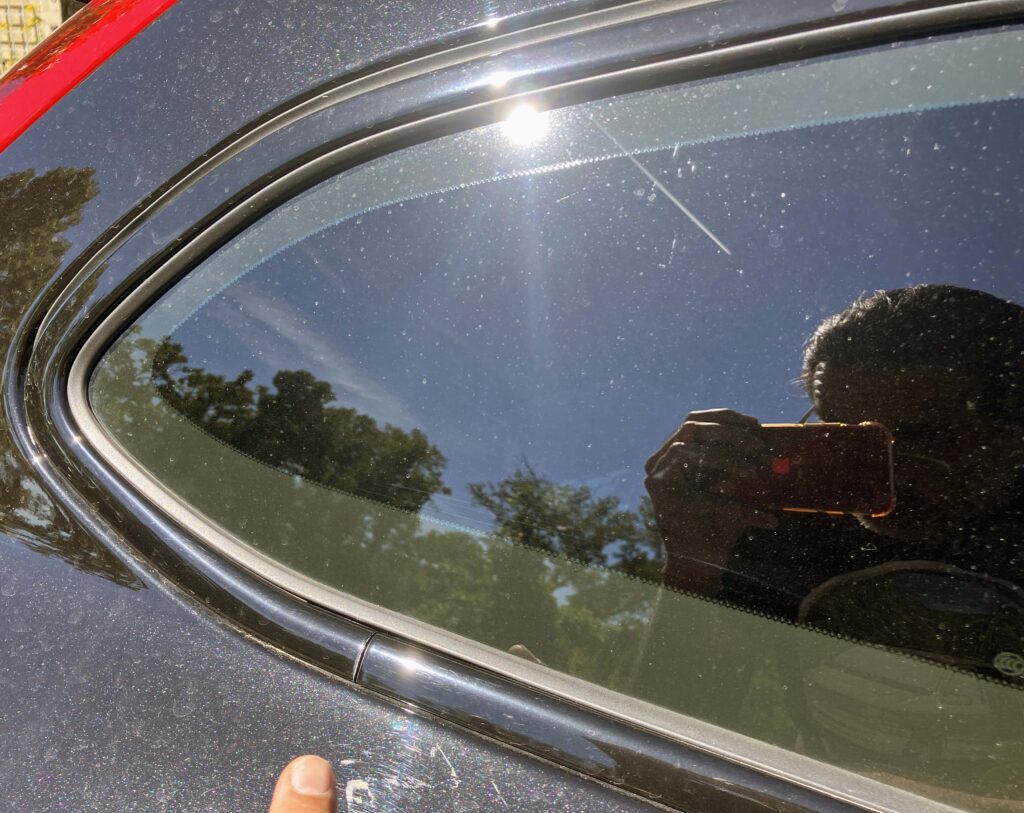
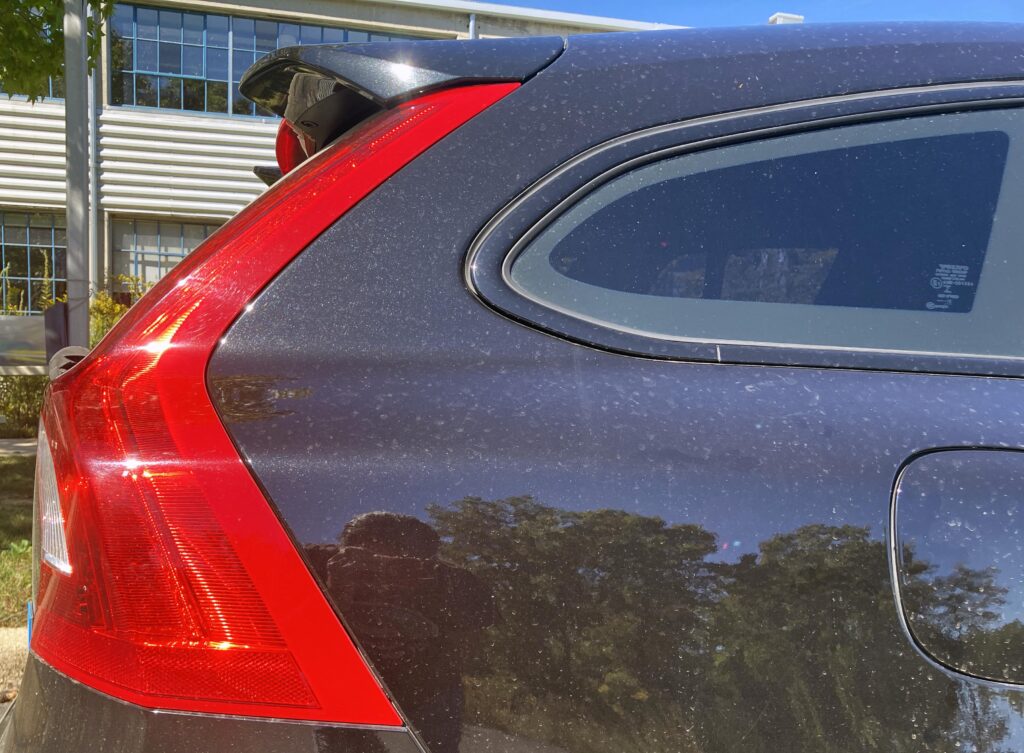
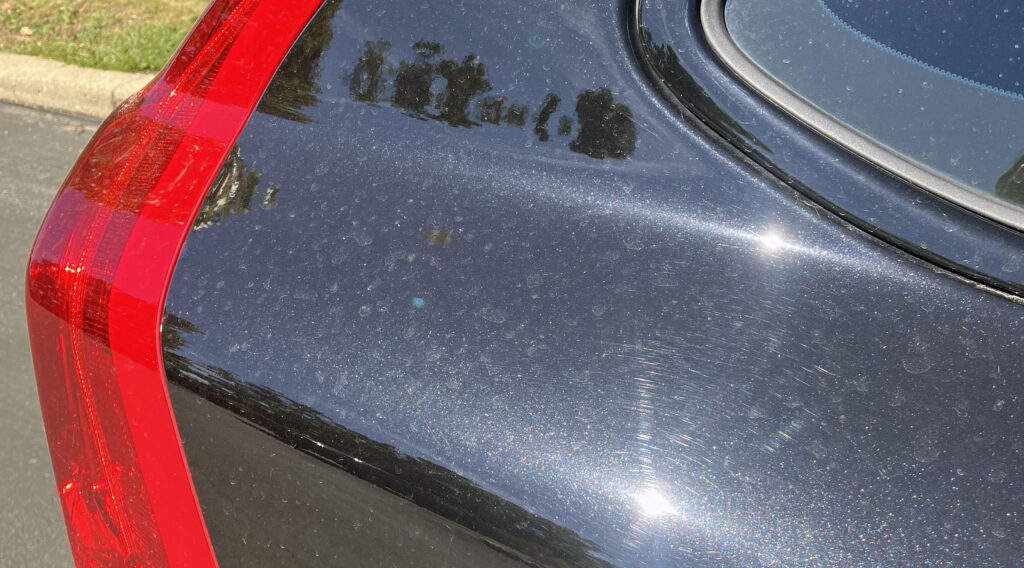
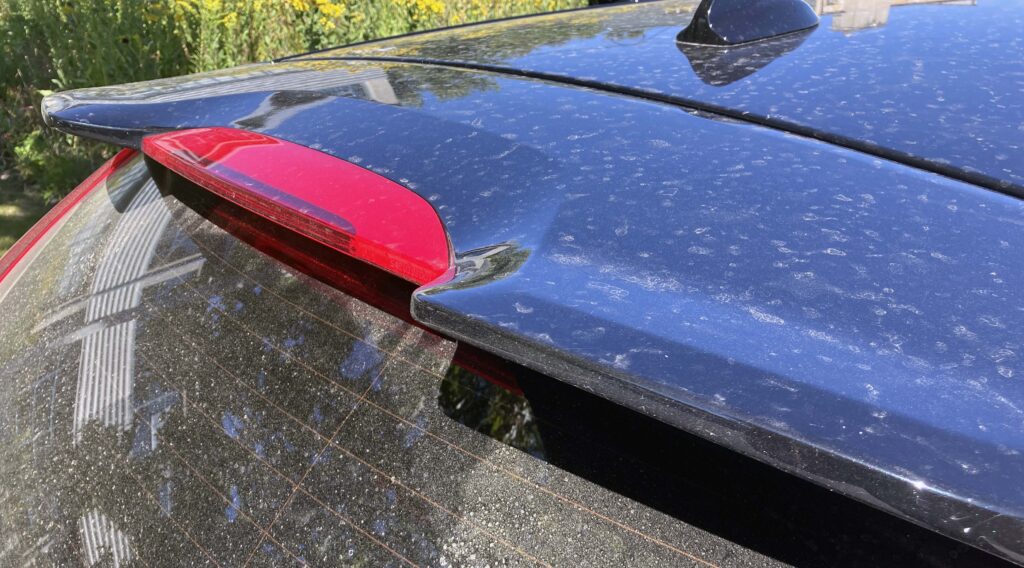
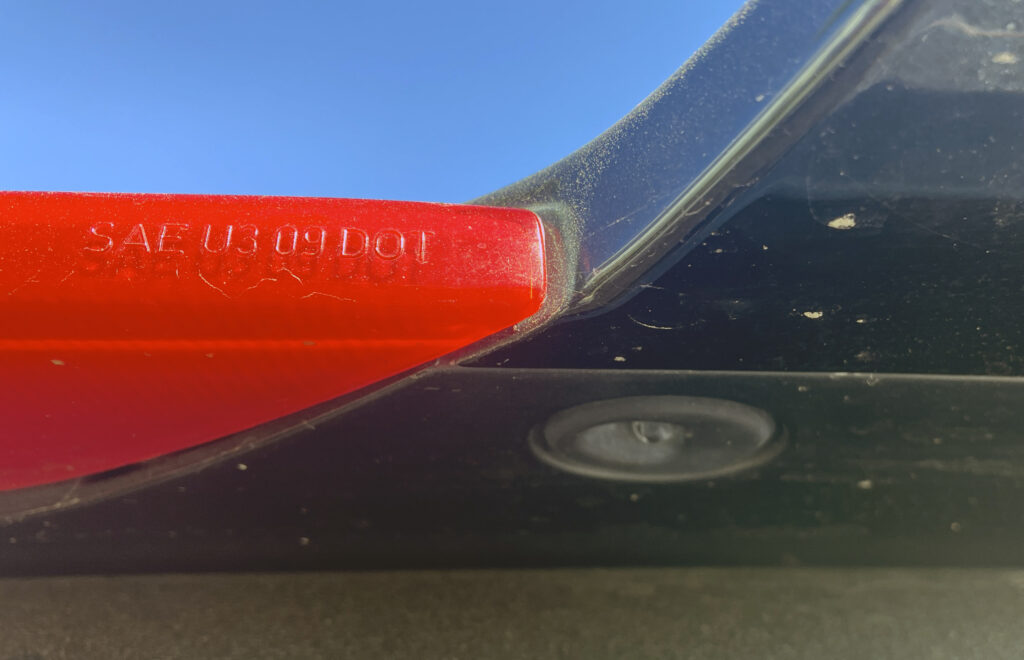
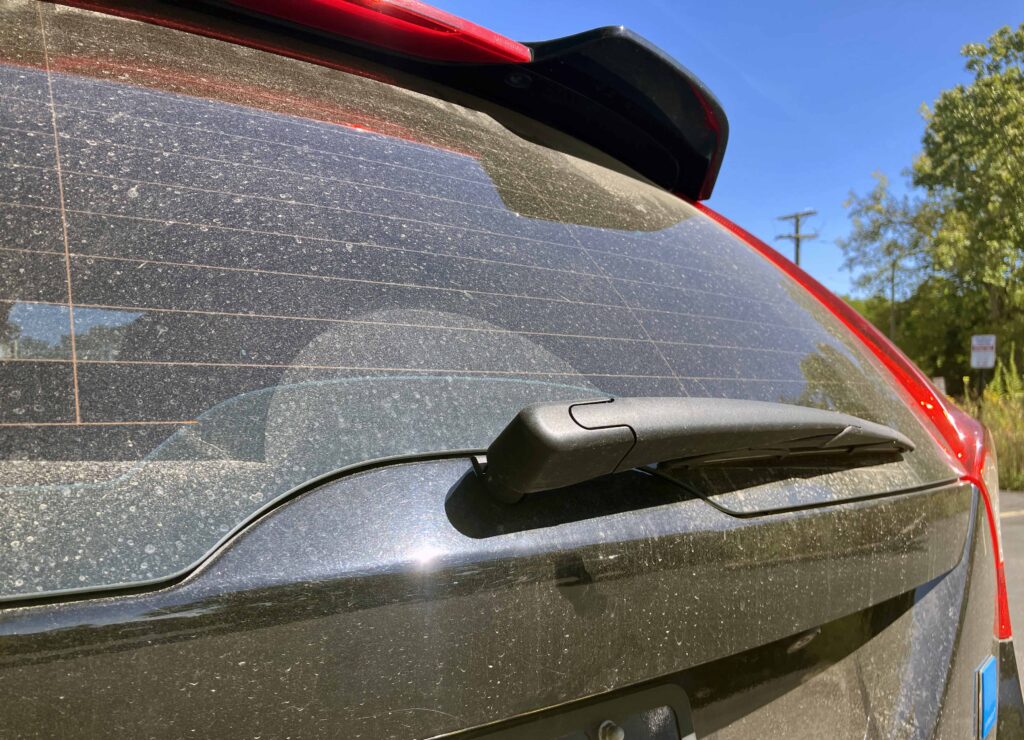
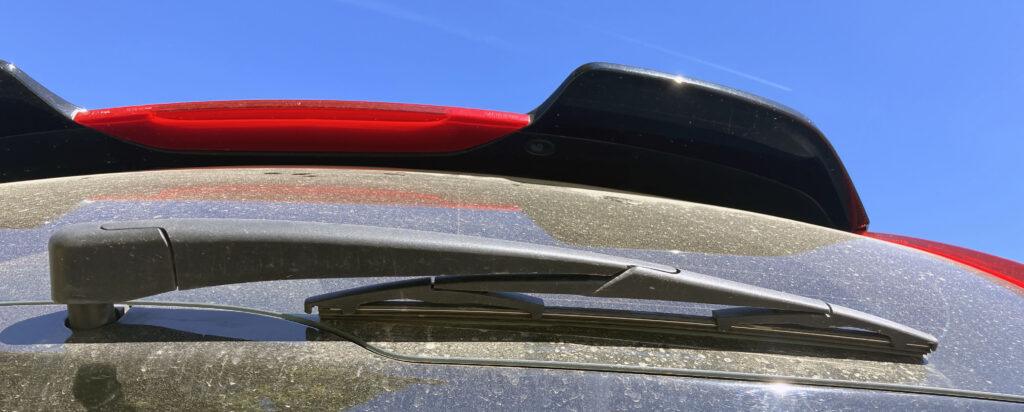
A modest roof spoiler adds a short upturned edge. Its perimeter crease gives it a crisp outline, and the high-mounted brake light is recessed into the piece rather than simply attached to its surface. The rear glass sits deep beneath the spoiler, an effect made more pronounced by the angled D-pillars. These small transitions make the tail feel carefully assembled rather than composed of separate panels.
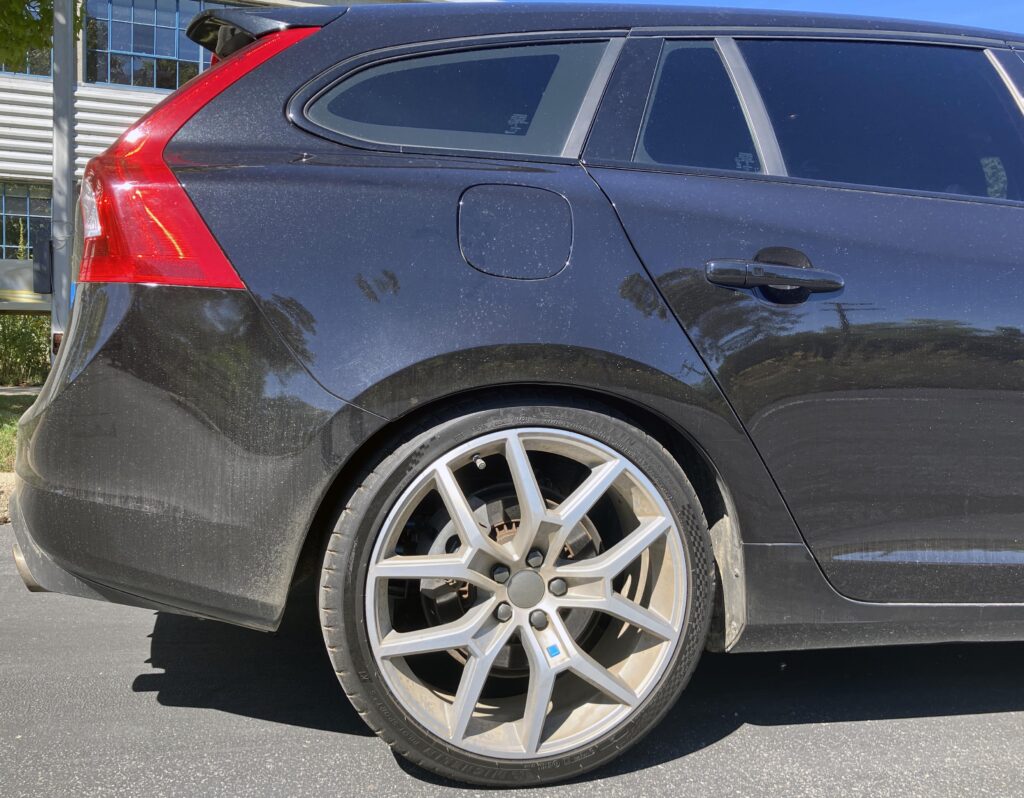
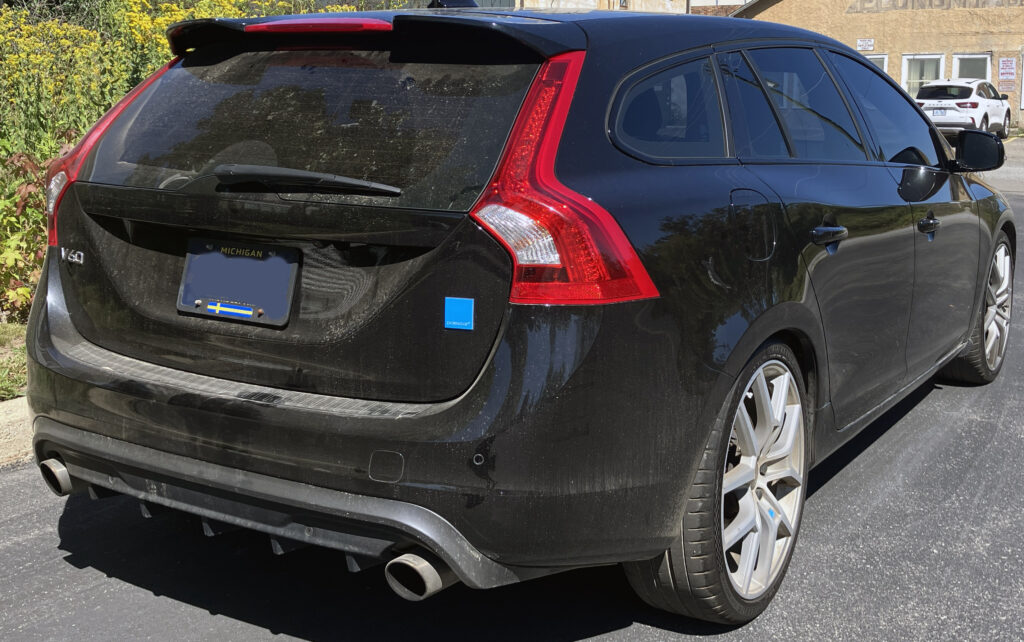
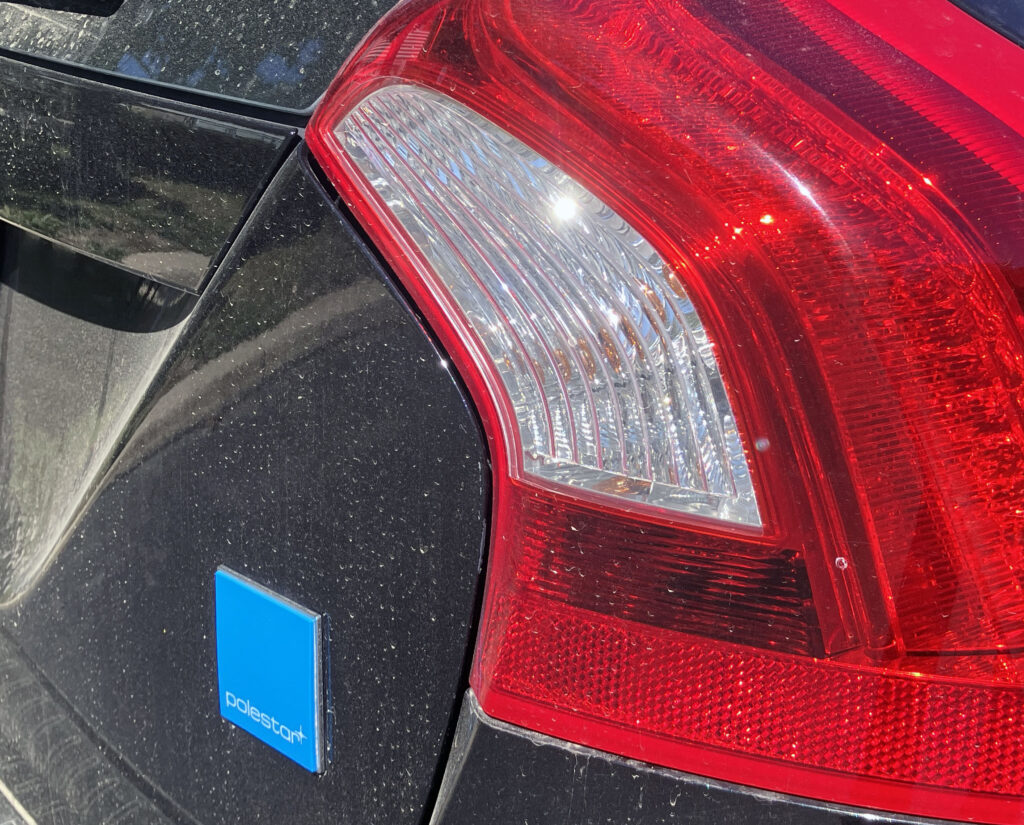
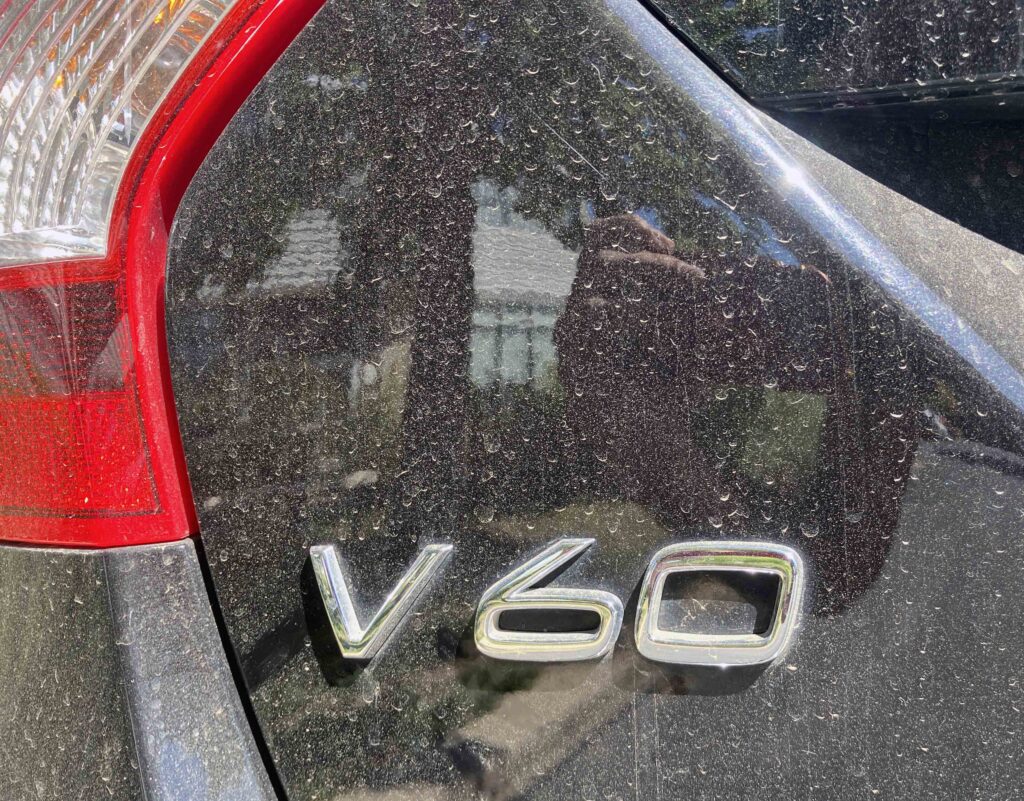
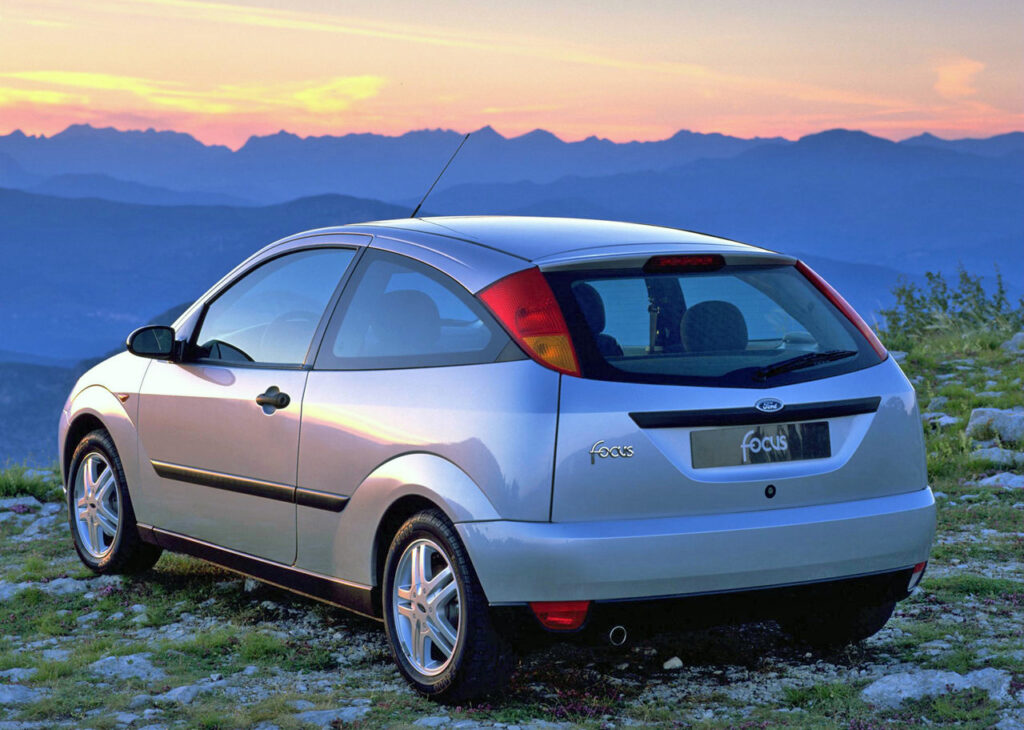
The tailgate tucks inward to create a recessed license-plate area and hide the release. The shoulder and signal lamp meet that inward step, so the body’s central crease remains visible even as the rear surface changes direction. The “V” in the V60 badge sits apart from the numerals, a small typographic choice that makes the model name easier to parse at a glance.
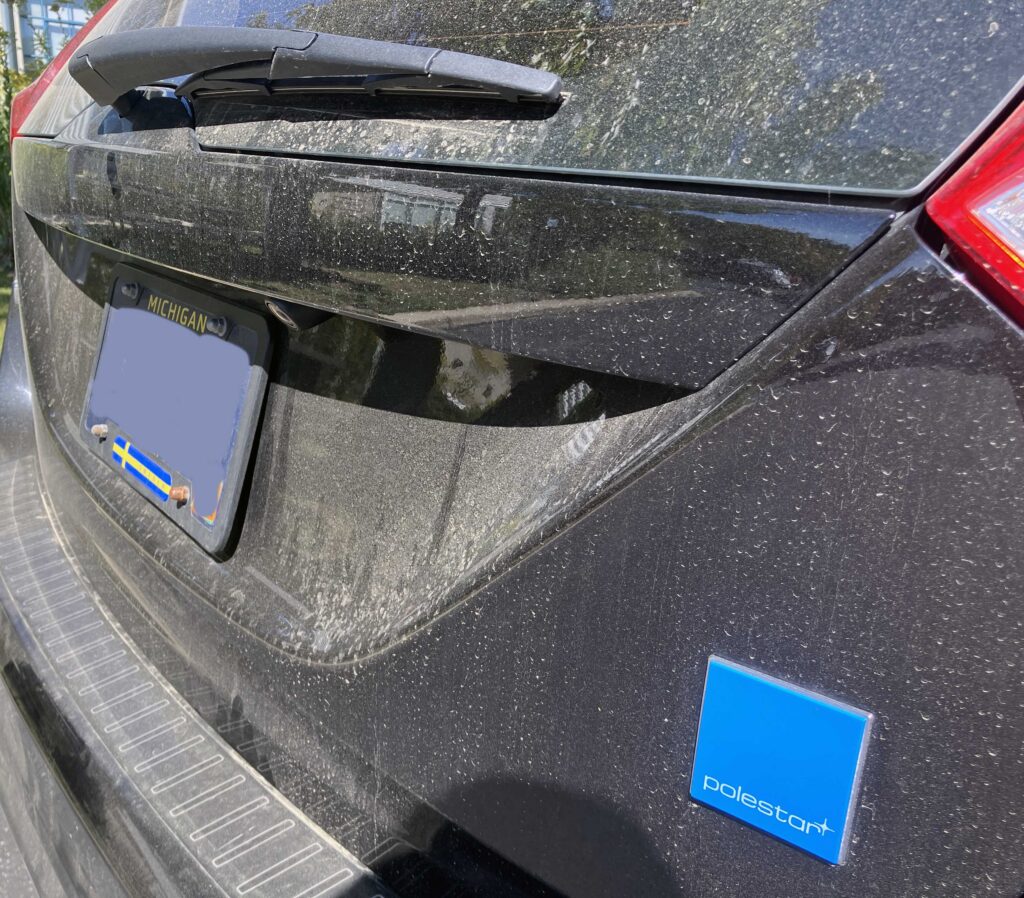
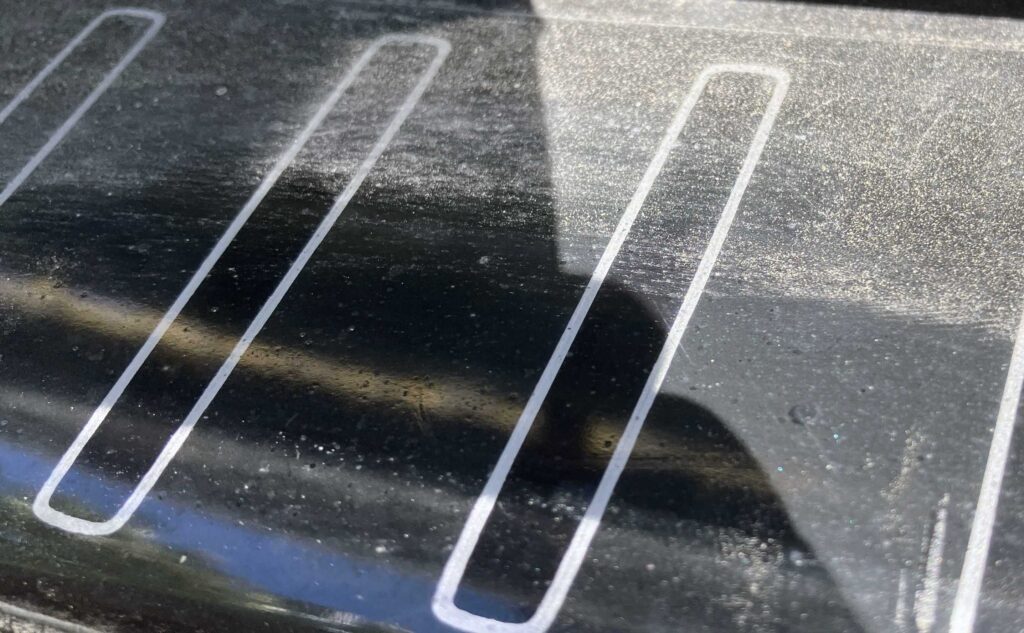
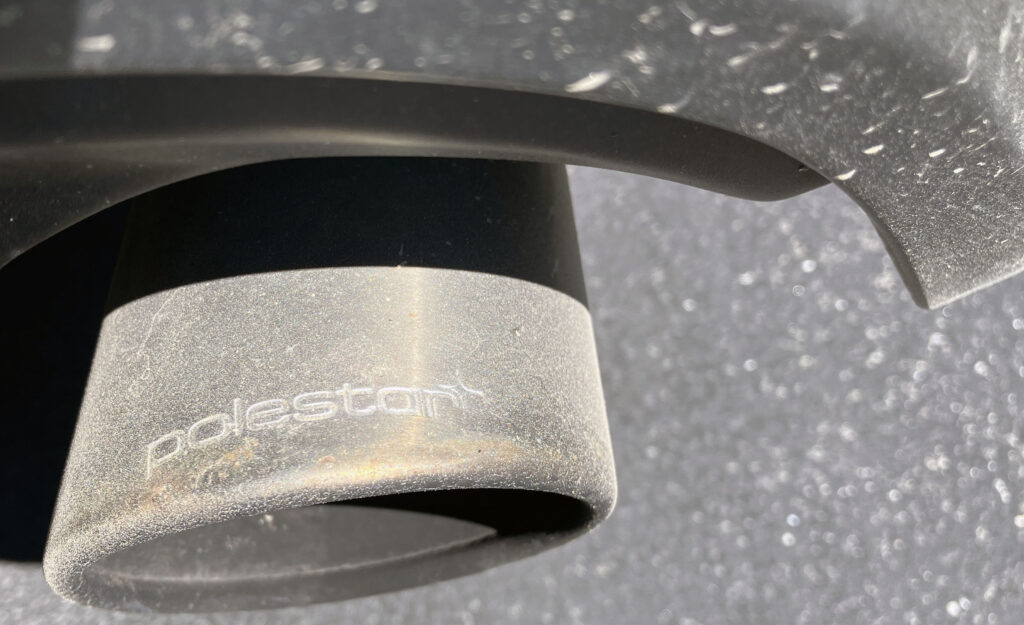
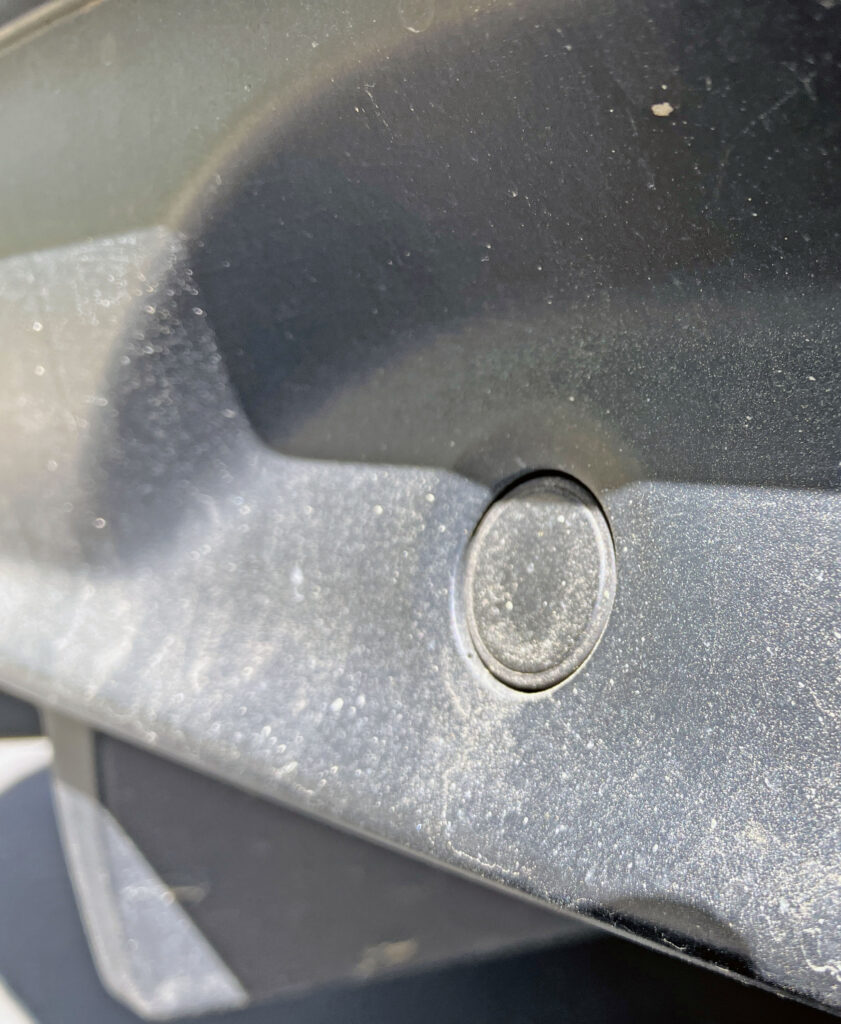
Below the tailgate, a protective vinyl cover with graphic detailing adds a rugged accent to the bumper shelf. The Polestar’s lower rear treatment is more overt: a diffuser projects from the painted bumper, with rounded tailpipes carrying Polestar branding. Fins and recessed areas break up the diffuser surface, and one cutout provides space for proximity sensors without interrupting the shape.
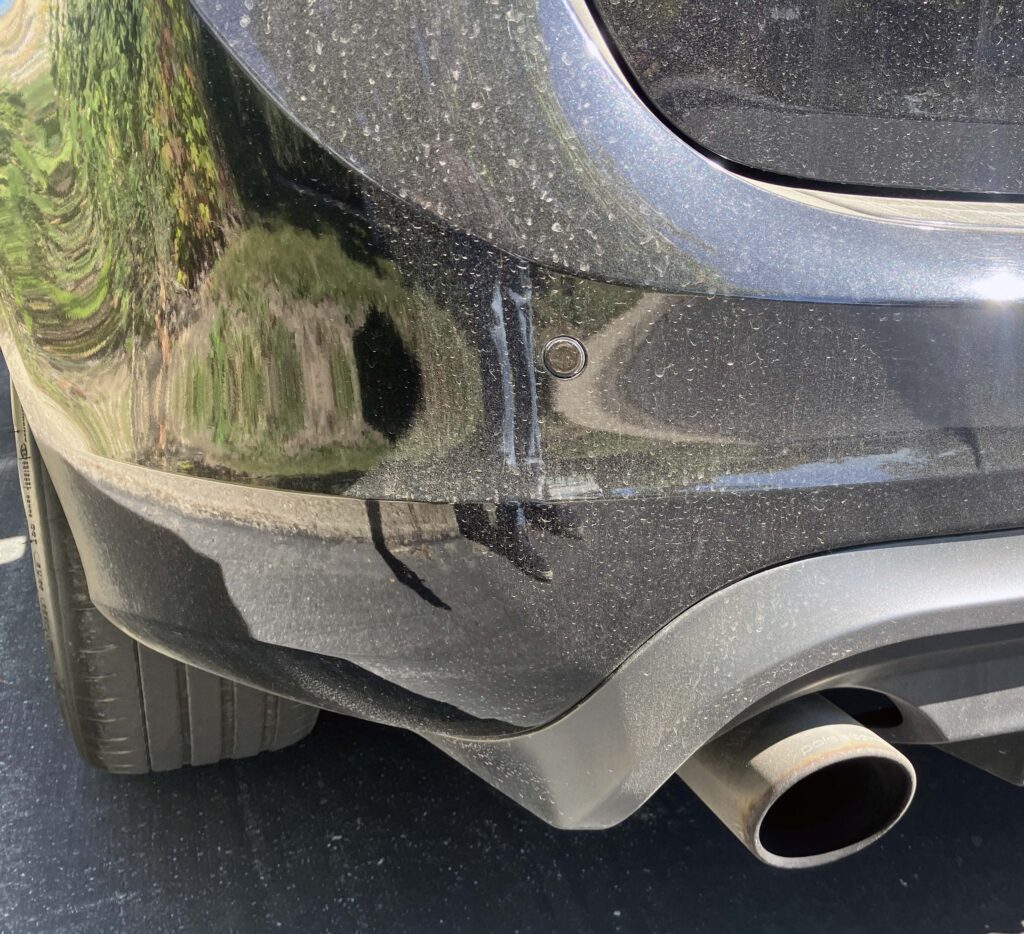
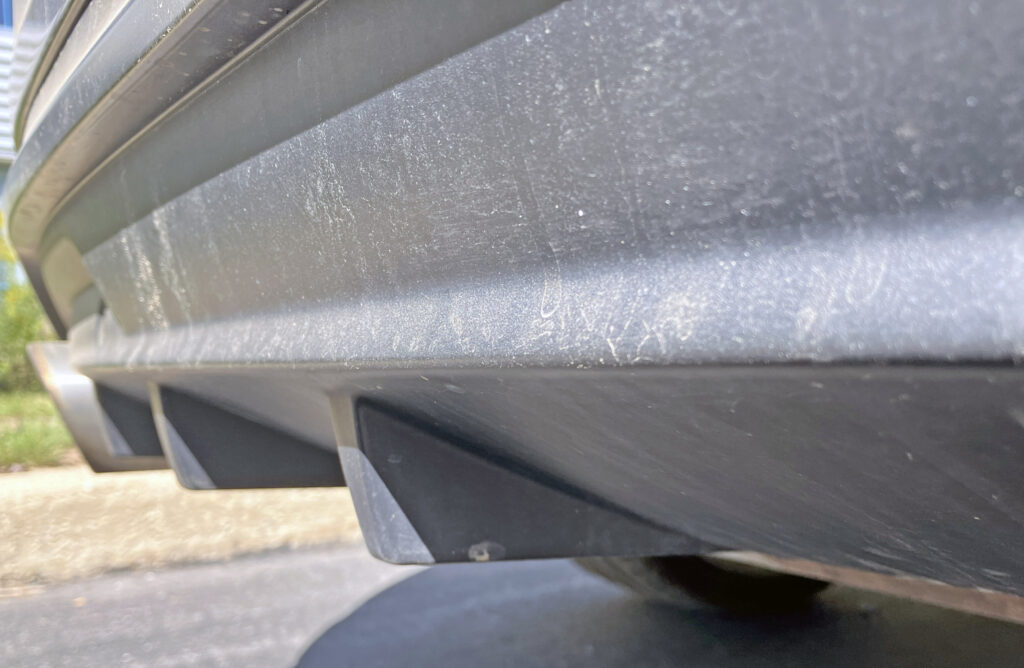
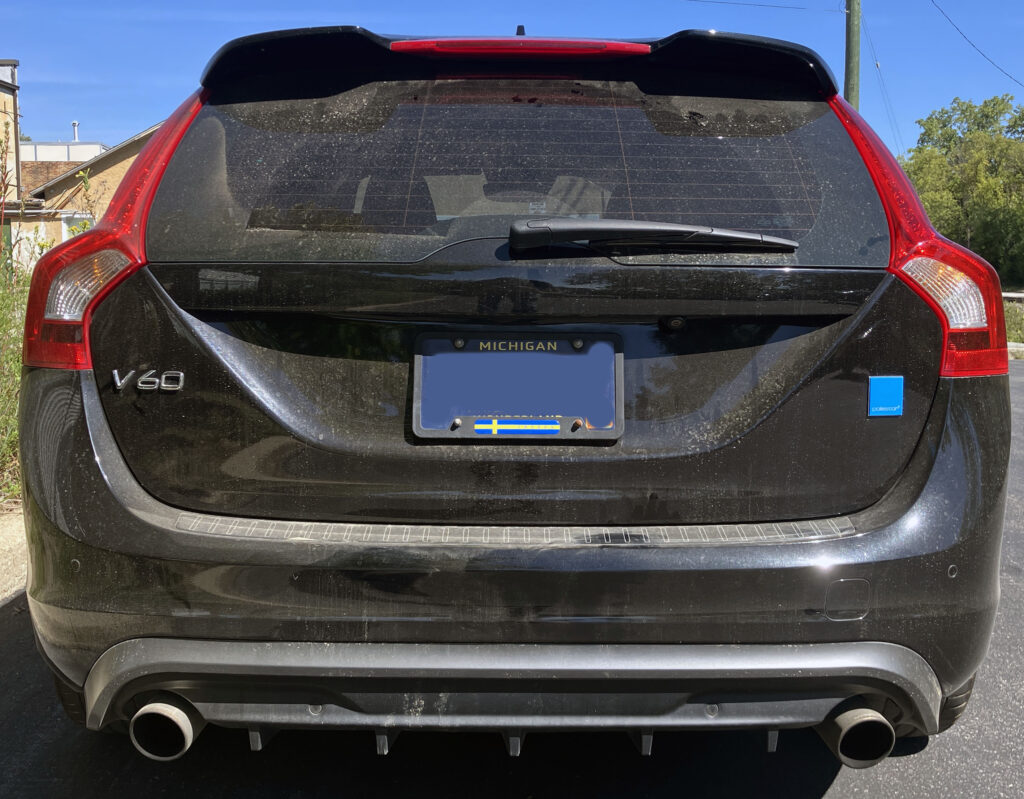
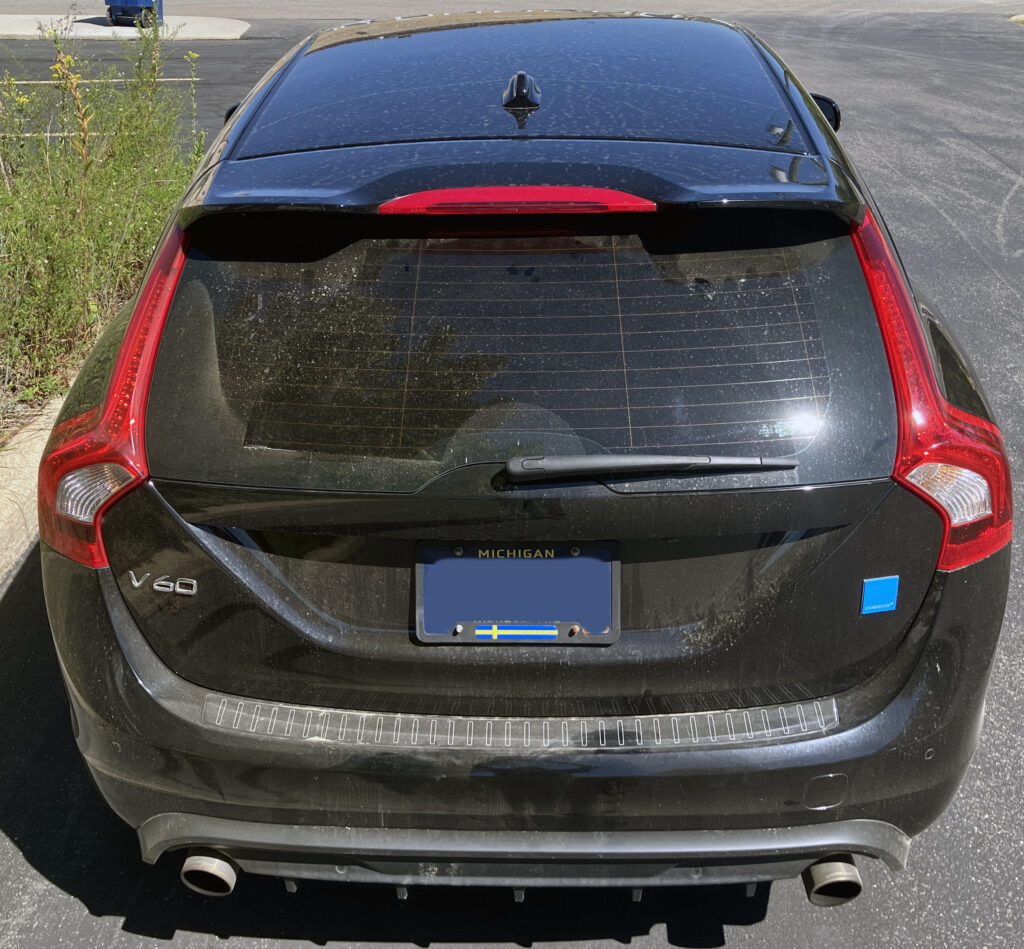
The rear bumper’s height reflects the same packaging challenge visible at the front: a taller body needs visual tricks to keep its proportions in check. A subtle bend in the bumper helps, while the prominent wheel stance keeps the lower body looking planted. The result isn’t the upright cargo shape of an older wagon, but it preserves enough useful form to make the V60’s grand-touring character credible.
A Volvo shape that still reads as Volvo
The V60 Polestar’s most persuasive quality is how its details serve one central idea. The front fenders initiate the shoulder; the body sides carry it; the taillights finish it. The darker grille, large wheels, lowered suspension and rear diffuser make the wagon look quicker without hiding its family-car proportions.
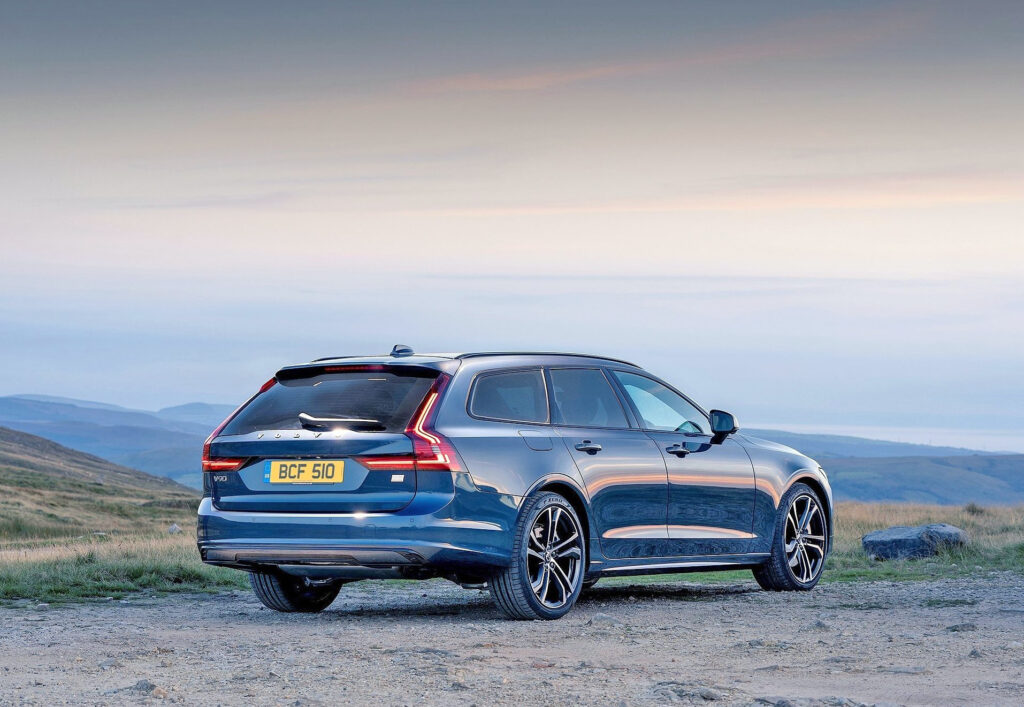
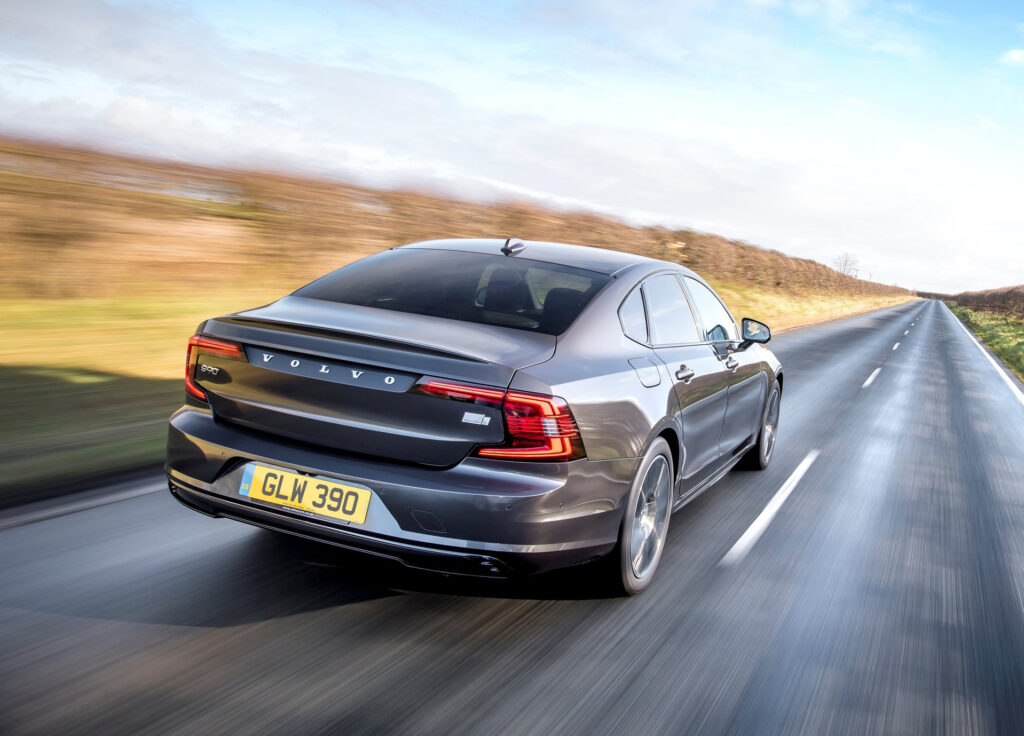
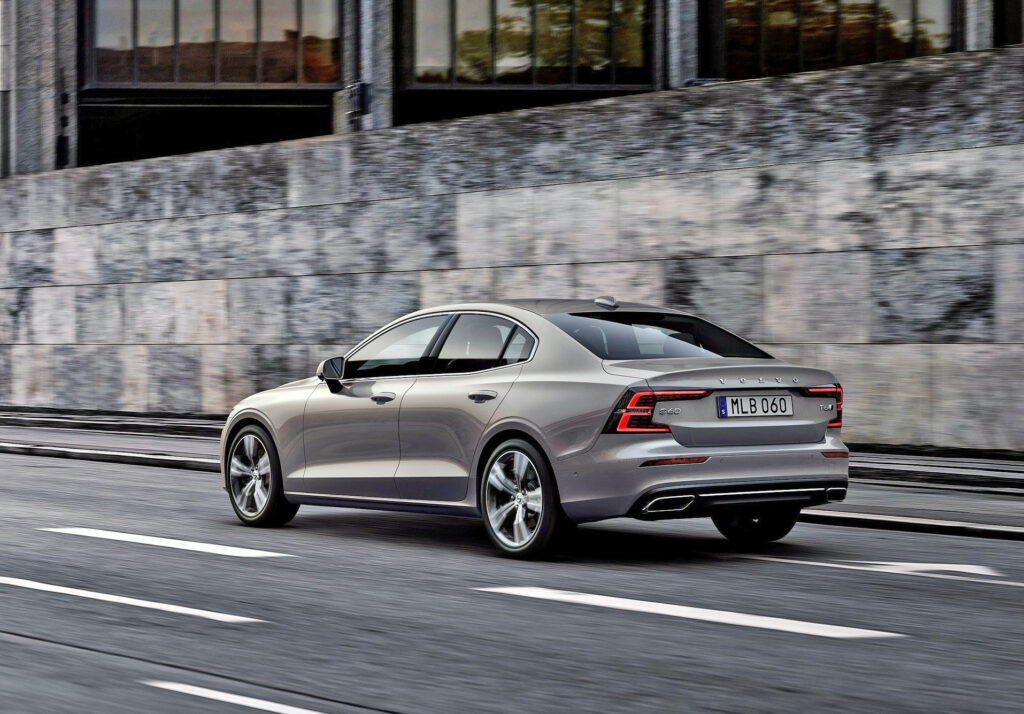
Later Volvo sedans and wagons moved toward harder lines and larger dimensions, but the shoulder remains part of the brand’s visual vocabulary. The 2016 V60 Polestar shows why that continuity matters: performance trim can add drama, yet a recognizable design feature gives the car a stronger identity than badges and darkened grilles alone. It looks like a Polestar, and it still looks unmistakably like a Volvo.


