In lane Electric Vehicles
2025 Buick Encore GX: A Budget Crossover With a Distinctive Design
Description
The Encore GX turns Buick’s Wildcat-inspired styling into an affordable small crossover, with standout proportions and a few cost-conscious details.

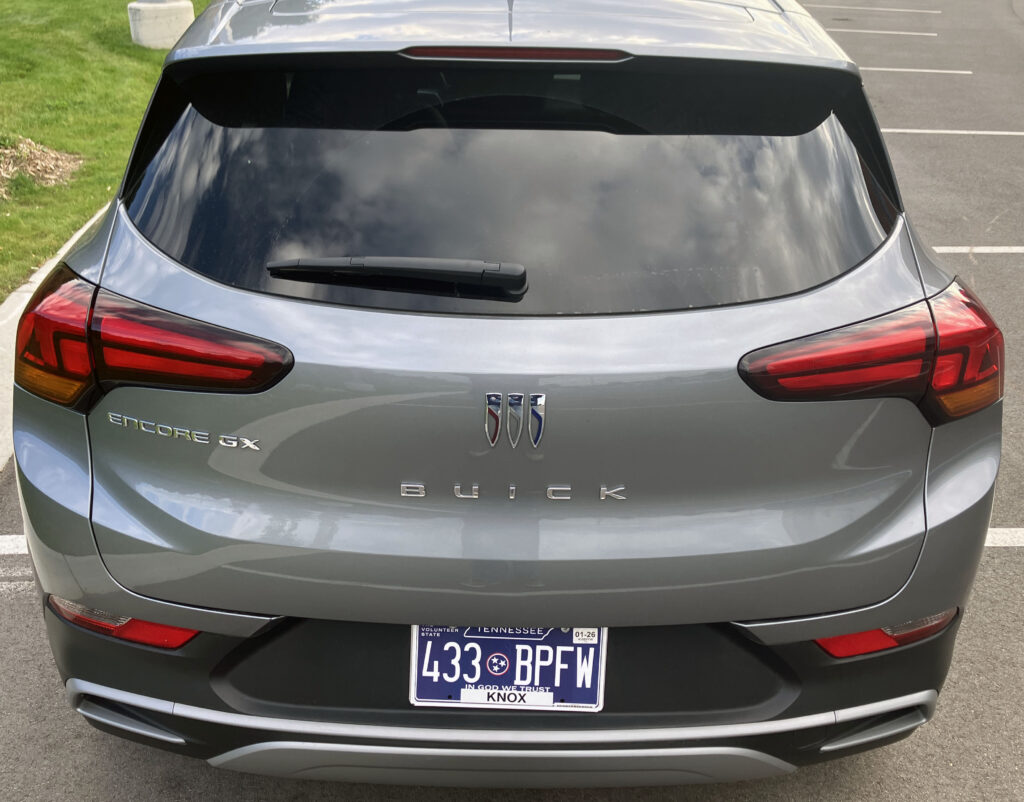
The 2025 Buick Encore GX makes a persuasive case that an affordable crossover can have a recognizable face. Its styling borrows from Buick’s 2022 Wildcat EV concept, then adapts that visual direction to a small, practical vehicle with a three-cylinder turbo engine and, in some versions, a CVT. It won’t appeal to every driver, but it looks considered in a segment where many high-riding family cars blur together.
That distinctiveness is part of the point. Buick has moved away from the conservative shapes many people may associate with the name, and the Encore GX gives that new design language a relatively accessible place in the showroom. The result is not a luxury car in disguise; it’s a modestly priced crossover whose details make it look more expensive and more individual than its basic brief suggests.

A concept-car face, scaled for everyday use
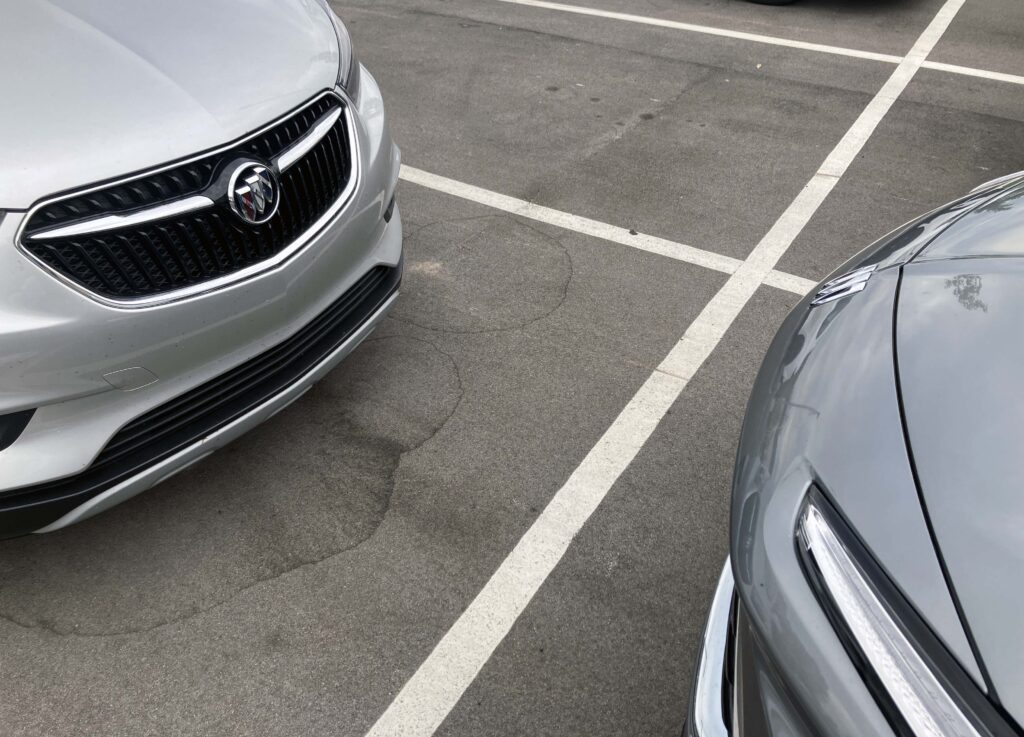
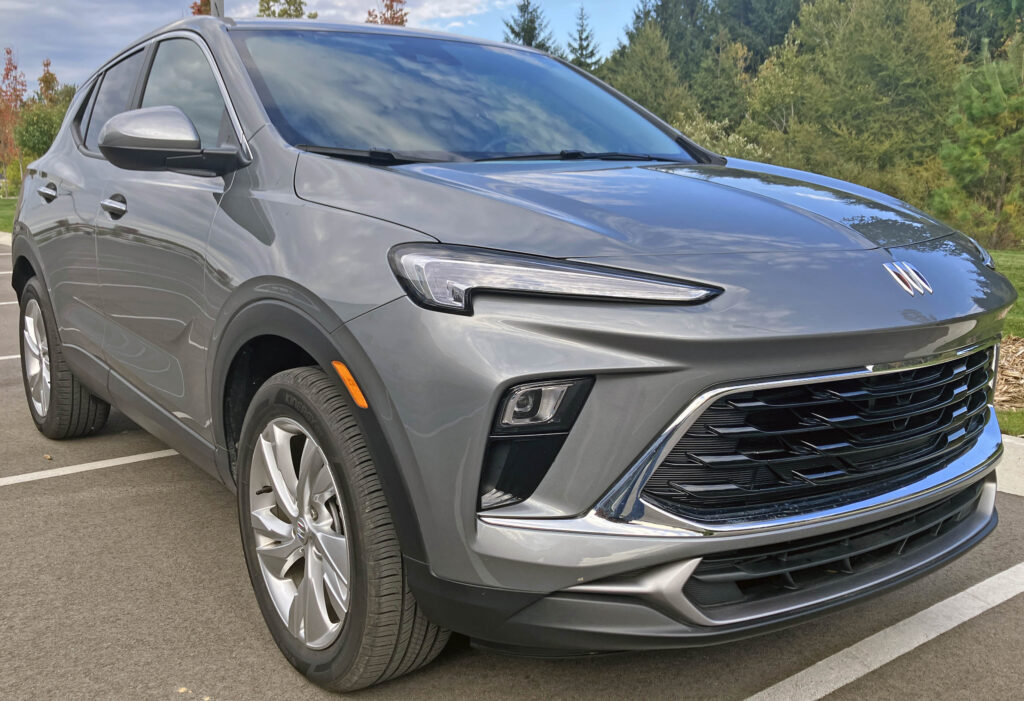
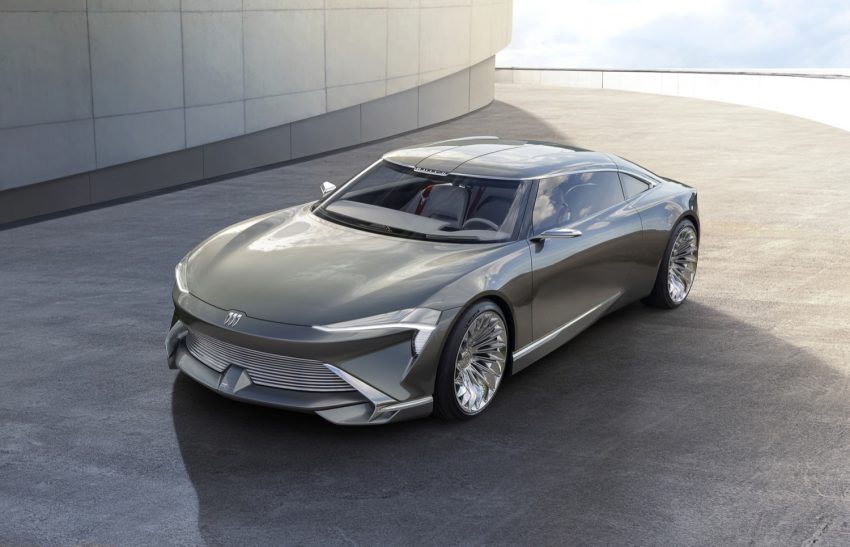
Park the Encore GX beside an earlier Encore and the change is easy to see. The older model’s grille has a more conventional, swept-back shape. The newer car uses sharper surfacing, a more sculpted hood and a prominent front end that recalls the Wildcat concept. Buick previewed this design direction with the coupe concept in 2022; the Encore GX translates its themes into a taller, more practical body.
The front is the car’s calling card. Its hood rises into a pronounced central point, giving the nose a taut, almost animal quality. The profile brings to mind the 1965 Chevrolet Corvair and the Corvette Stingray, though the Encore GX doesn’t copy either. Instead, those references help describe the way the hood seems to flow toward the grille before the bumper divides the face into several distinct forms.
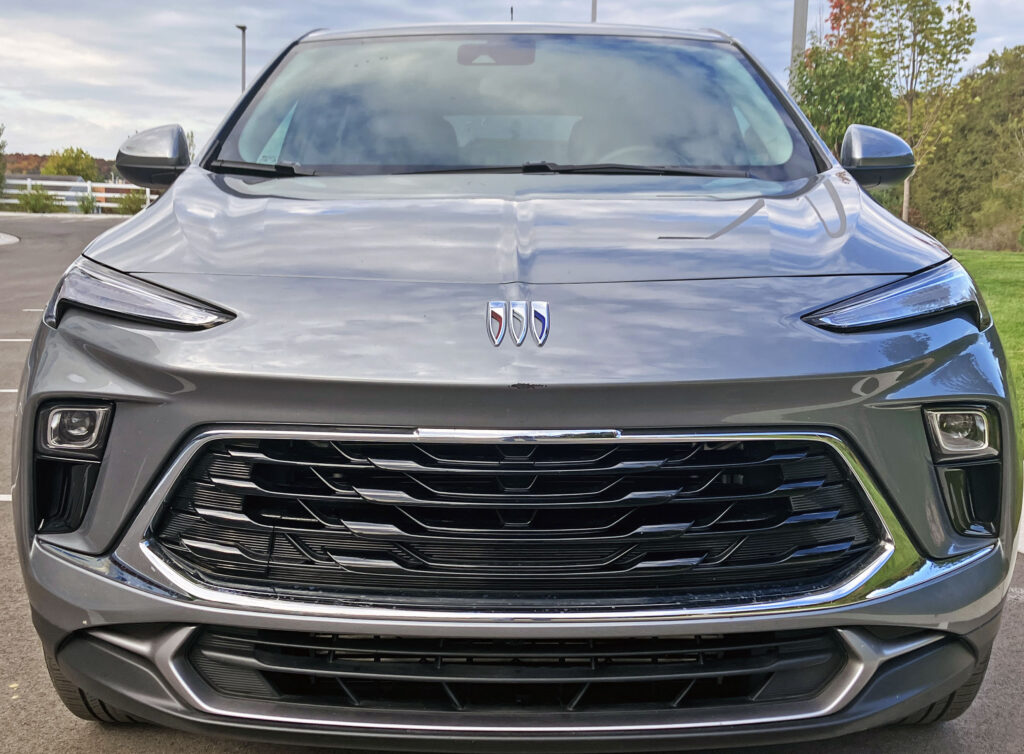
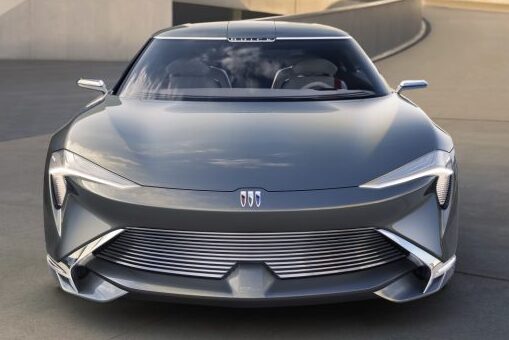
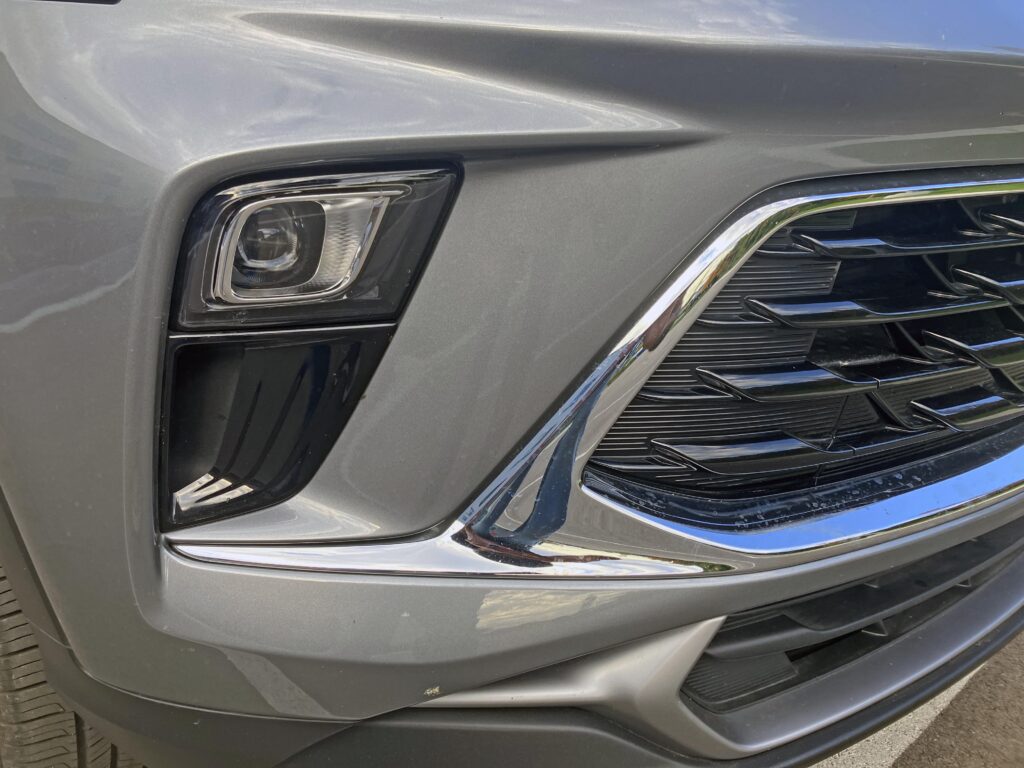
The Wildcat was a sleek sports coupe; the Encore GX is its taller, family-friendly cousin. The crossover’s extra height makes the design challenge more demanding: the same visual themes have to fill a larger front end and accommodate the lighting and cooling hardware. Buick’s solution is an upper grille with a bright surround, a lower grille, and separate lighting elements set into the bumper.
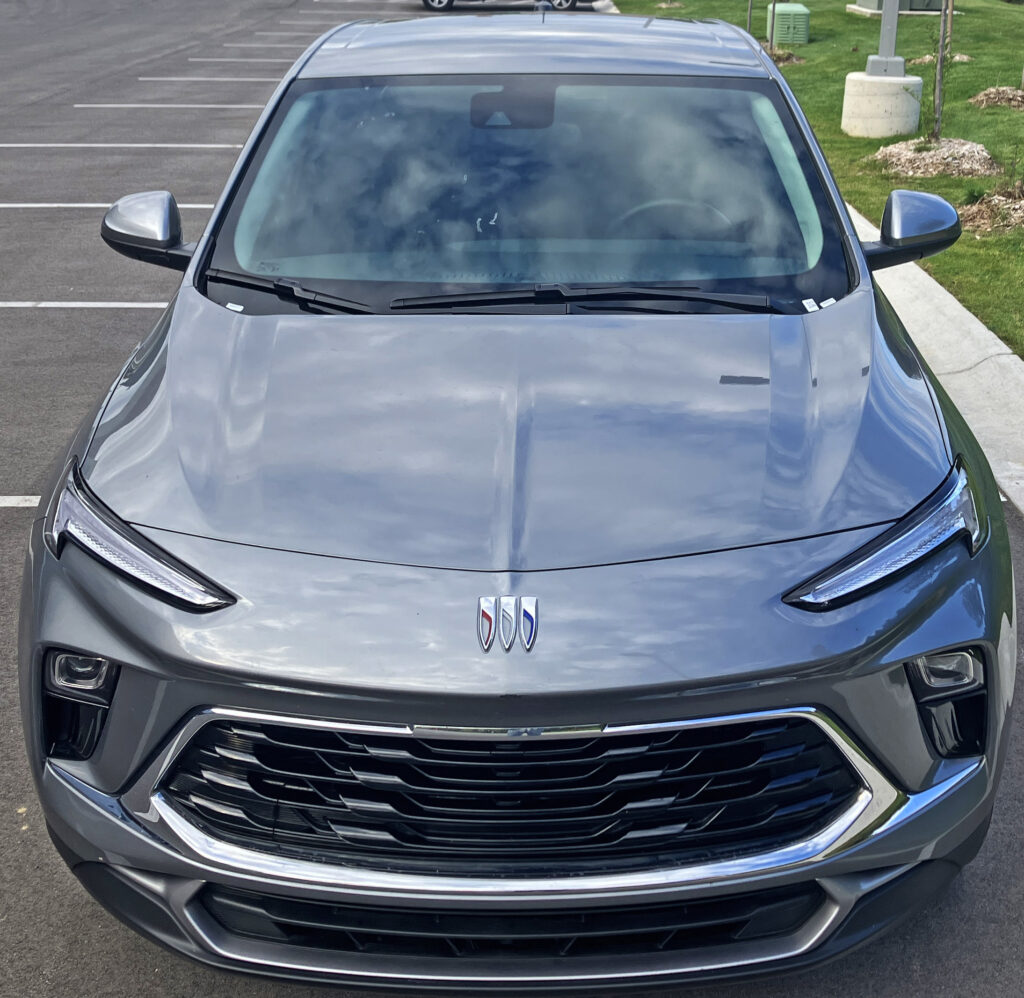
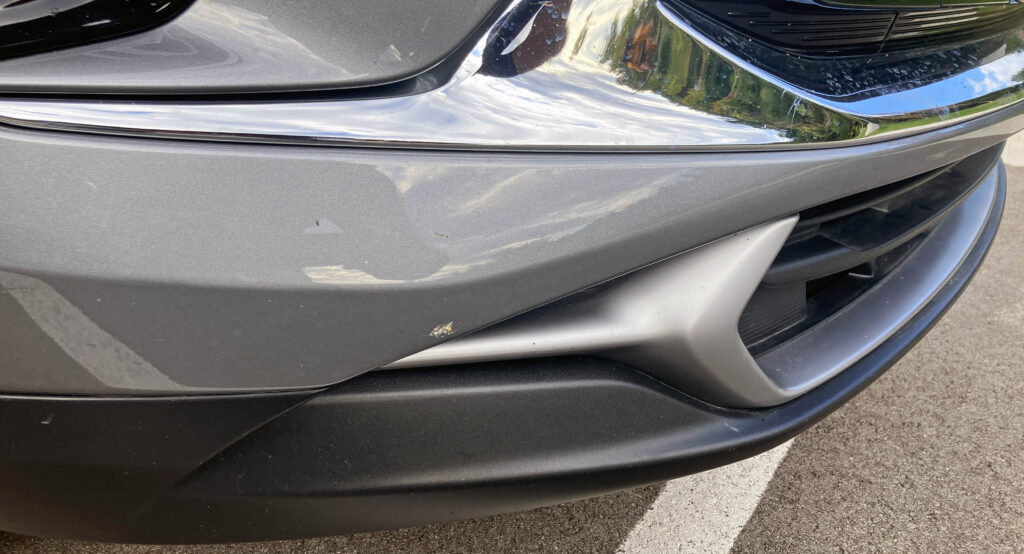
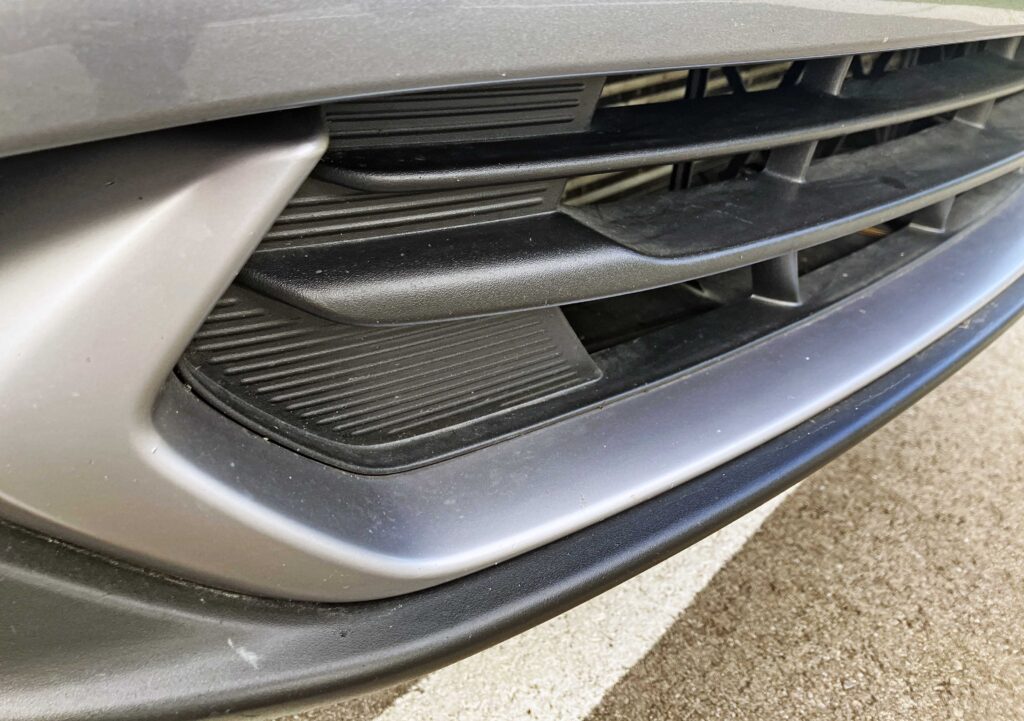
The two grille openings create a slightly unusual double-mouth effect. The upper section gets the more polished treatment, with chrome framing and textured elements that look more elaborate than the car’s price might suggest. The lower opening is plainer, using flatter shapes and unpainted plastic. It’s a less convincing part of the design, although the dark finish keeps it from competing too much with the more carefully styled section above.
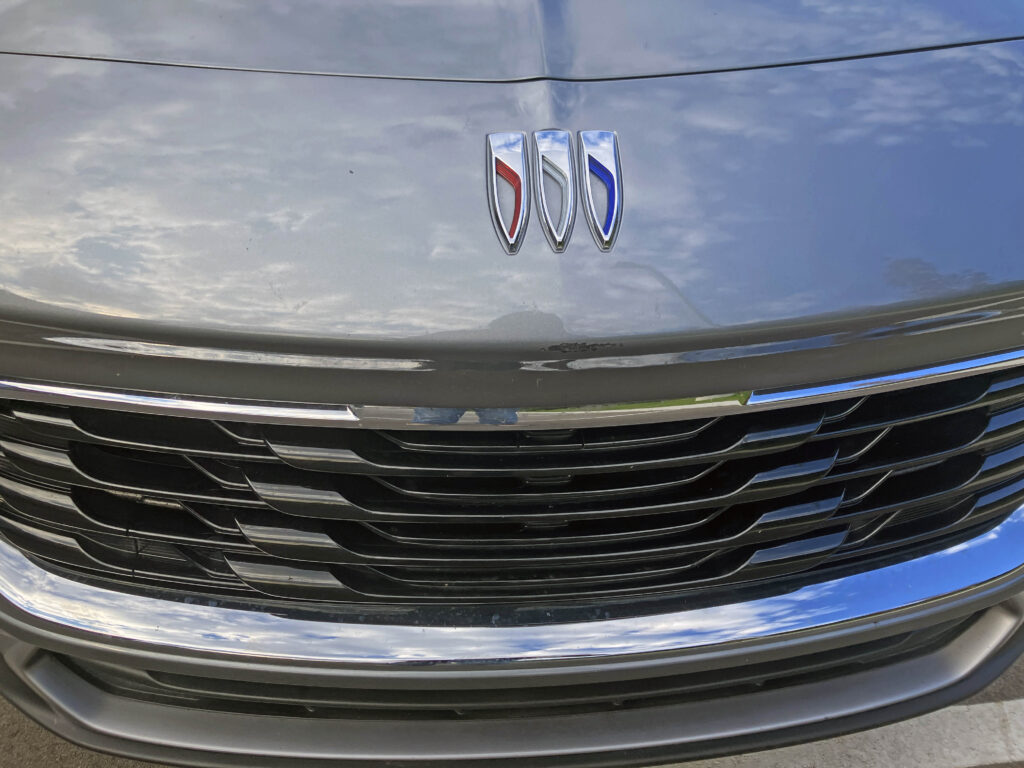
The lower grille may also be more visual than functional in some areas. The ends of the upper grille include plastic elements that look like grille teeth, prompting the question of whether the lower opening could have been simplified. A smoother bumper with a more substantial upper surround and a dark air dam might produce a cleaner face. As it stands, the extra opening adds detail, though not all of it feels necessary.
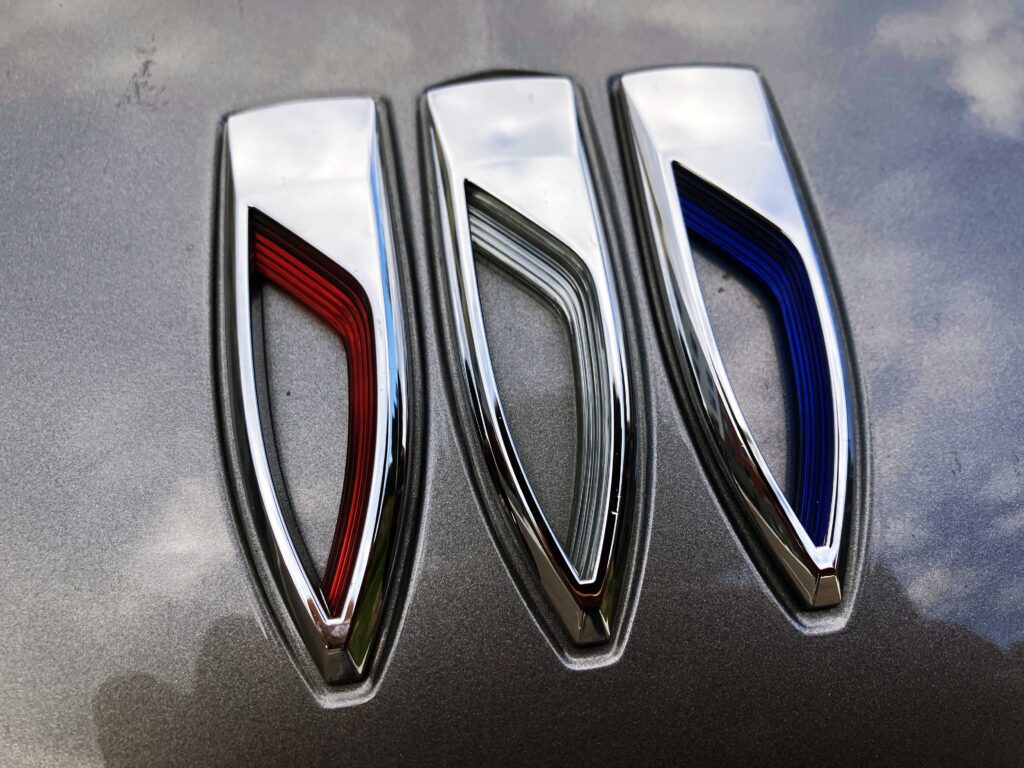
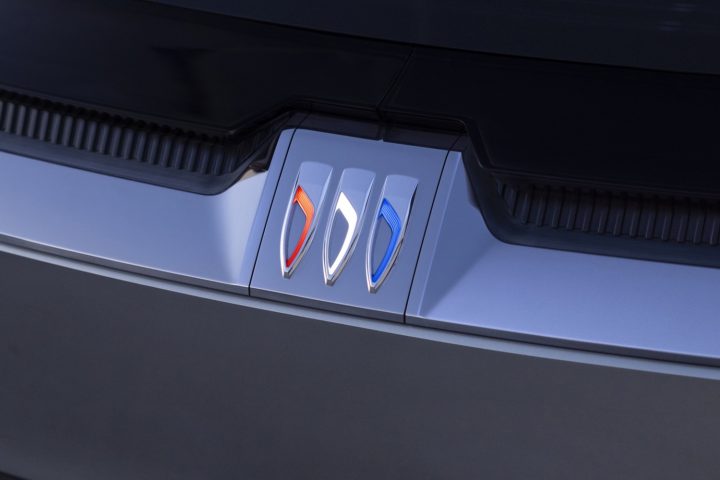
The updated tri-shield emblem helps tie the new face to Buick’s past. Its three shields are separated and individually detailed, giving the badge depth and color rather than treating it as a simple flat graphic. The effect recalls the brand’s 1959 logo without turning the Encore GX into a retro design exercise. That’s a smart balance: the emblem feels rooted in Buick history while the car around it remains unmistakably modern.
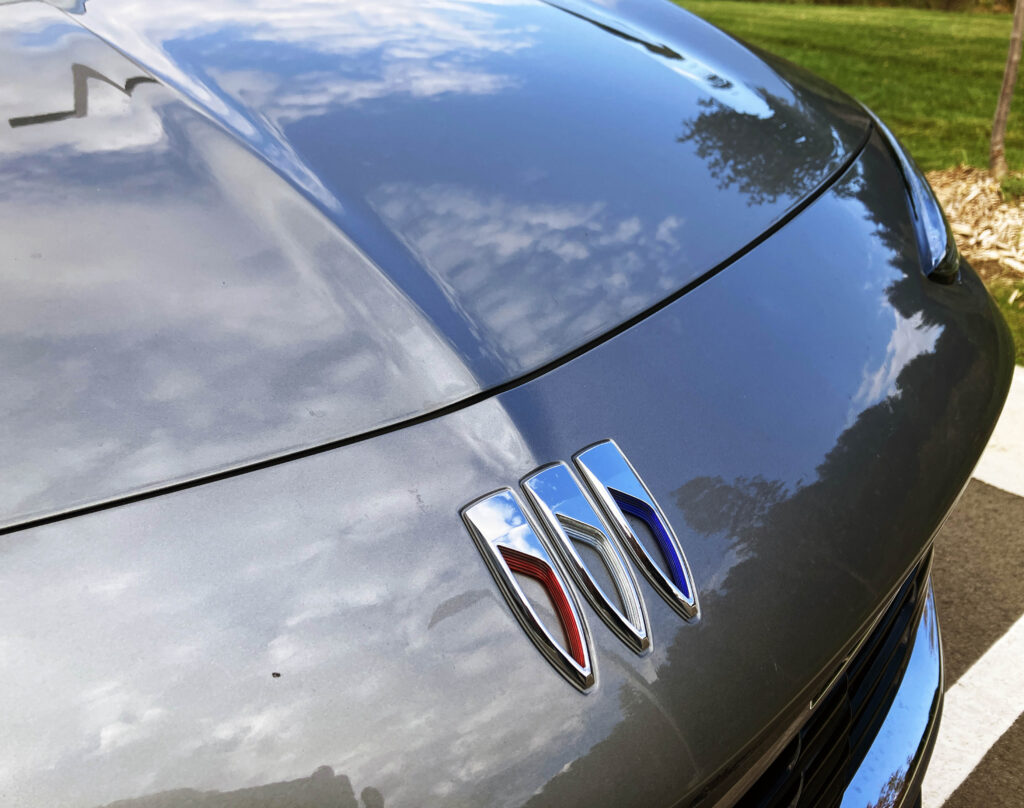
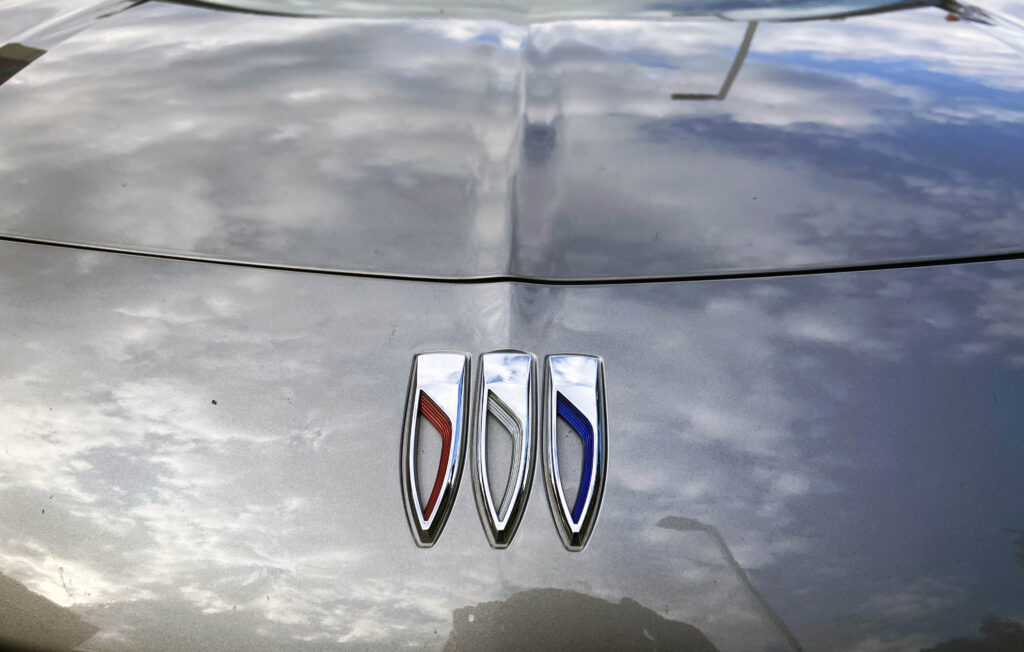
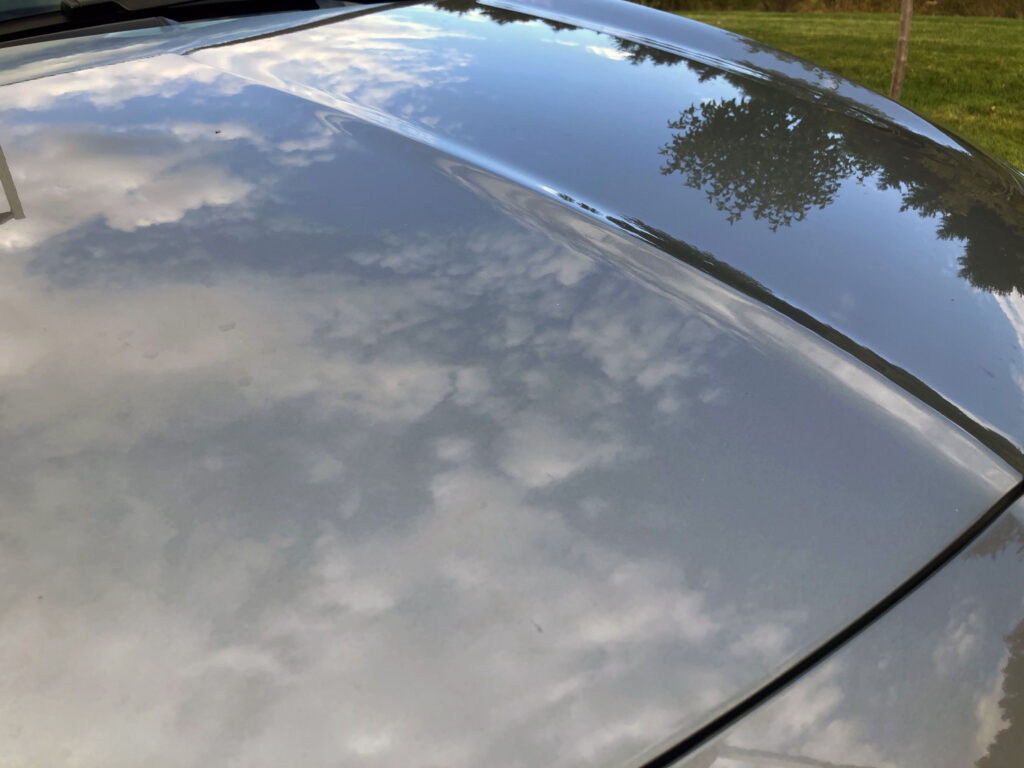
The production badge doesn’t illuminate as it does on the Wildcat concept, but it remains a focal point. It sits at the end of the hood’s central crease, which rises toward the nose with a shape that makes the whole front end feel purposeful. The standard LED headlights are mounted low in the bumper’s chunky outer sections. Higher up, the narrow lights that follow the hood’s form are parking and running lights, not the main headlamps.
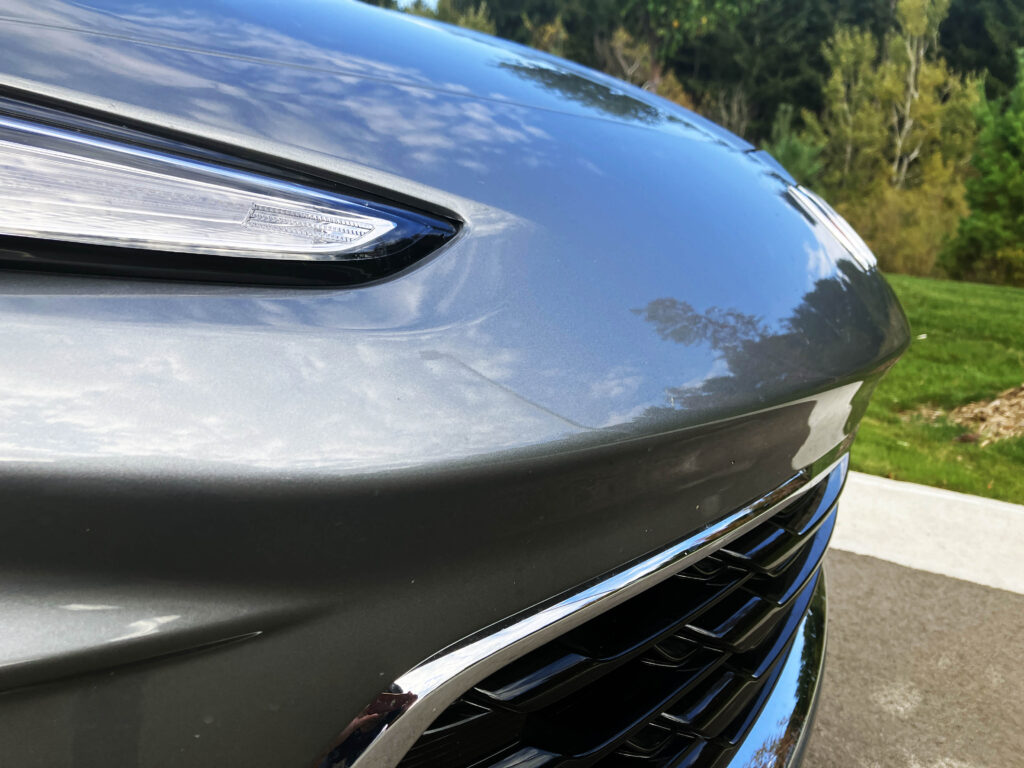
Separating the running lights from the headlights gives the Encore GX a face that stands out among small crossovers. Low-mounted headlights are not unique to Buick, but here the layout supports the pointed hood and layered bumper rather than feeling like a styling afterthought. The recesses around the lights add shadow and depth, while the central portion of the bumper continues the car’s concept-inspired shape.
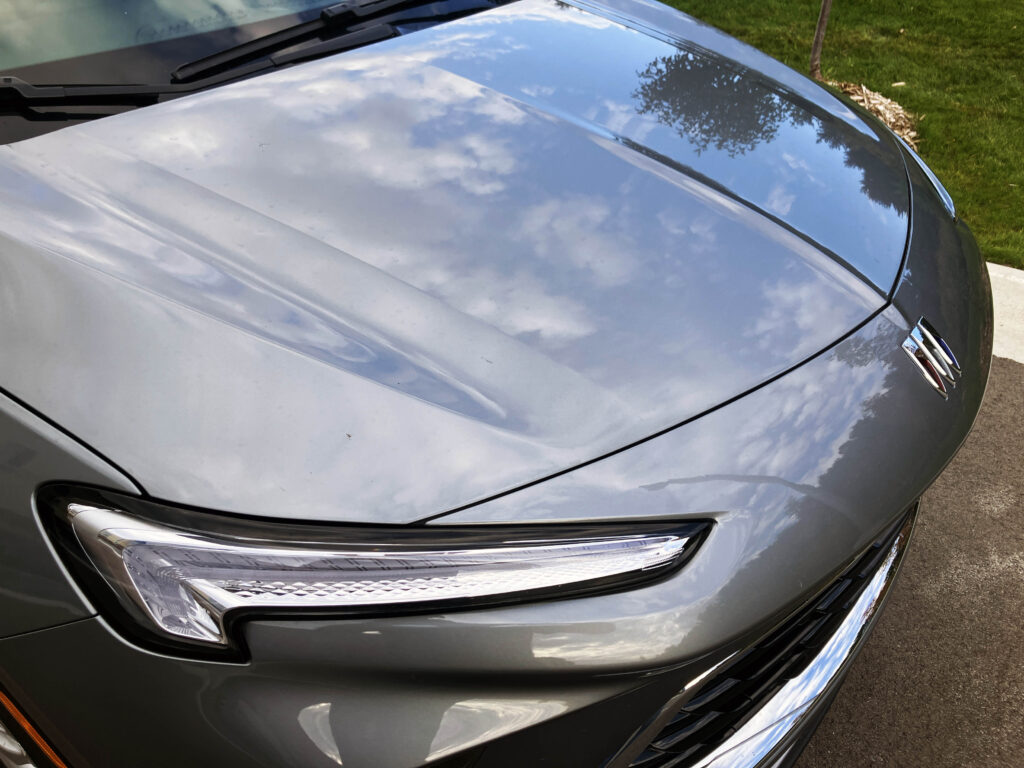
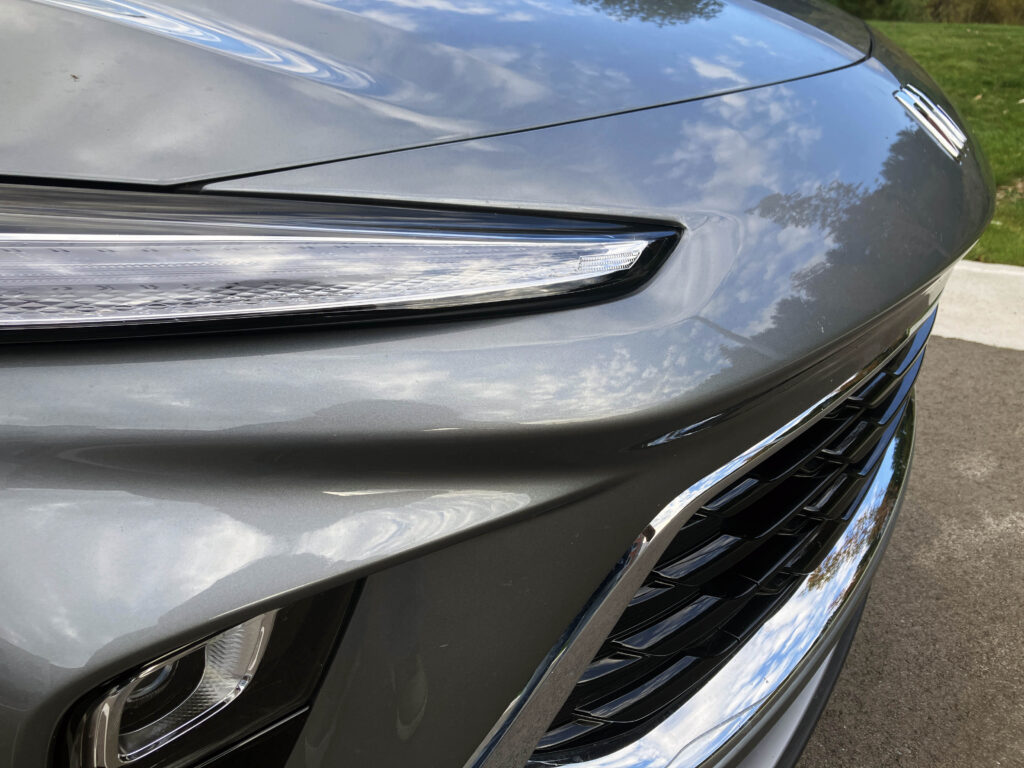
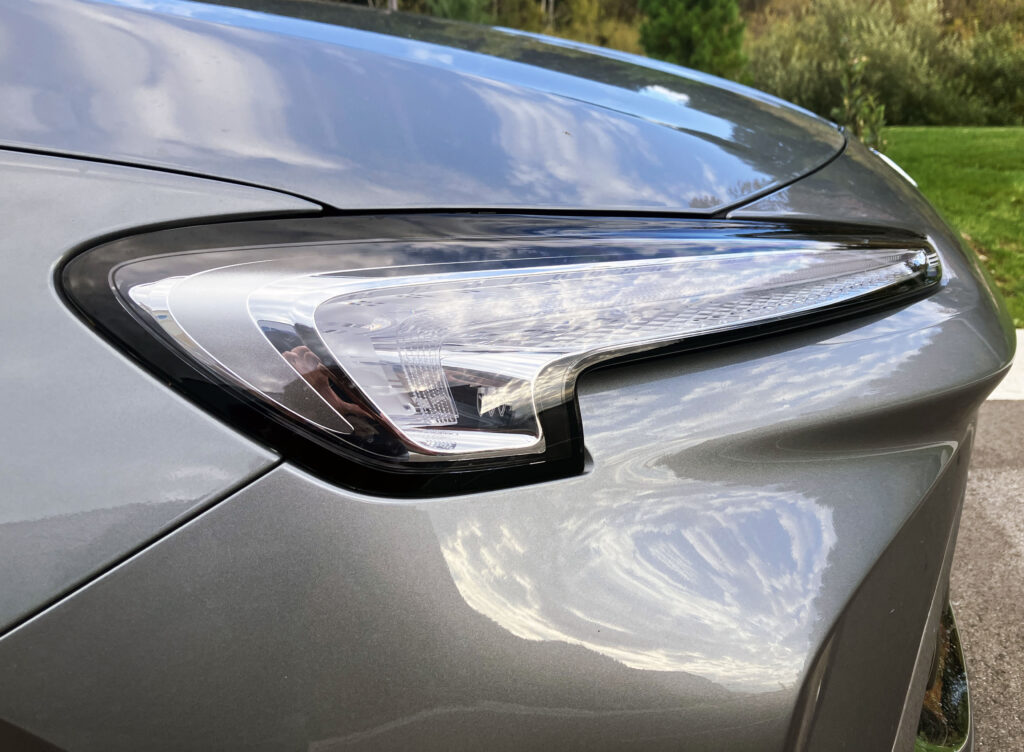
Some panel joints interrupt that flow. The hood-to-bumper seam stops the pointed nose from extending as far as the design might ideally allow, and the fender joint looks less tidy than the surrounding sculpted surfaces. A more continuous hood would strengthen the Corvair-like impression, but panel construction and the cost of producing the front end place limits on what a compact crossover can achieve.
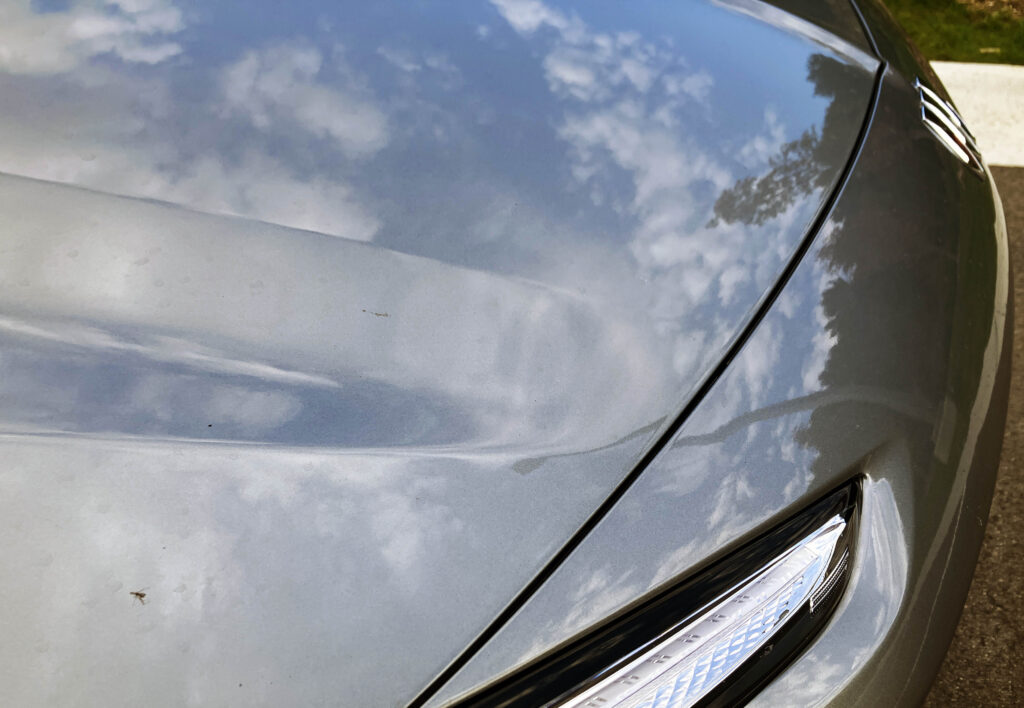
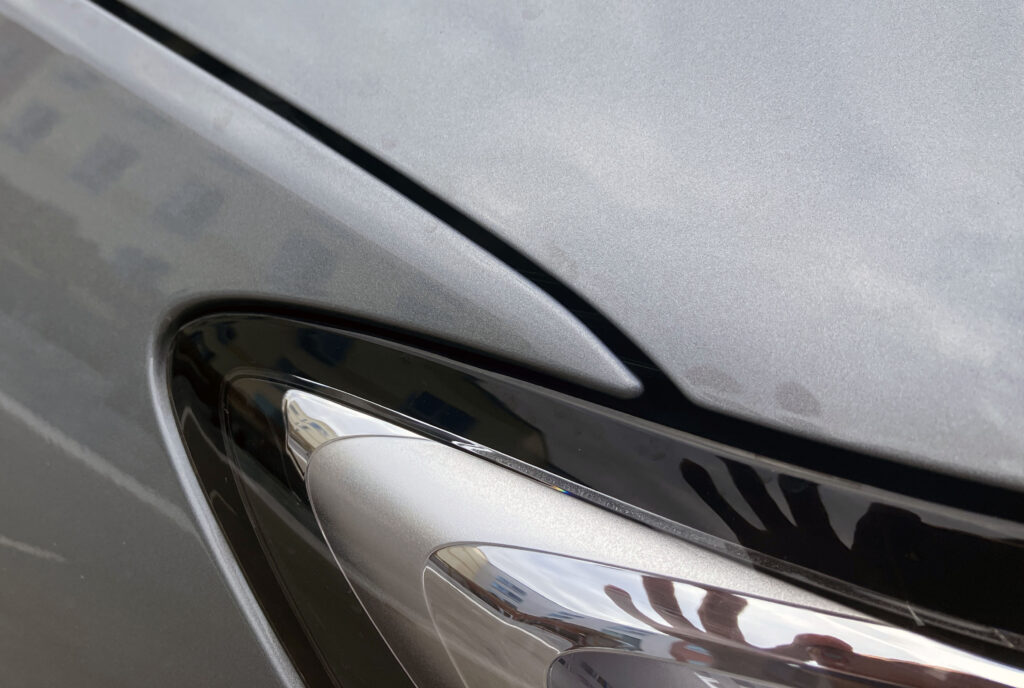
Small touches reward a closer look. A tri-shield is etched into the headlight’s bright inner surface, a restrained brand signature that doesn’t dominate the lamp. The bumper also uses several cutouts and recessed areas around the lights and lower opening. Some likely serve practical purposes, including directing air around the front wheels, while others help the tall front end appear lighter and more layered.
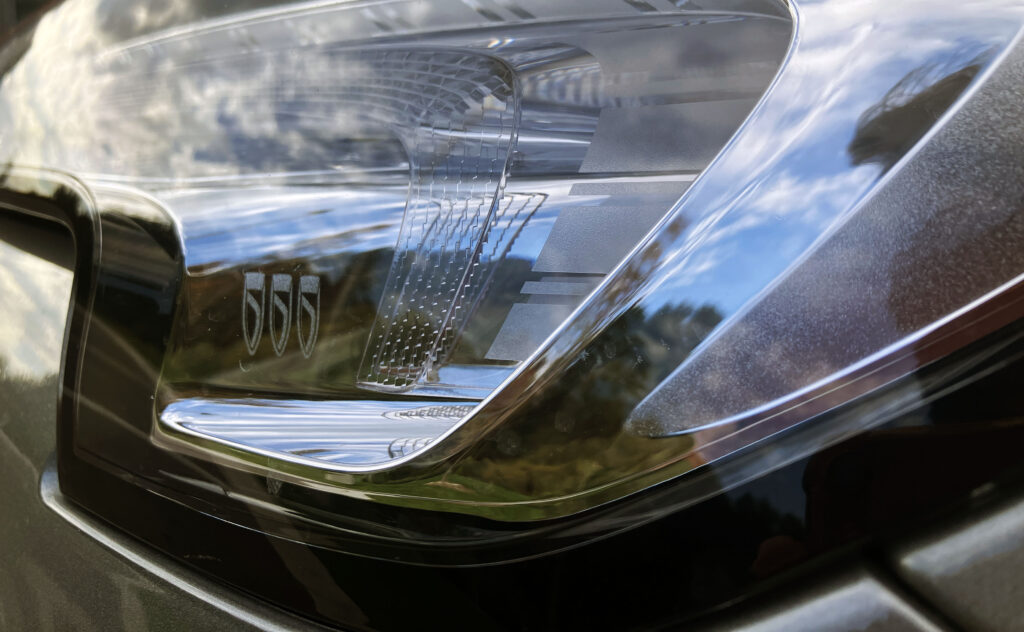
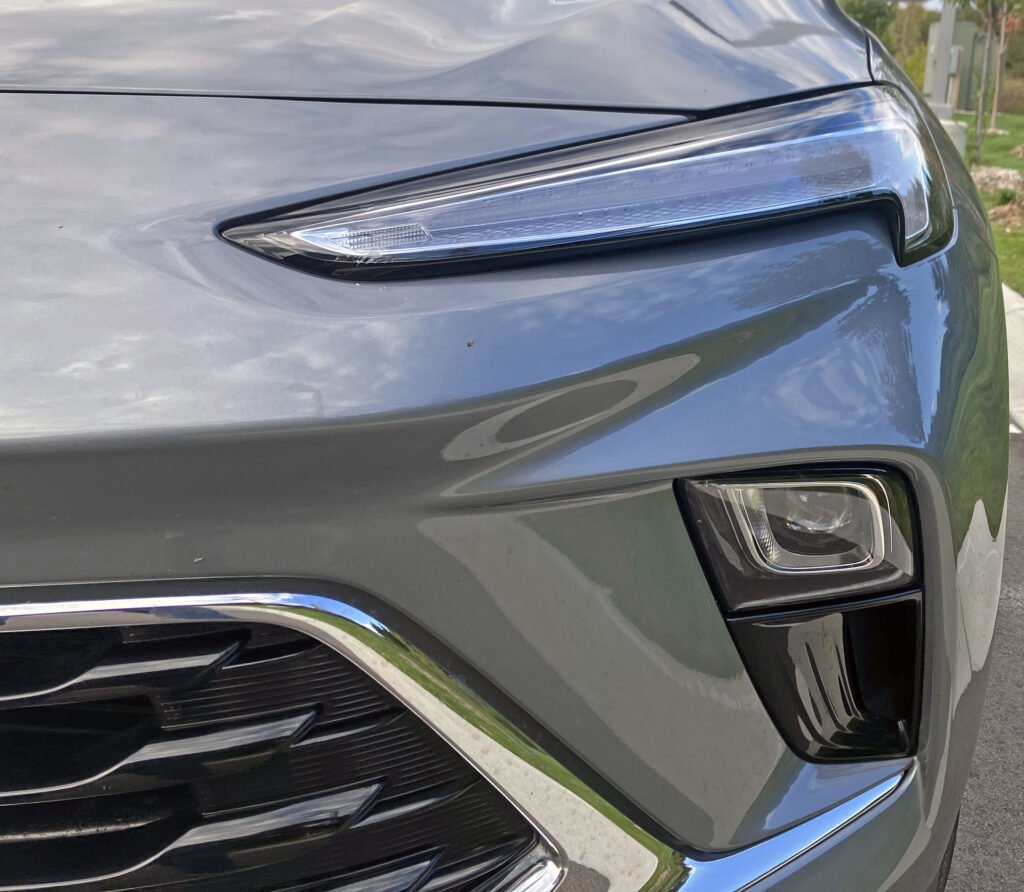
Chrome follows the curve from the headlight area into the upper grille surround, giving the front a continuous bright accent. Below it, dark recesses add another visual layer. The combination is more successful than the lower grille’s plain plastic because the brightwork and textured upper section have enough detail to look intentional.
Wheels and proportions do much of the work
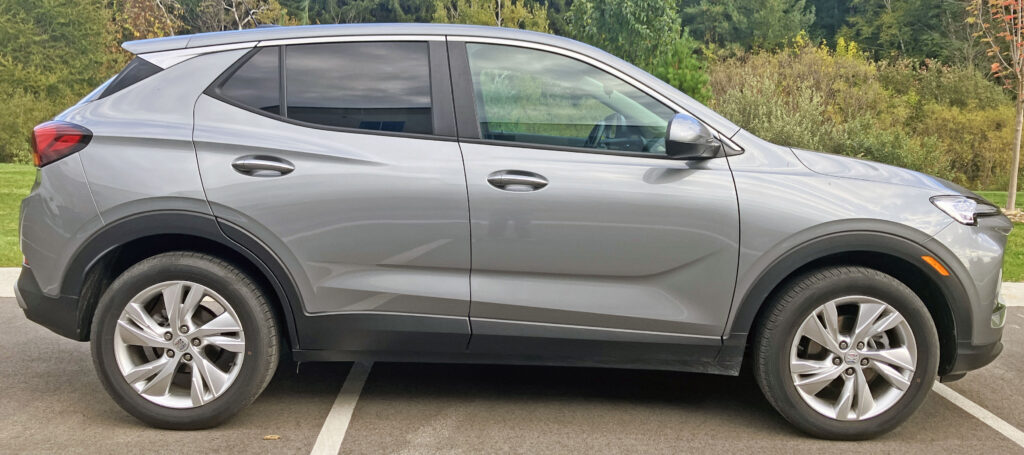
The base Encore GX has 18-inch alloy wheels, while the Avenir trim gets 19-inch wheels. The standard size fills the arches well and lends the car a planted stance, avoiding the small-wheel look that can make an inexpensive crossover seem unfinished. The spoke pattern adds visual motion even when the vehicle is parked, and its sweeping forms echo the forward thrust of the front fascia.
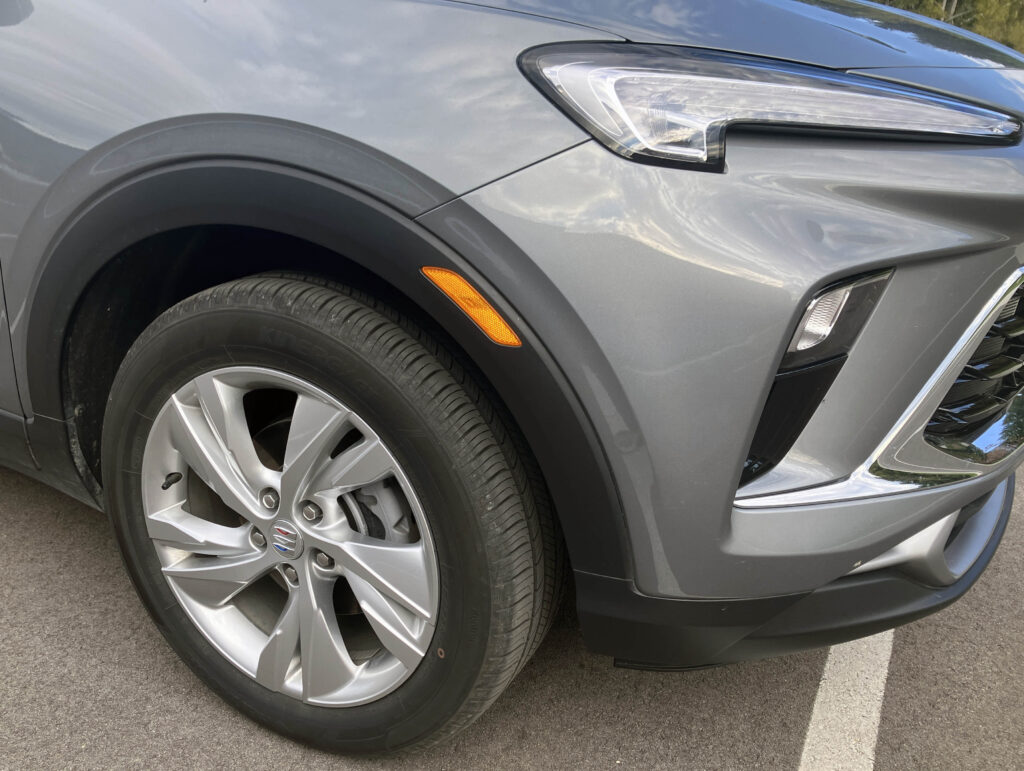

From the driver’s side, the spokes seem to turn in the direction the car is traveling; on the passenger side, they appear to sweep the other way. That’s a familiar compromise when a wheel design uses the same casting on both sides. Dedicated mirror-image wheels would preserve a consistent directional effect, but the Encore GX’s price makes the shared design understandable. The contrast between the moving spokes and the car’s stillness is part of their appeal, even if the illusion changes with the viewing angle.
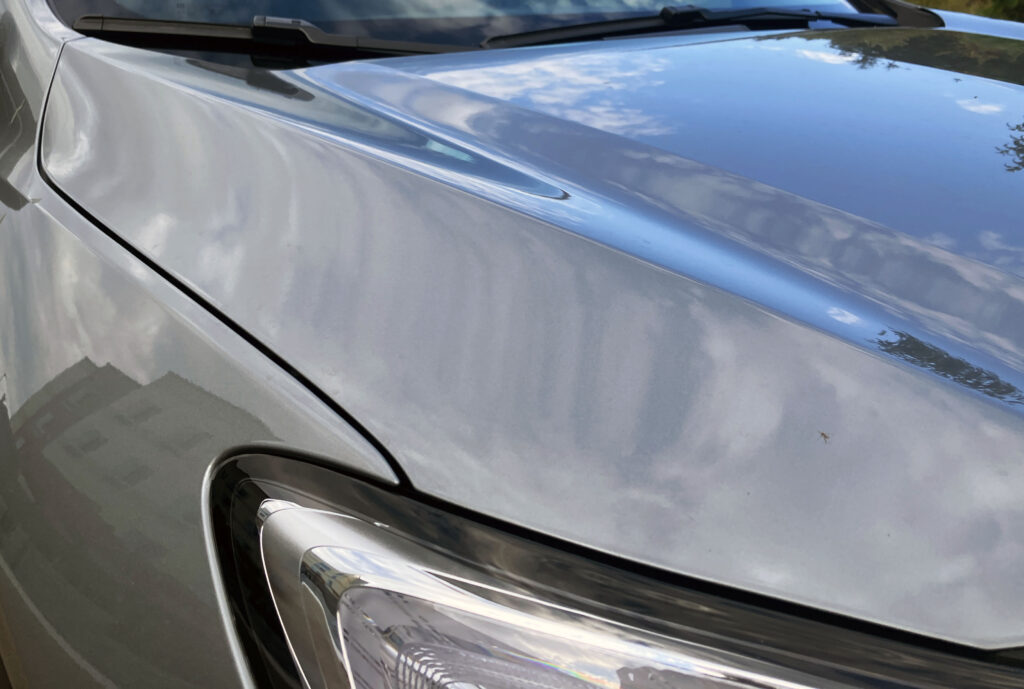
Buick’s proportions are another strength. Like other crossovers built on a front-wheel-drive passenger-car platform, the Encore GX has to package a taller cabin without letting the nose look too short or the body too top-heavy. The hood rises toward the windshield to bridge the distance from the front fascia to the base of the glass. That necessary wedge brings a slightly awkward hood-to-fender seam, but the overall stance remains balanced.

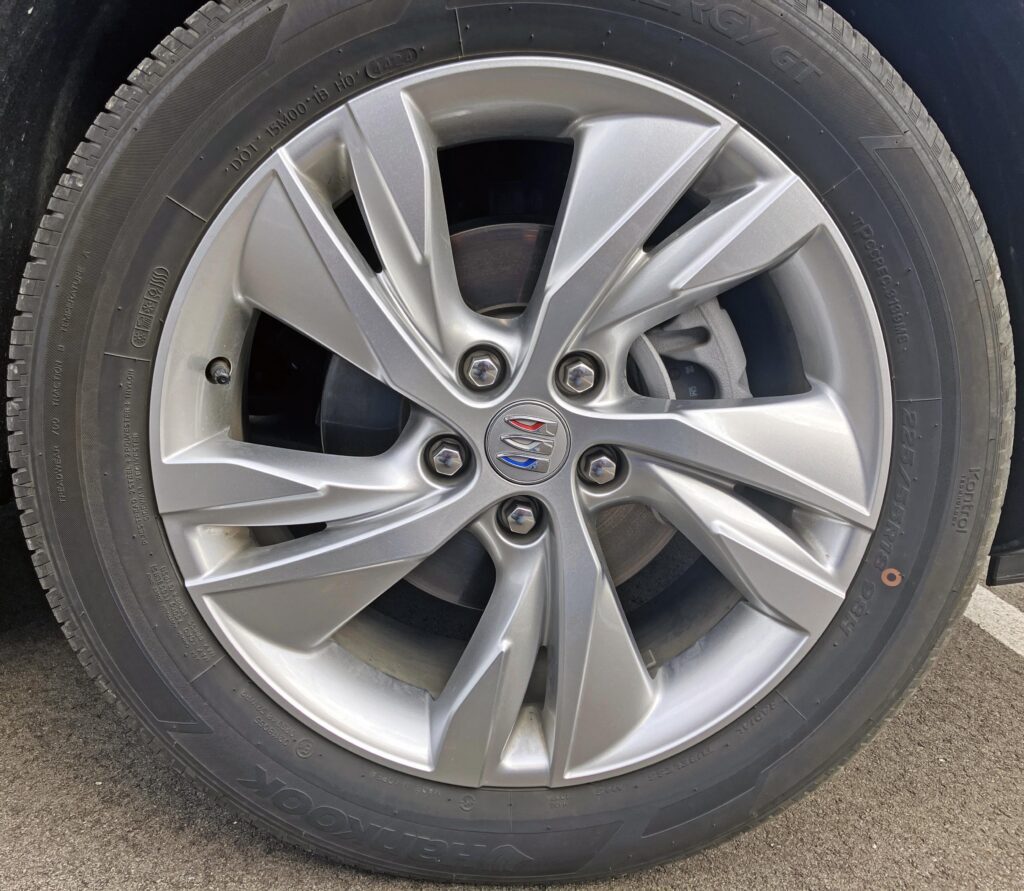
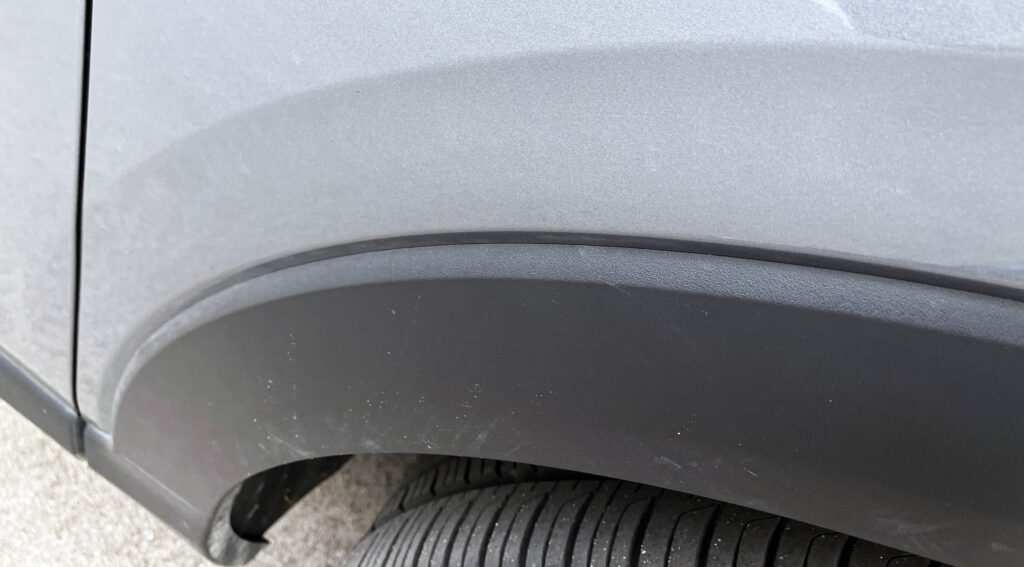
Black plastic around the wheel arches is typical crossover equipment, visually reducing the height of the body and hinting at rough-road use. The Encore GX’s trim doesn’t transform it into an off-roader, but it breaks up the painted surfaces and helps the large wheels appear even more substantial. The base model was described at about $27,000, with incentives potentially lowering the effective price. That’s a modest starting point for a vehicle whose trim and wheel design give it an upscale impression.
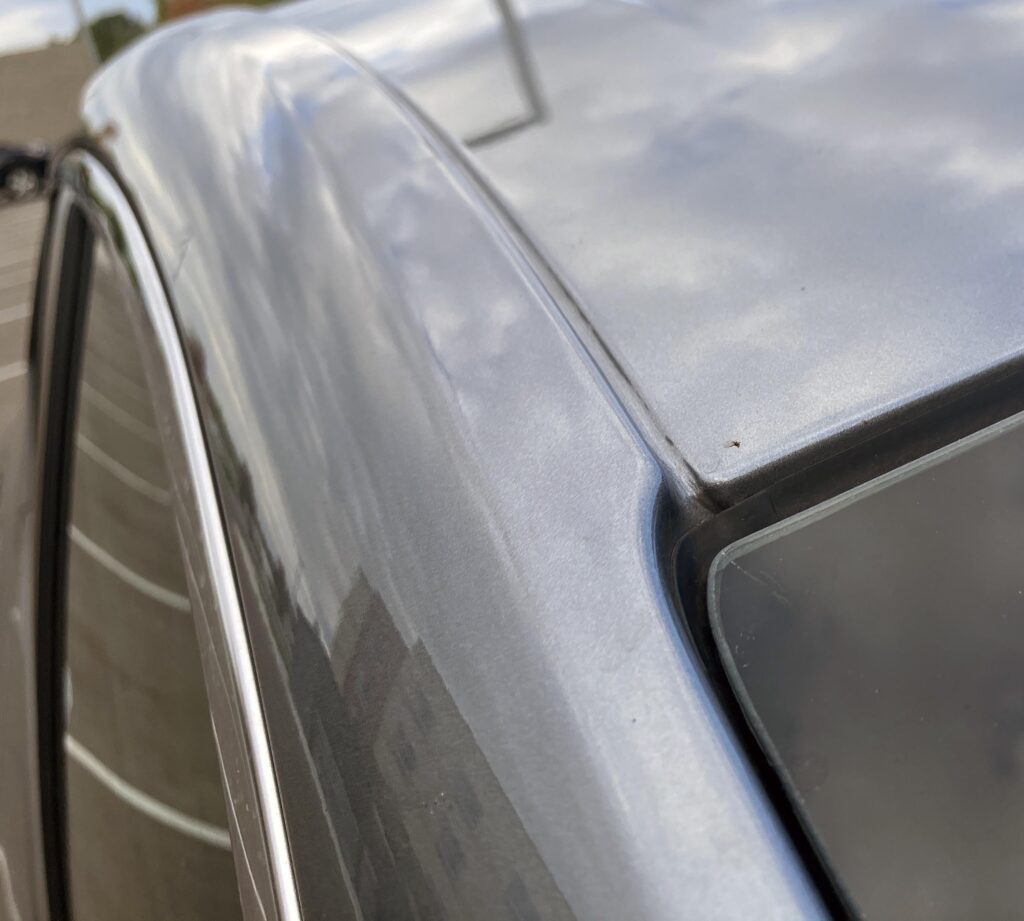

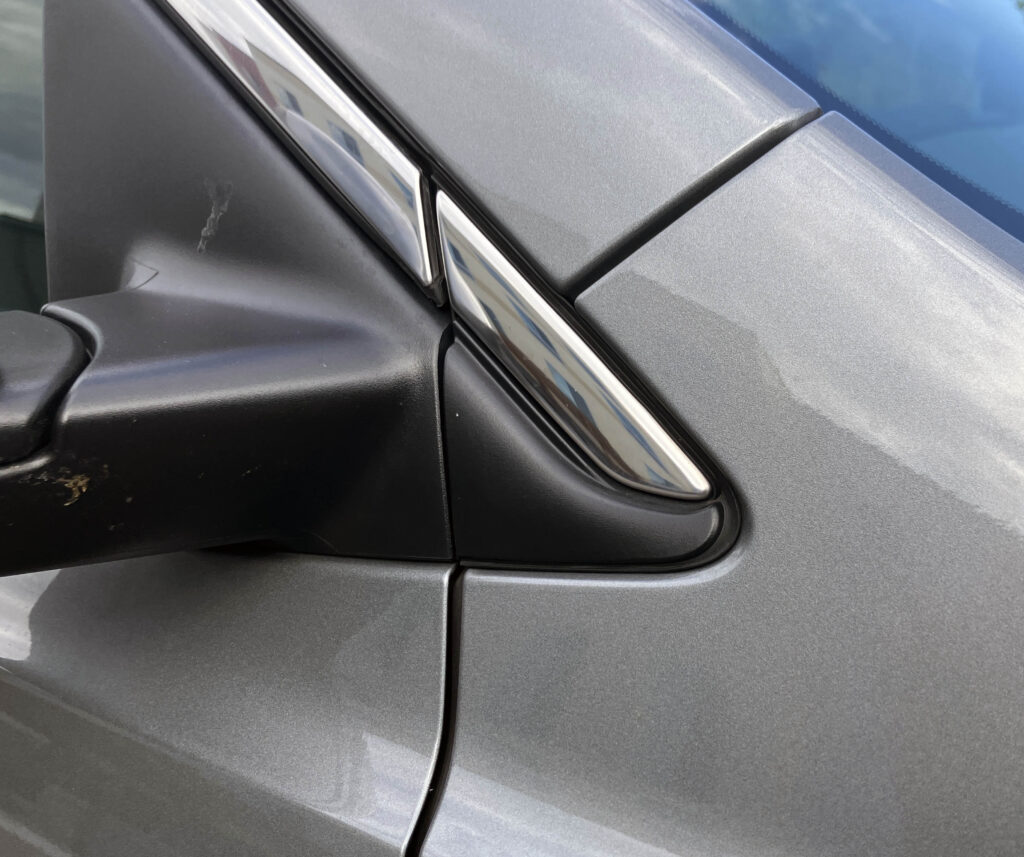
Cost-conscious details are visible around the windshield. The wiper arms are exposed, and there’s no extra plastic trim along the rain channel. The cowl itself has relatively few openings, which should make it simpler to clear leaves and other debris. More conspicuous is the black-and-chrome plastic insert at the base of the A-pillar, which visually extends the glass area. It draws attention to a seam where the window shape could have ended more cleanly.
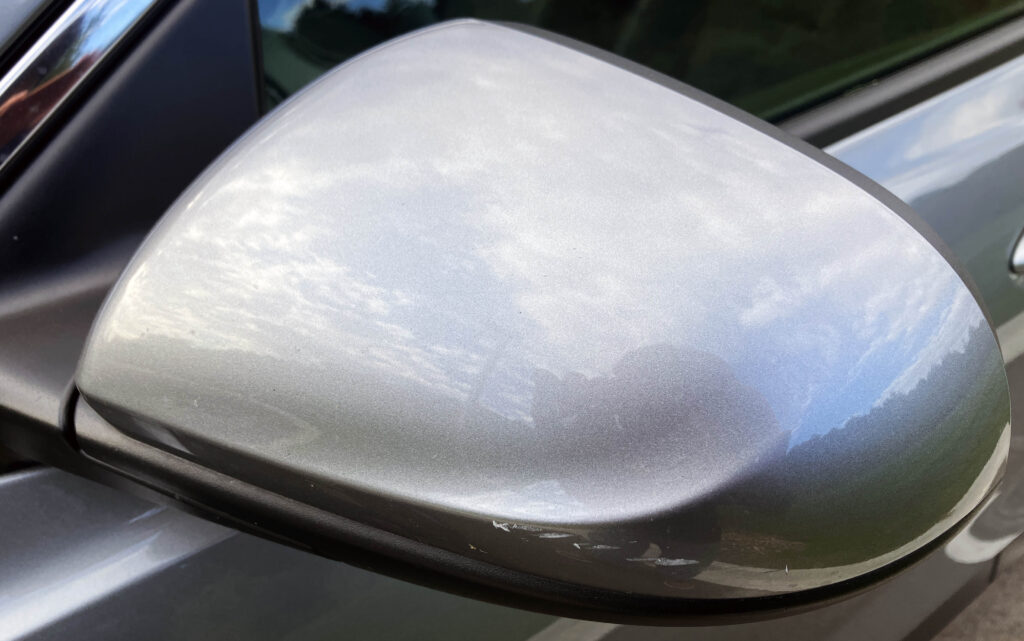
The side mirrors carry a slim fin along their leading edges. It gives the housings a little more character and may help manage airflow, wind noise or dirt around the mirror surface. The source of the shape is not obvious from a walkaround, but its light touch fits the car better than a larger decorative flourish would.
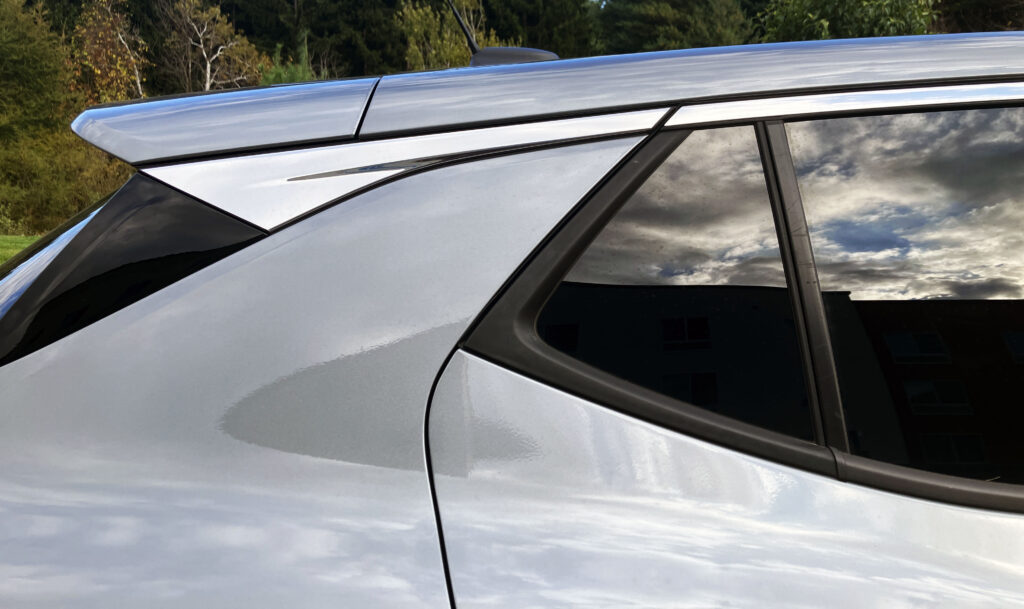


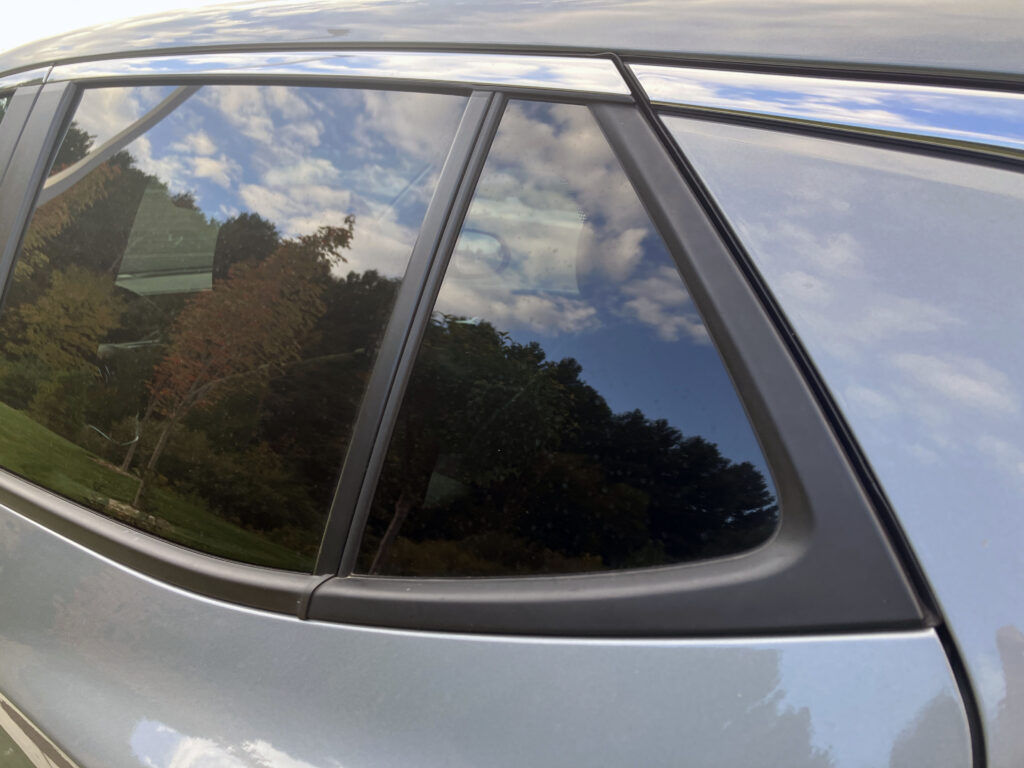
The three-pillar greenhouse is familiar, but the C-pillar gives Buick room to add personality. Bright trim follows its shape, while glossy black material below it visually connects the pillar to the dark rear glass. The chrome is a confident choice for a small crossover, and the effect is more distinctive than the black trim alone would be. A broader bright finish might have pushed the look further toward Buick’s traditional elegance, though the existing treatment already sets the profile apart.
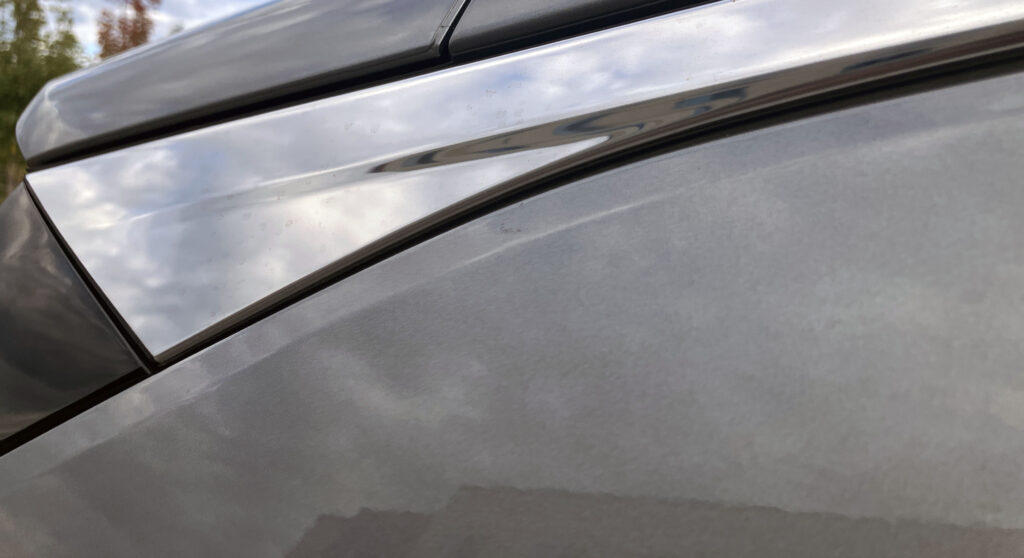
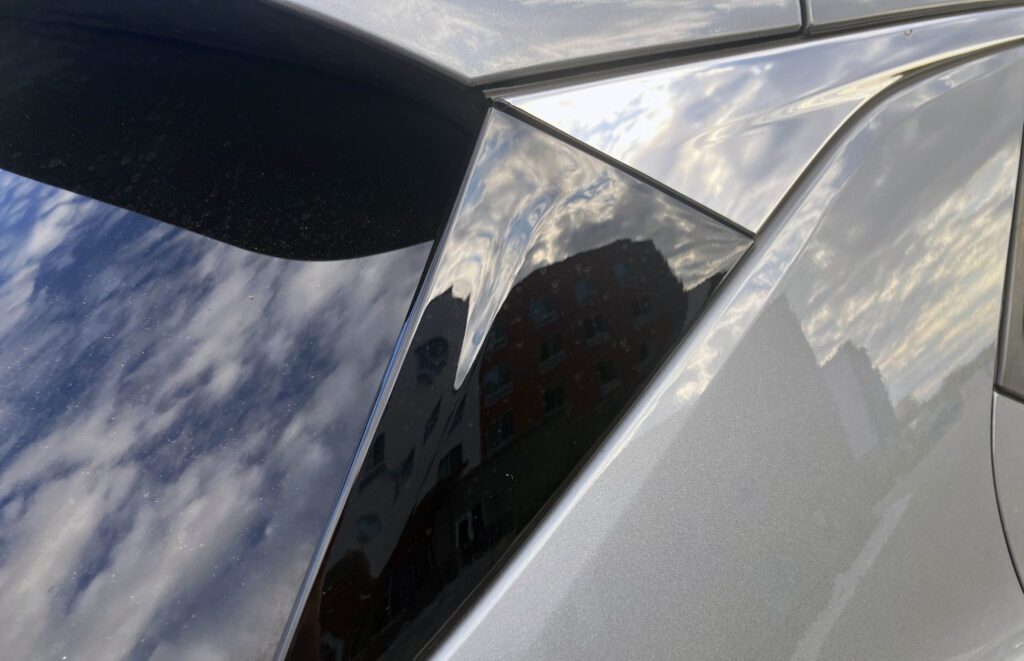
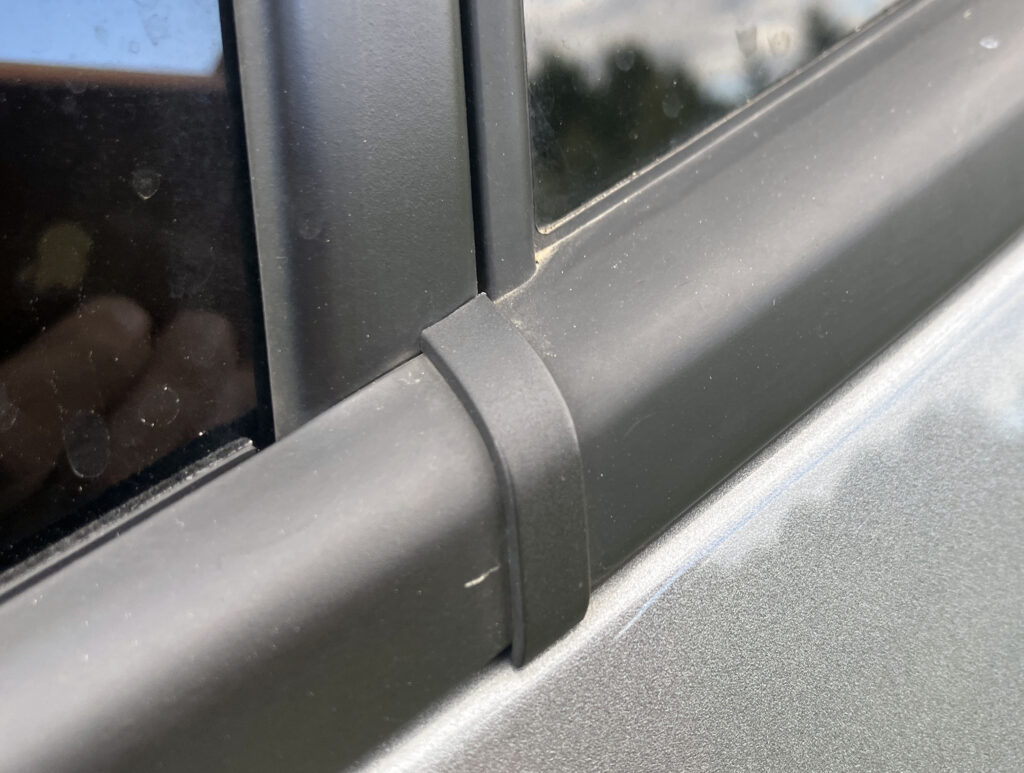
The quarter-window area mixes that shiny upper accent with a sculpted black plastic piece below. Its width changes as it approaches the door seam, and the joining area between the side windows is broad. These are visible reminders that the Encore GX is designed to meet a price target. Still, the treatment holds together from a distance, where the chrome line and tinted glass give the roofline a clear visual finish.
Soft surfacing, with a few sharp decisions
The body sides rely on gradual changes in height rather than the deep creases and abrupt cuts found on some rivals. Compared with the Hyundai Kona’s more dramatic surface treatment, the Buick looks smoother and more restrained. That restraint gives the tall body a muscular but flowing character. The strong upward kick in the front doors is the main exception: it pushes against the forward movement suggested by the hood and wheel design.
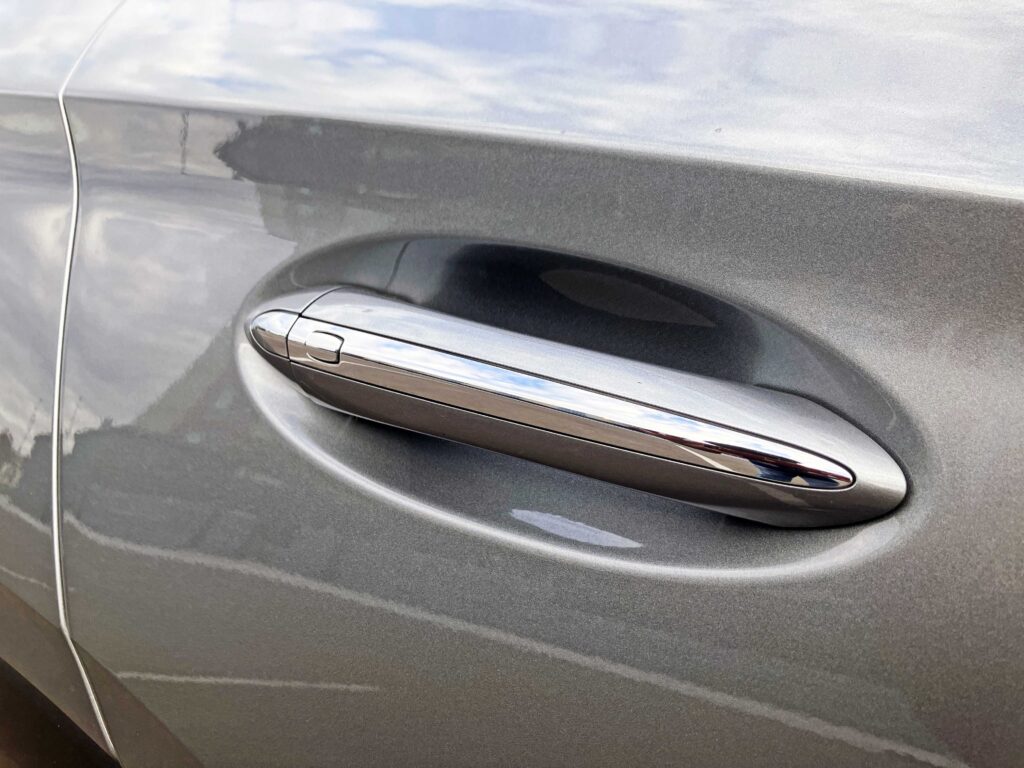
The door handles carry bright trim that suits the gently curved panels, and the front passenger handle includes a lock button. That small physical control is a useful detail in a market where functions increasingly move into screens or software menus. The rear section also borrows some of the early-1960s Buick Special’s upright, gently rising profile without trying to reproduce its shape outright.
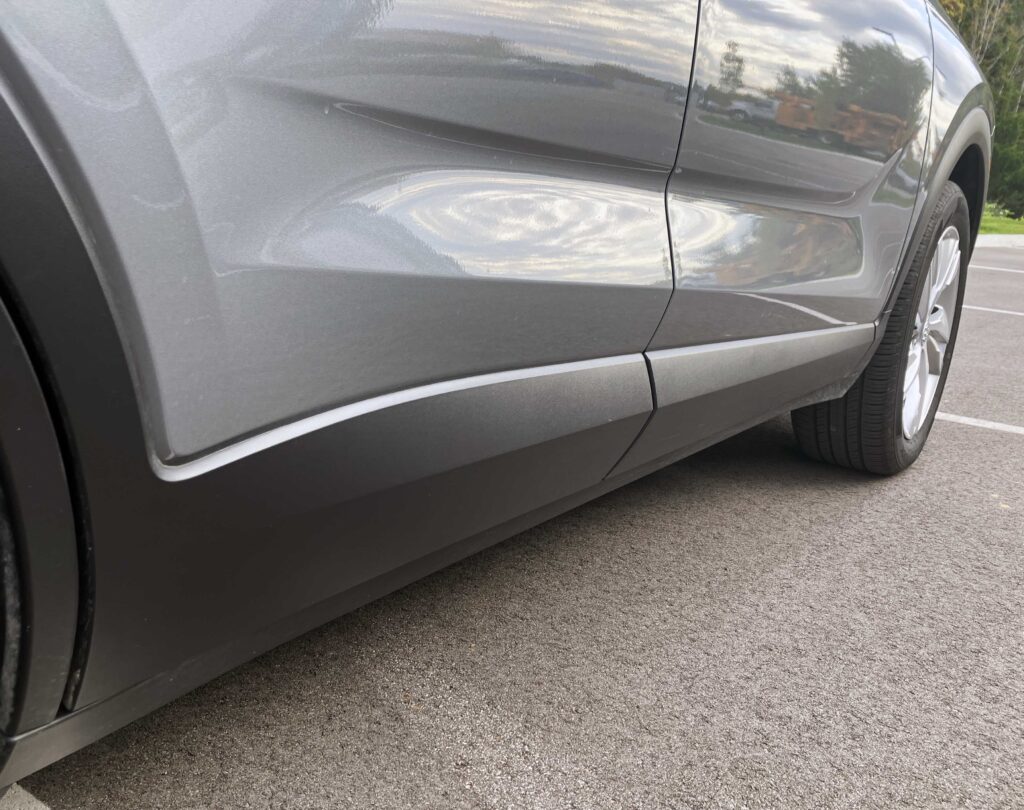
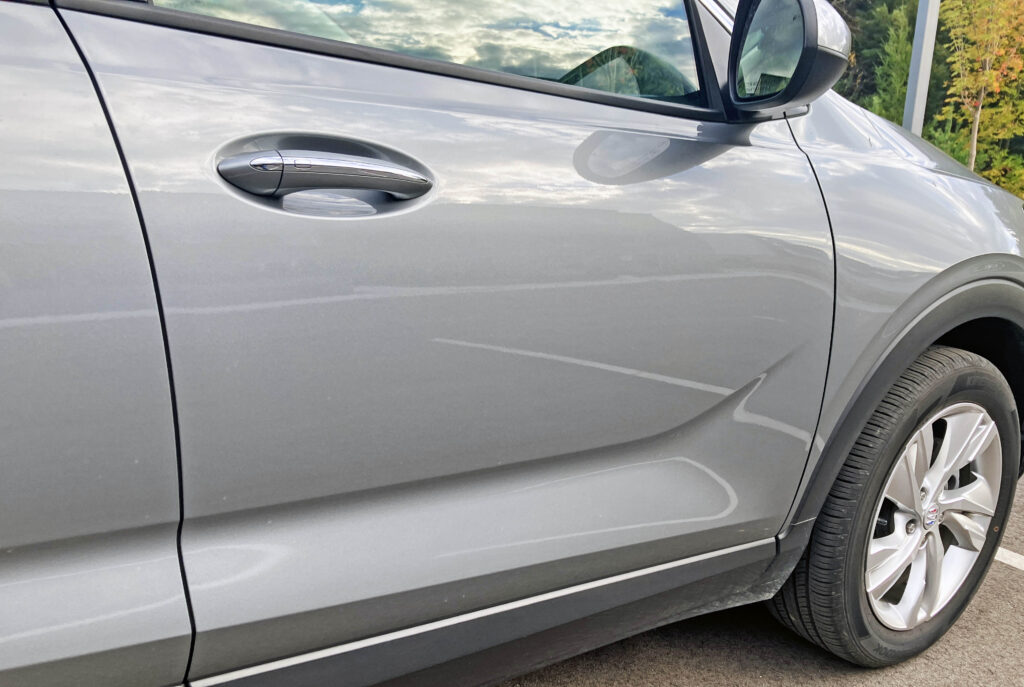
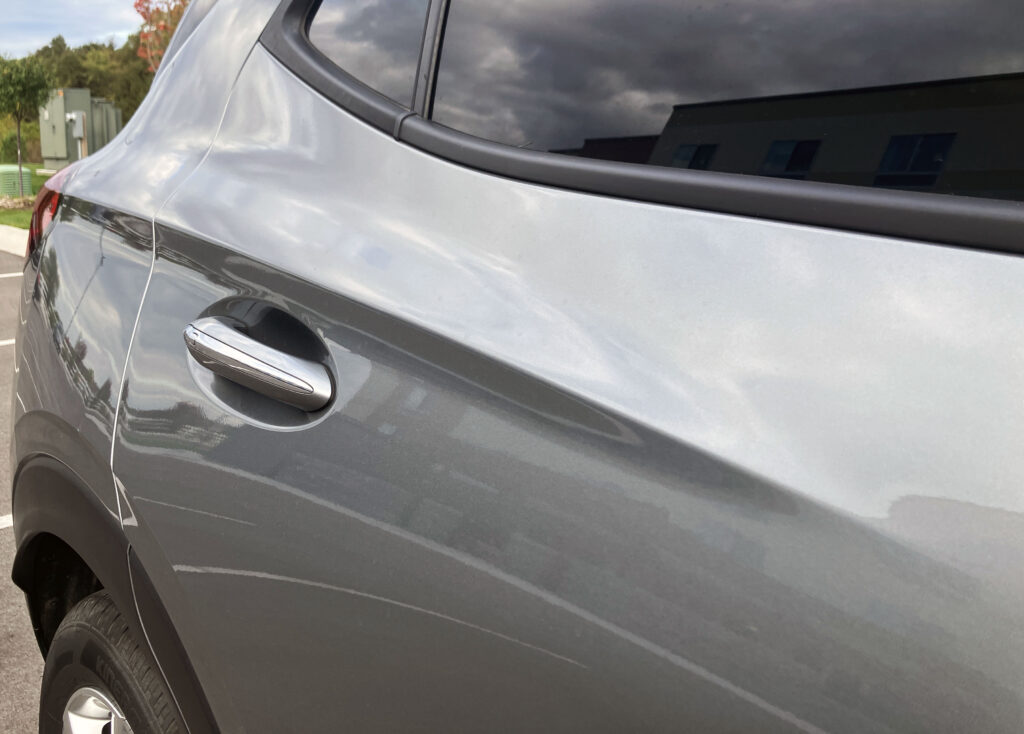


At the rear, the rising window line meets the spoiler’s angle, while subtle body creases flow into the taillights. The wheels look properly scaled to the body, and the compact overhangs keep the vehicle from appearing too bulky. The Mazda CX-30 is a strong styling comparison in this class, but the Buick has a more overtly sculpted look and a badge that draws more attention to itself.
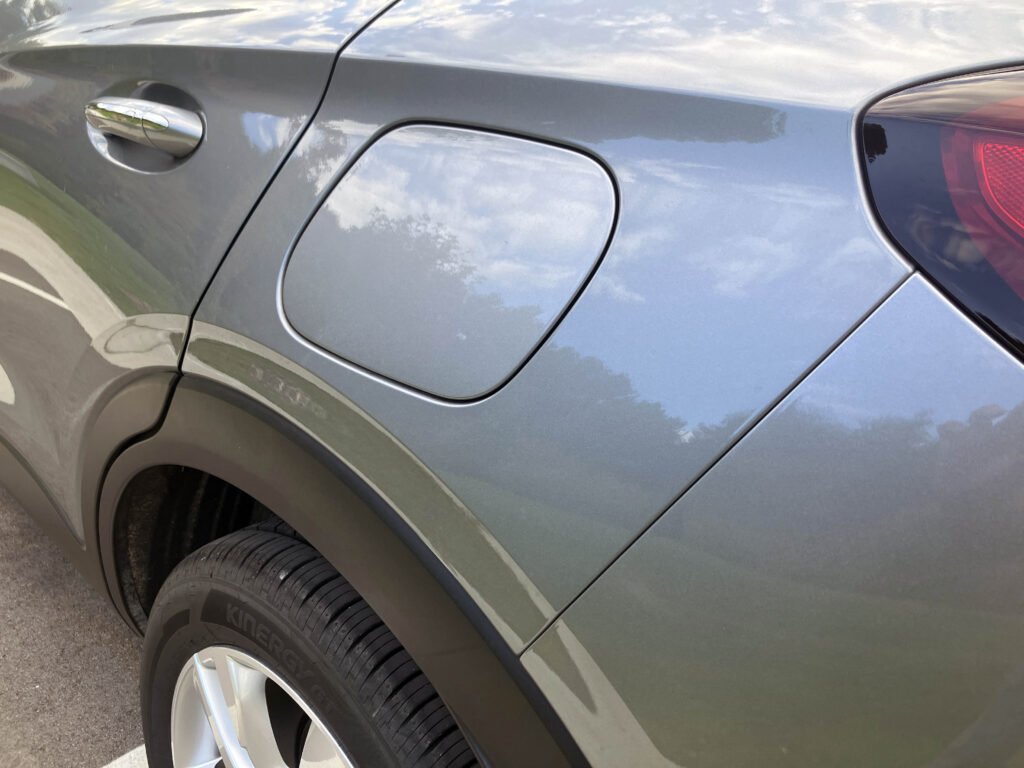
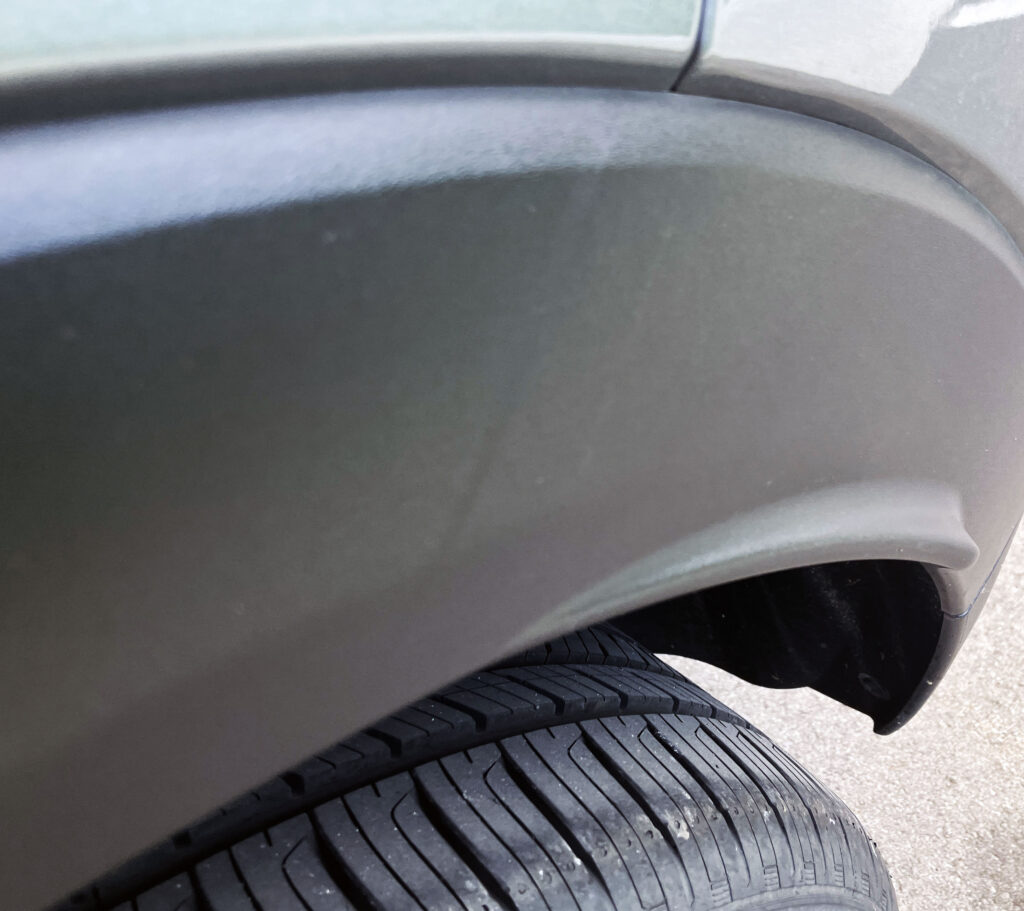
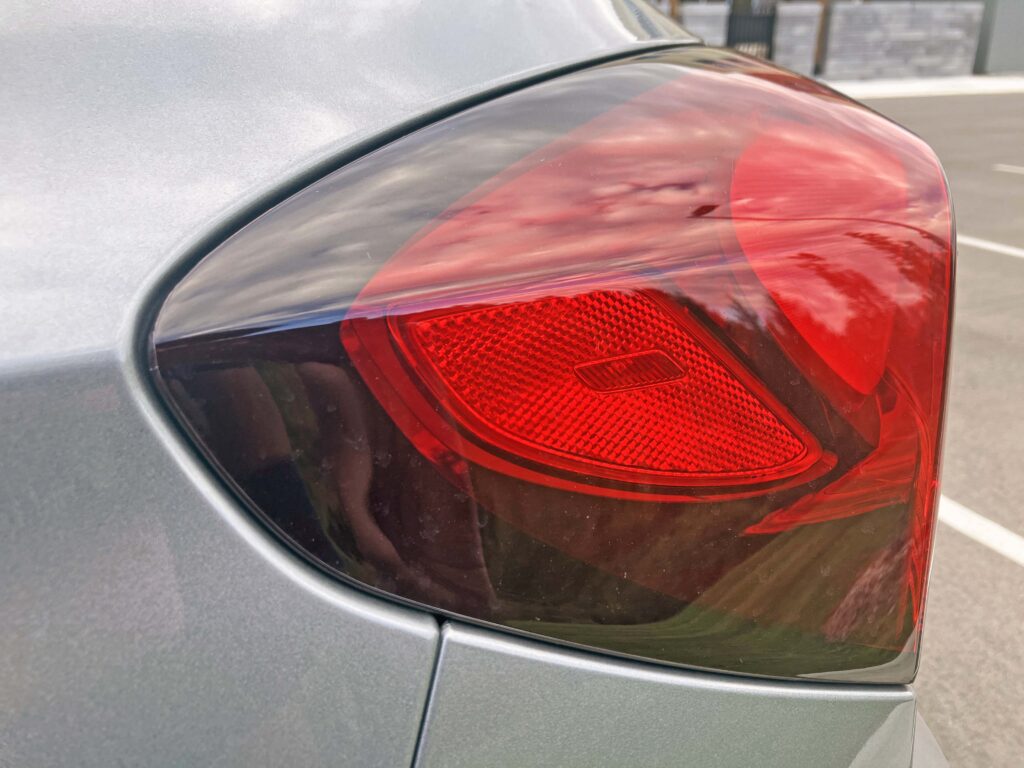
The fuel door is shaped to follow the cut lines of the rear door and bumper. Its angled outline fits the surrounding geometry better than a simple circle would. At the wheel arch, a small aerodynamic lip continues the effort to control airflow around the body. The rear quarter panel has a defined transition, and the taillight’s side reflector follows that shape rather than cutting across it. These carefully matched details suggest that the design team paid attention to areas that are easy to overlook on a lower-priced crossover.
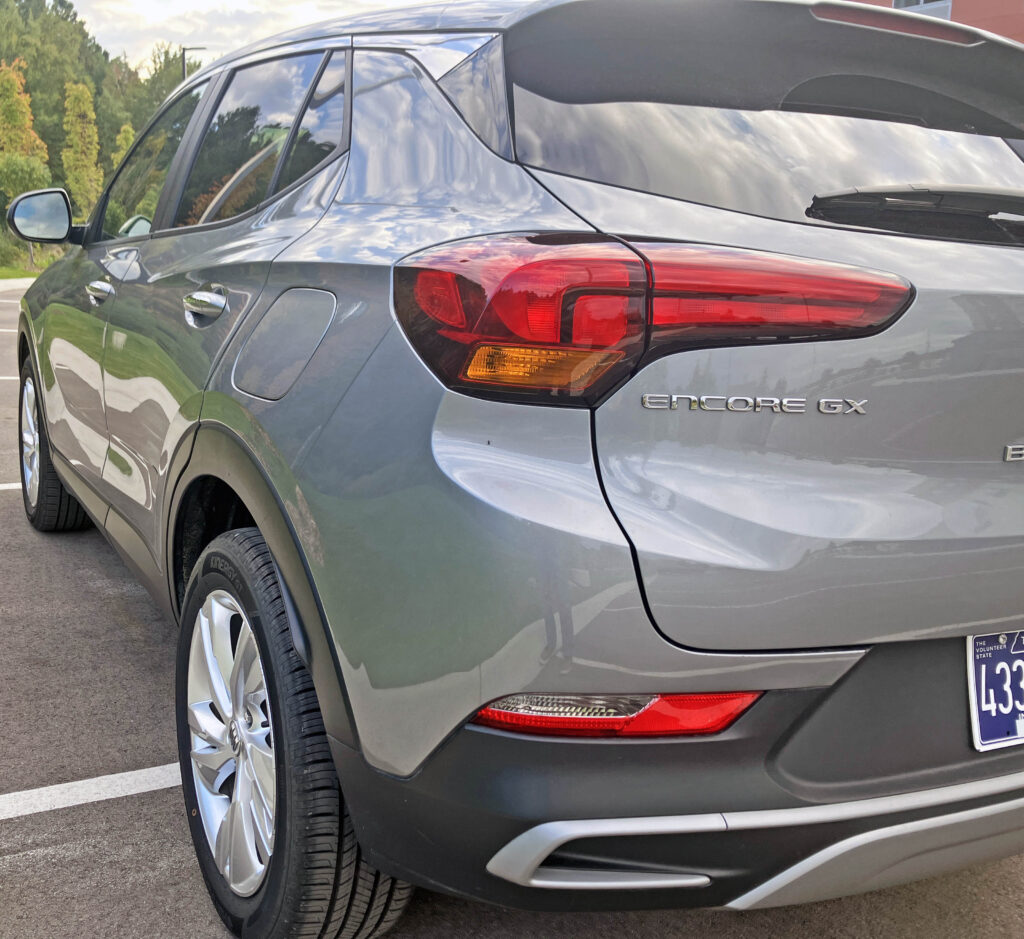
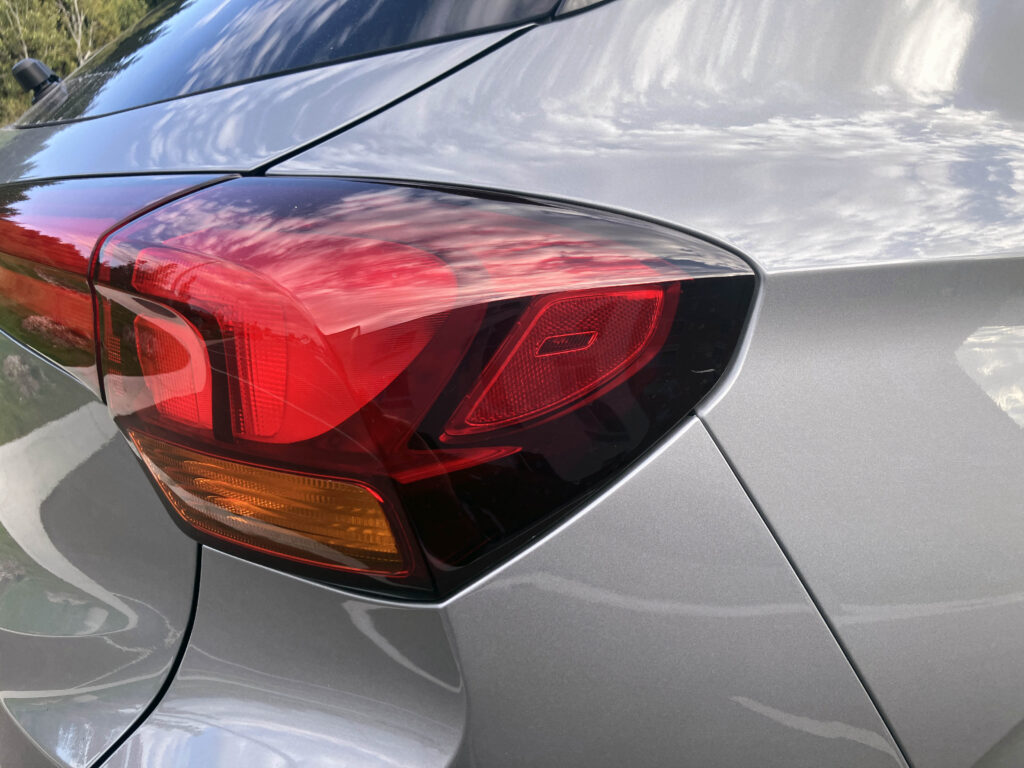
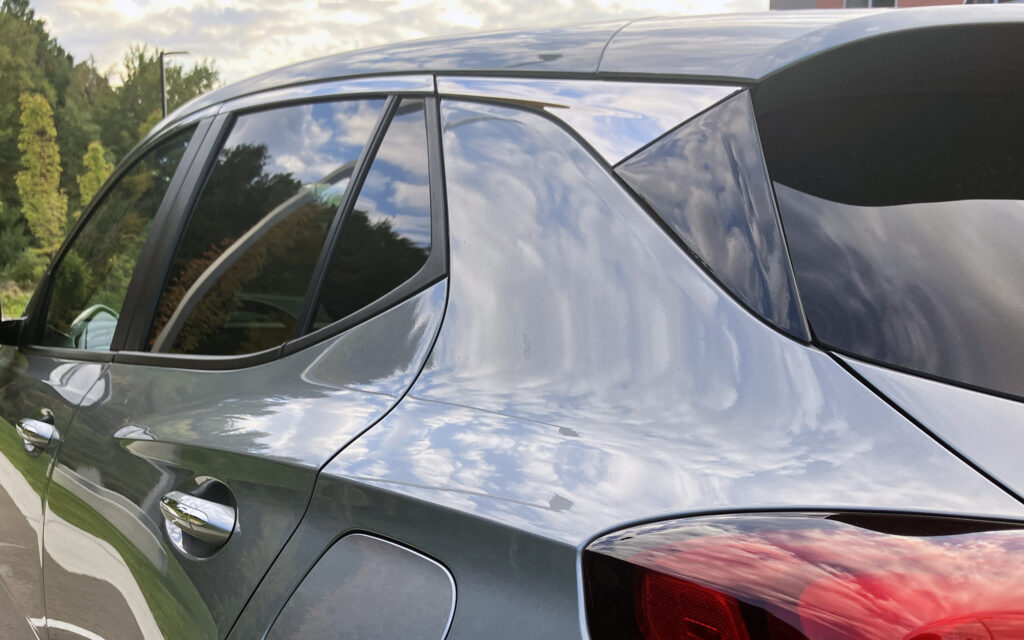
The rear quarter has enough shape to catch the light, and the substantial C-pillar gives the car a reassuring visual heft. That’s one benefit crossovers have over inexpensive family sedans: the raised body and broader cabin allow more room for sculpted shoulders and visible transitions between panels. Here, the effect looks practical and composed rather than merely tall.

A restrained tail and a bold badge
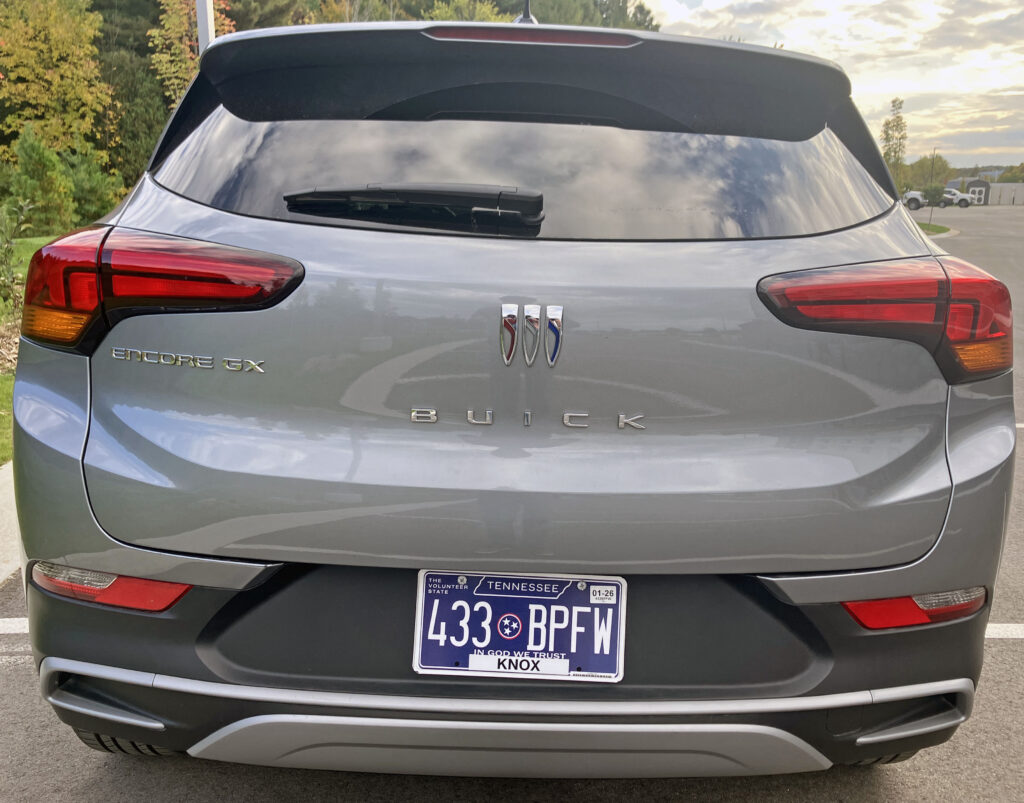
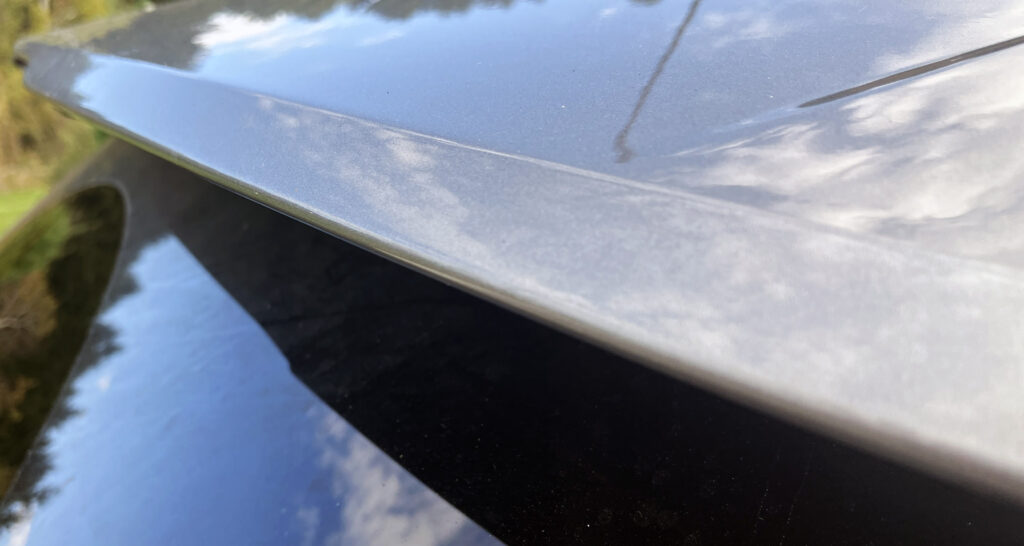
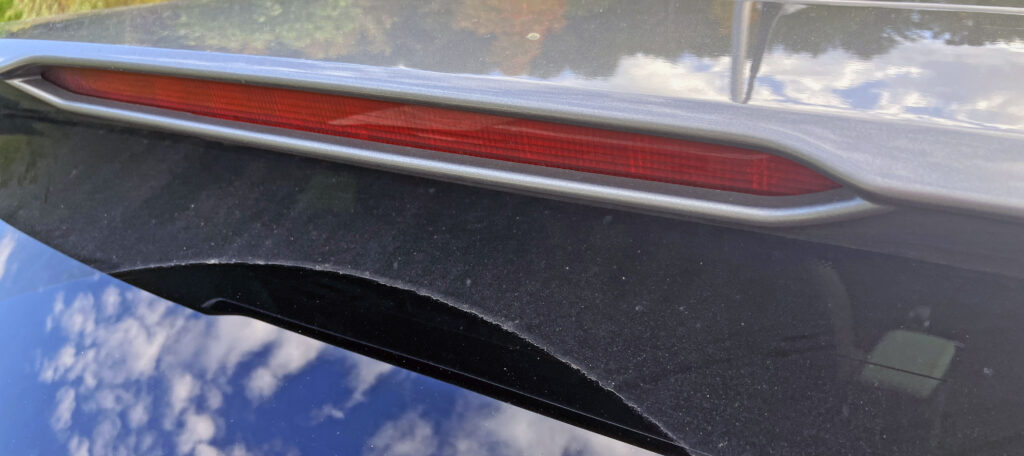
The roof stamping and rear spoiler give the hatch enough structure to avoid a plain, boxy silhouette. The spoiler ends in a crisp bend, and its high-mounted brake lamp has an angular shape that feels more dramatic than the rest of the tail. The upper hatch remains comparatively simple: a light crease across the glass adds definition, while the Buick emblem takes center stage.

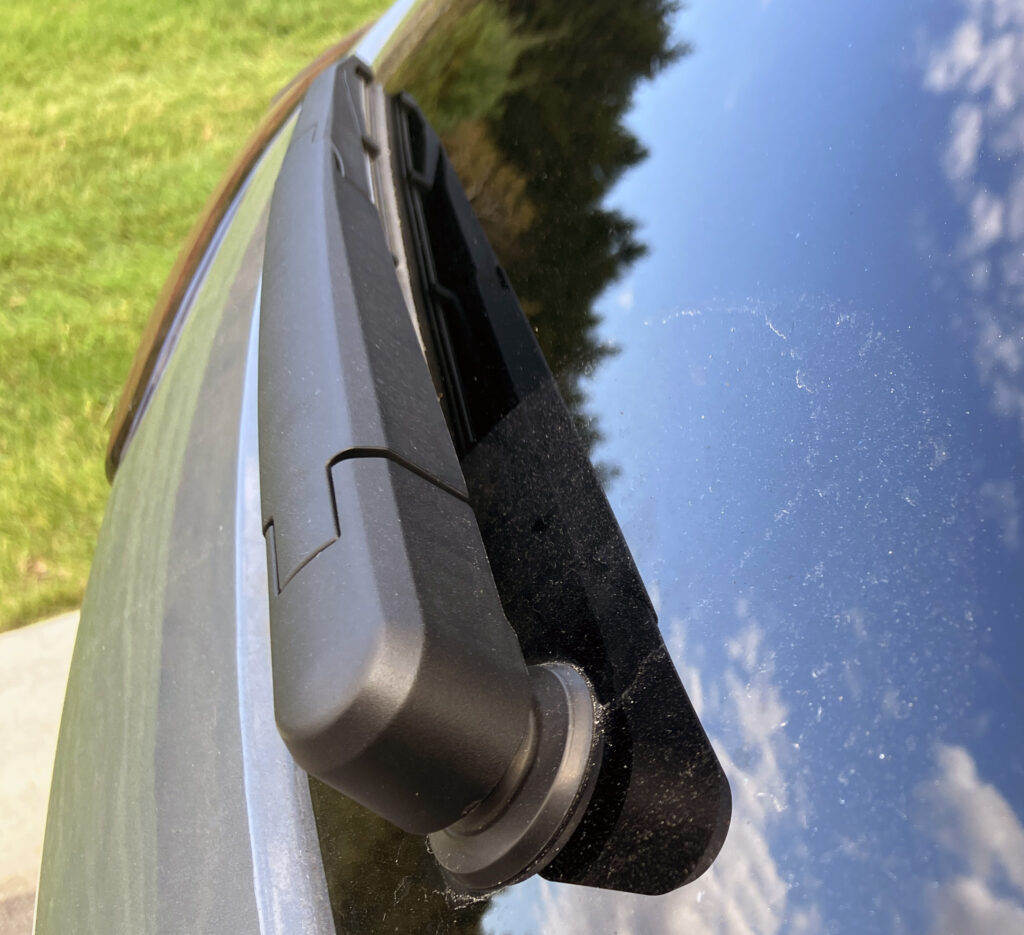
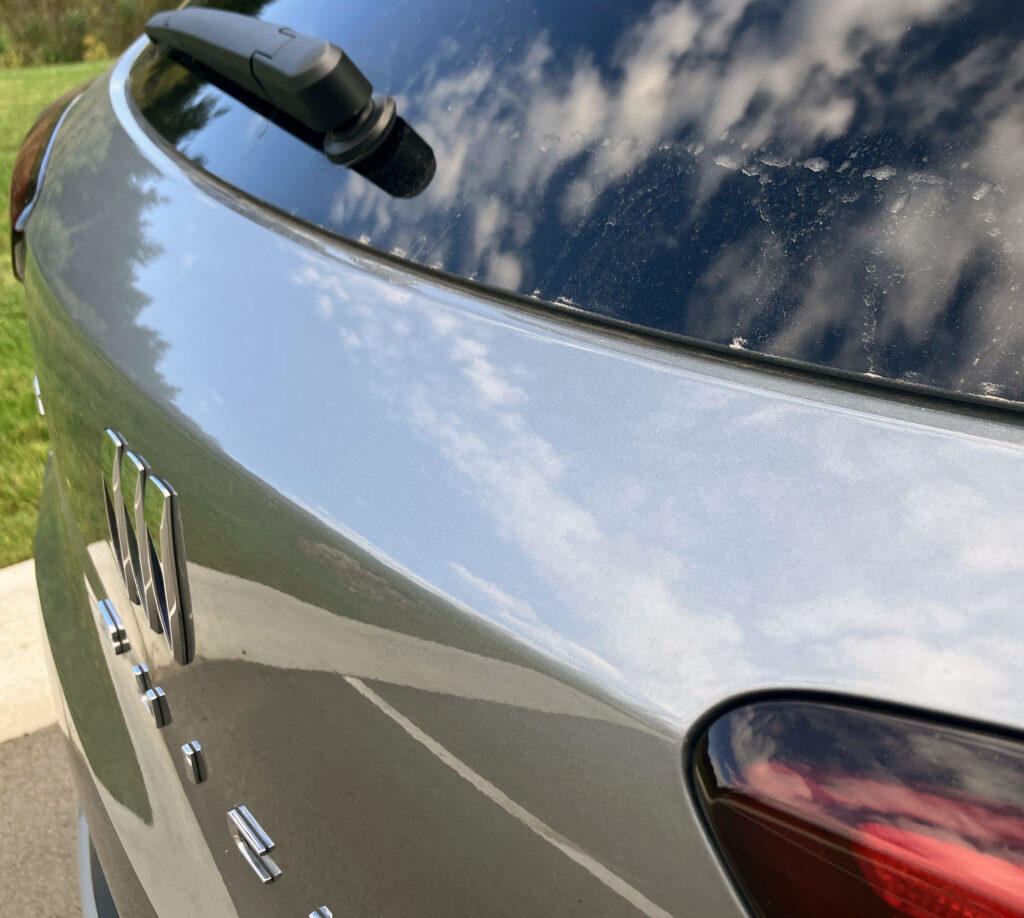

The rear logo makes the hatch feel purposefully composed, even though its surface work isn’t as elaborate as the hood. The taillights rise slightly from the body and use several layers of dark, textured and frosted material. Their detail becomes more cohesive on closer inspection, though the Mazda CX-30 handles similar lamp textures with a little more visual elegance. Buick’s lamps still contribute to a tail that feels designed rather than left as an afterthought.
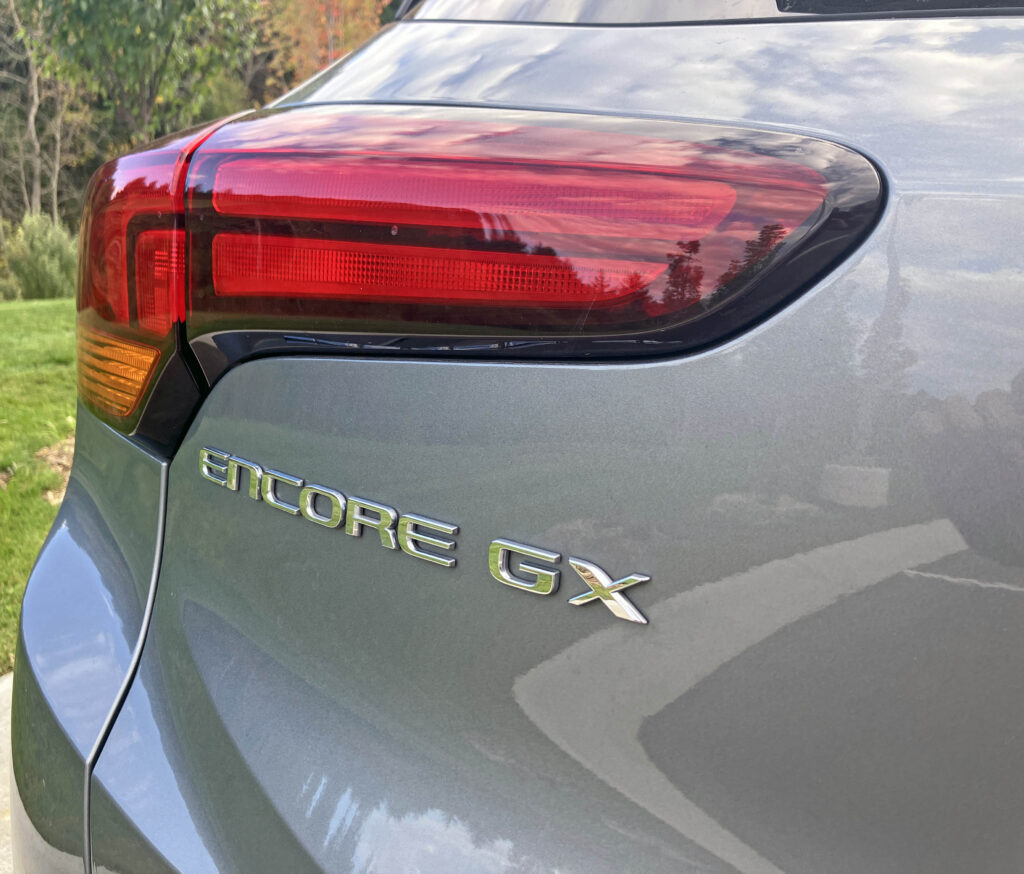
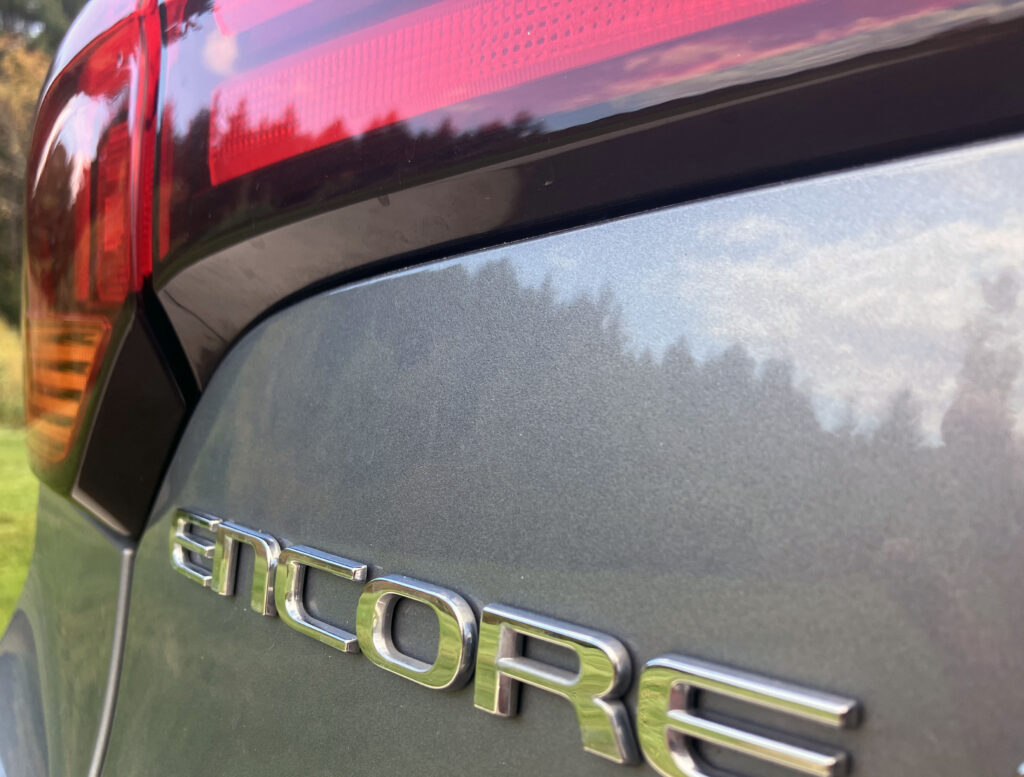
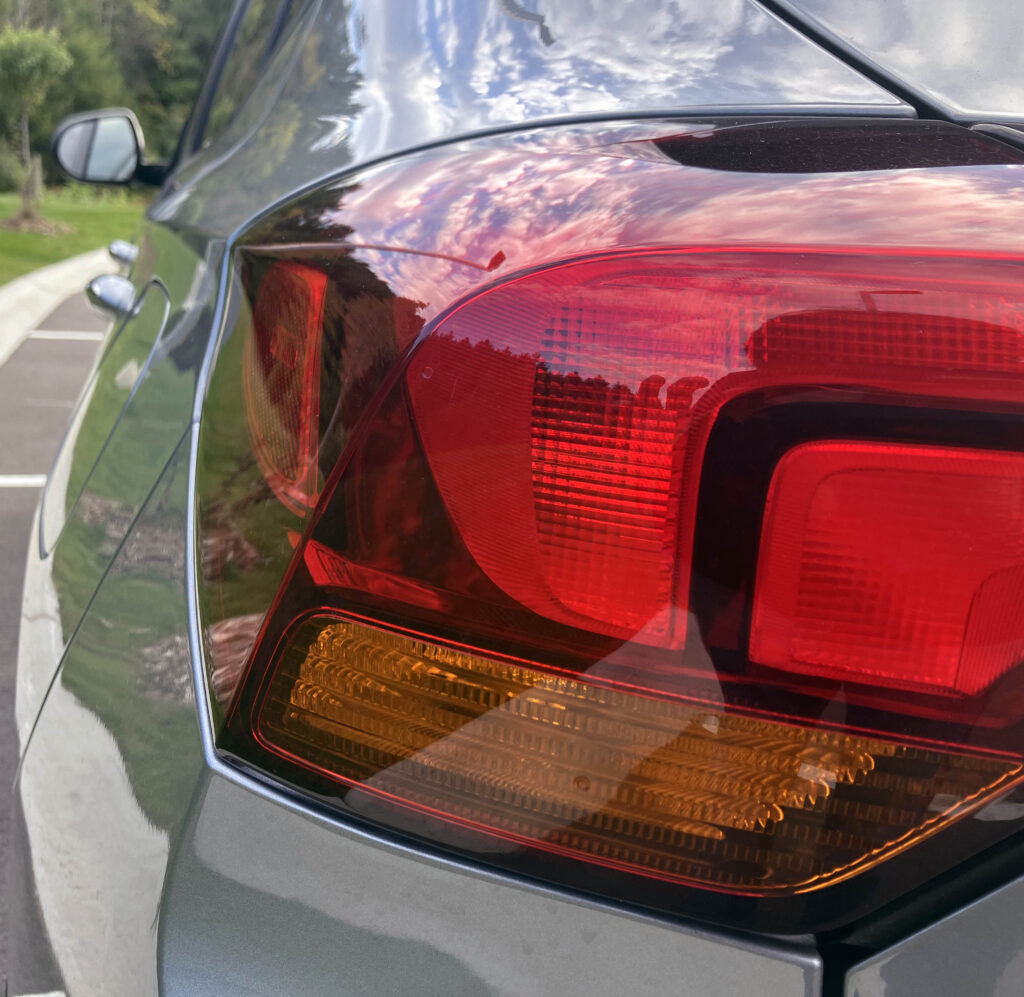
The rear styling echoes the pointed, layered forms at the front. The hatch, rear glass and lamps share related curves, but none repeats another element exactly. That gives the design a sense of continuity without making it feel like a theme applied by template. Buick’s smaller Envista uses a similar visual setting for the same emblem, so the badge is becoming a recognizable feature across the range.
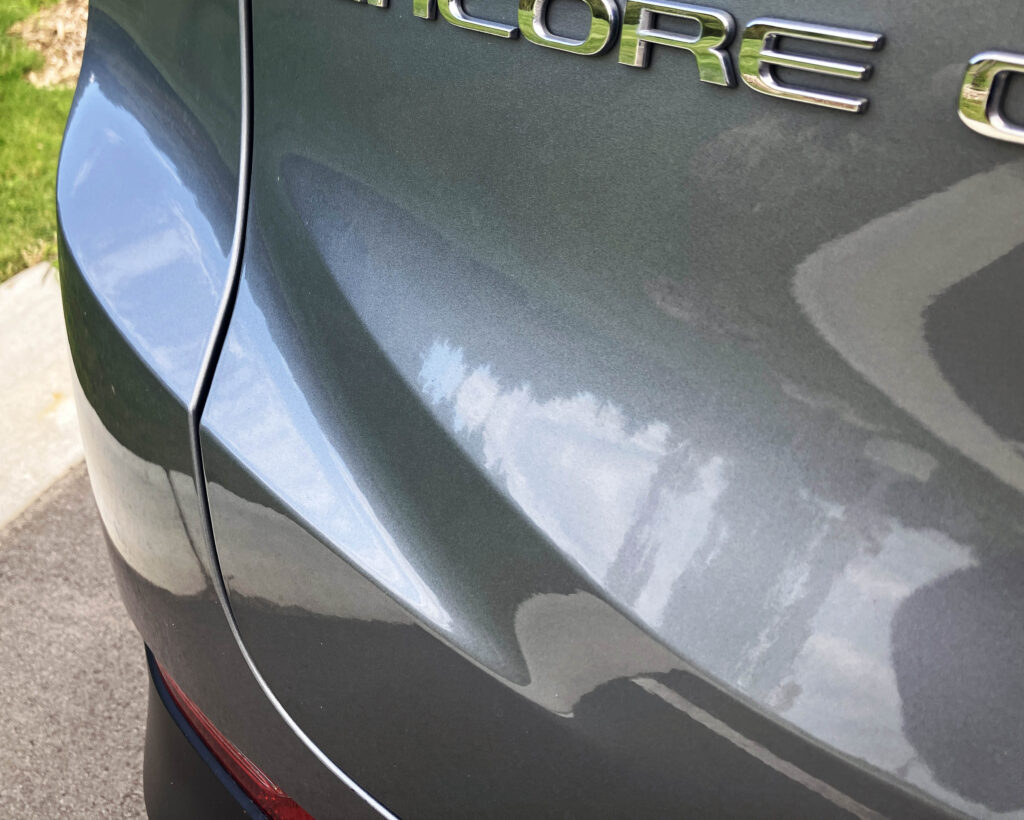
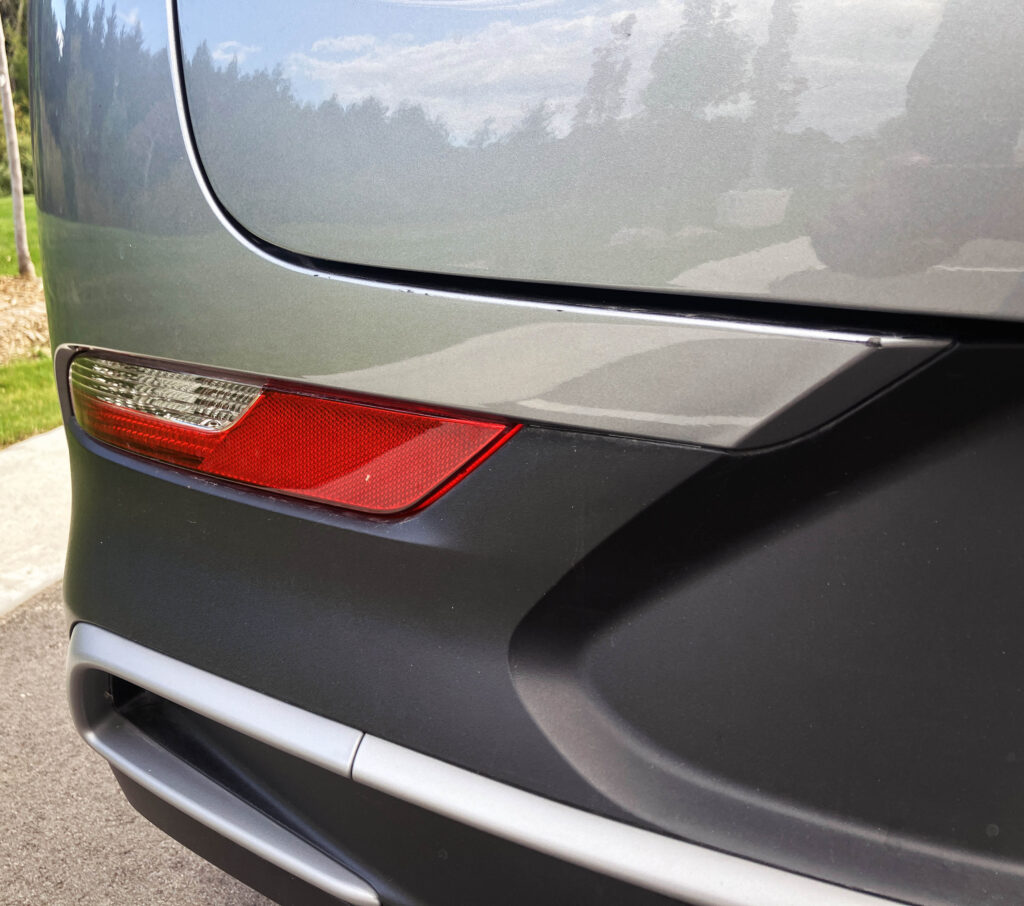
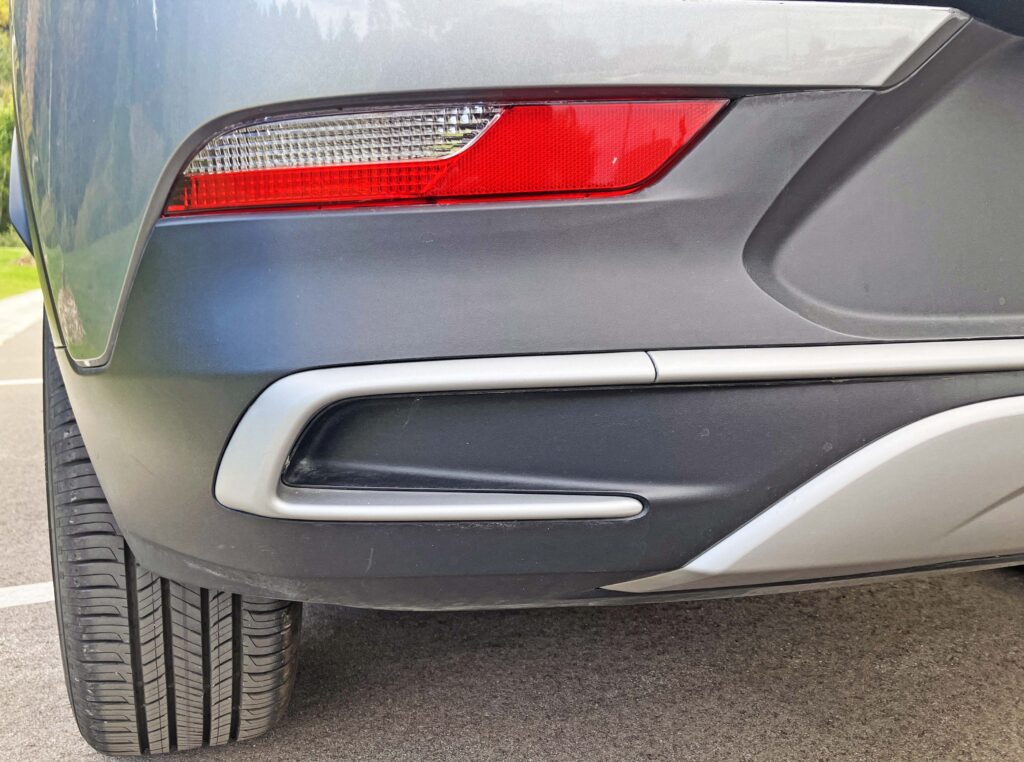
The rear bumper uses dark plastic pods for lighting and reflection, along with molded recesses that suggest exhaust outlets. The actual engine is a three-cylinder, so those exhaust-like shapes are decorative rather than a promise of a sporty sound. They’re part of a familiar crossover styling vocabulary: simulated outlets, a contrasting lower section and a central area that hints at a diffuser or an aftermarket hitch. The busier surface gives the back more visual interest than a broad, flat panel would.
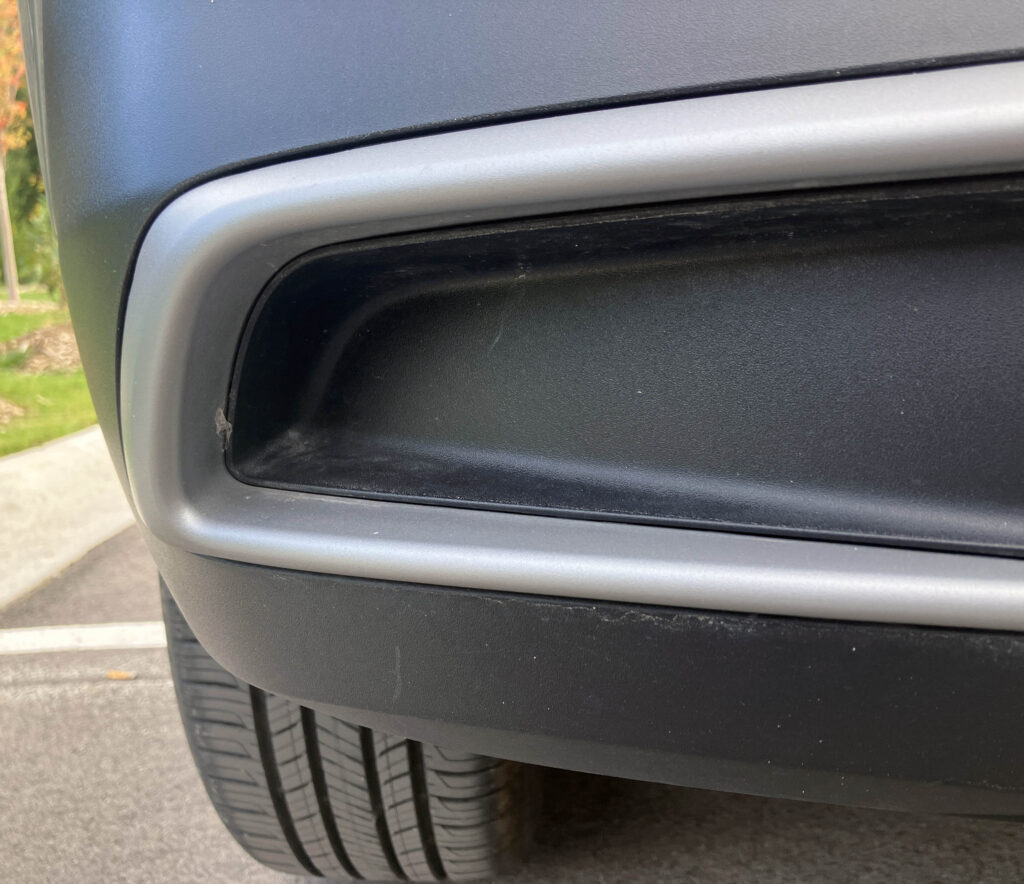
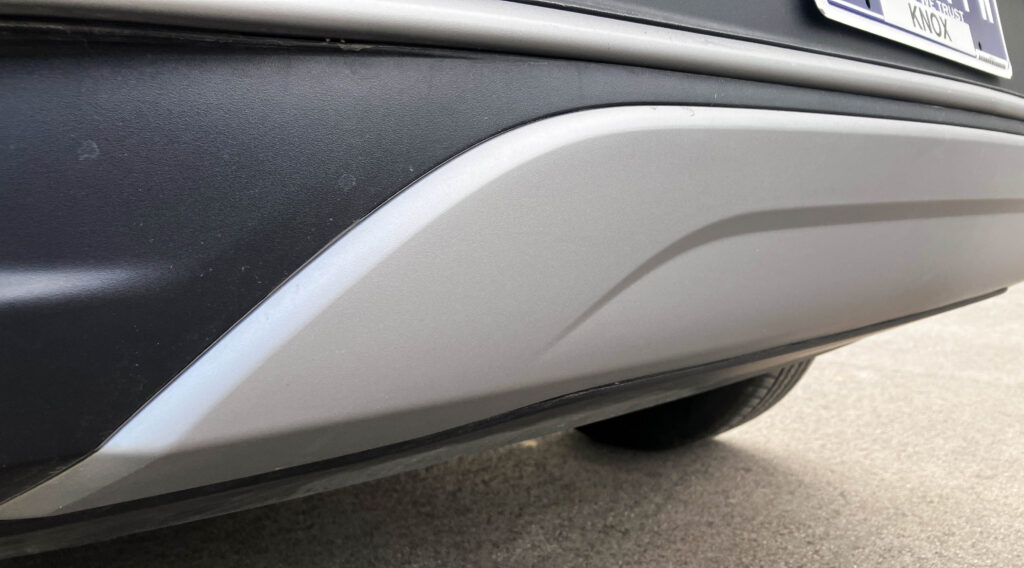
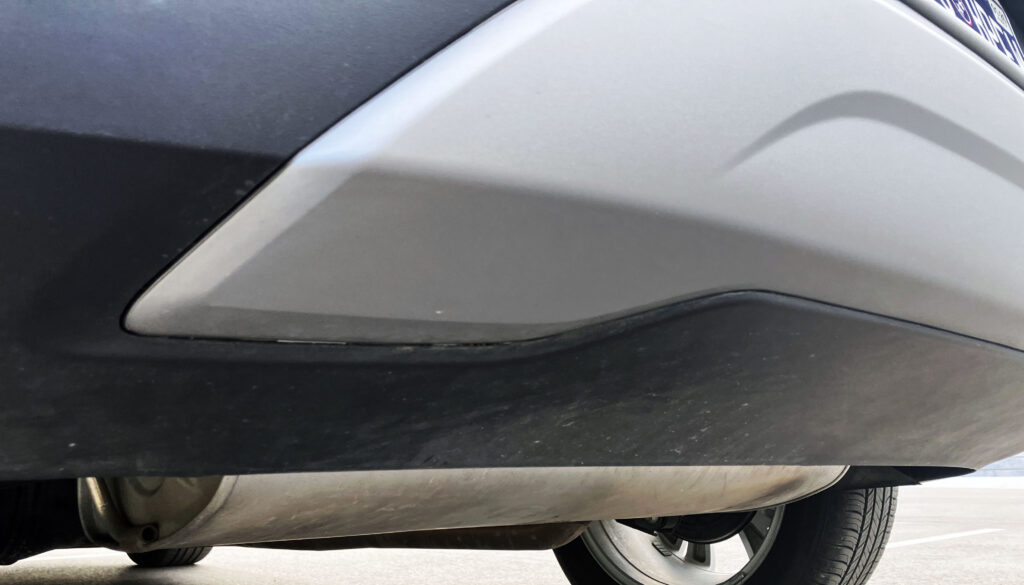
Those details won’t fool anyone into expecting a high-performance exhaust, and they don’t need to. They fill a large plastic bumper with shape and provide visual contrast beneath the hatch. The broader design lesson is familiar: crossover buyers often want the impression of ruggedness, while manufacturers need to keep the body’s airflow and proportions tidy. The Encore GX negotiates that brief with a layered rear fascia rather than an empty expanse of plastic.
Seen from farther away, the hatch’s raised surfaces recall the hood’s contours, and the rear window and taillights help carry that shape across the car. The resemblance is loose enough to avoid literal repetition. It’s a small crossover with plenty of styling cues to notice, but the best of them work together as a single design rather than demanding attention one by one.
What the design says about Buick
The Encore GX’s appeal is largely visual, but the styling also gives Buick a practical way to introduce its current identity to buyers who may not have a fixed idea of what the brand should look like. The car’s small footprint, family-oriented body and roughly $27,000 starting price put it in reach of mainstream crossover shoppers. Its three-cylinder turbo and available CVT are conventional economy-minded choices for the class, rather than the sort of hardware that defines the car’s character.
That makes the design’s execution matter. Buick has taken themes first shown on an electric concept and used them on a gas-powered crossover that can serve as a daily driver. The vehicle’s most persuasive details—the pointed hood, separated lighting, layered grille and carefully shaped rear quarter—are visible without requiring buyers to know the concept that came before it.
The source article says the Encore GX has been selling about as well as the larger, three-row Enclave, and describes the car as helping attract new customers to Buick. That’s a meaningful role for a compact crossover: it can introduce the badge to drivers who might not otherwise consider the brand. Buick’s refreshed emblem and common design direction give those buyers something recognizable to associate with the name.
There are obvious price-related compromises. Some black plastic is left plain, a few seams interrupt the body’s flow, and the lower grille and simulated exhaust details are less convincing than the hood and upper fascia. Yet the car’s proportions, standard 18-inch wheels and careful surface work keep those compromises from defining the whole vehicle. The available 19-inch wheels on the Avenir add another step up for buyers who want a more dressed-up look.
My read is that the Encore GX succeeds because its strongest cues are specific to Buick without relying on nostalgia alone. The hood nods toward older American shapes; the tri-shield has history; the rest of the body is firmly a modern compact crossover. For drivers comparing affordable options, the appeal is straightforward: the Encore GX brings practical packaging and an accessible price together with a face and profile that are easy to pick out in traffic. Its next challenge is to carry that clear design identity across the rest of Buick’s range.
The post Vellum Venom: 2025 Buick Encore GX appeared first on Hagerty Media.


