In lane Electric Vehicles
The Atlas of Car Design Review: A Useful Guide with Notable Gaps
Description
Phaidon’s 568-page atlas introduces more than 650 cars, though its selection leaves out several designs central to the story.
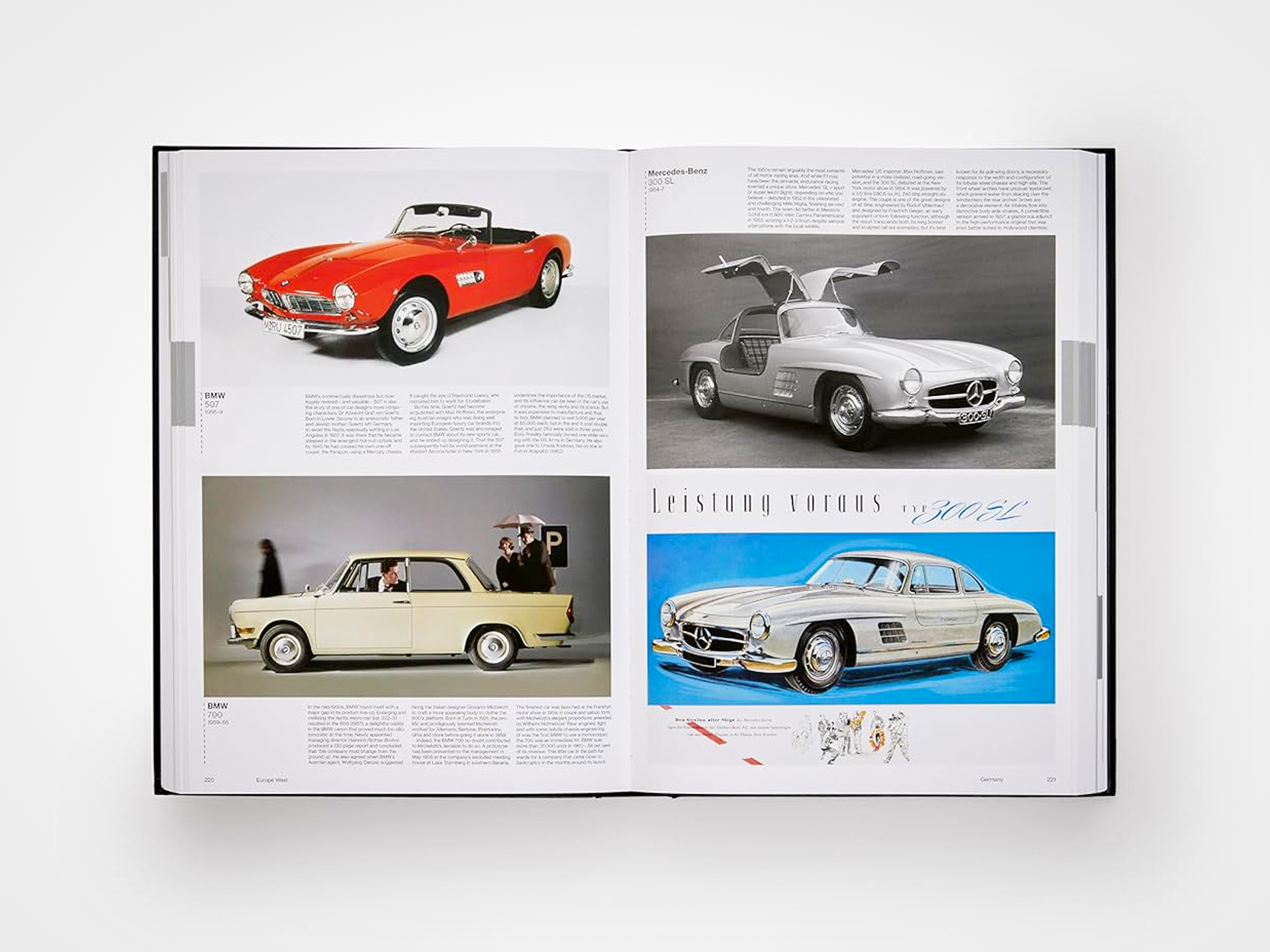
Phaidon’s The Atlas of Car Design gives curious enthusiasts a broad, handsome introduction to automotive design history. With more than 650 vehicles across 568 pages, it’s a substantial reference, and its short entries make room for plenty of discoveries. But readers looking for a definitive account may notice gaps in the choices: several influential production cars and concept vehicles are absent.
That breadth matters because car design can be difficult to study from the outside. Automakers tend to keep the work inside their studios private, even after a finished model reaches showrooms. Books can open a window onto that history, but comprehensive titles are scarce. Matteo Licata, a former car designer who now teaches design history in Turin, says he has struggled to recommend an accessible, reasonably priced book that covers the subject broadly.
He approached this review with both interest and some caution. The book makes a strong first impression. Its minimalist cover avoids tying the volume to a single brand, model or period, and the physical presentation meets the high standard he expects from Phaidon.


A global structure with uneven coverage
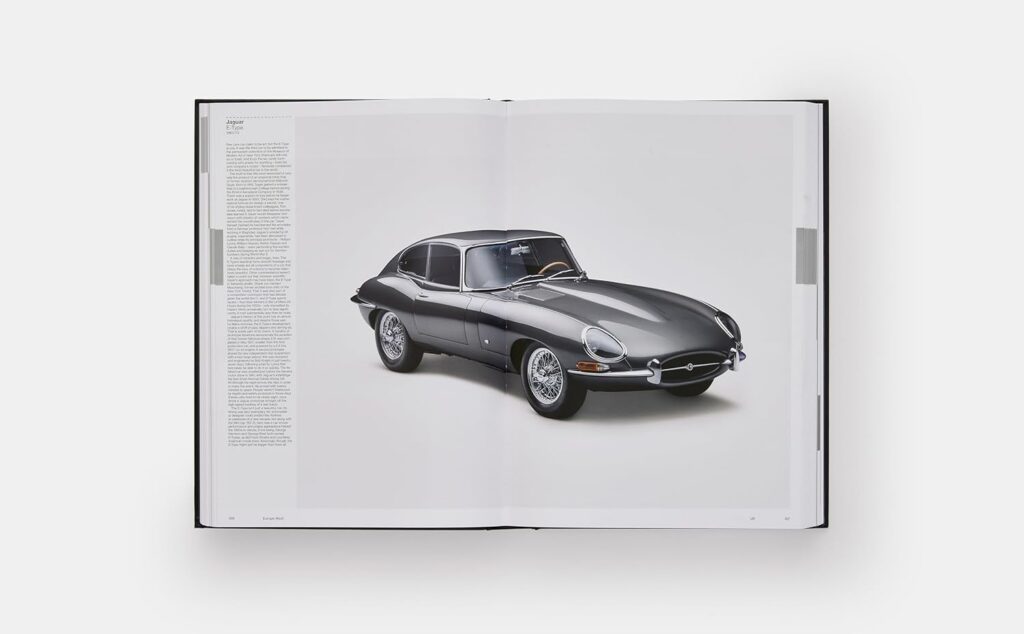
Two opening essays set the scene. Jason Barlow surveys the history of automobile design, while Brett Berk focuses on Detroit’s role in the development of the discipline. From there, the atlas organizes its entries by region: North and South America; Eastern and Western Europe; the Middle East and Africa; Asia; and Australasia.
The format makes the book easy to browse across places and eras. North America and Western Europe receive most of the space, as expected, while less familiar cars from other regions also get an image and a brief account of their historical place. That approach can turn up unexpected details. For example, the book covers the Esplanada, a sedan based on a Ford design and sold in Brazil by Simca’s local subsidiary from 1966 to 1969.

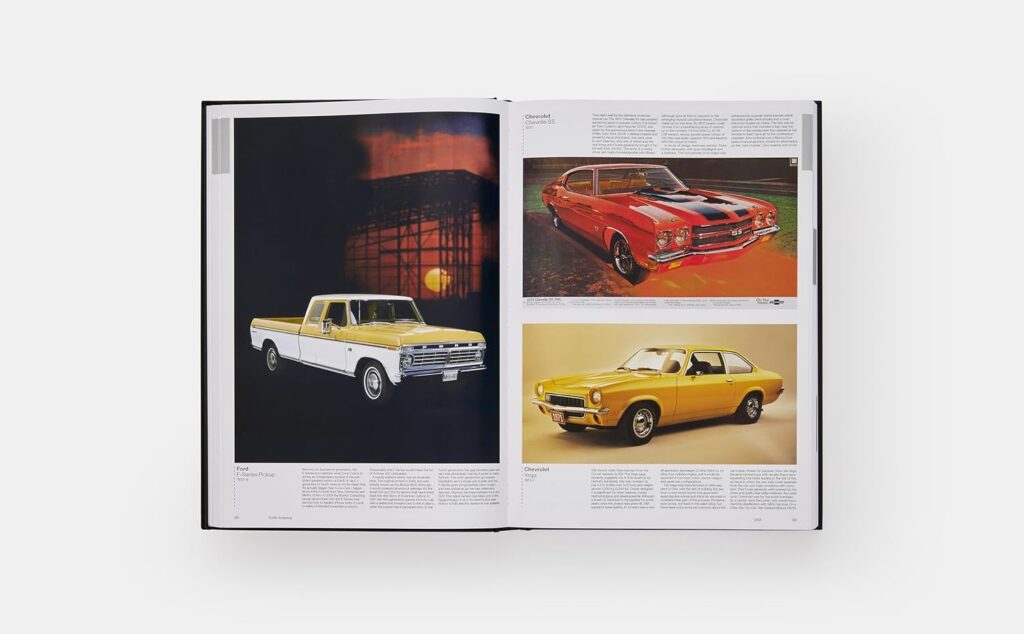
The first regional chapter features 118 North American vehicles, ranging from the Duryea Motor Wagon to the Lucid Air sedan. Familiar highlights such as the 1963 Corvette Sting Ray sit alongside less celebrated choices such as the Ford Pinto. Licata finds the writing generally accurate, and welcomes the effort to credit designers beyond the heads of corporate studios.
Some image choices, though, weaken the historical framing. The chapter shows a 1966 Lincoln Continental rather than the landmark 1961 version, and a 1968 Oldsmobile Toronado instead of the original 1966 design. Those later cars still have their merits, but the earlier versions better represent the designs’ initial intent.
What the selection leaves out
The bigger concern is the book’s selection criteria. Including cars from Africa and South America broadens the geographic view, but some entries seem to contribute more as curiosities than as essential design milestones. At the same time, Licata points to notable omissions: the 1986 Ford Taurus, which brought a sleek aero look to mainstream American cars, and the Mercedes-Benz 190 W201, a pivotal model in the brand’s history with an influential design. The inclusion of the Volkswagen K70 makes the absence of such significant cars harder for him to understand.
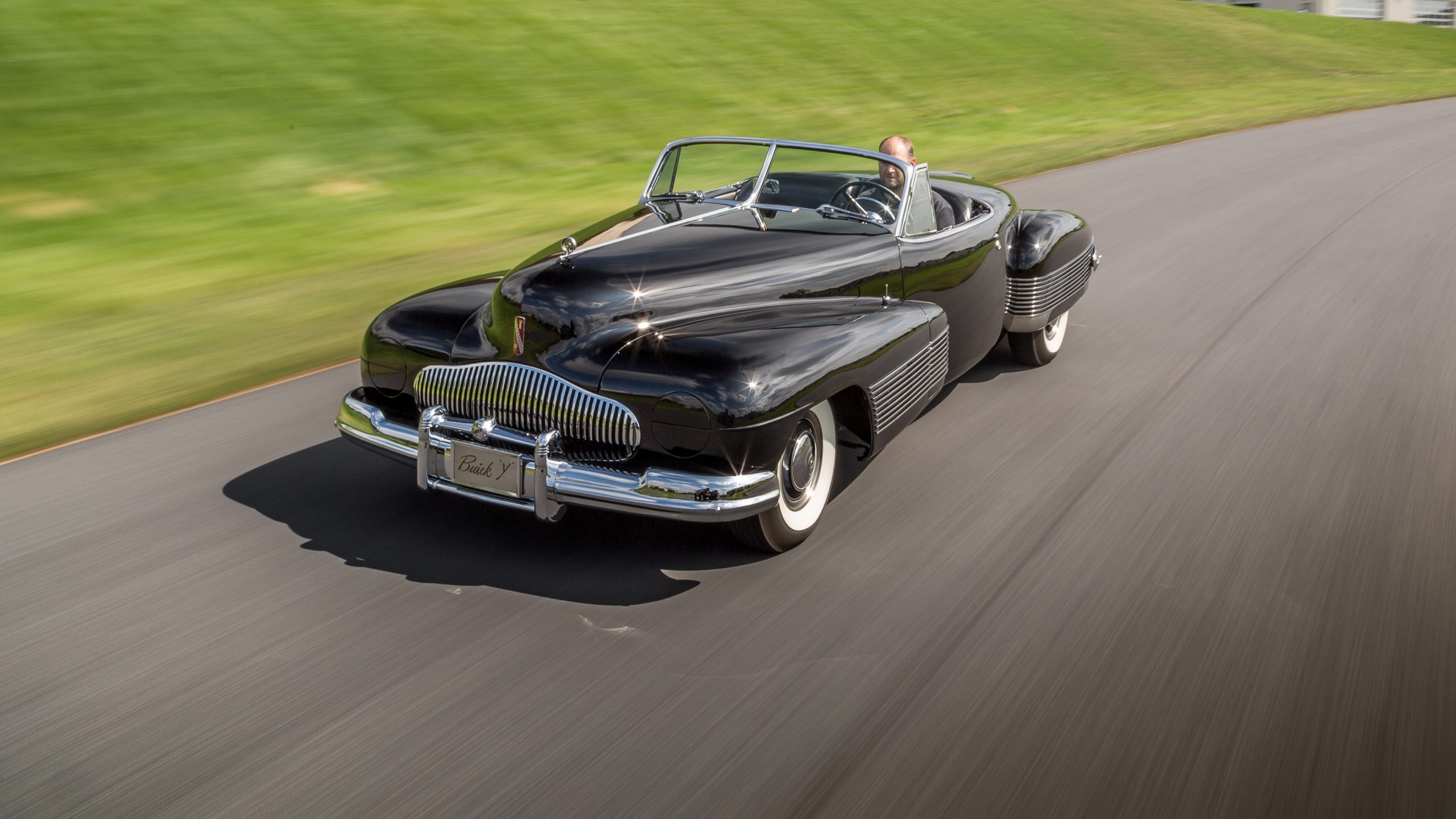
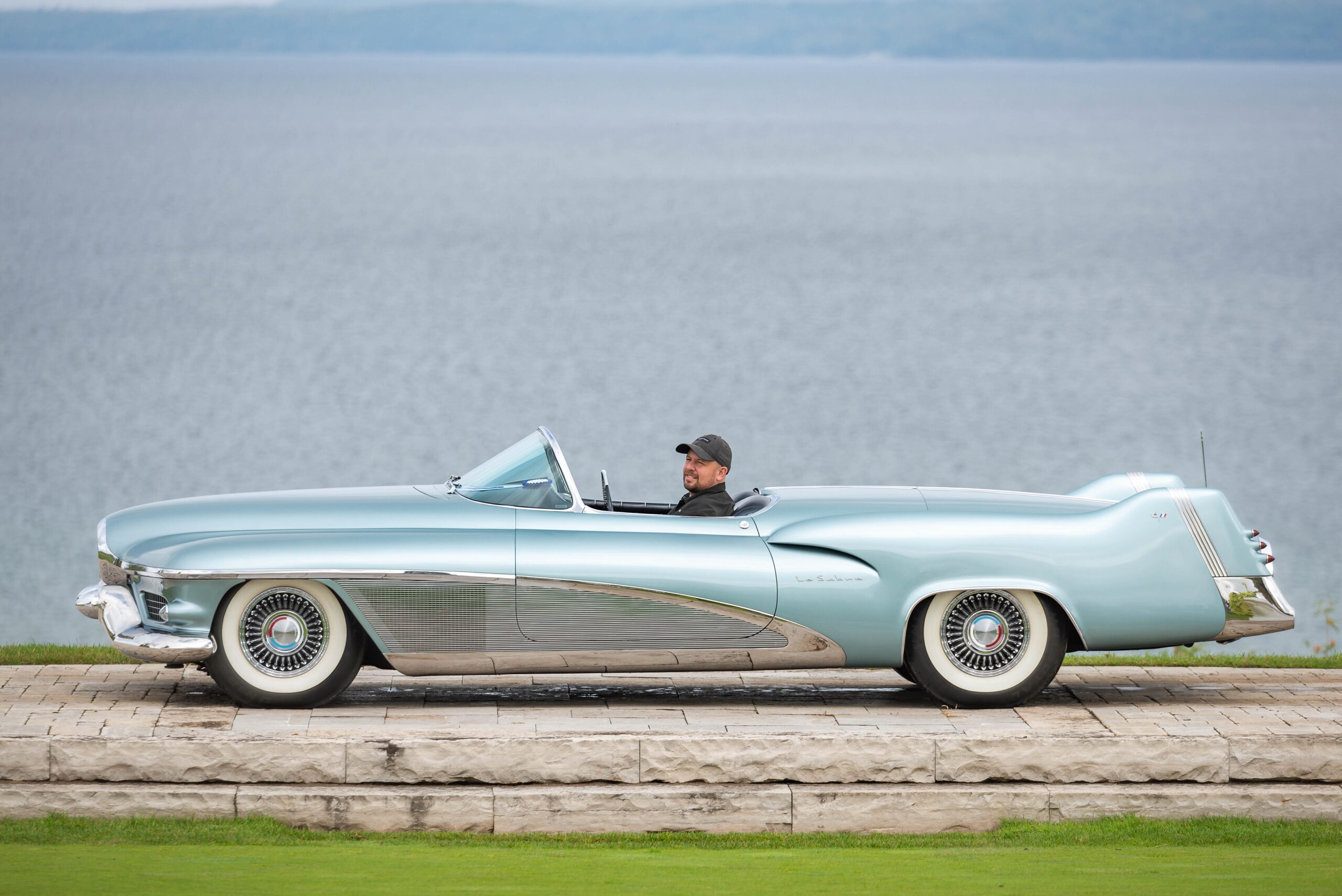
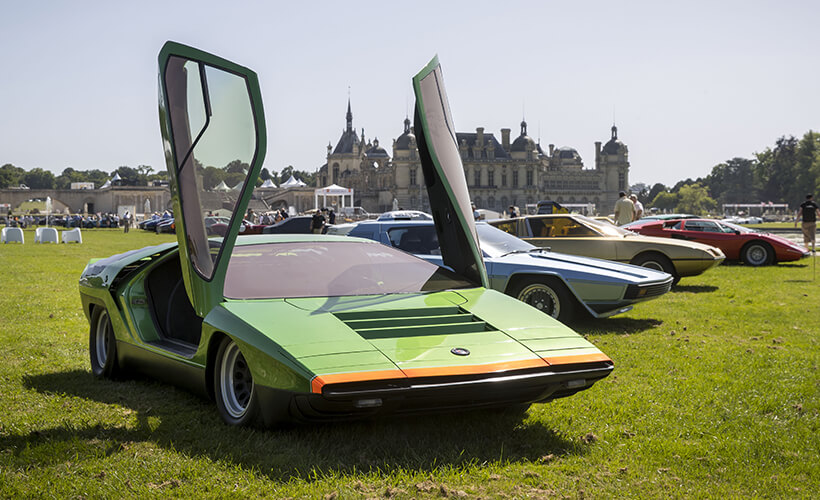
The decision to omit concept cars is another limitation. The atlas includes vehicles built in very small numbers, yet leaves out influential one-offs such as GM’s Y Job and Le Sabre, along with Bertone’s Carabo. Though these cars never went on sale, Licata argues that they shaped how later automobiles were designed. Their absence narrows the story the book can tell.
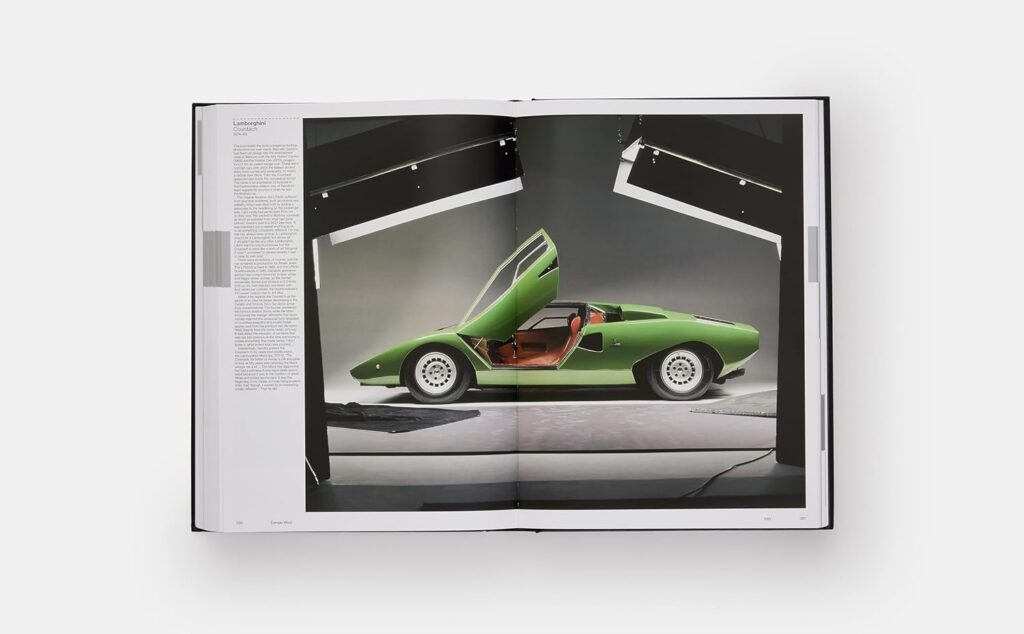
Those shortcomings don’t make The Atlas of Car Design a poor buy for enthusiasts. Licata considers it good value for the page count and production quality, and praises its research and capacity to introduce readers to unfamiliar cars. Its best role is as a starting point: an accessible tour of a sprawling subject, rather than the last word on it.
For design students seeking a fuller history, Licata still hasn’t found the book he would most like to recommend. His closing thought is that he may have to write it himself. Until then, this atlas offers a welcoming entry into the subject, with its omissions serving as a reminder of how much more there is to explore.
Matteo Licata earned a degree in Transportation Design from Turin’s IED (Istituto Europeo di Design) in 2006. He worked as an automobile designer for about a decade, including in the then-Fiat Group’s Turin studio, where his proposal for the interior of the 2010–20 Alfa Romeo Giulietta was selected for production. He later joined Changan’s European design studio in Turin and EDAG in Barcelona. Licata now teaches automobile design history to Transportation Design bachelor’s students at IAAD (Istituto di Arte Applicata e Design) in Turin.
Read more about The Atlas of Car Design. The original review appeared at Hagerty Media.


