In lane Electric Vehicles
Why the Lamborghini Miura’s Design Still Works at 60
Description
The Miura paired an unusual mid-engine layout with familiar sports car cues, refined details and proportions that made its radical shape easy to appreciate.
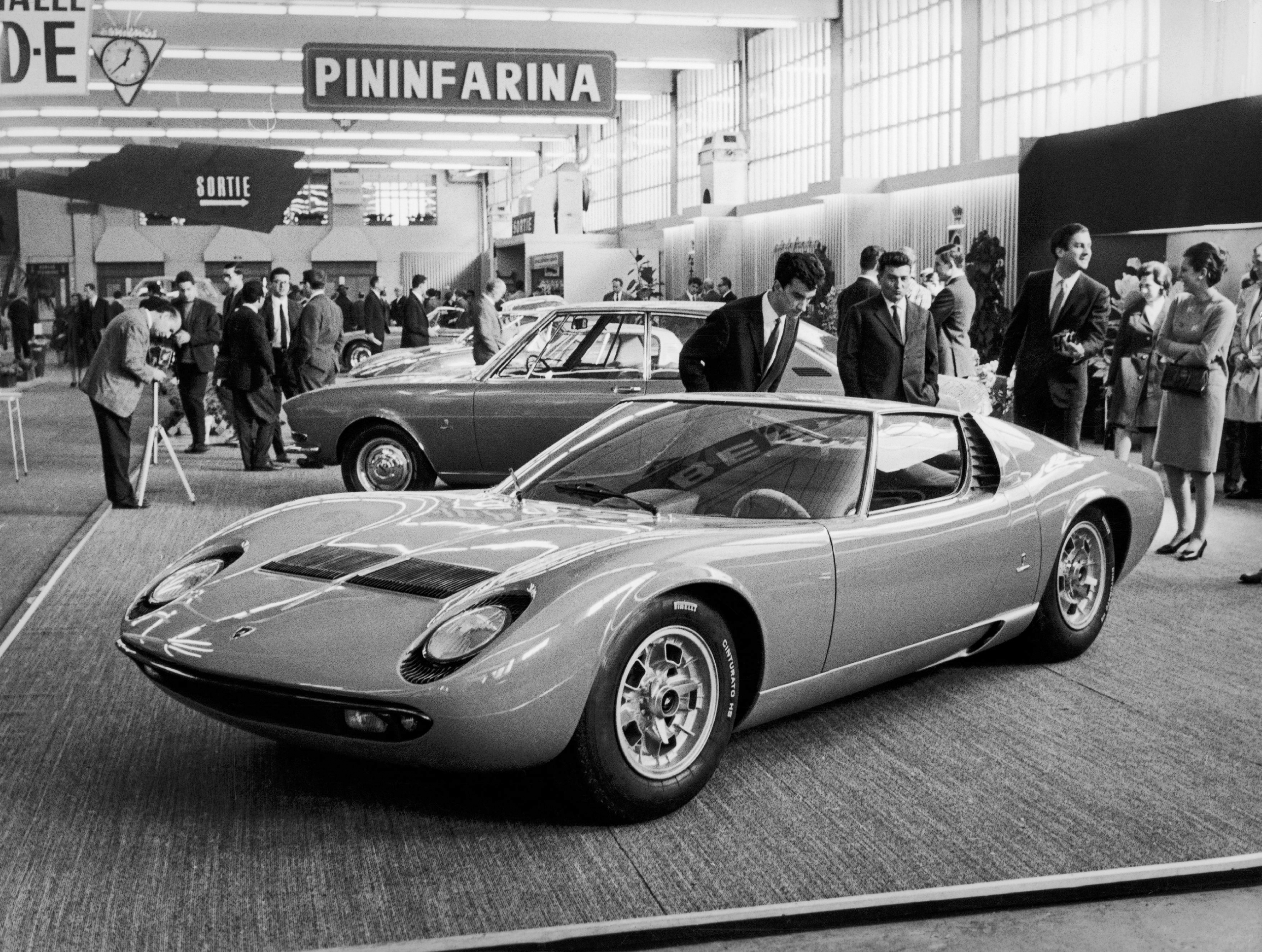
The Lamborghini Miura’s lasting appeal comes from a rare balance: it looks like a new kind of car, yet its shape remains inviting rather than forbidding. As the model turns 60, its design offers a useful lesson in how bold engineering and familiar visual cues can work together. The Miura didn’t merely put a mid-engine layout on the road; it made that layout look beautiful and understandable.
Its story starts with a chassis. At the 1965 Turin Motor Show, Lamborghini presented the P400 running chassis, a striking proposition at a time when mid-engine road cars were unusual. Jim Clark’s Lotus had won that year’s Indy 500, while front-engine Ferraris had won Le Mans as recently as 1962. Outside a small number of rare road cars and homologation specials, the mid-engine configuration had yet to establish itself among production sports cars.
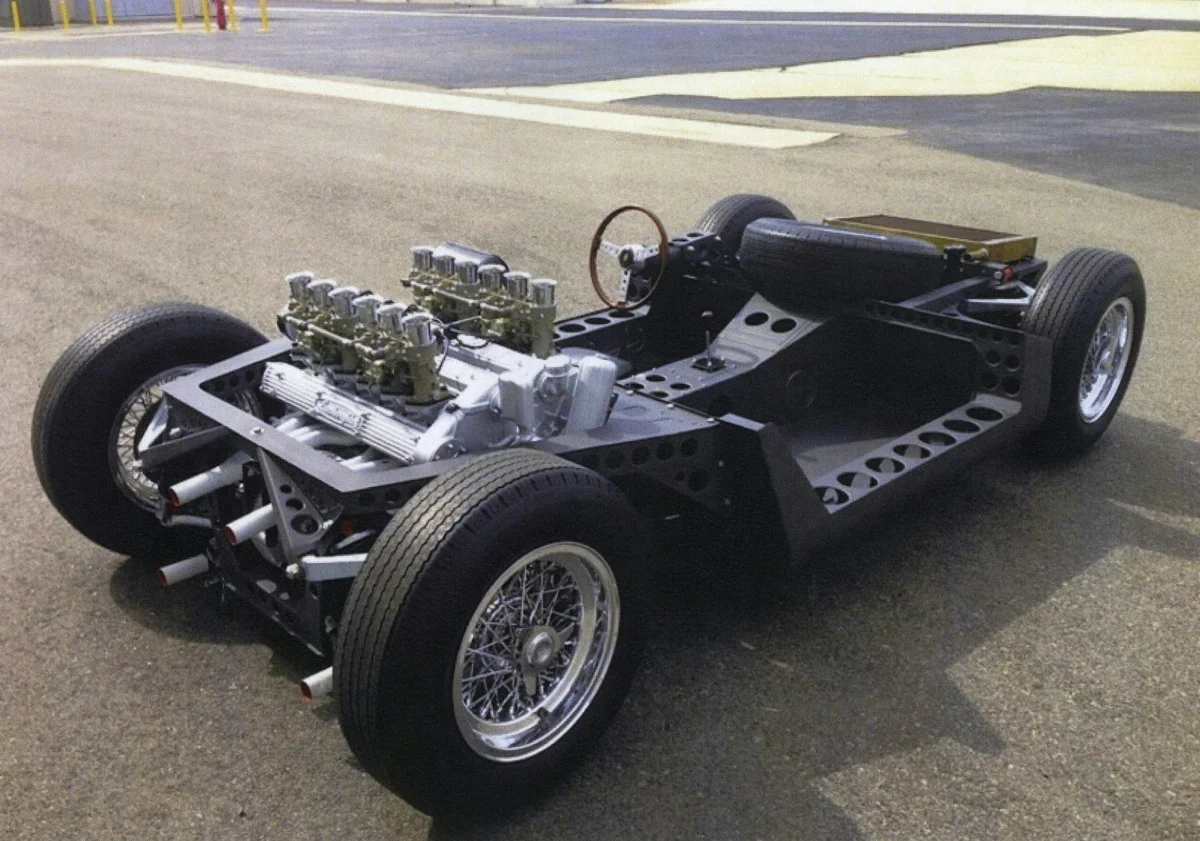
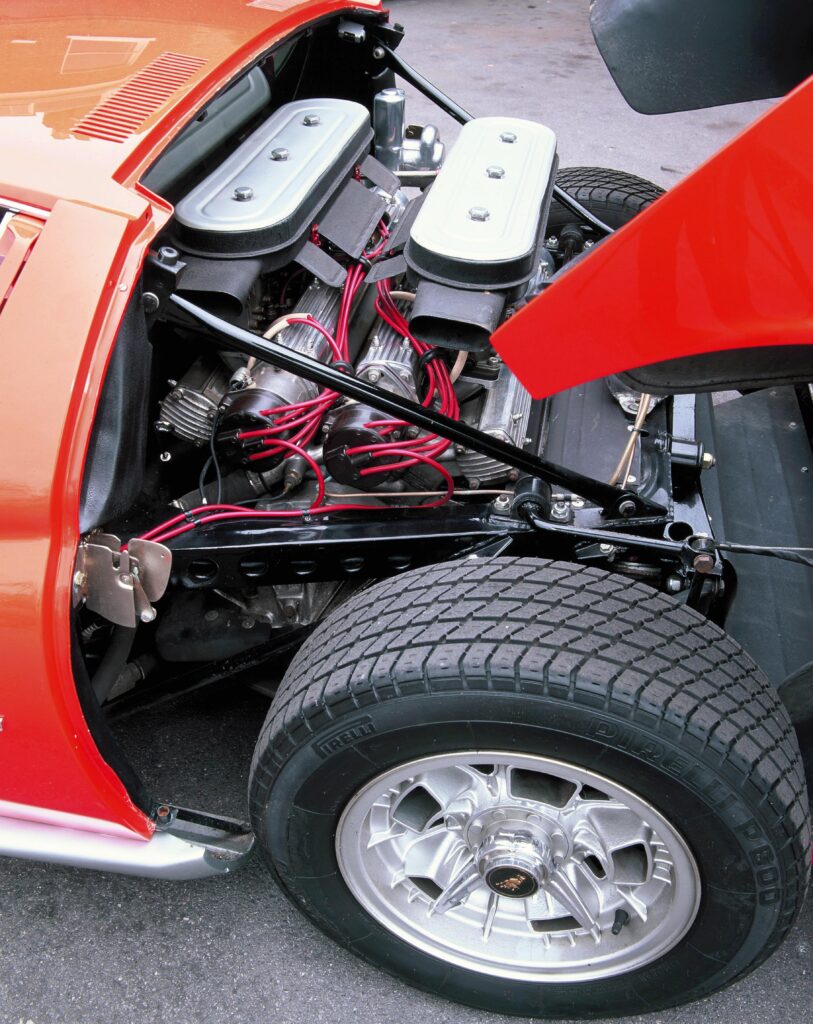
The chassis, designed by the young Giampaolo Dallara, set up the Miura’s defining visual puzzle. Its proportions don’t follow the template later associated with mid-engine supercars. That difference came from practical choices: Dallara wanted a short wheelbase and compact car, so he mounted Lamborghini’s 4.0-liter V-12 transversely, taking inspiration from the Morris Mini. Placing the fuel tank at the front also shaped the car’s stance.
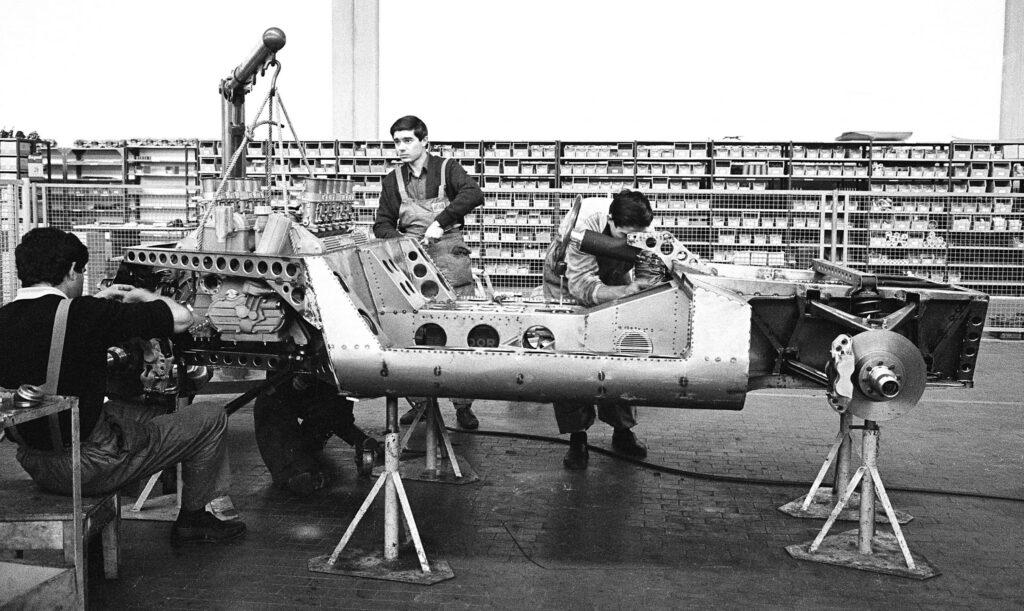
Mid-engine hardware, familiar proportions
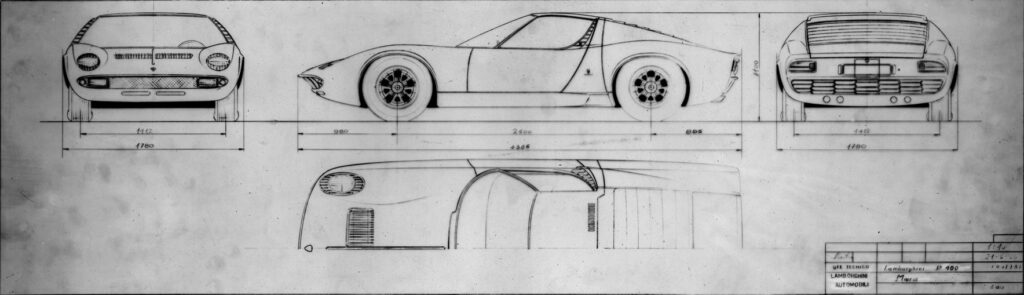
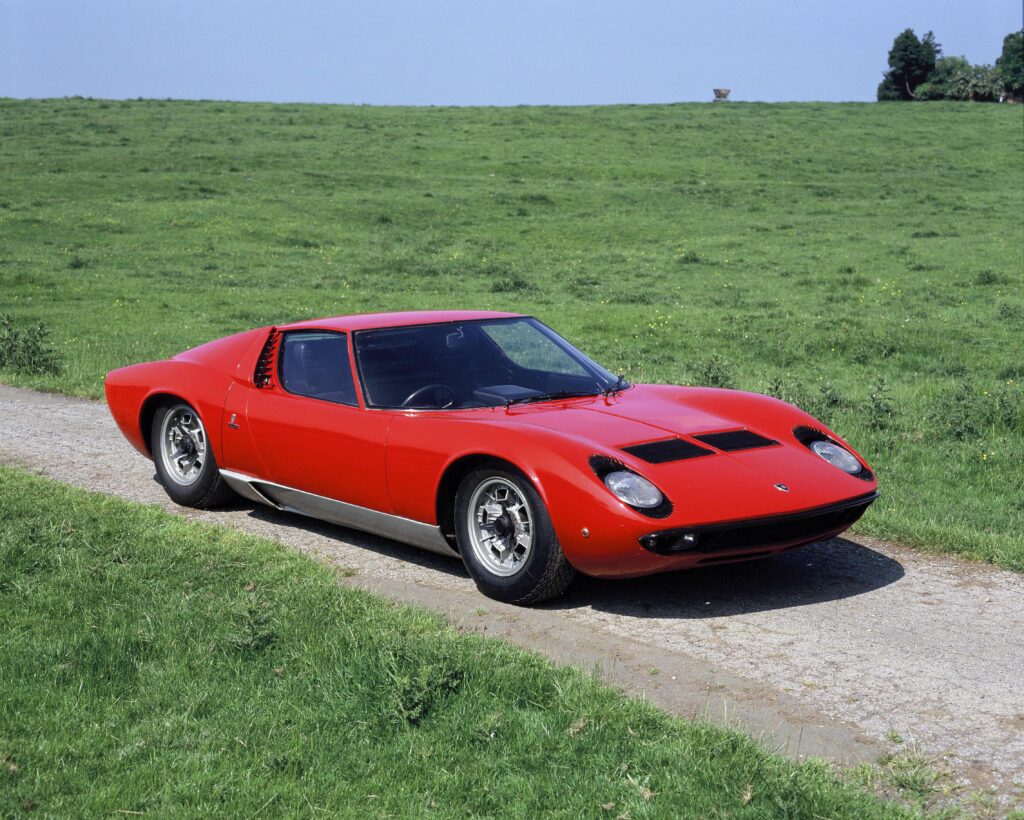
The result is a cabin that appears to sit over the rear wheels, but with a dash-to-axle distance—the span from the front axle to the windshield base—closer to that of a conventional front-engine sports car. That relationship helps explain why the Miura could seem approachable even while its mechanical layout pointed toward the future. Its shape gives viewers familiar reference points to hold onto.
Marcello Gandini, who designed the Miura at Bertone, described that balance in a 2021 interview. He said the aim was to make something new that people could accept: “The Miura was aggressive, but had a certain softness about it; it was easy to assimilate because it followed the tradition of the great sports cars of the 1950s and 1960s.” Gandini also recalled being cautious early in his career.
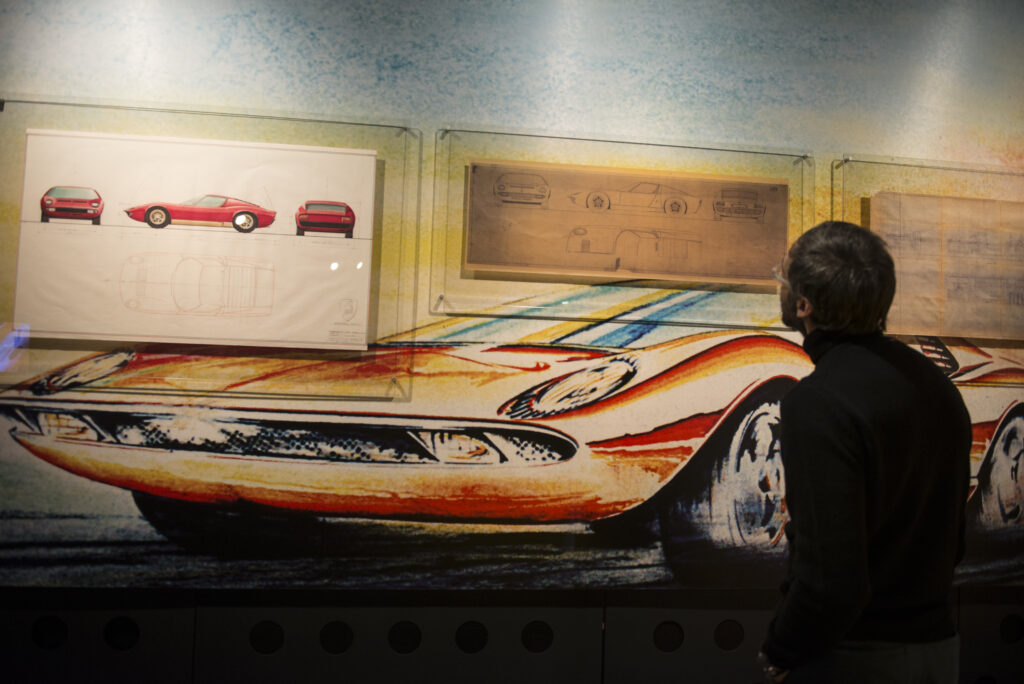
Echoes of the GT40, with a different finish
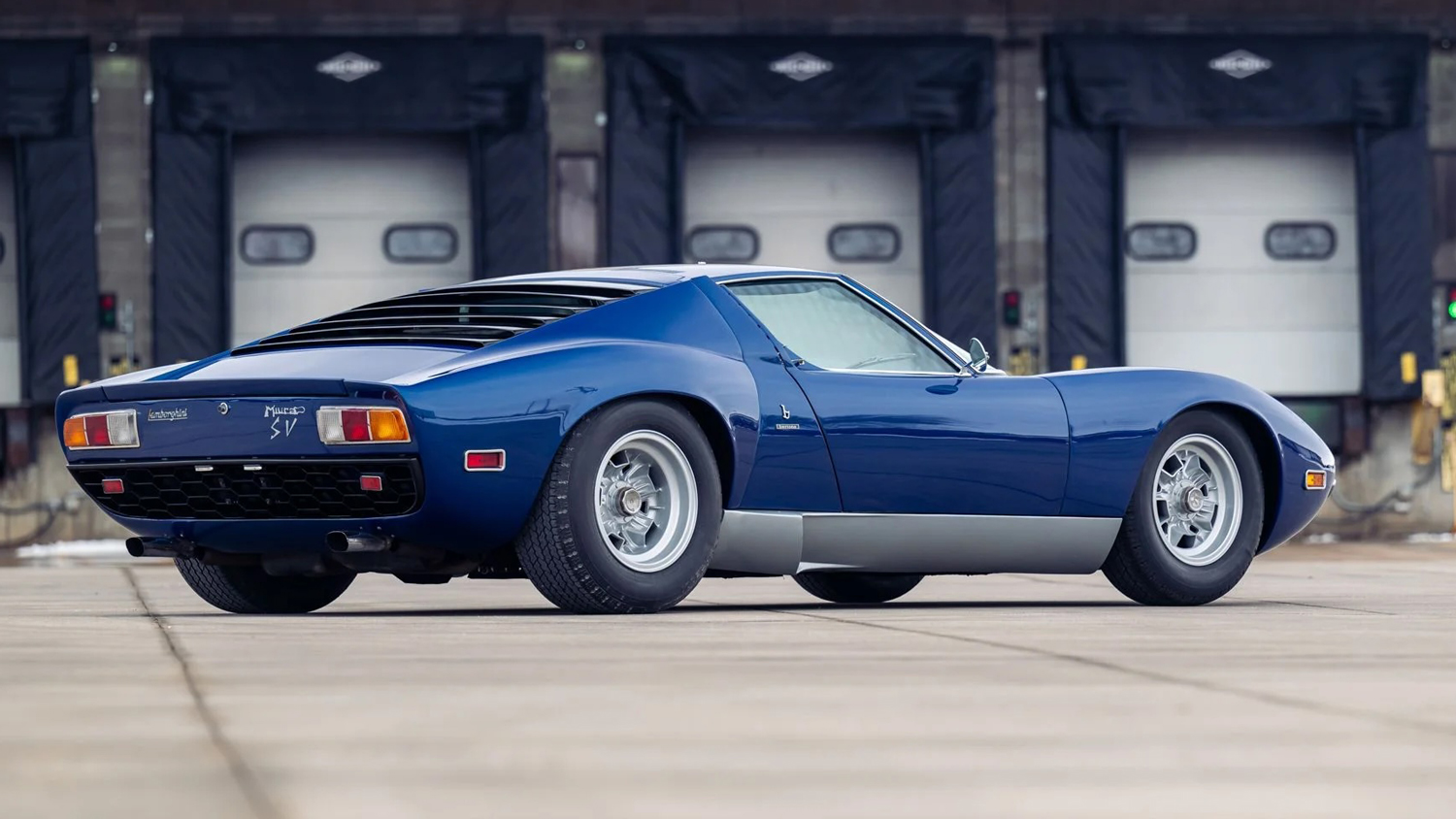
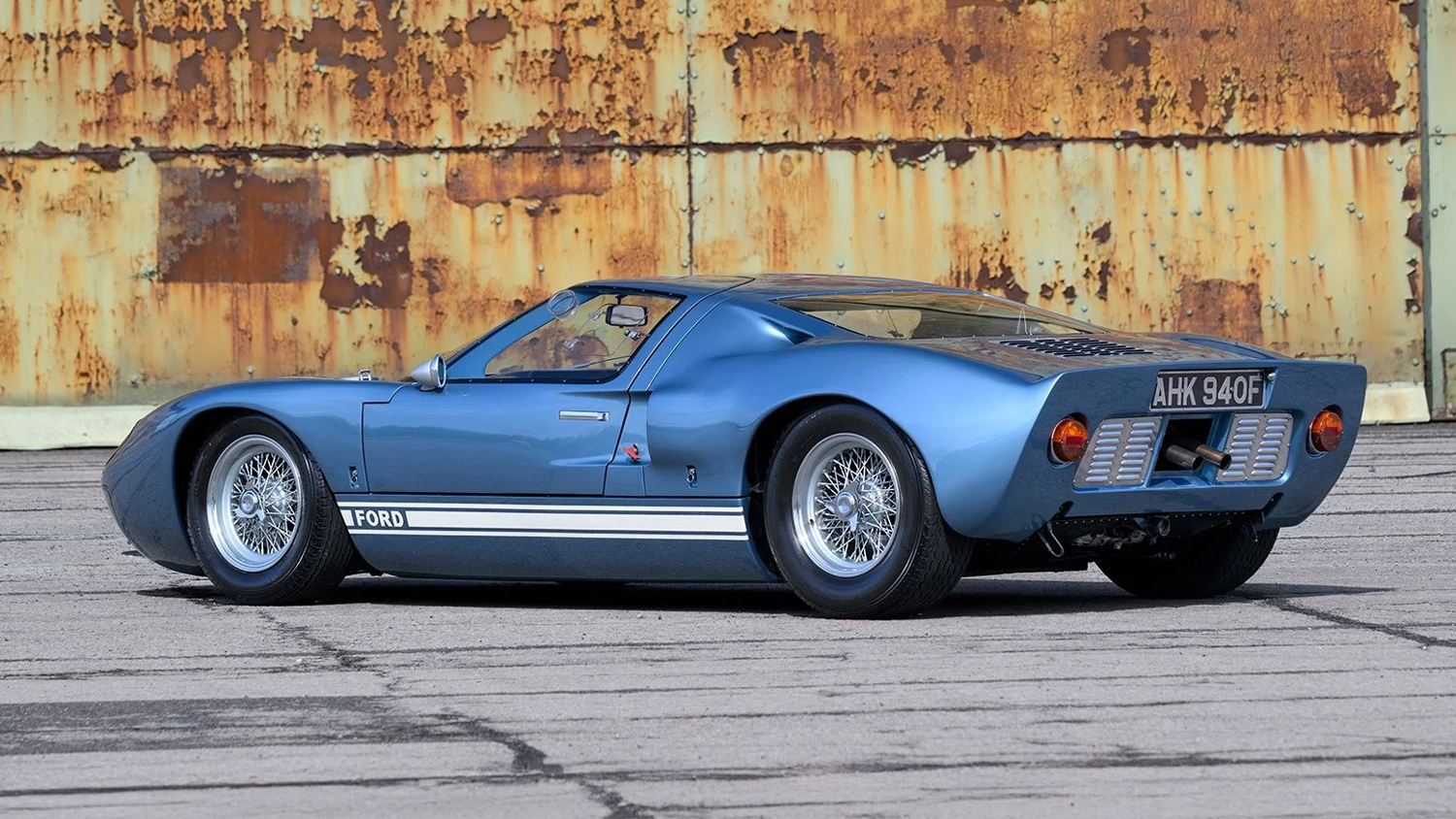
The Miura’s rounded rear haunches, visor-like side windows and abruptly cut-off tail bring the Ford GT40 to mind. So does the way the cabin appears to flow into the rear fenders. The resemblance is strongest in the overall volume and silhouette, but the cars had different priorities. The GT40 was shaped for racing; the Miura’s bodywork brings more subtle surface changes and carefully controlled curves.
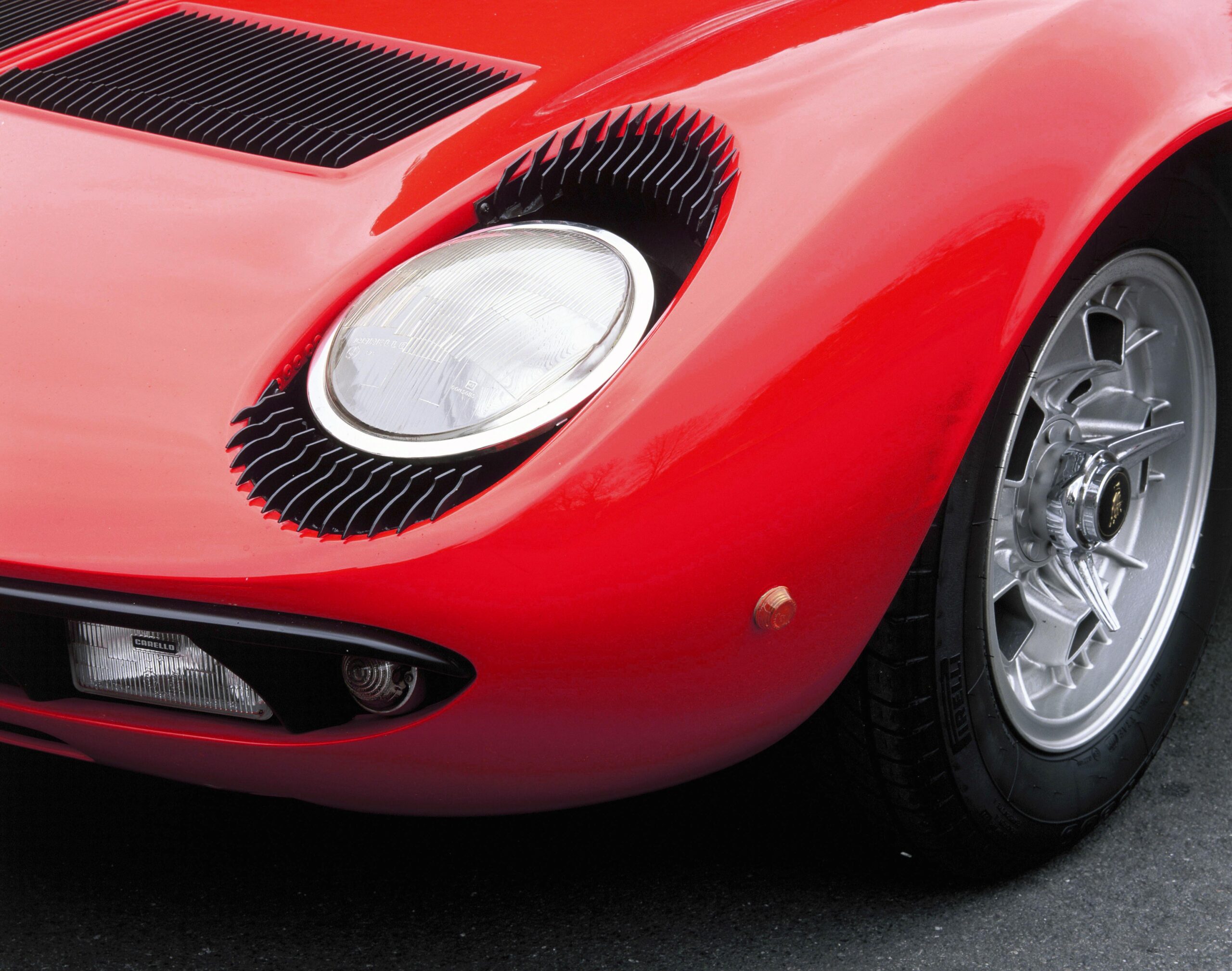
Small details carry much of the Miura’s personality. Its metal headlight “eyelashes,” though not present on every example, frame light units Bertone sourced from the Fiat 850 Spider, which it had begun producing at its Grugliasco facilities. The detailing turns an ordinary component into a signature feature. At the same time, the headlights’ position on the nose and the air intakes behind the side windows suggest a connection to work by Gandini’s predecessor at Bertone, Giorgetto Giugiaro.
Gandini and the Testudo
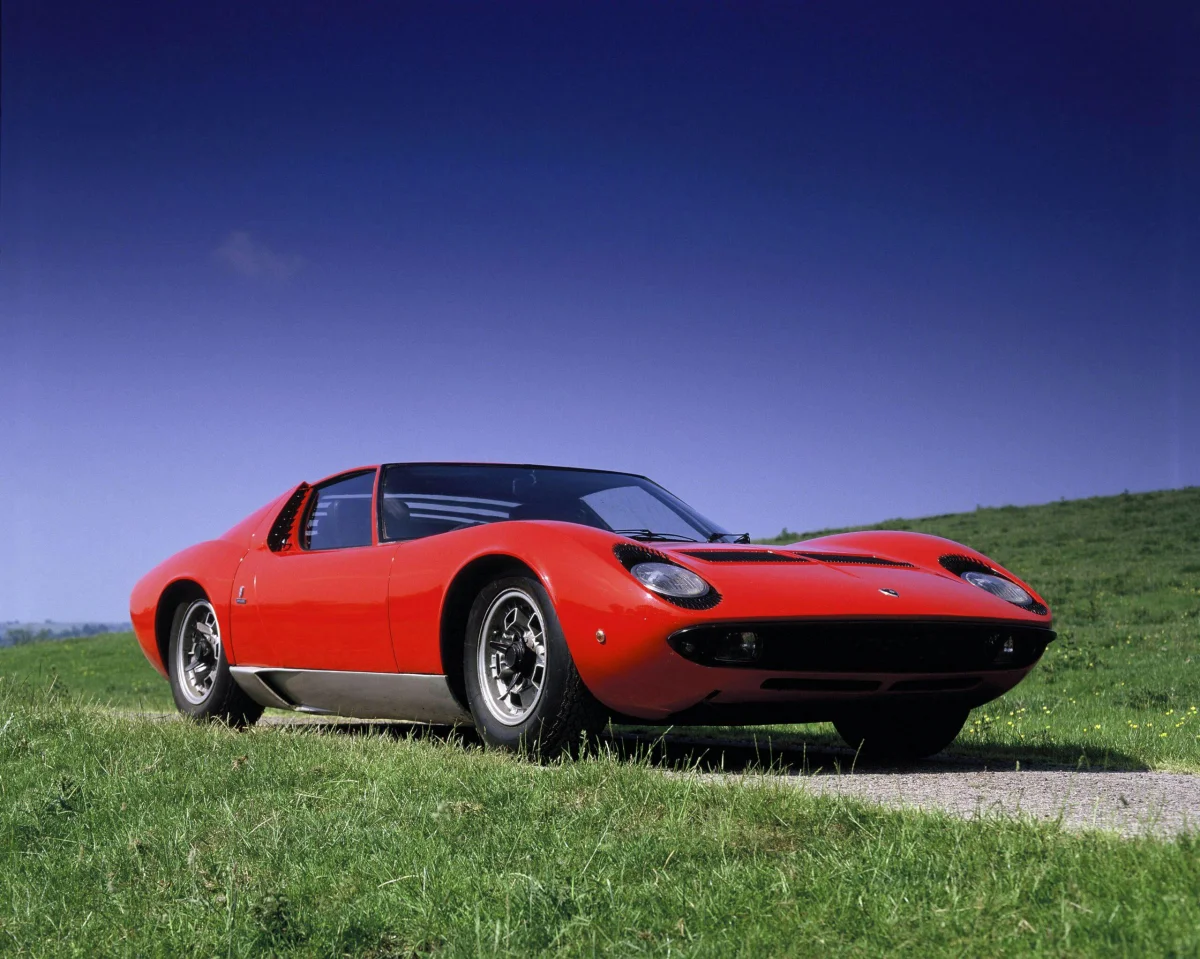
Debate over authorship between the two designers is a familiar part of the Miura’s history. The source of the front-end treatment is easier to spot: Giugiaro’s Corvair-based 1963 Testudo provides a clear point of comparison. The high intakes behind the Miura’s side windows also solve a packaging and styling problem. They feed air to the engine without cutting a deep opening into the car’s flanks, as on the GT40.
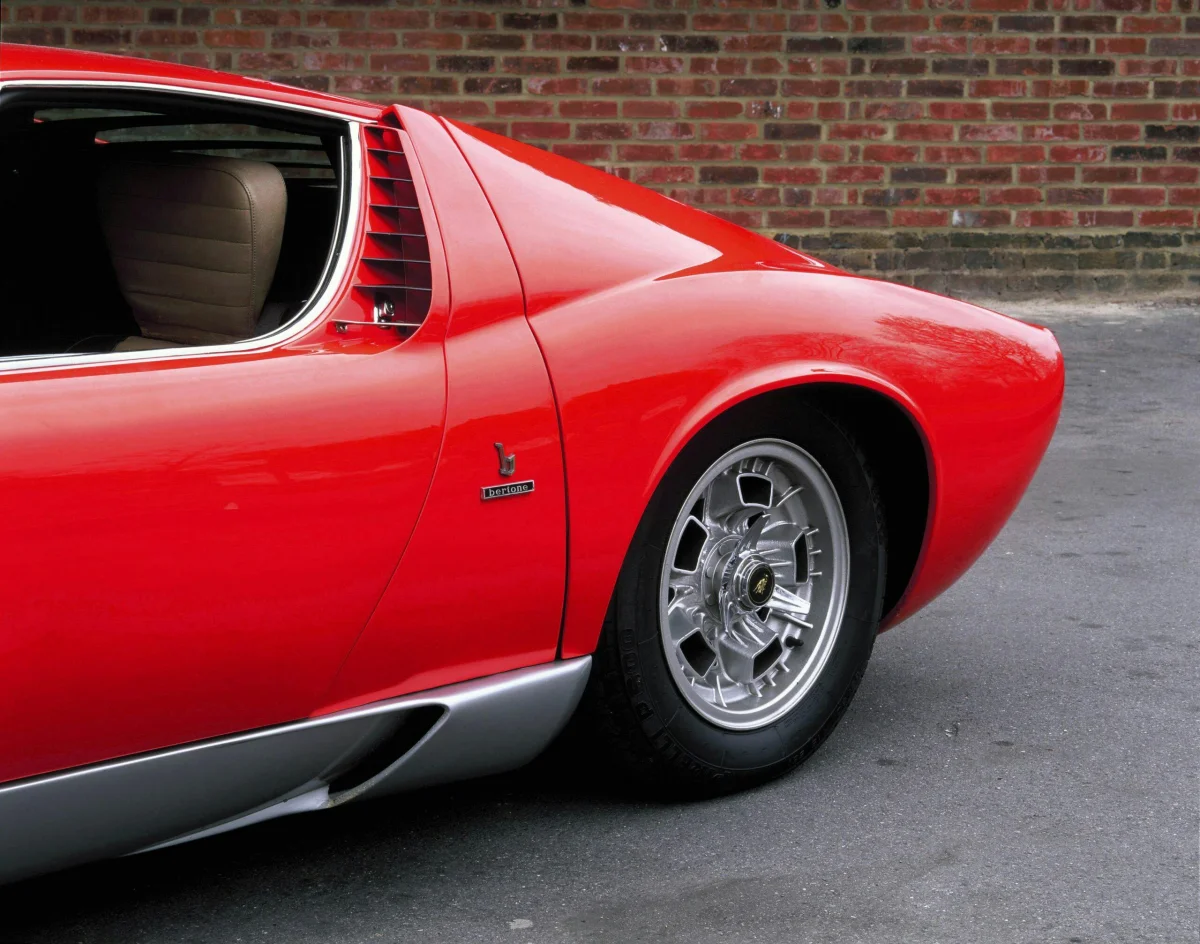
These references don’t make the Miura derivative. Gandini’s design combines them with different proportions and a softer, more intricate treatment of the body. The car’s appeal rests partly on that synthesis: recognizable ideas are reworked into a coherent shape, rather than assembled as a collection of borrowed gestures.
A radical car that people could read
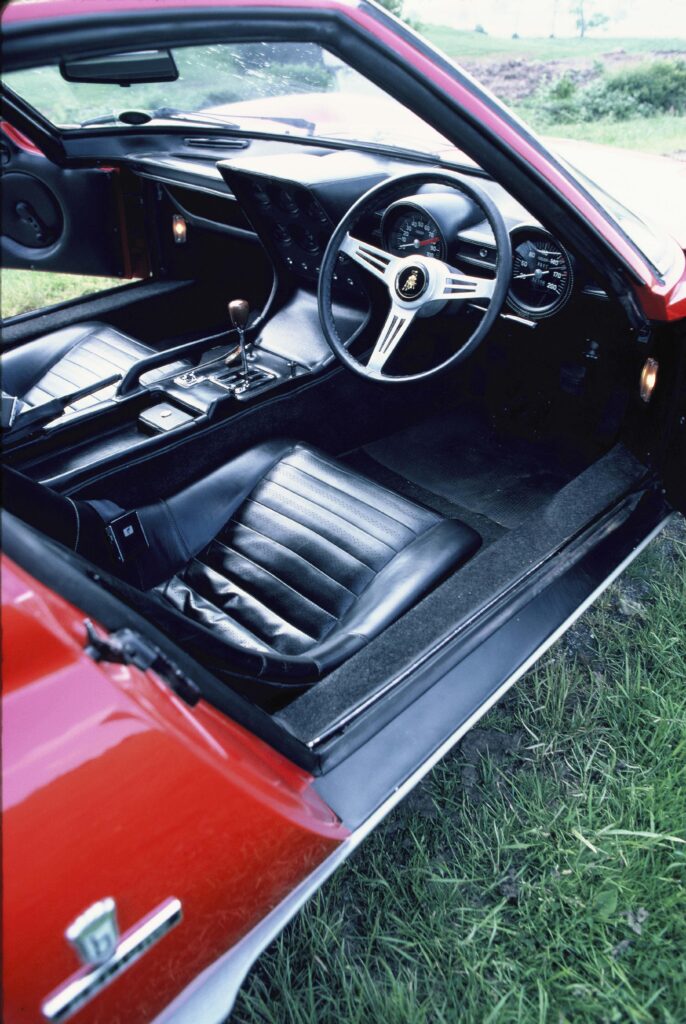
The Miura’s proportions and generous glass area make its cabin easy to distinguish within the body. Its rounded hips give the rear a muscular presence, while the cab-rearward stance signals the engine’s location. The effect is purposeful without turning severe. That’s a large part of why the car remains legible to people who don’t follow supercars closely.
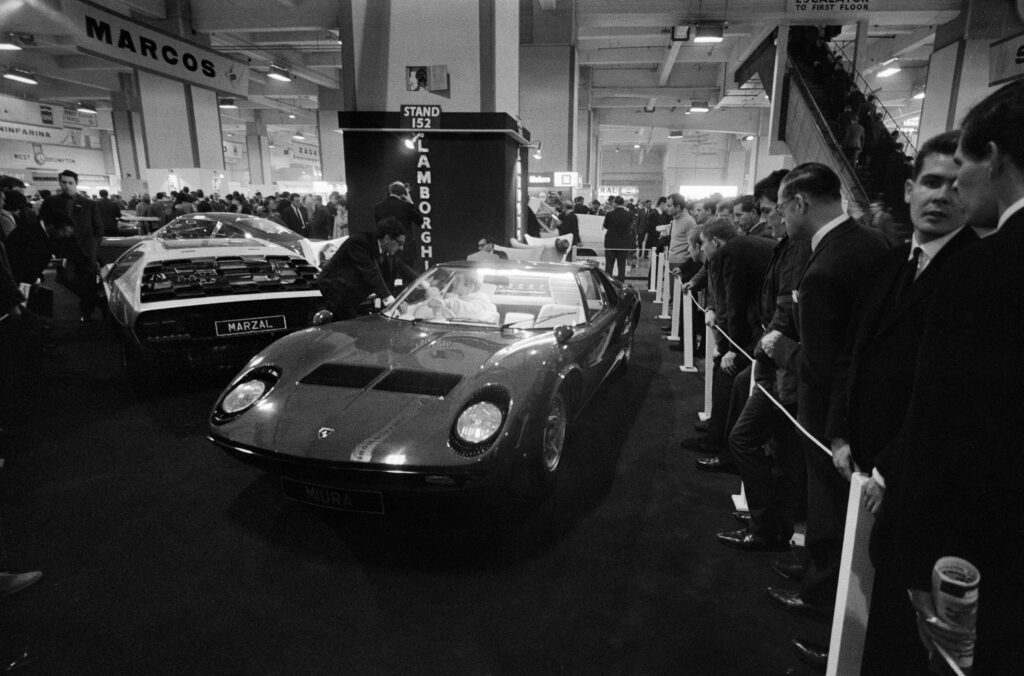
For a car that introduced a striking new configuration, the Miura drew on the visual language of its time rather than rejecting it. Bertone refined familiar sports car themes—curved fenders, a compact cabin and flowing bodywork—around a fundamentally different mechanical package. The result feels both daring and composed, which helps explain why the design still has such force six decades later.
That balance is also what makes the Miura stand apart among Lamborghini’s most dramatic cars. It has presence, but the shape doesn’t rely on intimidation. Its significance lies in making an unfamiliar idea feel natural, and in showing how careful proportions can matter as much as technical novelty.
For a closer look at the Miura’s history and present-day market position, see its history and its position in the market today. The same mix of compact engineering, familiar cues and fine detail remains central to why the original Miura still feels so distinctive.
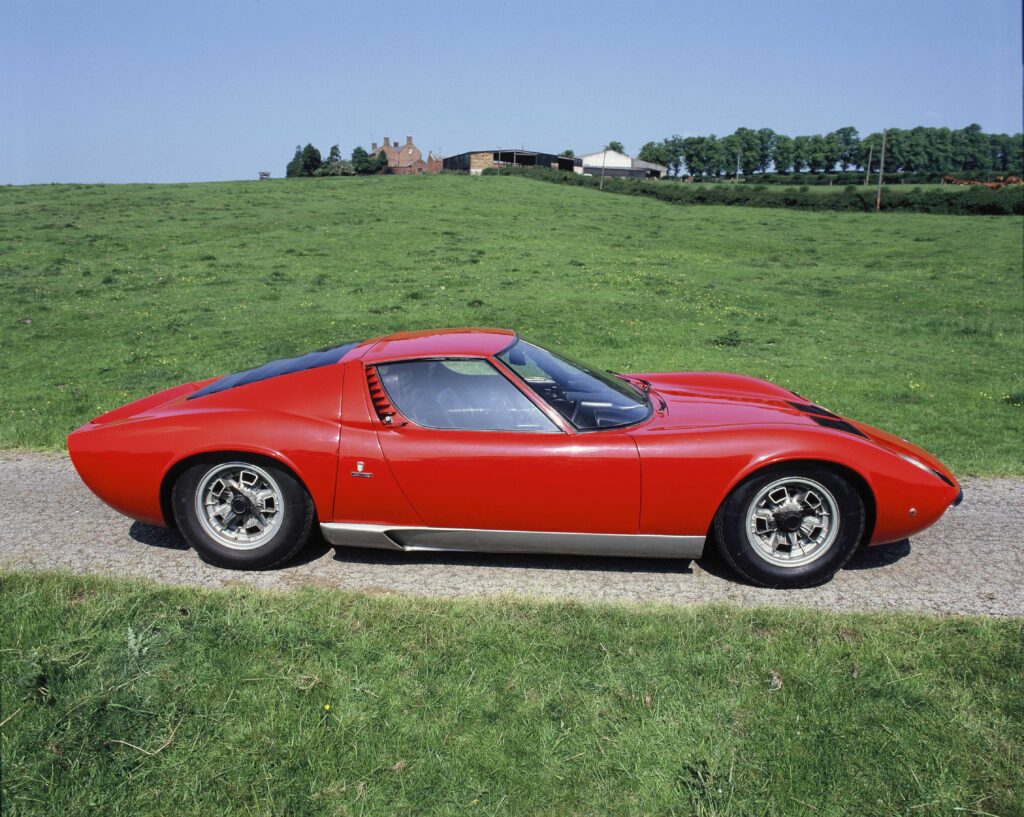
Lamborghini Miura | A comparison with the 1967 Mustang GT500


