In lane Electric Vehicles
Why New Cars Come in Fewer Colors—and Where Bright Paint Still Sells
Description
Most new cars stick to neutral paint, as cost and resale concerns narrow choice. Luxury and performance models still make room for brighter hues.
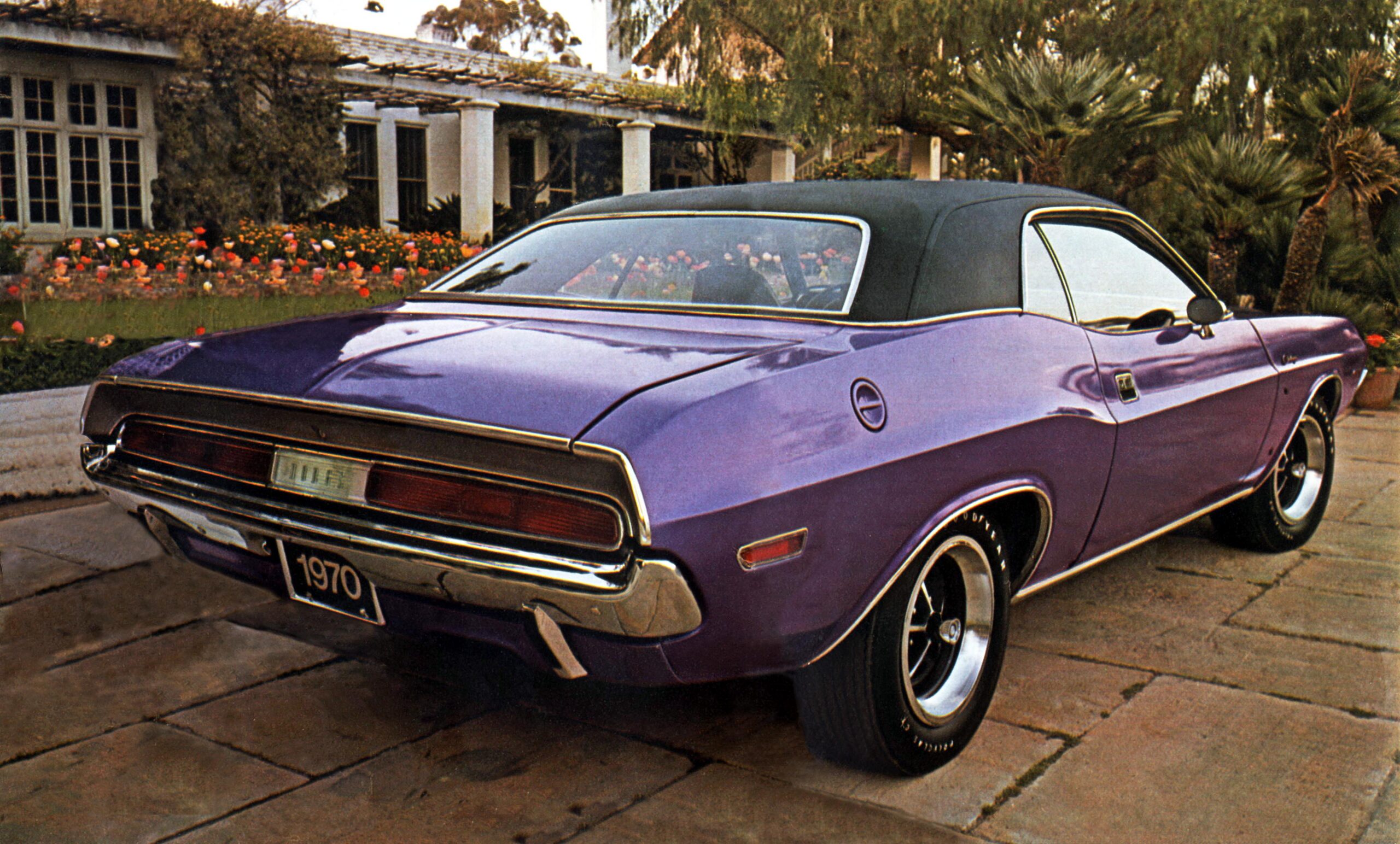
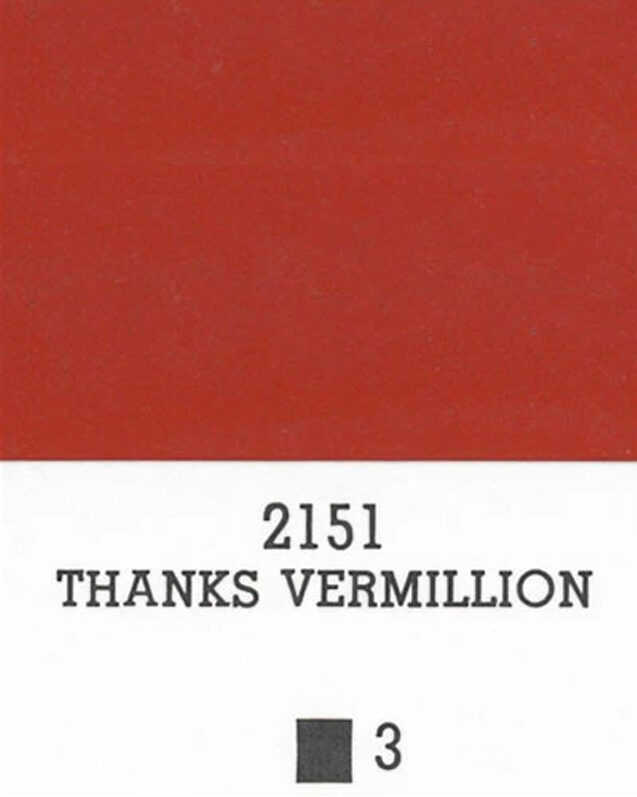
Car color has become a practical buying decision shaped by factory costs and resale worries. That helps explain why today’s model ranges lean toward gray, white and black, while vivid paint survives most visibly on luxury and performance cars. The contrast with the muscle-car era is striking: in 1970, Ford offered a Maverick in Anti Establish Mint and Thanks Vermillion.
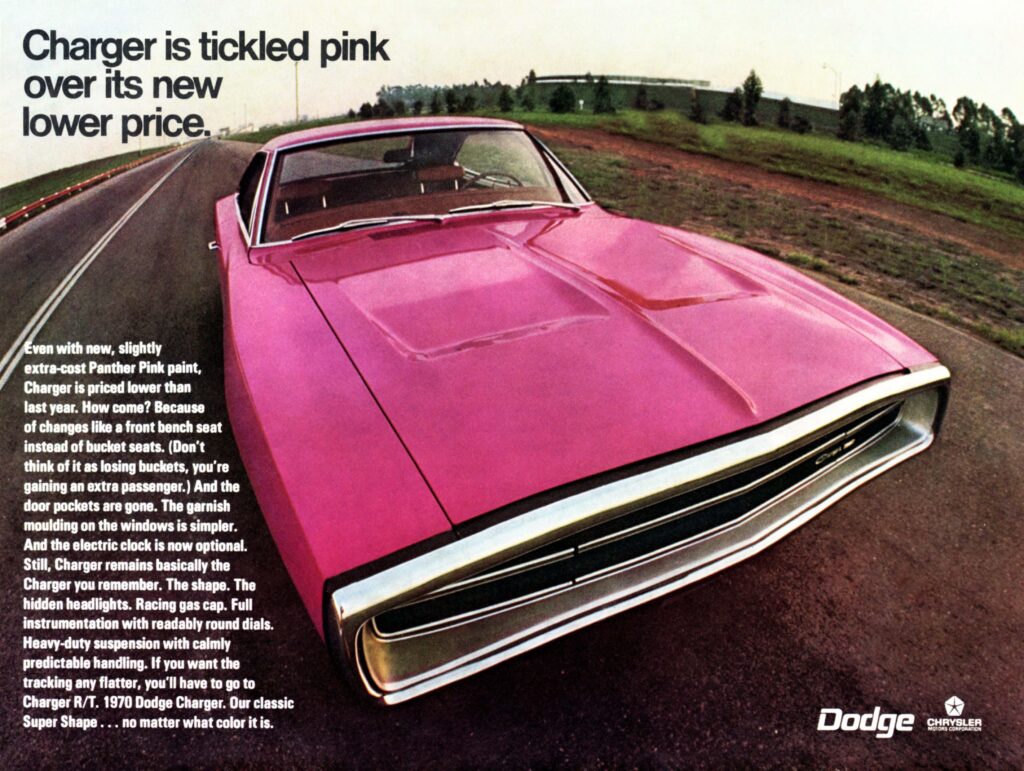
Chrysler and General Motors had their own memorable choices. Chrysler’s Plum Crazy, Sub Lime and Panther Pink put the names as well as the hues in the spotlight; Chevrolet Camaro buyers could opt for Hugger Orange. The colors reflected a period when younger customers were drawn to conspicuous styling, and automakers saw expressive paint as part of the appeal.
Those names also hint at a different relationship between buyers and their cars. A bold color could make a vehicle feel personal and distinctive, instead of asking it to blend into a line of neutral crossovers. Today, that kind of self-expression has a smaller place in many mainstream model ranges.
Fewer choices, more neutral stock
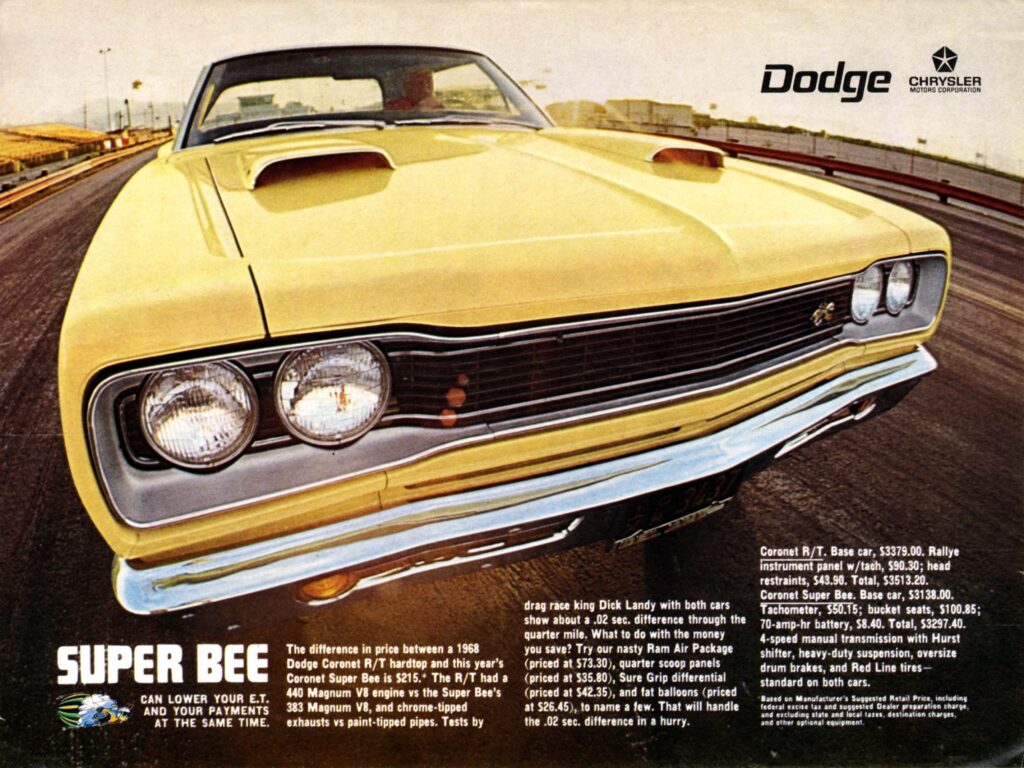
The difference is visible in the number of paint options. A 1970 Chevrolet Impala could be ordered in about 15 exterior finishes. The 2026 Tahoe LT has six. Ford offered full-size sedan buyers 15 solid colors and 24 two-tone combinations in 1970; the 2026 Explorer has seven colors.
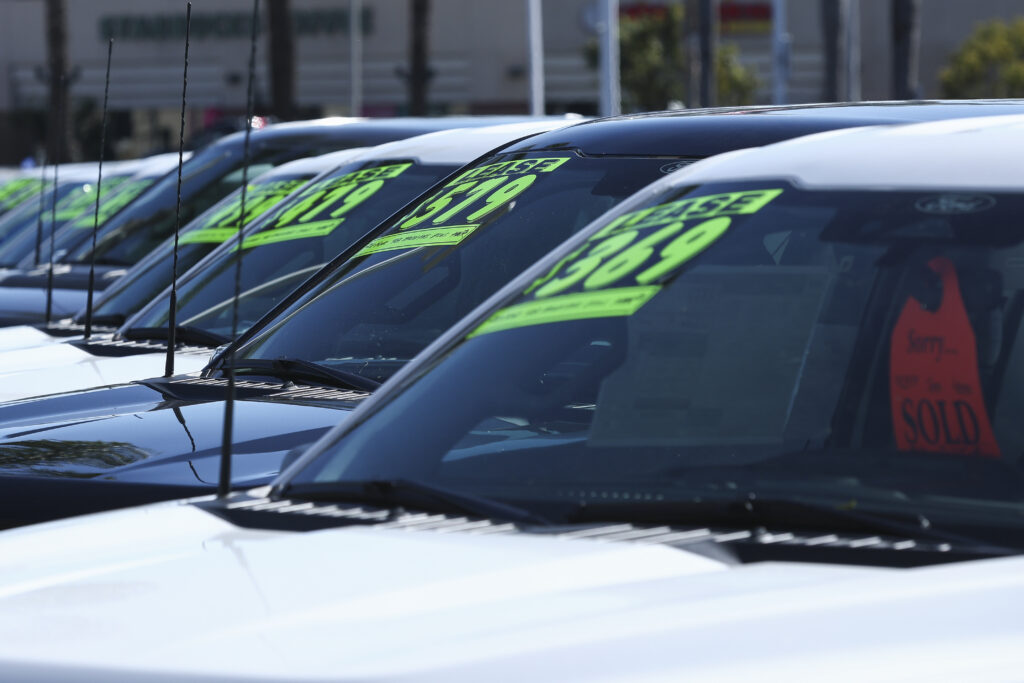
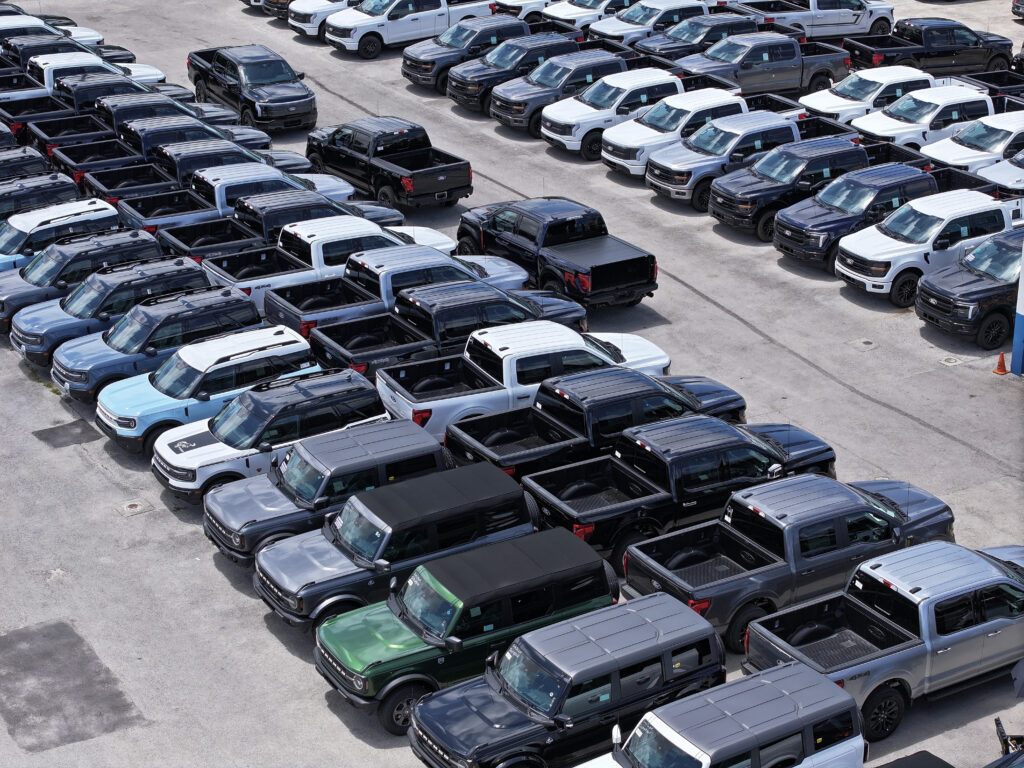
Fewer choices can simplify production, but the dealer’s inventory is a major part of the calculation. Cars often sit on the lot for weeks or months, and stores want configurations that will appeal to the broadest pool of shoppers. Sam Fiorani, vice president of AutoForecast Solutions in Malvern, Pennsylvania, says dealers prefer to keep their 60-to-90-day stock “as neutral as they can.”
Factories may offer a light blue or bright red, he says, but dealers tend to order shades of gray for their stock, concerned that less familiar colors could put off a potential buyer. Ford hears a similar message from its retail network. “We hear from our dealers constantly that the best-selling colors are black, white, and silver,” says Alina Renoux, Ford’s director of Color & Materials. “Those are the volume colors.”
Resale anxiety feeds the same preference. Buyers may worry that a vivid shade will lose its appeal to them—or fall out of fashion—before they sell the vehicle. Renoux describes that hesitation as “risk aversity.” A conservative color can seem like an easier choice when a car is expected to remain in the household for five or seven years.
Paint costs affect the sticker, too
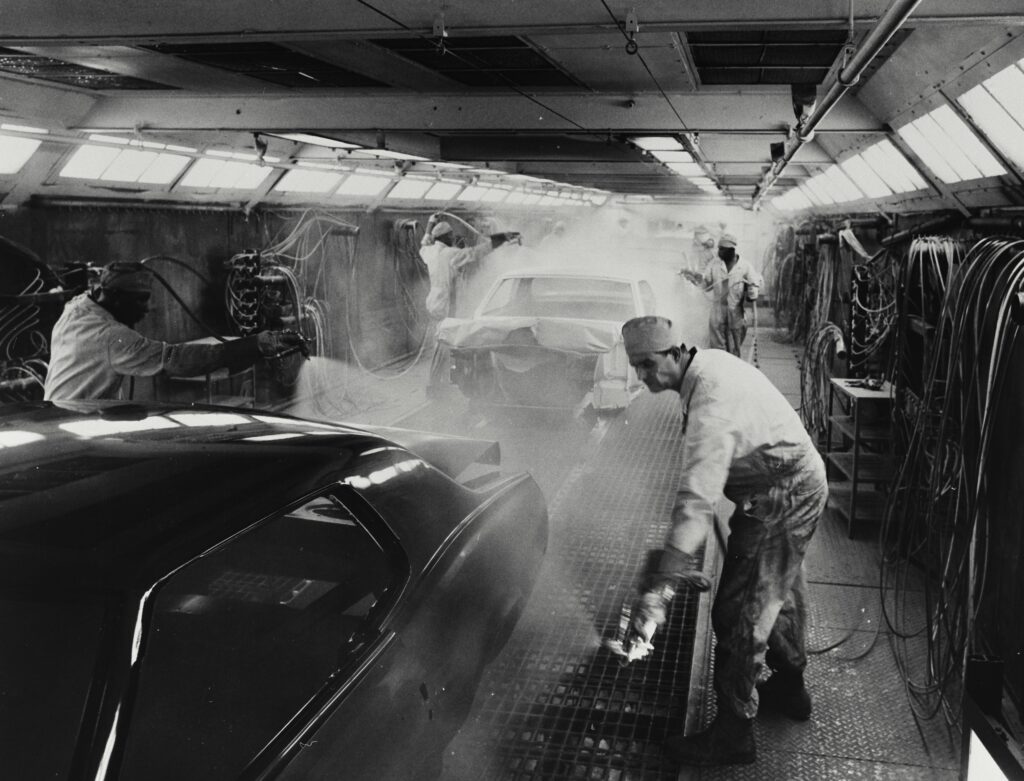
Keeping a wide palette available also costs automakers more than it once did. Renoux says developing a new color can take five years or longer. Factories must account for changing paint lines, while material and labor costs have risen. That makes a large menu harder to justify when most buyers gravitate to the same few finishes.
Some paint options also carry an extra charge. On the 2026 Tahoe, four of the six colors are shades of gray, white or black. Blue costs no extra, while red adds $495. The Explorer’s gray, white and black finishes are also included in the price; blue or red adds $495, and Star White Metallic Tri-Coat costs $795. More involved finishes can take extra work to make and apply, which helps explain the premium.
Buyers’ moods may also influence what sells. A study by The Economist found that British shoppers favored primary colors during a more prosperous, optimistic stretch in the late 1990s. Gray and silver gained ground in later years, followed by increased interest in black as economic conditions weakened. It’s a reminder that color preferences can track more than fashion: buyers may choose reassuring, understated finishes when they feel less willing to take a risk.
Bright paint still has a market
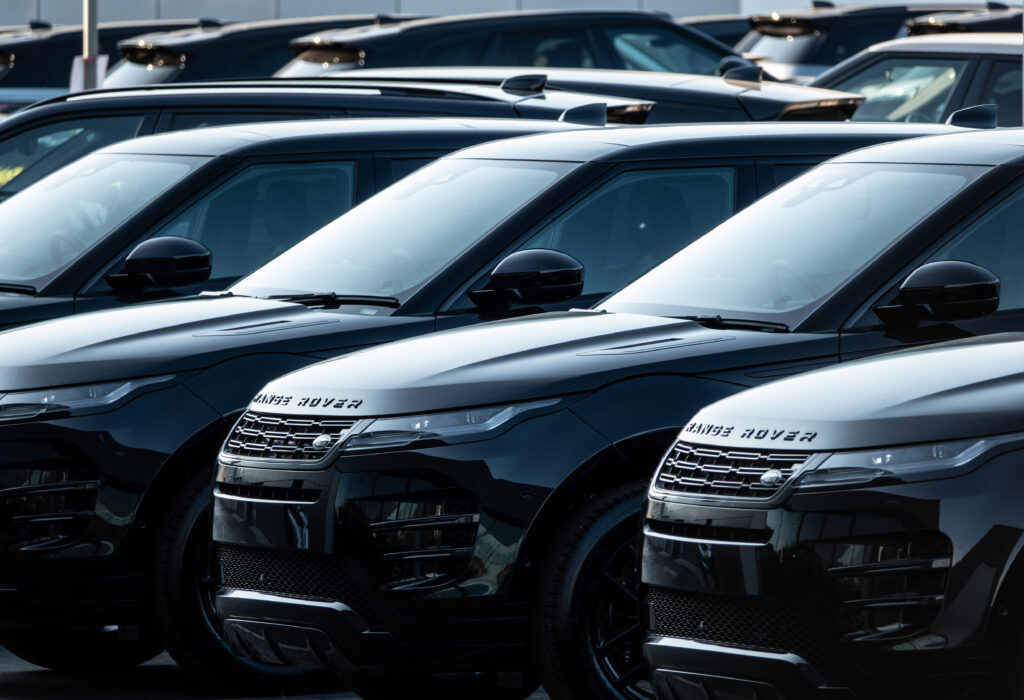
The brighter end of the palette hasn’t disappeared. Renoux says demand for more color is starting to build in the luxury segment, where styling can be part of how owners express their success and identity. For now, that shift is more apparent in expensive models than in high-volume SUVs.
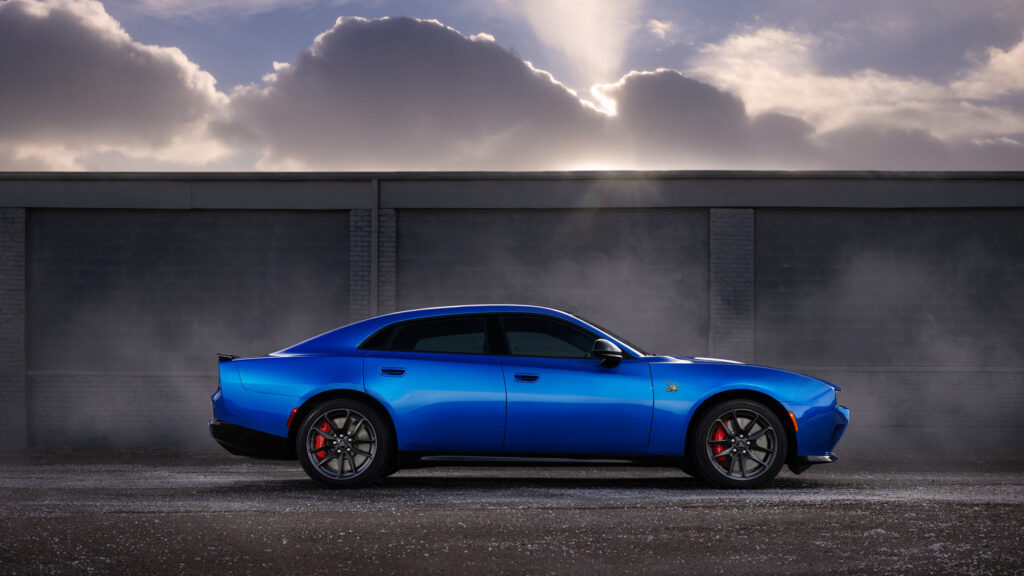
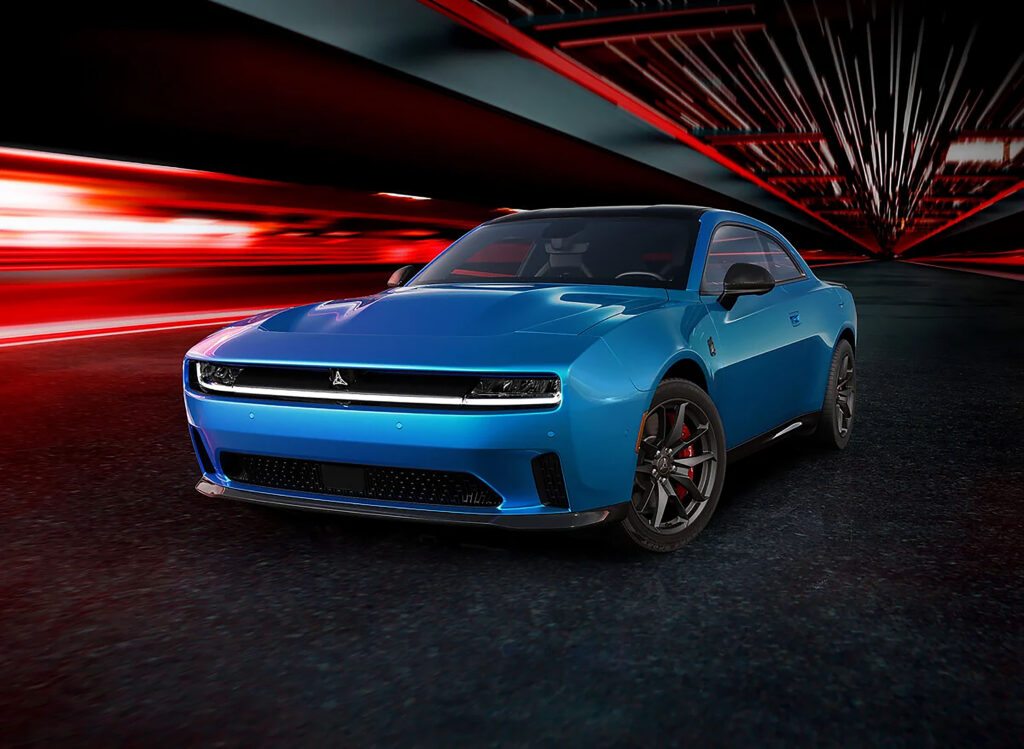
Performance and enthusiast vehicles also remain a natural home for attention-grabbing paint. Dodge and Jeep continue to use playful color names, including Bludicrous, offered on the 2026 Dodge Charger. These models give buyers a chance to choose a finish with more character, even as mainstream ranges stay restrained.
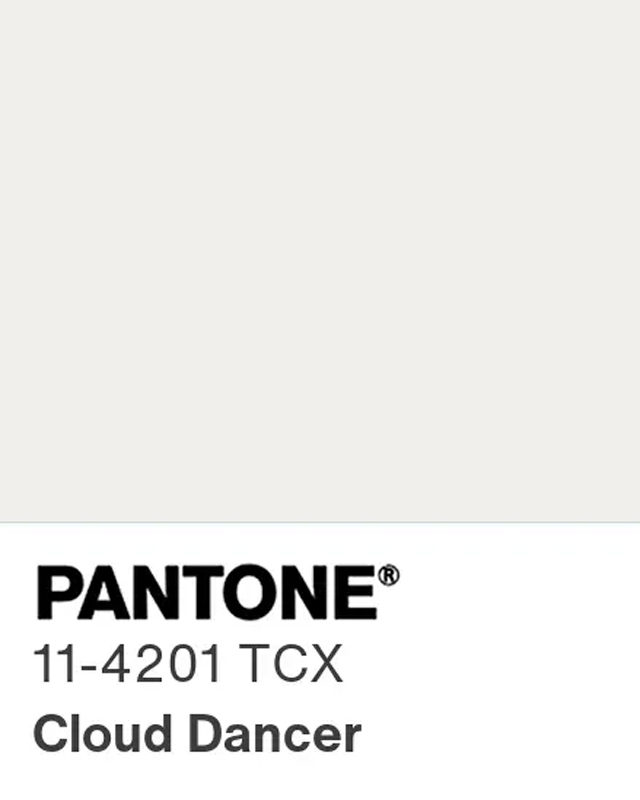
Pantone’s 2026 Color of the Year is Cloud Dancer, described as “a whisper of tranquility in a noisy world.” It makes for a calm design cue, but it doesn’t signal a broad appetite for brighter car paint. A buyer looking for more expressive choices may need to focus on luxury or performance models, or be prepared to pay extra for a color beyond the standard finishes.
Fiorani puts the current split plainly: “Three out of four vehicles sold today are white, black, or a shade of gray or silver.” Flashier colors might bring shoppers into a showroom, he says, but gray is what dealers expect to sell. That’s the practical limit on a wider return to vivid paint: until buyers show they’ll choose it in volume, the neutral palette will keep dominating everyday SUVs. For anyone after something louder, there’s always Bludicrous.
The post Color Commentary: We Have Seen the Future, and It Is Gray… for Now appeared first on Hagerty Media.


