In lane Electric Vehicles
Kawasaki Z300 Priced at Rs 3.24 Lakh, Sits Close to Ninja 300
Description
The Z300 pairs a 39.4 bhp twin-cylinder engine and Z900-inspired styling with a price just Rs 10,000 below the Ninja 300.
Kawasaki’s Z300 arrives in India at Rs 3.24 lakh ex-showroom, placing the naked bike just Rs 10,000 below the Ninja 300 whose engine and platform it shares. The price makes the Z300 a close alternative within Kawasaki’s own range, while its upright, exposed design gives buyers a different style of motorcycle for a relatively small saving.

India Kawasaki Motors had previously shown the bike at a private event in Bengaluru, but details were limited ahead of the price announcement. It now enters the market as the entry point to Kawasaki’s Z series. The company’s pricing puts it in the same broad conversation as the KTM 390 Duke and TVS Apache RTR 310, although those are single-cylinder alternatives. The Aprilia Tuono 457 is identified as a closer twin-cylinder rival.
Shared mechanicals, different purpose
The Z300 is built around the Ninja 300’s 296cc parallel-twin engine. It produces 39.4 bhp at 11,000 rpm and 26.3 Nm at 10,000 rpm, with a six-speed gearbox. Those figures and the shared platform give the Z300 a distinctive proposition among similarly sized naked bikes: its appeal rests in part on a high-revving twin-cylinder layout rather than the simpler cylinder configuration used by some direct competitors.
That character comes with a practical consideration. Peak power and torque arrive at high engine speeds, so riders will need to work the gearbox to access the engine’s strongest performance. Kawasaki describes the unit as smooth, while the reported output suggests a motor designed to be revved. Buyers comparing it with single-cylinder options should consider how that delivery suits their usual routes and riding preferences; the source provides no fuel economy, service-cost or acceleration figures for a direct ownership comparison.
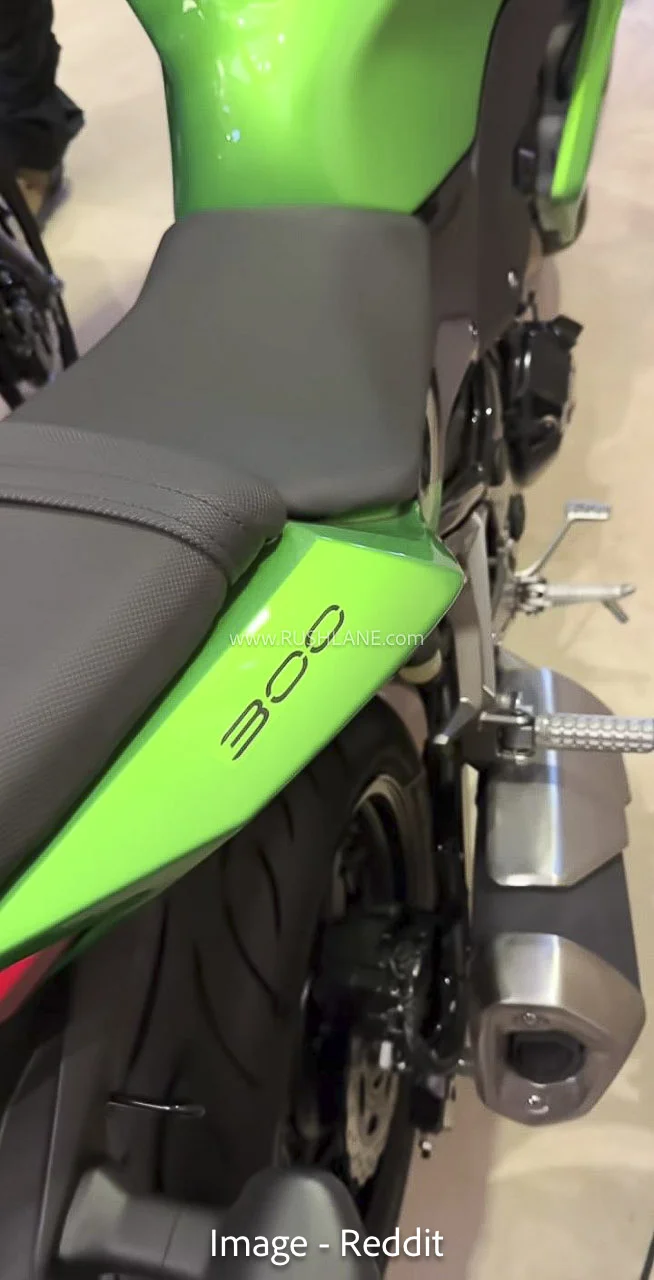
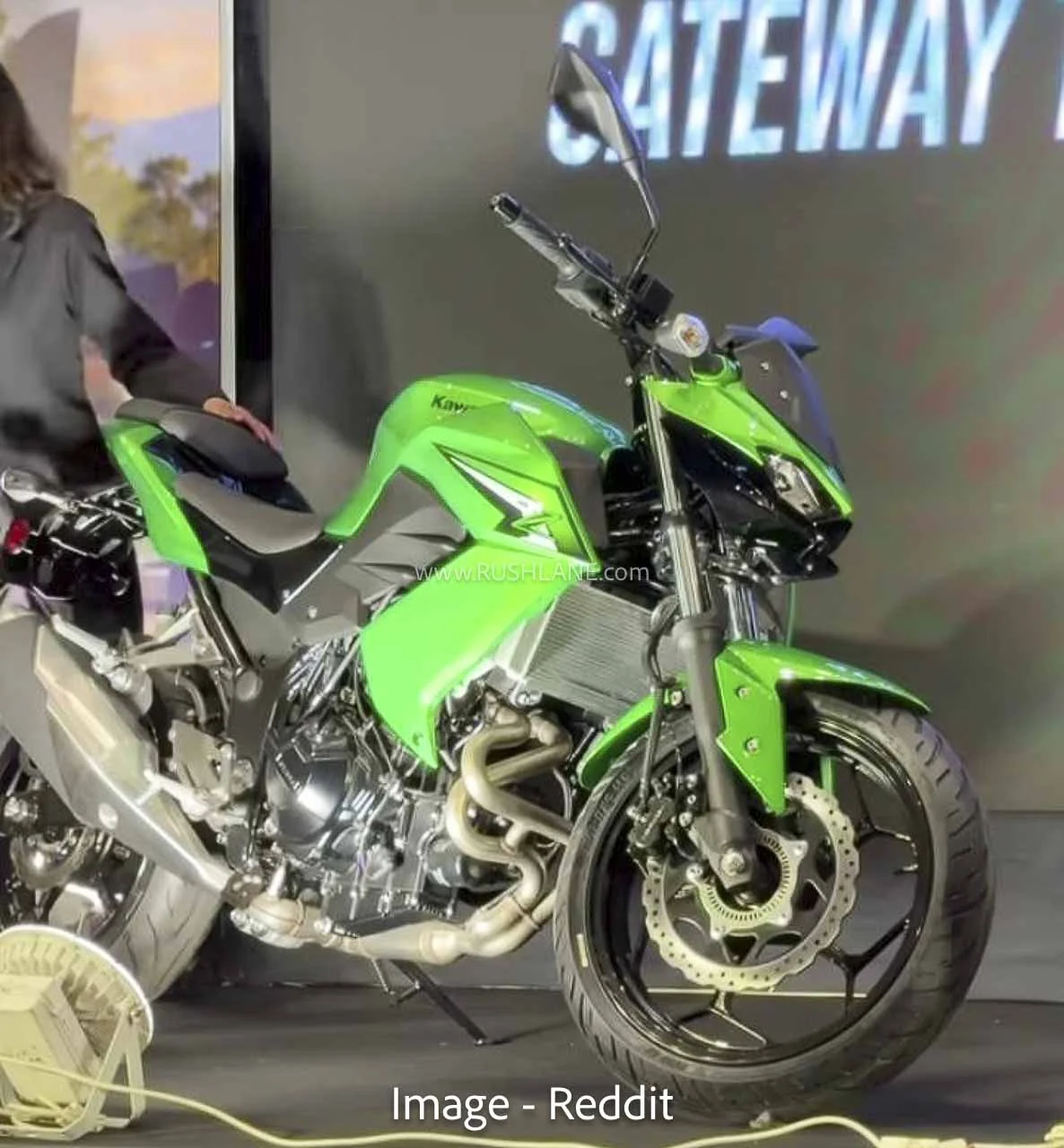
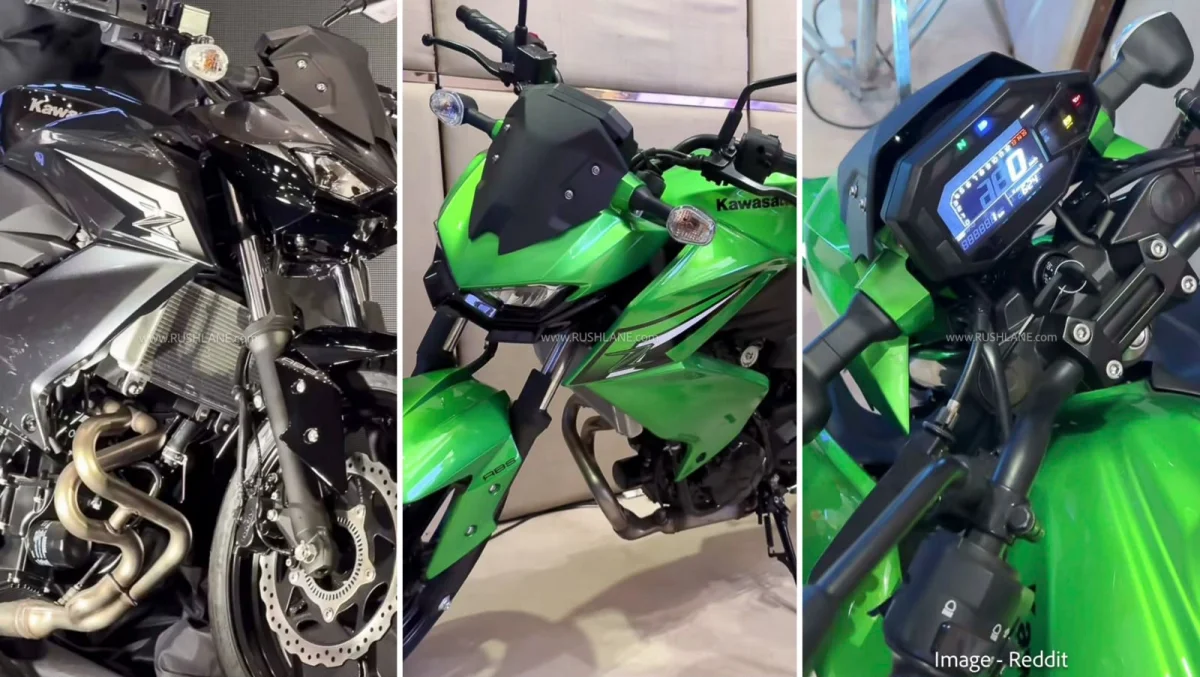
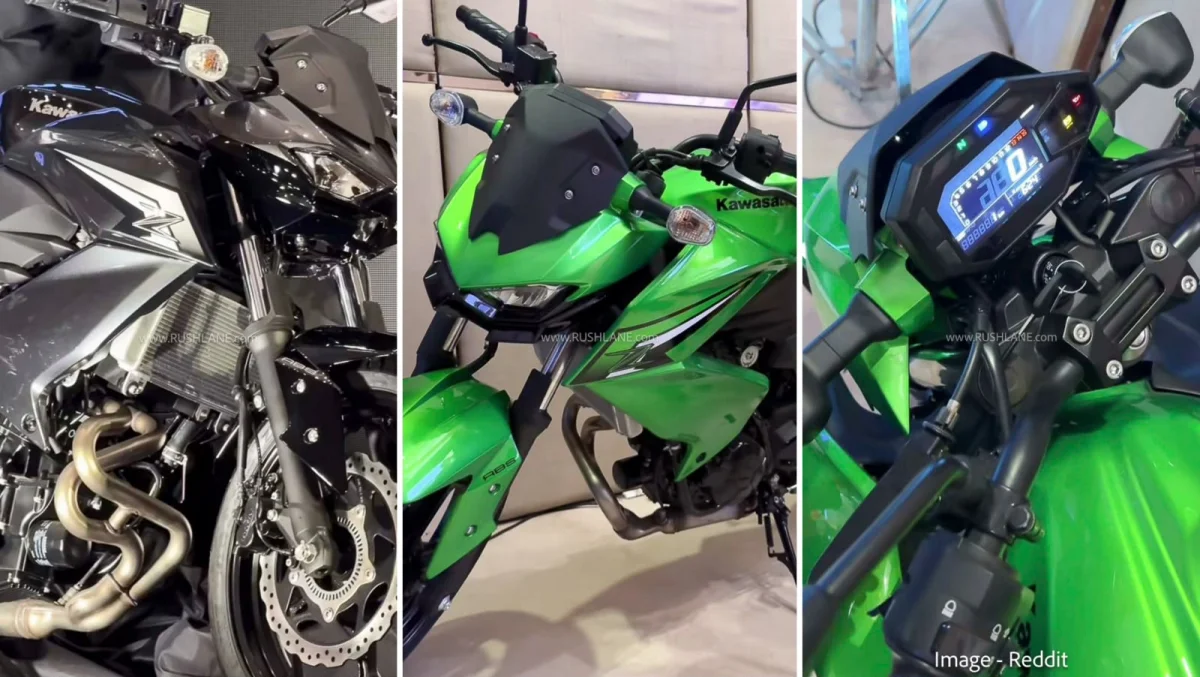
The Z300 shares its basic mechanical package with the Ninja 300, but the bodywork changes the bike’s presentation. It drops the Ninja’s extensive fairing and adopts the Z family’s naked styling, including a triple-pod LED headlight design associated with the larger Z900. The result gives the smaller model a visual link to Kawasaki’s bigger street bikes without changing the core engine specification.
Equipment and chassis
A fully digital LCD instrument cluster is fitted to the Z300. That’s a more modern-looking arrangement than the Ninja 300’s semi-analogue digital display, though the source notes that rivals offer TFT screens with more features and technology. Kawasaki’s LCD therefore helps distinguish the Z300 from its sibling, but buyers who prioritize a richer display or connected functions should compare the equipment lists closely. No specific connectivity features are stated for the Z300.
The chassis setup is straightforward: 17-inch alloy wheels at both ends, telescopic front forks and a rear monoshock. Braking is handled by a single disc at each end, with dual-channel ABS included as standard equipment. The source does not provide suspension travel, disc dimensions or weight figures, so those details can’t be used here to make a more granular comparison with its rivals.

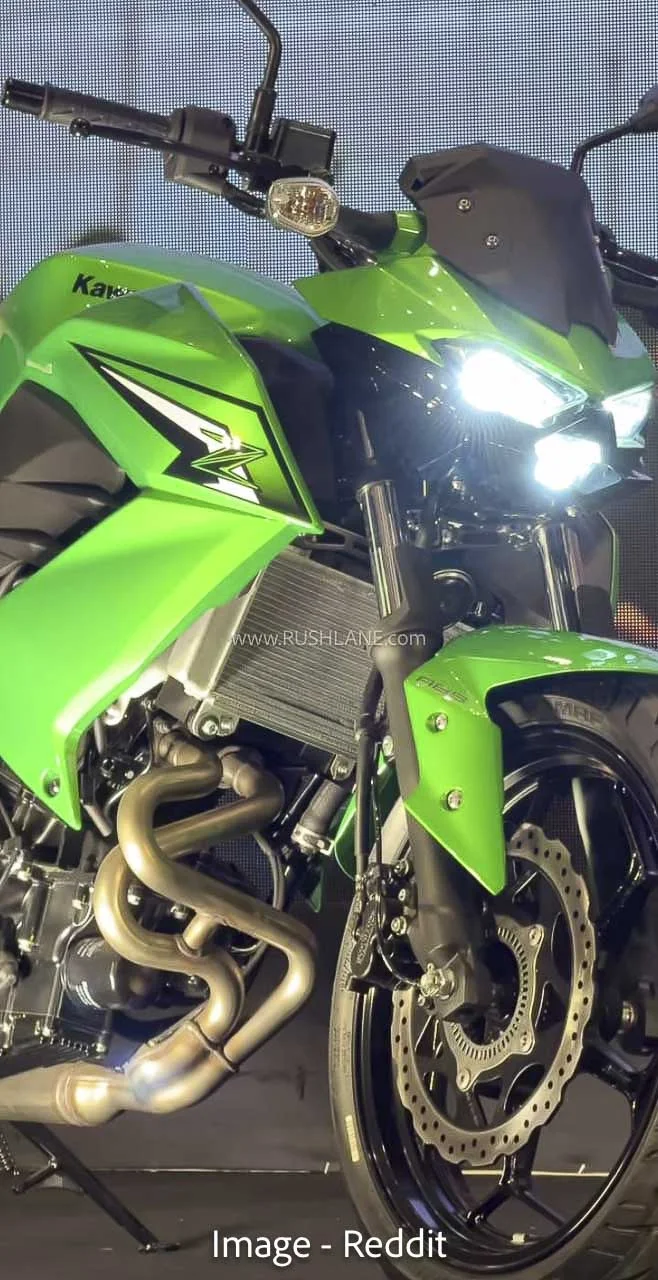
Two colour options are listed: green and black. These are the only configurations mentioned in the source, which does not specify accessory packages or variant differences. The reported launch price is ex-showroom; the source gives no on-road price, delivery timing or further availability details.
Price is the key decision point
Before the launch, speculation had put the Z300 below Rs 3 lakh, with its shared components seen as a reason Kawasaki might price it well under the Ninja 300. The announced Rs 3.24 lakh figure is higher than that expectation, and the gap to the Ninja is narrow: Rs 10,000 against a stated Ninja 300 ex-showroom price of Rs 3.34 lakh.
That small difference shifts the decision toward format and styling. The Ninja offers full sports-bike bodywork, while the Z300 brings the more upright naked-bike look, a fully digital LCD display and the same stated engine output. The source does not give ergonomic measurements, so the riding position can’t be compared in detail, but the difference in body style is clear.
For a buyer choosing between Kawasaki’s two 300s, the Z300’s case will depend on whether the naked design and instrument layout are worth the modest price reduction. Against single-cylinder rivals, its parallel twin is the defining mechanical distinction; against the Ninja, its sharper price and Z-series appearance do the work. The next useful details for buyers will be delivery availability and fuller ownership information, which aren’t specified here.