In lane Electric Vehicles
2026 Forthing Taikon 5: Australian Prices, Range and Specs
Description
The Taikon 5 starts at $36,990 drive-away, with rear-wheel-drive hybrid and front-wheel-drive electric versions offering different range and charging trade-offs.
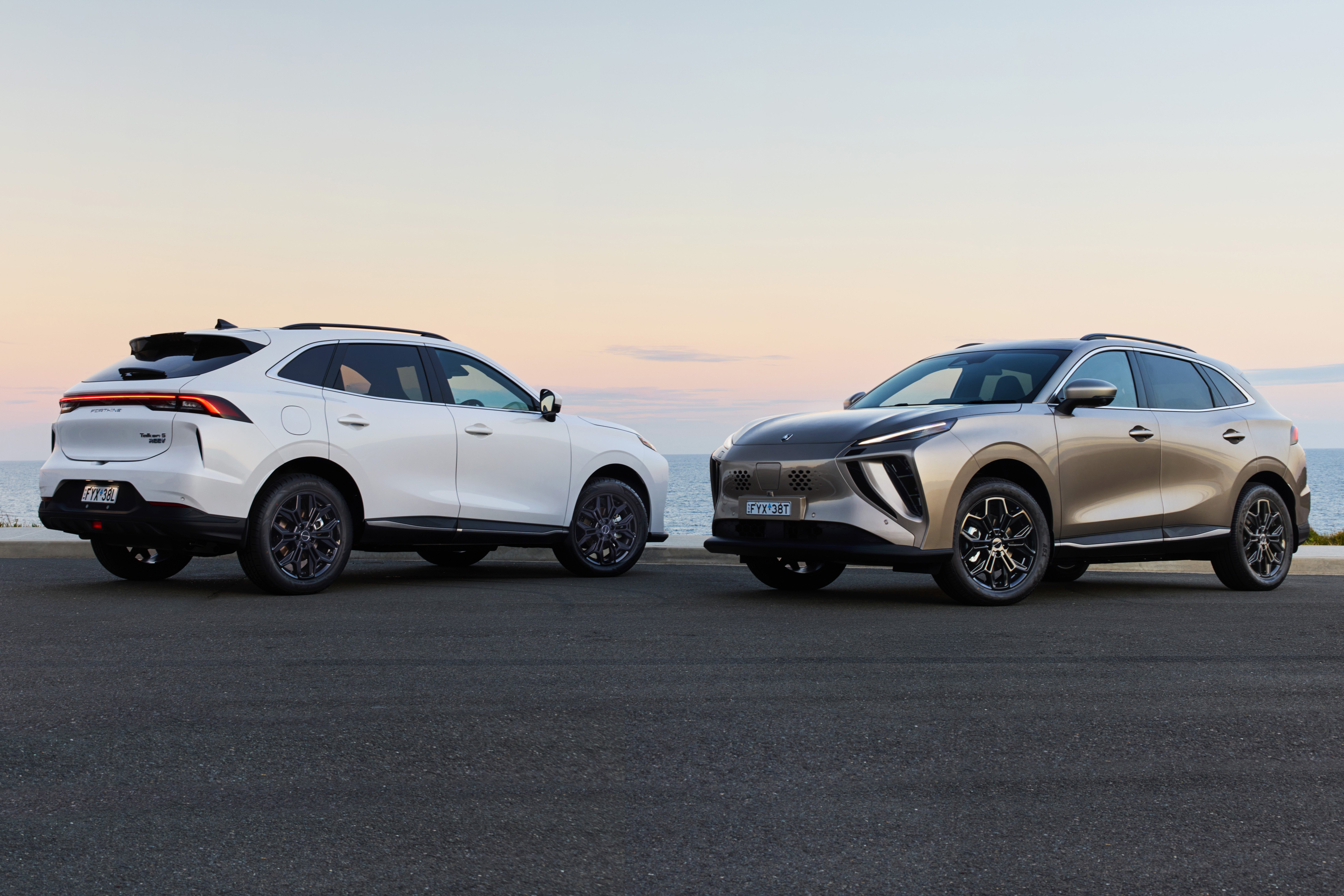
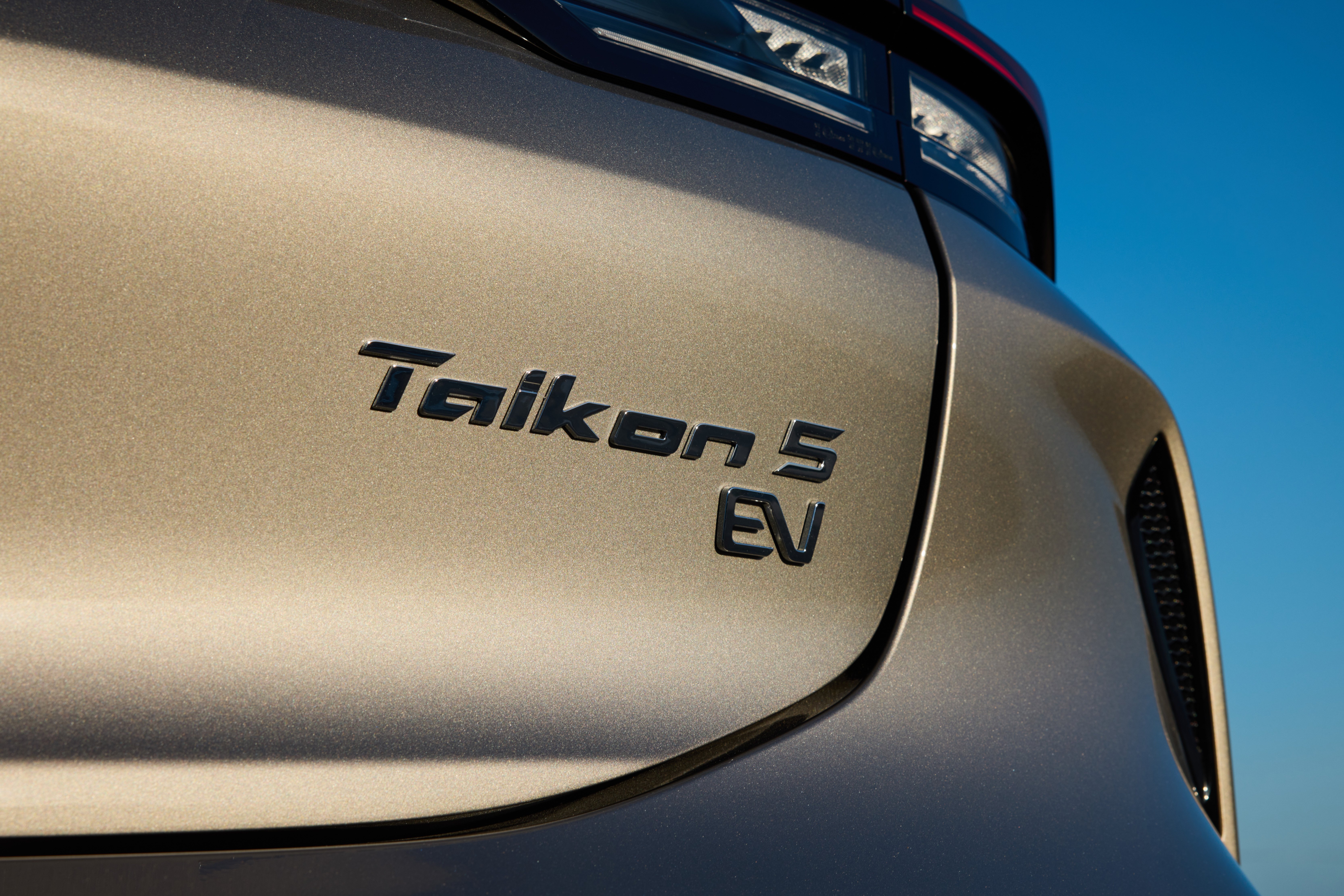
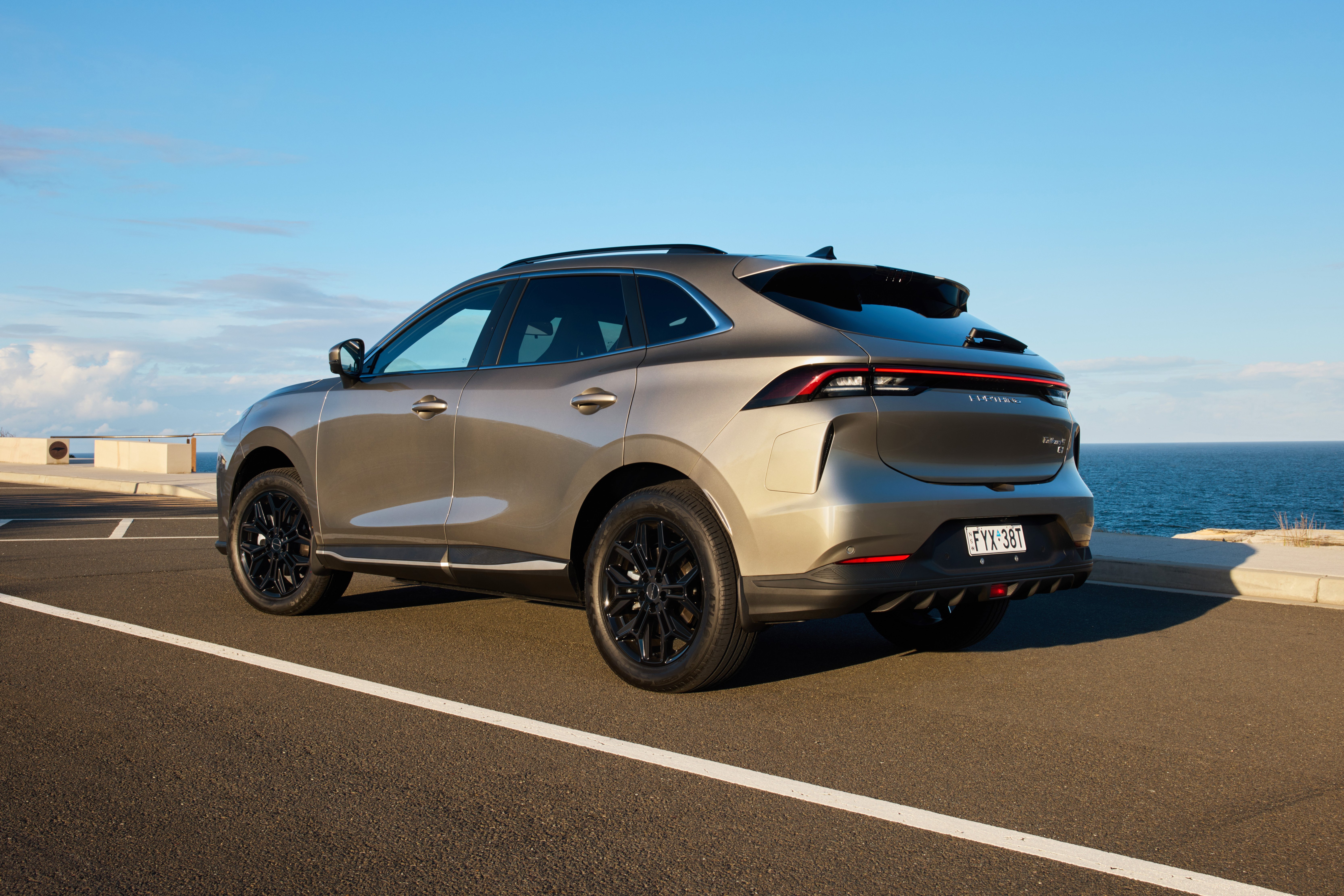
The 2026 Forthing Taikon 5 puts two kinds of electric driving into one mid-size SUV range, with the cheaper version pairing a modest battery with a petrol range extender. Australian showroom arrivals are due later this month, and prices start at $36,990 drive-away for the Range Extender Hybrid Luxury. The battery-electric version costs $2000 more in either trim.
Forthing distributor Ateco Automotive has confirmed that the Range Extender Hybrid is rear-wheel drive. An earlier description of that version as front-wheel drive was incorrect; the pure electric Taikon 5 is front-wheel drive.
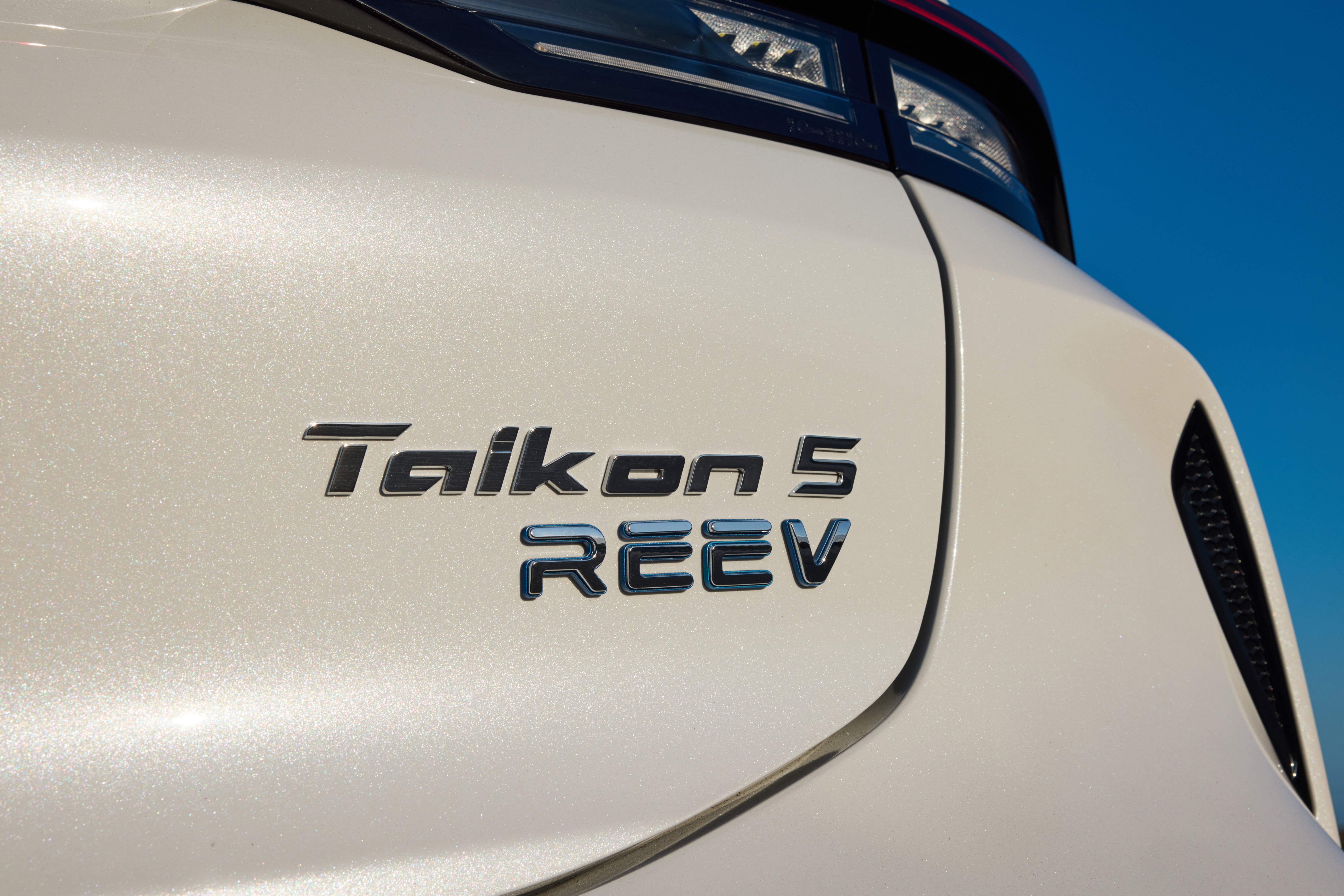
The Taikon 5 is about the size of a Toyota RAV4. Its launch pricing makes it Australia's cheapest mid-size electric SUV and the market's cheapest extended-range electric vehicle (EREV), according to the source. That gives buyers a choice between longer electric-only range and a petrol engine that can generate electricity for the battery.
Prices and rival context
| 2026 Taikon 5 version | Drive-away price |
|---|---|
| Range Extender Hybrid Luxury | $36,990 |
| BEV Luxury | $38,990 |
| Range Extender Hybrid Exclusive | $40,490 |
| BEV Exclusive | $42,490 |
The EREV undercuts the recently announced extended-range Leapmotor B10 Style, priced at $37,888 before on-road costs, although the B10 is a smaller SUV. The Taikon 5 EV Luxury also comes in below the BYD Atto 3 Essential, which is listed at $39,990 plus on-road costs. BYD classifies the Atto 3 as a mid-size SUV, though it is smaller than the B10.
Those comparisons make the Forthing's pricing notable, but the powertrain choice matters as much as the entry price. The EREV costs less and can cover a claimed 170km on electric power under the WLTP cycle, with a 937km claimed combined range. The BEV costs more but has a 427km WLTP electric range and a larger battery. Both figures are test-cycle claims, so real-world distance will depend on conditions and use.
Two powertrains, different range priorities
| Specification | Range Extender Hybrid | BEV |
|---|---|---|
| Petrol engine | 1.5-litre four-cylinder; 75kW and 130Nm | — |
| Electric motor | 120kW and 240Nm | 150kW and 340Nm |
| Battery | 31kWh lithium iron phosphate | 64kWh lithium iron phosphate |
| Drive | Rear-wheel drive | Front-wheel drive |
| Kerb weight | 1820kg | 1920kg |
| WLTP electric range | 170km | 427km |
| WLTP combined range | 937km | — |
| Maximum DC charging rate | 40kW | 80kW |
| Fuel tank and grade | 43 litres; 91-octane regular unleaded | — |
The EREV's petrol engine is listed at 75kW and 130Nm, while its electric motor produces 120kW and 240Nm. The BEV's motor is rated at 150kW and 340Nm. The source does not state acceleration figures, so the output numbers alone don't establish how the two versions compare in everyday response.
Charging is another distinction. Forthing says both versions take about 30 minutes to charge from 30 to 80 per cent, despite the EREV's smaller 31kWh battery and 40kW maximum DC rate compared with the BEV's 64kWh pack and 80kW rate. That charging window is a manufacturer claim; the source does not specify the charger conditions behind it. All versions also support vehicle-to-load power for external appliances at up to 3.5kW.
Size, equipment and ownership terms
Both versions measure 4600mm long and 1860mm wide, with a 2715mm wheelbase. The EREV is 1700mm tall and the BEV 1680mm. Those dimensions put the Taikon 5 in familiar mid-size SUV territory, though the source provides no cargo-volume or rear-seat measurements to judge its practical space against rivals.
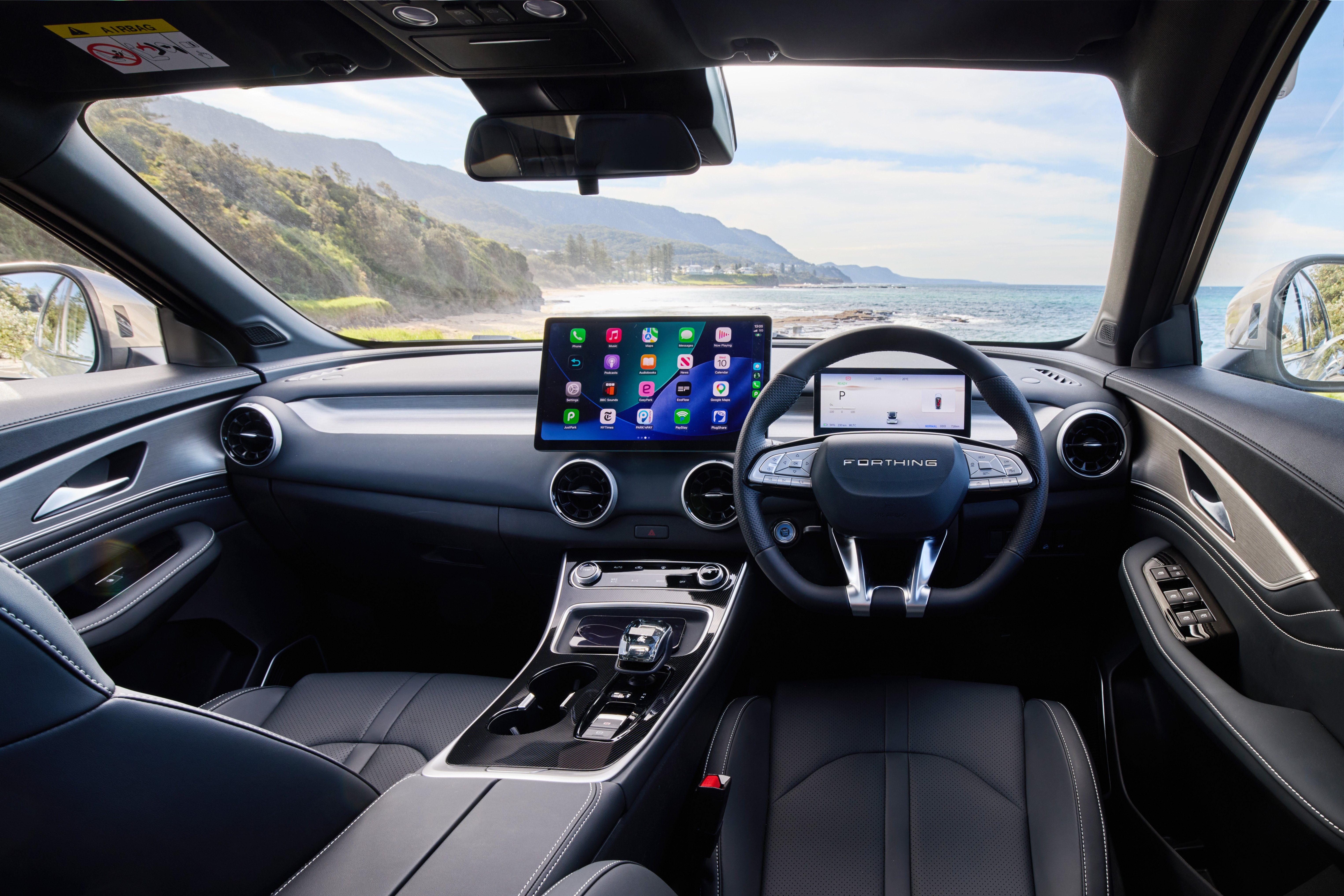
Luxury trim includes 19-inch alloy wheels, bi-LED headlights, an 8.8-inch digital instrument display and a 14.6-inch touchscreen with wireless Apple CarPlay and Android Auto. The audio system has four speakers. The driver's seat has 10-way power adjustment, ventilation and massage, while the front passenger gets a four-way power seat.
Exclusive adds a power tailgate, opening panoramic sunroof, rear privacy glass, power-folding mirrors, a six-speaker sound system, wireless phone charging and a leather-wrapped steering wheel. A space-saver spare is listed for the EREV Exclusive only. Metallic paint costs $600.
Standard safety equipment includes adaptive cruise control, autonomous emergency braking, blind-spot monitoring, lane-keep assist, rear cross-traffic alert, safe exit warning and traffic sign recognition. There are six airbags, rear parking sensors, a reversing camera and tyre-pressure monitoring. Exclusive adds front parking sensors and a surround-view camera. The Taikon 5 has not yet been assessed by ANCAP.
Forthing backs the range with a seven-year, 200,000km warranty. Scheduled servicing is due every 12 months or 15,000km for the EREV, and every 12 months or 20,000km for the BEV. No capped-price servicing program has been announced, leaving service costs as a point buyers will need to clarify with the distributor. Ateco says it has established Forthing showrooms in every Australian state.
The Taikon 5's main decision is straightforward: pay less for the EREV's shorter electric-only range and petrol-supported 937km combined claim, or spend $2000 more for each equivalent BEV trim and its longer claimed battery range. The pricing is sharp on paper; charging access, driving patterns and service costs will determine which version makes more sense day to day.


