In lane Electric Vehicles
2026 GWM Tank 500 Diesel: Australian Prices, Specs and Features
Description
The Tank 500 diesel starts at $65,990, adds a third row and 3,500kg towing capacity, and uses less claimed fuel than the PHEV.
The new diesel gives Australian buyers a lower-priced, seven-seat GWM Tank 500 with a higher towing limit than the plug-in hybrid. Orders are open, with first customer deliveries expected from mid-September. The trade-off is lower power and torque than the hybrid powertrain, while the diesel’s claimed fuel use is lower than the PHEV’s figure when its battery charge is low.
GWM offers the 2026 Tank 500 diesel in Lux and Vanta grades. Drive-away prices are $65,990 and $71,990 respectively, compared with $79,990 for the Tank 500 Ultra PHEV. For diesel vehicles purchased before October 30, 2026, GWM is offering either a further $2,000 discount or a $2,000 fuel card.
The diesel is the first version of the Tank 500 to bring an oil-burning engine to Australian showrooms. It uses a 3.0-litre turbo-diesel four-cylinder, while other markets also offer the SUV with a 2.4-litre turbo-diesel four. GWM still lists hybrid stock on its Australian website, and the Ultra PHEV remains part of the local range.
Diesel performance, towing and consumption
The diesel produces 170kW and 620Nm, below the PHEV’s combined 300kW and 750Nm. Its claimed fuel consumption is 7.1L/100km. The PHEV’s claimed figure is 2.1L/100km, rising to 8.4L/100km when battery charge is low; it also has a claimed 120km NEDC electric driving range. The diesel does without a battery and electric motor, and doesn’t require AdBlue.
Both powertrains have a nine-speed automatic transmission and four-wheel drive, with locking front, centre and rear differentials. Their systems differ: the diesel uses part-time four-wheel drive, while the PHEV has a full-time torque-on-demand setup. The diesel’s braked towing capacity is 3,500kg, 500kg more than the PHEV’s 3,000kg. Its claimed 0–100km/h time and CO2 emissions are still to be confirmed.
GWM Australia says the diesel powertrain underwent more than six months of local engineering and validation testing, led by product dynamics and integration manager Rob Trubiani, a former Holden engineer. The diesel’s published kerb weight is 2,635kg for Lux and 2,705kg for Vanta; the PHEV weighs 2,820kg.
| Specification | Tank 500 diesel | Tank 500 Ultra PHEV |
|---|---|---|
| Engine | 3.0L turbo-diesel four-cylinder | 2.0L turbo-petrol four-cylinder |
| Engine output | 170kW / 620Nm | 180kW / 380Nm |
| Electric motor output | — | 120kW / 400Nm |
| System output | — | 300kW / 750Nm |
| Battery | — | 37.11kWh nickel manganese cobalt |
| Transmission | 9-speed automatic | 9-speed hybrid automatic |
| Claimed fuel economy | 7.1L/100km | 2.1L/100km; 8.4L/100km at low battery charge |
| Claimed electric use and range | — | 27.2kWh/100km; 120km NEDC |
| Maximum DC charge rate | — | 50kW |
| Fuel tank | 78L Lux; 131L Vanta | 70L |
| Payload | 760kg Lux; 690kg Vanta | 610kg |
| Braked towing capacity | 3,500kg | 3,000kg |
| Gross vehicle mass | 3,395kg | 3,430kg |
| Gross combination mass | 6,545kg | 6,430kg |
Space, dimensions and off-road figures
The diesel and PHEV share a 5,078mm length, 1,934mm width, 1,905mm height and 2,850mm wheelbase. The diesel has 220mm ground clearance, against 213mm for the PHEV. Its approach angle is 28.5 degrees, departure angle 25 degrees and breakover angle 25 degrees; the PHEV figures are 30, 24 and 22.5 degrees respectively.
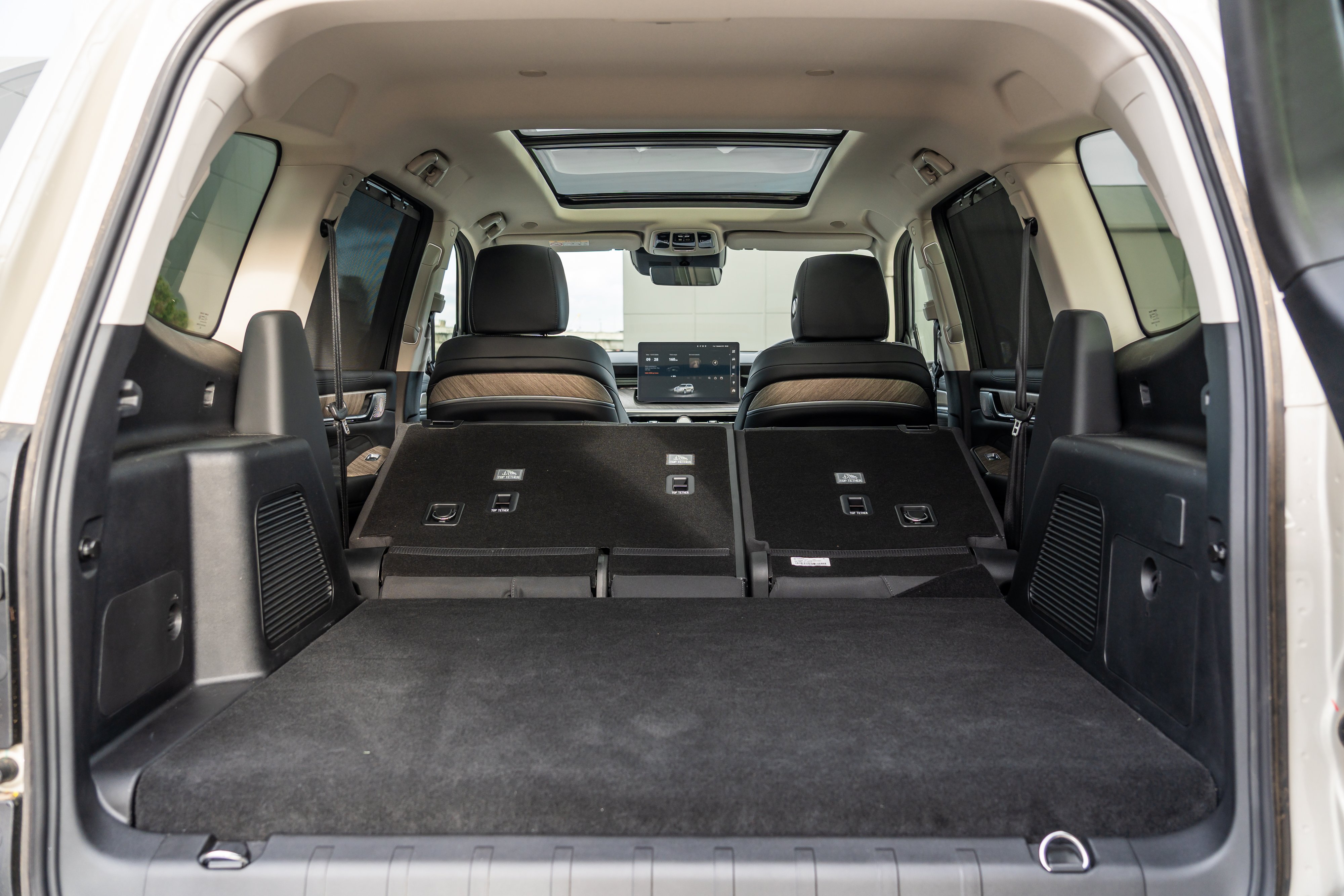
The diesel’s third row is a practical distinction from the Ultra PHEV, which has two rows. Cargo space in the diesel is listed at 98L behind the third row, 795L with the third row folded and 1,489L with both rear rows folded. The PHEV offers 640L behind its second row and 1,400L with that row folded. Buyers comparing luggage space should note that the figures describe different seating arrangements.
Lux and Vanta equipment
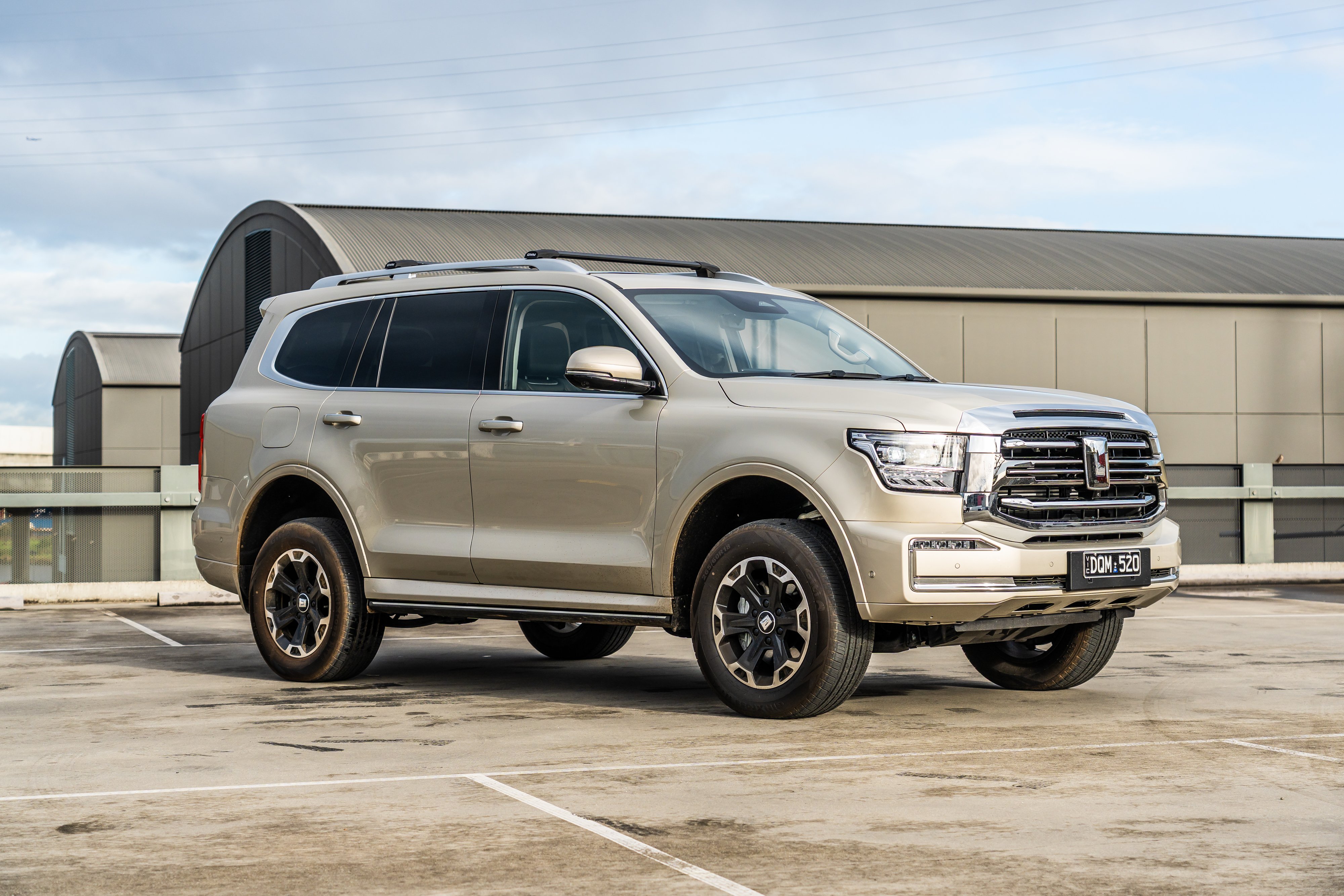
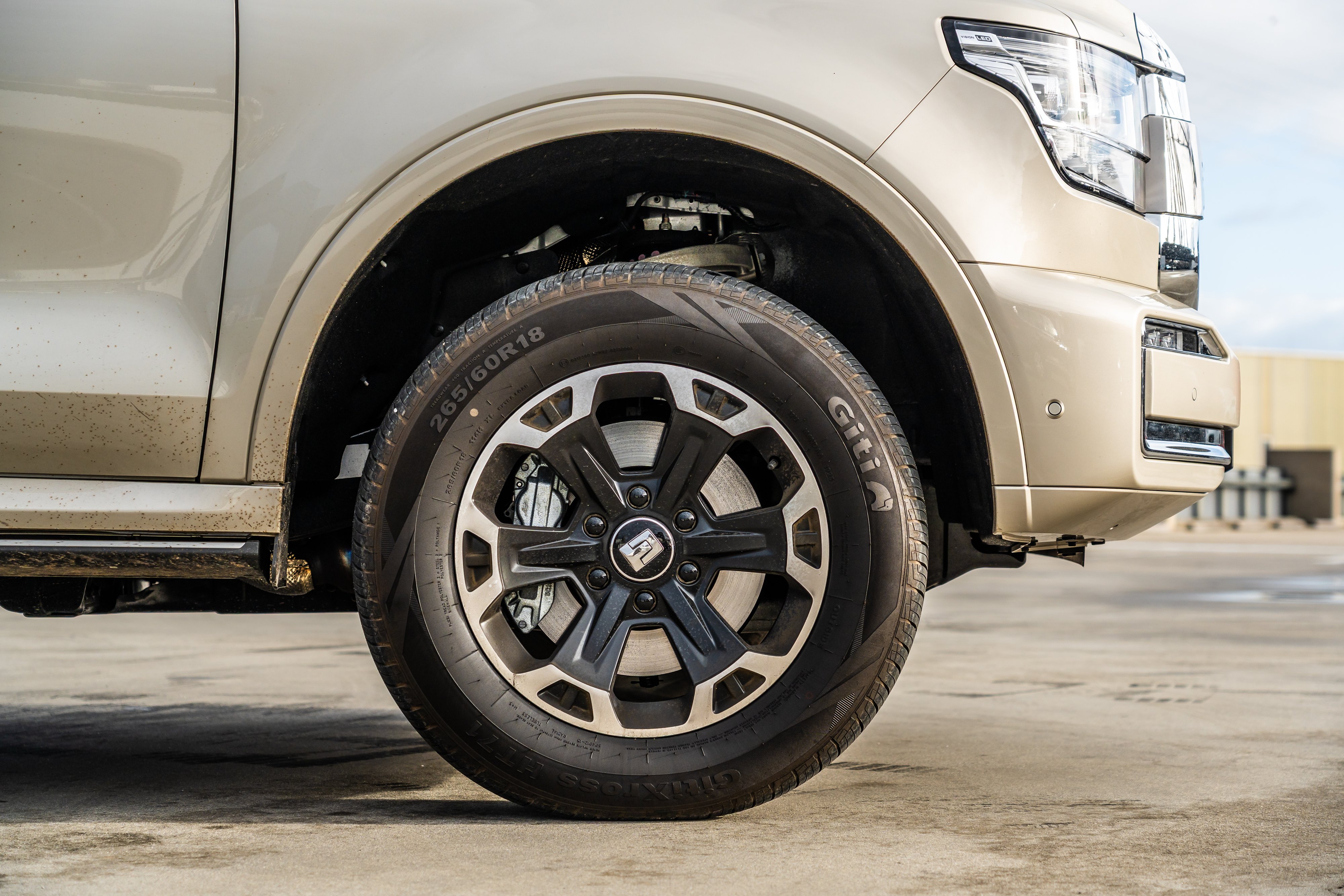
The Lux diesel includes 18-inch two-tone chrome alloy wheels, a full-size alloy spare, automatic LED headlights, cornering lights, side steps, a sunroof and rear privacy glass. It also gets front and rear differential locks, hill descent control and an electronic parking brake with auto hold.
Inside, the Lux has a 14.6-inch touchscreen running GWM’s new-generation Coffee infotainment system, wireless Apple CarPlay and Android Auto, DAB+ radio, an eight-speaker sound system, wireless phone charging and a 12.3-inch digital instrument display. Comfort features include an eight-way power driver’s seat with memory and adjustable lumbar support, a four-way power passenger seat, heated front seats, dual-zone climate control and seven-colour ambient lighting.
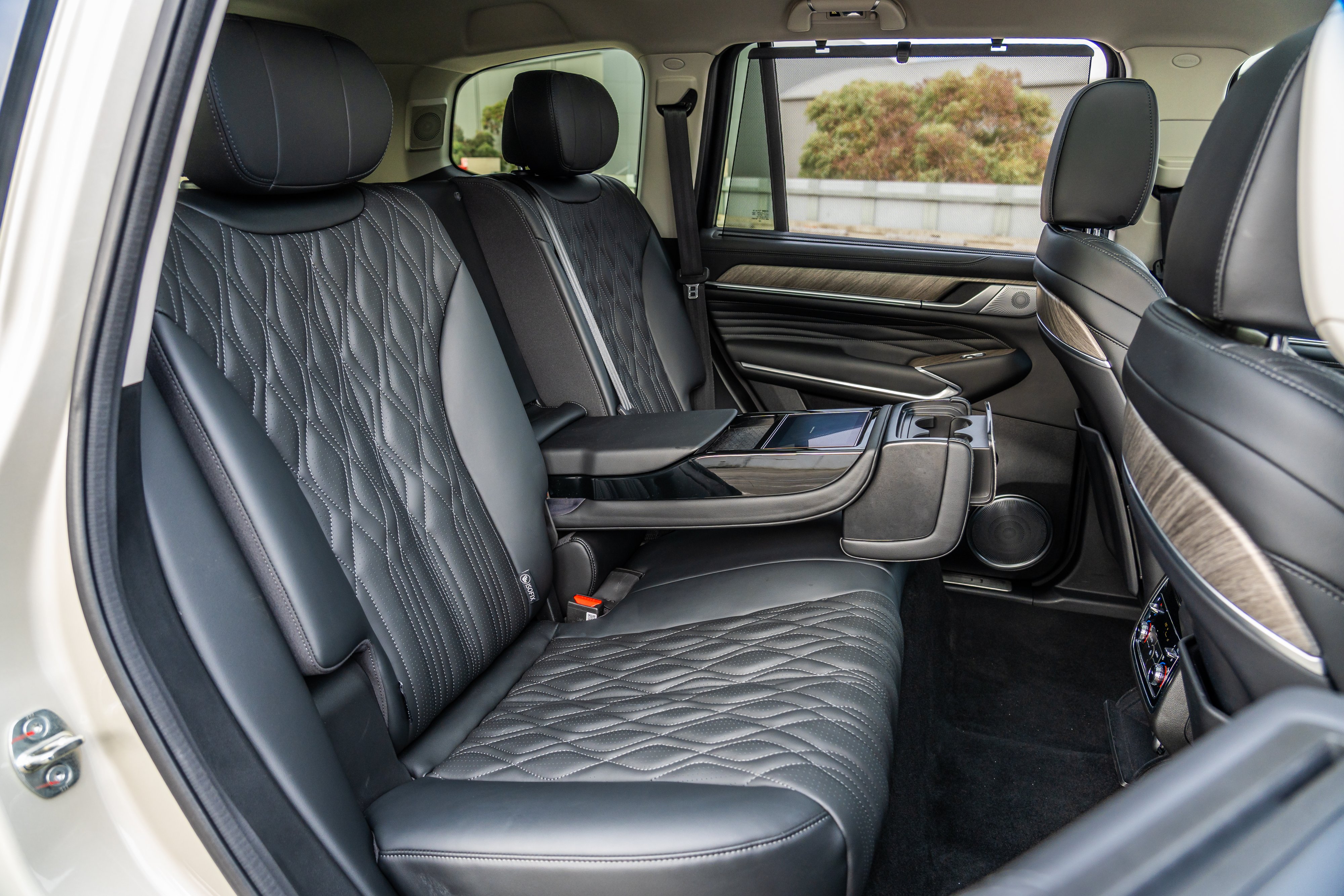
At $6,000 above Lux, the Vanta adds black 19-inch alloy wheels with Continental tyres, black exterior detailing, a panoramic sunroof, soft-close tailgate and power-retractable side steps. Its cabin adds a head-up display, 50W wireless charger, Nappa leather-accented trim, heated, ventilated and massaging front seats, a heated steering wheel, ventilated second-row seats and power-folding third-row seats. A 12-speaker system, active noise cancellation, second-row manual window shades and 64-colour ambient lighting are also included.
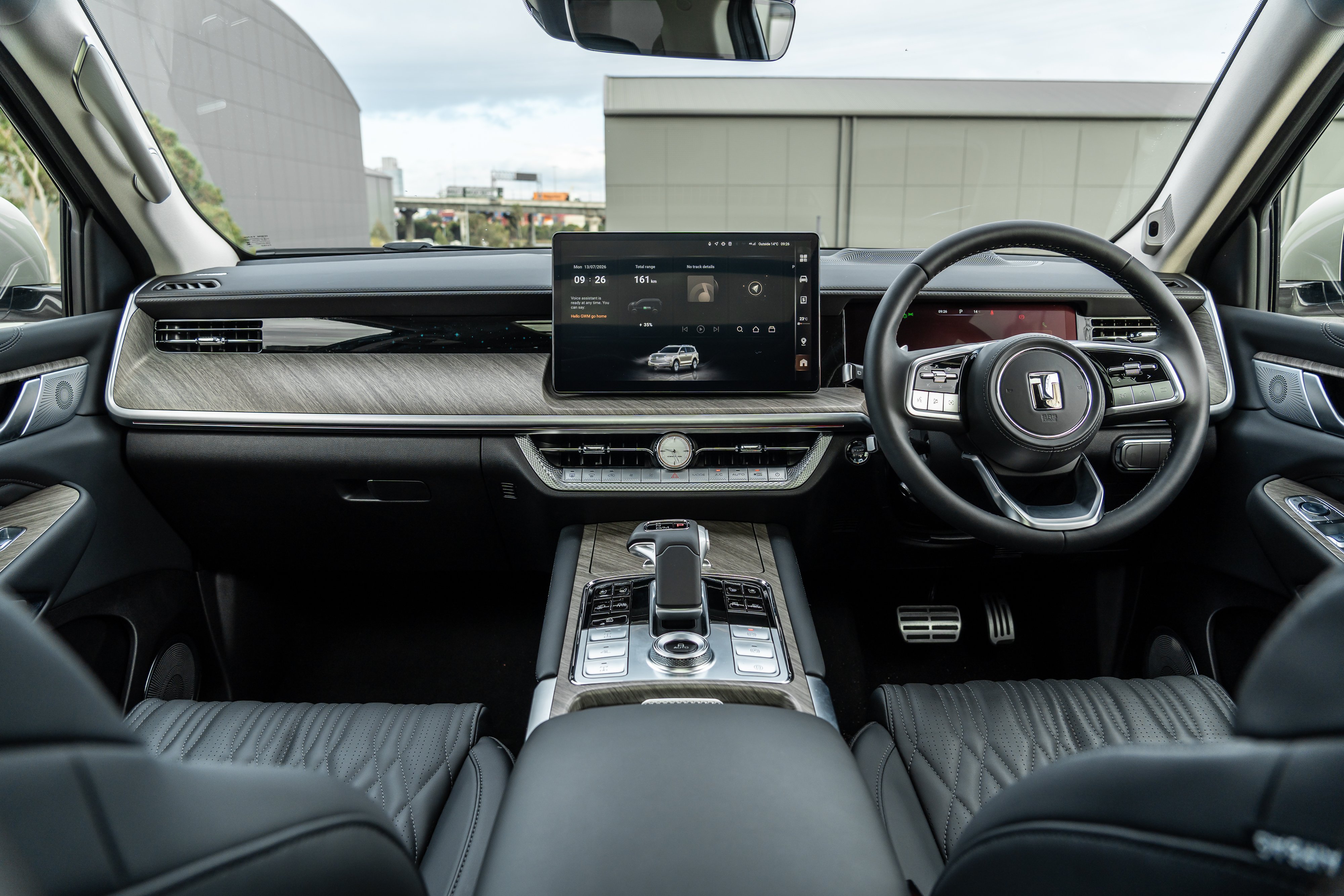
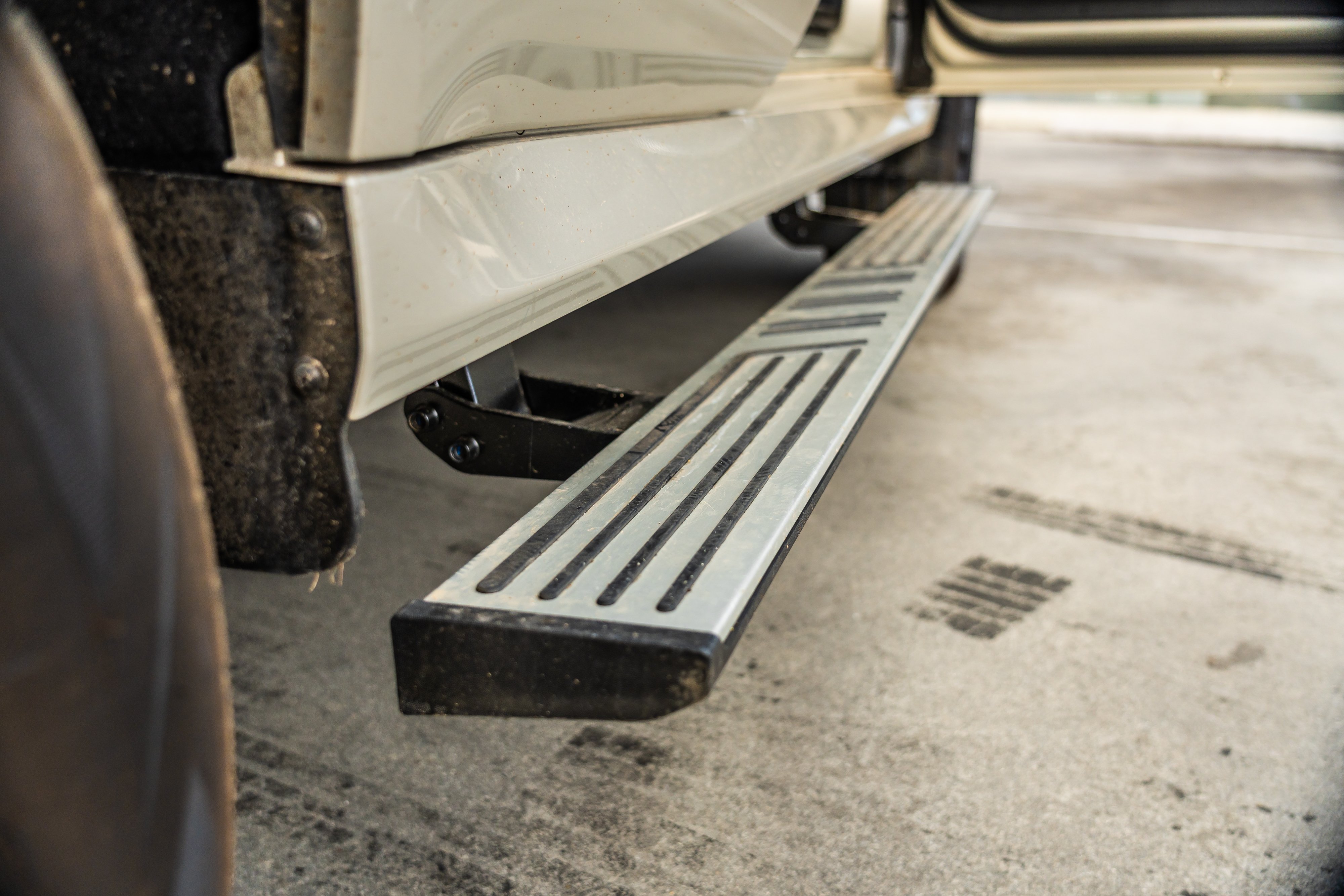
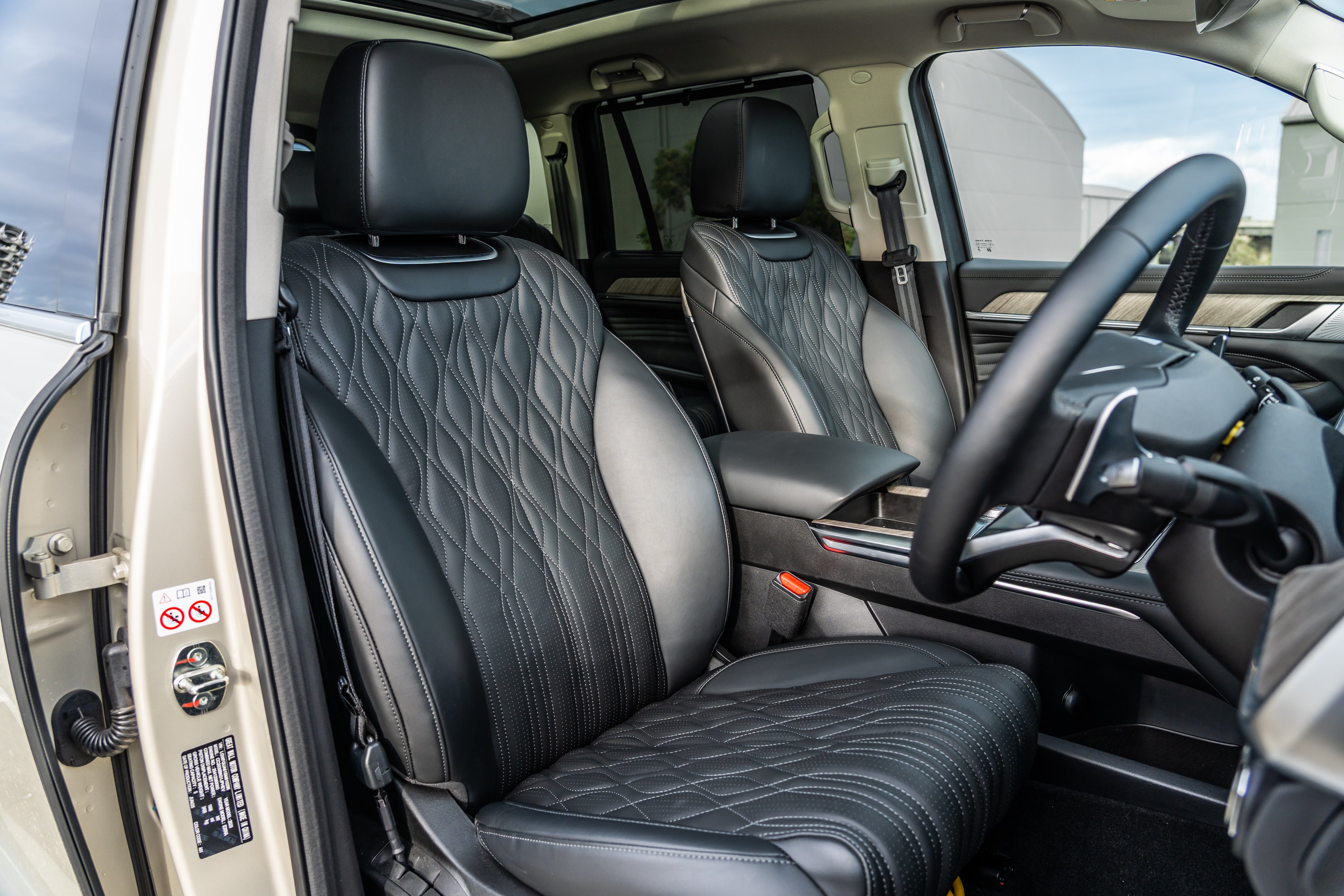
The Ultra PHEV shares several Vanta comfort features, including the panoramic sunroof, power-retractable steps, head-up display, massaging front seats, 12-speaker audio and active noise cancellation. It also has heated, ventilated and massaging second-row seats. Its current infotainment system is older than the diesel’s Coffee OS, though GWM says the PHEV is expected to receive the newer system, potentially for model year 2027.
Warranty, servicing and safety
GWM provides a seven-year, unlimited-kilometre vehicle warranty and seven years of capped-price servicing. Diesel service prices have not been announced. For reference, the PHEV’s listed scheduled service costs are $315 at 12 months/10,000km, $500 at 24 months/25,000km, $640 at 36 months/40,000km, $740 at 48 months/55,000km and 60 months/70,000km, $950 at 72 months/85,000km, and $365 at 84 months/100,000km. The PHEV battery has a separate eight-year, unlimited-kilometre warranty.
The Tank 500 received a five-star ANCAP rating based on 2024 testing, applying at present to PHEV and discontinued hybrid versions. The published scores are 85 per cent for adult occupant protection, 93 per cent for child occupant protection, 81 per cent for vulnerable road user protection and 74 per cent for safety assist. The diesel’s rating status is not specified in the source information.
Listed standard safety equipment includes autonomous emergency braking, blind-spot monitoring, driver fatigue monitoring, lane-keep assist, emergency lane-keep assist, rear cross-traffic assist, safe exit warning, traffic sign recognition, Traffic Jam Assist, a reversing camera and rear parking sensors. The SUV has seven airbags: front, front-side, front-centre and curtain airbags.
Colours and the buying decision
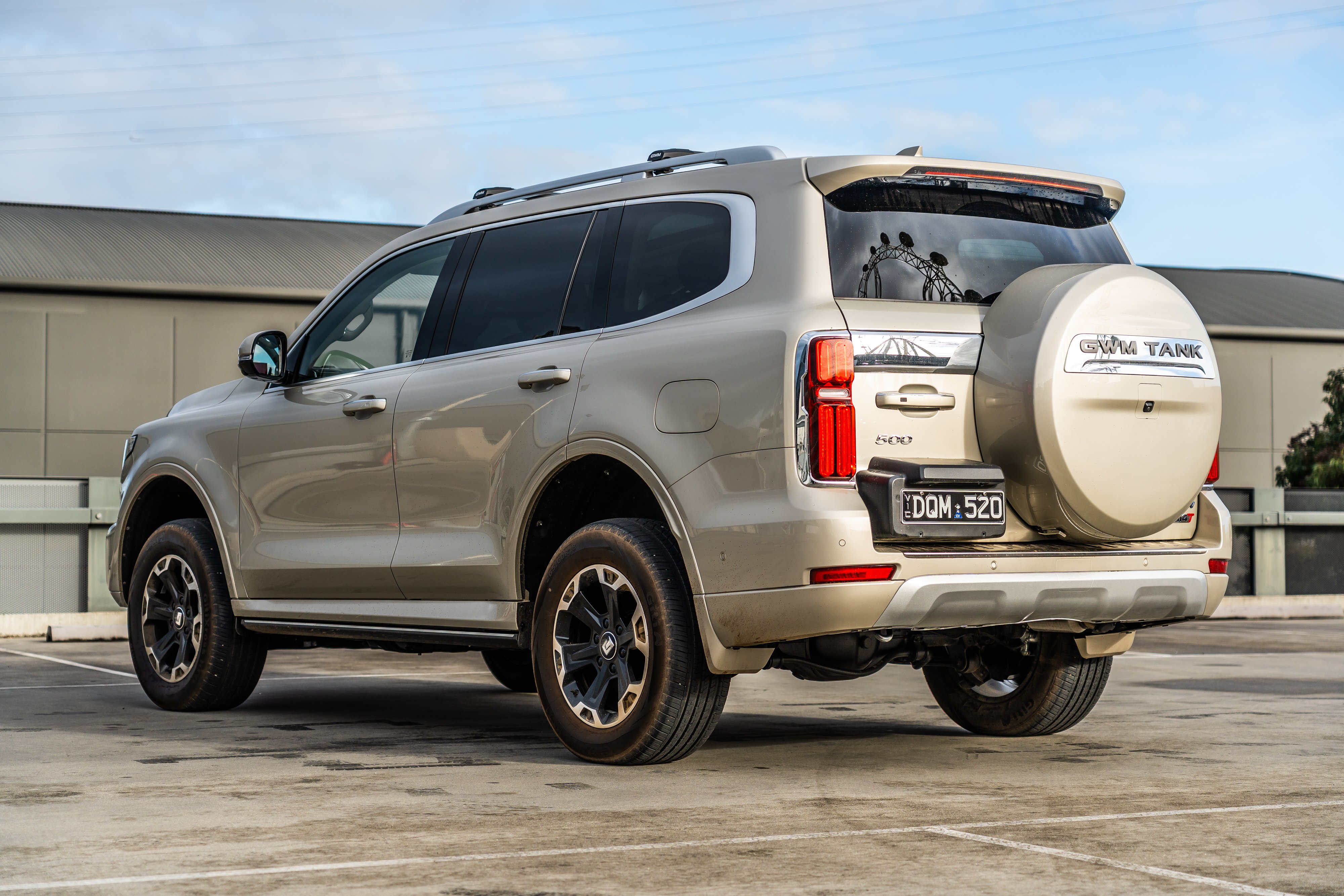
Paint choices are Marble White, Crystal Black, Onyx Silver and Dune Gold. Marble White is included in the price; the other colours cost an extra $595. All versions have a black interior as standard. Vanta buyers can choose a black-and-apricot cabin with Marble White or Crystal Black paint, while the Ultra PHEV is also available with a blue-and-cream interior.
The diesel’s clearest case is for buyers who want three rows, a 3,500kg towing limit and the lower listed drive-away price. The PHEV brings substantially higher system output and electric-only driving, but costs more and has no third row in Ultra form. Diesel servicing costs remain unannounced, so that detail will help complete the ownership comparison.


