In lane Electric Vehicles
1965 Ford Mustang Pony Interior Package Added Upscale Style for $107
Description
The 1965 Mustang’s $107 Pony Package brought embossed seats, wood effect trim and extra details to the affordable pony car.
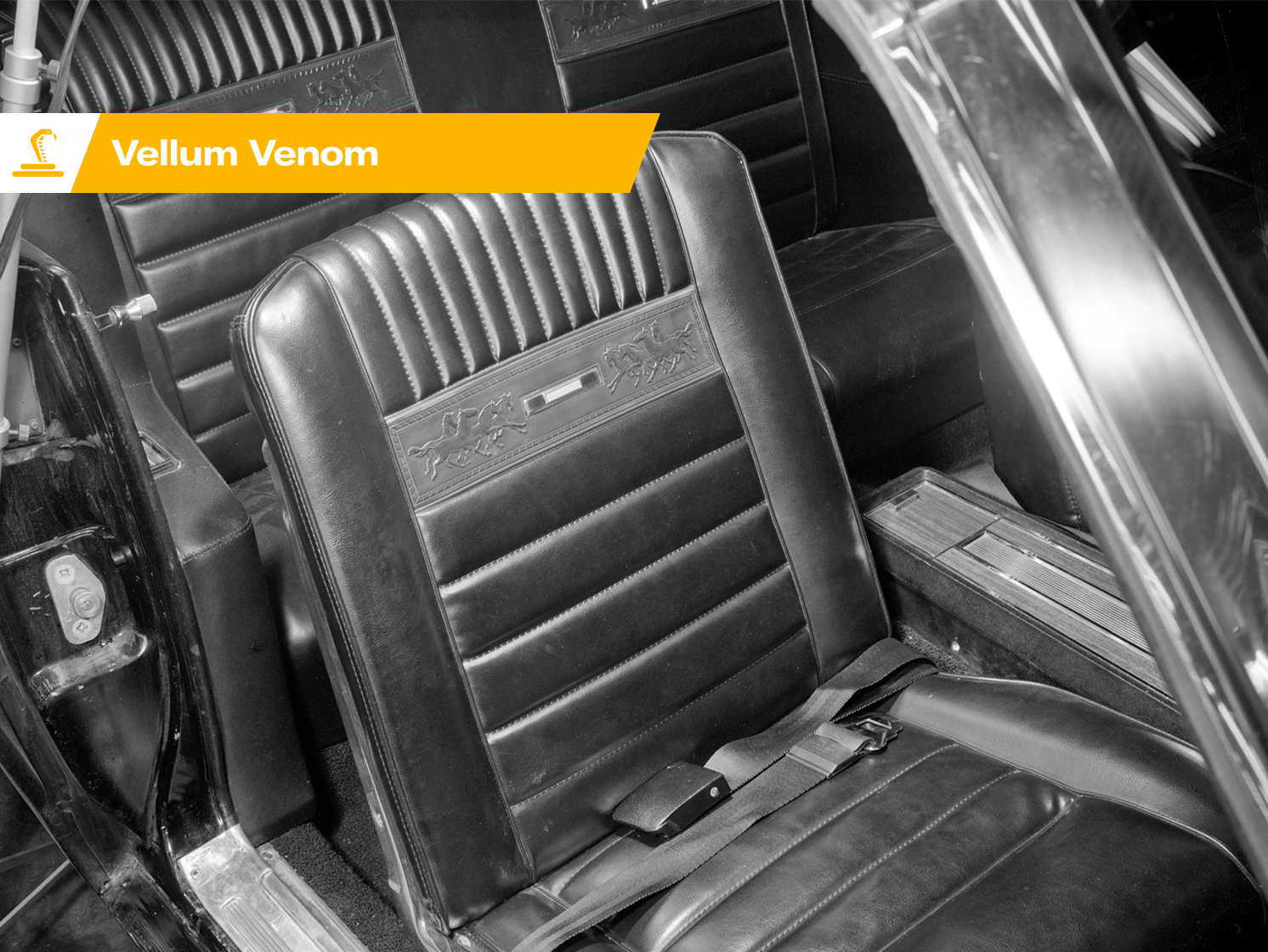
The 1965 Ford Mustang’s appeal wasn’t limited to its long hood, short deck or optional V-8. For $107, buyers could add an interior package that made the inexpensive pony car feel considerably more upscale. About 27,000 customers chose it in 1965, a sign that buyers wanted personal luxury alongside the Mustang’s accessible price.
Ford introduced the Mustang at the 1964 New York World’s Fair. It went on sale for $2368 and drew 22,000 sales on its first day. The car’s mix of style and attainable pricing helped establish the pony car formula, but the base Mustang wasn’t a standout performer. Buyers could add V-8 power, a four-speed manual transmission or a special handling package. They could also spend on interior upgrades, an often overlooked part of the car’s appeal.
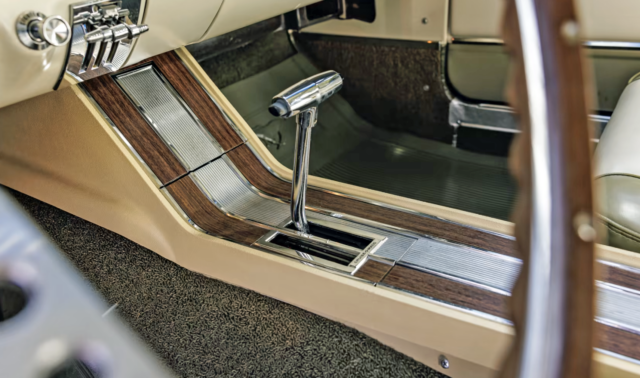
The Mustang’s options helped it reach from Ford Falcon buyers to customers shopping for something more premium. Extra interior trim offered an economical way to move upmarket without changing the car’s basic structure. A good example is the optional floor console, available to cars with bucket seats.
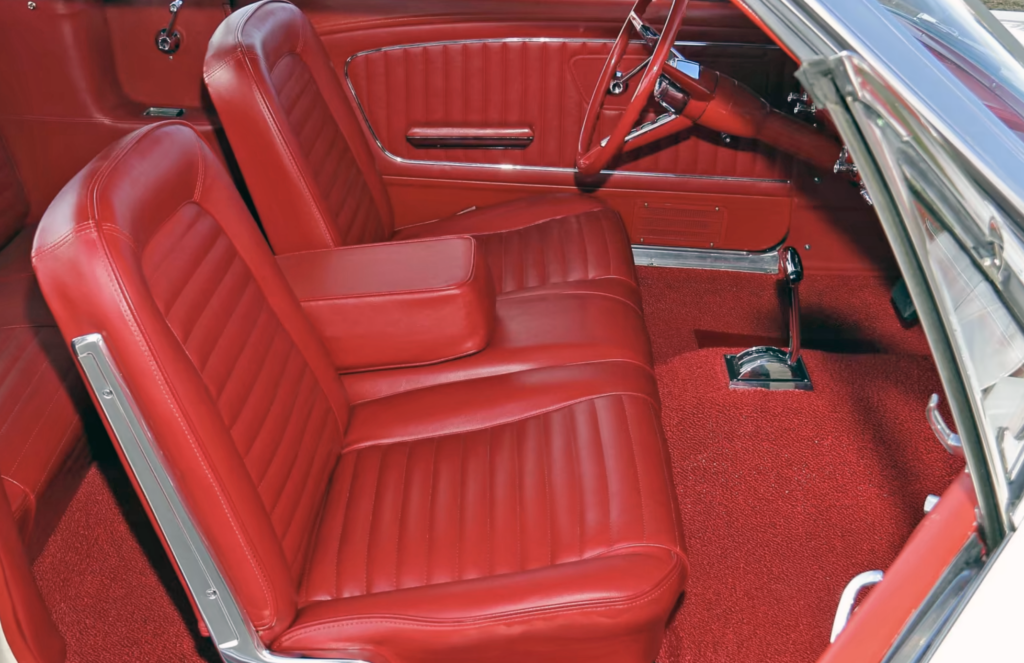
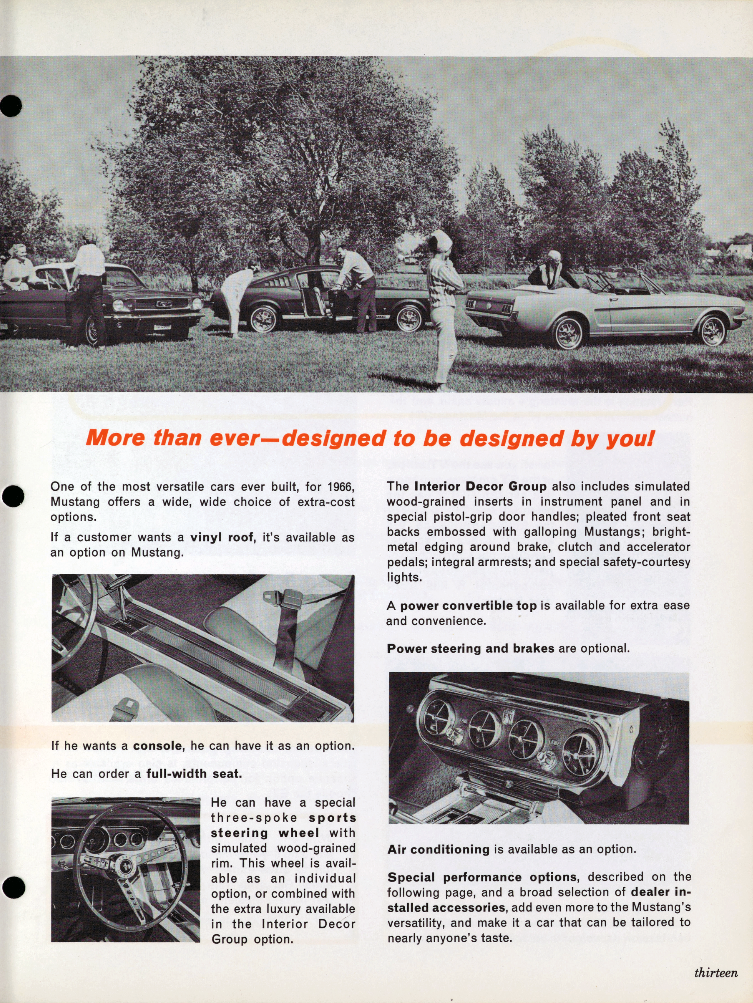
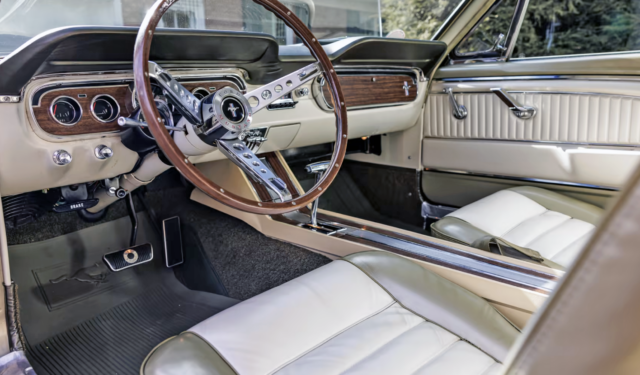
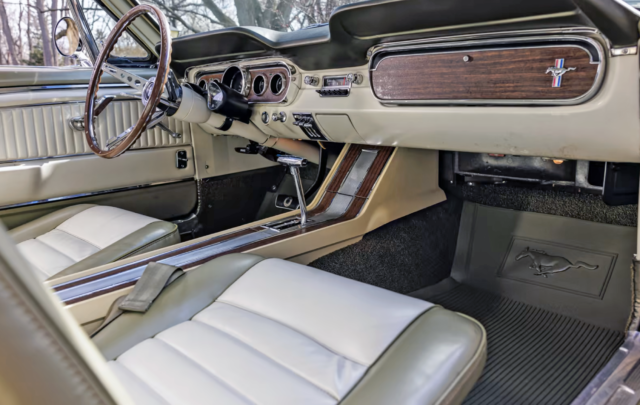
At $51.50, the console cost a meaningful share of the base car’s price, but it added useful storage, a rear passenger ashtray and a courtesy light. It also dressed up the carpeted transmission tunnel and integrated the offset floor shifter with the dashboard’s chrome accents. The rear light is especially well considered: its edge blends into the carpet, making the illumination feel like part of the console rather than an afterthought.
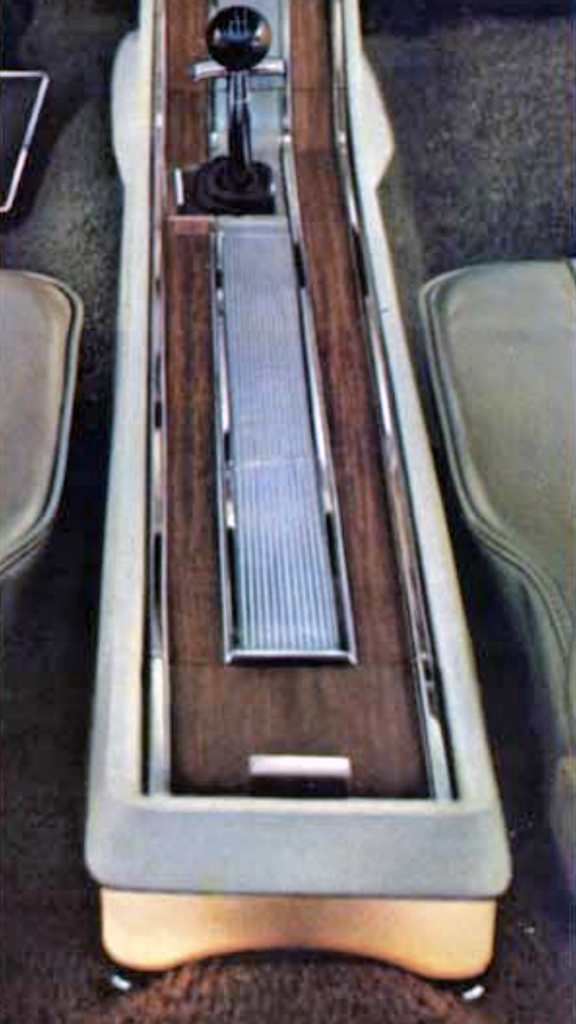
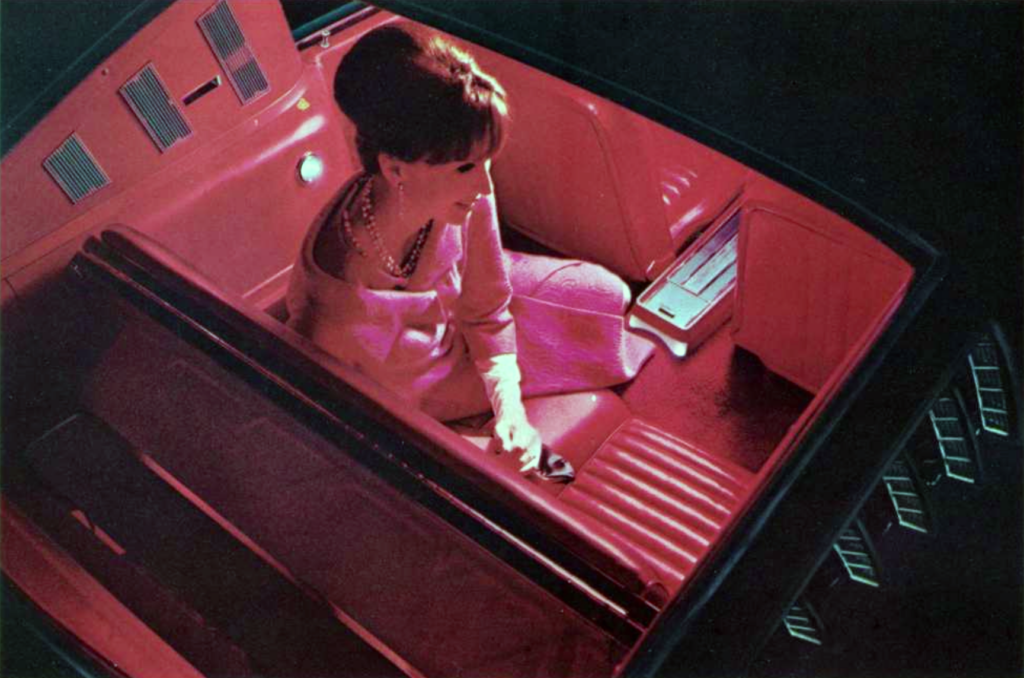
That console could give the Mustang a hint of Thunderbird character, in a car that cost far less than a Thunderbird. The equivalent of $506.33 in today’s dollars bought more than a place to rest an arm. The broader cabin upgrade, known officially as the Interior Decor Group and commonly called the Pony Package, carried the idea further.
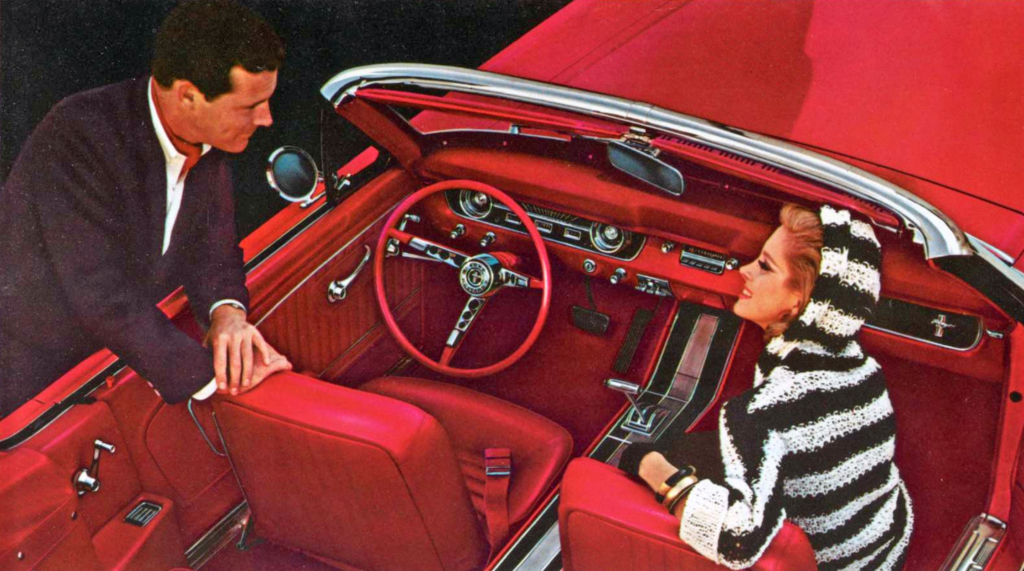
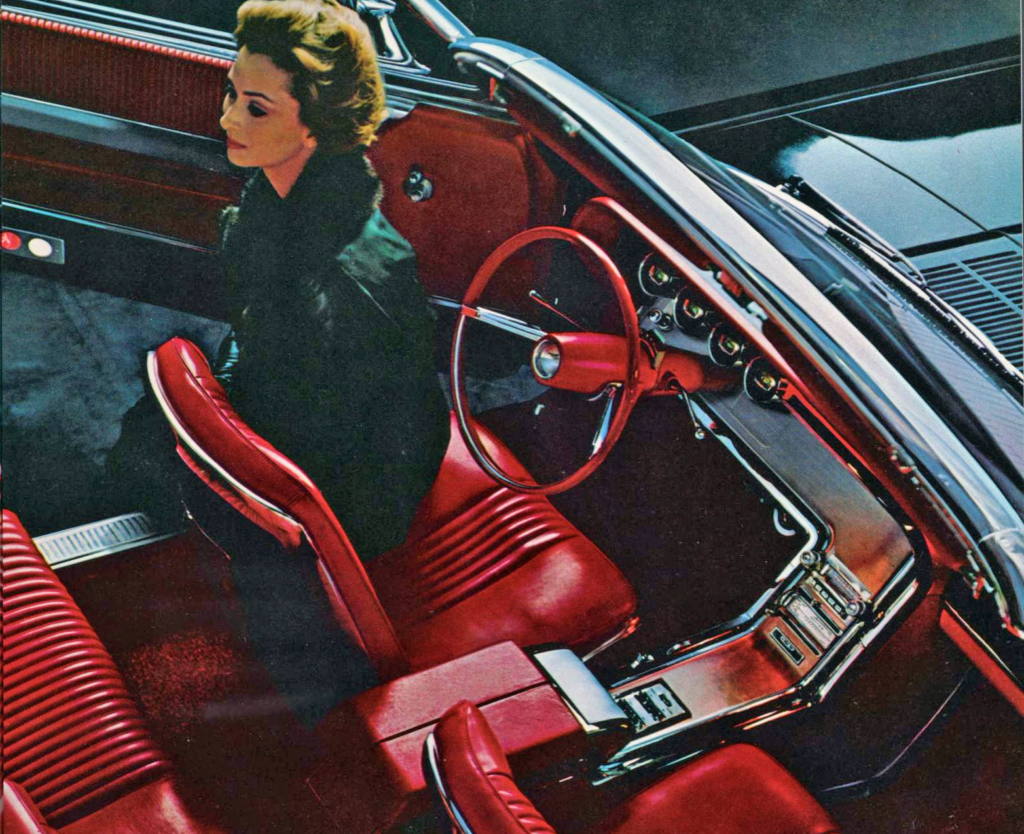
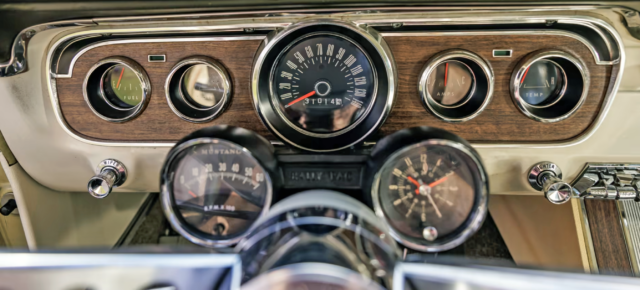
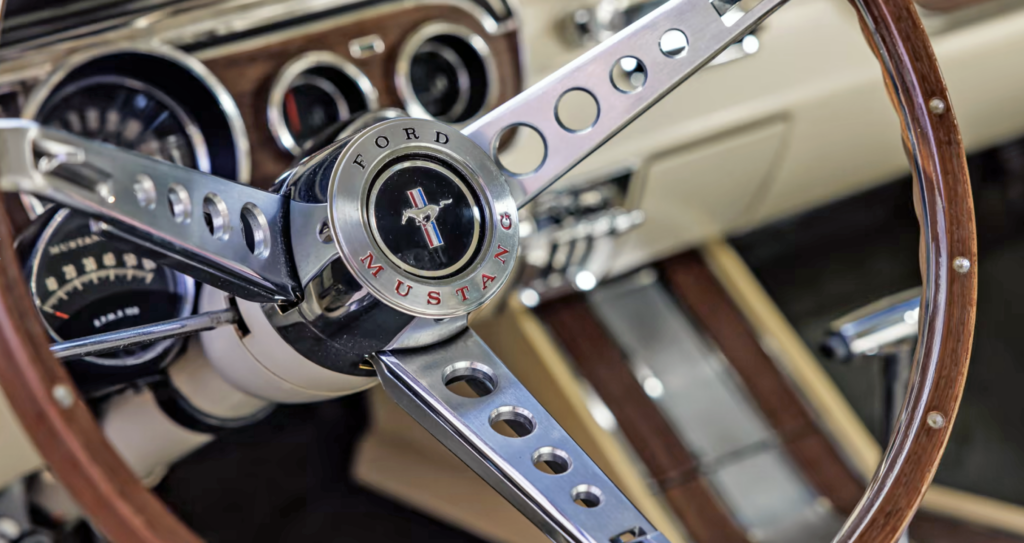
The name came from the horses embossed on the package’s two-tone seats. Simulated wood trim on the console coordinated with wood-effect details on the steering wheel and dashboard. The package also included distinctive door panel inserts, Thunderbird-style door handles and courtesy lights. A GT-style gauge package, plus carpet and vinyl coverings with stainless steel trim on the kick and quarter panels, completed the cabin makeover.
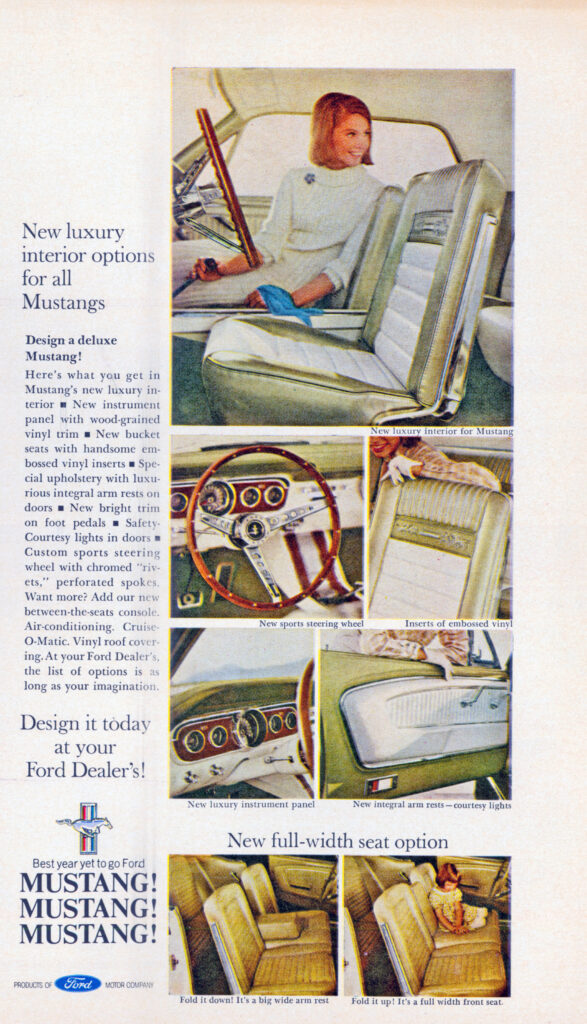
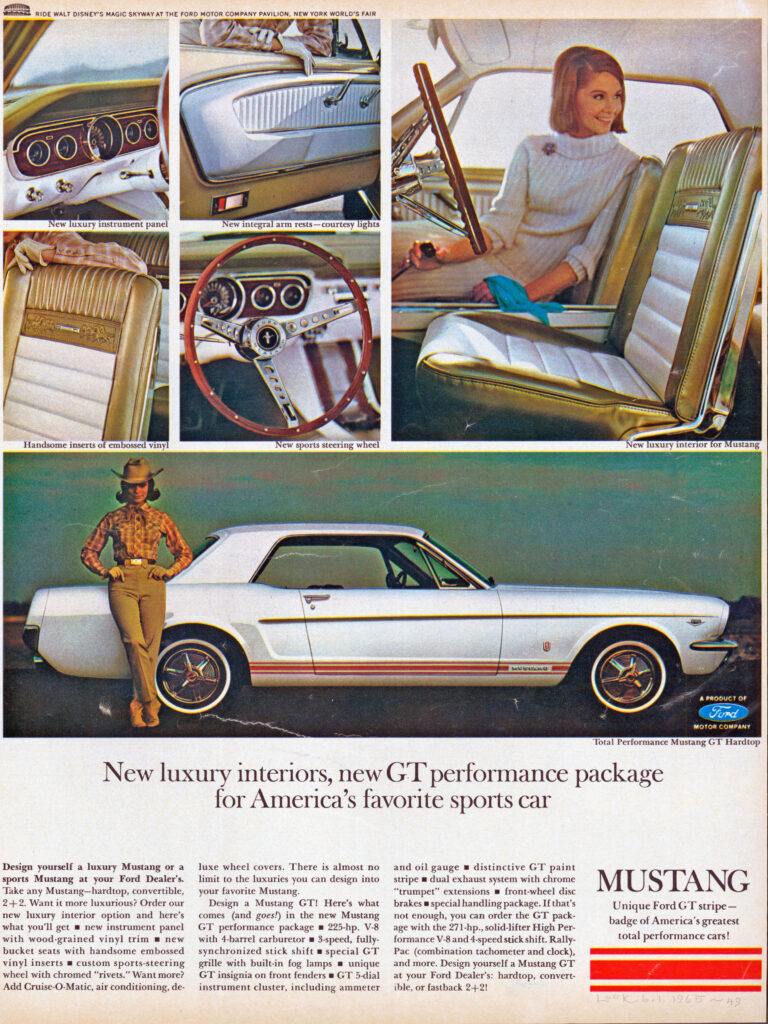
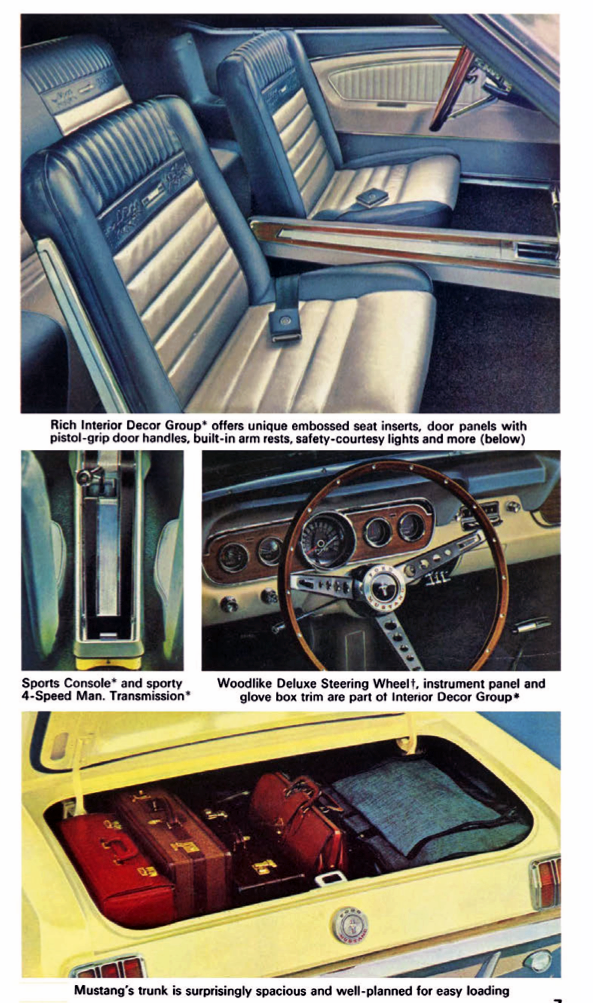
The $107 price worked out to $1051.98 in today’s dollars. That bought a coordinated set of materials and details, rather than a single decorative add-on. The cream upholstery, embossed horses, wood tones and chrome gave the cabin a stronger sense of occasion. It wasn’t Jaguar craftsmanship, but it let buyers create a more distinctive Mustang without paying for a much more expensive two-door.
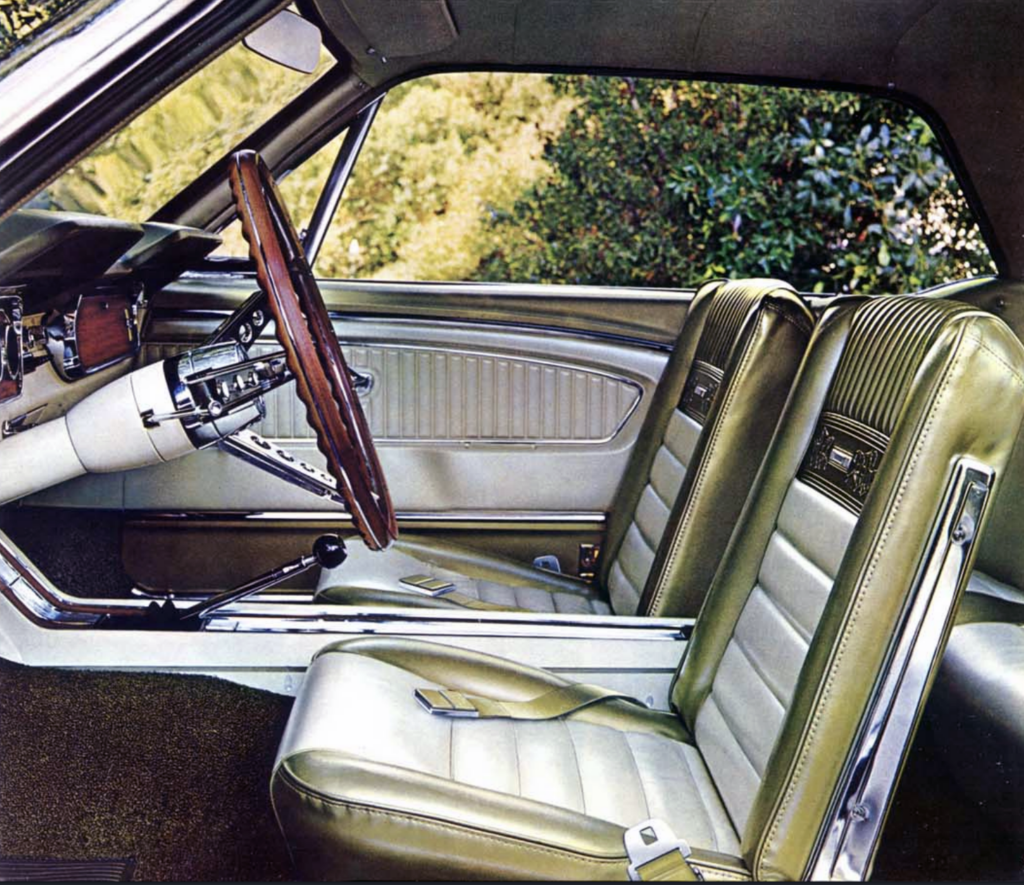
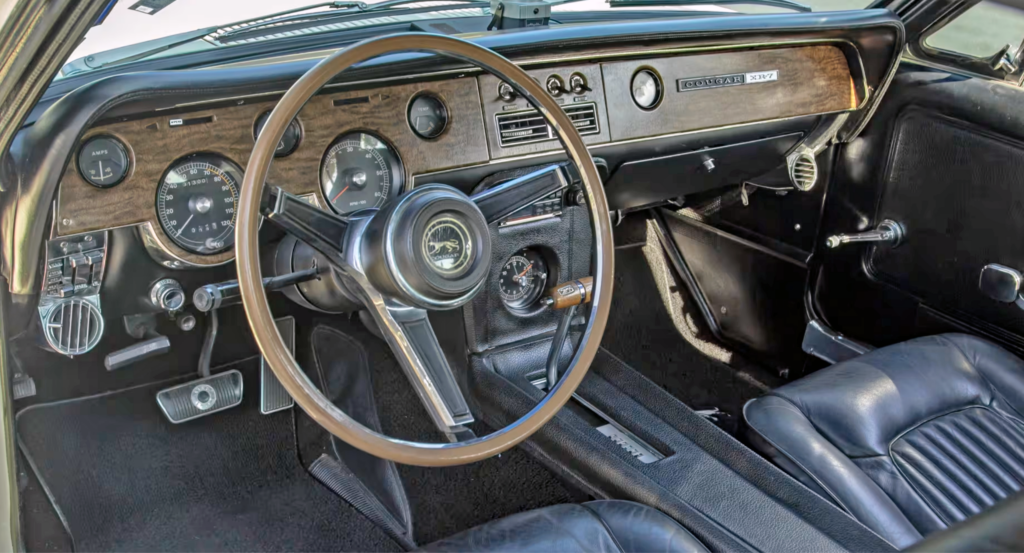
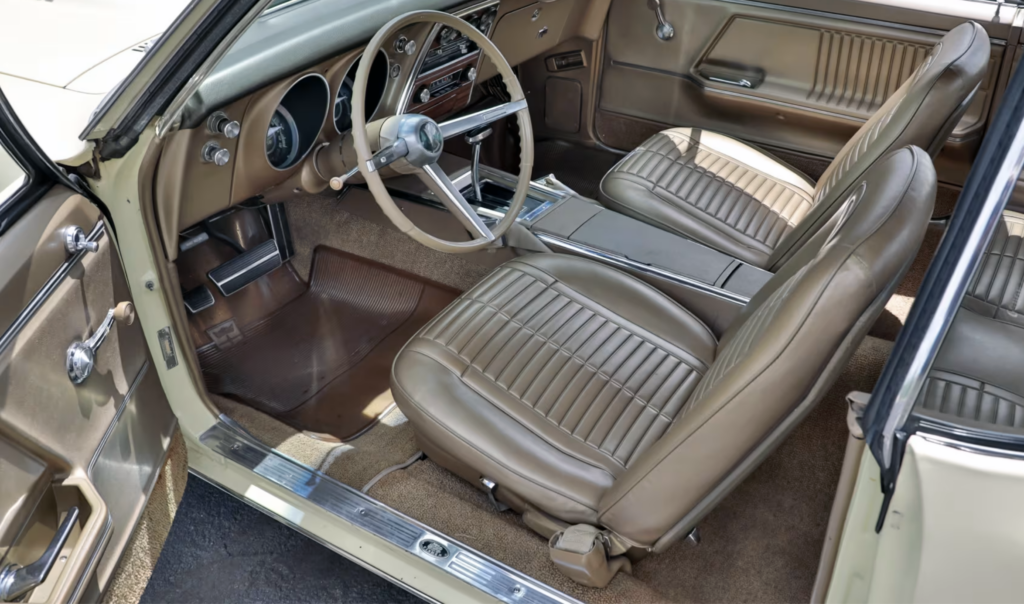
Ford sold 559,451 Mustangs in 1965, with roughly 27,000 fitted with the Pony Package. That take rate points to demand for a more premium version of the car, and competitors responded with their own richer interiors. The 1967 Mercury Cougar XR-7, for example, went further with additional lights and switches, extensive faux burl trim and leather seating surfaces.
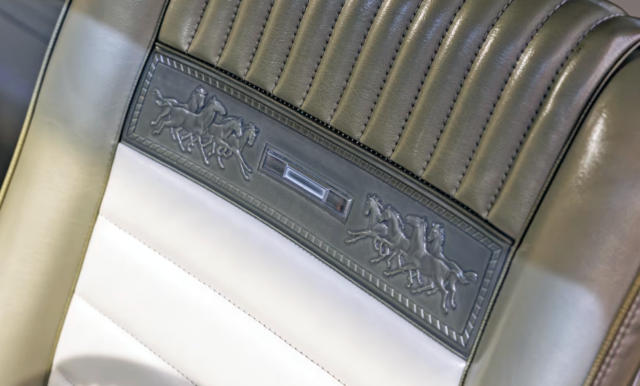
The Pony Package lasted only two years as a factory interior upgrade, yet its legacy reaches beyond its production run. It showed that an accessible car could offer a more personal, dressed-up cabin, widening the appeal of the pony car formula. In 1965, buyers could spend $2368 on a Mustang, or pay far more for a Thunderbird or Jaguar XKE. The Pony Package offered a middle ground: more visual flourish and comfort, with money left over.
That’s the lasting lesson of the 1965 Mustang’s interior options. A carefully planned cabin can make a mainstream car feel more special, and can help define a whole class of vehicle. The Pony Package gave buyers a taste of personal luxury before that category had a name—and helped show rivals where the next round of competition would happen.


