In lane Electric Vehicles
Morgan Midsummer Review: How Pininfarina Refines the Plus Six
Description
Pininfarina reshapes Morgan’s Plus Six with cleaner proportions, yacht inspired details and a low, purposeful stance. The planned 50 car run is sold out.
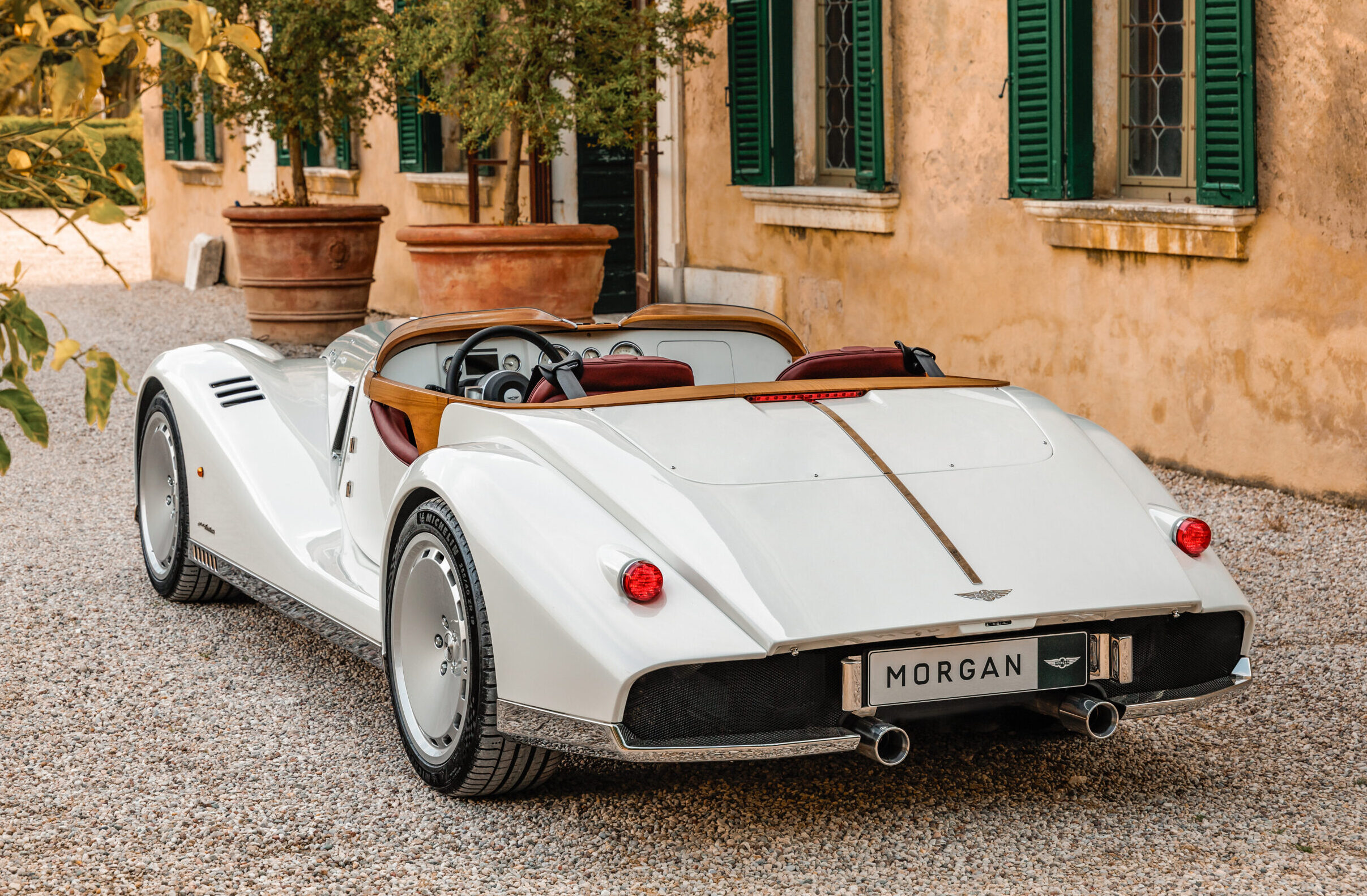
The Morgan Midsummer’s achievement is less about reinventing the car than making a familiar shape feel newly resolved. Pininfarina started with the Plus Six, then changed its proportions, body surfaces and details to give the traditional British roadster a more composed, distinctly nautical character. For a small manufacturer working with limited production resources, that restraint looks like the point.
The project followed Morgan’s announcement the previous November that it would work with the Italian design house on a new vehicle. The resulting Midsummer is a barchetta, a kind of open sports car, and a substantial redesign of an existing model rather than a clean-sheet vehicle. Hagerty’s earlier coverage of the collaboration is here.
A redesign shaped by Morgan’s scale
Morgan makes between 800 and 850 cars a year, mostly by hand, according to Hagerty. That scale brings creative freedom, but it also limits the money, facilities and technology available for a project. Pininfarina had to work within the Plus Six’s foundations, leaving the design team to find impact in the areas it could change.
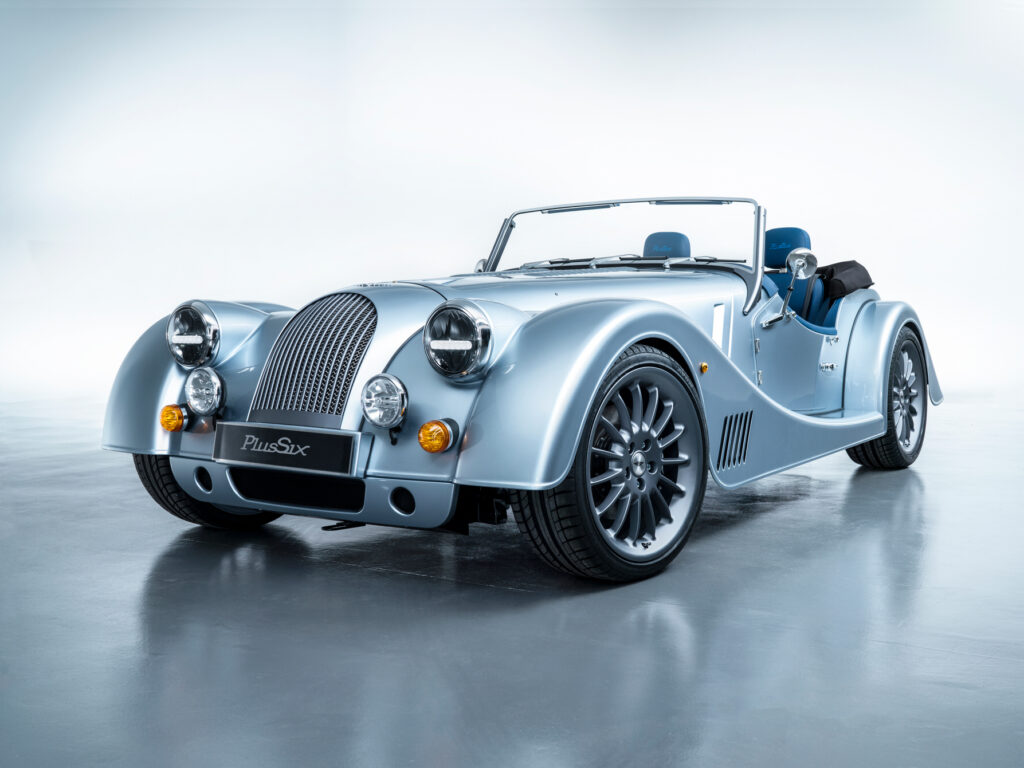
That constraint matters when judging the result. The Midsummer doesn’t discard Morgan’s long-standing visual identity, and it doesn’t need to. Its strongest move is correcting some proportions that can feel awkward on the latest models built on the CX platform. The classic Morgan cues remain, while the fenders and lower front end receive more deliberate treatment.
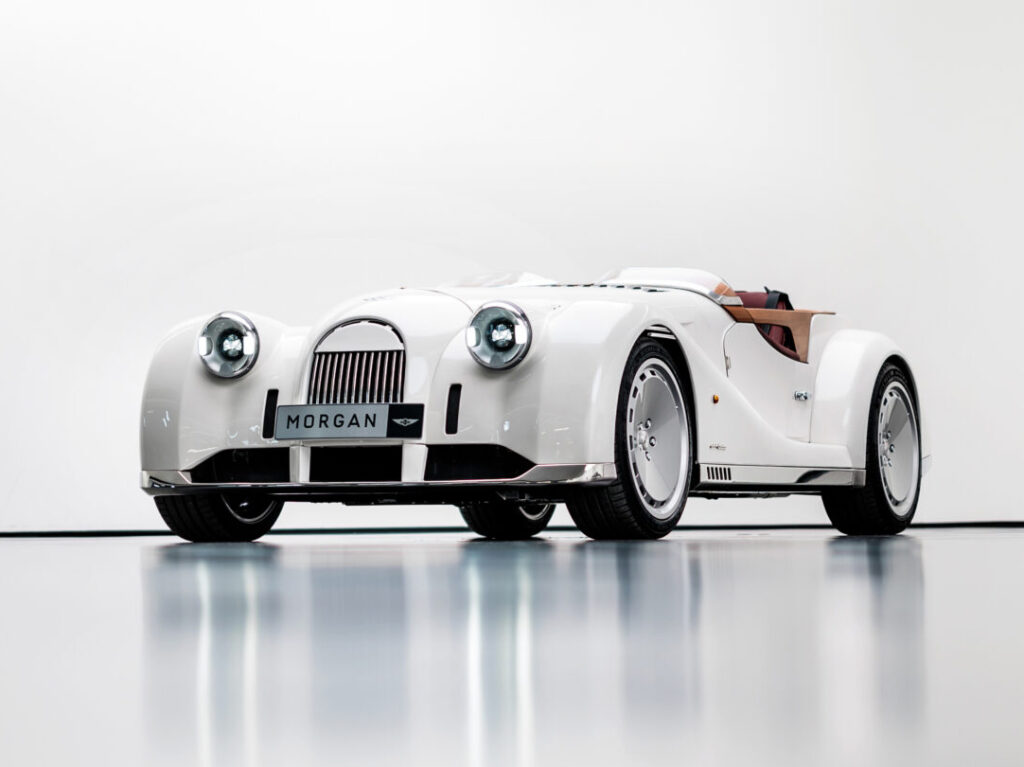
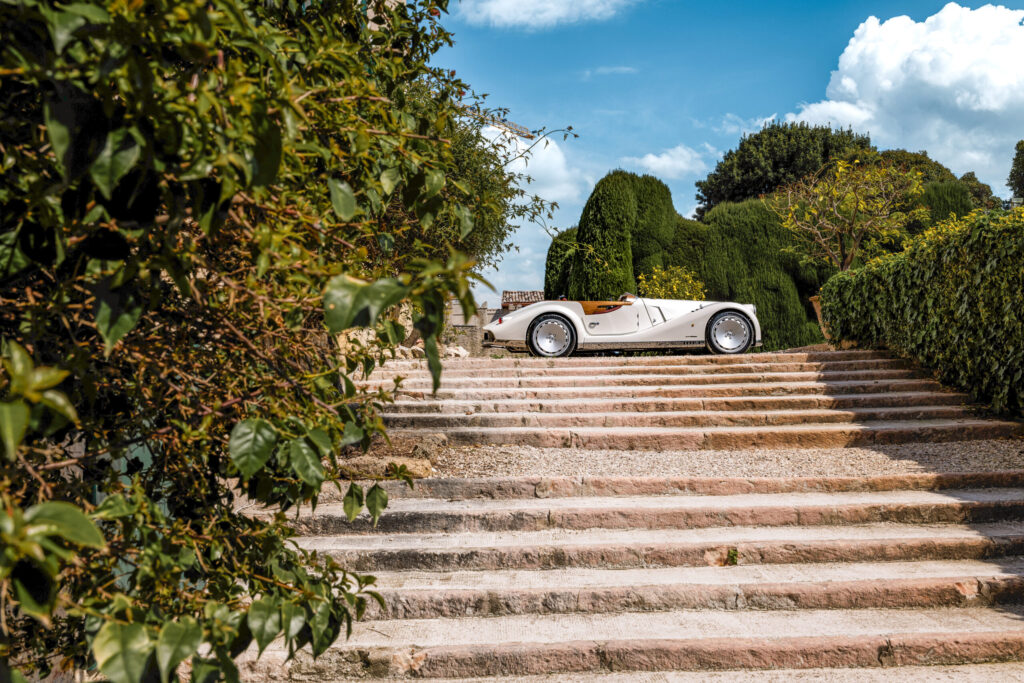
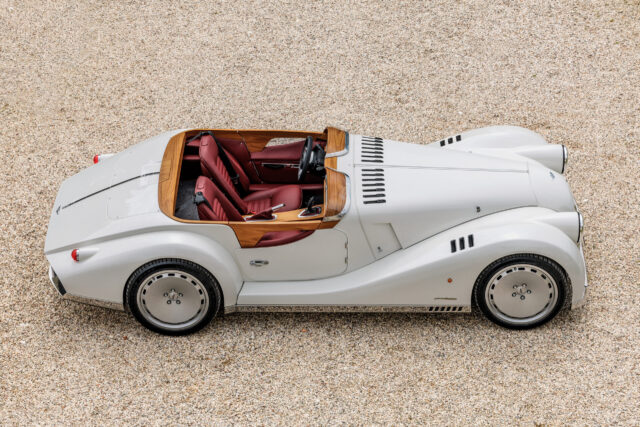
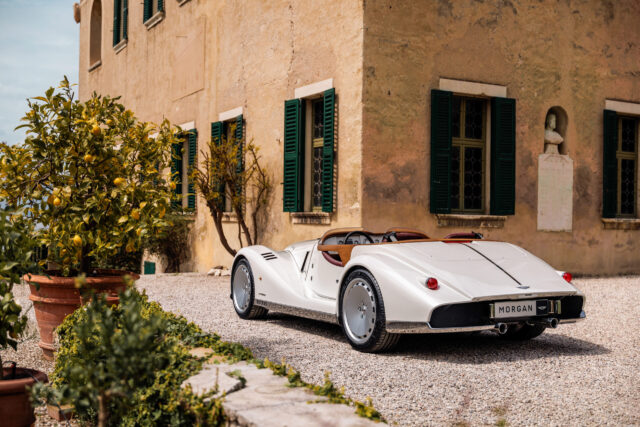
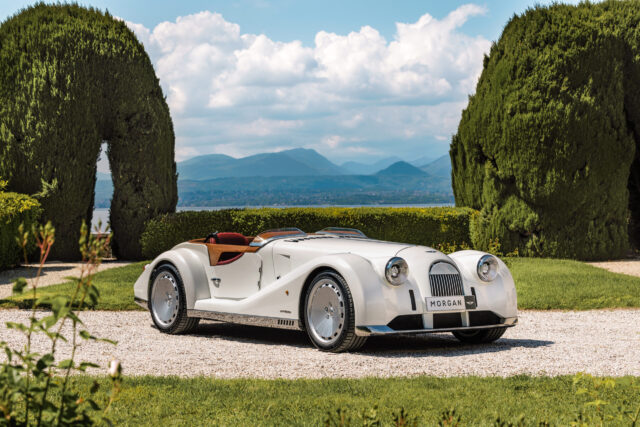
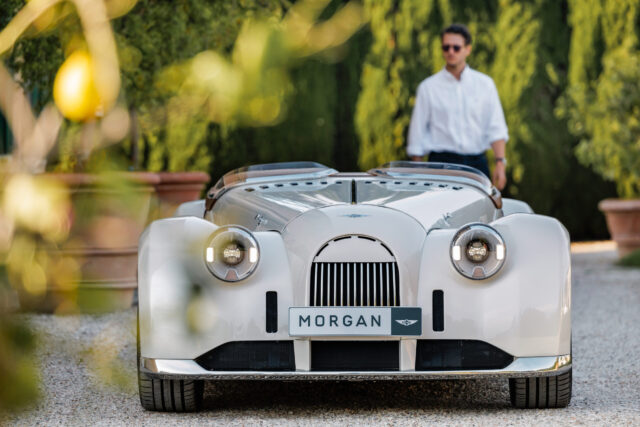
Compared with the Plus Six, the Midsummer’s silhouette feels longer and more balanced. Removing the windscreen leaves a clear horizontal line across the body, drawing the eye along the car. The extended rear overhang helps counter the long bonnet and lets the tail narrow more gracefully. The effect recalls the old design principle of making a car appear longer, lower and wider, applied here without abandoning Morgan’s recognizable form.
Details that do more than decorate
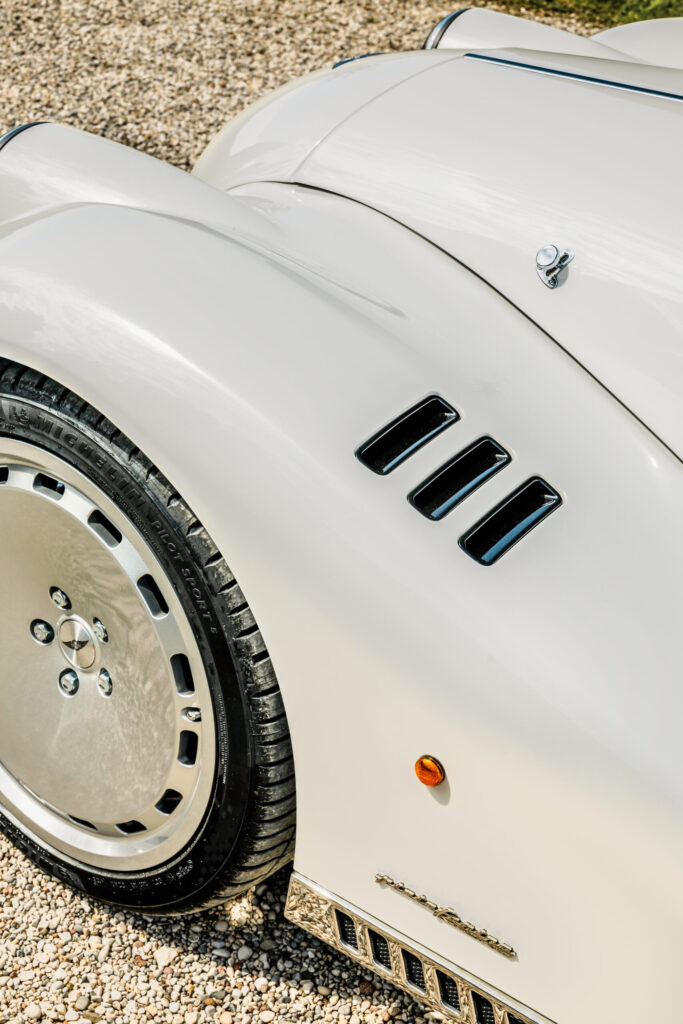
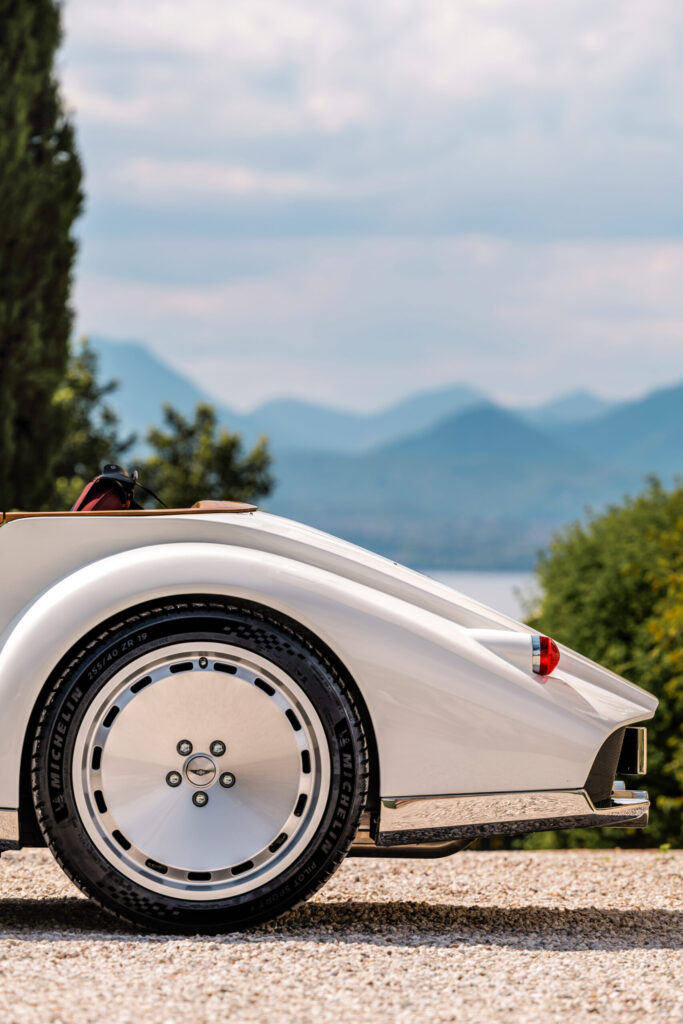
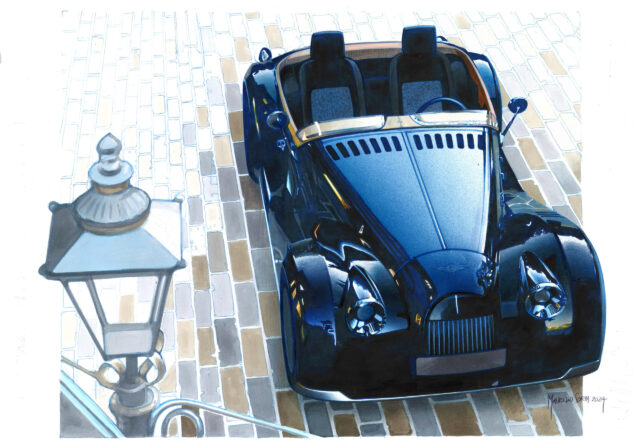
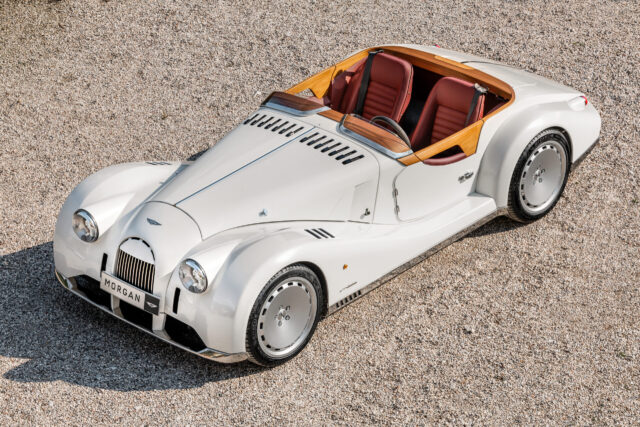
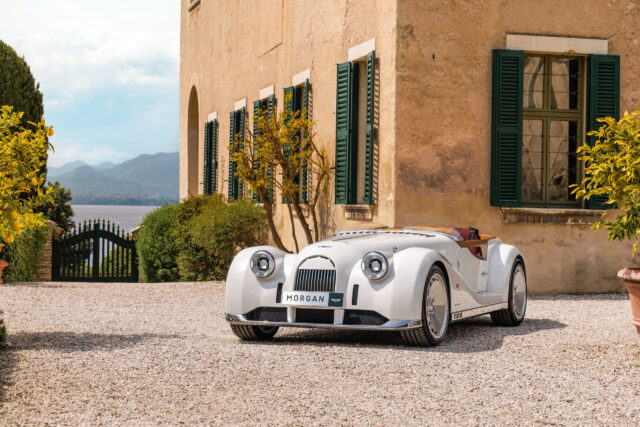
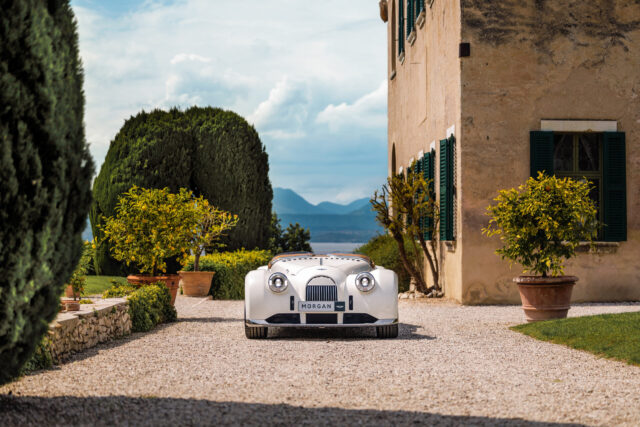
The revised fenders bring sharper surfaces and extend farther forward, where they meet a redesigned full-width front valance. Those changes tidy up an area that can look visually busy on the Plus Six. They also make the bodywork feel more unified: the front end reads as a single design, rather than a collection of traditional parts.
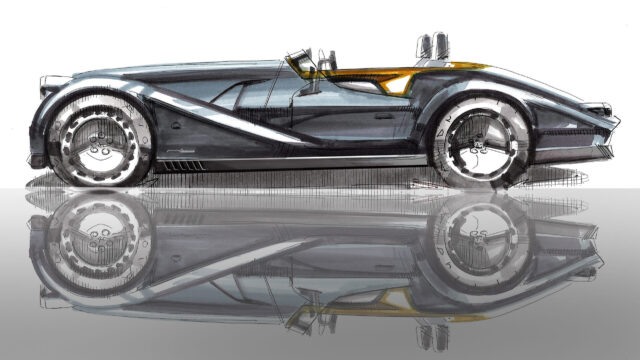
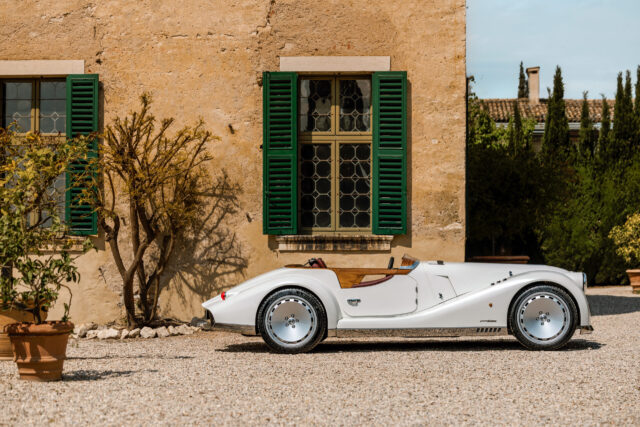
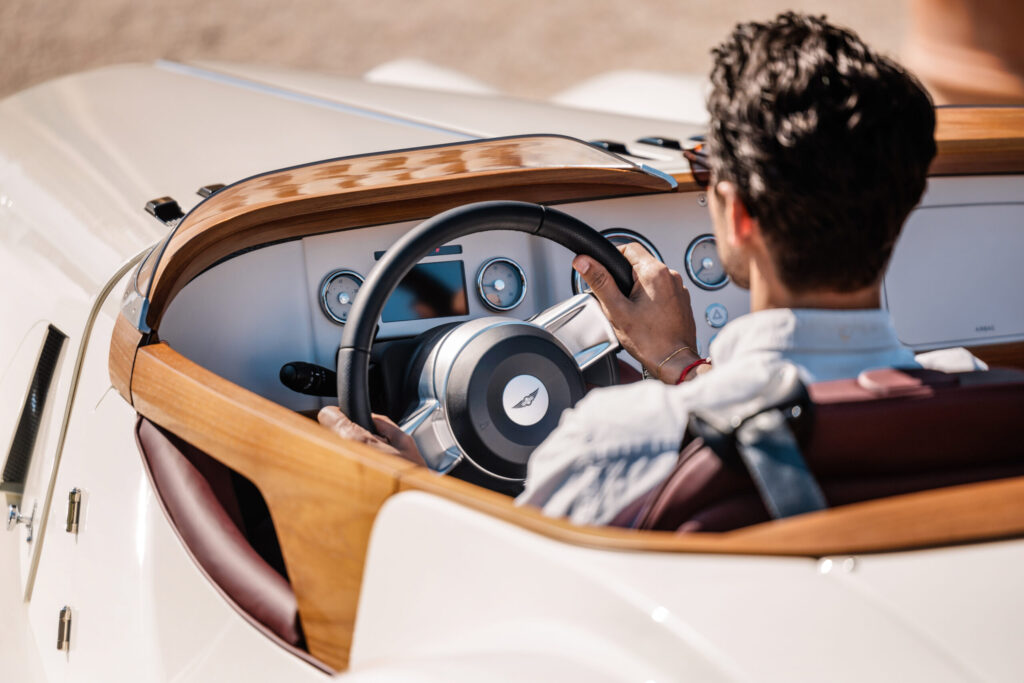
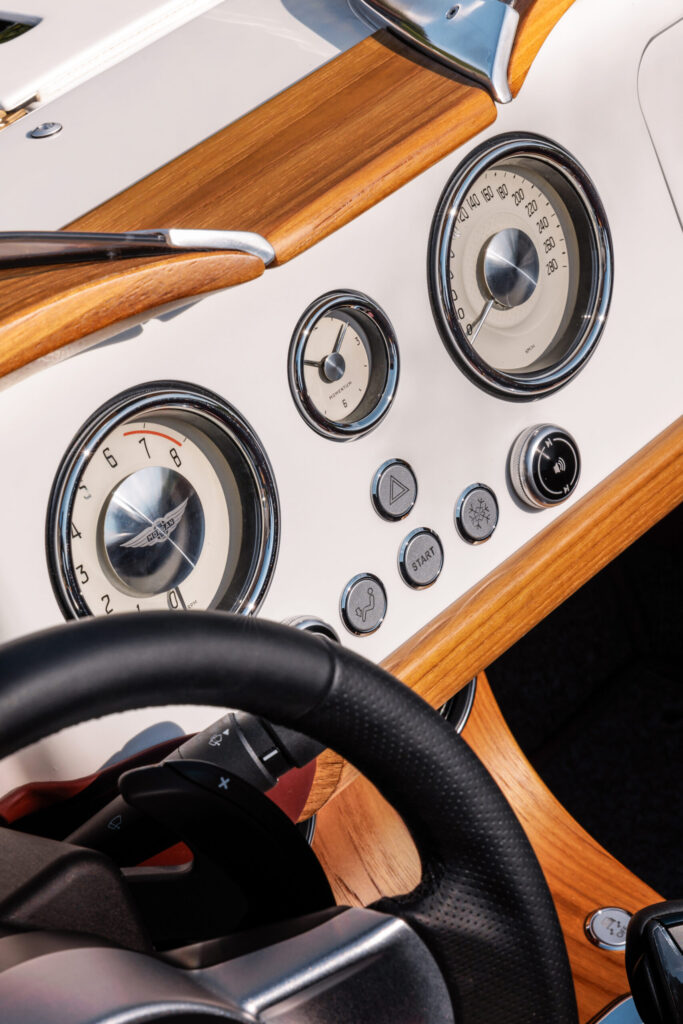
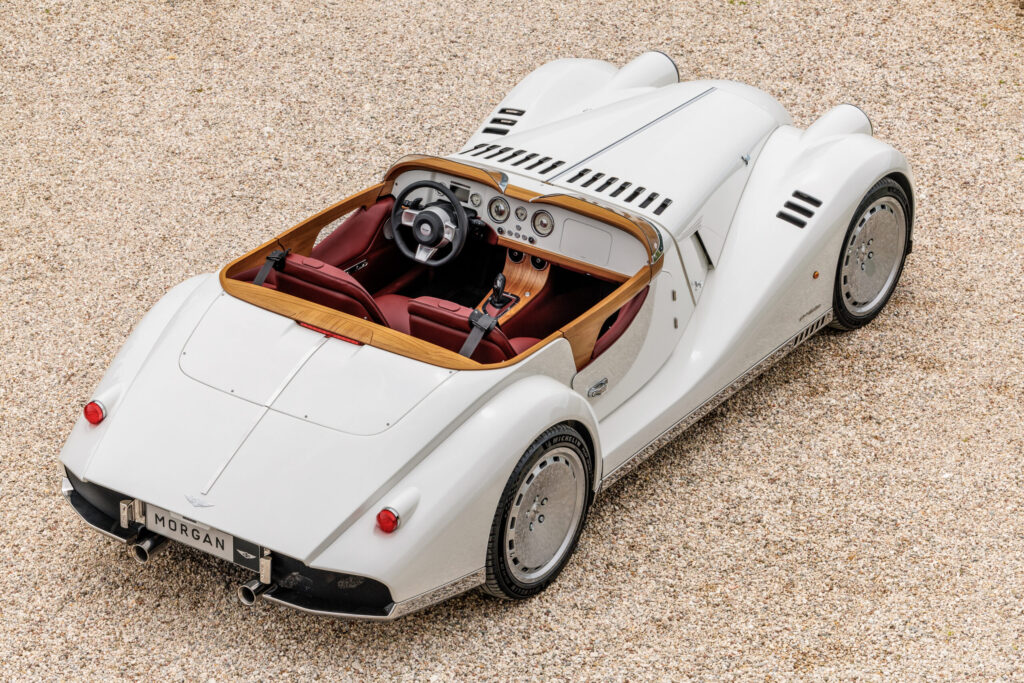
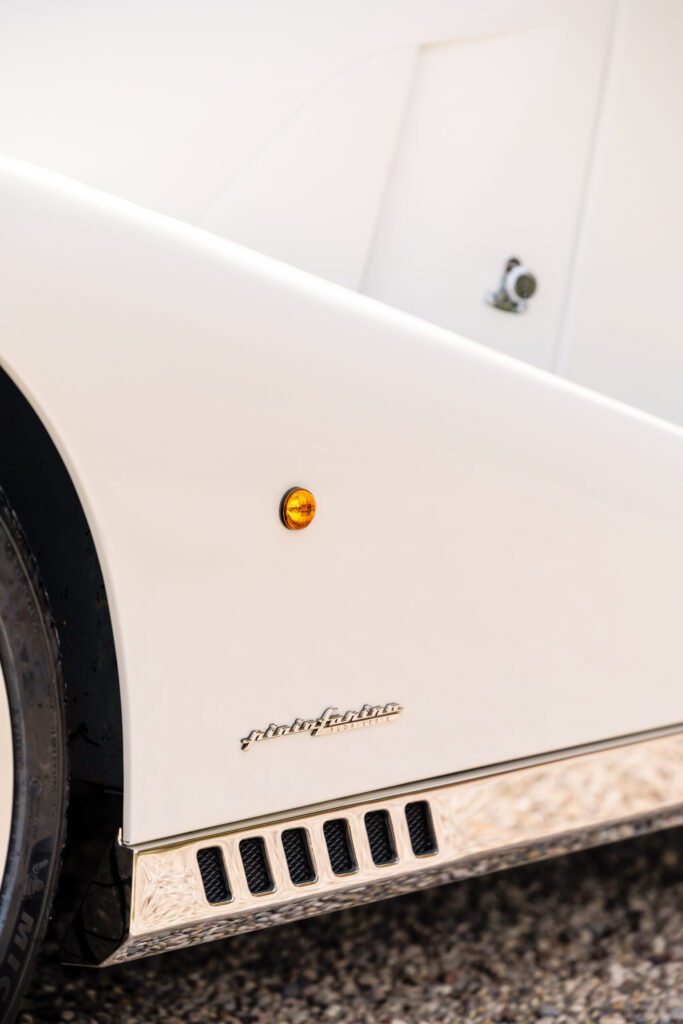
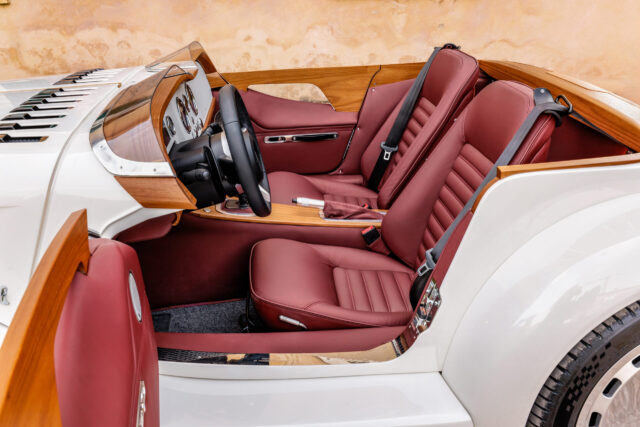
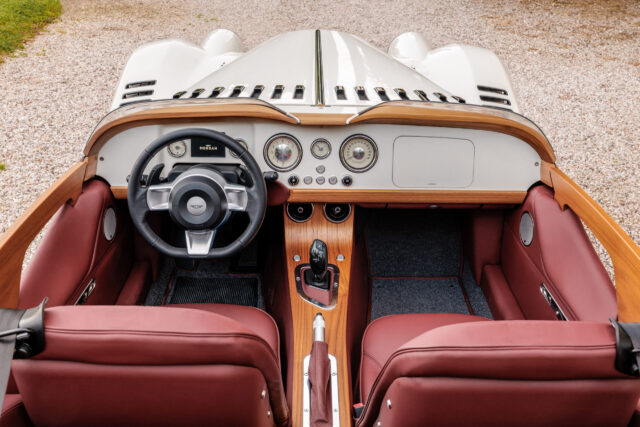
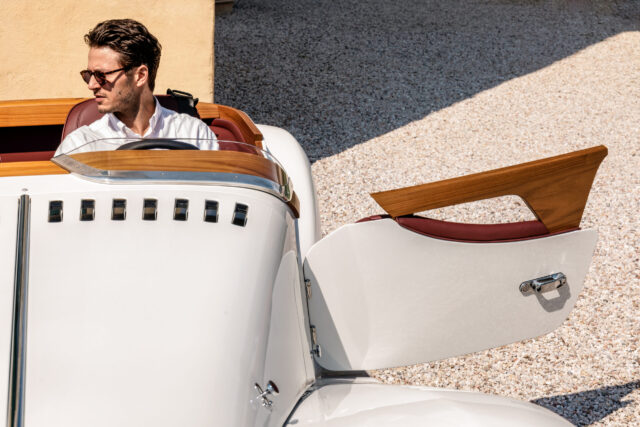
Pininfarina’s yacht inspired details suit the Midsummer’s open-air character. Chrome trim along the lower body provides a visual break that makes the painted side look slimmer and stretches the car’s apparent length. Exposed marine-grade wood outlines the cabin, connecting that seaside aesthetic with Morgan’s established use of wood in its cars. The result has a clear point of view without asking the basic body shape to do all the work.
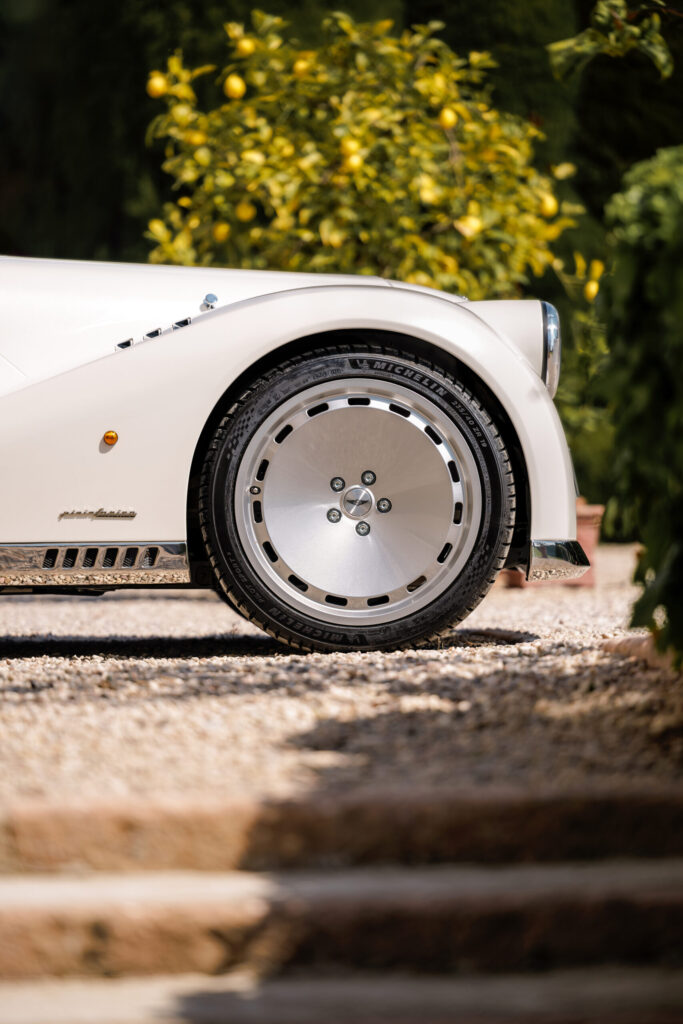
The stance may be the most immediately persuasive part of the design. Wide wheels sit close to the arches, leaving little gap between the low-profile tires and fenders. That tight relationship gives the car the planted appearance of a design sketch brought into production. The simple 19-inch rims add visual weight, helping the small roadster look substantial while keeping attention on its shape.
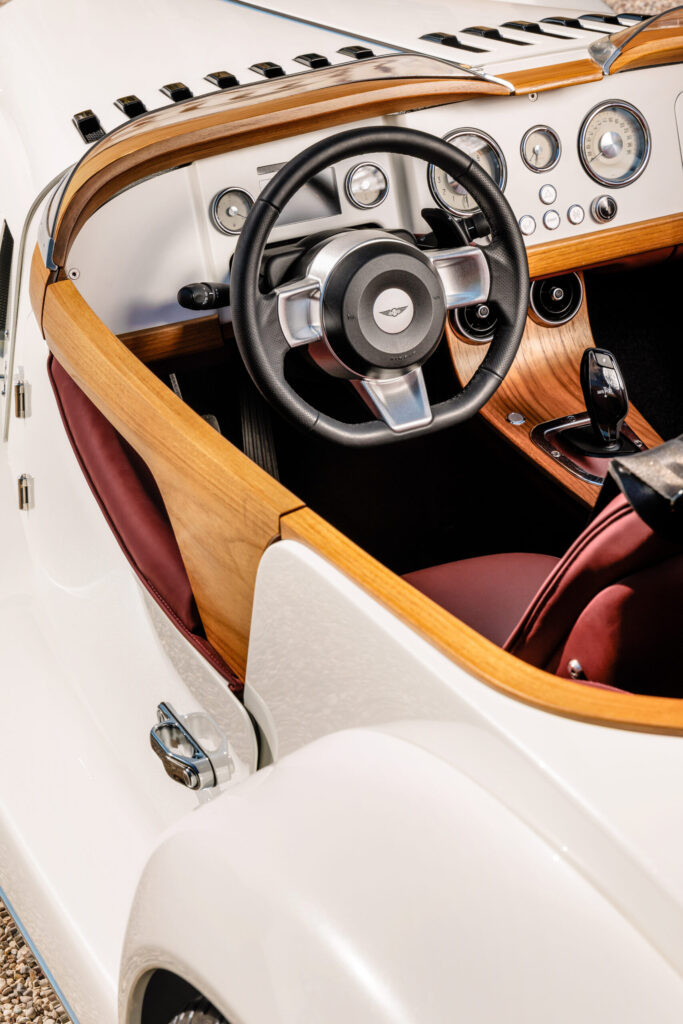

There is one conspicuous carryover: the doors are unchanged from the Plus Six. A doorless body might have pushed the boat inspired theme further and sharpened the side view, though stepping over the low sides would ask more of some owners. The current treatment is a practical compromise that leaves the cabin familiar.
A limited run with a clear design case
The Midsummer is the strongest looking Morgan in years, in my view, and the first model from the marque I’d seriously want to own. That appeal comes from the way its details work together: the cleaner front, extended tail, contrasting lower trim and close-set wheels all reinforce the same elegant profile. This reads as a careful redesign, not a set of decorative add-ons.
The planned production run is 50 cars, reportedly already sold out, at around $250,000 each. That price and limited availability put the Midsummer well beyond most buyers’ reach, but the design still makes a broader case for the collaboration. If Pininfarina can bring this level of proportion and detailing to other Morgan models, the rest of the range could benefit from the same careful editing.
Matteo Licata received his degree in Transportation Design from Turin’s IED (Istituto Europeo di Design) in 2006. He worked as an automobile designer for about a decade, including a stint in the then-Fiat Group’s Turin design studio, during which his proposal for the interior of the 2010–20 Alfa Romeo Giulietta was selected for production. He next joined Changan’s European design studio in Turin and then EDAG in Barcelona, Spain. Licata currently teaches automobile design history to the Transportation Design bachelor students of IAAD (Istituto di Arte Applicata e Design) in Turin.
Check out the Hagerty Media homepage so you don’t miss a single story, or better yet, bookmark it. To get our best stories delivered right to your inbox, subscribe to our newsletters.
The post Design Breakdown: Pininfarina Works Its Magic on the Morgan Midsummer appeared first on Hagerty Media.
===

