In lane Electric Vehicles
Why Turin’s Car Design Houses Lost Their Hold on the Auto Industry
Description
Turin’s design firms rose by pairing striking concepts with low volume production. New factory methods and in house studios weakened that business, but their influence endures.
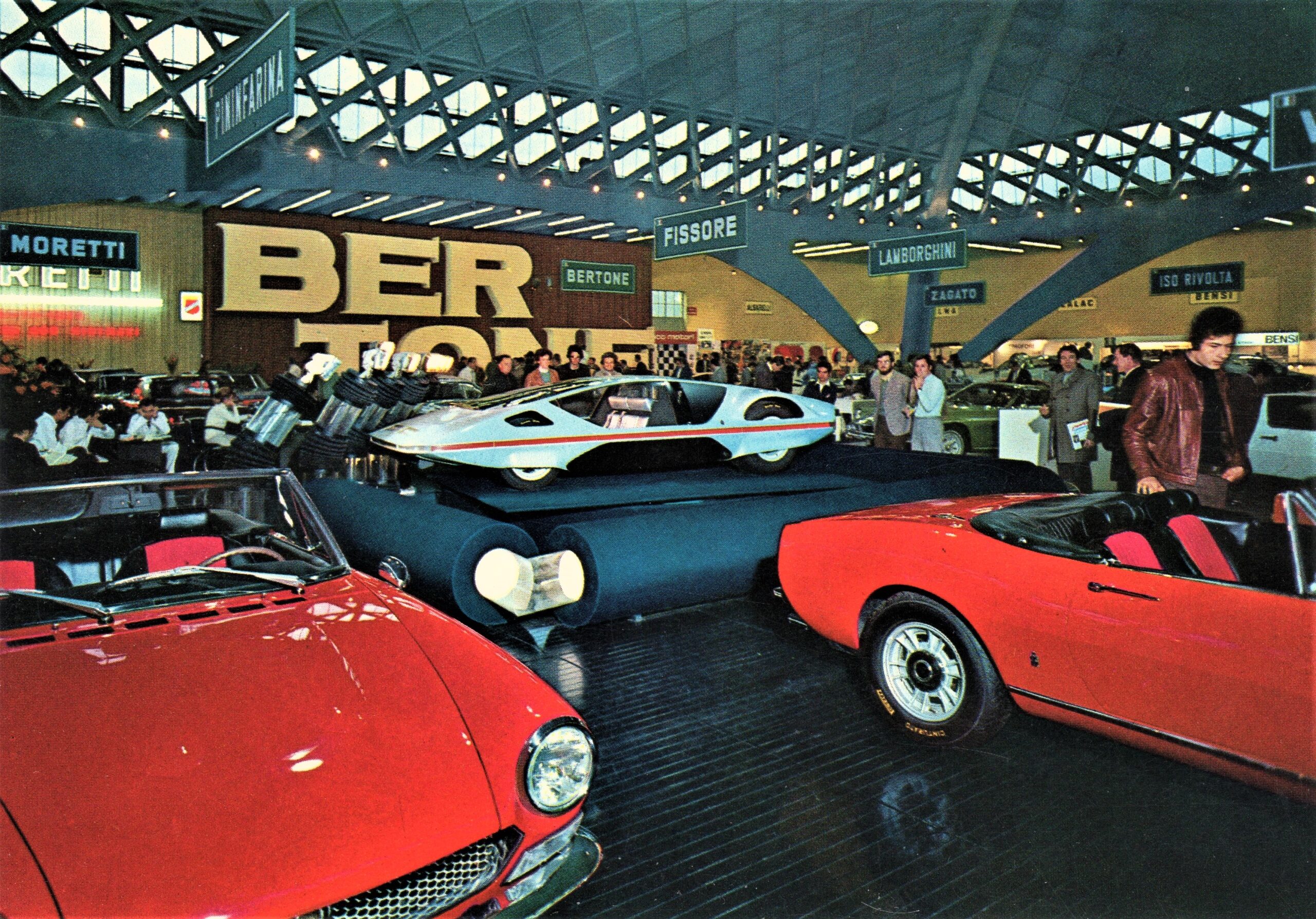
Turin’s famous design houses didn’t lose their influence because the industry stopped caring about style. Their business model depended on a gap: automakers needed distinctive cars and production help, while many lacked the design teams and factory flexibility to provide both. As manufacturers built those capabilities in house, the role that had made firms such as Pininfarina and Bertone indispensable began to shrink.
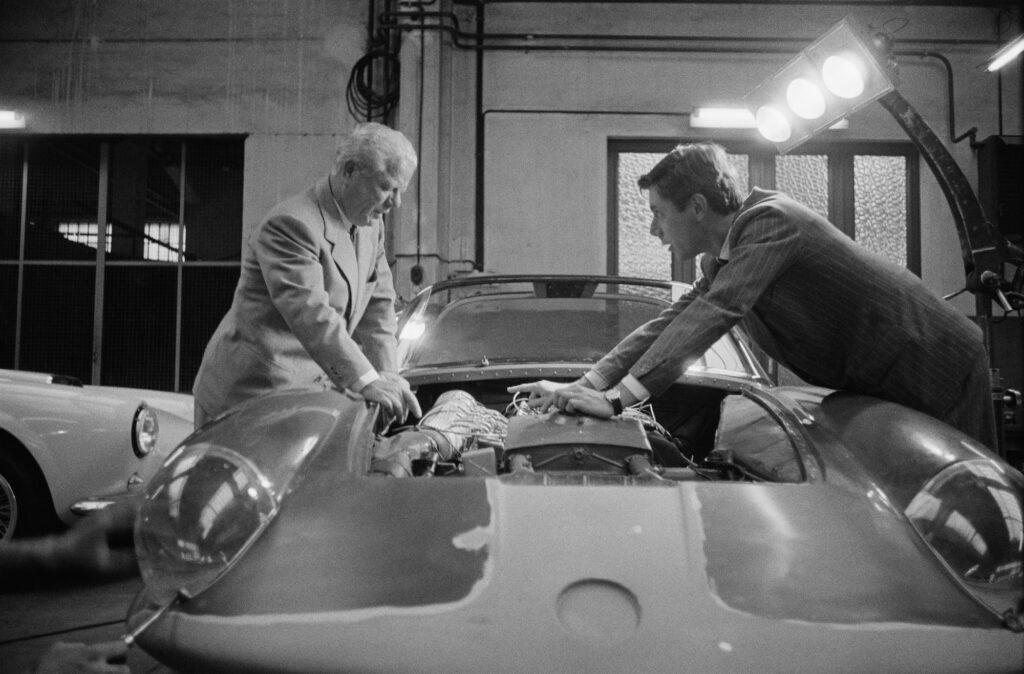
The Italian “Carrozzieri” earned their place during the postwar decades, especially from the 1950s through the 1980s. These Turin based firms shaped cars for makers around the world, turning design skill and manufacturing capacity into a service that could influence the look of the automobile far beyond Italy.
Design and production under one roof
After the war, European coachbuilders faced a shrinking pool of wealthy customers and fewer suitable chassis. The shift to unibody construction made the traditional approach harder: cars no longer arrived as separate chassis ready for a coachbuilder to clothe. By 1955, names such as Castagna and Stabilimenti Farina had disappeared. The survivors were firms able to adapt, work closely with automakers and handle both design and limited production.
That combination answered a practical problem for Fiat, Lancia and Alfa Romeo. Unibody construction helped automakers build lighter, more efficient cars, but making tooling for a low volume coupé or convertible could be expensive. By outsourcing design and production, a manufacturer could offer sportier versions of a regular model without adding its own factory capacity.
Demand gave the arrangement room to grow. Italy’s economy expanded in the second half of the 1950s, and buyers were seeking new cars. Pininfarina and Bertone were positioned to help automakers meet that demand, with the ability to develop a design and build bodies at meaningful scale.

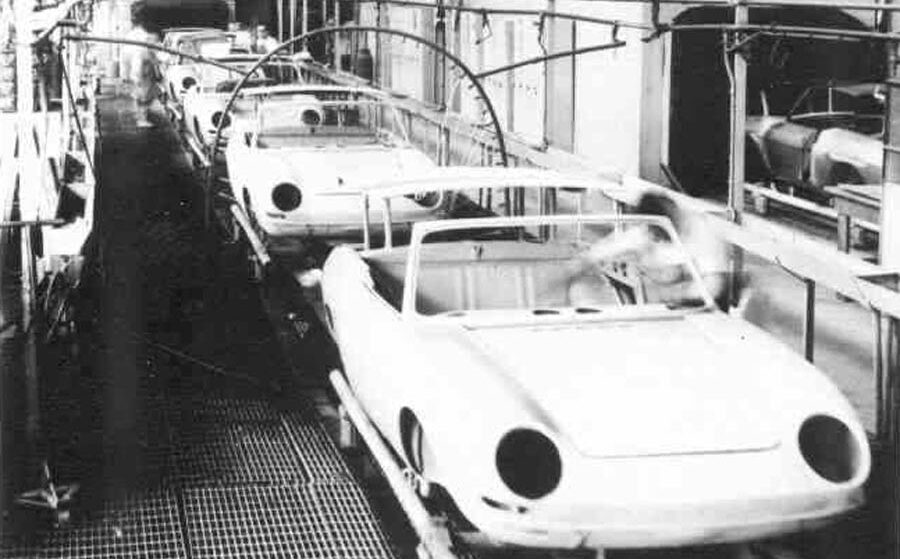

By the middle of the 1960s, those contracts had turned the leading firms into small industrial powers. They built thousands of bodies, but production alone did not sustain their reputations. Fresh ideas kept new work coming. Concepts shown at Turin, Paris and Geneva gave the studios a public stage, and their striking proposals drew commissions from across Europe and as far away as Japan.
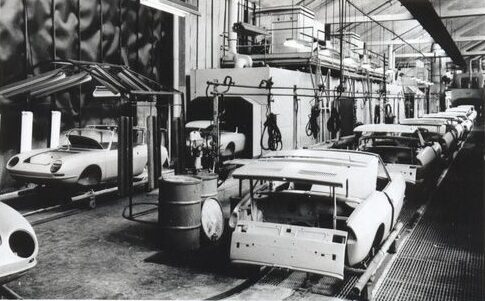
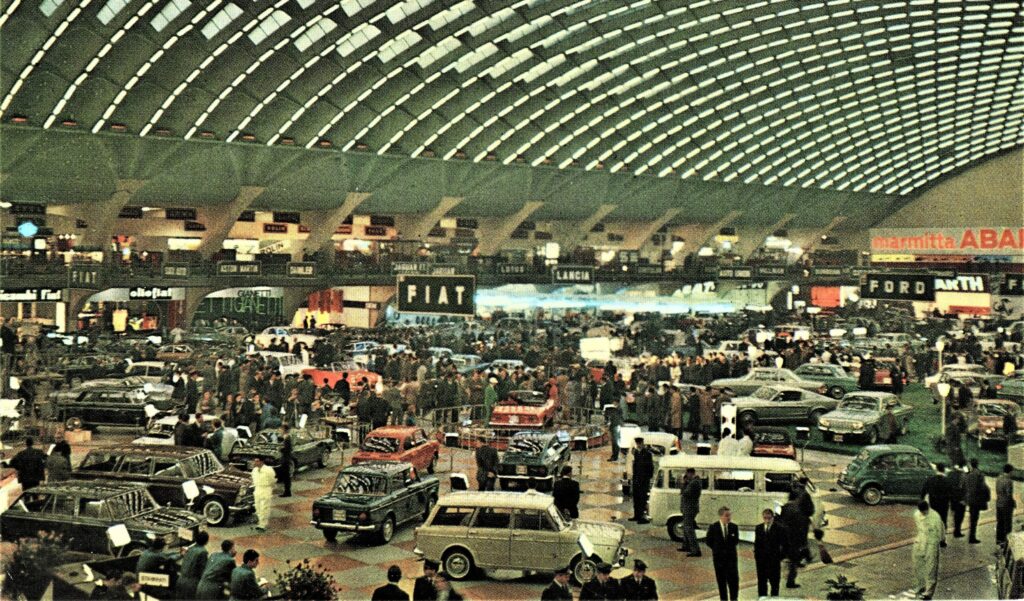
Why automakers turned to Turin
The studios’ success also reflected a weakness among many European manufacturers. General Motors had established its “Art & Colour” section in Detroit in the late 1920s, and the other major American automakers built substantial design departments of their own. Across Europe in the 1950s and ’60s, however, in house styling teams were often small and subordinate to engineering. Some executives had little experience judging design, making it easier for a persuasive show car from Turin to win a commission.
External studios could also work without the internal constraints facing a manufacturer’s own team. Their proposals sometimes helped a company break out of a stale design direction. Giorgetto Giugiaro’s work for Volkswagen in the 1970s is one example of how an outside designer could give a major automaker a new visual path.
The business case erodes
The first serious pressure came from the manufacturing side. Better quality control and more flexible production lines let automakers build different models on shared equipment. That reduced the need to send low volume cars to an outside factory. The old arrangement had made sense when a separate derivative required costly tooling and capacity; as factories became more adaptable, that advantage faded.
The studios also had fewer reliable backstops. In earlier decades, Fiat’s strength helped sustain the local industrial network. By the turn of the millennium, the Italian manufacturer was in severe financial difficulty and could no longer provide the same support. A factory that sat idle could quickly become a heavy burden, particularly when overseas contracts weakened.
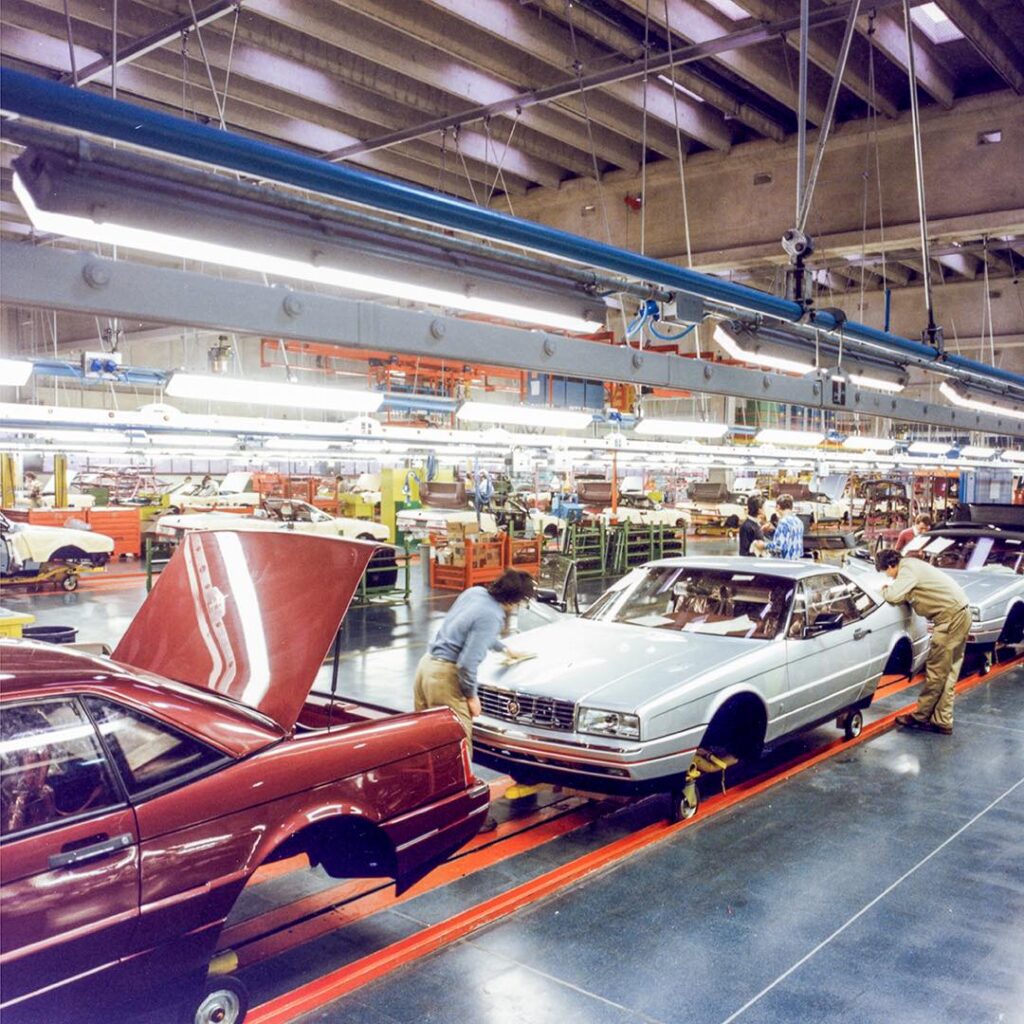
At the same time, automakers were building their own design capacity. By the end of the Cadillac Allanté’s Turin production, design had become a central concern for manufacturers around the world. Companies invested in studios of their own, sometimes on several continents, and wanted direct control over a model’s development. Hiring a separate firm became harder to justify when its other clients included competitors.
Ercole Spada described one consequence in a biography published a few years ago. During his time at BMW, he recalled, the company would ask Turin studios for proposals even when it did not plan to use them. Since those firms also worked for BMW’s rivals, their concepts offered a glimpse of the direction competitors might be exploring. The story captures how trust and access could complicate the studios’ role.
A legacy still visible
Changing economics weren’t the only challenge. The source also points to complacency, particularly in Bertone’s work after 2000. For a design house, a history of influential cars could not substitute for convincing new proposals. When automakers had more choices and stronger internal teams, staying relevant required a steady flow of ideas.
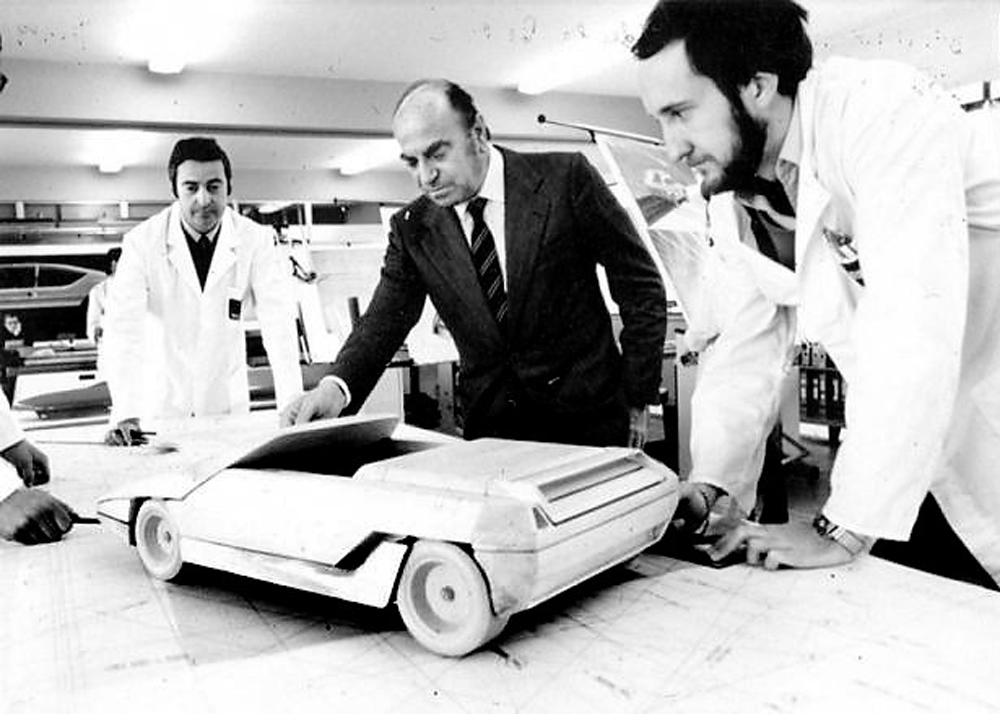
Bertone is gone, while Italdesign operates within Volkswagen Group. Pininfarina remains active, and its work on the Morgan Midsummer suggests the firm can still produce distinctive designs. Yet Pininfarina no longer styles every Ferrari or Peugeot. The heyday of Turin’s firms as regular partners to leading manufacturers has passed.
Their influence is easier to see in the ideas that later designers carry forward. Hyundai’s Ioniq 5, for instance, has a contemporary shape whose visual roots reach back to Giugiaro’s “folded paper” designs of the 1970s. That lineage shows how a design language can outlast the business structure that first spread it.
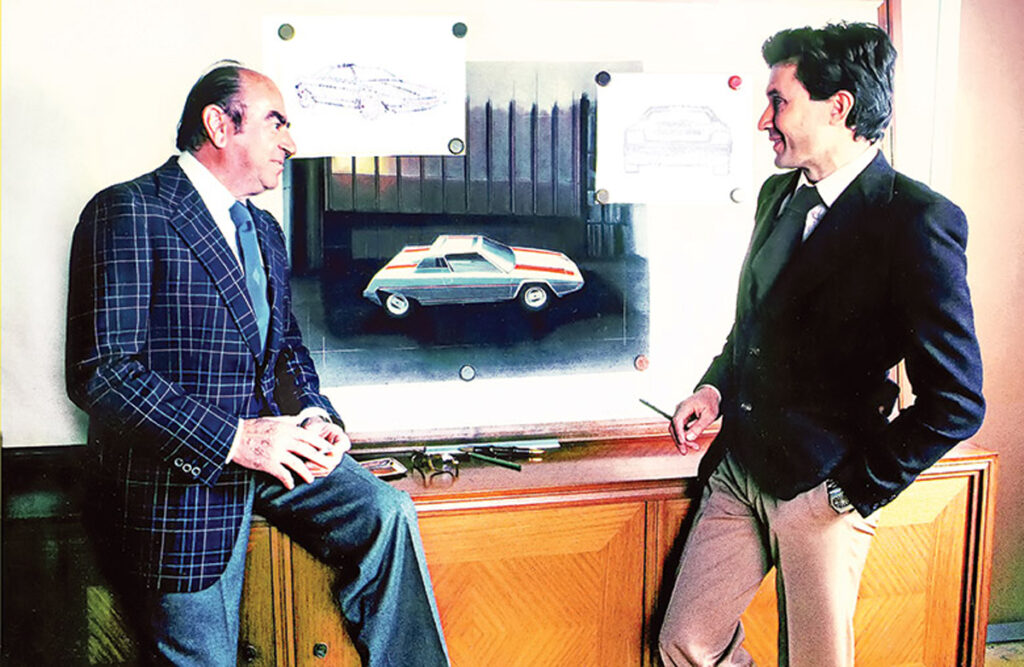
Turin’s design houses rose because they could solve two problems at once: creating desirable cars and building them in volumes that major factories found awkward. Flexible production and manufacturer owned studios removed much of that advantage. Their legacy remains in the shapes that still inspire new cars, even as the old network of independent design and production partners has largely faded.


