In lane Electric Vehicles
Rolls-Royce’s Balloon Car: The Silver Ghost Built for Charles Rolls
Description
A one-off 70 hp Rolls-Royce carried a hot-air balloon basket, reflecting Charles Rolls’ early passion for flight and fast cars.
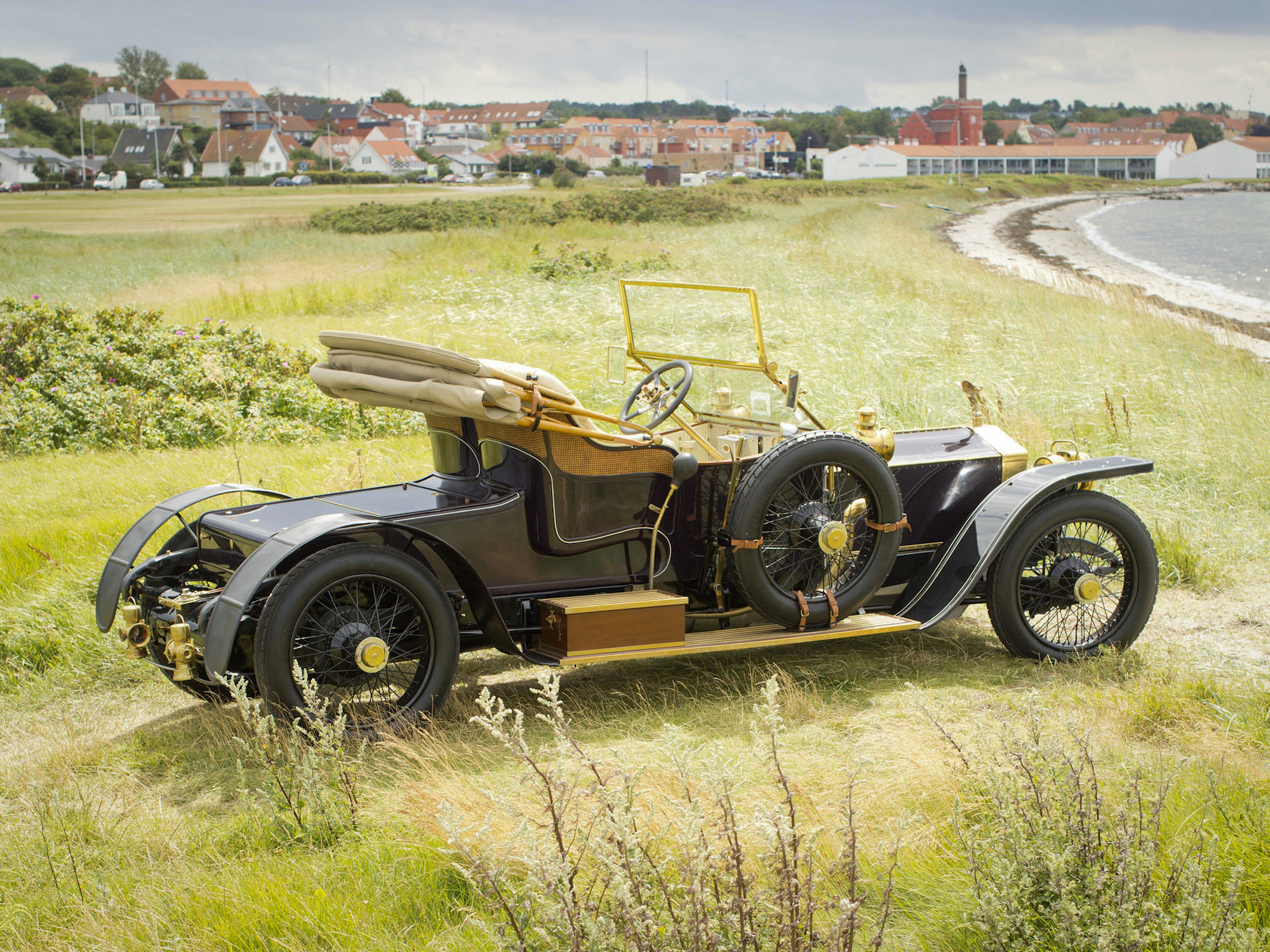
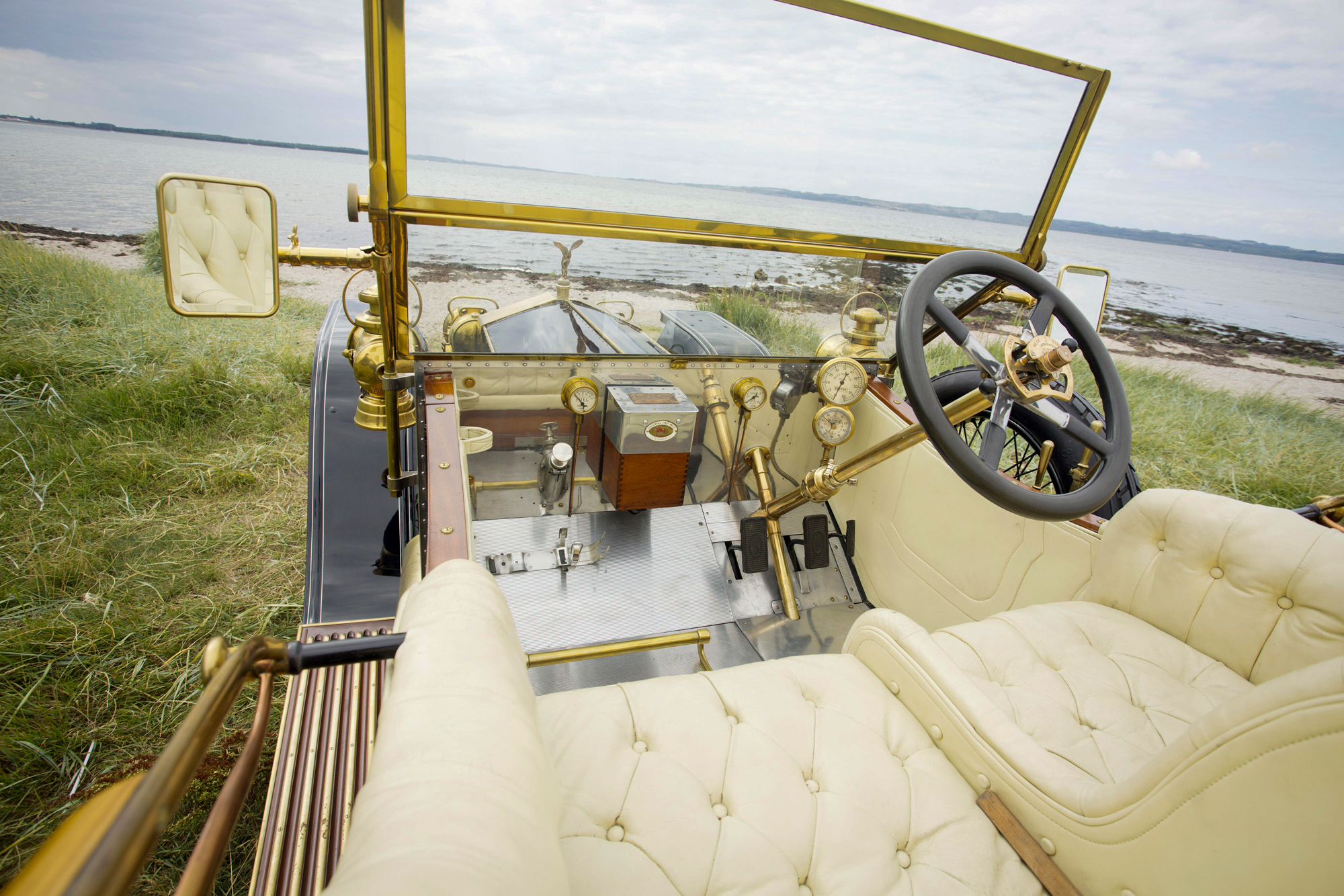
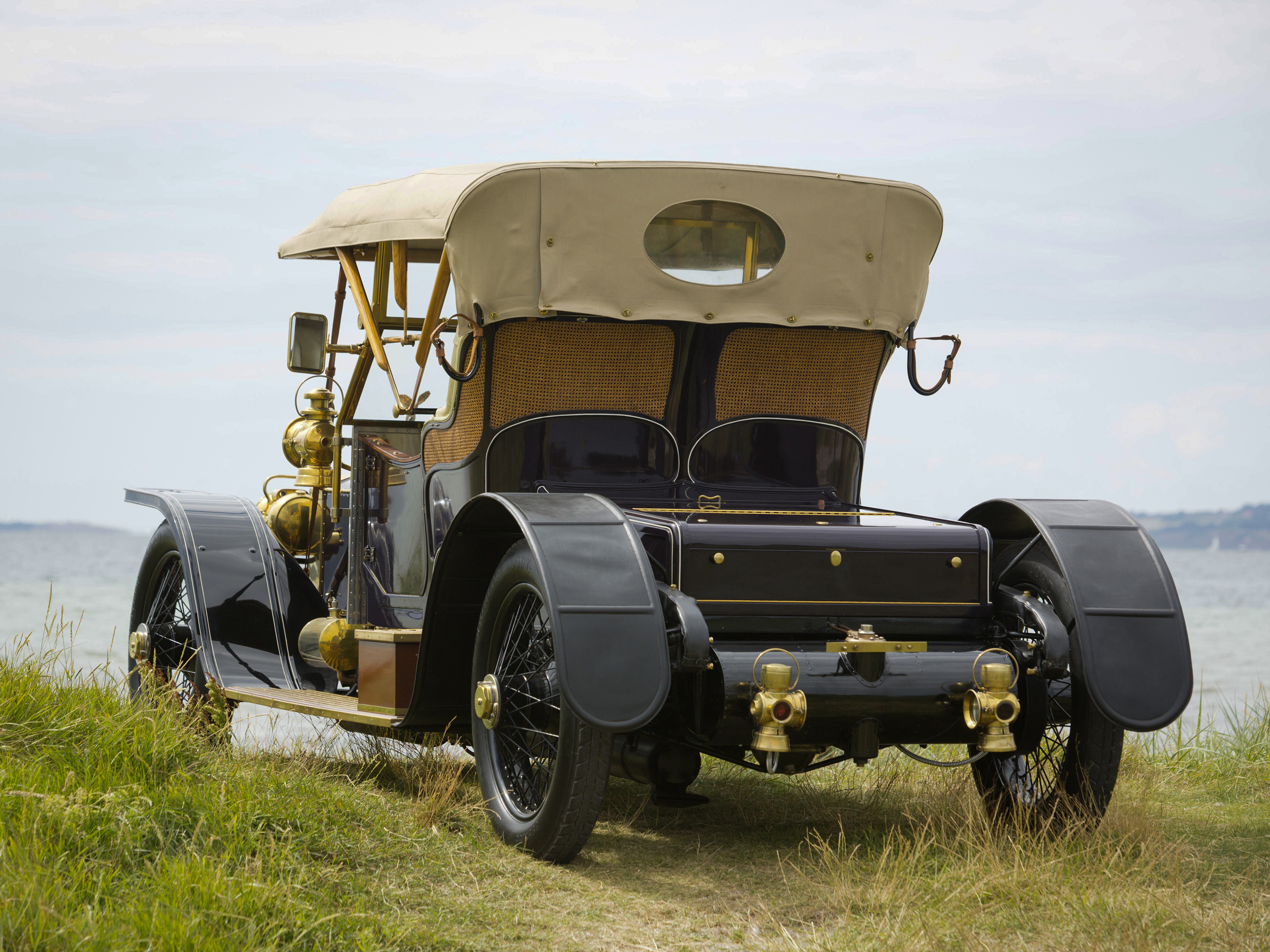
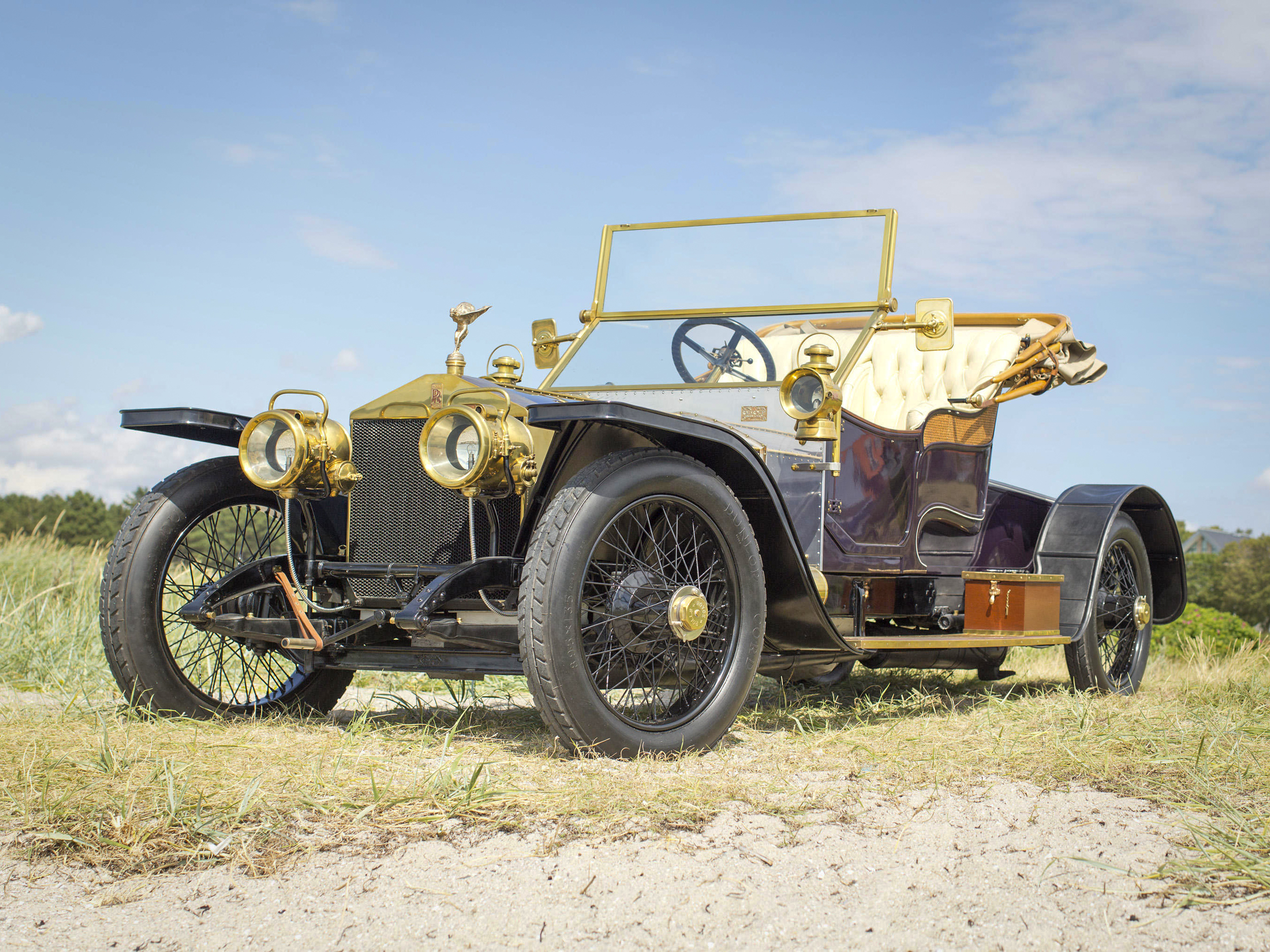
Before Rolls-Royce became a major name in aircraft engines, Charles Rolls had a car built to carry a hot-air balloon. The 1908 Balloon Car was based on a 70 hp 40/50 chassis, the model later known as the Silver Ghost, and fitted with a bespoke body by H.J. Mulliner. Its unusual layout captures the close ties between early motoring and aviation—and the restless interests of one of the company’s founders.
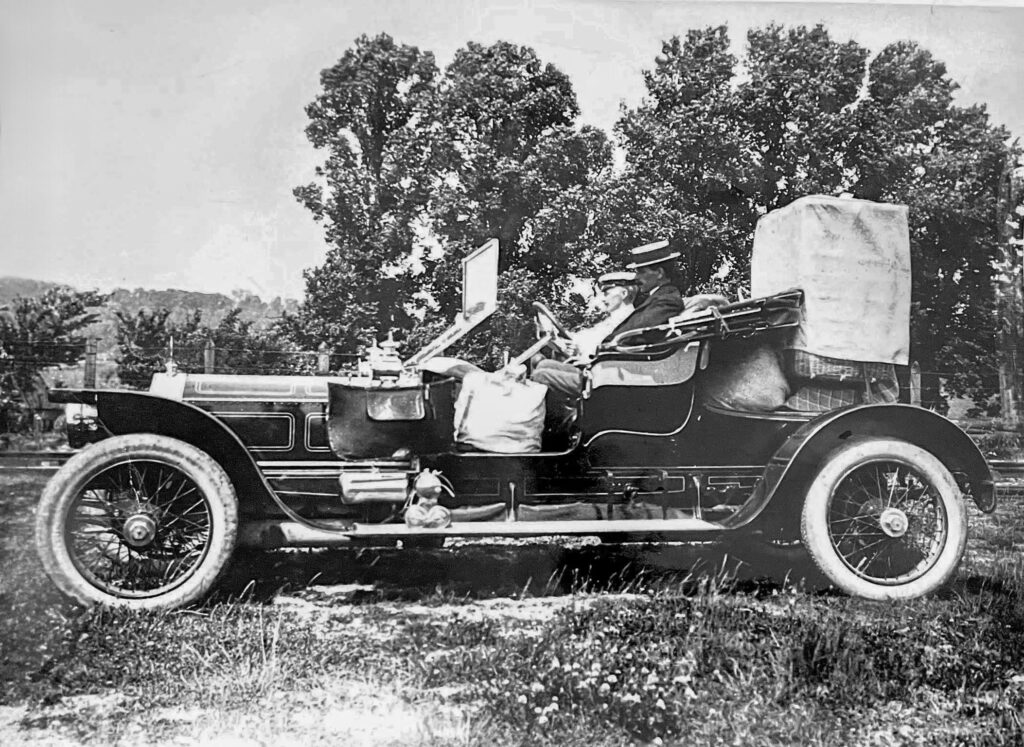
A car built around a balloon
The Balloon Car began with chassis number 60785. Mulliner gave it a roadster-style body, but the rear was designed for a specific job: carrying the wicker basket used for a small hot-air balloon. Flexible patent-leather rear fenders made it easier to load and unload the basket. The result was a practical support vehicle for balloon flights, built on a chassis chosen for its power and durability.
That combination suited Charles Stewart Rolls. Long before he became known as a carmaker and aviator, he was drawn to engines, racing and flight. His family motto, Celerias et Veritas—speed and truth—could almost have served as a summary of his interests.
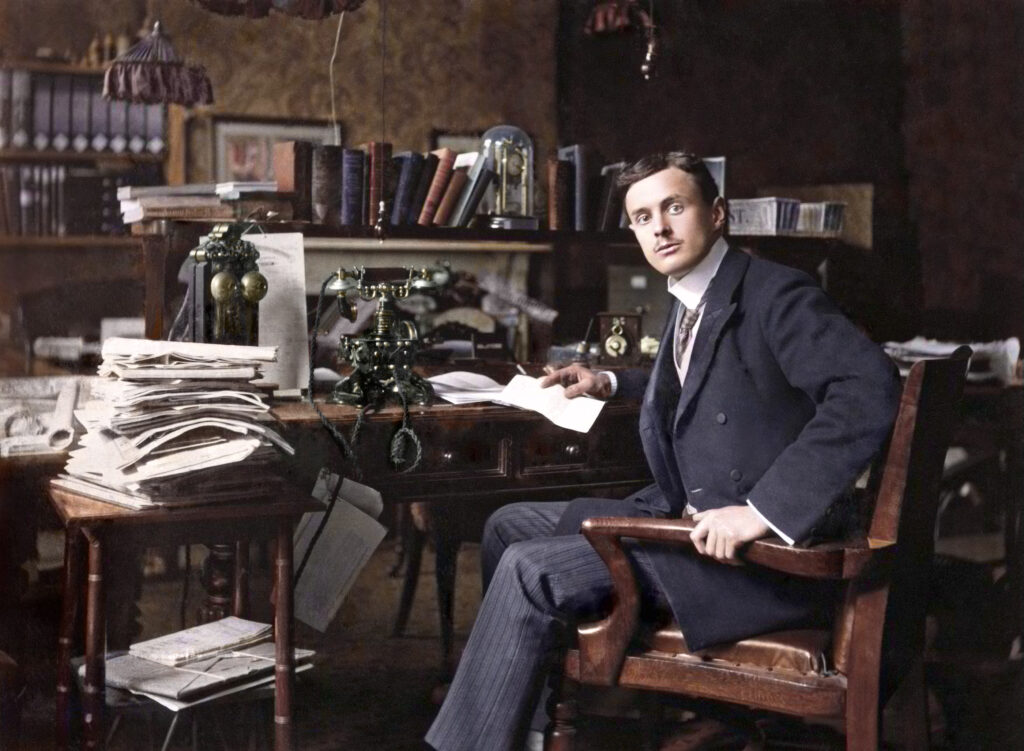
Rolls was six feet five inches tall, a vegetarian, and so frequently covered in grease from working around engines that he earned the nickname “dirty Rolls.” He had little patience for the social airs of his aristocratic relatives. After studying at Eton and Cambridge, he could have followed a conventional path into industry, but cars and speed held his attention.
From early motoring to Rolls-Royce
Rolls bought his first car, a Peugeot, when he was 18, travelling to France to acquire it. It was thought to be the first automobile in the Cambridge area. When he drove it to the family home, Wales had only three cars. At a time when the Locomotive Acts tightly restricted road speeds, he helped found the Automobile Club of Great Britain to push for less restrictive rules.
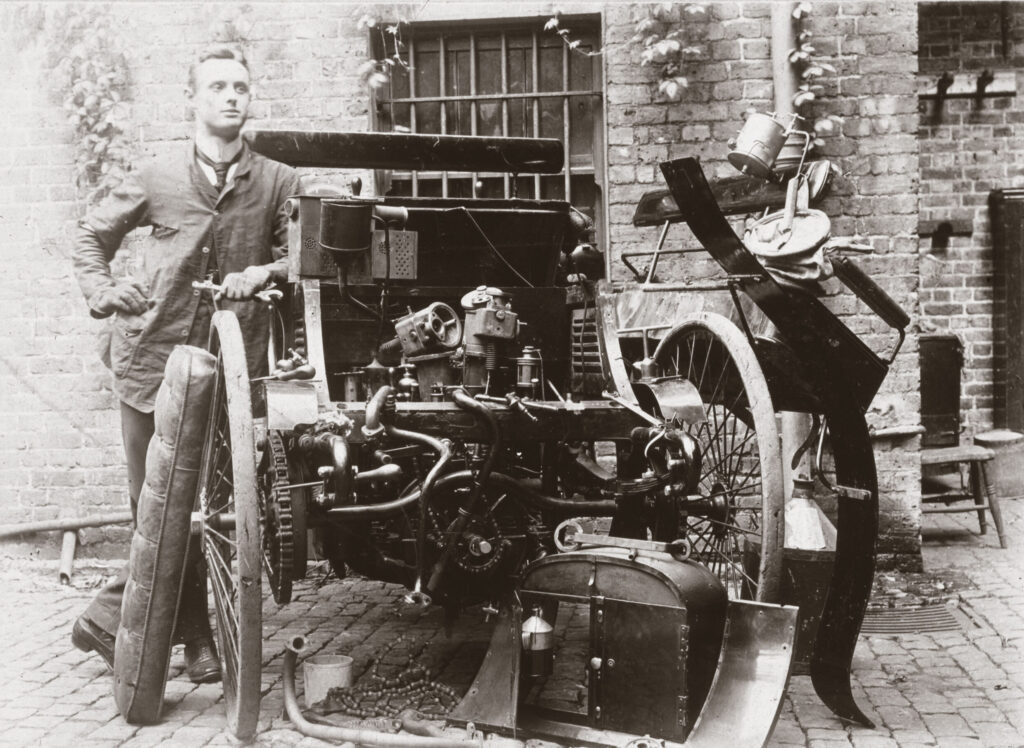
He was also a racing cyclist and a daredevil behind the wheel. In 1903, he reached 83 mph in Dublin in a run described as an unofficial land-speed record; the timing equipment had not been properly validated. He also imported cars from Belgium and France to help fund his racing.
On May 4, 1904, Rolls met Henry Royce. Royce had built a two-cylinder car after taking apart and improving a second-hand French automobile. Rolls was impressed by the machine, and the two formed a partnership. Their backgrounds were sharply different: Rolls came from a noble family, while Royce had worked as a newspaper seller and railway apprentice.
From balloon flights to powered aircraft
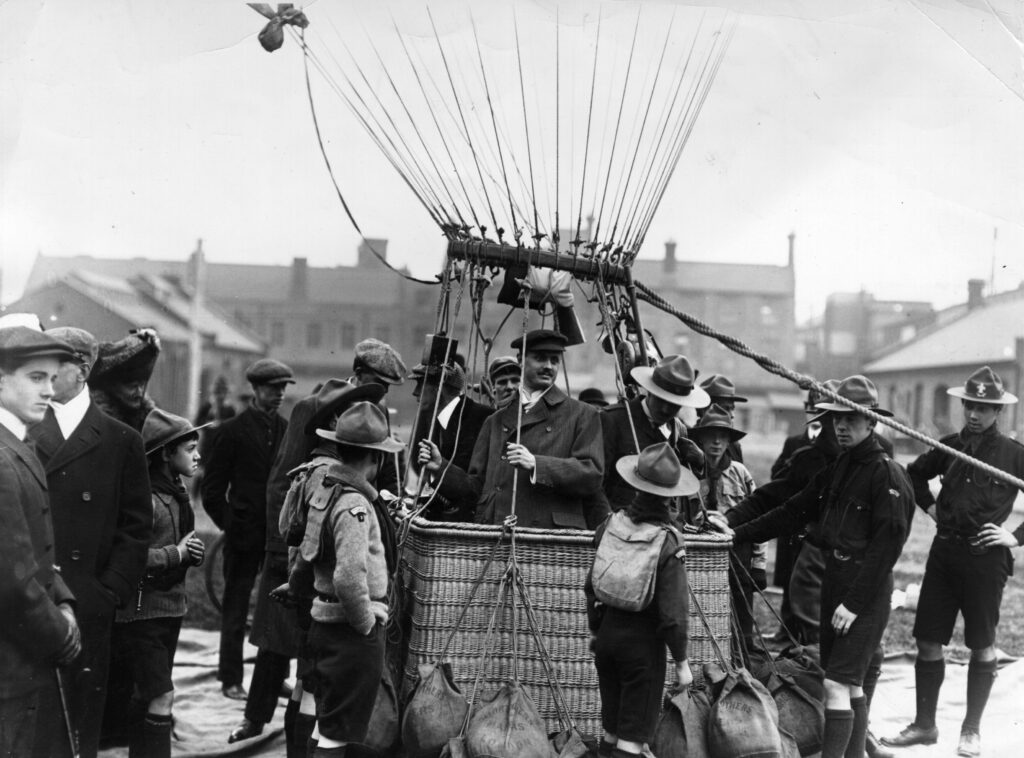
Rolls was already an experienced balloonist when the partnership began. He co-founded the Royal Aero Club and won the Gordon Bennett gold medal in 1903 for the longest flight time in a balloon. The Balloon Car was used to support several flights, but Rolls’ focus soon shifted to powered aircraft.
Rolls hosted the Wright brothers during their visit to the U.K. and later bought a Wright Flyer. He made more than 200 flights in it. In 1910, he became the first person to fly across the English Channel and back, landing in Dover to a crowd of thousands.
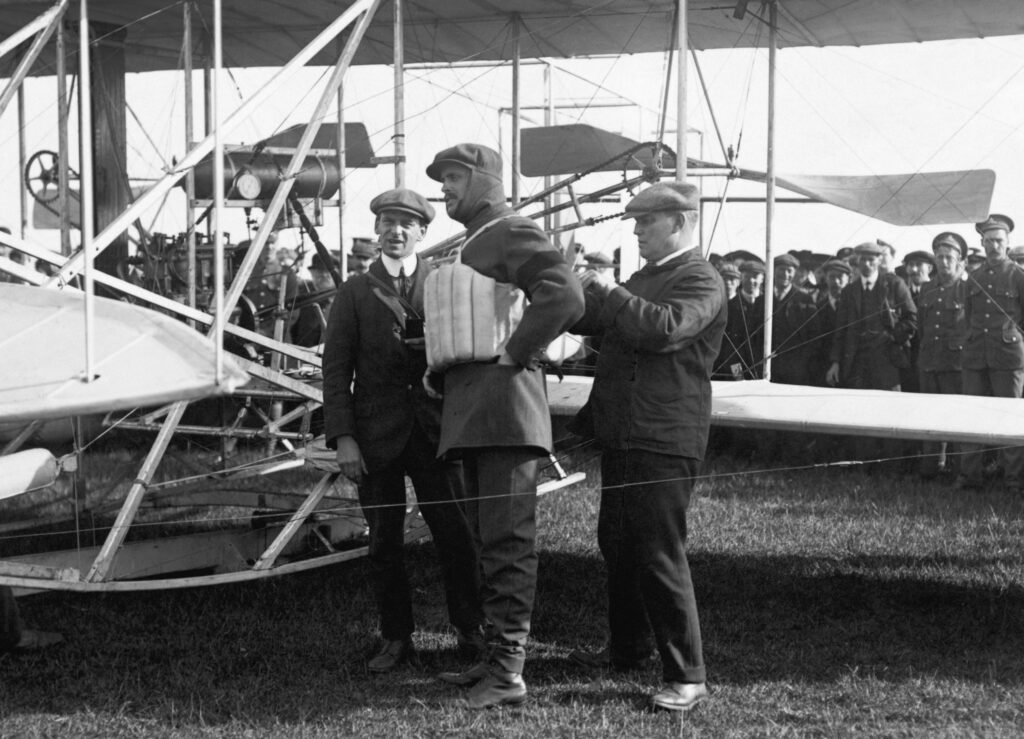
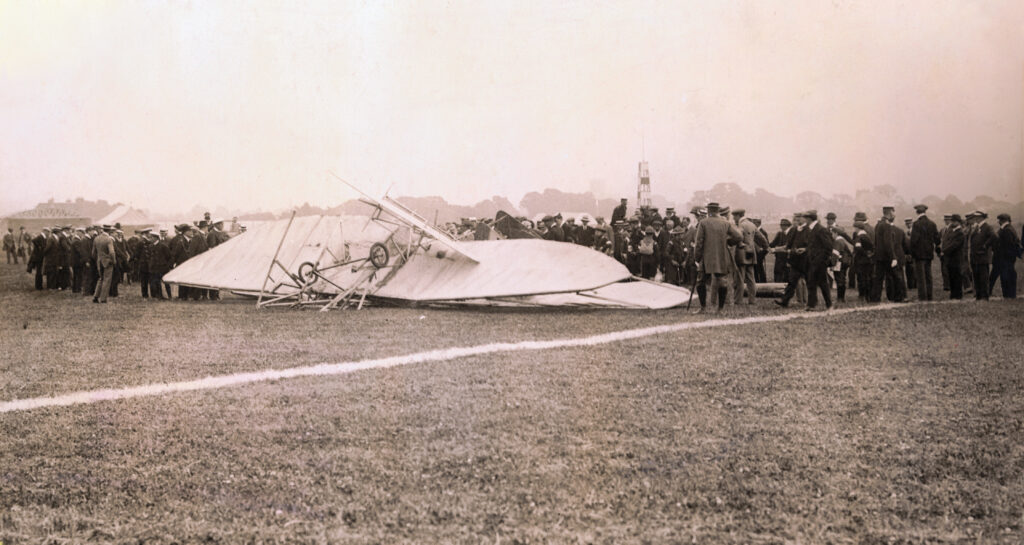
His flying career ended a month later. During a competition, his biplane broke apart in midair, killing him. Rolls was the first British person to die in an airplane crash, and one of roughly a dozen aviation pioneers to have died in that era.
A missing one-off and a lasting aviation link
The Balloon Car was sold after Rolls’ death and disappeared in the early 1920s. It may still exist in a private garage, but no one has found it. Several replicas have been built. The closest reproduction was commissioned by Rolls-Royce collector Millard Newman, and one replica was displayed for a time at the Harrah collection in Reno, Nevada.
Rolls-Royce entered aircraft-engine production in 1914. The company now makes engines for commercial aircraft, carrying forward a connection to flight that began with Rolls’ own ballooning and powered-aircraft adventures. Its UltraFan technology demonstrator, built the previous year, produced 85,800 hp.
The Balloon Car’s appeal comes from how specifically it answered its owner’s needs: a powerful touring chassis reshaped to transport a balloon basket. It’s a rare reminder that bespoke cars once accommodated pursuits far beyond ordinary road travel—and that Charles Rolls’ ambitions reached from the road to the sky.