In lane Electric Vehicles
Virgil Exner Jr. on His Father’s Designs, Ghia and the Cars That Stayed on Paper
Description
Exner reflects on the Forward Look, the XNR and his revival cars, while arguing that modern design gives style less room to matter.
Virgil Exner Jr.’s view of contemporary car design is blunt: style has slipped down the priority list. Buyers, he says, pay more attention to the technology and software in their cars, while the visual character that once defined a model matters less. His comments reach beyond nostalgia. They point to a shift in what automakers choose to emphasize—and what drivers are encouraged to value.
In a follow-up to an earlier conversation with Exner Jr., readers asked him about design, his father’s influence, the cars he worked on, and the studios where those projects took shape. Exner Jr. turned 92 on April 4. He still designs for himself every day, and describes his career as an enjoyable one, with few occasions when work made him angry.
What made the Forward Look different
Exner Jr. names his father as his strongest influence. The 1950s and ’60s remain his favorite period, in part because car design changed so sharply from what had come before World War II. His father’s Chrysler Forward Look is the work that left the strongest impression on him.
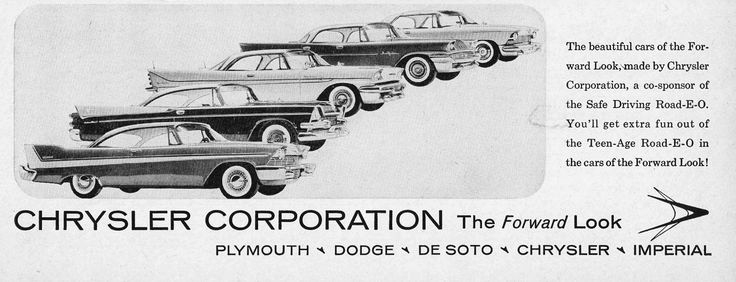
Look past the familiar styling cues of the era, Exner Jr. says, and a different signature comes into focus: slim proportions and an interest in aerodynamics. His father treated airflow as part of the design itself, though some concepts also left their wheels and tires exposed. Exner Jr. thinks that visual lightness could find an audience now, provided automakers gave buyers a chance to see it again.
That view shapes his criticism of current design. He sees little excitement in the cars on the road and says styling is no longer as relevant—or as closely tied to authenticity—as it once was. Asked whether he disliked any of his own work, he couldn’t recall a finished design he regretted. Some ideas and artwork produced in the studios didn’t appeal to him, but they never progressed beyond that setting.
He has a similar distinction when discussing his father’s work. Exner Jr. rejects the notion that his father simply copied General Motors. Foreign cars and racing designs informed his thinking, along with aerodynamics. As head of Chrysler Styling, his father also had a private studio with modelers; some of their work went to Chrysler management and advanced toward production.
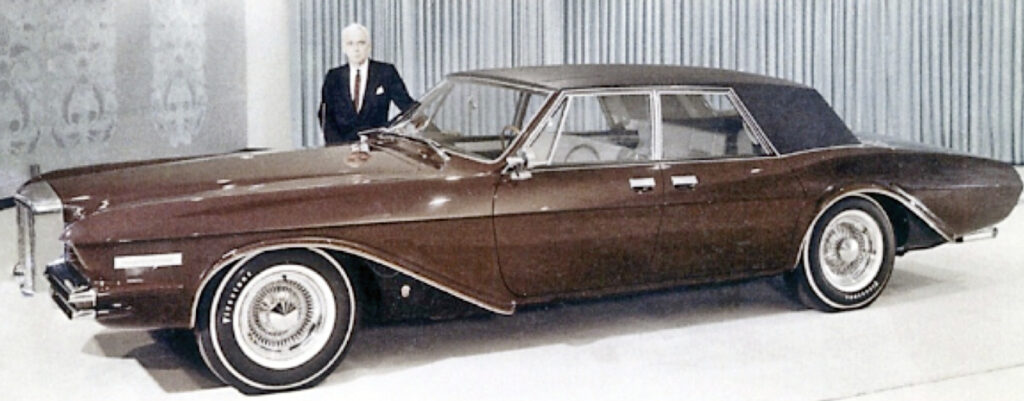
From a studio back room to a Ghia-built car
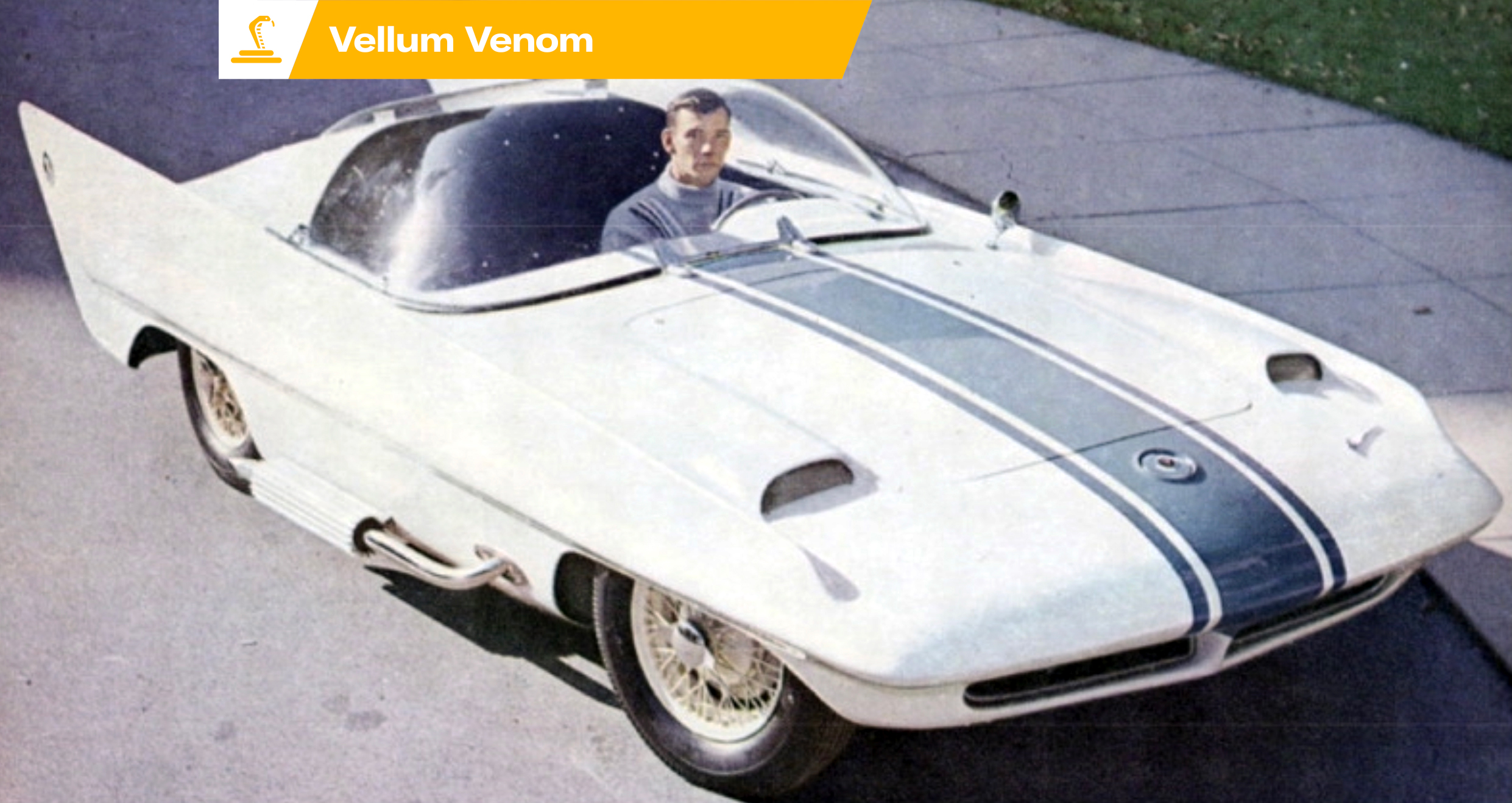
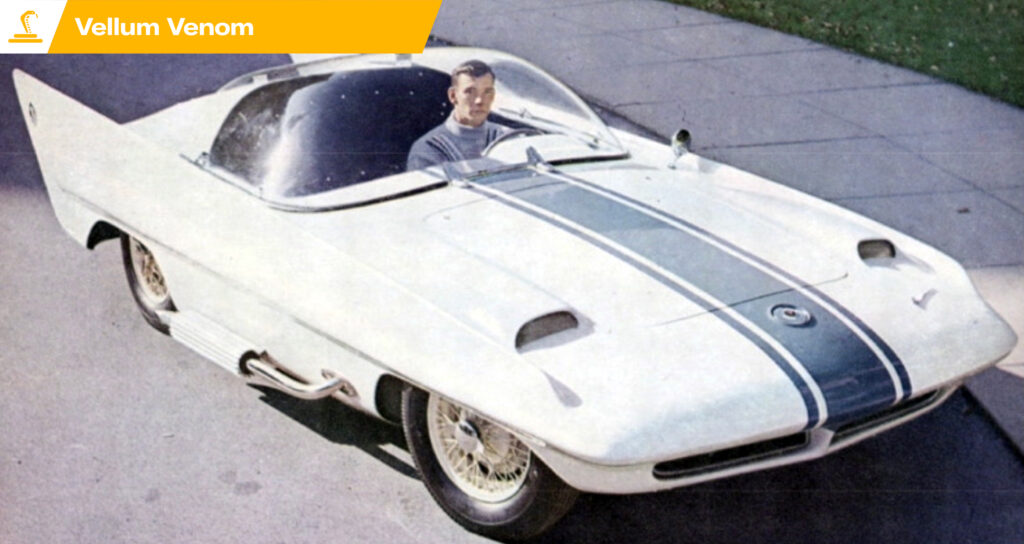
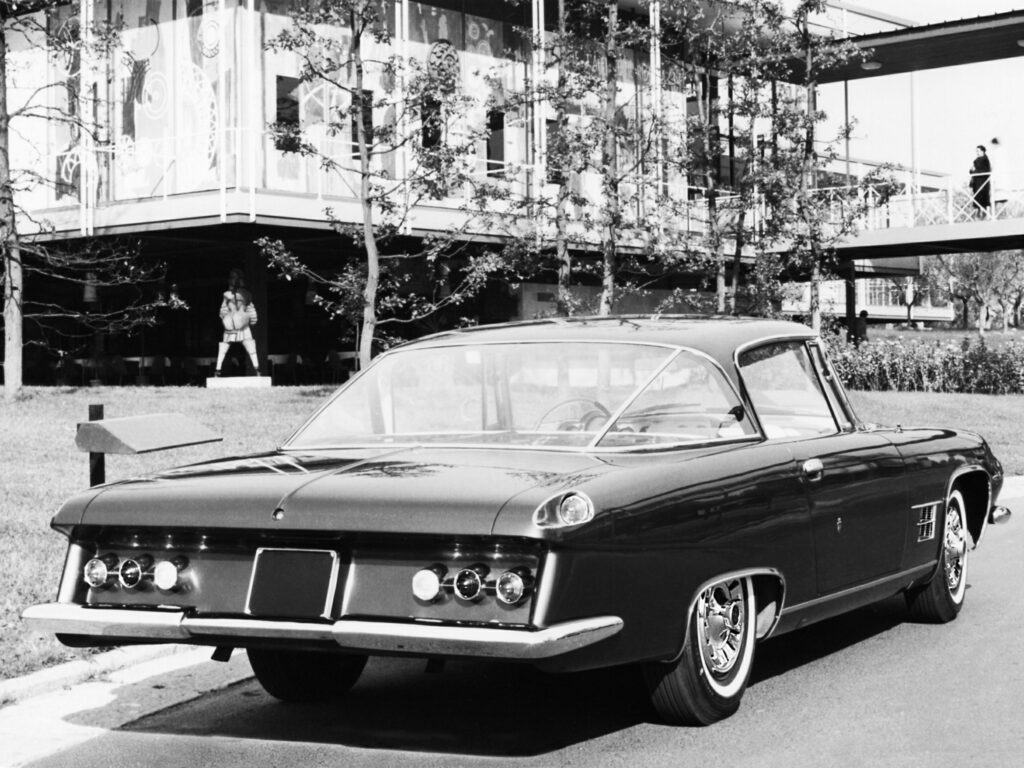
The Plymouth XNR began in 1958 in the back room of his father’s studio. A Ghia representative visiting Chrysler saw the design and liked it enough to take both the design and its clay model to Italy. Ghia then turned the idea into a real car.
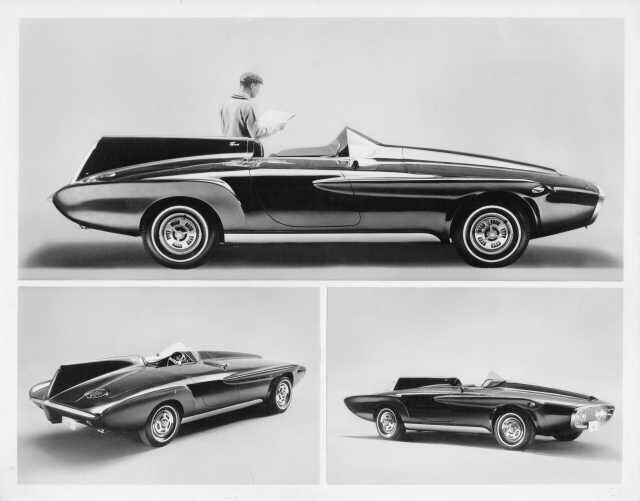
Exner Jr.’s account captures a difference he saw between Ghia and Detroit’s larger styling departments. Ghia could move from drawings and sketches almost straight to shaping a car’s body. The operation had only one or two designers, he says, and the studio head was a car enthusiast who backed their work. To Exner Jr., that direct process was part of what made Italian design distinctive.
Detroit’s route was longer and involved many more people. At Ford, he recalls, styling could include 50 or 60 designers. The process moved from sketches through quarter-scale and three-eighths-scale models, then full-size clay and finished models before engineers became involved. A prototype and production car followed. In his experience, some people in large studios contributed little, while Ghia’s small team was particularly strong.
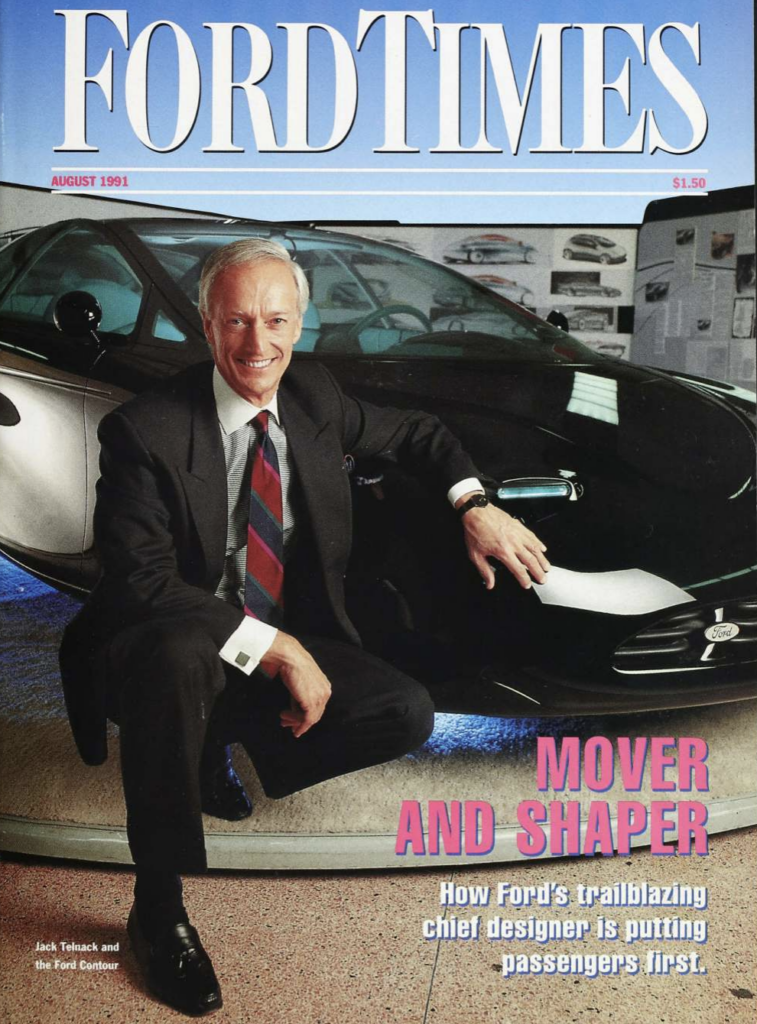
He also links design culture to the priorities of its leaders. Exner Jr. worked directly for Jack Telnack at Ford and thought Telnack had good taste, though he didn’t consider him a strong designer in his own right. He says that’s not unusual for someone running a design department. Under Gene Bordinat, by contrast, he remembers Ford Design as deeply shaped by internal maneuvering, describing Bordinat as more of a political operator than a designer. Exner Jr. adds that today’s design leaders often focus on saving money, which he believes has contributed to weaker styling.
Revival cars, Duesenberg and the Blackhawk
His work on the Duesenberg revival combined ideas from father and son. Exner Jr. says his father proposed putting a Duesenberg-style radiator at the front, with Exner Jr. styling the rest of the production car. The body design drew on one of his illustrations, and he is proud of most of the result—except the front end, which he says wasn’t his contribution.
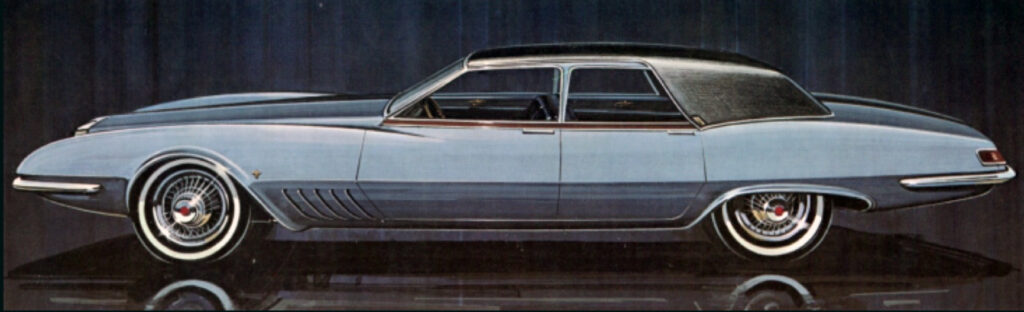
The Duesenberg revival also stands out in his recollection of an unveiling in South Bend, Indiana. Exner Jr. was there when Henry Ford II visited and was impressed. He says Ford returned to his company asking for new designs. Exner Jr. sees the revival series—including Duesenberg, Stutz, Mercer and Bugatti—as influential on luxury-car styling in the 1970s. Asked if it helped set the stage, he answered emphatically that it did.
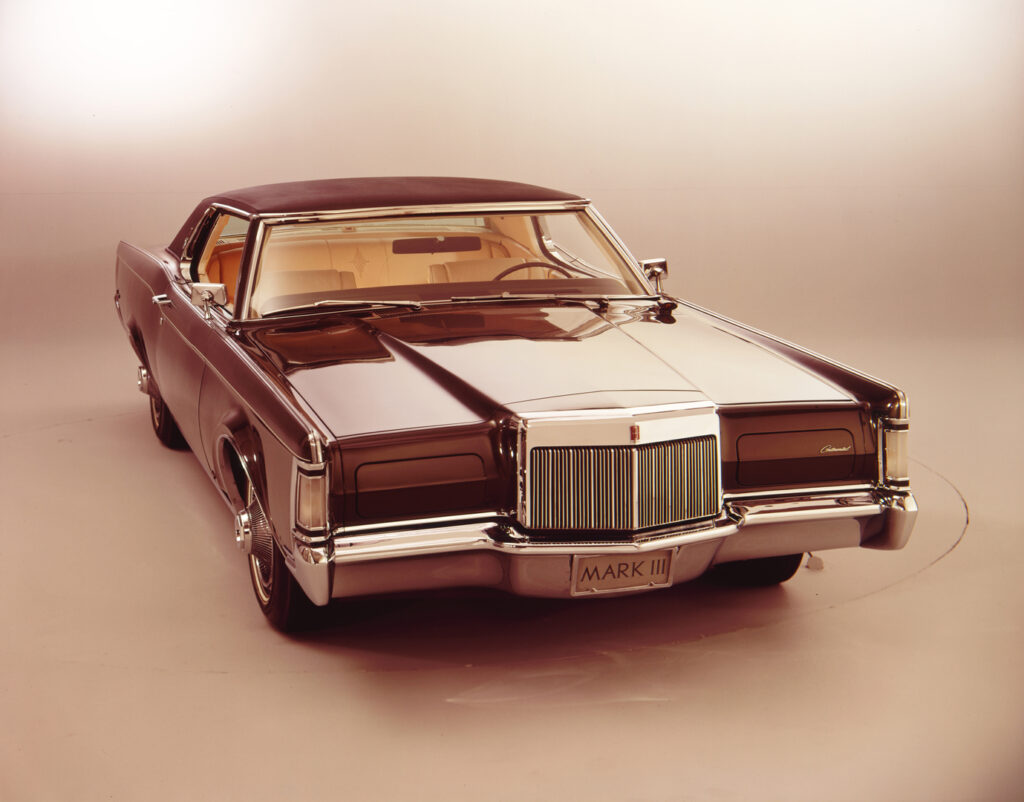
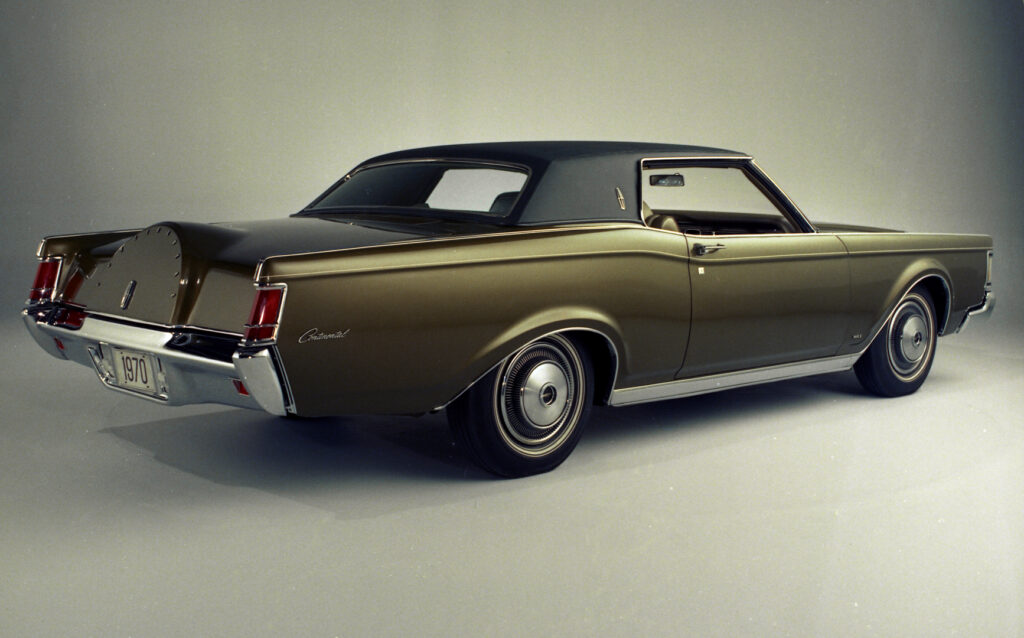
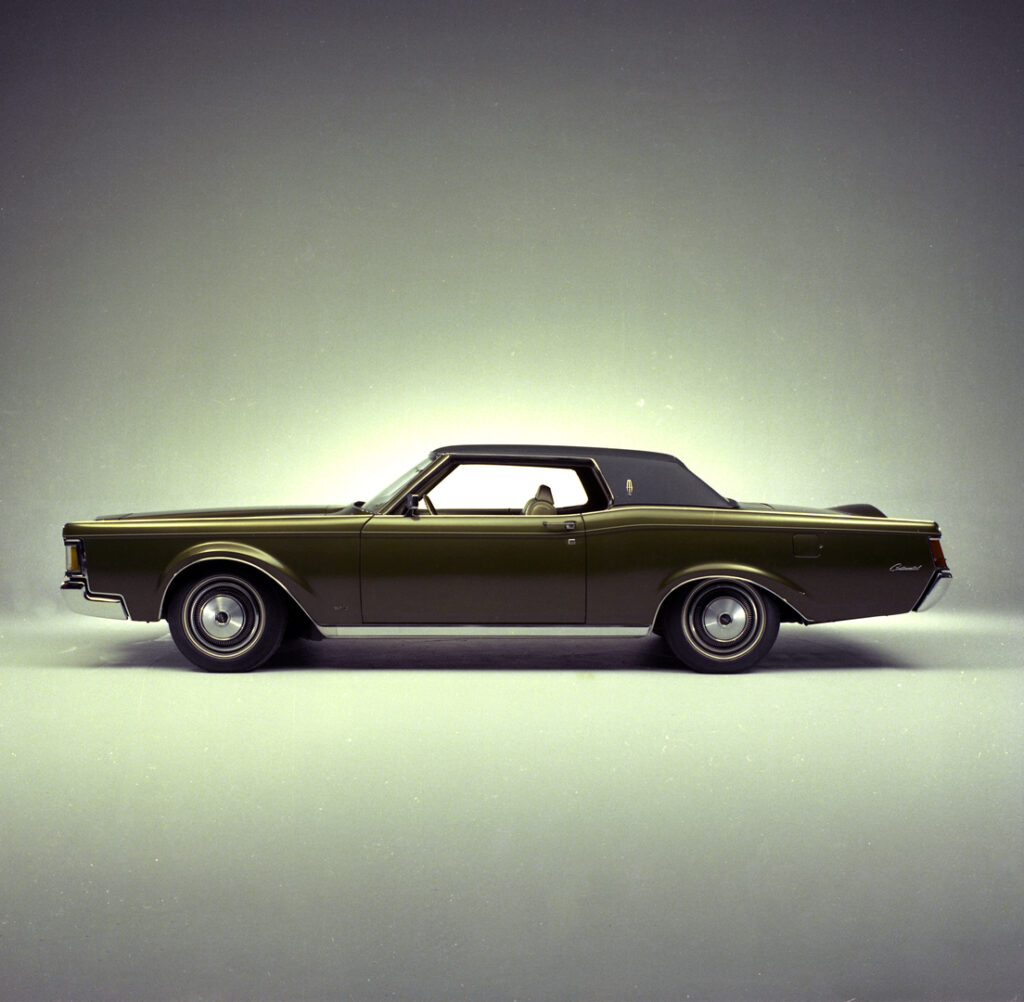
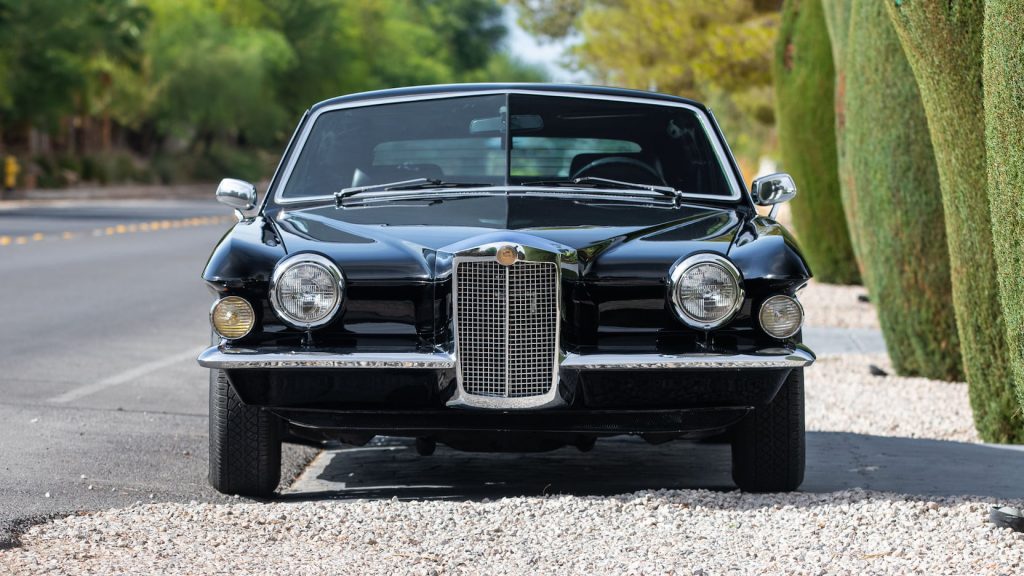
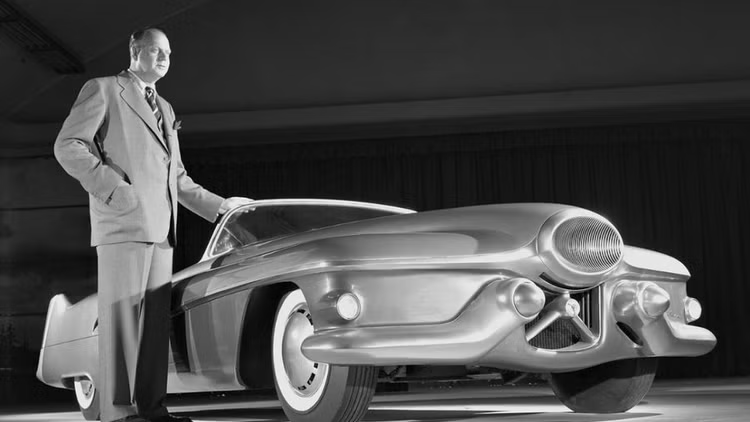
Exner Jr. wasn’t present for the Stutz Blackhawk prototype unveiling at the Waldorf-Astoria in 1970, and he can’t say for certain whether his father brought a production Blackhawk home. He does remember meeting Harley Earl when he was four, while his father was chief designer at Pontiac. Later, after winning the Fisher Body Craftsman’s Guild and travelling to Detroit, he met Earl again; the two became friends. Exner Jr. says his father got along well with Earl, whom he remembers as a good man.
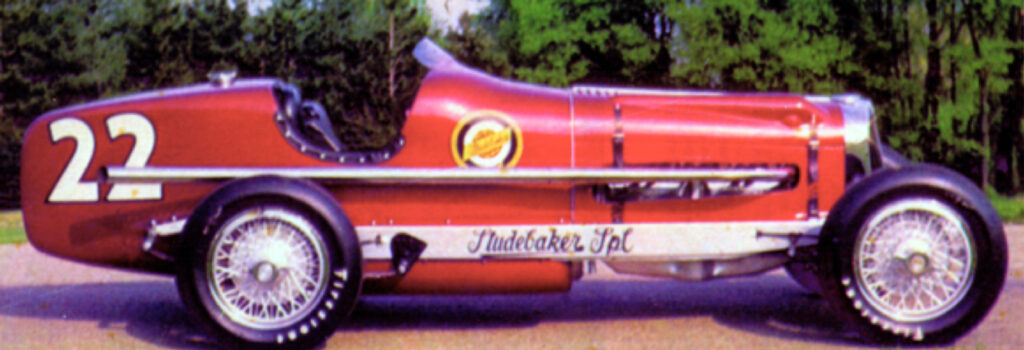
Of the revival cars, the Bugatti Type 101 is his favorite. The project started with a bare chassis, and Ghia designed and built the car. Exner Jr. puts it ahead of the other vehicles associated with his family, with one exception: the 1932 Indianapolis Studebaker race car. Four of seven revival designs reached reality; Packard, Pierce-Arrow and Jordan Playboy were made as Renwal plastic model kits.
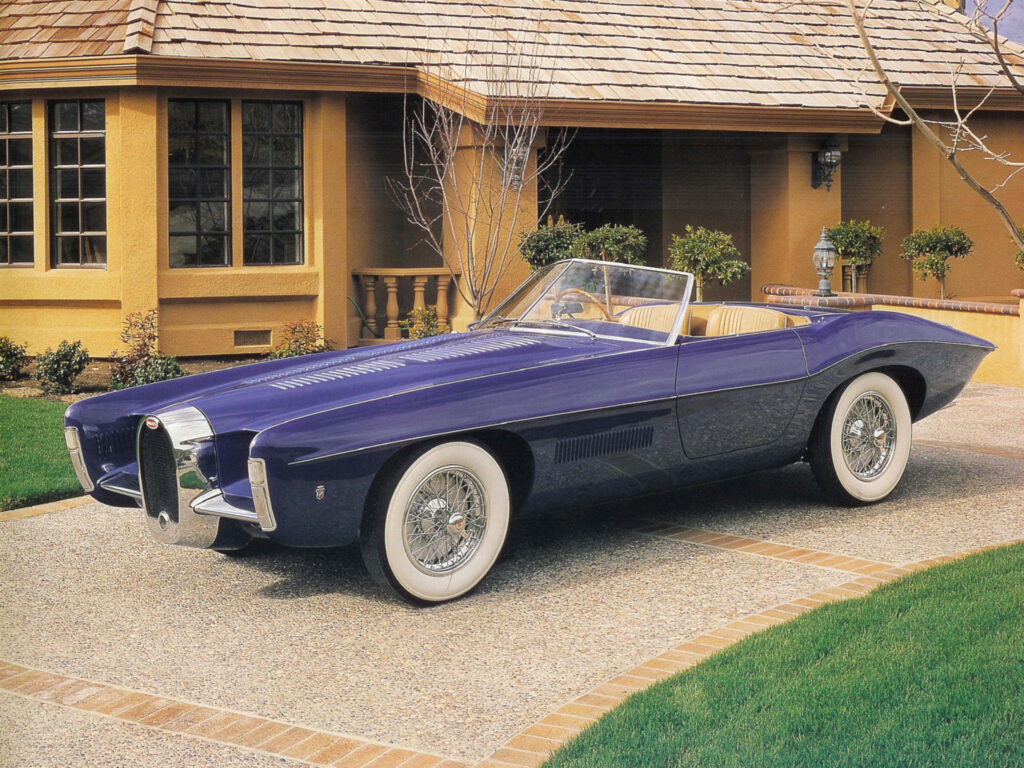
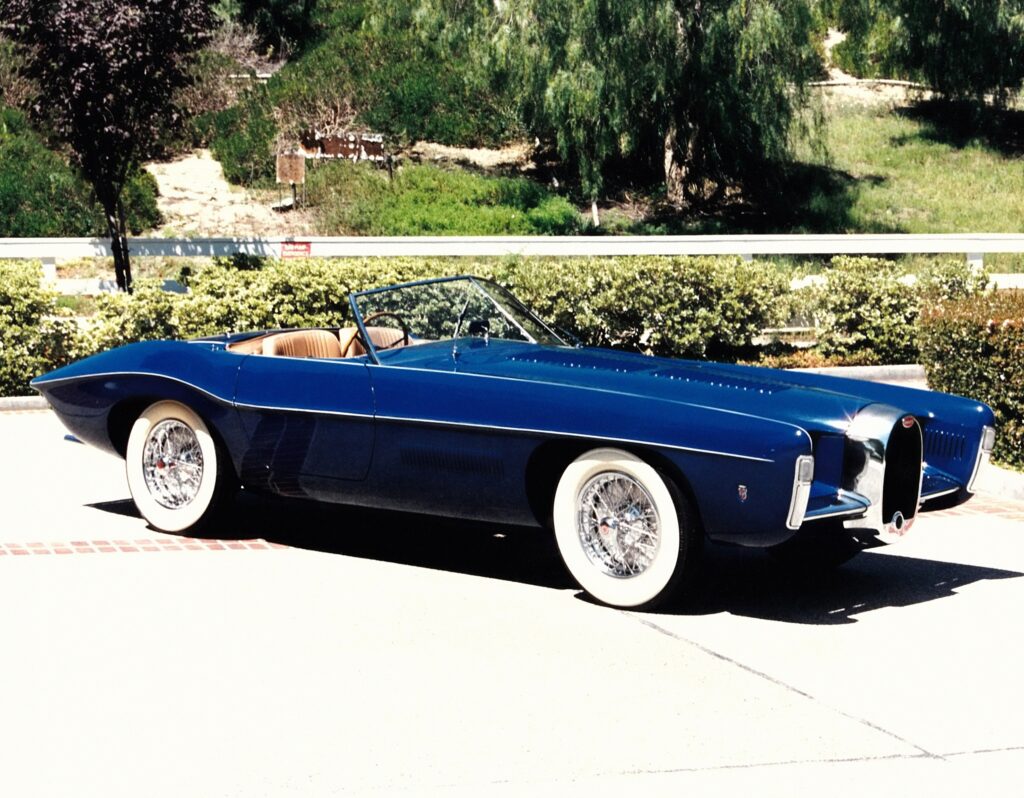
A modern production revival of the Exner Duesenberg seems unlikely to him. He doubts enough people are interested in that era of design to support such a project. The appeal of the original idea, he suggests, depends on a level of enthusiasm that would need to be broader before another run made sense.
Cars he still remembers driving
The 1932 Studebaker is more than a favorite for its looks. His father bought the car while working at Studebaker; it was one of five. The family adapted it for road use and drove it to Connecticut each summer for a major SCCA gathering. Exner Jr. rode as his father’s mechanic for about 7,000 miles before he was allowed behind the wheel.
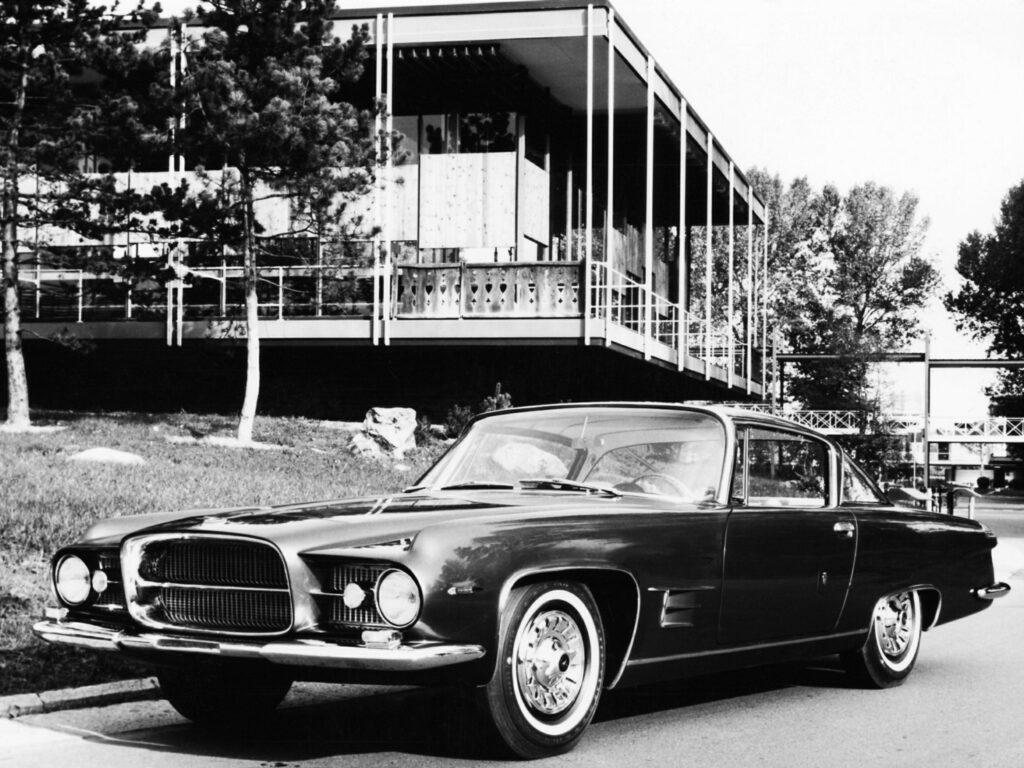
His father had less to do with the Ghia L6.4, which Exner Jr. describes as primarily a Ghia design: simple and well executed. Chrysler declined to put it into production. The project is another reminder of the limits of a strong design when a company doesn’t choose to carry it through.
The Pinto concept that changed in another studio
Among the concepts that never came out as he intended, Exner Jr. singles out a Ford Pinto proposal. His studio developed the idea into a basic full-size clay model, then handed it to the Mercury studio. That team completed the design and presented it to design and finance staff. After their criticism and changes, Exner Jr. says, the result no longer matched his intent.
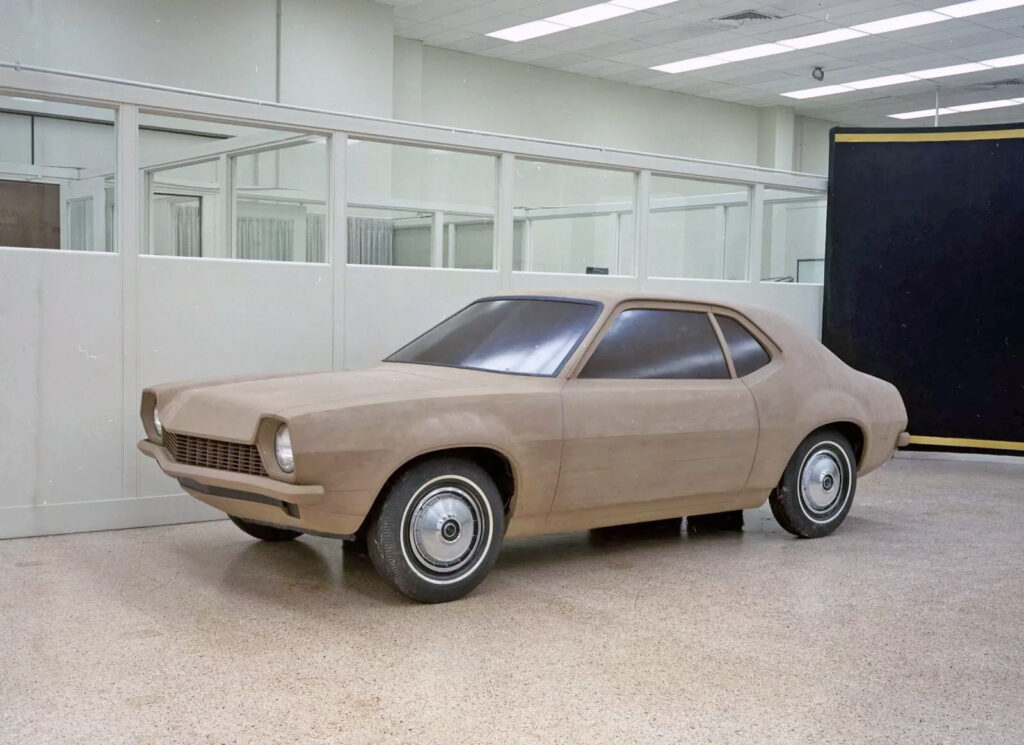
He made his objections clear to Henry Ford II. The eventual Pinto had an exposed rear fuel tank, and Exner Jr. connects that design to the car’s later fires. He also notes that the Pinto became a best-selling car at the time. His recollection sums up the gap between creating a design and seeing it through: a proposal can be reshaped as it passes between studios and decision-makers, leaving the original designer to watch the finished car go in another direction.
Exner Jr.’s recollections return to a consistent theme: distinctive styling depends on people who care about cars, have room to shape an idea and can carry it through the design process. He still draws daily. His case for bringing back slim, aerodynamic forms is a practical challenge to today’s studios: give buyers the chance to respond to a different kind of car, and style may matter again.


