In lane Electric Vehicles
Why Half of Insured Americans Avoid Auto and Home Insurance Claims
Description
Fear of higher premiums leads many insured Americans to pay for repairs themselves, even as a third of claim avoiders say they regret it.
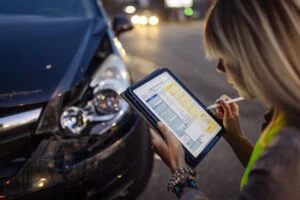
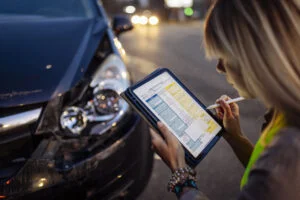
For many insured Americans, deciding whether to report damage means weighing the repair bill against the possibility of higher future premiums. LendingTree’s survey found that half of people with auto or home insurance had avoided filing a claim. Among those who held back, 73% said they probably would have filed if doing so had no effect on premiums, discounts, renewal terms or future eligibility for coverage.
Auto insurance accounted for most of the situations respondents chose not to report: 73% of claim avoiders said their most recent case involved car insurance. The finding points to a practical tension for drivers. A policy can help pay for covered damage, but concern about what a claim might mean for future coverage can lead people to absorb repair costs themselves.
What claim avoiders worry about
Potential premium increases were the leading deterrent. Nearly one in four respondents cited that concern. Other reasons included fear that the insurer might cancel or decline to renew coverage, reluctance to have a claim recorded in their insurance history, and frustration with a process they expected to be time-consuming, stressful or inconvenient. Each of those concerns was named by 15% of claim avoiders.
Some respondents doubted that making a claim would be worthwhile. Fourteen percent thought it might be denied or only partly covered, while 10% weren’t sure whether their damage was covered. The same share said they didn’t know how to file or what paperwork would be required. These concerns leave people making decisions without certainty about either the likely payment or the process.
Other respondents said they preferred to handle the matter privately, had been advised against filing, or had another person or organization agree to pay; each reason was cited by 13%. Twelve percent worried about accumulating too many claims. Concerns about sharing personal or location information were reported by 10%, and 3% gave another reason.
The survey also found that some claims don’t meet expectations. Of people who pursued a non-routine auto or home claim during the past five years, 46% said the insurer paid roughly what they expected. A third said the payment was lower than expected, 26% said a claim was denied, and 27% reported a premium increase. Those results help explain why people may hesitate, though they don’t show what would have happened in the specific cases where respondents chose not to file.
Paying out of pocket can carry its own costs
Avoiding a claim doesn’t make damage disappear. LendingTree found that 34% of people who avoided filing paid at least $1,000 themselves, including 15% who spent $2,500 or more. The most common response was to manage the problem without outside help, reported by 29%. Others paid the full bill (23%), chose a cheaper fix (20%) or skipped the repair or replacement entirely (18%).
Respondents were divided about those choices. Forty percent said avoiding the claim had been the right call, while 37% regretted it; 16% reported no noticeable downside. That mix suggests the decision depends on more than the size of the repair. People are balancing immediate expense, the value of restoring a vehicle or home, and their expectations about how a claim could affect their insurance.
LendingTree senior writer and licensed insurance agent Rob Bhatt said financial strain can become more difficult when people also have to cover repairs after a loss. He added that repair work can help a car or home retain its value. The survey doesn’t establish how much value a particular repair preserves, but it highlights a cost that can be easy to overlook when the immediate priority is avoiding a claim.
Younger respondents reported more claim avoidance
The share of insured respondents who said they had avoided a claim varied sharply by age group. LendingTree reported 84% for Gen Z, 63% for millennials, 40% for Gen X and 27% for baby boomers. These figures describe the survey responses; they don’t establish why the age groups differed or whether the same pattern applies to every type of loss.
The findings come against a backdrop of substantial reported costs for driving and car insurance. The Zebra’s 2026 State of Insurance report puts the median annual cost of car insurance at $2,079 and says costs in some states exceed $3,000. Its report also gives fuel prices of around $4 per gallon and an average new-car price of around $50,000, up 3.5% from the same time the prior year.
Separate figures put annual full-coverage premiums at $2,237 nationwide, up 1% since the end of 2025, in an Insurify report. AAA’s Your Driving Costs analysis estimates average annual costs to own and operate a new vehicle at $12,863, or $1,071.92 a month. Its full-coverage insurance estimate is $2,098 a year for a specified driver profile: a personal vehicle owner under 65, with more than six years of driving experience, no accidents, and a city or suburban residence.
Those figures use different measures and driver profiles, so they aren’t direct comparisons of what any one motorist will pay. They do show why the prospect of another insurance expense can weigh heavily in a household’s repair decision. LendingTree commissioned QuestionPro to survey 2,000 U.S. consumers online from Aug. 5 to 9. The company describes the sample as nonprobability-based, with quotas used to reflect the overall population. For drivers, the clearest takeaway is that avoiding a claim can shift the cost of damage onto the owner, and a third of those who made that choice said they later wished they hadn’t.
Featured image credit: Anja Stefanovic/iStock


