In lane Electric Vehicles
Allstate Auto Lab Adds Hands-On Vehicle Repair Training for Claims Adjusters
Description
Allstate’s Dallas training center gives adjusters access to 22 cars, four motorcycles and repair demonstrations covering damage across vehicle types.
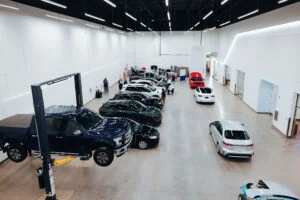
Allstate’s new Auto Lab puts damaged vehicles, diagnostic equipment and repair demonstrations into claims training, giving adjusters a chance to examine repair issues that can be difficult to assess from exterior photos alone. The facility includes 22 vehicles and four motorcycles, with electric, hybrid and gas-powered models represented.
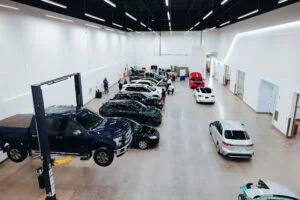
The lab is part of Allstate’s Claims University, a 33,000-square-foot training center in Dallas, Texas, that opened in August. The campus also has a Property Lab for training on house claims. Allstate says the Auto Lab’s scenarios draw on insights from more than 3.5 million auto claims and are intended to reflect situations customers commonly face.
Training built around real vehicles and damage
The central idea is to give claims specialists direct access to vehicles and damage patterns, rather than relying on classroom explanations alone. They can examine technologies and repair considerations across different vehicle types, then see how particular damage may affect more than the visible area of impact. That matters as vehicles carry systems and components that may require attention even when the exterior damage appears limited.
Training scenarios include front-corner, rear-end and side-impact collision damage, as well as damage from multi-vehicle collisions. The lab also covers flood, hail and vandalism damage, hidden structural and undercarriage issues, and damage involving cameras, sensors and advanced driver assistance systems, or ADAS.
Adjusters will use a two-post lift to view the underside of vehicles. That gives them access to structural components, exhaust systems and undercarriage areas that aren’t readily visible during an exterior inspection. In a claim assessment, those less visible areas can affect the scope of repair work; seeing examples in person gives trainees a clearer basis for understanding what an inspection may need to cover.
Diagnostic equipment is another part of the program. Allstate says adjusters will use tools of the kind found in repair facilities to identify issues involving cameras, sensors and ADAS. A damaged component or changed sensor position may not be obvious from the outside, yet can influence repair requirements. The lab lets trainees connect the vehicle’s technology with the assessment process and the work a repair facility may need to perform.
Repair demonstrations add another perspective
A dedicated demonstration area lets employees watch repair techniques as they’re carried out. Advanced measuring technology is used to illustrate structural movement and alignment concerns that can affect repair needs. The area also has a negative-pressure environment for repair demonstrations, allowing learners to observe the work in a controlled setting.
That direct view can help adjusters understand how technicians approach restoration and why damage may call for particular repair steps. It also gives them a shared reference point for conversations with repair facilities. Allstate’s stated aim is to support more informed damage assessments, clearer explanations to customers and stronger discussions about the work required to return a vehicle to its pre-damage condition.
Mike Fiato, Allstate’s executive vice president and chief claims officer, said vehicles have become more complex and that adjusters need to understand how damage can affect the whole vehicle. The lab, he said, is intended to build the expertise employees need to help customers make informed decisions during recovery.
Mixed powertrains reflect changing repair needs
Including electric and hybrid vehicles alongside gas-powered models gives adjusters a chance to study how repair considerations differ by vehicle type. Allstate says electric vehicles and vehicles equipped with ADAS can require different damage assessments from conventional gas-powered vehicles. The lab’s mix of vehicles is intended to expose trainees to those distinctions, while diagnostic tools provide a way to investigate issues that a visual check may miss.
The facility also includes four motorcycles, extending the hands-on training beyond passenger vehicles. Together, the vehicles give adjusters a varied set of examples for examining damage, technology and repair considerations. The source material doesn’t identify the models or provide a breakdown of how many examples fall into each powertrain category.
The broader value of the setup will depend on how closely its exercises track the repairs and technologies adjusters encounter in the field. Allstate says its claim data informs vehicle selection and that the lab is designed to keep training aligned with changing vehicles and repair practices. For drivers, the practical takeaway is that the company is investing in physical inspection and repair demonstrations to help claims staff assess damage involving both visible impacts and less apparent vehicle systems.
Allstate describes the Auto Lab in its account of the facility. The Dallas training center was also covered by Repairer Driven News.
What the lab is designed to change
The Auto Lab gives adjusters a setting to inspect real vehicles, use diagnostic technology and watch repair methods before applying that knowledge to customer claims. Its focus on hidden damage, underbody inspections and vehicle electronics reflects the range of details that can shape a repair assessment. As vehicle systems and repair procedures change, the facility’s usefulness will rest on keeping its examples and training current.
Image
Photo courtesy of Allstate


