In lane Electric Vehicles
1983 Holden Commodore SL: A Restored VH With Its Original 3.3-Litre Six
Description
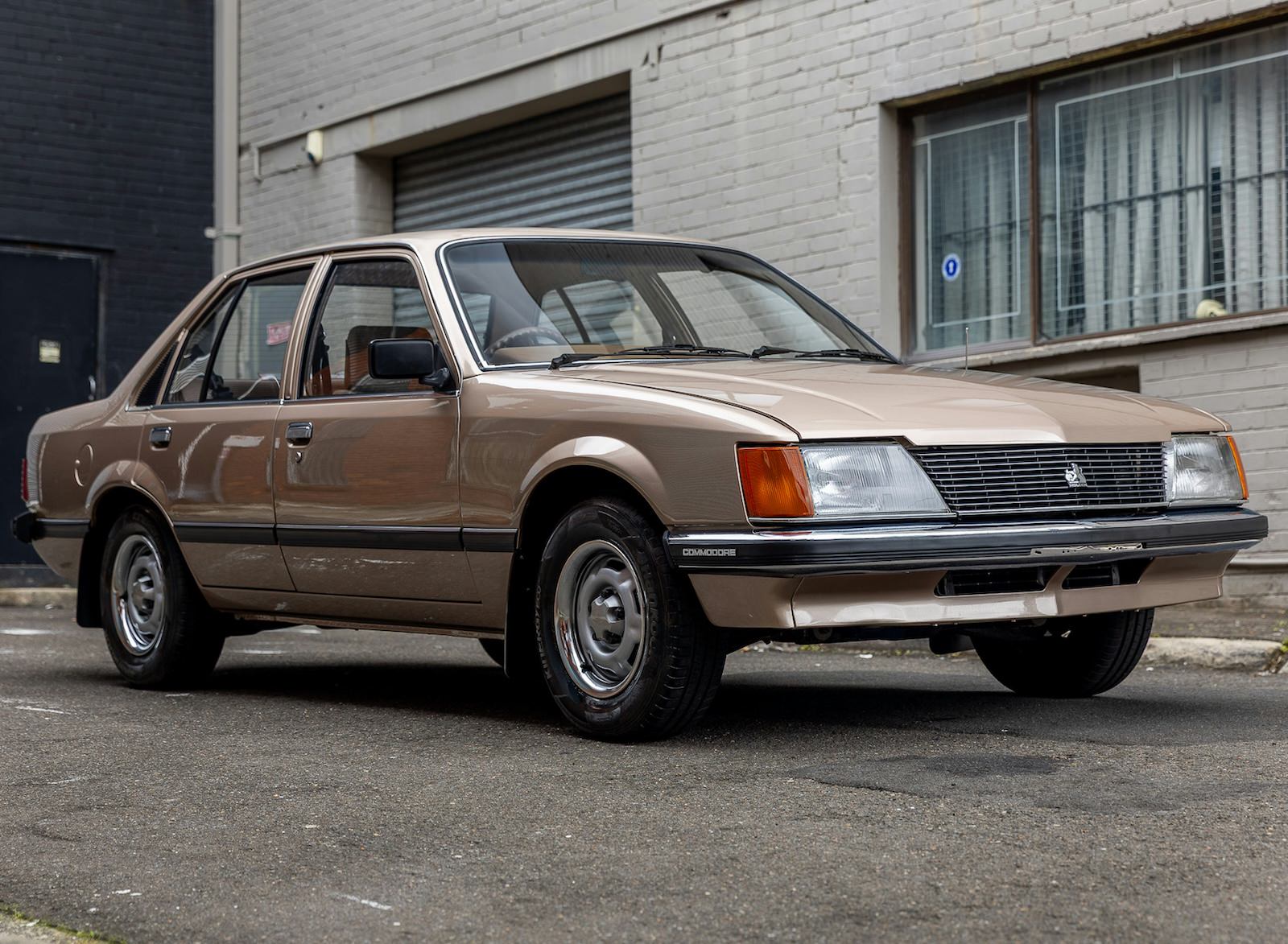
This Australian-delivered Commodore pairs a 3.3-litre six and automatic with a reported 103,356 km and extensive restoration work.
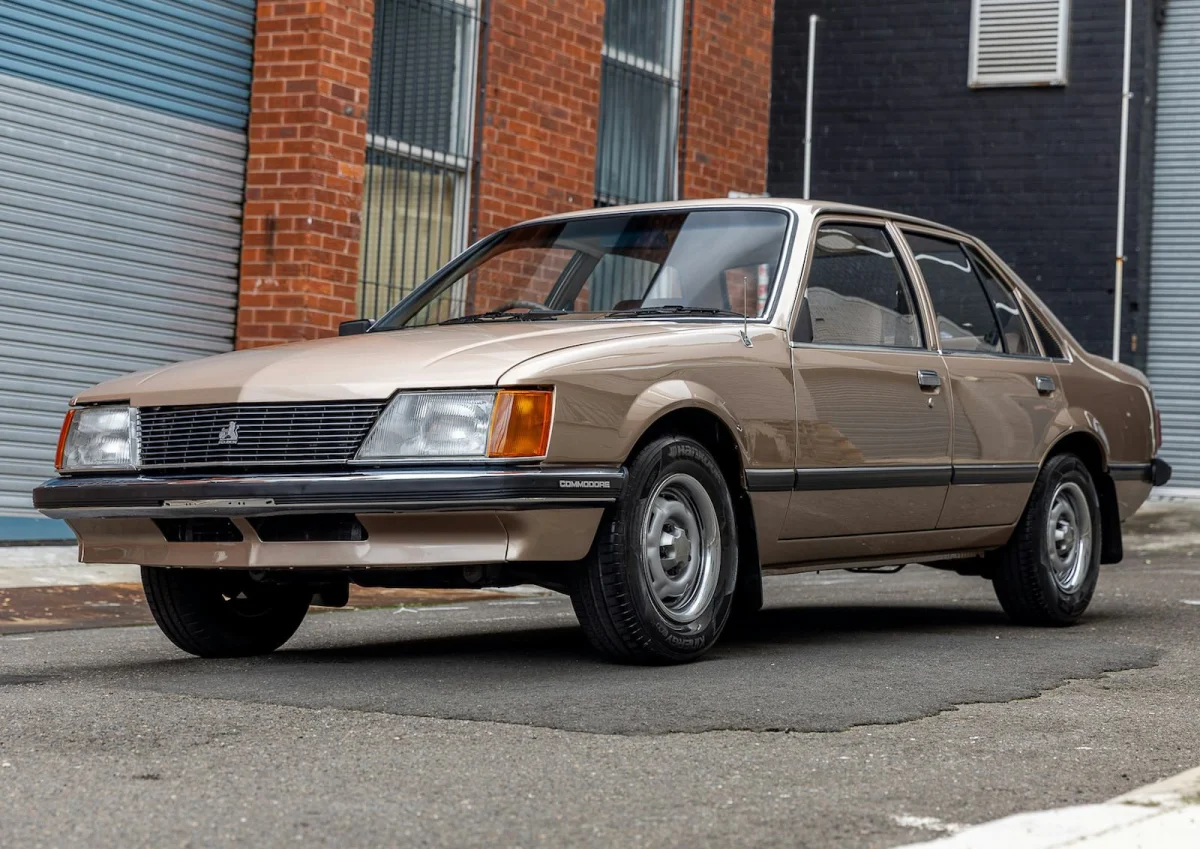
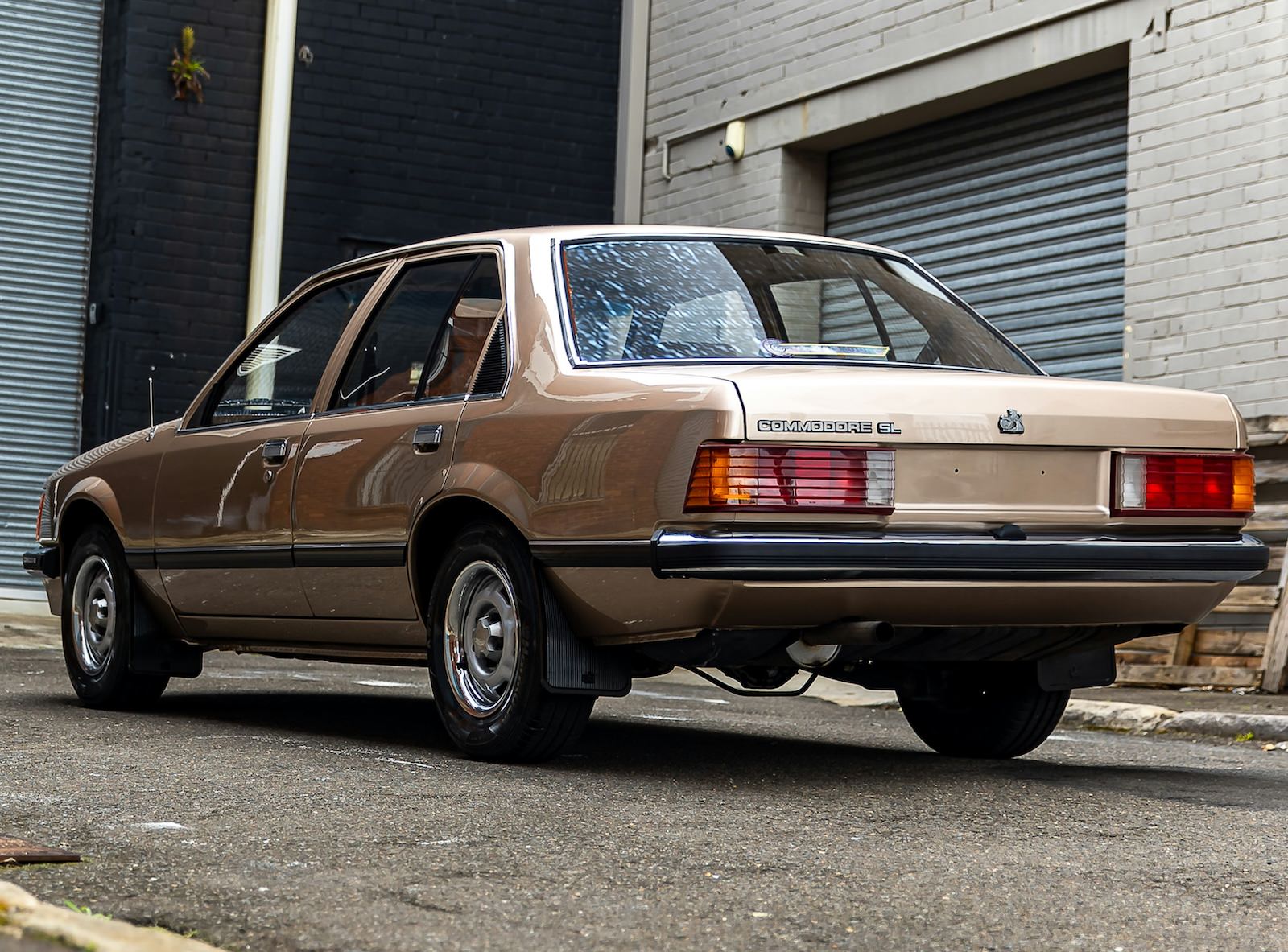
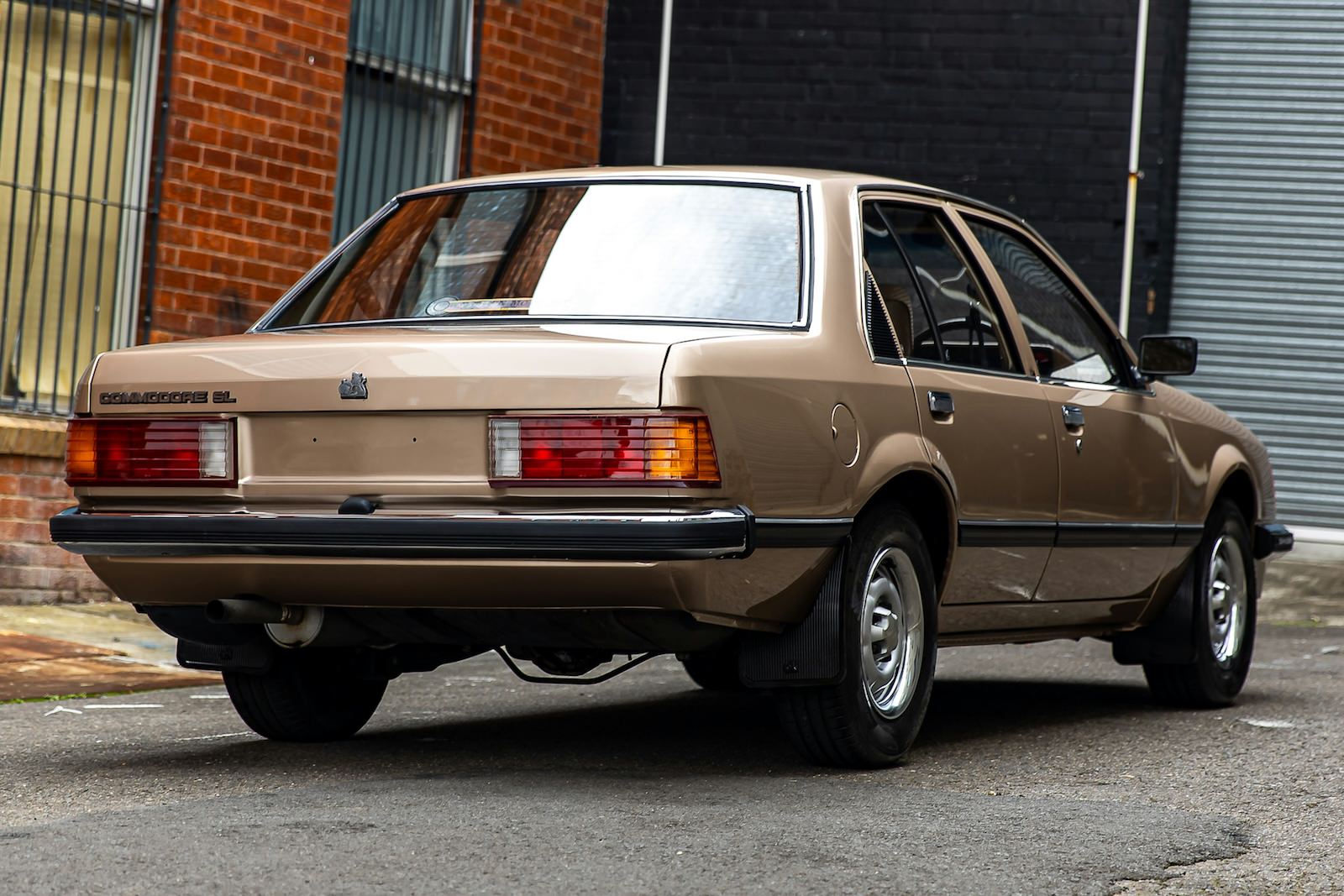
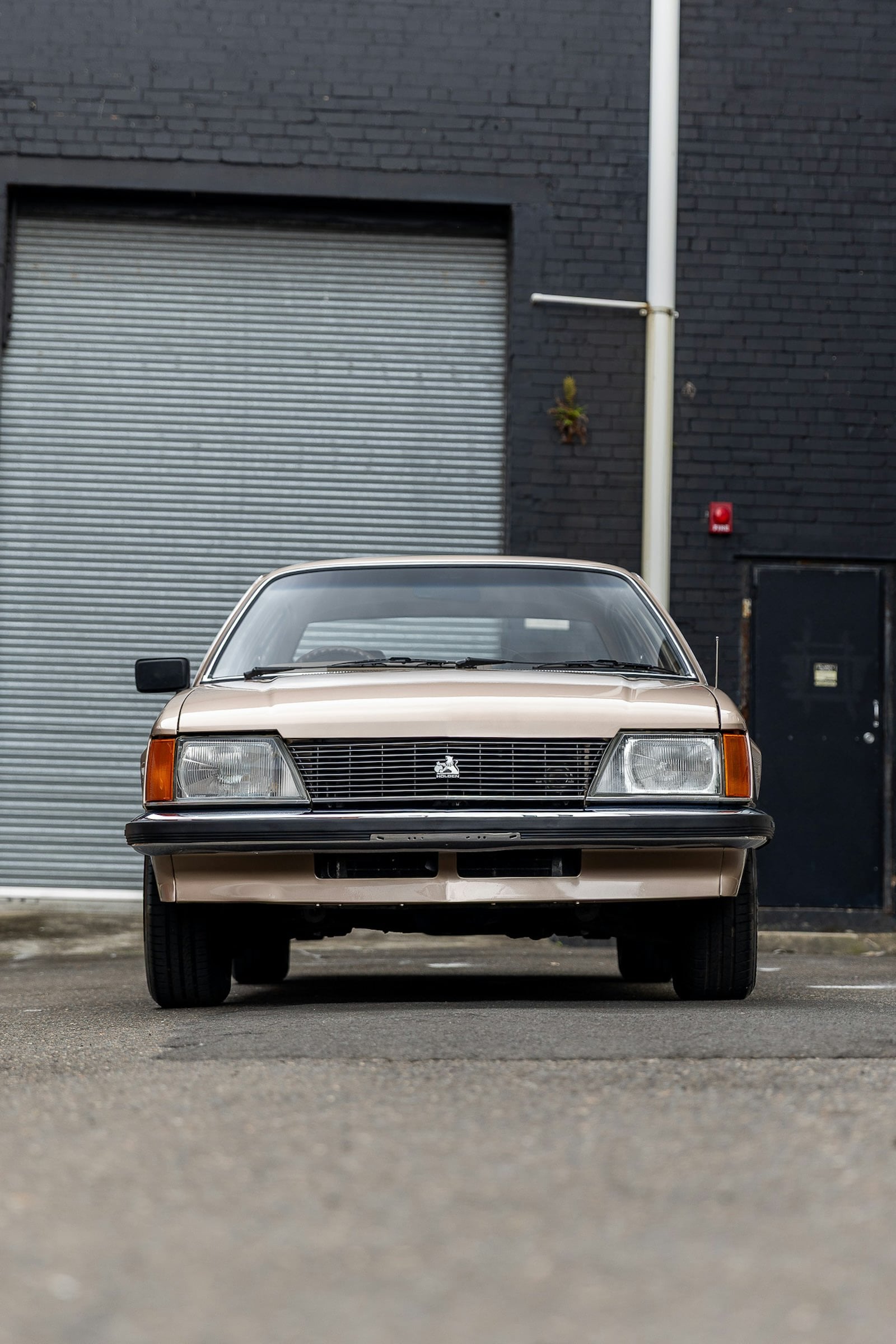
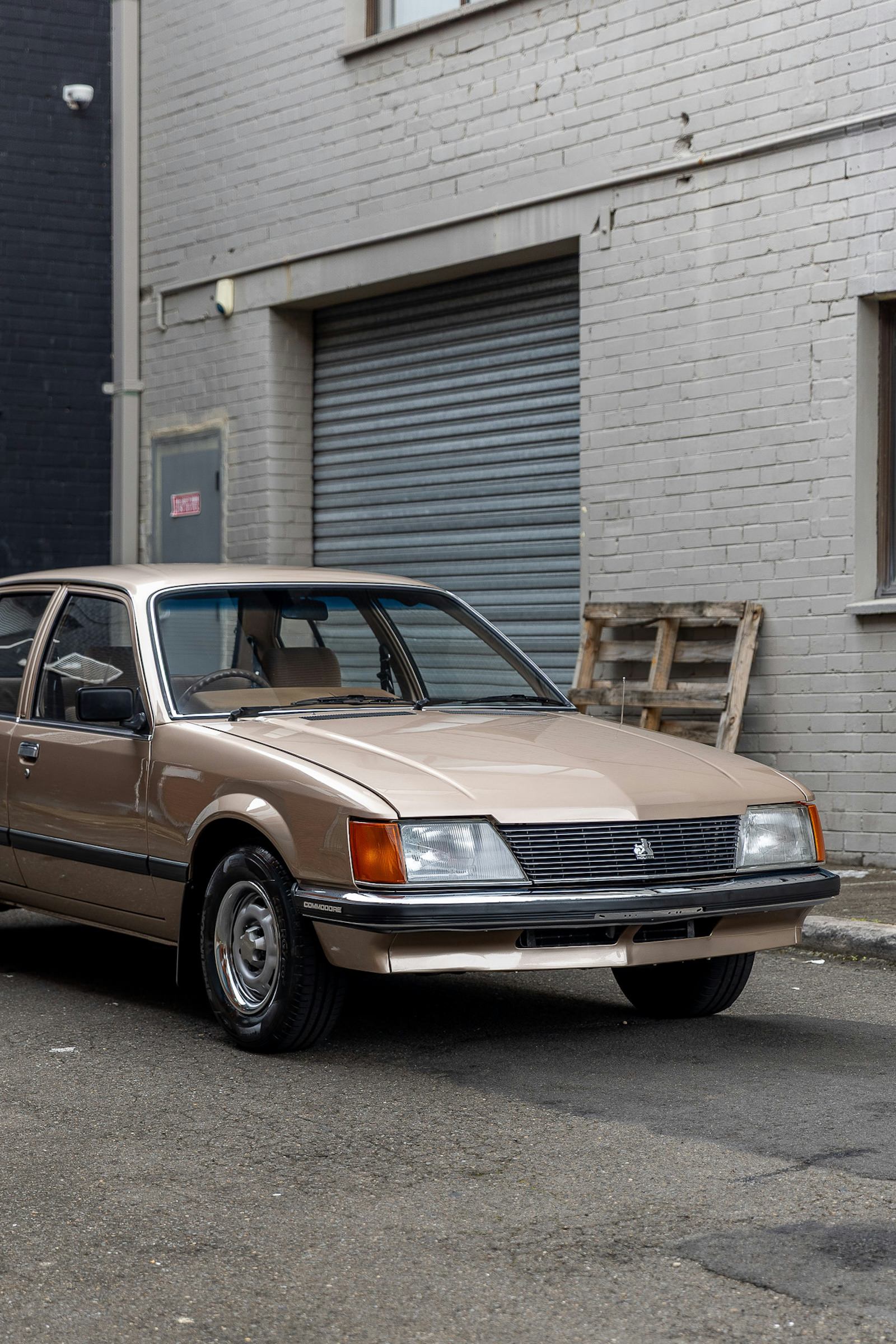
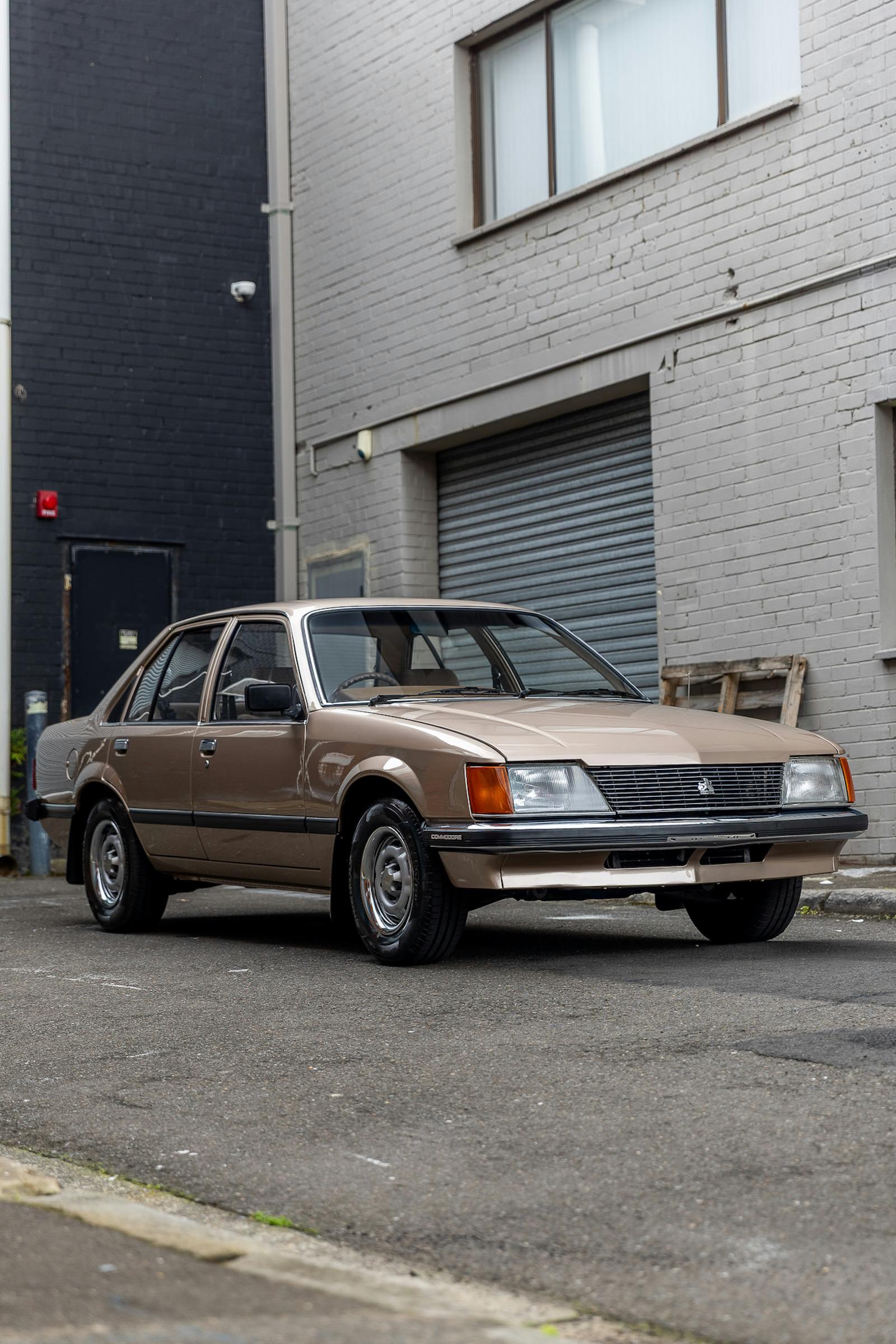
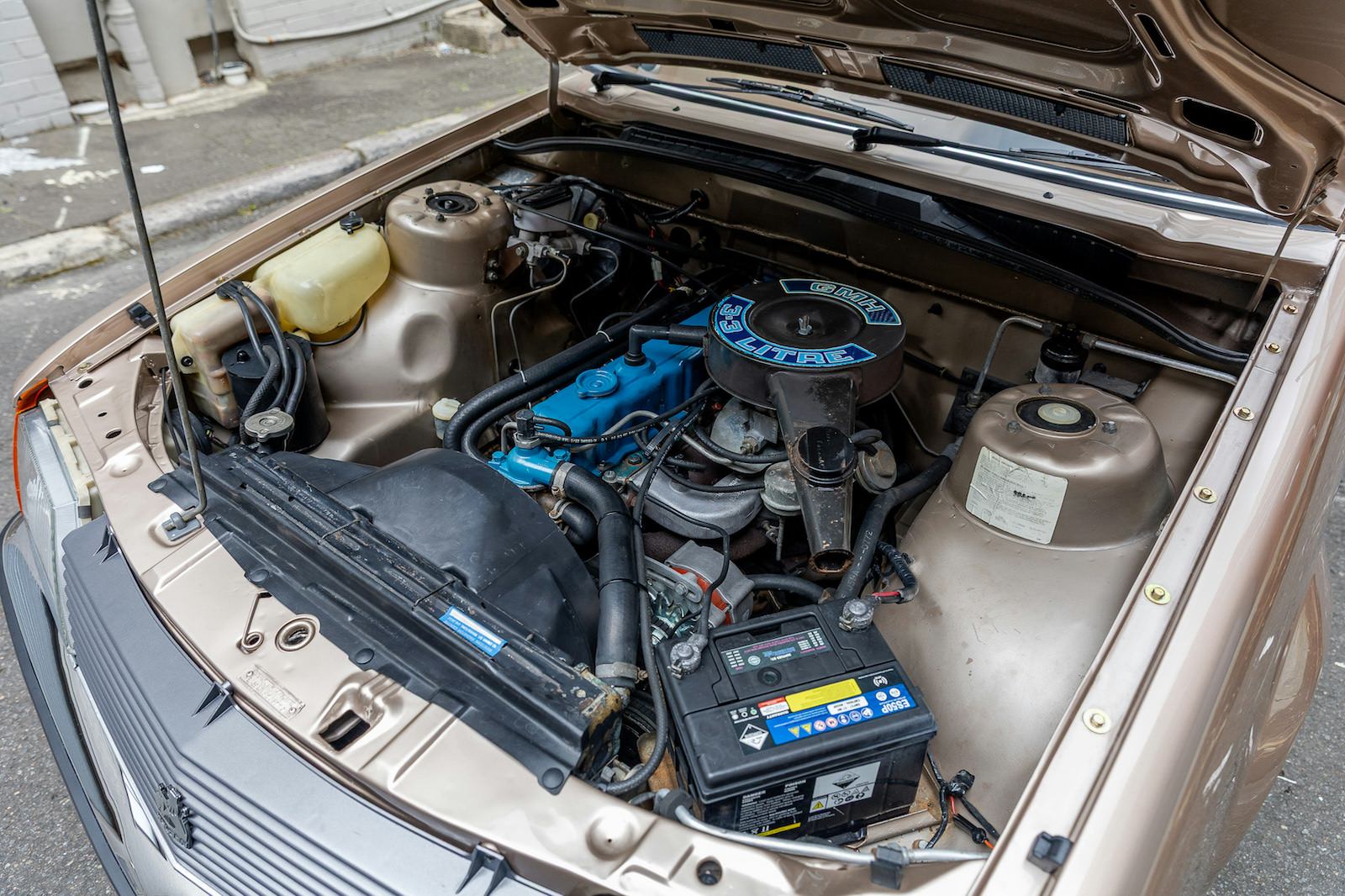
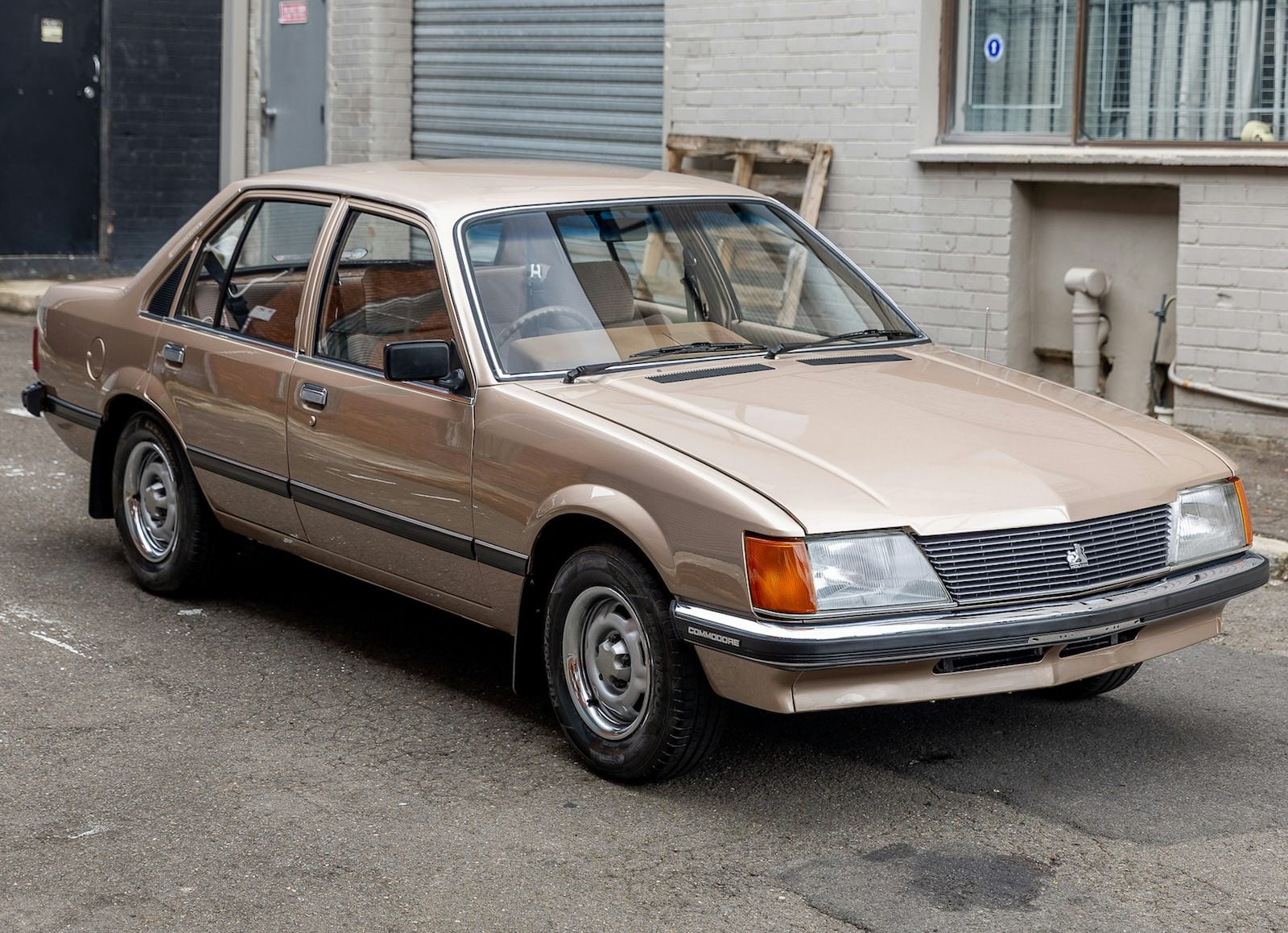
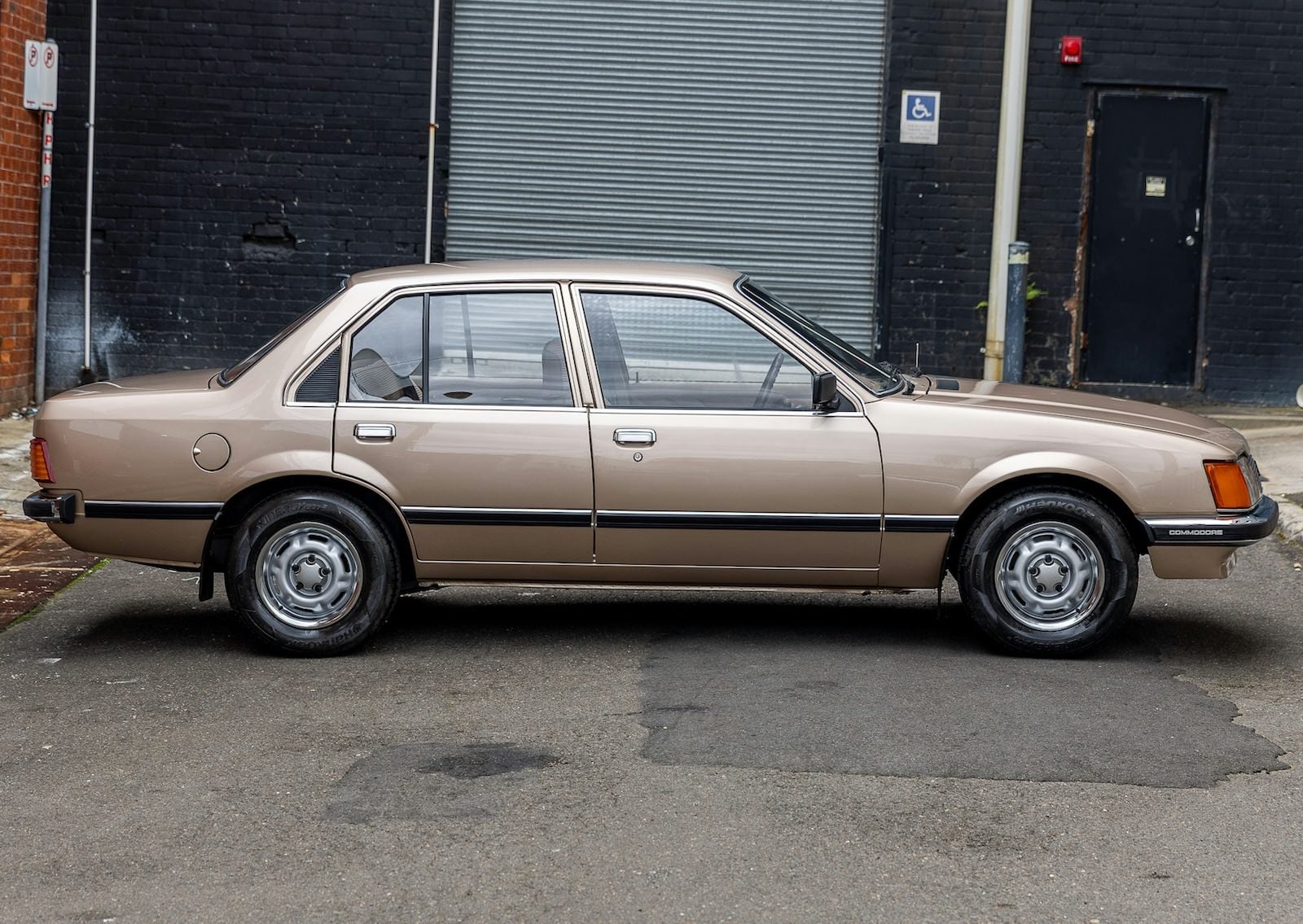
A well-kept 1983 Holden Commodore SL offers a useful snapshot of the model that became a familiar sight across Australia in the 1980s and 1990s. This Australian-delivered VH sedan keeps its 3.3-litre Blue inline-six and three-speed automatic, while a substantial restoration has refreshed its exterior. The odometer reads 103,356 km, a figure the seller believes is genuine.

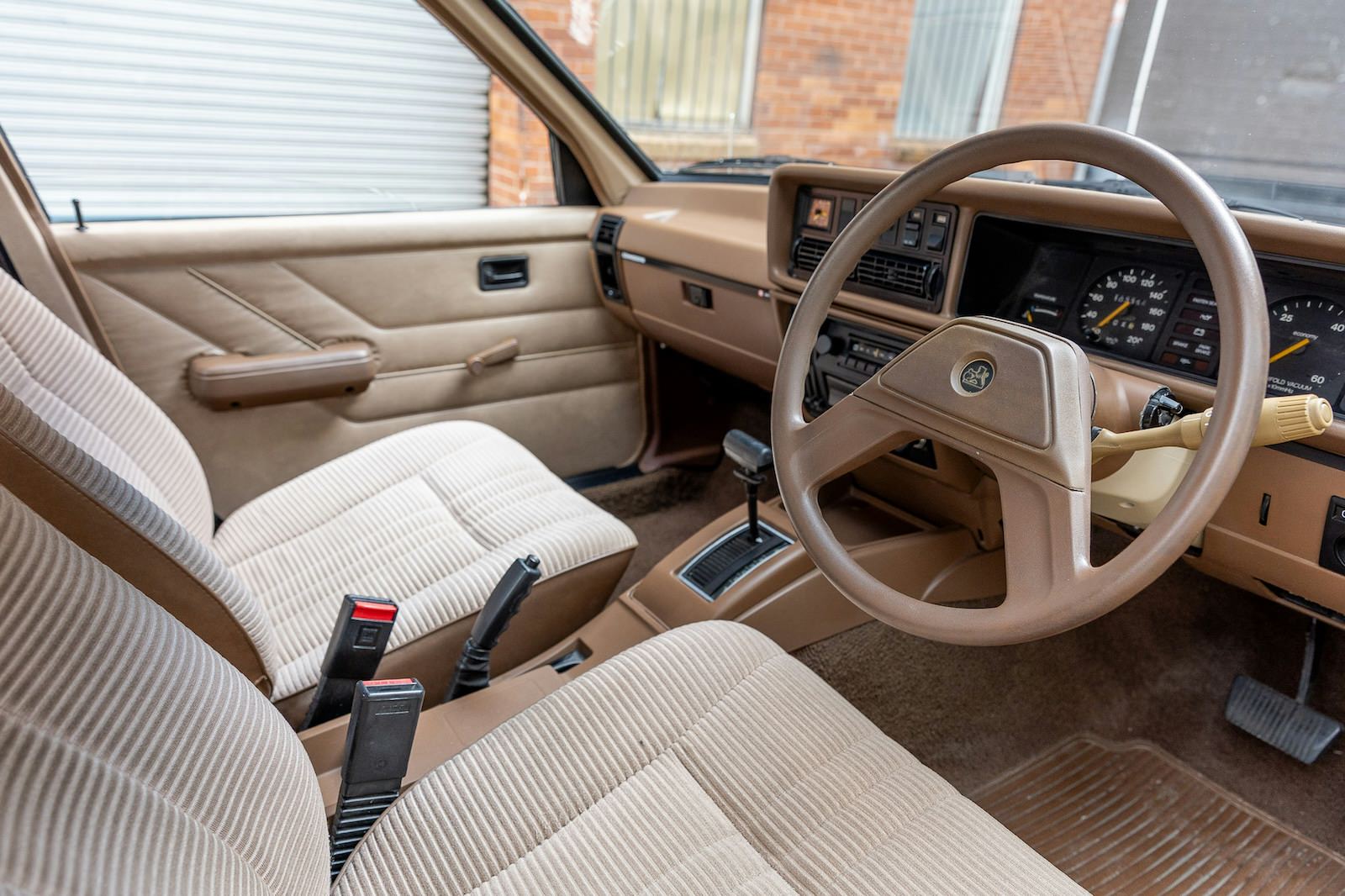
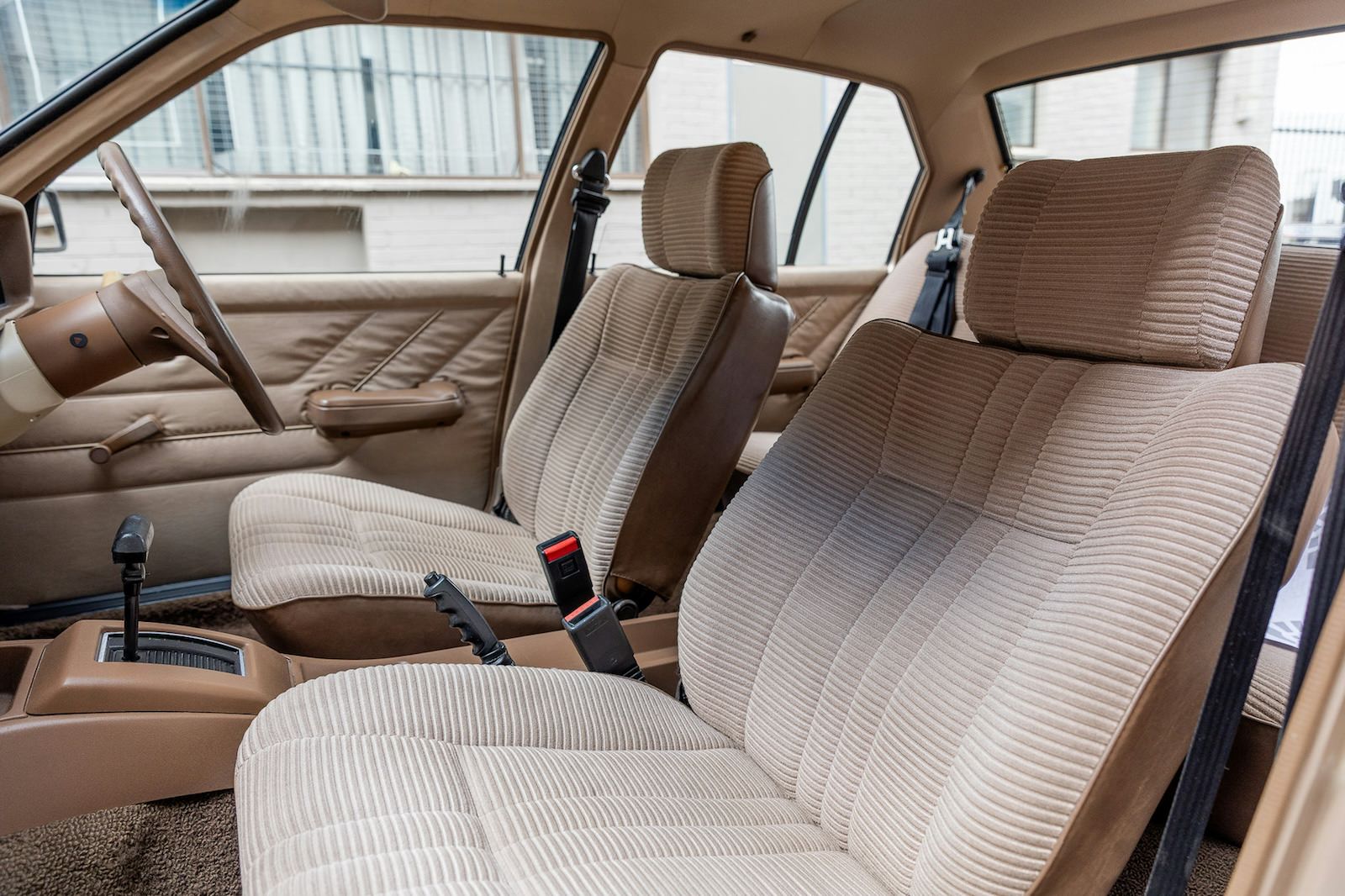
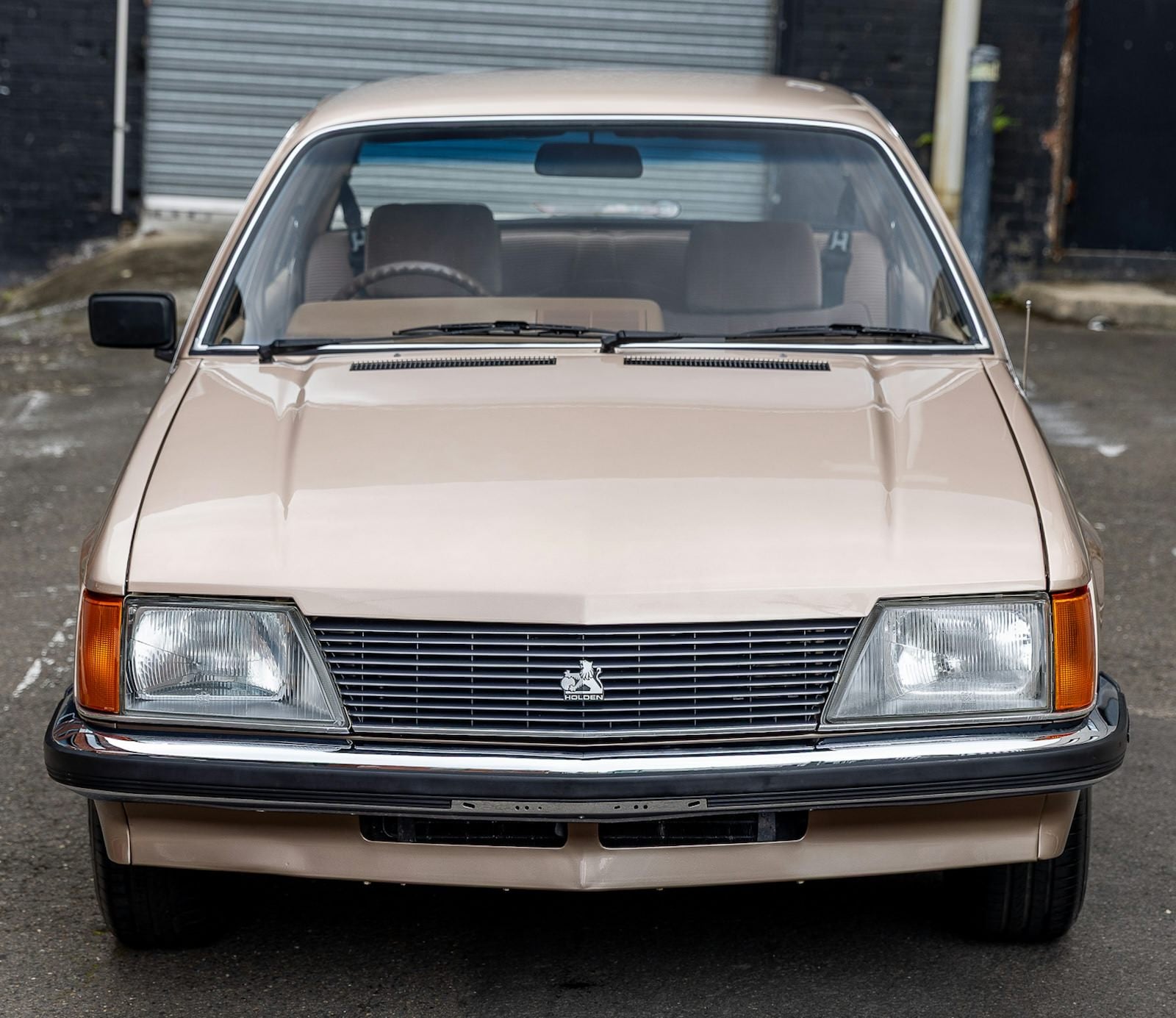
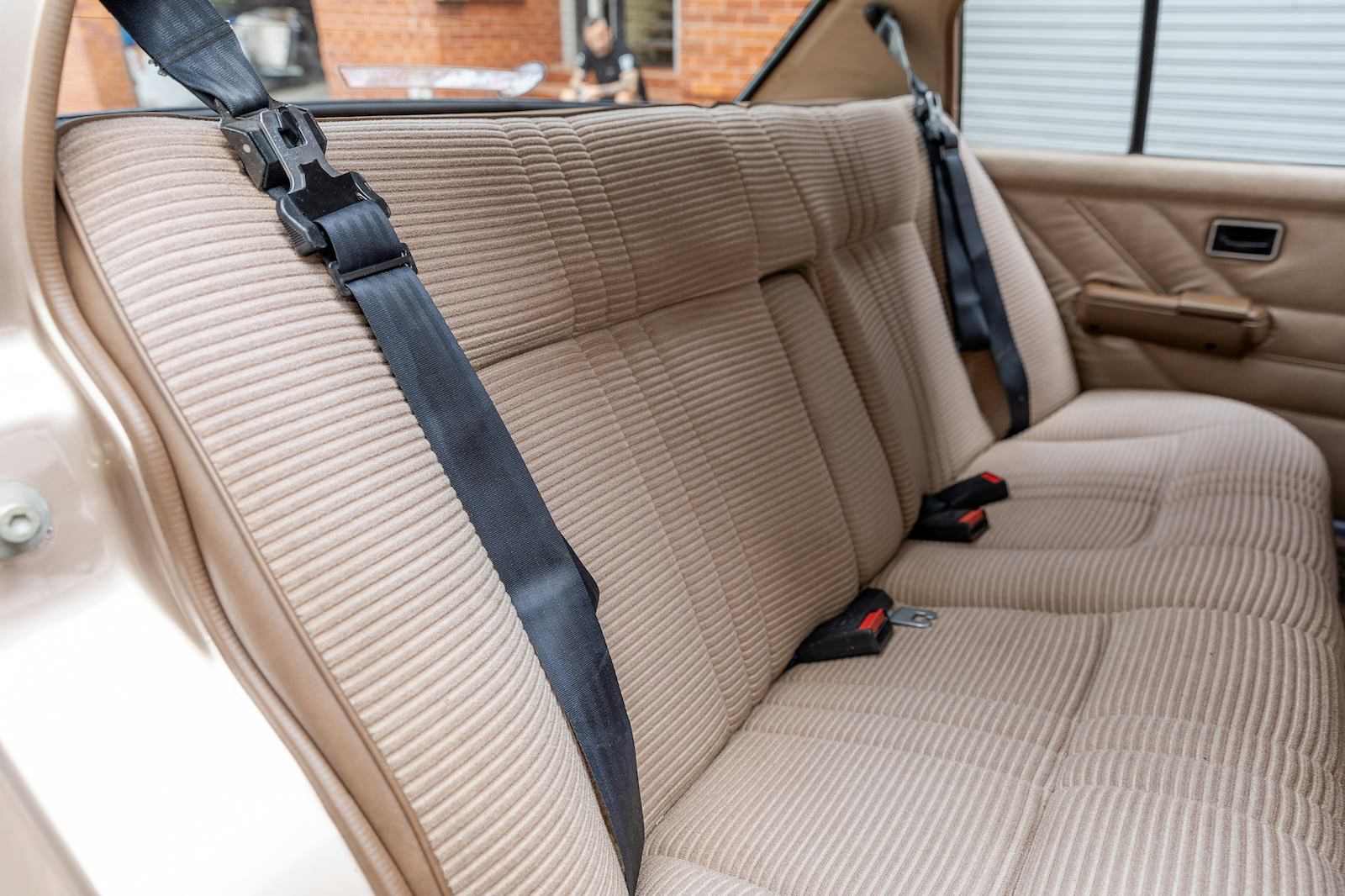
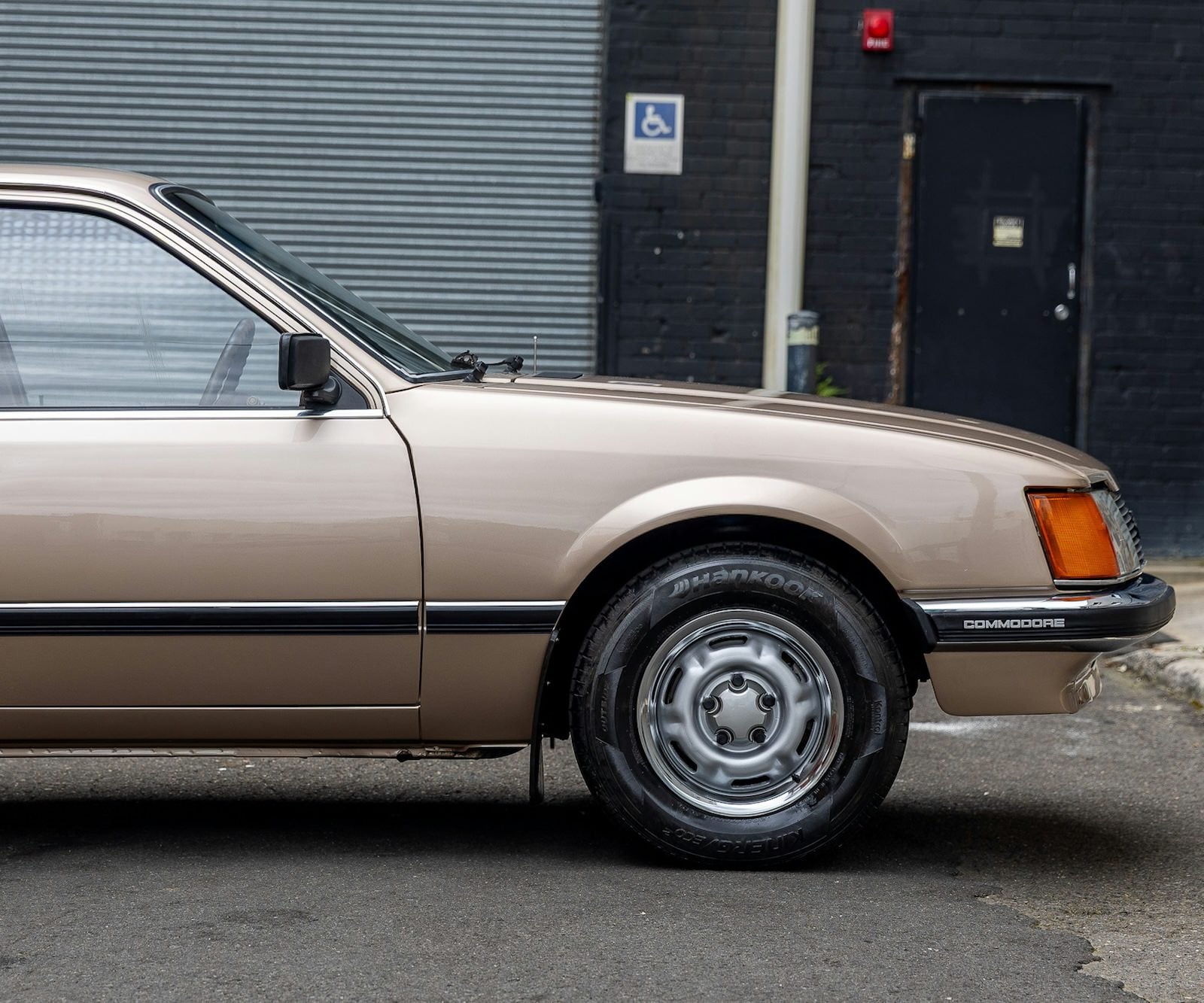
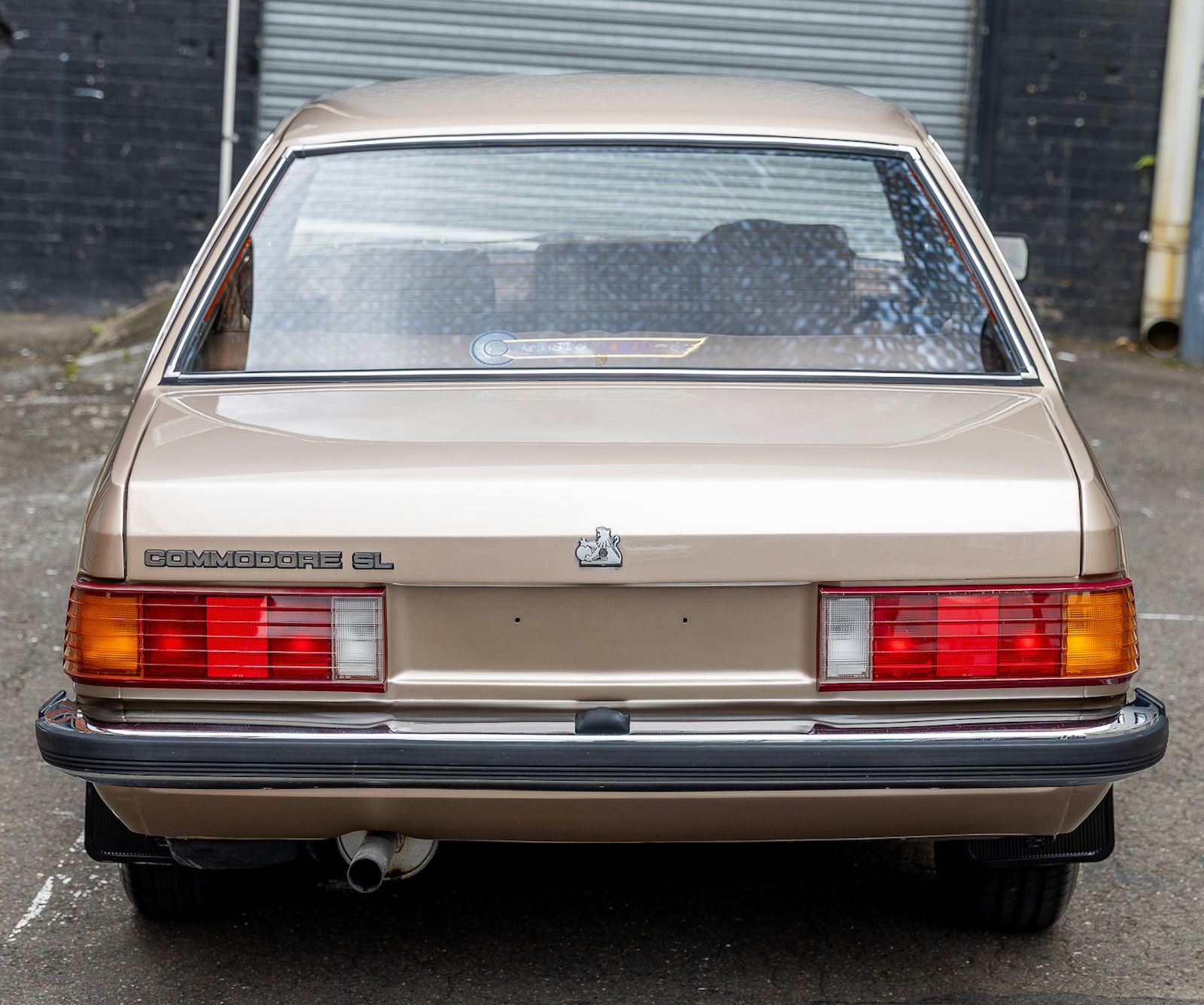
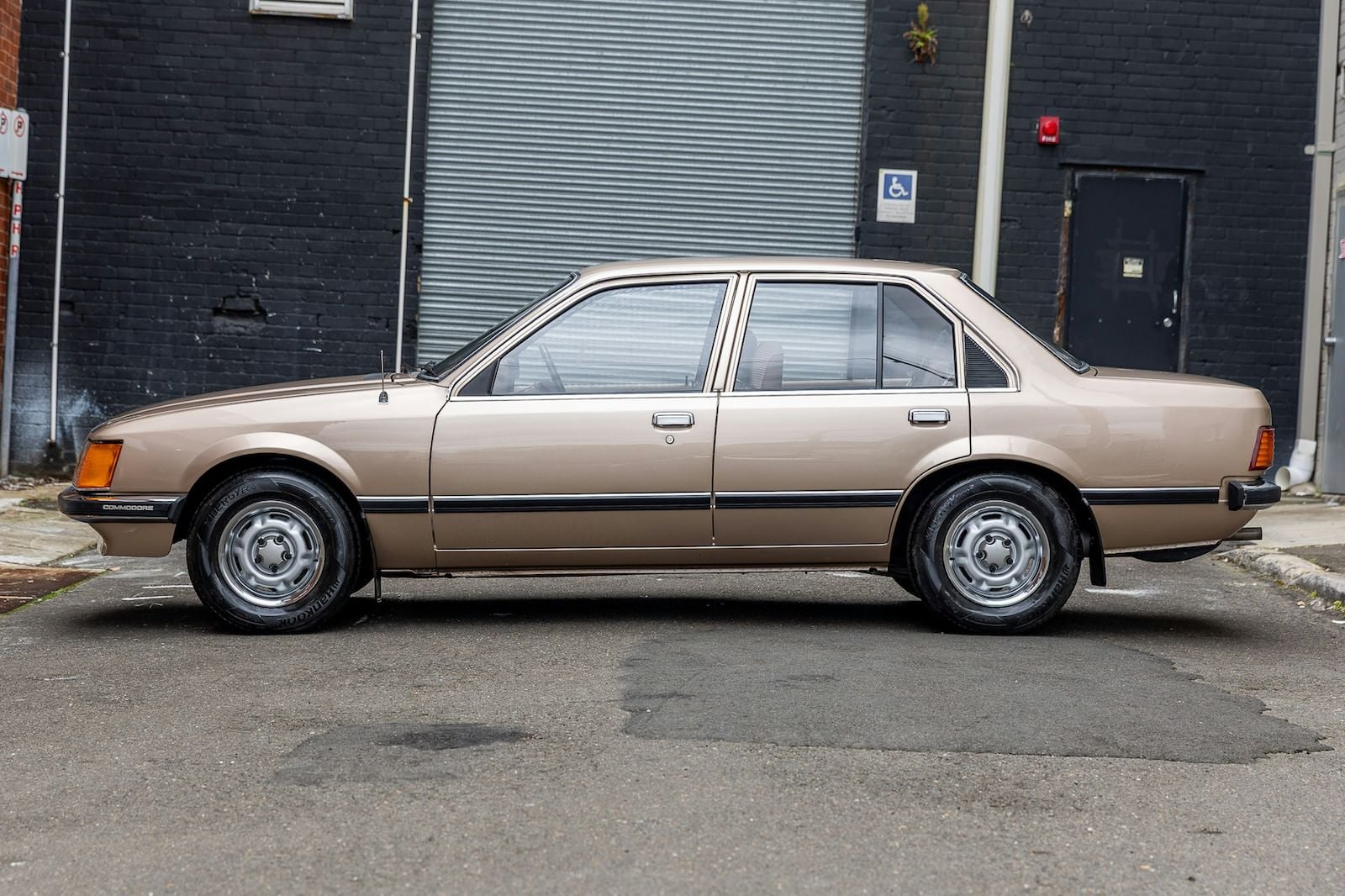
Its appeal lies in the combination: a common, practical specification with a notably original-looking presentation. Finished in Oyster Metallic over Light Oyster vinyl, it has air conditioning, manual windows, manually adjustable seats and a rear armrest. The seller reports a bare-metal repaint, along with renewed chrome, exterior mouldings, body seals, locks and window channels.
Built for Australian roads
The VH was the third Commodore generation, introduced in 1981 after Holden adapted the Opel Rekord and Senator architecture for local use. The original European design needed substantial changes to accommodate Holden’s six-cylinder and V8 engines. Holden combined the Rekord body with the longer front section used on Opel’s six-cylinder model, then strengthened the structure after testing on rough Australian roads exposed loads far beyond those in Opel’s development work.
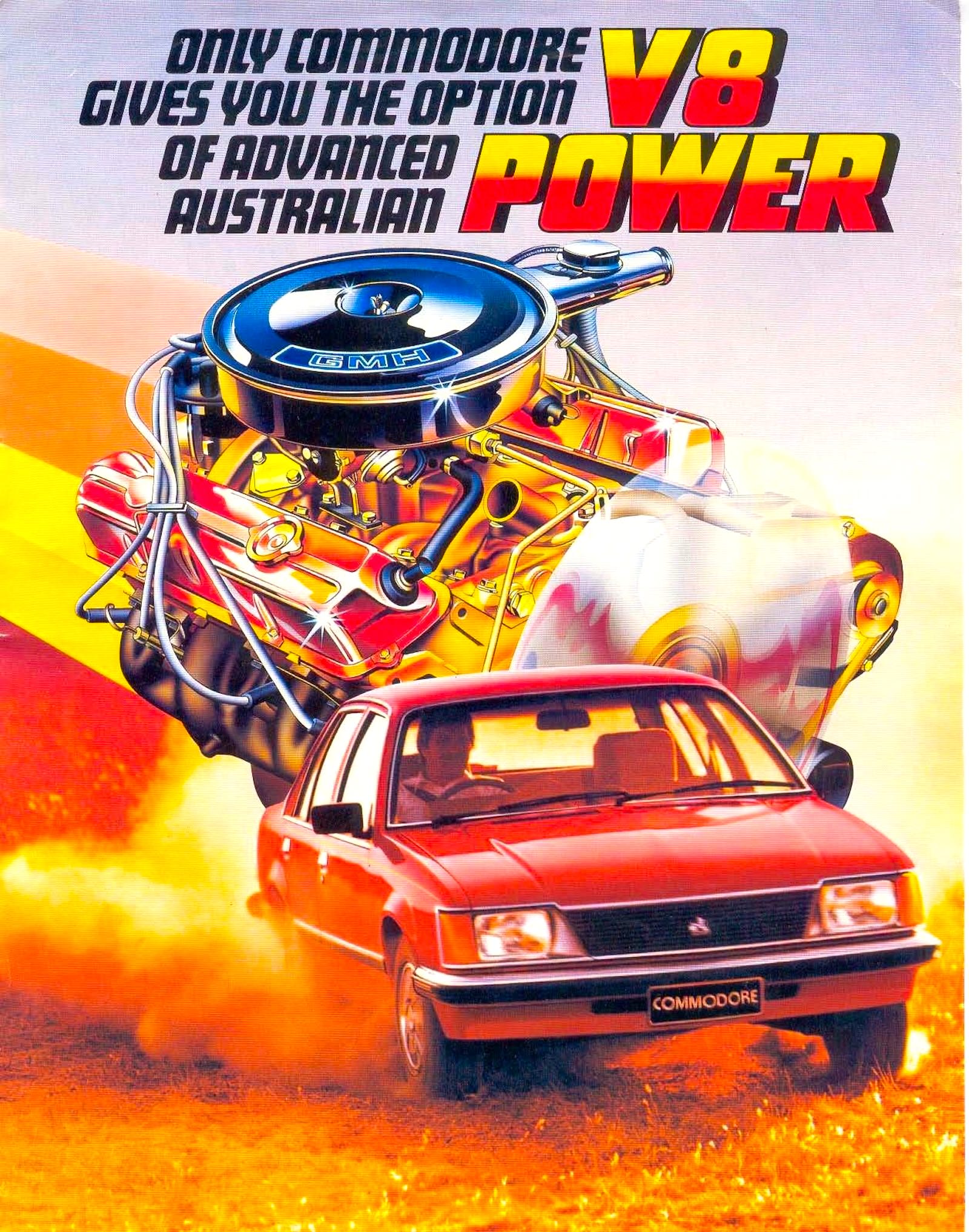
Holden reinforced the body for Australian conditions and retained the Rekord’s live rear axle. Image courtesy of Holden.
That engineering choice shaped the Commodore’s character. The VH used a steel unibody, MacPherson struts and coil springs at the front, and a live rear axle located by trailing arms and a Panhard rod. Holden revised suspension details, including the front lower control arms, their bushes and the rear springs. Rack-and-pinion steering was part of the package, with power assistance on the SL/E.
The earlier VB Commodore went on sale in October 1978. Its successor, the VC, arrived in March 1980 with a revised grille and updated “Blue” engines featuring new cylinder heads and electronic ignition. A 1.9-litre Starfire four-cylinder joined the range later that year. Holden built 121,807 VC models, and the Commodore was Australia’s best-selling car in 1980.
A sharper VH, with a broad engine range
For the VH, Holden’s design team reshaped the front end to make the taller nose look integrated with the body. The headlights sat 25 mm lower, the grille became slimmer, and the indicators wrapped farther around the front corners. SL/X and SL/E sedans also gained wraparound tail lamps. The result gave the Commodore a more modern appearance while keeping its familiar proportions.
Engine choices ranged from four cylinders to V8s. The economy-focused four-cylinder and 2.85-litre six lost output after retuning: the four fell from 78 bhp to 72 bhp, while the six dropped from 102 bhp to 98 bhp. The 3.3-litre six produced 111 bhp. Holden also carried over 4.2- and 5.0-litre V8s; the larger engine made up to 169 bhp and 266 lb-ft with dual exhausts.

This car’s 3.3-litre Blue six was a familiar middle-ground choice. It delivered more power than the smaller six while pairing with a three-speed automatic for straightforward everyday driving. The seller describes this engine-and-transmission combination as one of the common configurations.
A five-speed manual was also available. Its Borg-Warner gearbox shared four ratios with the Mitsubishi Sigma’s unit, and its 140 lb-ft torque rating restricted its use to the four-cylinder and 2.85-litre six. The more powerful engines therefore suited other transmission options.
Trim levels and the V8 halo
Holden revised its trim names for the VH: the previous L became SL, the old SL became SL/X, and SL/E remained the range-topper, offered only as a sedan. The SL/E included a trip computer with average-speed and fuel-consumption readouts. A Shadowtone finish was another distinctive option, pairing a Mercury Silver lower body with a narrow masked line intended to echo bright trim on two-tone luxury cars.
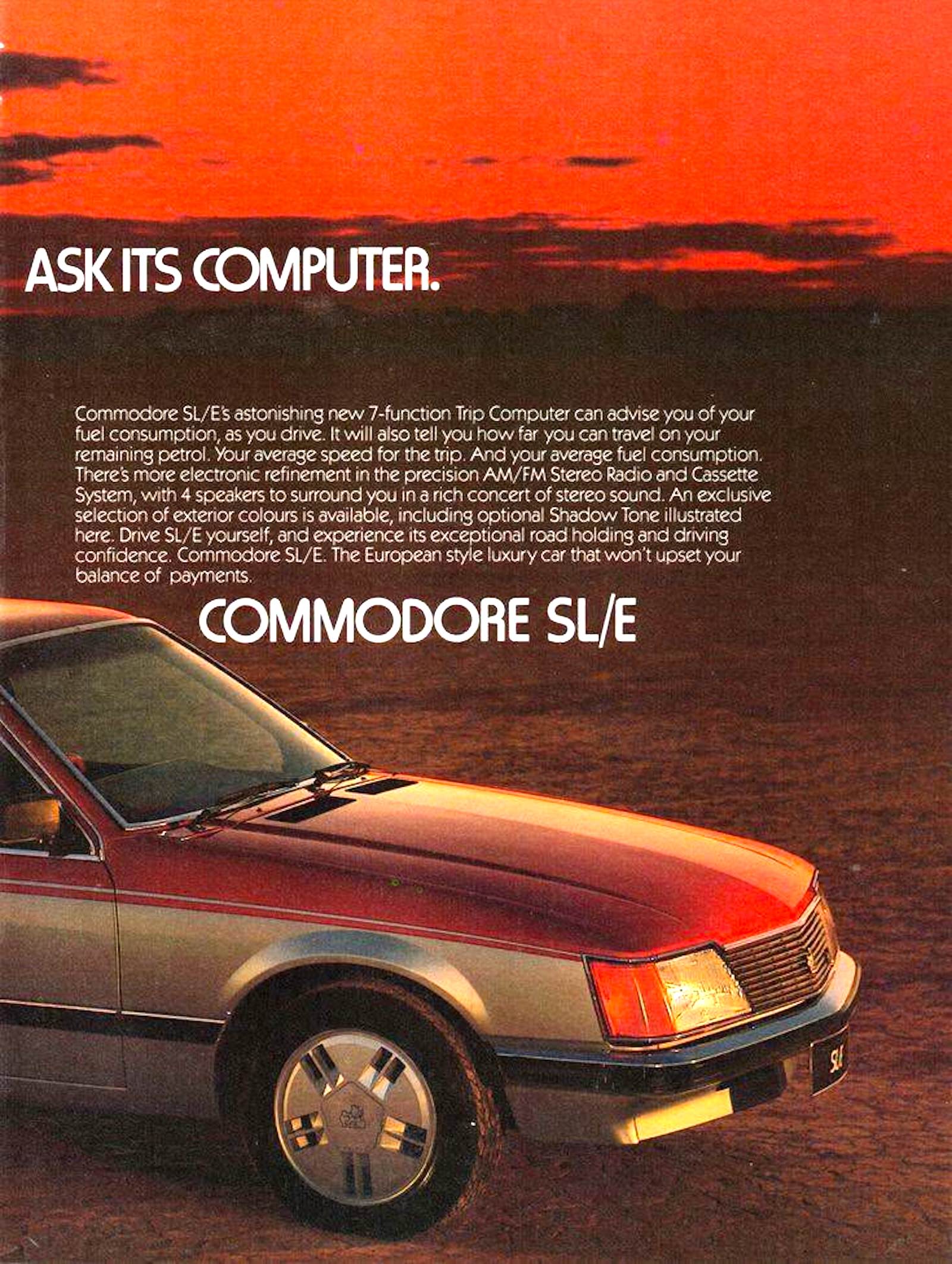
Shadowtone combined a Mercury Silver lower body with a masked silver line. Image courtesy of Holden.
The V8 models gave the range a performance focus. The SS arrived in 1982 with a 4.2-litre V8, power steering, a limited-slip differential and alloy wheels. Initially finished in Maranello Red, it later became available in Alabaster White. Peter Brock’s HDT Special Vehicles developed Group One, Group Two and Group Three versions, which are now sought-after Australian performance cars. The Group Three was initially the route to an SS with the 5.0-litre V8; Holden later offered that engine in the regular SS.
The VH range included the SL, SL/X and sedan-only SL/E. Image courtesy of Holden.
The difference in pace between engine choices was clear in a period comparison. In an overtaking test from 62 to 81 mph (100 to 130 km/h), a 3.3-litre Commodore took 13 seconds, while the 4.2-litre version needed 7.4 seconds. A Ford Fairmont Ghia with a 4.1-litre engine recorded 10.1 seconds. The testers selected the 4.2-litre SL/E, illustrating why the V8 held such appeal as buyers moved away from smaller cars.
Bathurst success and the VK successor
The VH also made its mark in racing. Commodores filled the first four places at Bathurst in 1982, with Peter Brock and Larry Perkins taking the win. The following year, Brock’s car failed on lap eight. He and Perkins moved into John Harvey’s sister car, the previous year’s winner, and the three drivers shared victory.
Holden built more than 141,000 VH Commodores before the VK replaced it in early 1984. The next generation brought a revised six-window side-glass profile and polypropylene bumpers, as well as the Berlina and Calais names. It also dropped the 2.85-litre six, 4.2-litre V8 and, in Australia, the Starfire four.
This 1983 SL
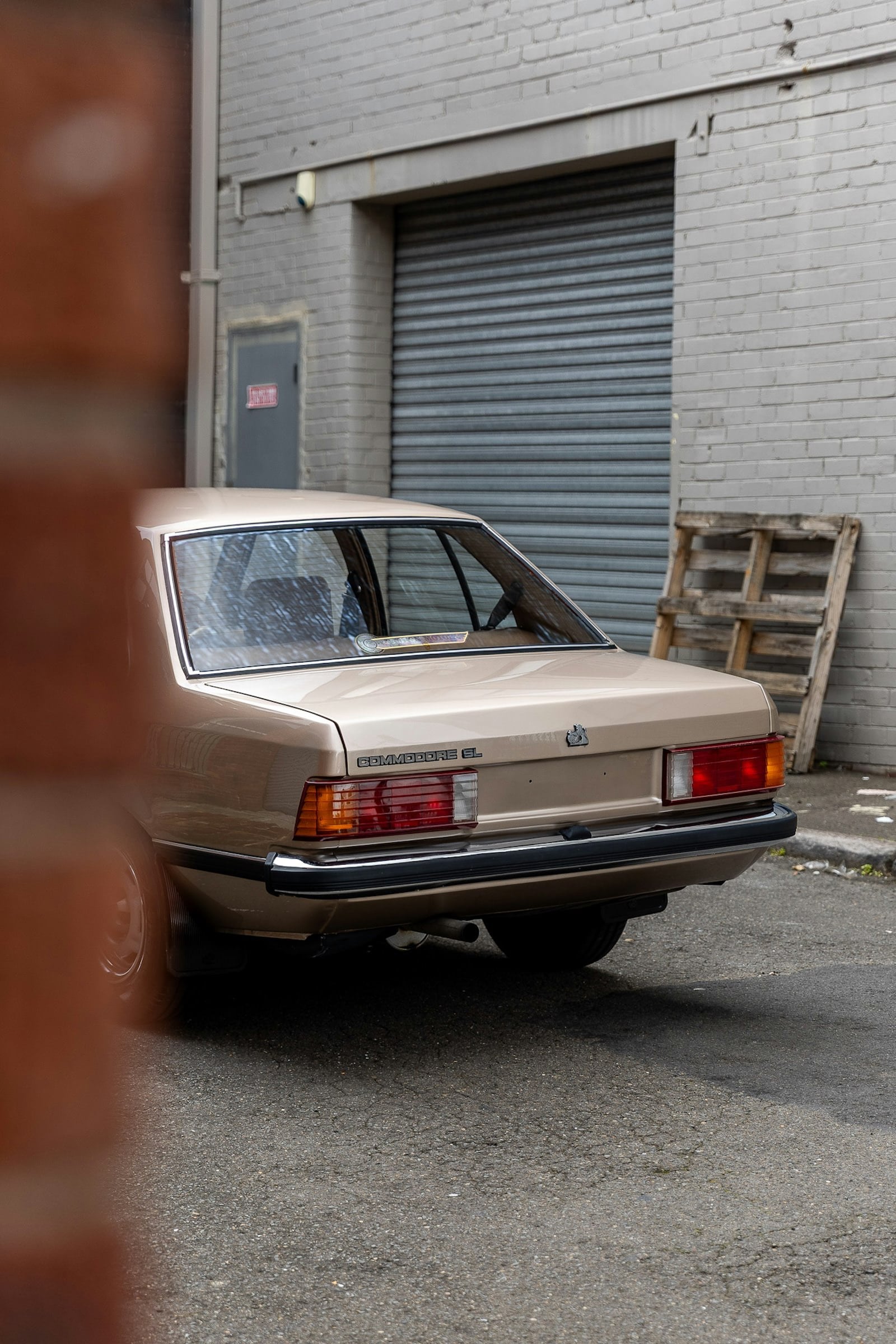
The car shown here is reported to have had one owner from new before the current seller acquired it. Its 103,356 km reading is believed genuine by the seller. The exterior restoration included a repaint with the doors open and the body taken back to bare metal, plus replacement chrome work, mouldings, rubber seals, locks and window channels.
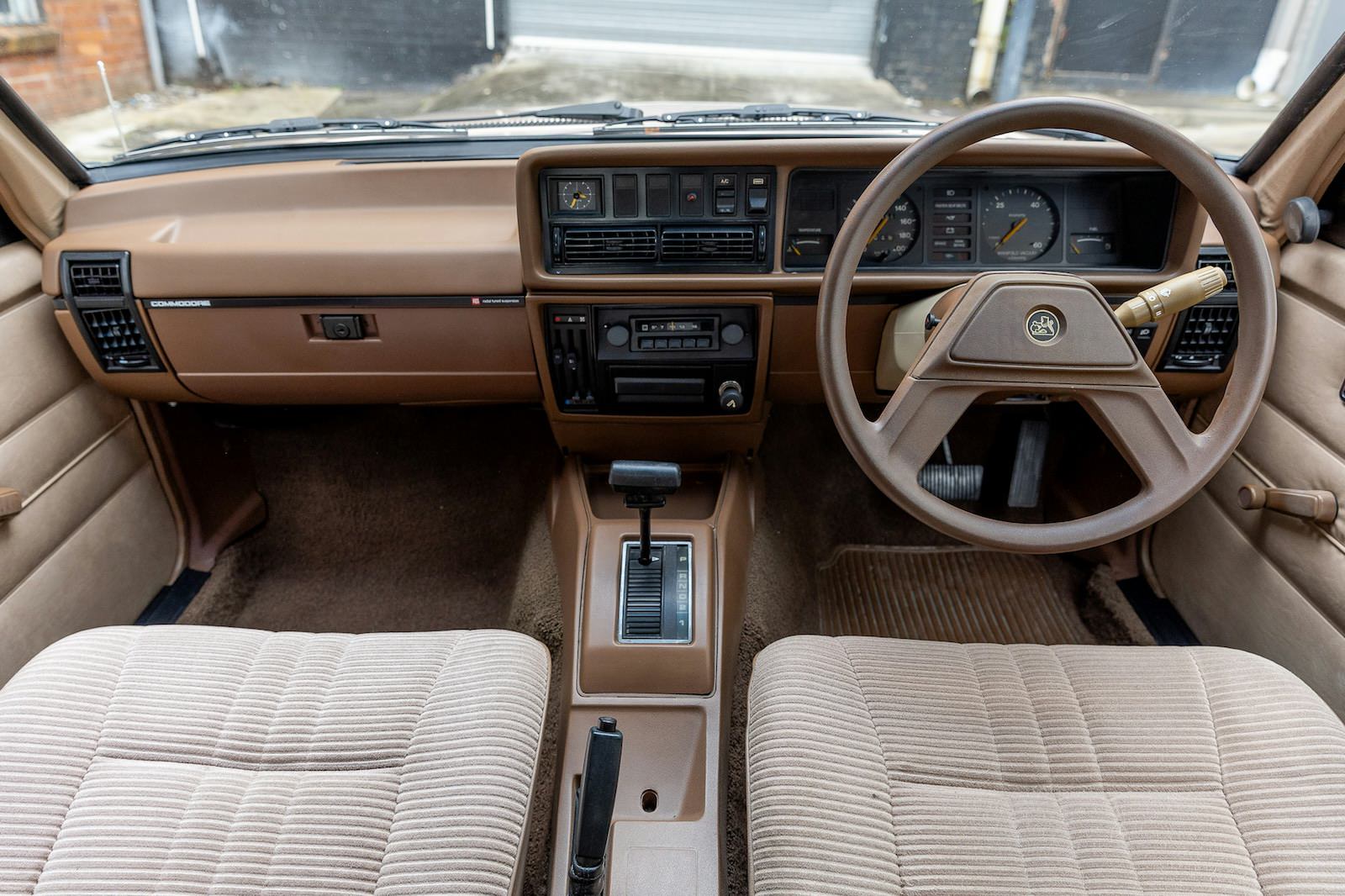
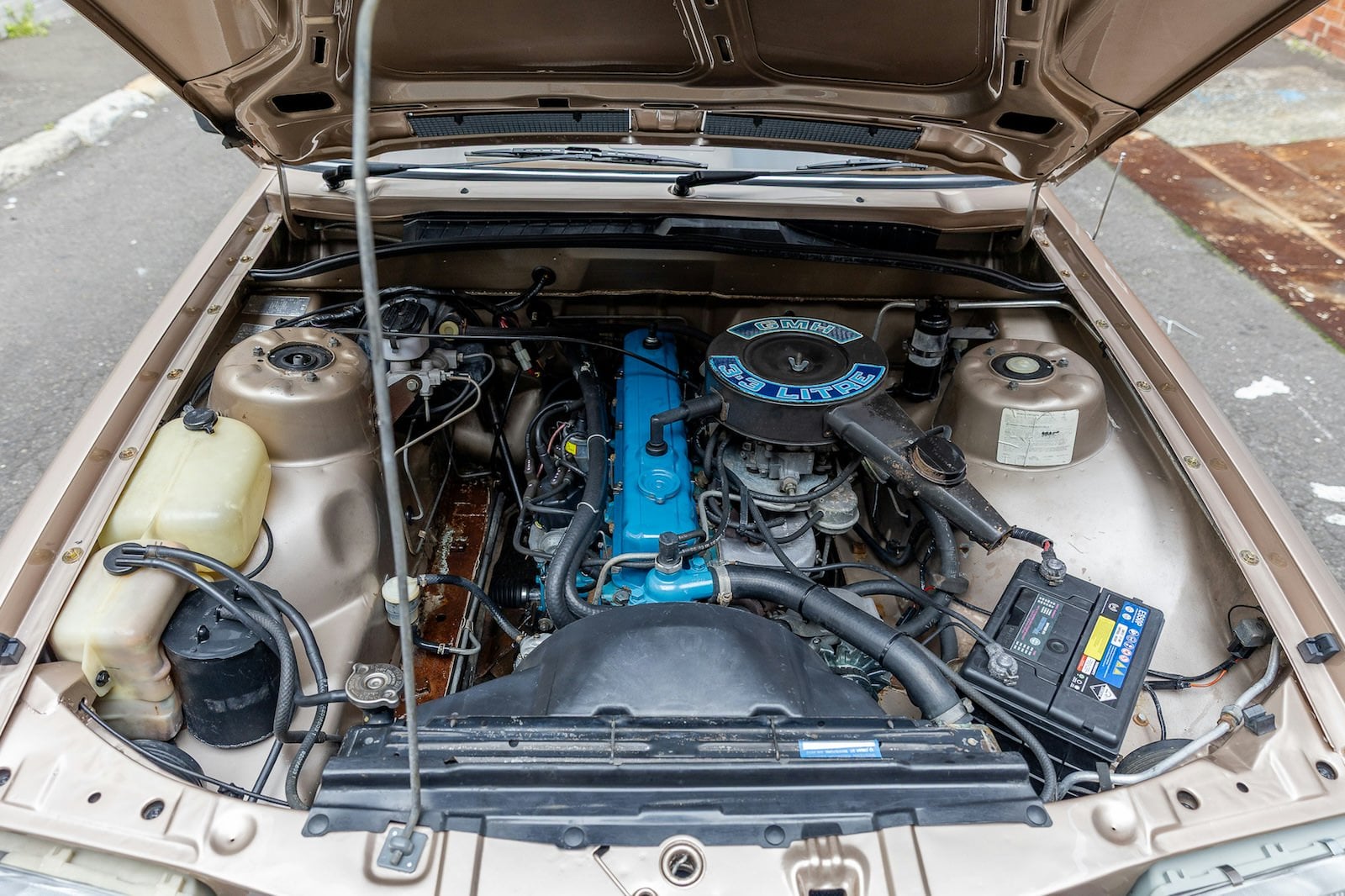
The seller reports a single previous owner and believes the displayed distance of 103,356 km is genuine.
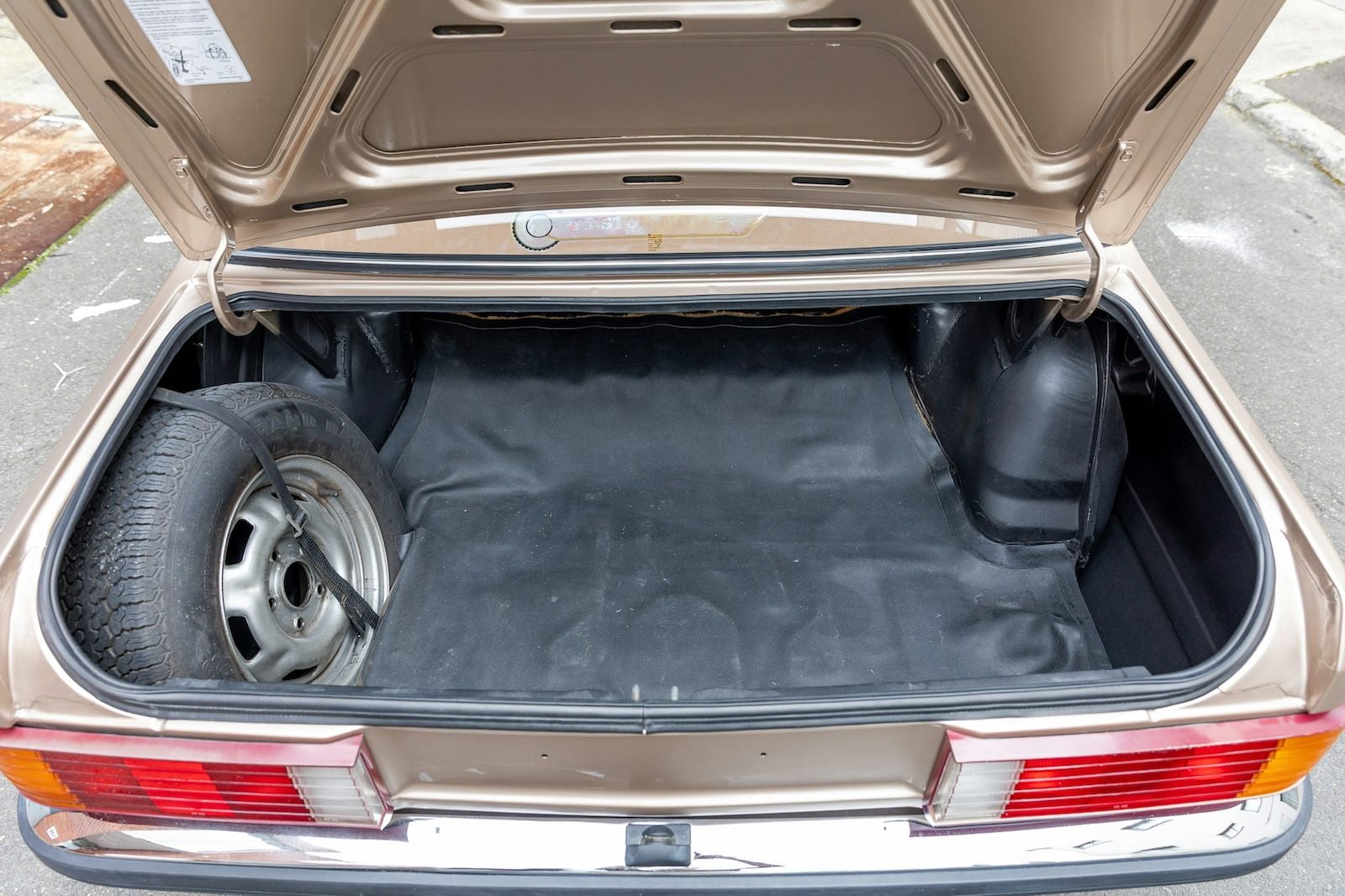
Inside, the Light Oyster vinyl cabin retains a simple specification: air conditioning, manual windows, manually adjustable seats and a rear armrest. The car comes with its owner’s manual, original tool kit, factory spare tyre and several keys. It was serviced in January 2026 at 103,300 km.
Now located in Annandale, New South Wales, the SL is listed through Collecting Cars. For buyers interested in the VH, its appeal is clear: a substantial restoration and period-correct six-cylinder automatic make this a representative example of the model’s everyday role, with its original specification still central to the story.