In lane Electric Vehicles
2026 Honda HR-V e:HEV RS: Price, Hybrid Specs and Range Details
Description
The new $44,400 HR-V e:HEV RS adds black trim and red stitching, with claimed hybrid fuel use of 4.3L/100km and four-seat practicality.

The 2026 Honda HR-V e:HEV RS gives the small SUV range a new flagship, with its appeal resting on hybrid efficiency, extra equipment and darker styling. It costs $44,400 drive-away in Australia and is available to order now. That puts it $1,500 above the e:HEV L, the previous range-topper, while the other HR-V grades carry over unchanged.
On listed prices, the RS undercuts two similarly specified hybrid rivals: the Hyundai Kona Hybrid Premium starts at $45,950 and the Toyota Corolla Cross Atmos Hybrid 2WD at $47,990. Those rival prices are before on-road costs, so the figures aren’t directly equivalent to Honda’s drive-away price. The comparison still gives buyers a useful starting point when weighing equipment and overall value.

What the RS adds
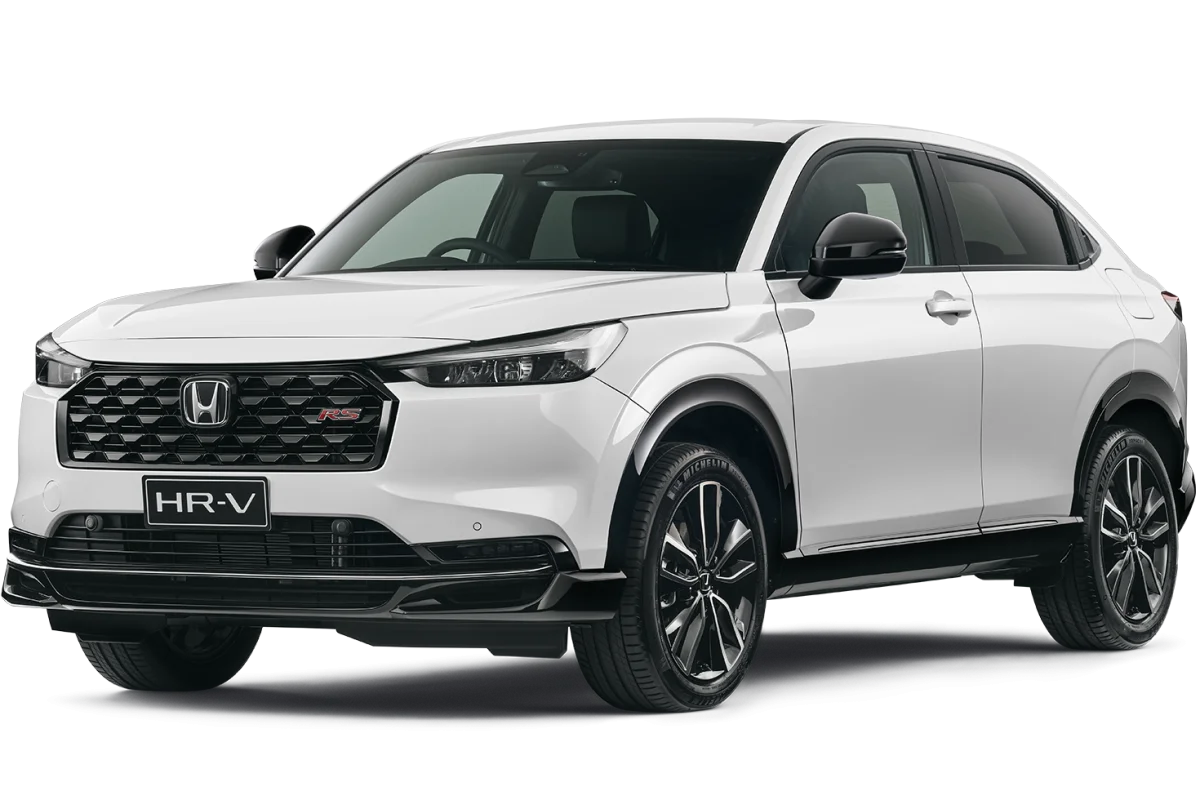
Honda distinguishes the RS with a Bernina Black grille and black finishes on the lower front bumper, door garnishes, mirror caps and 18-inch alloy wheels. Crystal Black is an RS-exclusive exterior colour, and red stitching brings the trim’s visual theme into the cabin. The changes are cosmetic; the source lists no additional powertrain or specification changes for this grade.
The RS builds on the e:HEV L’s equipment. That means buyers get the L’s hands-free power tailgate, heated and power-folding mirrors, rear privacy glass, rain-sensing wipers, auto-dimming rear-view mirror, heated steering wheel and dual-zone climate control with rear vents. It also has one-touch operation for all power windows and two additional USB-C outlets. The RS adds its black exterior details and red seat and steering-wheel stitching.

The range starts with the petrol VTi X at $32,900 drive-away. Hybrid choices begin with the e:HEV X at $39,900, followed by the e:HEV L at $42,900 and the RS at $44,400. The $11,500 gap between the entry petrol model and the RS buys the hybrid powertrain as well as a higher equipment level, so the range’s price ladder reflects more than styling.

Hybrid efficiency and powertrain choices
Every HR-V is front-wheel drive. The petrol version pairs a naturally aspirated 1.5-litre four-cylinder engine with a CVT, producing 89kW and 145Nm. Honda quotes fuel consumption of 6.2L/100km and CO₂ emissions of 142g/km for this powertrain.
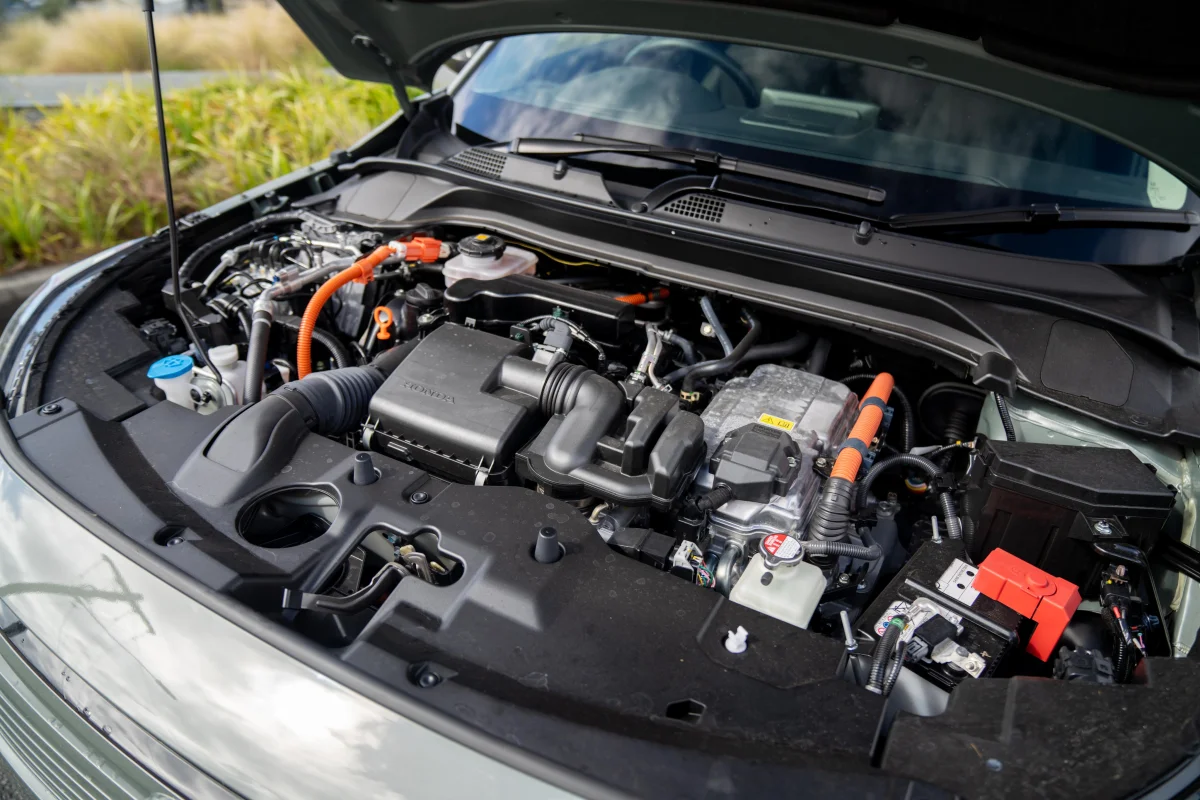
The e:HEV combines a 1.5-litre four-cylinder engine with a hybrid system and e-CVT. Total outputs are listed as 96kW and 253Nm. Its claimed fuel consumption is 4.3L/100km, with emissions of 98g/km. Both versions have a 40-litre fuel tank and meet the Euro 6b emissions standard. The hybrid weighs between 1,378kg and 1,385kg, compared with 1,267kg for the petrol model.

Those figures make the hybrid’s fuel-use advantage a central part of its case: the claimed consumption is 1.9L/100km lower than the petrol HR-V’s. Actual use will depend on driving conditions, but the published figures help buyers compare the two powertrains on the same basis. The supplied specifications don’t state electric-only range or charging details, and the HR-V hybrid is presented here as a fuel-saving alternative within the lineup.
Honda says it expects hybrid models to account for more than 80 per cent of its sales this year as it expands hybrid choices across its range. The HR-V’s four grades show that strategy in a small SUV: buyers can enter the lineup with petrol power or pay more for one of three hybrid versions.

Cabin space and equipment
The HR-V seats four occupants in Australia, a practical constraint for households that regularly need a fifth seat. Its dimensions are 4,345mm long, 1,790mm wide and 1,590mm high, with a 2,610mm wheelbase. The e:HEV RS is longer at 4,390mm; the source doesn’t specify what accounts for the difference.

Cargo capacity is 304 litres with the rear seats in place. Fold them down and capacity rises to 1,274 litres measured to the roof, or 956 litres to the window line. The rear seats split and fold 60:40, and Honda’s Magic Seats add flexibility when carrying a mix of passengers and larger items. For buyers comparing small SUVs, the four-seat layout and the difference between the two folded-seat measurements are worth keeping in mind alongside the headline cargo figure.

The VTi X includes a 7.0-inch instrument display and 9.0-inch infotainment touchscreen, Google Built-in, wireless Apple CarPlay and Android Auto, satellite navigation and DAB+ digital radio. It also has LED headlights, automatic high-beam, proximity entry, push-button start, single-zone climate control and a four-speaker audio system. Its rear Magic Seats fold in a 60:40 split.

The e:HEV X adds adaptive high-beam, active cornering lights, automatic headlight levelling, paddle shifters, heated front seats and a six-speaker sound system. The e:HEV L brings the comfort and convenience equipment carried over to the RS. The RS’s main additions over that grade are its styling details and interior stitching.

Warranty, servicing and safety
Honda covers the HR-V with a five-year, unlimited-kilometre vehicle warranty. Hybrid battery coverage is listed at eight years, and five years of roadside assistance is included. The first five scheduled services are capped at $199 each, giving buyers a published service-cost limit for that period.
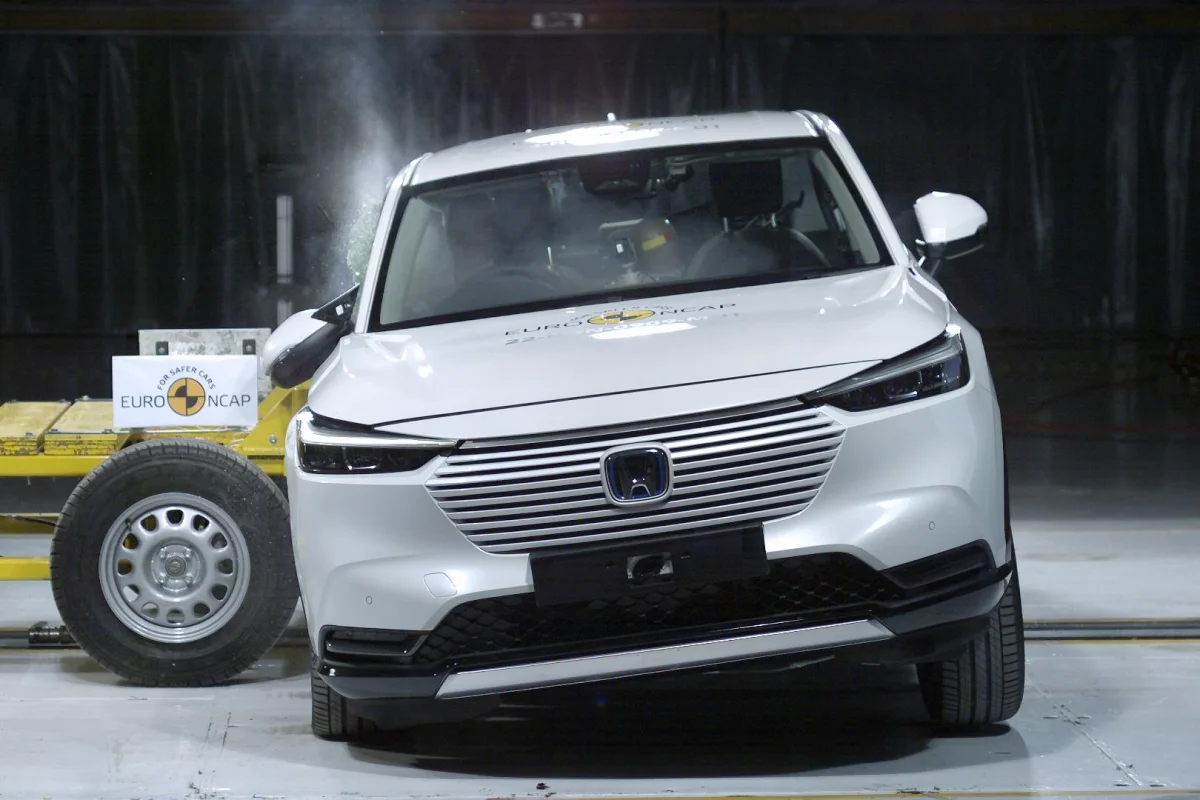
The HR-V has a four-star ANCAP rating based on testing conducted in 2022. The reported scores are 82 per cent for adult occupant protection, 77 per cent for child occupant protection, 72 per cent for vulnerable road user protection and 69 per cent for safety assist. Standard equipment across the range includes adaptive cruise control, autonomous emergency braking, lane-keep assist, traffic sign recognition, tyre-pressure monitoring, front and rear parking sensors and a reversing camera. Hybrid grades also receive rear cross-traffic alert.
Colours and buyer considerations
Available paint finishes, with no additional surcharge listed, are Crystal Black, Slate Grey, Premium Crystal Red, Premium Opal White Silver, Botanical Green and Platinum White. Crystal Black is exclusive to the RS; Premium Opal White Silver and Botanical Green aren’t offered on the VTi X.
The RS makes most sense for buyers who want the HR-V hybrid’s claimed 4.3L/100km fuel economy and the L’s added convenience features, with a darker exterior treatment and red cabin stitching. The e:HEV L costs $1,500 less and retains the same listed hybrid specifications, while the e:HEV X starts $4,500 below the RS. Checking which comfort features matter day to day will help determine whether the flagship’s price premium is worthwhile.


